Inicio Blog Página 48

Mayra Hernández Bergman: liderazgo, identidad y el reto de romper el techo de cristal lejos de su país

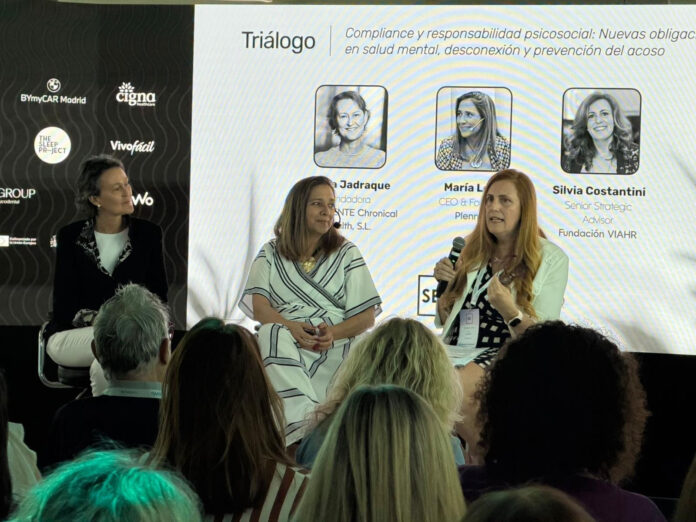
Participación en un panel sobre mercadotecnia y tecnología durante su carrera en Lockheed Martin. (Foto: Mayra Bergman)

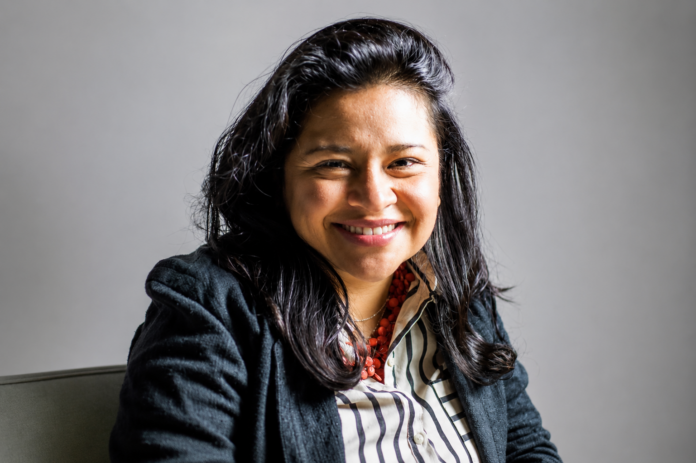
En una nueva edición de Charlas de Impacto, Perla Lara, editora jefa de Impacto, conversó con Mayra Hernández Bergman, ejecutiva mexicana radicada desde hace más de dos décadas en el área de Filadelfia, sobre los desafíos de construir una carrera profesional lejos de su país, el papel de las mujeres latinas en espacios de liderazgo y la importancia de defender la diversidad en tiempos de incertidumbre.

Originaria de Monterrey, Nuevo León, Hernández Bergman enfatizó que creció en una ciudad profundamente marcada por el comercio, la industria y el espíritu empresarial. Monterrey, explicó, le enseñó desde temprana edad el valor del trabajo, la ambición y la capacidad de buscar nuevas oportunidades.

“Monterrey es una ciudad muy progresista, muy industrial y conectada con Estados Unidos. Crecí en un ambiente donde era natural pensar en estudiar o trabajar en otro país”, comentó.

Su carrera comenzó en México, trabajando para Gamesa. Más adelante surgió una oportunidad laboral en Toronto, Canadá, experiencia que cambió por completo su visión del mundo. En esa ciudad multicultural aprendió inglés, conoció otras culturas y descubrió lo que significaba ser migrante.

Fue también allí donde conoció a quien después sería su esposo, originario del área de Filadelfia. Así llegó a esta región, sin imaginar que terminaría convirtiéndose en su hogar.

“Yo nunca pensé que Filadelfia sería mi ciudad, pero terminé enamorándome de ella. Hoy siento que tengo una conexión muy fuerte con esta comunidad”, afirmó.

Visita a la residencia oficial del gobernador de Pensilvania, Josh Shapiro, durante el Mes de la Herencia Hispana. (Foto: Mayra Bergman)

Empezar de nuevo en otro país

Sin embargo, establecerse en Estados Unidos no fue sencillo. Mayra relató que una de las experiencias más difíciles fue darse cuenta de que todo lo que había logrado en México parecía perder valor del otro lado de la frontera.

A pesar de haber trabajado para grandes compañías y de tener experiencia internacional, tuvo que empezar prácticamente desde cero.

“Fue muy duro llegar y escuchar que mi experiencia no contaba porque no había estudiado aquí o porque mi inglés no lo había aprendido en este país. Tuve que volver a estudiar, hacer una maestría en negocios y aceptar puestos más pequeños para reconstruir mi carrera”, recordó.

Además de las barreras profesionales, enfrentó el peso de ser mujer, inmigrante y latina en espacios donde pocas personas compartían su historia.

“Ser mujer, tener acento y venir de otro país juega un papel importante. Muchas veces uno siente que tiene que demostrar el doble”, señaló.

Durante la conversación, reflexionó sobre cómo incluso su apellido pudo haber influido en las oportunidades que recibió. Tras casarse, adoptó el apellido Bergman y con el tiempo se preguntó si las cosas habrían sido distintas si se hubiera presentado únicamente como Mayra Hernández.

“Siempre me he preguntado qué hubiera pasado si hubiera aplicado a ciertos trabajos con mis dos apellidos mexicanos. Nunca lo sabré, pero sí creo que muchas veces las personas reaccionan de manera distinta dependiendo del nombre que leen”, expresó.

En la Marcha de Mujeres por la Equidad en Washington, D.C.. (Foto: Mayra Bergman)

    La oportunidad que cambió su carrera

    Su primera gran oportunidad en el mundo corporativo estadounidense llegó en General Electric. Allí, explicó, encontró a un líder dispuesto a apostar por la diversidad.

    Tom Beckman, el ejecutivo que la entrevistó, entendió el valor de formar equipos con personas de distintos países, idiomas y experiencias.

    “Él vio en mí algo más allá de mi acento o de mi origen. Creía que la diversidad hacía más fuerte a una empresa, y gracias a esa oportunidad pude volver a entrar al mundo corporativo”, dijo.

    A partir de entonces, su carrera continuó creciendo. Llegó a convertirse en la primera latina en ocupar un cargo de vicepresidencia dentro de una empresa con más de cien años de historia. Más tarde, asumió posiciones de liderazgo en PECO, donde también se convirtió en la primera mujer latina en ocupar ese cargo ejecutivo en la historia de la compañía.

    Para Mayra, el éxito no estuvo relacionado únicamente con el talento o la preparación, sino también con la capacidad de pedir más, de buscar oportunidades y de no esperar a que alguien más la eligiera.

    “Muchas mujeres latinas somos trabajadoras, responsables y muy capaces, pero nos cuesta pedir. Nos enseñaron a esperar, a ser discretas, a trabajar en silencio. Yo aprendí que también hay que levantar la mano y decir: quiero más responsabilidad, quiero crecer”, afirmó.

    Recorriendo los estudios de 6ABC en Philadelphia. (Foto: Mayra Bergman)

    Vivir entre dos culturas

    Otro de los temas centrales de la entrevista fue la identidad. Mayra habló sobre lo que significa vivir entre dos culturas y sobre cómo, con el tiempo, dejó de pensar que debía escoger entre ser mexicana o estadounidense.

    “Mis hijos tienen una mamá mexicana y un papá estadounidense. Son las dos cosas al mismo tiempo. A veces creemos que tenemos que escoger una sola identidad, pero no es así. Podemos ser una mezcla de todo lo que somos”, compartió.

    Su familia asiste a un juego de los Philadelphia Phillies en Citizens Bank Park. (Foto: Mayra Bergman)

    En ese sentido, consideró que las nuevas generaciones vivirán con una identidad mucho más global, influida por la tecnología, las redes sociales y la convivencia entre distintas culturas.

    Visita a una base naval en Colombia, volando en un helicóptero Sikorsky UH-60 Black Hawk junto a representantes de la Marina colombiana, como representante de Lockheed Martin. (Foto: Mayra Bergman)

    Frente al miedo, defender la diversidad

    También habló sobre el clima político actual y la retórica antiinmigrante que ha crecido en Estados Unidos y en otras partes del mundo. Frente a ese panorama, insistió en que no se debe perder la esperanza ni permitir que el miedo defina la conversación.

    Aseguró que los inmigrantes han contribuido de manera decisiva al desarrollo económico, cultural y social de ciudades como Filadelfia, y que es necesario seguir contándolo.

    “Tenemos que usar nuestras plataformas para cambiar la narrativa. Los inmigrantes no venimos a restar. Venimos a aportar, a trabajar, a construir y a multiplicar”, dijo.

    Un nuevo comienzo como empresaria

    Tras varios años en PECO y después de asumir responsabilidades en Washington, Delaware y Nueva Jersey, decidió dar un nuevo paso: dejar el mundo corporativo para crear su propio negocio.

    Participación como ponente en un evento de Hispanic Media en Filadelfia, durante su etapa en PECO. (Foto: Hispanic Media)

    Actualmente dirige una firma especializada en comunicación estratégica y manejo de crisis. Desde allí asesora a empresas, organizaciones y profesionales que atraviesan momentos difíciles y necesitan proteger su reputación.

    “Me di cuenta de que lo que más me gustaba era resolver problemas complicados. Me gustan los retos, encontrar soluciones y ayudar a las personas a navegar situaciones difíciles”, explicó.

    Al final de la conversación, Mayra dejó un mensaje dirigido especialmente a la comunidad latina y a quienes hoy enfrentan miedo, discriminación o incertidumbre. Pidió no dejarse paralizar por las narrativas de odio y recordar que la diversidad sigue siendo una fortaleza.

    “Tenemos que seguir contando nuestras historias, apoyar a otras personas y creer en el valor de quienes somos. No estamos aquí para quitarle nada a nadie. Estamos aquí para construir un futuro mejor”, concluyó.

    Mayra Hernández Bergman on leadership identity, and the challenge of breaking the glass ceiling far from home

    Recorriendo los estudios de 6ABC en Philadelphia. (Foto: Mayra Bergman)

    In a new edition of Charlas de Impacto, Perla Lara, Editor in Chief of Impacto, spoke with Mayra Hernández Bergman, a Mexican executive who has lived in the Philadelphia area for more than two decades, about the challenges of building a professional career far from her country of origin, the role of Latina women in leadership spaces, and the importance of defending diversity in times of uncertainty.

    Originally from Monterrey, Nuevo León, Hernández Bergman emphasized that she grew up in a city deeply shaped by commerce, industry, and an entrepreneurial spirit. Monterrey, she explained, taught her from an early age the value of hard work, ambition, and the ability to seek out new opportunities.

    “Monterrey is a very progressive, industrial city, closely connected to the United States. I grew up in an environment where it felt natural to think about studying or working in another country,” she shared.

    Her career began in Mexico, working for Gamesa. Later, a professional opportunity arose in Toronto, Canada, an experience that completely transformed her worldview. In that multicultural city, she learned English, encountered other cultures, and discovered what it meant to be an immigrant.

    It was also there that she met the person who would later become her husband, originally from the Philadelphia area. That is how she arrived in this region, without imagining it would eventually become her home.

    “I never thought Philadelphia would be my city, but I ended up falling in love with it. Today, I feel a very strong connection to this community,” she said.

    Visita a la residencia oficial del gobernador de Pensilvania, Josh Shapiro, durante el Mes de la Herencia Hispana. (Foto: Mayra Bergman)

    Starting over in another country

    However, settling in the United States was not easy. Mayra recounted that one of the most difficult experiences was realizing that everything she had achieved in Mexico seemed to lose its value on the other side of the border.

    Despite having worked for large companies and possessing international experience, she had to start almost from scratch.

    “It was very tough to arrive and hear that my experience didn’t count because I hadn’t studied here or because I hadn’t learned English in this country. I had to go back to school, earn a master’s degree in business, and accept smaller roles to rebuild my career,” she recalled.

    In addition to professional barriers, she faced the weight of being a woman, an immigrant, and Latina in spaces where few people shared her background.

    “Being a woman, having an accent, and coming from another country plays a big role. Many times, you feel like you have to prove yourself twice as much,” she said.

    During the conversation, she reflected on how even her last name may have influenced the opportunities she received. After getting married, she adopted the last name Bergman, and over time, she began to wonder whether things might have been different had she applied for certain jobs using only her Mexican last names.

    “I’ve always wondered what would have happened if I had applied to certain jobs with both of my Mexican last names. I’ll never know, but I do believe people often react differently depending on the name they see,” she noted.

    En la Marcha de Mujeres por la Equidad en Washington, D.C.. (Foto: Mayra Bergman)

    The opportunity that changed her career

    Her first major opportunity in the U.S. corporate world came at General Electric, where she found a leader willing to bet on diversity.

    Tom Beckman, the executive who interviewed her, understood the value of building teams with people from different countries, languages, and experiences.

    “He saw something in me beyond my accent or my background. He believed diversity made a company stronger, and thanks to that opportunity, I was able to re-enter the corporate world,” she said.

    From there, her career continued to grow. She became the first Latina to hold a vice-presidential position within a company with more than a hundred years of history. Later, she assumed leadership roles at PECO, where she also became the first Latina woman to hold an executive position in the company’s history.

    For Mayra, success was not based solely on talent or preparation, but also on the ability to ask for more, seek opportunities, and not wait to be chosen.

    “Many Latina women are hardworking, responsible, and very capable, but we struggle to ask. We were taught to wait, to be discreet, to work quietly. I learned that you also have to raise your hand and say: I want more responsibility, I want to grow,” she said.

    Participación en un panel sobre mercadotecnia y tecnología durante su carrera en Lockheed Martin. (Foto: Mayra Bergman)

    Living between two cultures

    Another central topic of the interview was identity. Mayra spoke about what it means to live between two cultures and how, over time, she stopped thinking she had to choose between being Mexican or American.

    “My children have a Mexican mother and an American father. They are both at the same time. Sometimes we think we have to choose a single identity, but that’s not true. We can be a blend of everything that we are,” she shared.

    In that sense, she believes younger generations will grow up with a much more global identity, shaped by technology, social media, and the coexistence of different cultures.

    Su familia asiste a un juego de los Philadelphia Phillies en Citizens Bank Park. (Foto: Mayra Bergman)

    Defending diversity in the face of fear

    Mayra also addressed the current political climate and the rise of anti-immigrant rhetoric in the United States and other parts of the world. In the face of that reality, she emphasized the importance of not losing hope or allowing fear to define the narrative.

    She stressed that immigrants have contributed significantly to the economic, cultural, and social development of cities like Philadelphia, and that it is crucial to continue telling those stories.

    “We have to use our platforms to change the narrative. Immigrants do not come to take away. We come to contribute, to work, to build, and to multiply,” she said.

    Participación como ponente en un evento de Hispanic Media en Filadelfia, durante su etapa en PECO. (Foto: Hispanic Media)

    A new Beginning as an entrepreneur

    After several years at PECO and holding responsibilities in Washington, Delaware, and New Jersey, Mayra decided to take a new step: leaving the corporate world to start her own business.

    She currently leads a firm specializing in strategic communications and crisis management, advising companies, organizations, and professionals navigating difficult moments who need to protect their reputations.

    “I realized that what I enjoyed most was solving complex problems. I like challenges, finding solutions, and helping people navigate difficult situations,” she explained.

    At the end of the conversation, Mayra shared a message especially for the Latino community and for those facing fear, discrimination, or uncertainty today. She urged people not to be paralyzed by narratives of hate and to remember that diversity remains a strength.

    “We have to keep telling our stories, supporting others, and believing in the value of who we are. We’re not here to take anything away from anyone. We’re here to build a better future,” she concluded.

    PECO recuerda a los clientes “Saber qué hay debajo” y revisar arriba antes de comenzar cualquier proyecto

    Abril es el Mes Nacional de la Excavación Segura, y PECO recuerda a residentes, negocios y contratistas que la excavación segura debe seguir siendo una prioridad para prevenir daños a la infraestructura energética subterránea crítica y mantener a las comunidades seguras.

    Antes de iniciar cualquier proyecto que implique excavar, los clientes deben llamar al 811 o visitar https://www.pa1call.org al menos tres días laborables antes, para identificar la ubicación aproximada de los servicios públicos subterráneos.
    Cada proyecto de excavación, sin importar su tamaño, requiere una llamada al 811. Instalar un buzón, construir una terraza, plantar un árbol o colocar un patio son ejemplos de proyectos en los que llamar al 811 debe ser uno de los primeros pasos.

    Solo en 2025, PECO respondió a casi 500 incidentes en los que se produjeron daños a equipos subterráneos eléctricos o de gas natural debido a prácticas de excavación inseguras. De estos, 190 estuvieron relacionados con excavaciones inseguras, incluidos 90 casos en los que no se llamó al 811 antes de excavar.
    Además de multas y los costos de reparación de líneas dañadas, seguir los pasos adecuados antes de excavar ayuda a prevenir interrupciones del servicio a los vecinos y, lo más importante, reduce el riesgo de lesiones.

    • Llame el lunes o martes si el trabajo está planificado para el fin de semana, para dar tiempo suficiente a que se marquen las líneas.
    • Si ha contratado a un contratista, confirme que haya llamado al 811. No permita que el trabajo comience si las líneas no están marcadas.

    Después de contactar al 811:

    • Será conectado con PA One Call, el coordinador estatal para el marcado de líneas de servicios públicos.
    • PA One Call recopilará la información del proyecto y la compartirá con PECO y otras compañías de servicios miembros.
    • Las compañías marcarán sus instalaciones subterráneas.
    • Considere cambiar la ubicación del proyecto si está cerca de las marcas de líneas.
    • Visite https://www.call811.com para más información.

    Una vez que el área esté marcada, es esencial comprender los códigos de colores utilizados para el marcado.

    Una encuesta reciente de la Common Ground Alliance (CGA), una asociación nacional enfocada en la seguridad de servicios subterráneos resalta la importancia de llamar al 811. Según la encuesta nacional, 10 millones de estadounidenses que planean proyectos de excavación en el próximo año no contactarán al 811, poniendo en riesgo a sus comunidades por interrupciones del servicio, multas costosas, reparaciones, e incluso riesgos de lesiones graves o muerte.

    También es importante que clientes y contratistas estén atentos a las líneas eléctricas aéreas. El público siempre debe asumir que las líneas están energizadas y mantener una distancia mínima de 10 pies entre personas, equipos u objetos y las líneas eléctricas.

    Si se necesita trabajar cerca de líneas aéreas, se deben seguir estos pasos:

    • Llame a PECO al 1‑800‑454‑4100 al menos 14 días antes de comenzar el trabajo.
    • Los clientes también pueden presentar una solicitud para hacer seguro el lugar de trabajo a través del “Make Work Safe Site” de PECO.
    • Para ciertos proyectos, dependiendo del alcance, se puede requerir más tiempo de anticipación, especialmente si la construcción se realizará a menos de 7 pies de un cable aéreo. En esos casos, los contratistas deben informar a PECO con 6 a 8 semanas de antelación, ya que podría ser necesario reubicar postes o cables.

    Para obtener más información, visite https://www.peco.com/Safety.
    Los clientes también pueden comunicarse con el equipo de Prevención de Daños de PECO llamando al 610‑941‑1809 o escribiendo a PECODamagePrevention@exeloncorp.com.

    The Huejotzingo Carnival rings out during the U.S. 250th Anniversary festivities

    The Festival of Many Colors supports immigrant culture. (Photo: Leticia Roa Nixon)

    The Festival of Many Colors, organized by the Mummers Museum as part of the 250th Anniversary of National Independence, supports participants and musicians from the Mexican community in New Jersey who celebrate the Huejotzingo Carnival, originally from the Mexican state of Puebla.

    Poblano immigrants have brought this iconic celebration to several states across the United States. The event stands out not only for its vibrant colors and music, but also for its reenactment of historical events, making it a uniquely rich cultural experience.

    Banda La Poblanita, an important part of Mexican identity. (Photo: Courtesy)

    Michael Carwile, the festival’s organizer, introduced a music workshop led by Banda La Poblanita from Passaic, New Jersey, for community members on April 12 at the museum, located in South Philadelphia. The Mummers have paraded every January 1 in Philadelphia since 1901, organized in brigades that include performers dressed as comics in elaborate costumes, men portraying female characters, and string instrument bands.

    Future generations of the Huejotzingo Carnival. (Photo: Leticia Roa Nixon)

    Band music is characterized by its distinctive instrumentation, which includes trumpets, trombones, clarinets, and saxophones, as well as drums and cymbals. This combination creates a festive sound typical of carnival music. The style is known for its lively rhythms and melodies that evolve over time.

    Fermín Atenco, director of Banda La Poblanita, explained that their goal is for younger generations to learn and preserve this musical genre. Along with several of the group’s 14 members, he taught percussion and trombone rhythms to participants.

    Abel Texcucano Chávez, co-founder of the Huejotzingo Carnival in Passaic, attended wearing his Indio Zacapoaxtla costume and demonstrated the dance steps performed during the celebration. Like many carnival participants, he emphasized that “dance is lived and felt; it is not bound by choreography.” This cultural promoter, originally from Huejotzingo, also took part in the dance workshops sponsored by the museum.

    Jenny Solares, daughter of clarinetist Leopoldo Solares. (Photo: Leticia Roa Nixon)

    The Festival of Many Colors will conclude on May 17 with a free community event featuring traditional Mummers music, a steel drum band from the Caribbean Festival, Banda La Poblanita, carnival participants from Passaic, and children from the Mexican folkloric dance group Tonantzin. The event will take place from 10:00 a.m. to 6:00 p.m. in the museum’s parking lot at 1100 S. 2nd Street, Philadelphia, PA 19147.

    Supporting literacy, dreams, and Latino children to a better future

    Mighty Writers / El Futuro is located in the oldest open air market in the nation. Teachers and volunteers stand at the door to await students. (Photo: Courtesy of Mighty Writers)

    Children’s dreams are the light of the future, and every child who walks into the Mighty Writers program carries a future inside them — a future shaped not only by the circumstances of their birth, but by those who believe in them. Mighty Writers El Futuro, at 1025 South Ninth Street, sits in the heart of the oldest outdoor food market in America, which locals call the Italian-Mexican market — a corridor that has been home to immigrant families since the 1880s. First Italians, then Vietnamese, Cambodian, and Korean merchants, and for the last quarter century, a wave of Mexican families, many from the Puebla region, who transformed the street into a vibrant «Puebladelphia.» It is here, surrounded by that living history of resilience, that Mighty Writers is writing its own story — one student at a time.

    «There is nothing worse in this world than wasted talent.» — A Bronx Tale. That line from the classic film A Bronx Tale could serve as the founding creed of everything Mighty Writers does. Because talent is precious and supporting it will brighten the lives of children and the people they will serve in the future. Walk into any classroom, any playground, any block in South Philadelphia, and you will find talent in abundance. The question is never whether the gift is there. The question is whether anyone will show up to cultivate it.

    Mighty Writers / El Futuro proudly show their art work. (Photo: Courtesy of Mighty Writers)

    Led by someone Who Knows What Is at Stake

    Claudia Lizeth Peregrina is one of the people who shows up — and her own story tells you exactly why. Born in Mexico City, Peregrina received her first art lessons at her grandmother’s side. Her grandmother, an indigenous Purépecha woman from Michoacán, was a master of traditional embroidery, and when young Claudia visited, she would sit on a small chair and listen as her grandmother told stories while her needle moved through the cloth. Claudia learned to make colorful flowers bloom across the canvas while her grandmother instilled the importance of helping others. Peregrina recalls: «My grandmother always told me to do good while teaching me the art of traditional embroidery,» says Claudia. She did not know it then, but she was learning the fundamental truth that would shape her entire career: that making art is an act of advocacy. Claudia holds degrees in contemporary art from La Universidad de las Bellas Artes and in psychology from UNAM and is trained in art therapy.

    Since moving to Philadelphia, Peregrina has brought that legacy to many organizations such as Fleisher Art Memorial, Mural Arts Philadelphia, the Barnes Foundation, the Philadelphia Seaport Museum, Providence Center, WOAR, and Philatinos, among others — working as a teaching artist, offering cultural classes in embroidery, painting, and photography. In 2018, the Leeway Foundation awarded her an Art and Change Grant, and in 2019, it honored her with the Leeway Transformation Award. That same year, she was the lead artist for Fleisher’s seventh annual Day of the Dead celebration, teaching students to make the vibrant paper flowers that adorned the ofrenda.

    Now, as Regional Program Director for Mighty Writers, she oversees El Futuro on 9th Street and a second program in Kennett Square, bringing to both the same conviction her grandmother passed to her: that every child deserves someone who will sit with them and help them make something beautiful.

    Student at Mighty Writers / El Futuro works intently on her painting project. (Photo: Courtesy of Mighty Writers)

    Reaching out to all children and their families

    In today’s economy, a child may come home to an empty house — not because their parents don’t care, but because they are working two or three jobs just to keep the lights on. There is no one to sit down and help with fractions. There is no one to explain the difference between a topic sentence and the main idea. Mighty Writers El Futuro fills that gap, Monday through Friday from 3 to 6 p.m. Students in grades 3 through 8, as well as high schoolers, arrive at a warm, welcoming place where they receive a nutritious meal, homework help, and instruction in writing, literature, math, and science. The After-School Academy, the organization’s flagship program, is built around a high-quality curriculum that takes students beyond rote learning into long-term projects in narrative, informative, and persuasive writing. Social and emotional learning is woven into every session — students practice self-awareness, compassion, and resilience alongside their academic skills. The message is clear and consistent: your voice matters, and the world needs to hear what you have to say.

    Happy faces making paper mâche art at the Mighty Writers / El Futuro location in South Philly. (Photo: Courtesy of Mighty Writers)

    Art, music, and the full expression of a child

    Homework help is only the beginning. Mighty Writers also offers literary arts workshops tailored to different age groups, using music, visual arts, theater, and dance to reach children whose gifts may not show up on a standardized test. Past workshops have carried names that suggest joy and ambition in equal measure: Hip-Hop Poets, Girl Power Rocks, Musically Mighty, Give Me the Beat.

    This spring, El Futuro is going further — taking students on college visits, museum trips, and workplace tours, offering hands-on workshops that expand what children understand to be possible for themselves. For many of these young people, these will be first: the first time they step onto a college campus, the first time they see themselves reflected in a professional setting.

    Mighty Writers summer camp extends that horizon even further. Six to eight weeks of innovative programming ensures that learning does not stop when the school year does. Each activity includes a writing component. Mighty Writers knows that the pen is never far from experience, and that putting words to wonder is itself a form of power.

    Regional Director Claudia Peregrina and happy students at Mighty Writers El Futuro work on their homework assignments. (Photo: Courtesy of Mighty Writers)

    Rooted in the community, open to all

    El Futuro also hosts Family Write Nights, bringing parents and children together around storytelling. Bilingual programming in English and Spanish honors the culture and language of Latino families. The organization’s commitment is explicit: no proof of U.S. citizenship is required to participate.

    That commitment deepened during the COVID-19 pandemic, when Mighty Writers began distributing meals and groceries to families in need. Today, several locations — including El Futuro — continue to provide food, diapers, period products, and books through the Emergency Food Assistance Program (TEFAP). In a community where need runs deep and trust is earned slowly, showing up with essentials is its own kind of teaching.

    Supporting the work

    Mighty Writers El Futuro needs sponsors and funders to continue its programs. Without continued investment, the after-school meals, arts workshops, college visits, and bilingual literacy support are all at risk. Every donation is a bet on the future — on the idea that the next great writer, the next community leader, the next generation of professionals is already sitting in that room on 9th Street.

    Claudia Peregrina’s grandmother taught her that a story and a stitch are the same gesture: one passes something precious from hand to hand so that it is not lost. That is what Mighty Writers does, every afternoon, in the oldest immigrant market in America. The future is made of the dreams of children — and on 9th Street, those dreams are being tended.

    CONTACT & RESOURCES

    MW El Futuro | 1025 South Ninth St., Philadelphia, PA 19147 | 215-602-0236

    Program Contact: Claudia Peregrina | cperegrina@mightywriters.org

    Mighty Writers El Futuro: nutriendo sueños y oportunidades para la niñez latina en la región de Filadelfia

    Mighty Writers El Futuro: nutriendo sueños y oportunidades para la niñez latina en la región de Filadelfia

    Estudiantes de Mighty Writers / El Futuro muestran con orgullo sus obras de arte. (Foto: Cortesía/Mighty Writers)

    Muertos de Fleisher, donde enseñó a los estudiantes a crear las vibrantes flores de papel que adornaron la ofrenda.

    Hoy, como directora regional de Programas de Mighty Writers, supervisa El Futuro en la calle 9 y un segundo programa en Kennett Square, llevando a ambos la misma convicción que heredó de su abuela: cada niño merece a alguien que se siente a su lado y le ayude a crear algo hermoso.

    Apoyando a todos los niños y a sus familias

    En la economía actual, muchos niños regresan a casa sin compañía—no por falta de interés de sus padres, sino porque están trabajando dos o tres empleos para salir adelante. No hay quien se siente a explicar fracciones ni a aclarar la diferencia entre una oración temática y la idea principal. Mighty Writers El Futuro llena ese vacío de lunes a viernes, de 3 a 6 de la tarde. Estudiantes de 3.º a 8.º grado, así como jóvenes de secundaria, llegan a un espacio cálido y acogedor donde reciben una comida nutritiva, ayuda con las tareas escolares e instrucción en escritura, literatura, matemáticas y ciencias.

    La Academia después de clases (After-School Academy), programa insignia de la organización, se basa en un currículo de alta calidad que va más allá de la memorización y promueve proyectos a largo plazo en escritura narrativa, informativa y persuasiva. El aprendizaje socioemocional está presente en cada sesión: los estudiantes practican la autoconciencia, la compasión y la resiliencia junto con sus habilidades académicas. El mensaje es claro y constante: tu voz importa y el mundo necesita escuchar lo que tienes que decir.

    Una estudiante de Mighty Writers / El Futuro trabaja concentradamente en su proyecto de pintura. (Foto: Cortesía/Mighty Writers)

    Arte, música y la expresión plena de la niñez

    La ayuda con las tareas es solo el inicio. Mighty Writers también ofrece talleres de artes literarias adaptados a distintas edades, utilizando la música, las artes visuales, el teatro y la danza para llegar a niños cuyos talentos no siempre se reflejan en exámenes estandarizados. Talleres anteriores han llevado nombres que transmiten alegría y ambición por igual: Hip-Hop Poets, Girl Power Rocks, Musically Mighty y Give Me the Beat.

    Esta primavera, El Futuro va aún más lejos: organiza visitas a universidades, museos y espacios de trabajo, con talleres prácticos que amplían lo que los niños creen posible para ellos mismos. Para muchos, estas experiencias serán las primeras: la primera vez que pisan un campus universitario, la primera vez que se ven reflejados en un entorno profesional.

    El campamento de verano de Mighty Writers amplía todavía más ese horizonte. Seis a ocho semanas de programación innovadora garantizan que el aprendizaje no se detenga cuando termina el año escolar. Cada actividad incluye un componente de escritura. Mighty Writers entiende que la pluma siempre acompaña a la experiencia y que poner en palabras el asombro es, en sí mismo, una forma de poder.

    Rostros felices elaboran arte en papel maché en la sede de Mighty Writers / El Futuro en el sur de Filadelfia. (Foto: Cortesía de Mighty Writers)

    Arraigado en la comunidad, abierto a todos

    El Futuro también organiza Family Write Nights, noches de escritura familiar que reúnen a padres e hijos en torno a la narración de historias. La programación bilingüe en inglés y español honra la cultura y el idioma de las familias latinas. El compromiso de la organización es explícito: no se requiere prueba de ciudadanía estadounidense para participar.

    Ese compromiso se fortaleció durante la pandemia de COVID-19, cuando Mighty Writers comenzó a distribuir comidas y víveres a familias necesitadas. Hoy, varias sedes—incluida El Futuro—continúan ofreciendo alimentos, pañales, productos de higiene femenina y libros a través del Programa de Asistencia Alimentaria de Emergencia (TEFAP). En una comunidad donde la necesidad es profunda y la confianza se gana con el tiempo, presentarse con lo esencial también es una forma de enseñanza.

    La directora regional, Claudia Peregrina, y estudiantes sonrientes de Mighty Writers / El Futuro trabajan en sus tareas escolares. (Foto: Cortesía/Mighty Writers)

    Apoyando la misión

    Mighty Writers El Futuro necesita patrocinadores y fondos para continuar con sus programas. Sin una inversión sostenida, las comidas después de clases, los talleres artísticos, las visitas universitarias y el apoyo bilingüe en alfabetización están en riesgo. Cada donación es una apuesta por el futuro—por la idea de que el próximo gran escritor, el próximo líder comunitario y la próxima generación de profesionales ya está sentada en ese salón de la calle 9.

    La abuela de Claudia Peregrina le enseñó que una historia y una puntada son el mismo gesto: se pasa algo valioso de mano en mano para que no se pierda. Eso es lo que hace Mighty Writers cada tarde en el mercado inmigrante más antiguo de Estados Unidos. El futuro se construye con los sueños de la niñez—y en la calle 9, esos sueños están siendo cuidados.

    Mighty Writers / El Futuro está ubicado en el mercado al aire libre más antiguo del país. Maestros y voluntarios esperan a los estudiantes en la entrada. (Foto: Cortesía/Mighty Writers)

    Contacto y Recurso

    MW El Futuro | 1025 South Ninth St., Philadelphia, PA 19147 | 215-602-0236
    Contacto del programa: Claudia Peregrina | cperegrina@mightywriters.org

    For Nathan: Hunting Park organizations reclaim the future

    Leroy Fisher, President of Hunting Park United, Nathan Luke, Karen Hawkins and Steven Luke smiling and watching Nathan in Hunting Park. (Photo: Aleida Garcia)

    Nathan Luke is two and a half years old, wearing a warm jacket and the widest smile in Hunting Park. He sat at a picnic table near the park offices on Saturday morning, April 11, eating a soft pretzel with the focused dedication of someone who understands that every bit of help matters. Around him, volunteers in work gloves fanned out across the 87-acre park, hauling brown paper bags full of last year’s leaves and debris. Hard work and laughter filled the cool spring air. Nathan watched them from his table, unhurried, content, bearing witness in the way that only very young children can.

    His parents, Steven Luke and Jasmine Hawkins, were there beside him, both part of the coalition of residents and organizations that coordinated the cleanup. His father looked out over the park at the volunteers and said, «We want a better future for Nathan’s generation,» Steven Luke said. «We are out here claiming and cleaning our space so that the next generation will have a safe place to play, swim, and run. We are working to make a difference for the kids. But we cannot do it alone.»

    Leroy Fisher, President of Hunting Park United, Nathan Luke, Karen Hawkins and Steven Luke smiling and watching Nathan. (Photo: Aleida Garcia)

    A family, an organization, and a promise

    Nathan’s grandmother, Karen Hawkins, stood nearby with a clipboard, keeping watch over both the pretzel table and the larger operation. Karen is the treasurer of Urgent365, the Philadelphia nonprofit whose students turned out in force for the cleanup. She described what the organization does and why days like this one are inseparable from that mission. Urgent365 was co-founded by Karen’s daughter, Jasmine Hawkins, who is the organization’s President, and Nathan’s mother. Each year, Urgent365 equips more than 15 students with essential supplies and a $300 book award, targeting students with the greatest financial need who are often the first in their families to pursue higher education. The group works primarily with students from Gratz High School. The organization sponsors trunk parties — joyful send-off celebrations that load new college students up with everything from bedding to school supplies — and stays close throughout the year, checking in on students, helping with applications, and connecting them to internships.

    For Karen, watching her grandson at the picnic table while her daughter directed the student crew, the morning was a living picture of what Urgent365 exists to build: a neighborhood where the next Nathan has a safe place to grow, and the next generation of students has someone in their corner to make sure they get where they are going.

    Karen Hawkins, Treasurer of Urgent365 takes a moment to talk about the work of the organization and the students. (Photo: Aleida Garcia)

    The Coalition Taking the Park Back

    Organizing Saturday’s effort was Hunting Park United, the grassroots 501(c)(3) led by Leroy Fisher, a longtime Hunting Park resident who has spent nearly two decades working to restore the park to its rightful place. Fisher founded the organization in 2008 and has since convened monthly meetings at the Hunting Park Recreation Center, at 1101 W. Hunting Park Ave., where neighbors, elected officials, and community partners sit in the same room and work out problems together. His coalition has secured over $5 million in park improvements, including a state-of-the-art baseball field funded in part by former Phillies first baseman Ryan Howard, and is actively pursuing Phase II of the park’s Master Plan. «We are doing everything we can to take back this park,» Fisher said. «I live here, and with the help of collaborating organizations, we can do it. It takes partnerships to make this happen. No one can do this alone.»

    Also anchoring the cleanup was Philadelphia Amateur Baseball, whose teams have long called Hunting Park home and whose players have a direct stake in the condition of these fields. PECO, the regional energy provider, contributed resources and support. And State Representative Danilo Burgos lent the authority of his office and supplies to the effort — a signal that reclaiming this park has allies in Harrisburg.

    What this park once was — and is becoming again

    There are people in this neighborhood who remember when Hunting Park was the place you wanted to be on a summer evening — when families spread blankets on the grass to listen to the brass band from the pavilion, when kids lined up to swim. The factory closings, the flight of investment, the drug corners of the 1980’s that swallowed whole blocks, and more recently the fentanyl and xylazine crisis that turned park benches into something else entirely, are wounds the neighborhood has been working to close for a long time. The park did not die. But it suffered, visibly and for years, in ways that residents carry with them even now. The rebuilding has been underway for decades. Esperanza (Nueva Esperanza, Inc.), the faith-based Hispanic multi-service organization founded in 1986, has invested more than $126 million in the neighborhood. Partners, including PNC Bank, Wells Fargo, the City of Philadelphia, the Shapiro Administration, the EPA, the Reinvestment Fund, and the Nowak Metro Finance Lab at Drexel University, have joined that work. As of early 2026, police data shows a measurable decline in shootings, and the people who live here are beginning, carefully, to say out loud what they have believed all along: that this neighborhood is coming back.

    From left: Leroy Fisher and students from Gratz High School and Urgent 365 that gave up their Saturday to clean Hunting Park. (Photo: Aleida Garcia)

    What does that mean for Nathan and his generation?

    By midmorning, the bags were full, and the paths were clear. Nathan Luke had finished his pretzel and was watching the world with the unhurried calm of a child who has nowhere else to be and no reason to worry. His father stood nearby, thinking about summers to come — Nathan on these fields, Nathan at the swimming pool, Nathan with his own group of friends running across this grass. «We have to make a difference for the kids,» Steven Luke said. «But we cannot do it alone.»

    The people who showed up on Saturday — Leroy Fisher and his volunteers, the Gratz students in their work gloves, the Philadelphia Amateur Baseball families, Karen and Jasmine Hawkins, and State Rep. Burgos — are proof that he is not alone. They are the answer to the question Nathan will one day ask about who built the world he grew up in. Some things, these community groups have decided that the future of our children is not up for negotiation. Nathan Luke is one of them.

    Get Involved

    Hunting Park United | 1101 W. Hunting Park Ave., Philadelphia, PA 19140 | (267) 584-8980

    Urgent365 | Philadelphia, PA

    Philadelphia Amateur Baseball | Philadelphia, PA

    Esperanza (Nueva Esperanza, Inc.) | 4261 N. 5th St., Philadelphia, PA 19140

    Organizaciones de Hunting Park en Filadelfia, reclaman el futuro

    De izquierda a derecha: Leroy Fisher y estudiantes de Gratz High School y Urgent365 que dedicaron su sábado a limpiar Hunting Park. (Foto: Aleida García)

    Nathan Luke tiene dos años y medio, lleva un abrigo abrigado y tiene la sonrisa más grande de Hunting Park. Estaba sentado en una mesa de picnic cerca de las oficinas del parque la mañana del sábado 11 de abril, comiendo un pretzel suave con la dedicación concentrada de alguien que entiende que cada ayuda cuenta. A su alrededor, voluntarios con guantes de trabajo se desplegaban por el parque de 87 acres, cargando bolsas de papel marrón llenas de hojas y escombros del año pasado. El trabajo duro y las risas llenaban el aire fresco de primavera. Nathan los observaba desde su mesa, sin prisas, contento, siendo testigo de todo de la manera en que solo los niños muy pequeños pueden hacerlo.

    Sus padres, Steven Luke y Jasmine Hawkins, estaban allí a su lado, ambos formando parte de la coalición de residentes y organizaciones que coordinaron la limpieza. Su padre miró el parque y a los voluntarios y dijo: “Queremos un futuro mejor para la generación de Nathan. Estamos aquí reclamando y limpiando nuestro espacio para que la próxima generación tenga un lugar seguro donde jugar, nadar y correr. Estamos trabajando para marcar la diferencia para los niños. Pero no podemos hacerlo solos”.

    Leroy Fisher, presidente de Hunting Park United; Nathan Luke; Karen Hawkins y Steven Luke sonríen mientras observan a Nathan en Hunting Park. (Foto: Aleida García)

    Una familia, una organización y una promesa

    La abuela de Nathan, Karen Hawkins, estaba cerca con un portapapeles, vigilando tanto la mesa de los pretzels como la operación en general. Karen es la tesorera de Urgent365, la organización sin fines de lucro de Filadelfia cuyos estudiantes acudieron en gran número a la limpieza. Describió lo que hace la organización y por qué días como este son inseparables de esa misión.

    Urgent365 fue cofundada por la hija de Karen, Jasmine Hawkins —presidenta de la organización y madre de Nathan—. Cada año, Urgent365 equipa a más de 15 estudiantes con suministros esenciales y una beca de $300 para libros, enfocándose en estudiantes con mayores necesidades financieras, que a menudo son los primeros de sus familias en seguir estudios universitarios. El grupo trabaja principalmente con estudiantes de Gratz High School. La organización patrocina trunk parties —celebraciones llenas de alegría para despedir a los nuevos universitarios, llenándolos de todo, desde ropa de cama hasta útiles escolares— y se mantiene cerca de ellos durante todo el año, acompañándolos, ayudando con solicitudes y conectándolos con pasantías.

    Para Karen, ver a su nieto en la mesa de picnic mientras su hija dirigía al grupo de estudiantes era una imagen viva de lo que Urgent365 existe para construir: un vecindario donde el próximo Nathan tenga un lugar seguro para crecer y la próxima generación de estudiantes tenga a alguien de su lado para asegurarse de que llegue a donde quiere ir.

    Karen Hawkins, tesorera de Urgent365, toma un momento para hablar sobre el trabajo de la organización y de los estudiantes. (Foto: Aleida García)

    La coalición que está recuperando el parque

    La organización del esfuerzo del sábado estuvo a cargo de Hunting Park United, la organización comunitaria 501(c)(3) dirigida por Leroy Fisher, residente de Hunting Park desde hace mucho tiempo, quien ha dedicado casi dos décadas a restaurar el parque a su lugar legítimo. Fisher fundó la organización en 2008 y desde entonces ha convocado reuniones mensuales en el Hunting Park Recreation Center, en 1101 W. Hunting Park Ave., donde vecinos, funcionarios electos y socios comunitarios se sientan en la misma sala para resolver problemas juntos.

    Su coalición ha asegurado más de $5 millones en mejoras para el parque, incluyendo un campo de béisbol de última generación financiado en parte por el ex primera base de los Phillies, Ryan Howard, y actualmente está impulsando la Fase II del Plan Maestro del parque. “Estamos haciendo todo lo posible para recuperar este parque”, dijo Fisher. “Yo vivo aquí, y con la ayuda de organizaciones colaboradoras, podemos lograrlo. Se necesitan alianzas para que esto suceda. Nadie puede hacer esto solo”.

    También fue clave en la limpieza Philadelphia Amateur Baseball, cuyos equipos han llamado hogar a Hunting Park durante años y cuyos jugadores tienen un interés directo en la condición de estos campos. PECO, el proveedor regional de energía aportó recursos y apoyo. Y el Representante Estatal Danilo Burgos sumó la autoridad de su oficina y suministros al esfuerzo, una señal de que la recuperación de este parque cuenta con aliados en Harrisburg.

    Leroy Fisher, presidente de Hunting Park United; Nathan Luke; Karen Hawkins y Steven Luke sonríen a Nathan. (Foto: Aleida García)

    Lo que este parque fue — y en lo que está volviendo a convertirse

    Hay personas en este vecindario que recuerdan cuando Hunting Park era el lugar donde querías estar en una tarde de verano: cuando las familias extendían mantas sobre el césped para escuchar a la banda de metales desde el pabellón, cuando los niños hacían fila para nadar. El cierre de fábricas, la fuga de inversiones, los puntos de droga de los años ochenta que se tragaron cuadras enteras y, más recientemente, la crisis del fentanilo y la xilazina que convirtió los bancos del parque en otra cosa, son heridas que el vecindario ha estado intentando cerrar durante mucho tiempo.

    El parque no murió, pero sufrió visiblemente durante años, de maneras que los residentes todavía cargan consigo. La reconstrucción lleva décadas en marcha. Esperanza, la organización hispana multiservicios basada en la fe, fundada en 1986, ha invertido más de $126 millones en el vecindario. Socios como PNC Bank, Wells Fargo, la Ciudad de Filadelfia, la Administración Shapiro, la Agencia de Protección Ambiental (EPA), Reinvestment Fund y el Nowak Metro Finance Lab de la Universidad de Drexel se han sumado a ese trabajo. A principios de 2026, datos policiales muestran una disminución medible de los tiroteos, y quienes viven aquí comienzan, con cautela, a decir en voz alta lo que siempre han creído: que este vecindario está regresando.

    ¿Qué significa eso para Nathan y su generación?

    A media mañana, las bolsas estaban llenas y los caminos despejados. Nathan Luke había terminado su pretzel y observaba el mundo con la calma sin prisas de un niño que no tiene otro lugar donde estar ni razones para preocuparse. Su padre estaba cerca, pensando en los veranos por venir: Nathan en estos campos, Nathan en la piscina, Nathan con su propio grupo de amigos corriendo por este césped. “Tenemos que marcar la diferencia para los niños”, dijo Steven Luke. “Pero no podemos hacerlo solos”.

    Las personas que se presentaron el sábado —Leroy Fisher y sus voluntarios, los estudiantes de Gratz con sus guantes de trabajo, las familias de Philadelphia Amateur Béisbol, Karen y Jasmine Hawkins, y el representante Estatal Danilo Burgos— son la prueba de que él no está solo. Ellos son la respuesta a la pregunta que Nathan algún día hará sobre quién construyó el mundo en el que creció. Hay cosas —como lo han decidido estos grupos comunitarios— que no están abiertas a negociación: el futuro de nuestros hijos es una de ellas. Nathan Luke es una de ellas.

    Participe

    Hunting Park United | 1101 W. Hunting Park Ave., Philadelphia, PA 19140 | (267) 584-8980

    Urgent365 | Philadelphia, PA

    Philadelphia Amateur Baseball | Philadelphia, PA

    Esperanza (Nueva Esperanza, Inc.) | 4261 N. 5th St., Philadelphia, PA 19140

    El Carnaval de Huejotzingo resuena como parte de los festejos del 250 aniversario de EE. UU.

    La Banda La Poblanita forma parte importante de la identidad mexicana. (Foto: Cortesía)

    El Festival de Muchos Colores, organizado por el Mummers Museum en el marco del 250 Aniversario de la Independencia de EE. UU., apoya a participantes y músicos de la comunidad mexicana de Nueva Jersey que celebran el Carnaval de Huejotzingo, originario del estado mexicano de Puebla.

    Los inmigrantes poblanos han llevado este emblemático festejo a varios estados de la Unión Americana. Se trata de un evento único, no solo por su colorido y su música, sino también por la recreación de hechos históricos que lo convierten en una experiencia cultural singular.

    TEl Festival de Muchos Colores respalda la cultura inmigrante. (Foto: Leticia Roa Nixon)

    Michael Carwile, organizador del festival, presentó el taller musical impartido por la Banda La Poblanita de Passaic, Nueva Jersey, dirigido a miembros de la comunidad, el pasado 12 de abril en el museo, ubicado en el sur de Filadelfia. Los Mummers desfilan cada 1 de enero en Filadelfia desde 1901, organizados en brigadas que incluyen personas vestidas de cómicos con elaborados atuendos, hombres que personifican personajes femeninos y bandas de instrumentos de cuerdas.

    La música de banda se caracteriza por su instrumentación distintiva, que incluye trompetas, trombones, clarinetes y saxofones, además de tambores y platillos. Esta combinación de instrumentos genera un sonido festivo, típico de la música de carnaval. Su estilo musical se distingue por ritmos animados y melodías que evolucionan con el tiempo.

    Fermín Atenco, director de la Banda La Poblanita, explicó que su objetivo es que las nuevas generaciones aprendan y preserven este género musical. Junto con varios de los 14 integrantes del grupo, impartió a los asistentes lecciones de ritmos de percusión y trombón.

    Las futuras generaciones del Carnaval de Huejotzingo. (Foto: Leticia Roa Nixon)

    Por su parte, Abel Texcucano Chávez, cofundador del Carnaval de Huejotzingo de Passaic, asistió vestido con su atuendo de Indio Zacapoaxtla y mostró los pasos que ejecutan los participantes de esta festividad. Como muchos carnavaleros señalan, “el baile se vive y se siente; no está sujeto a una coreografía”. Este promotor cultural, originario de Huejotzingo, también participó en los talleres de danza auspiciados por el museo.

    Jenny Solares, hija del clarinetista Leopoldo Solares. (Foto: Leticia Roa Nixon)

    El Festival de Muchos Colores concluirá el 17 de mayo con un evento comunitario gratuito que contará con música tradicional de los Mummers, una banda de tambores metálicos del Festival Caribeño, la Banda la Poblanita, los carnavaleros de Passaic y los niños del grupo folclórico mexicano Tonantzin. El evento se realizará de 10:00 a.m. a 6:00 p.m. en el estacionamiento del museo, ubicado en 1100 S. 2nd Street, Philadelphia, PA 19147.


    La Global Philadelphia Association (GPA) anunció a finales de abril una serie de eventos para el Mes del Patrimonio Mundial, que se celebra durante todo mayo de 2026, y uno de ellos es el El Festival de Muchos Colores concluirá el 17 de mayo con un evento comunitario gratuito que contará con música tradicional de los Mummers, una banda de tambores metálicos del Festival Caribeño, la Banda la Poblanita, los carnavaleros de Passaic y los niños del grupo folclórico mexicano Tonantzin. El evento se realizará de 10:00 a.m. a 6:00 p.m. en el estacionamiento del museo, ubicado en 1100 S. 2nd Street, Philadelphia, PA 19147.

    Este año, la tradicional celebración de una semana se amplía a un mes completo como parte de las conmemoraciones del 250 aniversario de Estados Unidos. La iniciativa busca resaltar el papel de Filadelfia como Ciudad Patrimonio Mundial, destacando su historia, su diversidad cultural y sus conexiones internacionales. El programa reúne a organizaciones comunitarias, instituciones culturales y aliados internacionales, junto con la Oficina del Representante de la Ciudad, para ofrecer una agenda rica en actividades culturales, educativas y de intercambio global en toda la ciudad.