



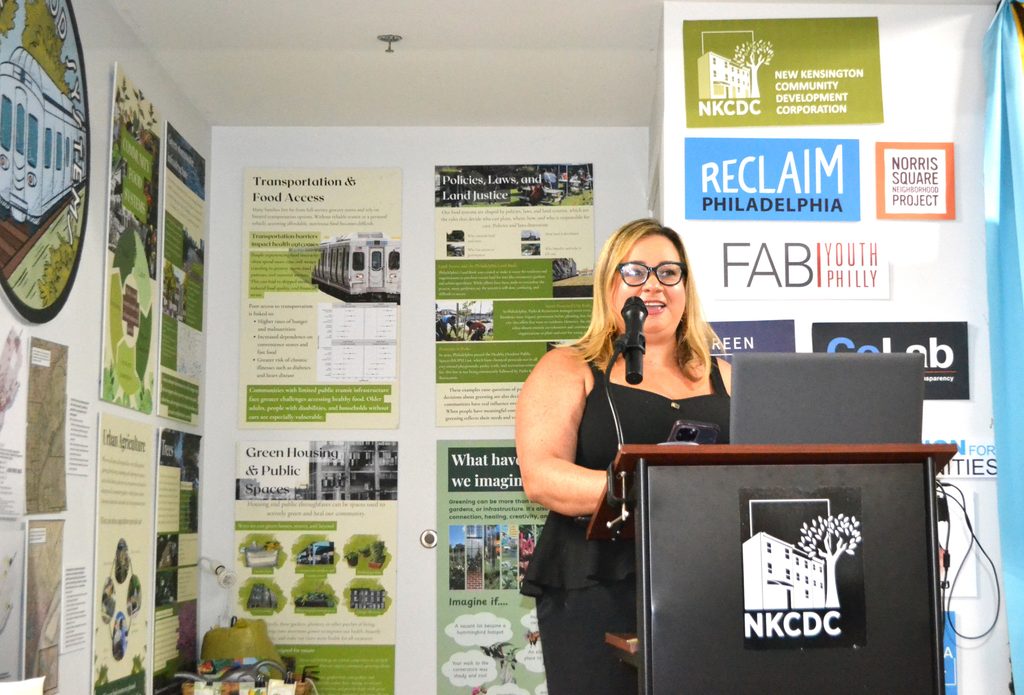
Philadelphia-based community organization Philly Boricuas hosted an informational presentation at the Kensington Engagement Center on September 2 regarding the large-scale tourism and residential development known as Esencia in the Puerto Rican municipality of Cabo Rojo and its potential impact on residents as well as members of the Puerto Rican diaspora with family ties to the island.

Community psychologist and organizer Andrea Ruiz Sorrentini, a native and resident of Cabo Rojo, spoke virtually about the environmental and social concerns associated with the proposed development if it is built along the coast of Boquerón, in southwestern Puerto Rico.
“Esencia will not benefit local residents. It seeks to create a private city within Cabo Rojo for wealthy individuals while privatizing three miles of beach and public coastal resources,” the activist said.
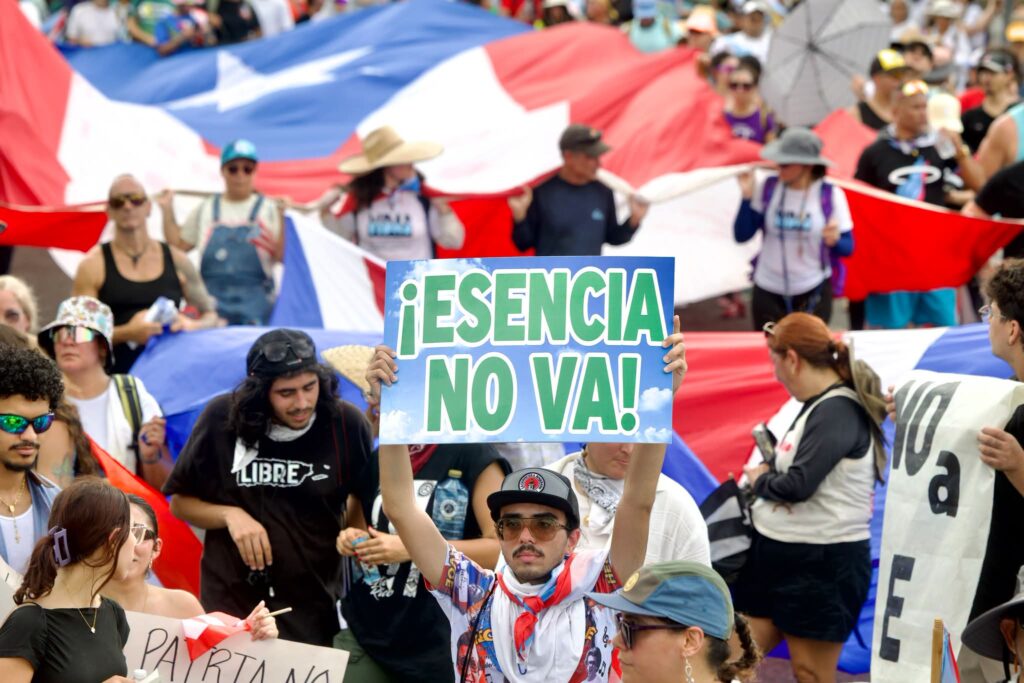
Ruiz Sorrentini noted that on March 28, the Defiende a Cabo Rojo Coalition organized the National March Against Esencia, drawing thousands of participants. Dozens of organizations from across Puerto Rico joined the demonstration to demand that the Esencia Project not move forward.
Valued at approximately $2 billion, the project would occupy more than 1,500 cuerdas of land (roughly 2,000 acres) across several miles of beachfront property in Punta Melones, including areas considered to have high ecological value.
The proposal is being led by Cabo Rojo Land Acquisition LLC in partnership with international investment and hospitality firms such as Reuben Brothers, Three Rules Capital, Mandarin Oriental Hotel Group, MARN Resort, and Rosewood Hotels & Resorts, as well as global financial institutions including JPMorgan Chase.
Among the primary concerns raised by residents are the project’s projected water consumption, waste management needs, potential displacement of long-established communities, and the privatization of coastal areas. Opponents argue that the development could place additional strain on water, electricity, and solid-waste management services throughout southwestern Puerto Rico.
Community leaders have also expressed concerns about real estate speculation and the displacement of Cabo Rojo residents. Scientists, environmental organizations, and agencies such as Puerto Rico’s Department of Natural and Environmental Resources (DRNA) have warned that the project could fragment a fragile ecosystem of wetlands and mangroves, potentially threatening 14 protected species.
The project has faced public opposition and legislative hearings, during which Esencia representatives have defended their permits and scientific studies. Meanwhile, a coalition of more than 60 organizations continues to call for greater transparency and stronger environmental protections.
For more information, visit defiendeacaborojo.org to learn about the initiatives and advocacy efforts led by the Defiende a Cabo Rojo Coalition.
Cabo Rojo covers approximately 182.5 square kilometers (70.5 square miles) and had a population of about 47,000 residents in 2020, distributed among its eight barrios and urban center. The municipality is known for its historic salt flats, tourism attractions such as Buyé Beach, natural reserves, and historical landmarks. The Cabo Rojo region is widely regarded as the geological birthplace of Borinquen, the Taíno name for Puerto Rico.