


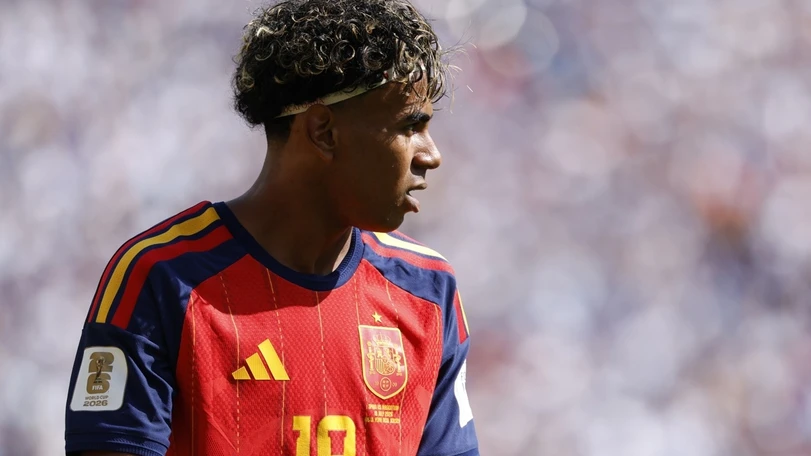
The 2026 FIFA World Cup delivered six extraordinary weeks of fútbol that transcended the bounds of athletics. While public debates often focus on corporate politics and media narratives, the core human elements of the tournament remind us why soccer remains the ultimate global sport. Beyond the scorelines, the tournament offered two timeless lessons: what true technical mastery looks like on the pitch, and how the core values of the game mirror our shared human experience.
Technical Excellence: The Power of System and Synergy
Spain’s victory illustrated the pinnacle of collective discipline over individual bravado. Their tactical approach relied on seamless triangular positioning, continuous movement, and predictive rotation designed to dictate tempo and maintain structural control. Paired with a relentless defensive unit that systematically dismantled opposing game plans, Spain demonstrated that execution, when refined to near perfection, yields historic results.
At its core, soccer requires minimal resources—a ball and an open space. Yet mastering it demands years of deliberate practice.
For those who have played at competitive levels, the parallels to daily life are unmistakable:
- Preparation: Countless hours spent honing foundational skills like passing, spatial awareness, and tactical discipline.
- Execution: Maintaining composure under pressure to capitalize on brief moments of opportunity.
- Consistency: Outworking competitors through persistent effort, adaptability, and unwavering teamwork.
Human Triumph: Stories that outshine the scoreboard
The tournament’s most compelling narrative belonged to Cabo Verde. Led by their 40-year-old goalkeeper, Josimar José Évora Dias—known universally as Vozinha—the island nation captivated global audiences. Entering the tournament without a club contract, Vozinha produced a masterclass performance in the Round of 32, delivering eight crucial saves against defending champions Argentina and pushing the match deep into extra time. His resilience transformed an underdog story into an enduring symbol of national pride and sportsmanship.
In stark contrast stands Lamine Yamal Nasraoui Ebana, Spain’s teenage prodigy whose roots trace back to Rocafonda, a working-class neighborhood in Catalonia. Having entered Barcelona’s famed La Masia academy at age seven, Yamal’s rapid ascension to the world stage underscores how talent, paired with structural support and honest labor, can transcend socio-economic barriers.
A return to balance
While world events often engender cynicism, the 2026 World Cup served as an encouraging reminder that solidarity, preparation, and integrity continue to hold profound value. When individuals dedicate themselves to a shared purpose, collective triumph inevitably follows.
As the noise of the tournament fades and the stadium lights turn off, we are left with something far greater than scores or statistics: a renewed belief in what we can achieve when we come together. In a world that often feels fractured and uncertain, these six weeks offered a gentle reminder that balance, civility, and a sense of normalcy are always within our reach. The game ends, but the hope stays with us.