


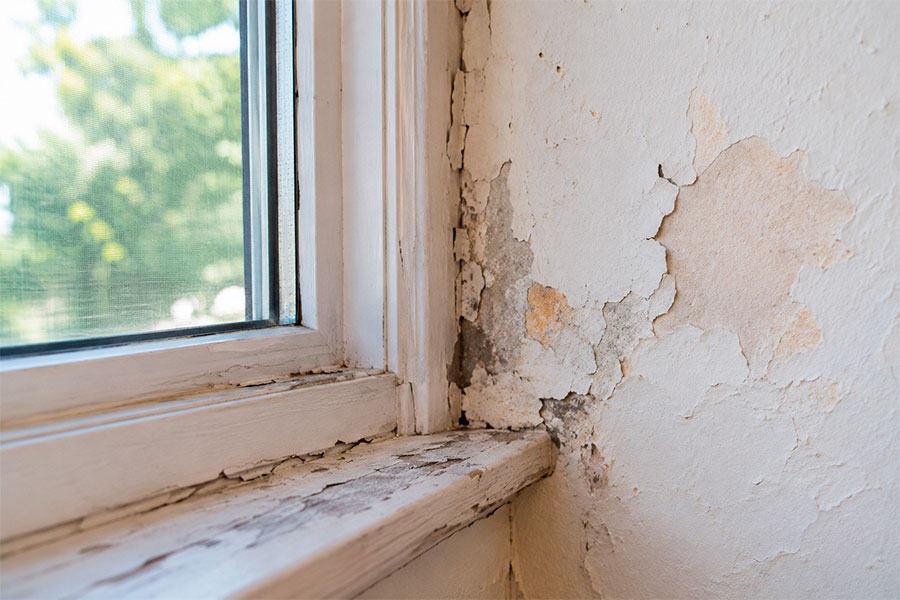
In Hunting Park and other neighborhoods in Philadelphia, housing can increase the risk of illness. It can also determine who gets sicker when illness occurs. Housing conditions, such as peeling lead paint, persistent mold, poor ventilation, and inadequate plumbing, are a major part of the story. A new report prepared by Esperanza as part of the Health Justice for Hunting Park Initiative shares lessons about housing and health based on local and publicly available data.
Two examples from the report, asthma and lead exposure, show how housing and health interact. Both of these health challenges involve biological and genetic factors, but genetics alone do not explain why some children are hospitalized repeatedly for asthma treatment while others with similar risk factors are not.
Asthma
Asthma is a chronic illness in which the airways narrow and swell, making breathing difficult and triggering coughing and shortness of breath. Indoor conditions commonly found in older homes, such as mold, dampness, and airborne pollutants, can worsen asthma. Although asthma has a genetic component, environmental factors can also play a large role in how this chronic illness affects children in the neighborhood. Poor air quality inside homes and outdoors, such as during wildfires or because of industrial pollution, increases the risk of an asthma attack, which for children may mean a trip to the emergency room. In 2022, children visiting the emergency department for asthma were more likely to live in North Philadelphia than in other parts of the city.
Lead
In Hunting Park, 95% of homes were built before 1980, according to the U.S. Census Bureau. The risk of lead exposure is higher in housing units that were built before 1978. This is because the U.S. banned residential lead-based paint in 1978 under the Lead-Based Paint Poisoning Prevention Act. Residents living in these older homes can be exposed to lead when they come into contact with deteriorating paint, household dust, paint chips, contaminated soil, and even water if lead pipes are used. Lead exposure can cause serious health problems. Even low levels of lead are associated with cognitive and developmental delays, learning difficulties, behavioral issues, and poorer academic performance in children, while adults may experience elevated blood pressure, kidney damage, and cardiovascular effects.
Housing affects health in Hunting Park
Asthma and lead are real health risks in Hunting Park. Children in the neighborhood are hospitalized for asthma at high rates. Research shows that Puerto Ricans develop asthma at higher rates than other Hispanic/Latino groups, and 31.36% of residents in Hunting Park (ZIP code 19140) are Puerto Rican. In our neighborhood, many homes may contain lead. This is largely because so many housing units in our community were built before the 1978 ban on residential lead-based paint. In other words, the same conditions described above, such as poor indoor air quality, dampness, mold, and deteriorating lead paint, are concentrated in one community, along with the resulting health consequences. The data show how, in Hunting Park, housing conditions can turn genetic risk into unequal health outcomes that negatively affect our community’s health and well-being.
Hunting Park residents deserve to live in safe and healthy homes. Living conditions inside and outside the home affect health and well-being more than many people realize. To protect residents and improve the overall quality of life, we must invest in safer, healthier homes by enforcing housing standards, funding home repairs, and holding landlords and others with the power to affect housing conditions accountable. Improving housing conditions is an important public health priority.