


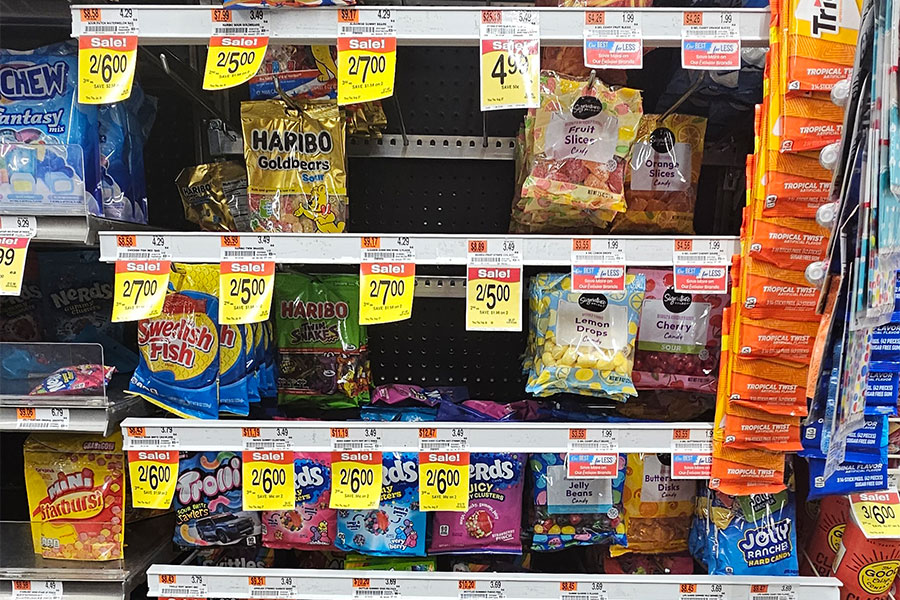
Philadelphia, PA – The debate over the future of the Supplemental Nutrition Assistance Program (SNAP) continues across the United States. As part of the “Make America Healthy Again” initiative, the federal government has promoted measures aimed at limiting the use of SNAP benefits for the purchase of soft drinks, sugary beverages, and candy, with the goal of encouraging healthier eating habits among beneficiary families.
However, a recent ruling by federal judge Amy Berman Jackson blocked efforts to implement these restrictions in 23 states, determining that the federal government does not have the authority to unilaterally change the definition of foods eligible for purchase through SNAP. In Pennsylvania, there are currently no restrictions on using SNAP benefits to buy these products.
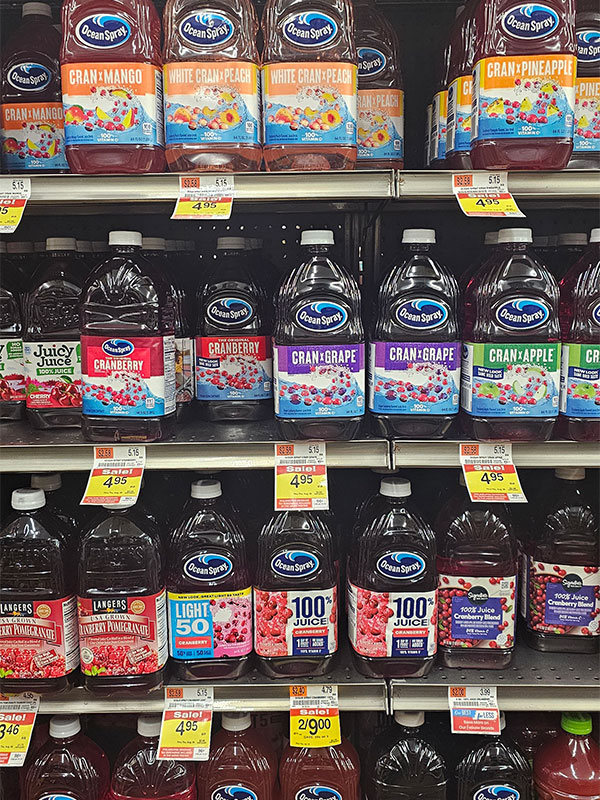
To better understand how the Latino community views this debate, we surveyed 22 members of Philadelphia’s Latino community. While the survey is not representative of the entire population, the responses provide insight into how some local residents feel about potential changes to the program.
Of the 22 people surveyed, 11 said they do not receive SNAP benefits, while 8 indicated that they do. Three participants chose not to respond.
Among those receiving SNAP assistance, seven of the eight respondents said it was very important to maintain the freedom to decide which foods to purchase with their benefits. The eighth respondent considered that freedom moderately important.
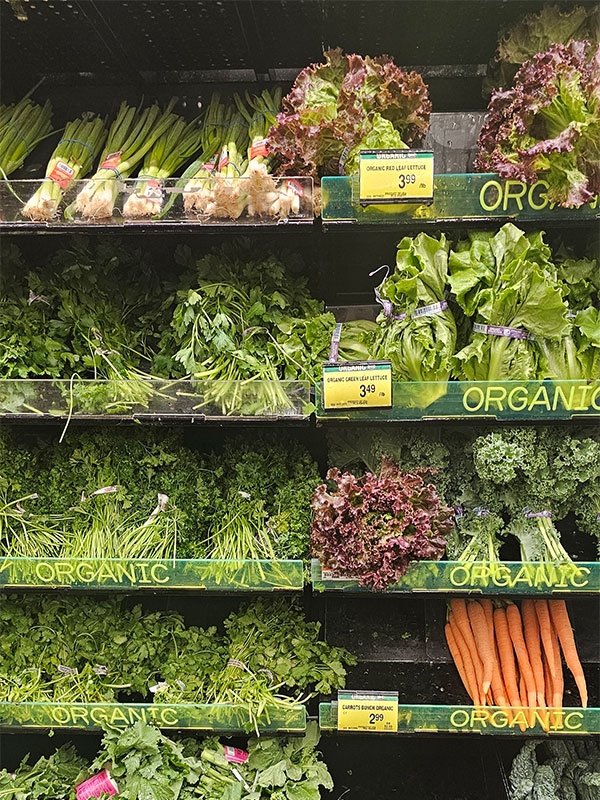
Participants were also asked whether Pennsylvania should restrict the purchase of soft drinks, sugary beverages, and candy with SNAP benefits. Seventeen of the 22 respondents said some form of restriction should be implemented, arguing that it could help reduce conditions such as diabetes, childhood diabetes, and obesity, while encouraging the purchase of more nutritious foods.
Five participants opposed such a measure. Their main arguments were that these products are often less expensive and that restricting them could make it more difficult for families to manage their food budgets. Others believed that beneficiaries should retain the freedom to decide how to use their benefits.
When asked whether these restrictions would actually improve diets, 12 of the 22 respondents said yes, believing they could encourage healthier eating habits. The remaining 10 felt that a ban alone would not change consumer behavior, as people would find other ways to obtain those products.
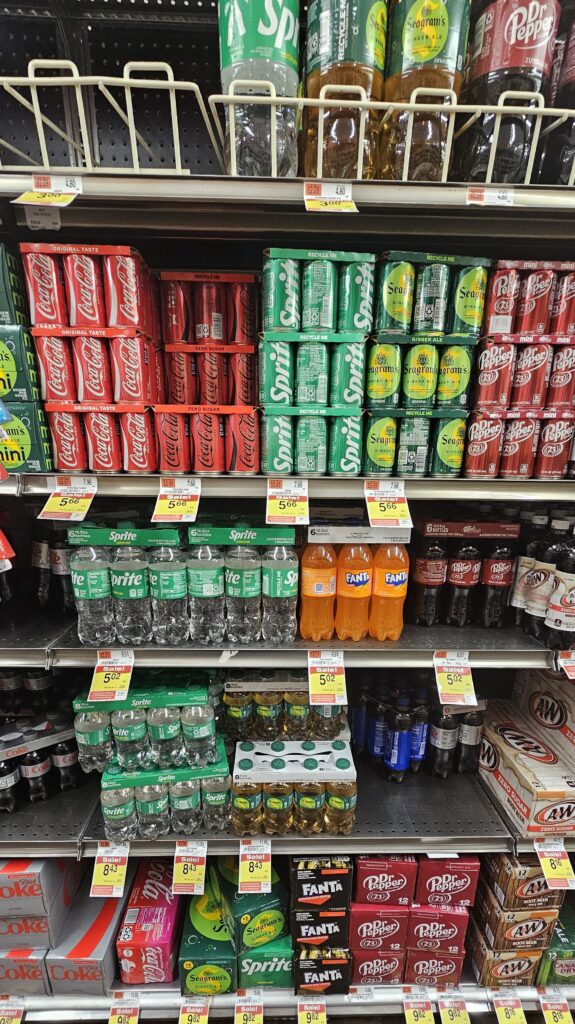
Finally, participants were asked to suggest changes to SNAP that could promote healthier eating. The most common recommendation was to strengthen nutrition education through public awareness campaigns, guidance on managing food budgets more effectively, and educational programs in public schools.
Some respondents also proposed expanding incentives for purchasing fruits and vegetables, similar to programs already offered at certain farmers markets, where SNAP benefits can be matched to provide greater purchasing power for fresh produce. Other suggestions included creating a clear list of highly nutritious foods and making them more accessible in supermarkets.
Despite differing views on whether certain products should be restricted, most participants agreed on one point: promoting healthy eating requires providing families with information, education, and affordable options so they can make better food choices.