

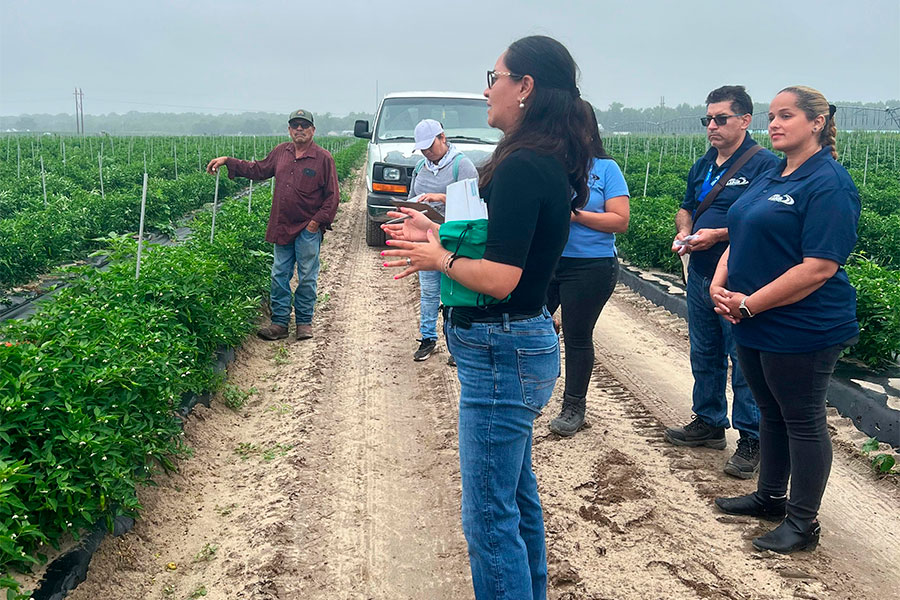
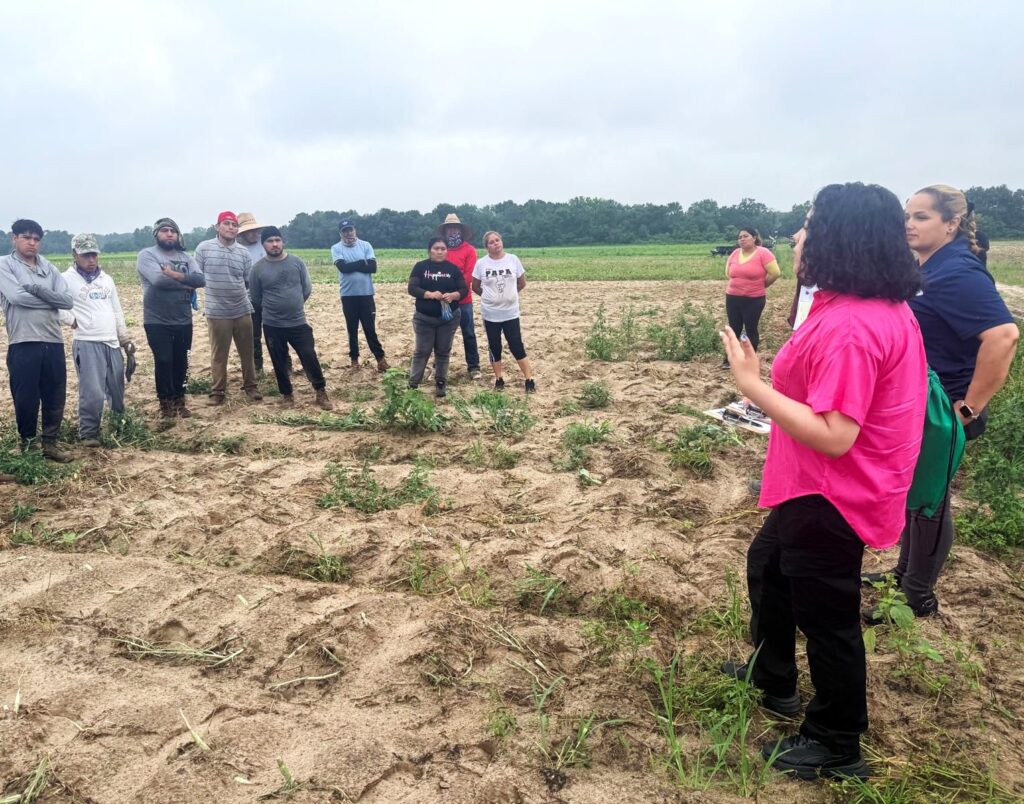
For several years, the Protection Services Office of the Mexican Consulate in Philadelphia has conducted outreach visits to agricultural fields throughout Pennsylvania, Delaware, and southern New Jersey. The Mexican agricultural workforce plays a vital role within the consular district, contributing to a wide range of labor-intensive industries, from fruit and vegetable harvesting to greenhouse production, nursery maintenance, and the repair of agricultural machinery and equipment. “Workers come from Mexican states such as Puebla, Guanajuato, Michoacán, and Chiapas, among others,” said Mariana Iraís Hernández Mata, Consul for Protection and Legal Affairs.
“The purpose of these visits is to reach workers who are often located far from urban centers. Our outreach efforts also include farms in Kennett Square, Pennsylvania, the mushroom capital of the United States,” explained Pedro Rubio Cordero, Consul for Protection and Legal Affairs.
Through the Farmworker Support Committee (CATA), consular officials have visited flower, pepper, and mushroom growers, among others, during the year. Another important partner is the Pennsylvania Farmworker Project, part of Philadelphia Legal Assistance, which advocates for farmworkers’ labor rights, workplace safety, and healthy living conditions throughout the state.
During these visits, consular representatives meet with Mexican nationals to learn about their experiences in temporary worker programs, verify whether they are receiving the wages they are owed, and ensure employers are complying with program regulations. In Mexico, worker recruitment for these programs is coordinated by the Secretariat of Labor and Social Welfare (STPS).
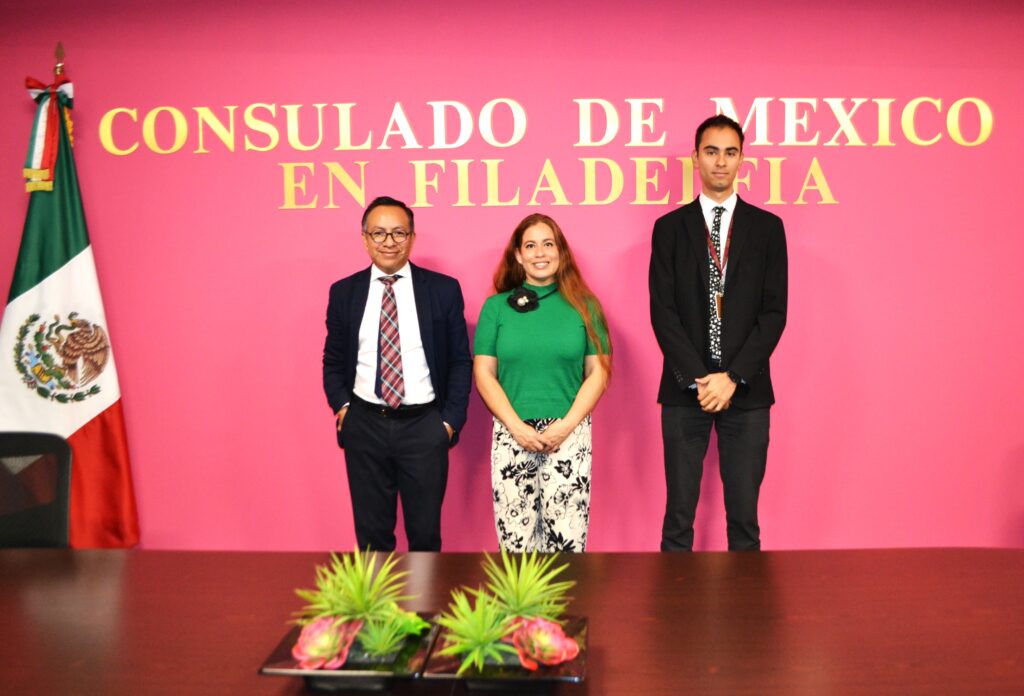
“In the interviews we conduct, we gather all relevant information about each individual, address their concerns, and follow up on their cases. The process is very approachable, and we are here to support them,” Hernández Mata said. According to Consul Rubio Cordero, the most common labor violations involve unpaid wages and workplace accidents. “We maintain ongoing communication with the U.S. Department of Labor regarding these issues,” he added.
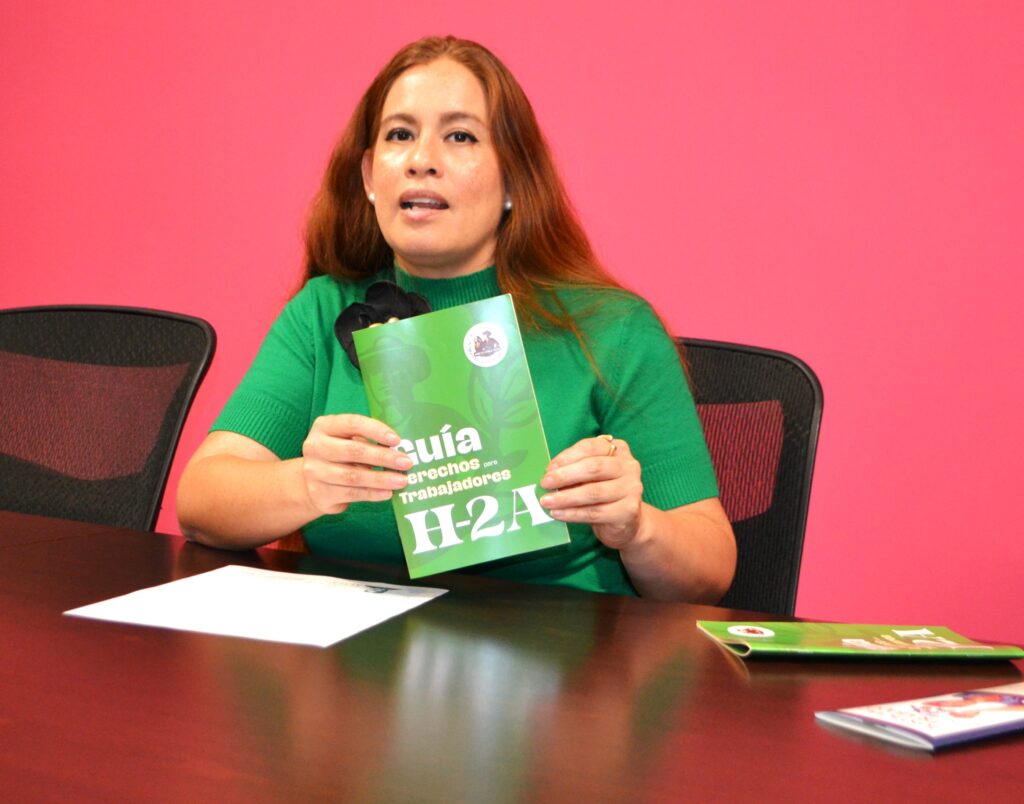
The H-2A and H-2B visa programs allow U.S. employers to temporarily hire foreign workers when there are not enough available local workers to fill seasonal or temporary positions. To obtain these visas, employers must first receive labor certification from the U.S. Department of Labor and then submit a petition to U.S. Citizenship and Immigration Services (USCIS).

The H-2A visa, designated for agricultural employment, has no annual numerical cap, meaning visas may be issued based on employer demand and compliance with program requirements. In contrast, the H-2B visa, used for temporary non-agricultural jobs such as hospitality, landscaping, construction, and seafood processing, is subject to an annual limit of 66,000 visas, divided into 33,000 visas for each half of the fiscal year. In some years, the federal government authorizes supplemental visas to address exceptional labor shortages.
Both visa categories are initially granted for up to one year and may be extended to a maximum of three consecutive years.
The H-2A and H-2B visas may only be issued to citizens of countries included on the annual list of eligible nations designated by the U.S. Department of Homeland Security (DHS). Most Latin American countries are included on that list, including Mexico, El Salvador, Guatemala, Honduras, Nicaragua, Costa Rica, Panama, Colombia, Ecuador, Peru, Chile, Argentina, Brazil, and Paraguay, among others.
U.S. employers initiate the visa process and generally must recruit workers from approved countries, except in limited circumstances authorized by the federal government. Both the H-2A (agricultural) and H-2B (non-agricultural) programs rely on essentially the same list of eligible countries, which is updated periodically based on security and immigration cooperation considerations.
For the Latino community, Mexico remains by far the leading source country for both H-2A and H-2B workers, followed by Northern Triangle countries in Central America, including Guatemala, Honduras, and El Salvador.
Deputy Consul Raúl García Zentlapal added that “one of our top priorities is ensuring that agricultural workers know there is a Mexican government office available to assist them and provide comprehensive support services.”
The telephone number for the Protection and Legal Affairs Department of the Mexican Consulate in Philadelphia is 215-923-8384, extensions 440 and 449. For emergencies, workers may call 215-266-3740.