

Inicio Blog Página 443

Esposa de Charlie Kirk promete continuar con su legado tras su asesinato

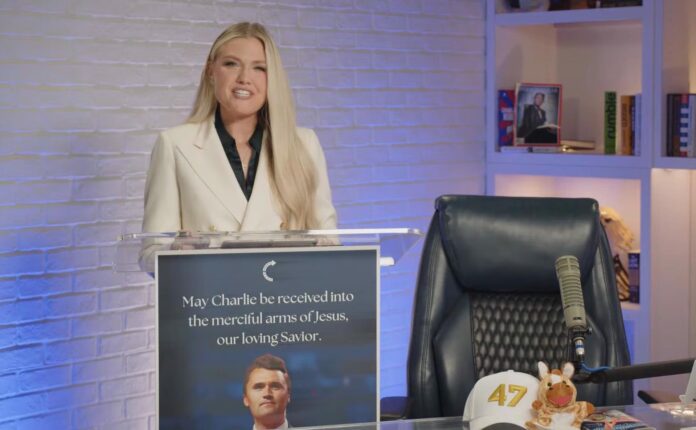
AME9228. PHOENIX (ESTADOS UNIDOS), 12/09/2025.- Captura de video cedida por la organización sin ánimo de lucro Turning Point USA de la esposa del comentarista conservador Charlie Kirk, Erika, durante una declaración este viernes, en Phoenix (EE.UU.). EFE/ Turning Point USA /SOLO USO EDITORIAL/ SOLO DISPONIBLE PARA ILUSTRAR LA NOTICIA QUE ACOMPAÑA (CRÉDITO OBLIGATORIO)

La esposa del comentarista conservador Charlie Kirk, Erika, prometió este viernes continuar con el legado de su marido y lanzó una advertencia a los involucrados en su asesinato: «Si antes pensaban que la misión de mi esposo era poderosa, no tienen idea de lo que acaban de desatar en todo este país y en este mundo».

«No tienen idea del fuego que han encendido dentro de esta esposa. El llanto de esta viuda resonará en todo el mundo como un grito de guerra. Para todos los que nos escuchan esta noche en Estados Unidos: el movimiento que mi esposo construyó no morirá», advirtió Erika en su primera aparición pública desde el asesinato de su marido en un evento universitario en el oeste del país.

Frente al escritorio de su marido, donde Kirk realizaba sus retransmisiones en sus redes sociales, la esposa comenzó su discurso llorando la muerte de su marido, un aliado del presidente de EE.UU., Donald Trump.

«Mi esposo dio su vida por mí, por nuestra nación, por nuestros hijos. Mostró el máximo y verdadero amor. Nunca, jamás, tendré las palabras para describir la pérdida que siento en mi corazón», dijo.

Durante su intervención, Erika agradeció al mandatario estadounidense, quien mantenía una estrecha amistad con el activista conservador, así como su empeño en dar caza cuando antes a sus asesinos.
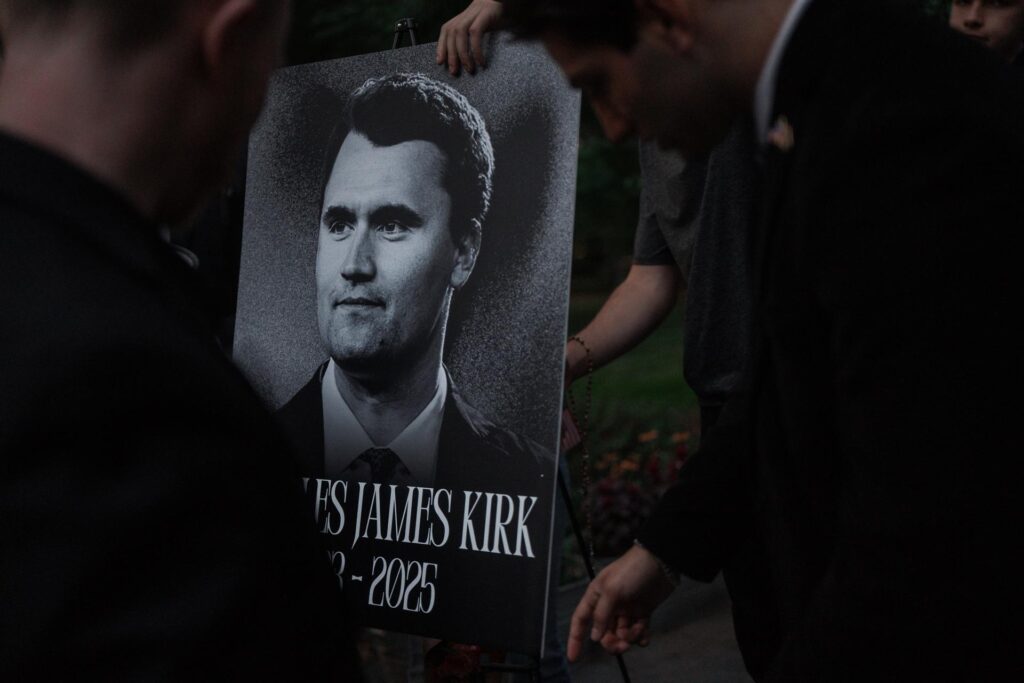
Miembros del Club de Jóvenes Republicanos de Nueva York sostienen un retrato de Charlie Kirk durante una vigilia por el activista conservador estadounidense y fundador de Turning Point en Nueva York (EE.UU.). EFE/EPA/OLGA FEDOROVA

«Los malhechores responsables del asesinato de mi esposo no tienen idea de lo que han hecho. Mataron a Charlie porque predicaba un mensaje de patriotismo, fe y del amor misericordioso de Dios. Todos deberían saber esto».

Erika aseguró que la misión de su esposo «no terminará, ni por un instante». «Uno de los mayores talentos de Charlie era su capacidad, esa fenomenal habilidad para elegir a grandes personas para que lo siguieran. Siempre encontraba a quienes podían con cualquier contratiempo, y era casi como si lo supiera», agregó.

Los esposos Kirk estaban casados desde mayo de 2021, tuvieron dos hijos y juntos lideraron causas y organizaciones de activismo conservador-religioso en Arizona.

El activista conservador recibió el pasado miércoles un disparo en el cuello mientras participaba en un debate universitario frente a centenares de personas en la Universidad Utah Valley, ubicada en el estado de Utah, en el oeste de EE.UU.

El presidente estadounidense ha declarado su intención de asistir al funeral de Kirk, que se realizará en Arizona, aunque se desconoce por el momento la fecha y lugar.
Corte de apelaciones permite a gobierno de Trump terminar protecciones para 430.000 migrantes

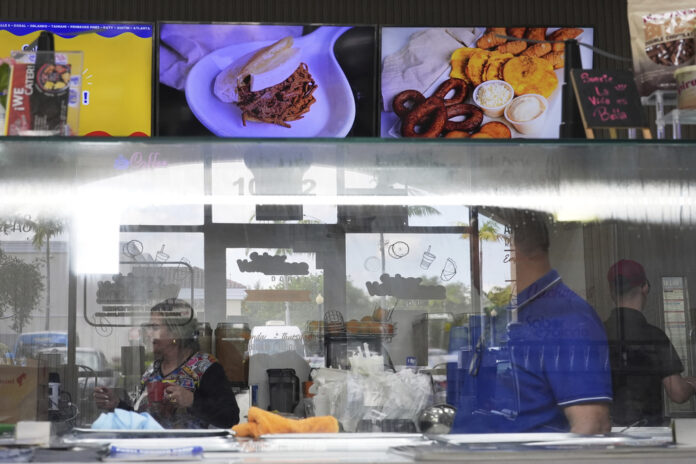
ARCHIVO - Empleados trabajan en una franquicia de "Sabor Venezolano", uno de los 18 negocios propiedad de Wilmer Escaray que emplean a decenas de inmigrantes venezolanos con Estatus de Protección Temporal (TPS) en Doral, Florida, el 20 de mayo de 2025. (AP Foto/Rebecca Blackwell, Archivo)

BOSTON (AP) — Un tribunal federal de apelaciones falló el viernes que el gobierno del presidente Donald Trump puede poner fin a las protecciones legales para alrededor de 430.000 inmigrantes originarios de Cuba, Haití, Nicaragua y Venezuela.

El fallo de un panel de tres jueces de la Corte de Apelaciones del 1.er Circuito federal es el último giro en una batalla legal sobre las políticas de la era Biden que crearon nuevas vías y ampliaron otras para que las personas vivan en Estados Unidos, generalmente por dos años, con permisos de trabajo. El gobierno de Trump anunció en marzo que pondría fin a las protecciones de los permisos condicionales humanitarios.

«Reconocemos los riesgos de daño irreparable expuestos de manera persuasiva en la orden del tribunal de distrito: que los beneficiarios de los permisos condicionales que llegaron legalmente a este país se vieron repentinamente obligados a elegir entre irse en menos de un mes —una elección que potencialmente incluye ser separados de sus familias, comunidades y empleos legales— y regresar a peligros en sus países de origen», escribieron los jueces. «Pero en ausencia de una sólida demostración de probabilidad de éxito en el fondo del asunto, el riesgo de tales daños irreparables no puede, por sí solo, justificar una suspensión».

En un fallo de dos páginas, el tribunal levantó una suspensión emitida por un tribunal de distrito y permitirá que el gobierno ponga fin a los permisos condicionales humanitarios para esos grupos mientras se desarrolla la demanda. El fallo del viernes es una victoria para el gobierno federal, pero no cambia nada en el terreno.

Esther Sung, directora legal del Justice Action Center, coabogada en el caso, dijo que el fallo «perjudica a todos».

Un tribunal de distrito emitió en abril una orden que suspende la decisión del gobierno, pero la Corte Suprema levantó la orden del tribunal inferior a finales de mayo con poca explicación.

El gobierno de Trump había argumentado que el tribunal de apelaciones debería seguir el criterio de la Corte Suprema y revertir el fallo del tribunal de distrito.

Las protecciones para las personas que huyen de la agitación en sus países de origen siempre estuvieron diseñadas para ser temporales, y el Departamento de Seguridad Nacional tiene el poder de revocarlas sin interferencia judicial, afirmó el Departamento de Justicia en un documento judicial.

El procurador general D. John Sauer argumentó que poner fin a los permisos condicionales humanitarios caso por caso sería una «tarea gigantesca» que ralentizaría las labores del gobierno para expulsar a migrantes.

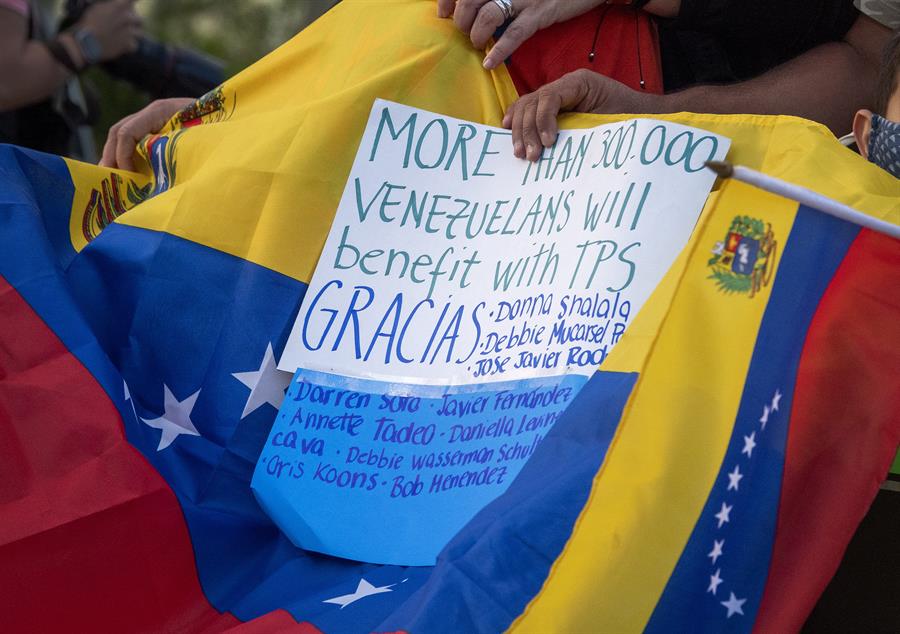
TPS
(Foto: EFE/CRISTOBAL HERRERA-ULASHKEVICH/Archivo)

«La rescisión discrecional de un beneficio discrecional por parte del secretario debería haber sido el fin del asunto», manifestaron los abogados del gobierno en su escrito.

Los demandantes, incluidas personas que se beneficiaron de las protecciones legales, instaron al tribunal de apelaciones a respaldar el fallo del tribunal de distrito, que determinó que la secretaria de Seguridad Nacional, Kristi Noem, no podía poner fin categóricamente a las protecciones para estos grupos, sino que tenía que evaluar cada caso individualmente. También citaron la conclusión del tribunal de distrito de que Noem pasó por alto las preocupaciones humanitarias que llevaron a las protecciones legales en primer lugar.
«El tribunal de distrito aplicó la ley correctamente y no abusó de su poder discrecional cuando concluyó que las acciones de la secretaria Noem infligieron un daño irreparable a los miembros de la demanda colectiva (entre otros) y que el interés público y el equilibrio de las equidades se inclinan claramente a favor de un alivio preliminar», escribieron los abogados de los demandantes en un escrito.

El presidente Donald Trump prometió durante su campaña electoral deportar a millones de personas. Desde que asumió el cargo, ha buscado desmantelar las políticas del gobierno de Biden que ampliaron las vías para que los migrantes vivan legalmente en Estados Unidos.

La decisión del gobierno de Trump fue la primera revocación masiva del permiso condicional humanitario, dijeron los abogados de los migrantes en documentos judiciales, calificándola como «el mayor evento de ilegalización masiva en la historia moderna de Estados Unidos».

El relevista venezolano de los Filis José Alvarado se perderá el resto de la temporada por lesión

José Alvarado, izquierda, relevista de los Filis de Filadelfia, se baja del montículo después de salir del partido de béisbol de Grandes Ligas ante los Nacionales de Washington, durante la octava entrada, el domingo 24 de agosto de 2025, en Filadelfia. (AP Foto/Derik Hamilton)

FILADELFIA (AP) — El relevista venezolano José Alvarado se perderá el resto de la temporada con los Filis de Filadelfia después de ser colocado el viernes en la lista de lesionados de 15 días por una distensión en el antebrazo izquierdo.

Alvarado tenía un récord de 4-2 con una efectividad de 3.81 en 26 entradas a lo largo de 28 apariciones esta temporada. Cumplió una suspensión de 80 juegos por consumo de sustancias para mejorar el rendimiento, del 18 de mayo al 18 de agosto, después de dar positivo por testosterona exógena.

Su foja era de 4-1 con una efectividad de 2.70 y siete salvamentos en el momento de la suspensión. Fungía generalmente como el cerrador del club.

Los Filis adquirieron al cerrador Jhoan Duran, procedente de Minnesota, en la fecha límite de canjes del 31 de julio, y el dominicano ha dominado en el rol desde entonces.

Bajo los términos de la suspensión, Alvarado no era elegible para jugar en la postemporada.

El manager de los Filis, Rob Thomson, describió la lesión de Alvarado como “bastante leve, pero suficiente para ponerlo en la lista de lesionados”.

«Nuestro plan ahora es simplemente prepararlo para el próximo año», añadió.

Los Filis tienen una opción de club de nueve millones de dólares sobre Alvarado para 2026, que incluye una cláusula de rescisión de 500.000 si eligen no volver a firmarlo. 

Between pride and persecution: Hispanic Heritage Month in times of militarization

Feria del Barrio 2025. (Foto: Crédito/Virginia Esteban–Somalo)

Hispanic immigrants celebrating their heritage in the coming weeks live the contradiction of being honored in speeches while persecuted. Their contributions to the economy, culture, and social fabric are praised—even as their communities, often composed of mixed-status families, live under the constant fear of persecution and deportation. The inconsistency is glaring, and it is cruel irony to be celebrated and racially profiled at the same time.

The Supreme Court’s green light for anti-immigrant raids has sparked outrage and fear—not only in California. What some defenders frame as simple enforcement of immigration law is, in practice, something far harsher: the legitimization of racial profiling, reeking of malicious intent from those in power who seem to aspire to ethnic cleansing. Under this credible threat, entire families—including U.S. citizens among them—are considering leaving.

Immigrants across the U.S. know what a traffic stop can mean, what speaking Spanish in public can trigger, and the fear of hearing a knock at the door. Stepping outside has become an act of courage for those with irregular immigration status, where in this new reality, suspicion can be sparked by nothing more than your location, accent, appearance, or last name.

In Chicago, anxiety is rising amid the looming specter of militarization. Rumors and reports of federal force deployments have awakened memories of past crackdowns, when public safety became synonymous with armored vehicles and heavily armed agents. Residents are asking what kind of city is being built when the balance between security and freedom clearly tilts toward intimidation.

Amid these storms, another silent and painful cry emerges—from deported mothers and fathers separated from their children, and from parents in their home countries still waiting for answers about the whereabouts of their children who entered U.S. custody and were lost in the deportation process.

The weight of these policies also falls on those seeking refuge or holding temporary status. For TPS recipients—many of whom have lived in the U.S. for decades—uncertainty looms over the fragile shield that once allowed them to live and work legally. The program didn’t offer citizenship, but it did provide a stable truce, a safe haven from the dangers of their countries of origin.

Ending it now means forcing them to choose between facing the threats they fled or living in the shadows under persecution. In both cases, the human cost is immeasurable, and the consequences—from economic disruption to social deterioration—are difficult to predict. Deep wounds are being inflicted, and self-inflicted, across society, where everyone will be affected in one way or another.

These blind enforcement policies have sparked responses in Washington and across the country—marches filled with chants, banners, and a collective demand for dignity, seeking to reclaim the essence of this immigrant nation.

It’s not just protests. Citizens of various ethnicities have organized to defend neighbors from arbitrary detentions, even forcing immigration agents to retreat when lacking judicial warrants—and sometimes with slashed tires.

This is one of the responses to the increasingly aggressive “memetic” campaigns from the White House’s own social media accounts, which seem to revel in the virtual escalation of hostility—a cause and effect of the violence that plagues this country.

The recent death of Charlie Kirk is evidence of the dangers of radical polarization fueling political violence. No cause, however, it may seem, can be legitimized through bloodshed. A basic consensus is needed: that differences must be resolved at the ballot box and in public forums—never with weapons or threats. Condemning violence, no matter its source, is essential to preserving democracy and refusing to play into the hands of bullies.

At its best, the United States offered a promise: that those who worked hard would have a better future. Now, it is a country drifting away from its own ideals—of liberty and welcome, of the generosity that once defined its essence. Not the essence of governments seeking domination, but of a society with multiple identities, unafraid of diversity and celebrating it through initiatives like Hispanic Heritage Month.

In these unprecedented times for most who live in this corner of the world, bold and creative action is needed. We must not miss the opportunity to celebrate this month with the courage that defines us as a community.

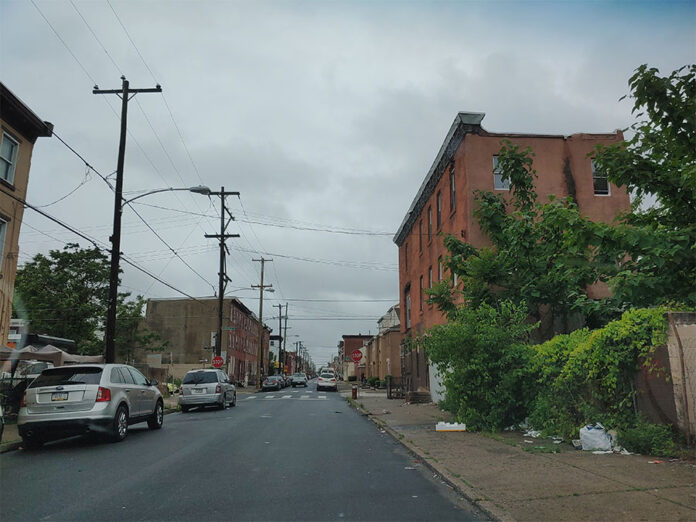
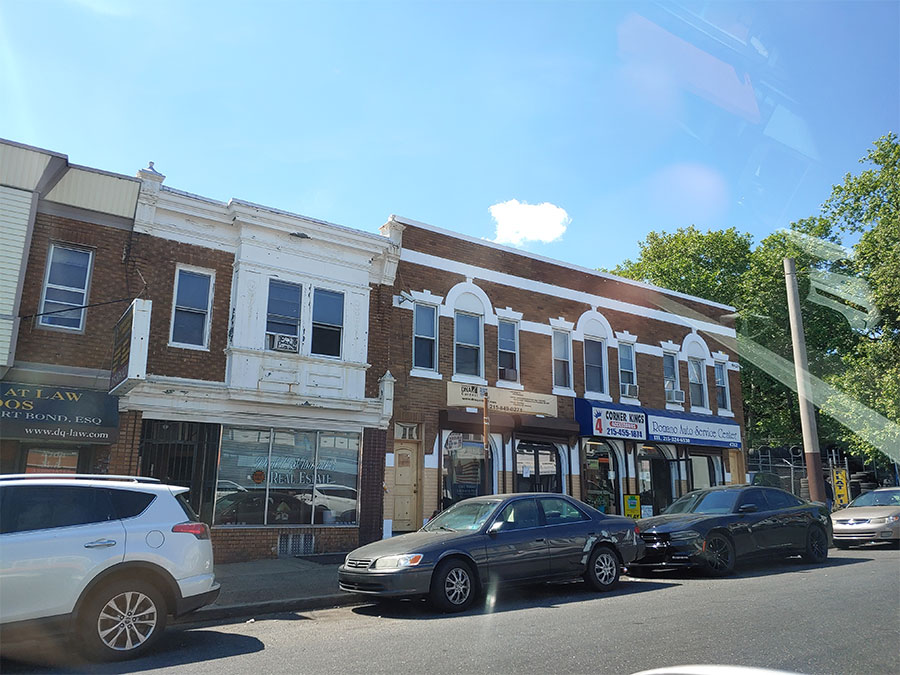
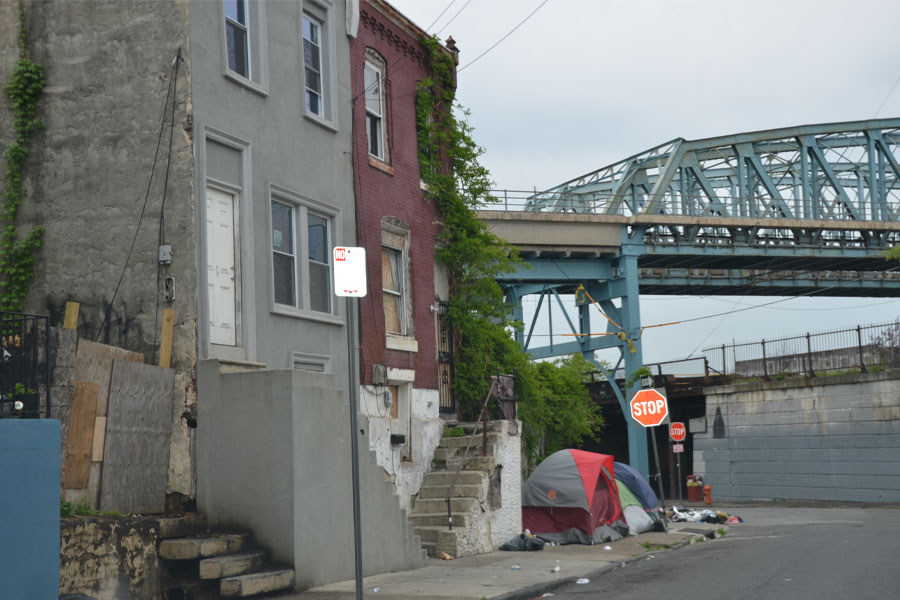
Latinos in Philadelphia: Progress against poverty, but challenges remain

(Foto: Impacto/Staff)

According to a report by the Economy League, Philadelphia has made significant progress in reducing poverty in recent years. However, structural challenges and racial disparities continue to shape the city’s economic landscape.

Notable improvement, yet still behind

Philadelphia’s overall poverty rate dropped from 26.7% in 2010 to 20.3% in 2023—a meaningful decline, though still higher than Chicago (16.8%) and Pittsburgh (19.9%). While this reflects a positive national trend, poverty remains a deep-rooted issue in the city.

Persistent racial gaps

Despite overall progress, racial disparities in poverty rates remain:

  • Black community: Poverty rates steadily declined from 33.6% in 2010 to 26.4% in 2023, reflecting sustained investments and inclusive economic initiatives.
  • White community: Poverty dropped significantly from 14.2% to 9.4%, indicating broad economic strengthening.
  • Latino community: Poverty saw a substantial decrease from 26.2% to 18.2%, though the specific causes of this improvement remain unclear.
While the decline in poverty is often seen as a sign of progress, a more complex and unequal reality lies beneath the surface.

Urban poverty concentration

Philadelphia still has the highest poverty rate among the ten largest U.S. cities, with disproportionate concentration in racialized communities. Lower housing costs and reliable public transit attract low-income residents, while restrictive suburban zoning limits affordable housing development. This results in spatial concentration of poverty within city limits, where opportunities are often out of reach for those who need them most.

Racial and economic segregation

The average Black resident lives in a neighborhood with nearly three times the poverty rate of the average White resident. These divisions stem from a legacy of residential segregation, unequal access to education, and persistent labor market discrimination. Black and Latino households continue to earn significantly less than White households and face more unstable housing, under-resourced schools, and fewer job opportunities.

Gentrification and displacement

Some poverty reduction is linked to gentrification. Neighborhoods like Fishtown and Point Breeze have seen sharp increases in income and housing values, often accompanied by demographic shifts from Black to White residents. While newcomers have improved the economic profile of these areas, long-term residents—especially those without financial stability—are more likely to be displaced to lower-income neighborhoods. Research shows this displacement is racially unequal: Black families often move to similarly disadvantaged areas, while White residents access better-resourced neighborhoods.

Labor market shifts and precarity

Philadelphia’s shift from a manufacturing hub to a service-based economy has left many workers in unstable, low-wage jobs with few benefits. The rise of the informal economy has worsened this precarity, disproportionately affecting workers of color and those without higher education. Despite recent job growth and wage improvements, many Philadelphians remain trapped in poverty due to structural labor market shortcomings.

Limited Upward Mobility

Economic mobility remains a major concern. Research by Raj Chetty shows Philadelphia ranks among the worst major U.S. cities in helping children born into poverty climb the income ladder. Only 16% of children born poor in the city escape poverty by age 20. The city ranks last in upward mobility for low-income White families and poorly for Black families regardless of income.
(Foto: Impacto/Staff)

Policy response and gaps

Philadelphia has made substantial investments in affordable housing, rental subsidies, and prevention of eviction. Yet these efforts alone are not enough to overcome entrenched disparities. Without addressing root causes—such as residential segregation, educational inequality, and racialized labor market barriers—progress will remain fragile and uneven.

Conclusion

Philadelphia’s poverty reduction is real but driven as much by who leaves and who moves in as by actual improvements for long-term residents. Racial and spatial inequalities remain deep, and upward mobility is still out of reach for too many.

To build a truly inclusive economy, the city must invest not only in reducing poverty but also in expanding mobility—especially for communities historically excluded from Philadelphia’s growth. This means confronting the structural barriers that shape where people live, how they work, and what futures are possible.

Philadelphia: A City that welcomes and elevates

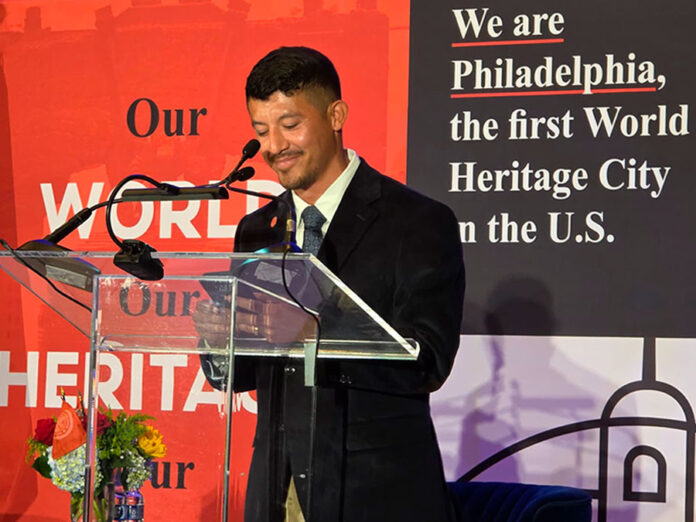
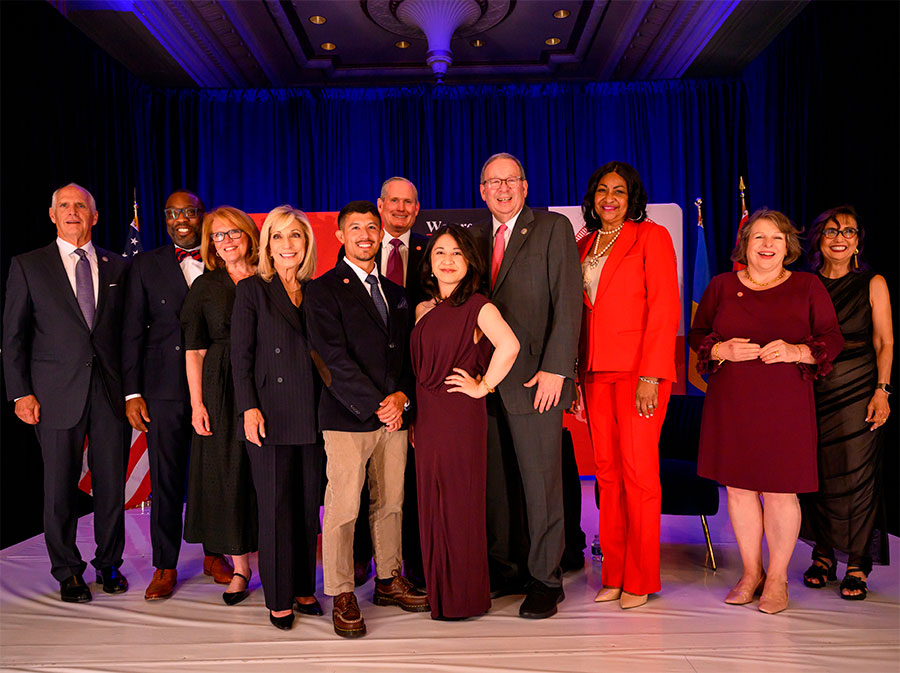
Martín Alfaro durante su intervención en el evento Global Philadelphia Association, resaltando el papel de los hispanos en la ciudad: (Foto: Suministrada)

Martin Alfaro, founder and CEO of Alfaro Media Consulting, shared his own story of arriving in Philadelphia without knowing a single person, only to find a city that embraced him — as long as he was willing to show up and contribute. “Philadelphia has given me so much — not just in my career, but personally as well,” he said, referencing his fiancé Kyle and the community that became his home.

Looking ahead: A global stage awaits

With major events on the horizon — the 250th anniversary of the United States, the FIFA World Cup, the MLB All-Star Game, and the reigning Super Bowl champion Eagles — Alfaro emphasized that Philadelphia is not just preserving history, but actively shaping the future of culture, sports, and innovation.

Empowering the next generation

Alfaro praised the Global Philadelphia Association for creating platforms that give young professionals a real voice. “To build the next 250 years, we must uplift the next generation,” he said, reinforcing the idea that being a World Heritage City is as much about future impact as it is about historical recognition.

A call to keep telling our stories

In closing, Alfaro urged everyone — whether young or “slightly seasoned” — to continue sharing stories that reflect Philadelphia’s diversity, resilience, and shared pride. “Philadelphia’s best chapters are still ahead,” he declared, leaving the audience inspired to be part of the city’s unfolding legacy.

“We have the poner. We just need to exercise it, together.” Nilda Ruiz

Nilda Ruiz, president of the National Puerto Rican Agenda and the Association of Puerto Ricans in March. (Photo: Haydeé Rosario/Impacto staff)

Puerto Rico’s fiscal crisis remains unresolved as tensions grow between federal control, local needs, and the role of the diaspora since the creation of the Fiscal Oversight Board (JSF) in 2016.

The JSF is a federal entity responsible for controlling Puerto Rico’s finances and managing its public debt. While it aims for economic stability, it has imposed severe cuts affecting essential services like health, education, and pensions. These cuts have led to increased migration to the U.S. mainland, impacting Puerto Rican communities in cities like Philadelphia. This accelerated migration creates challenges in housing, employment, education, and access to services within the diaspora.

In an interview with Nilda Ruiz, president of the National Puerto Rican Agenda (NPRA) and Asociación Puertorriqueños en Marcha (APM), she discusses the challenges facing Puerto Rico and the vital role community organizations play in defending Puerto Ricans both on and off the island.

Recent changes and controversies
In August 2025, the U.S. president Donald Trump removed most members of the Board, creating uncertainty about its future. However, a positive development is that the debt of the Puerto Rico Electric Power Authority (PREPA), which previously accounted for 50 cents per dollar in the electric bill, now represents only 7 cents, freeing resources to improve quality of life.

But the key question remains: Who oversees the Board? Its executive director, Robert Mujica Jr., a Puerto Rican from the diaspora, has stated that no more payments should be demanded from bondholders. Others, like Nilda Ruiz, believe that “the Board shouldn’t exist” due to its lack of transparency and the fact that it is not an elected body.

Everyday Life: Between apathy and exhaustion
For many in Puerto Rico, the fiscal crisis has become a resigned routine, reflected in phrases like “That’s just life.” Although young people have mobilized in protests, “there is a hidden level in Puerto Rico; no one really knows what is going on,” she warns.

The Diaspora: Citizenship without representation
In the U.S., the Puerto Rican diaspora lives a complex reality. On one hand, they have access to information and can contact legislators; on the other, they bear the burden of financially supporting family members on the island. “Congress has power over Puerto Rico. That’s why it’s vital that our people organize, get informed, and knock on the right doors,” Ruiz says.


Nilda and other leaders agree that the solution lies in empowering citizens with concrete actions:

-Get informed through the official website of the Fiscal Oversight Board.

-Educate Puerto Ricans on the island and in the diaspora about the fiscal process and its effects.

-Organize and pressure federal legislators to act with justice and respect.

Conclusion: between oversight and hope
Puerto Rico stands at a crossroads. The diaspora is key, not only as resistance but as a driver of change.

“Jesse Malpica Bermudez Way” is now part of North Philadelphia

Robert Bernberg, co-founder and steward of “Siempre Salsa Philly.” (Photo: Leticia Roa Nixon)

Councilwoman Quetcy Lozada, who represents the city’s 7th District, introduced a resolution on June 5 that was adopted by City Council to rename North 5th Street, between Huntingdon and Somerset Streets, as “Jesse Malpica Bermudez Way”. The renaming honors the life and legacy of this tireless and visionary cultural leader who spent over four decades empowering Philadelphia’s musicians.

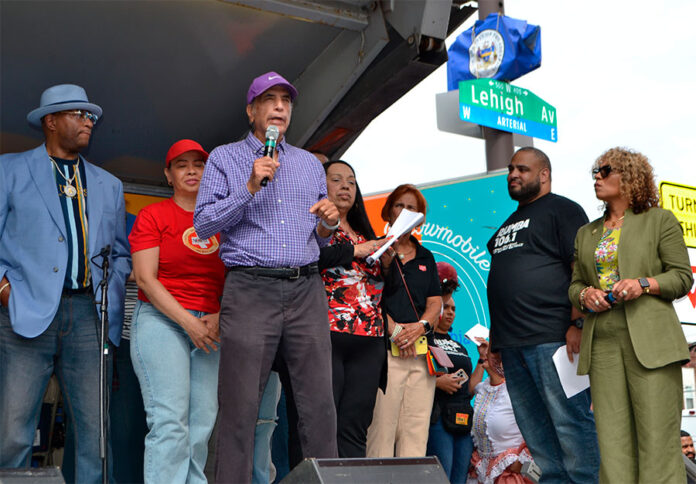
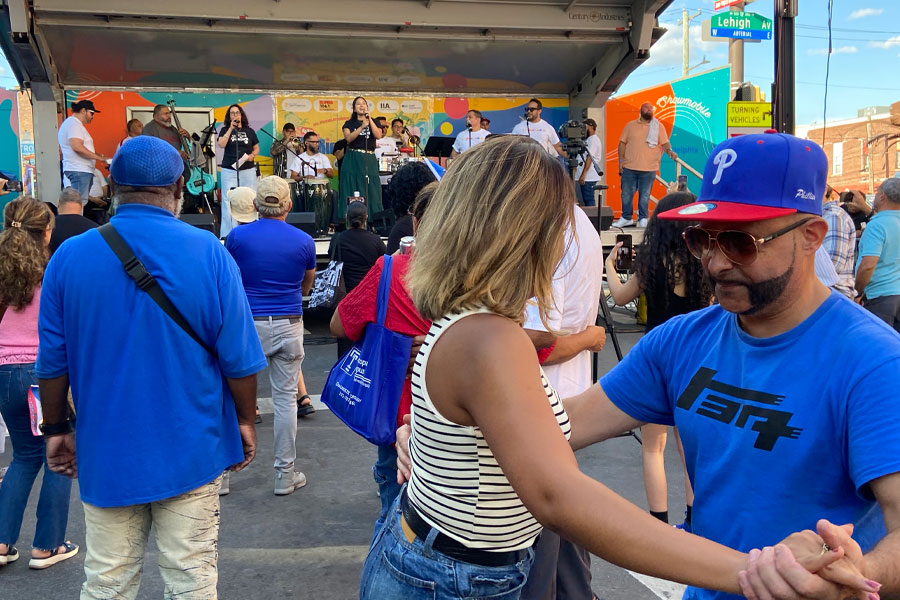
During the Feria del Barrio on September 7, Councilwoman Lozada took the stage at the corner of Lehigh Avenue and North 5th Street, joined by Jesse’s family and Rev. Bonnie Camarda, to announce the unveiling of the street name to the delight of musicians and attendees. Jesse had deep cultural roots, which he expressed through his mission to elevate Latin music and empower the community.

In the 1970s and 1980s, he produced major concerts, including his iconic “Salsa con Salsa” series featuring legendary artists such as Celia Cruz, Willie Colón, and Héctor Lavoe. In 1982, he co-founded the Association of Latin American Musicians (AMLA) to advocate for better working conditions and fair compensation for its members. In 2006, he partnered with Rev. Luis Cortés to bring AMLA to Esperanza in North Philadelphia. He also founded the Latin School for the Performing Arts, providing education, mentorship, and career opportunities for young students.

In recognition of his cultural contributions, a resolution introduced by then-Councilwoman María Quiñones-Sánchez in 2015 established “Jesse Bermudez Day” on July 8.

The legendary musician also co-founded the renowned “Siempre Salsa Philly” series in 2015 with Carlos Sánchez and Rob Bernberg.

An educator, musician, mentor, friend, collaborator, and family man, Jesse was remembered with great emotion by his youngest daughter Sara Bermudez Evans, his family, Rob Bernberg, Councilwoman Quetcy Lozada, Marangeli Mejía Rabell, Erikka Goslin, Rev. Bonnie Camarda, and others before the unveiling of the street in his name.

Jesse passed away in September 2022, but his legacy will live on for generations.

Voters to decide in November whether three judges remain on Pennsylvania’s supreme court

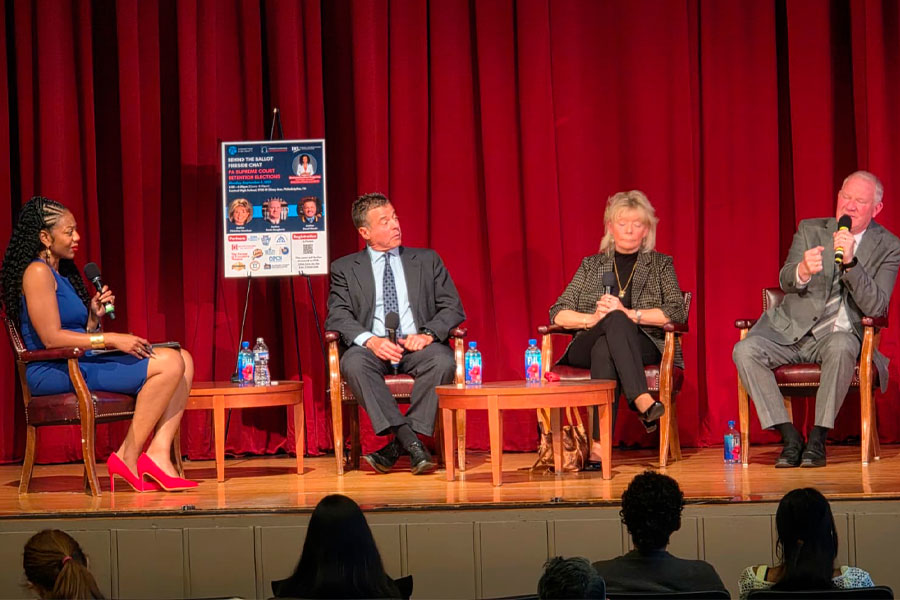
The three justices shared in a very friendly manner and asked the public for their vote. (Photo: Haydeé Rosario/Impacto staff)

This November, Pennsylvania voters will have the opportunity to decide whether three current justices on the state’s Supreme Court will remain in their positions for another ten years. These are known as retention elections nonpartisan processes in which voters simply cast a “yes” or “no” vote to keep a judge in office.

The justices Christine Donohue, Kevin Dougherty, and David Wecht, all originally elected as Democrats in 2015, will appear on the ballot this fall.

Justice Christine Donohue wants to ensure that efforts to interpret the Constitution continue. (Photo: Courtesy of Donohue2025.com)

All three participated in a public event in Philadelphia on Monday, September 8, titled “Fireside Chat: Behind the Ballot,” organized by the League of Women Voters of Pennsylvania, Pennsylvanians for Modern Courts, and the Committee of Seventy.

Justice Kevin M. Dougherty (Courtesy of PA Courts u/social media)

During the event, held at Central High School, the justices spoke about the Court’s role, how decisions are made, and the importance of maintaining judicial independence.

Justice David Wecht wants to continue promoting modern procedures. (Photo: Courtesy of PA Courts us/social media)

Impacto shares with the community some key highlights from this unique public discussion.

Key Takeaways from the Forum:

Judicial independence.One justice emphasized that personal, political, or religious views do not influence legal decisions: “Our viewpoints are set aside.”

Another reminded the audience that although they were elected under a party label, “Once we put on the black robe, we leave that partisan title behind.”

A third justice noted, “We have a wonderful relationship among the justices. I believe the people of Pennsylvania should feel proud, or at least satisfied, that the Supreme Court is now focused on the work, not internal disputes.”

The justices explained that the Court reviews only a small portion of the cases it receives and decides internally which ones to accept. After oral arguments, they hold an administrative session for a preliminary vote. The real debate takes place in their written opinions, where majority and dissenting views clearly reflect each judge’s stance.

Justice David Wecht wants to continue promoting transparent processes. (Photo: Haydeé Rosario/Impacto staff)

Why should they be retained?


Each judge gave reasons for continuing in office. One justice said that another ten years on the Court would help maintain consistency in interpreting the state Constitution: “I want to ensure that the efforts to interpret and apply it continue.”

Another pointed out that the Court also manages the state judicial system and that their retention would allow them to “continue promoting the most modern and transparent procedures” in judicial rulemaking and best practices.

The three justices shared in a very friendly manner and asked the public for their vote. (Photo: Haydeé Rosario/Impacto staff)

The third justice described the November vote as a chance for citizens to assess whether the judges have upheld their constitutional oath to apply the law fairly and equally: “I believe all three of us have done so.”

In summary, the event offered a rare public opportunity for the justices to explain their work, defend their impartiality, and respond to an active political campaign challenging their continued service.

This content is a part of Every Voice, Every Vote, a collaborative project managed by The Lenfest Institute for Journalism. Lead support for Every Voice, Every Vote in 2024 and 2025 is provided by the William Penn Foundation with additional funding from The Lenfest Institute for Journalism, Comcast NBC Universal, The John S. and James L. Knight Foundation, Henry L. Kimelman Family Foundation, Judy and Peter Leone, Arctos Foundation, Wyncote Foundation, 25th Century Foundation, and Dolfinger-McMahon Foundation. To learn more about the project and view a full list of supporters, visit www.everyvoice-everyvote.org. Editorial content is created independently of the project’s donors.

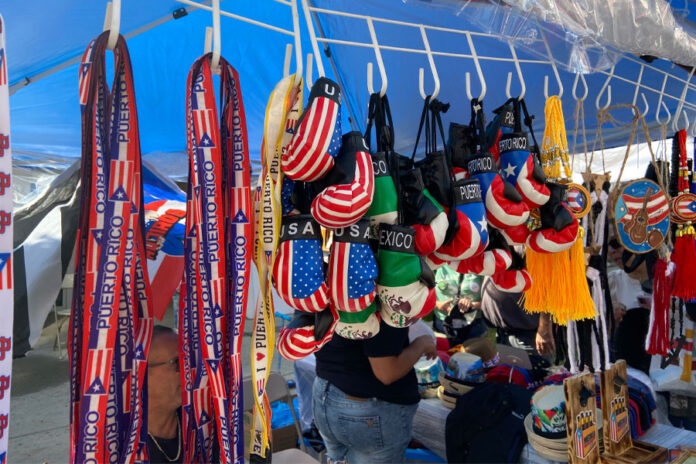
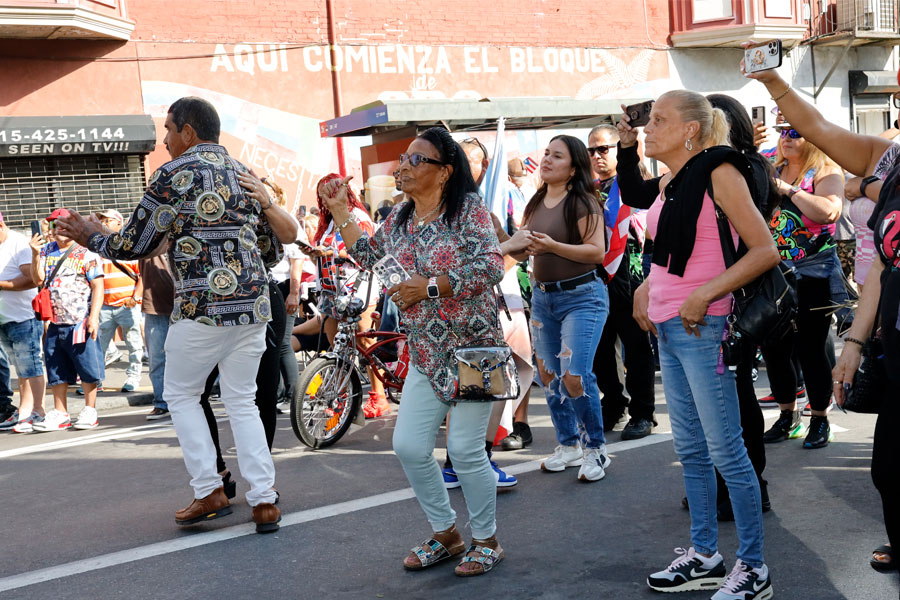
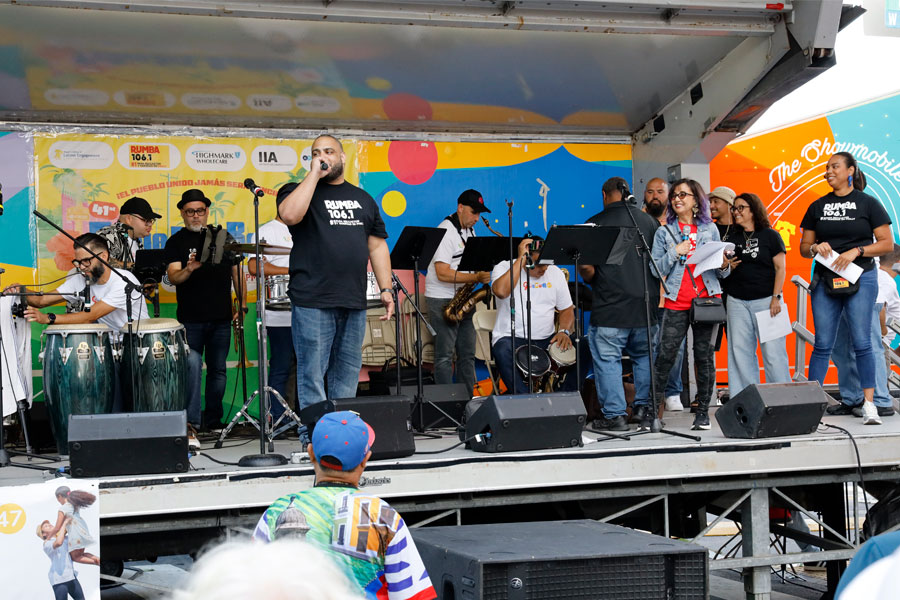
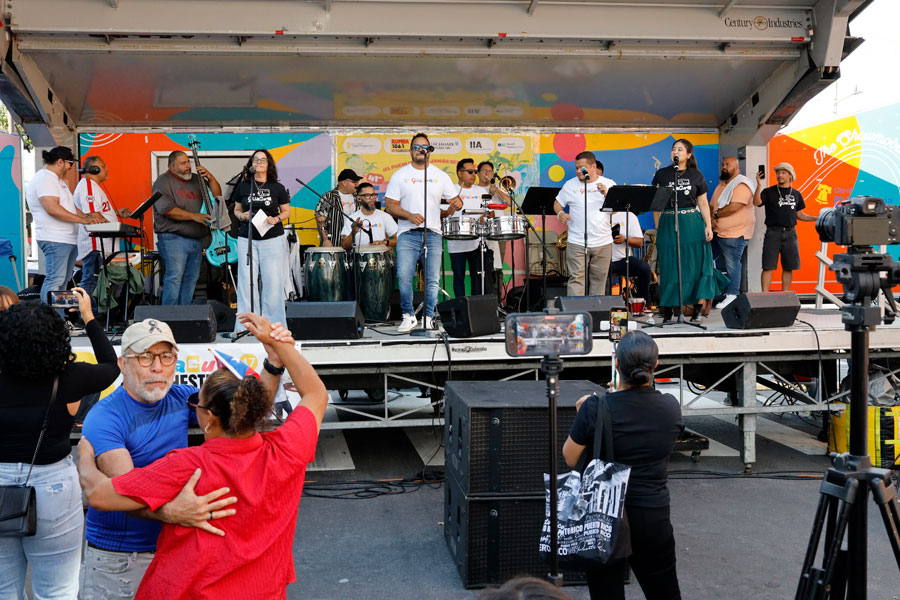
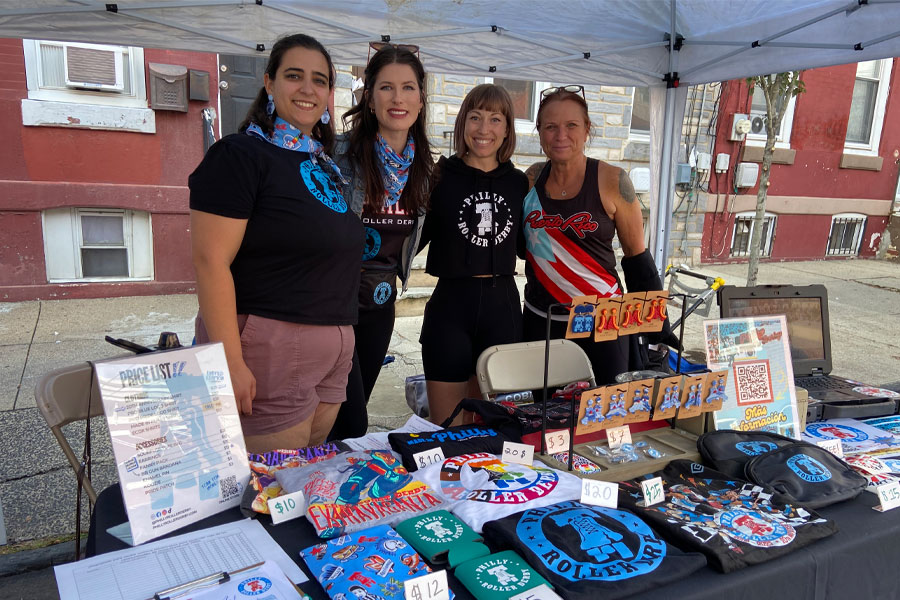
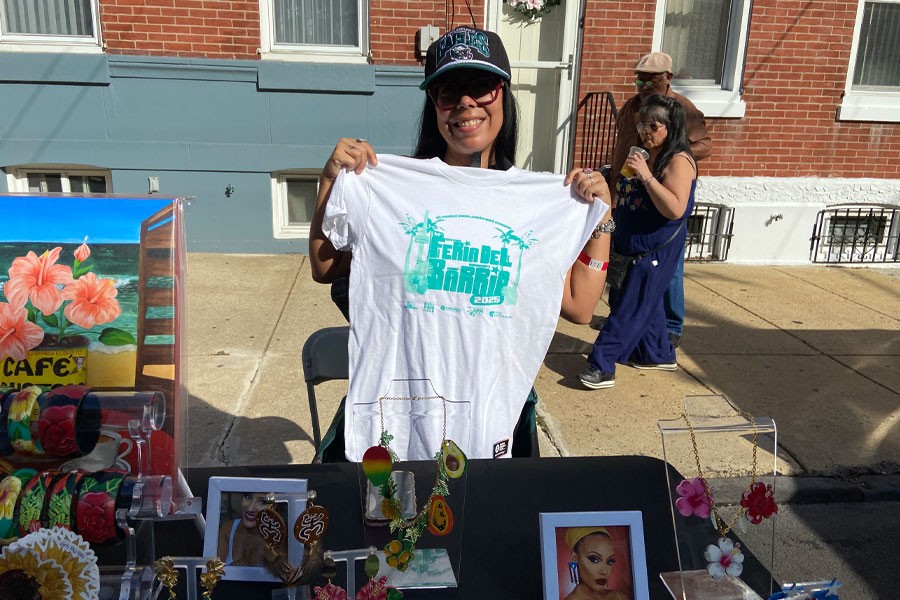
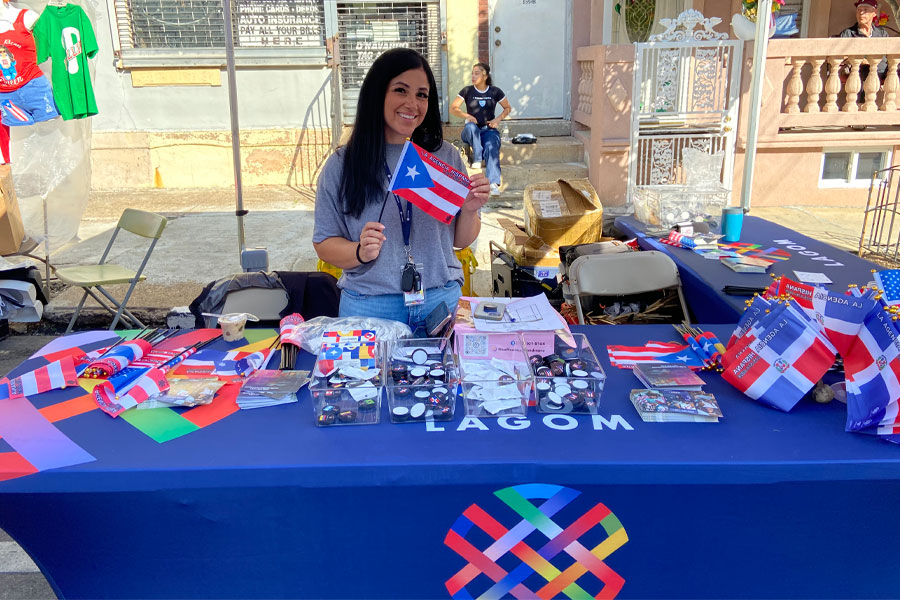
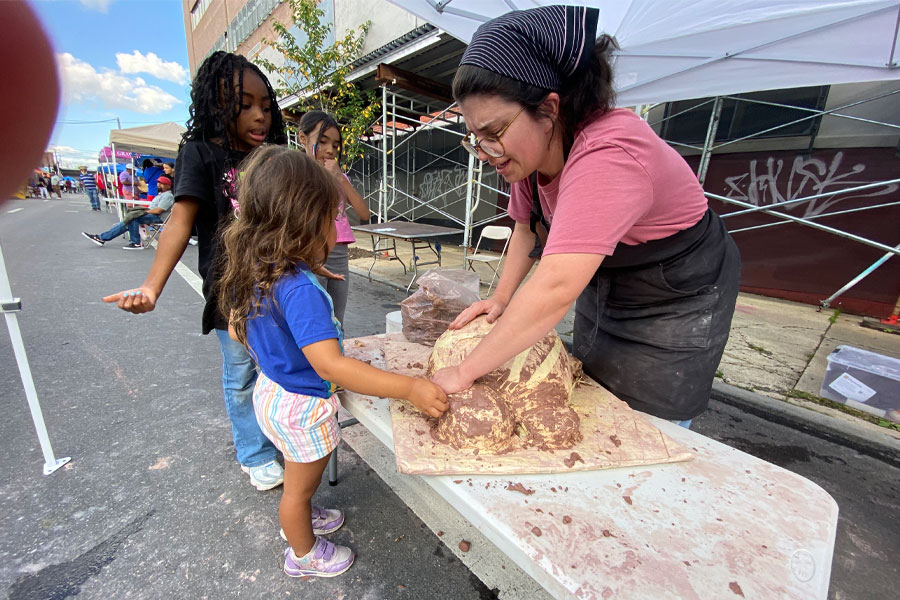
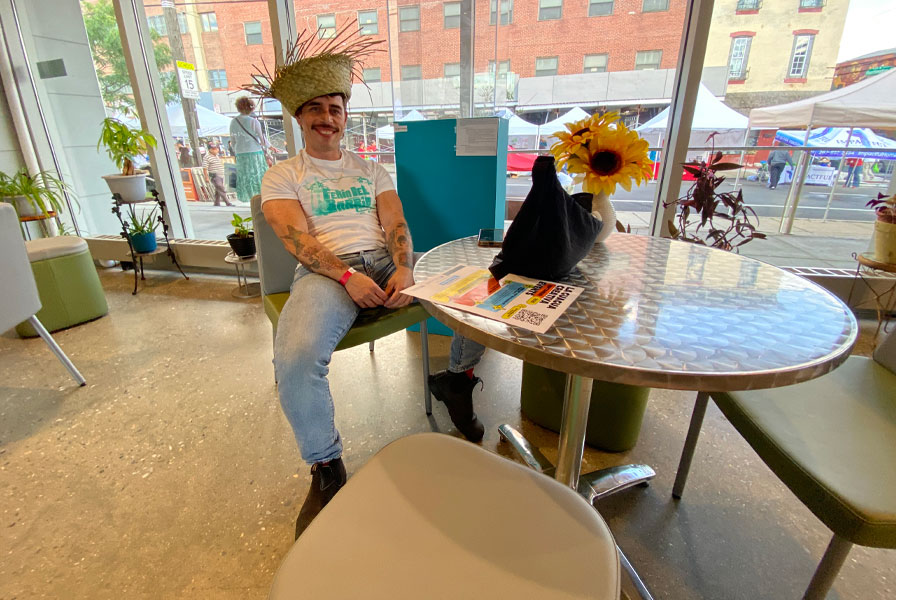
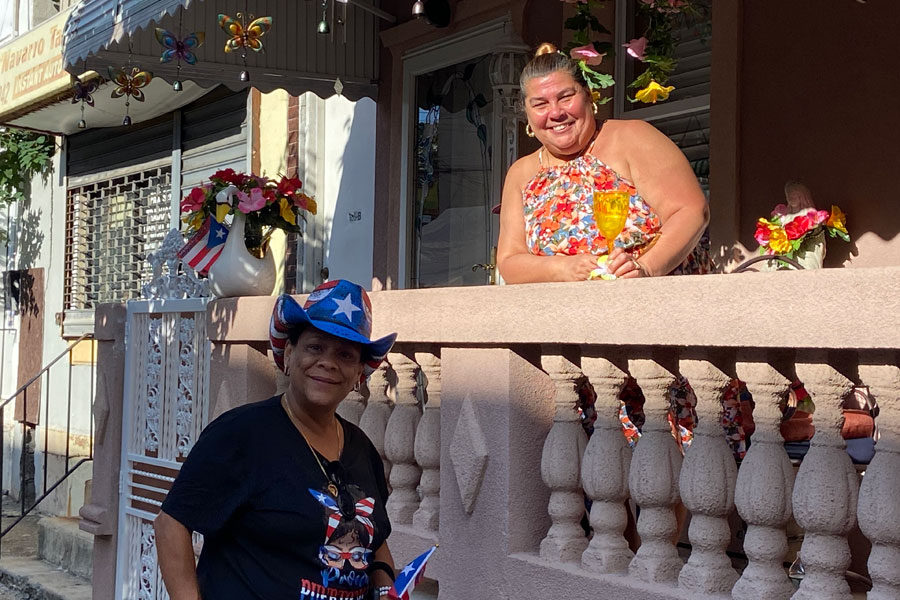
Feria del Barrio: A celebration with a heart beating to the latin rhythm

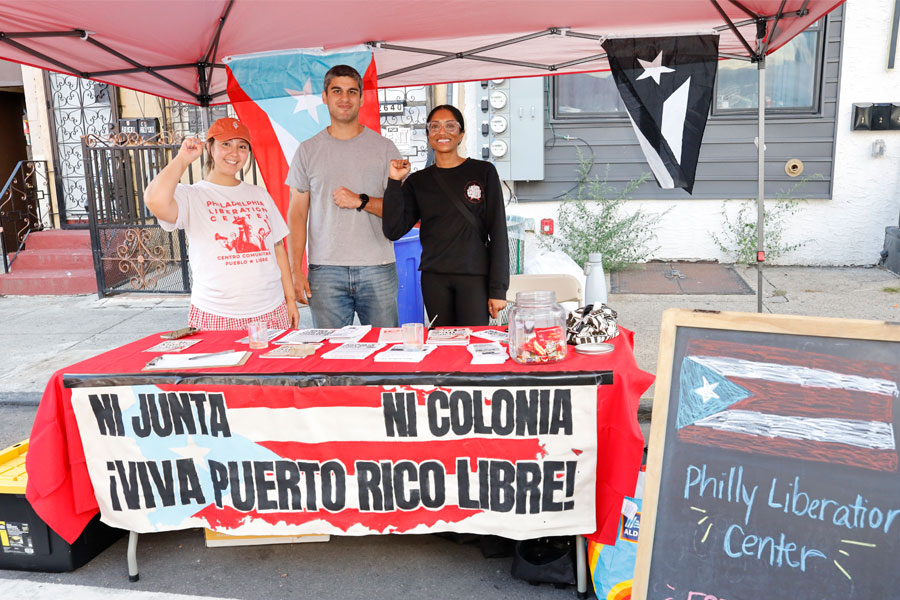
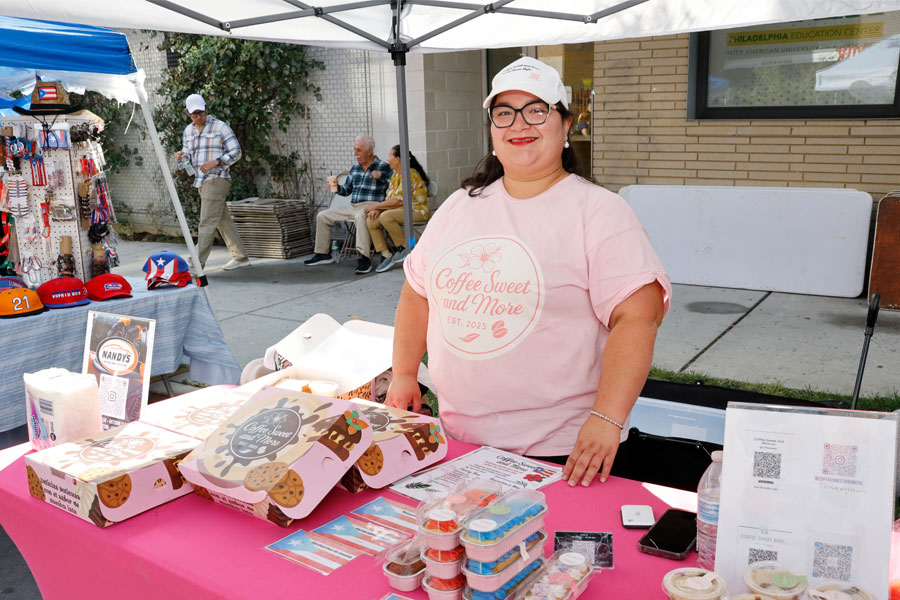
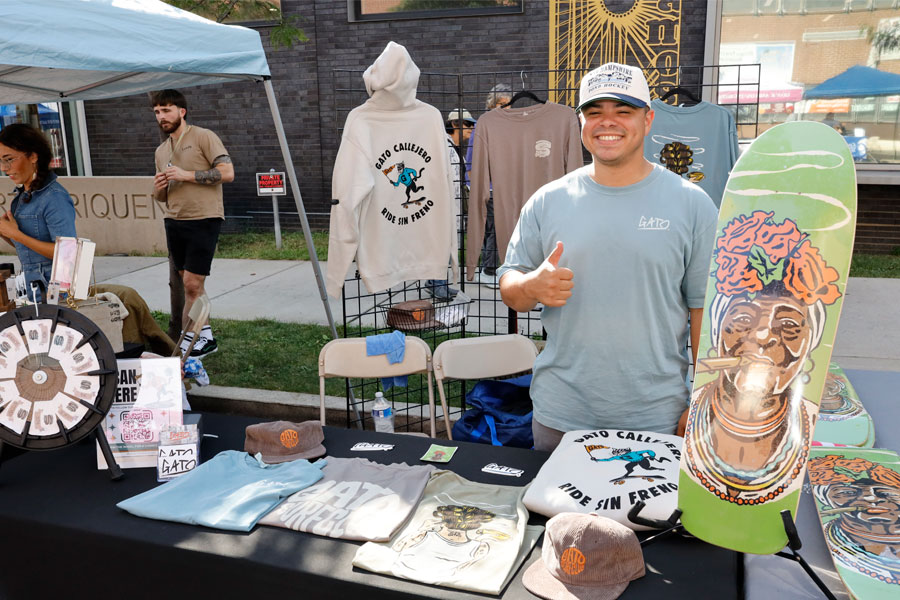
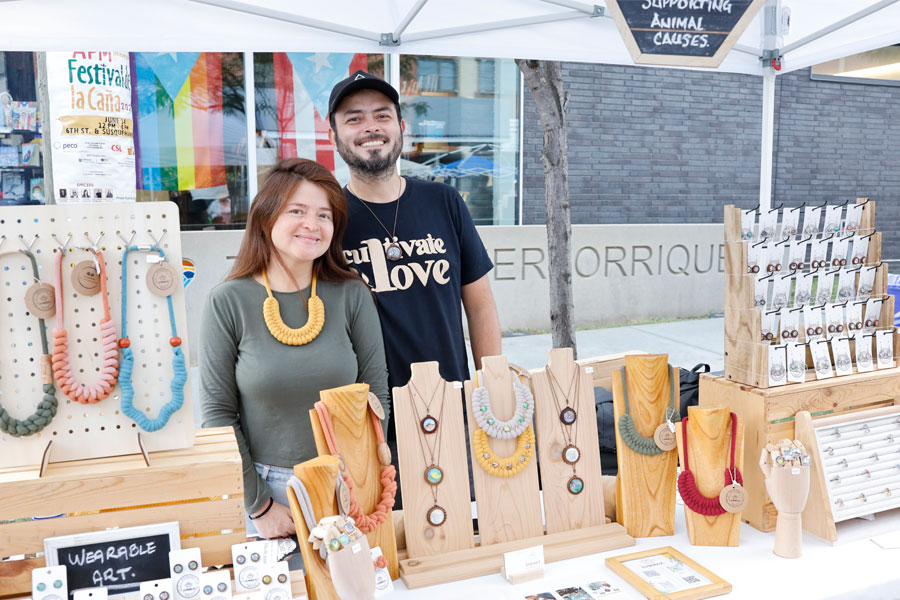
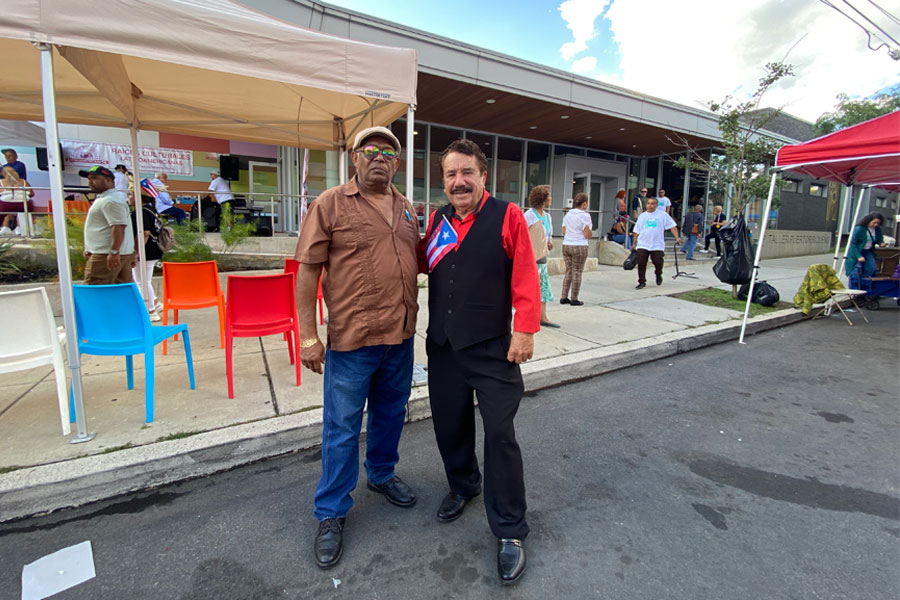
Feria del Barrio 2025. (Foto: Crédito/Virginia Esteban–Somalo)

With this message, artist Selina Carrera invited her followers on social media to join the Feria del Barrio at El Taller Puertorriqueño on September 7. For her, performing with her band at the fair was deeply meaningful and bringing the energy of her live show to the neighborhood that raised her, surrounded by people she considers family. And she wasn’t alone.

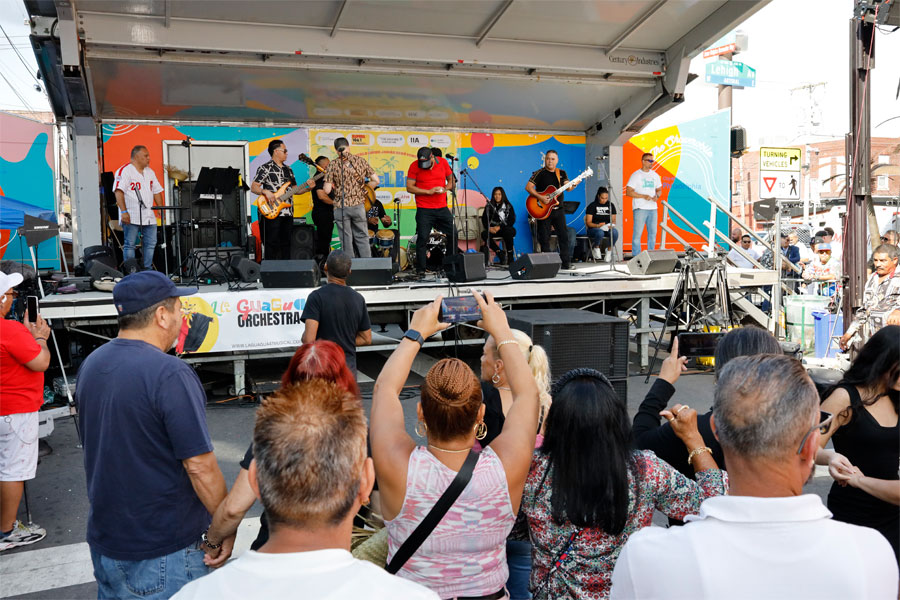
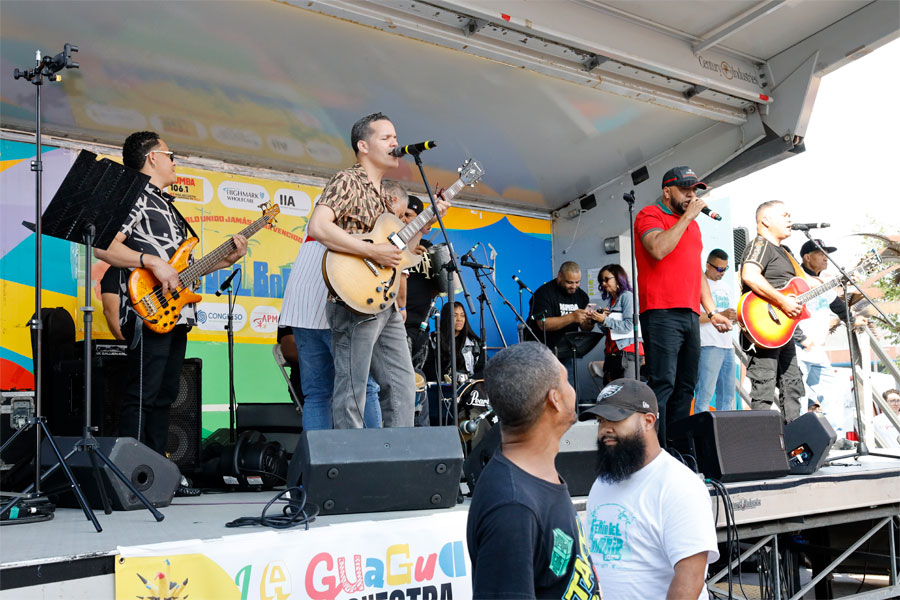
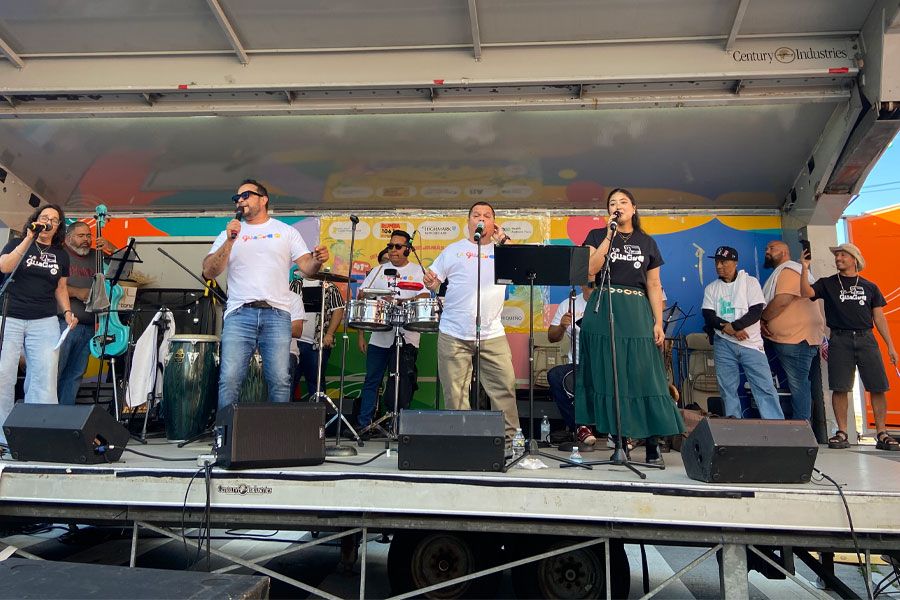
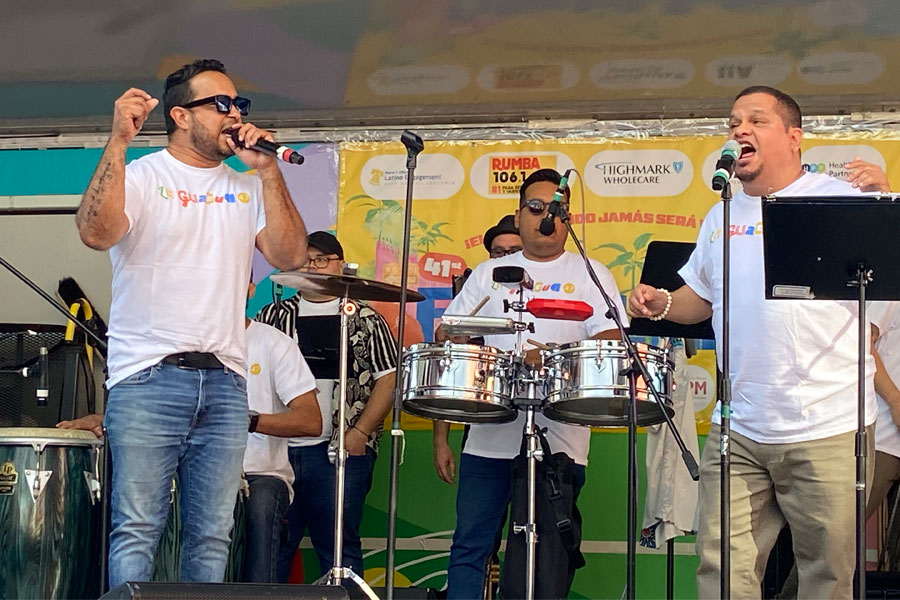
Sharing the stage with her group Cvgebird were Foto Rodríguez, Tino Serrano & The Latin Jazz Orchestra, Bachata Tropical, Los Pueblitos, Emmanuel Méndez, and La Guagua 47.

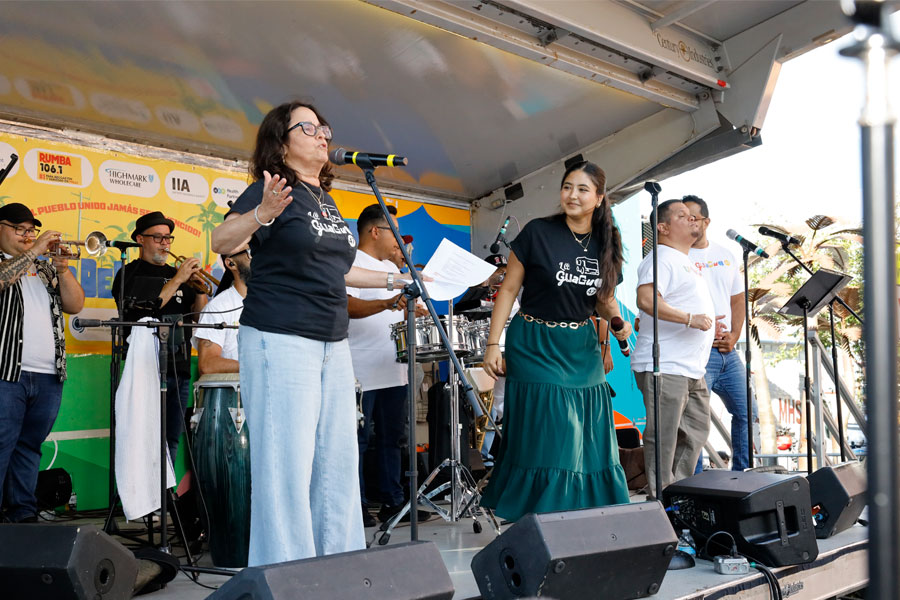
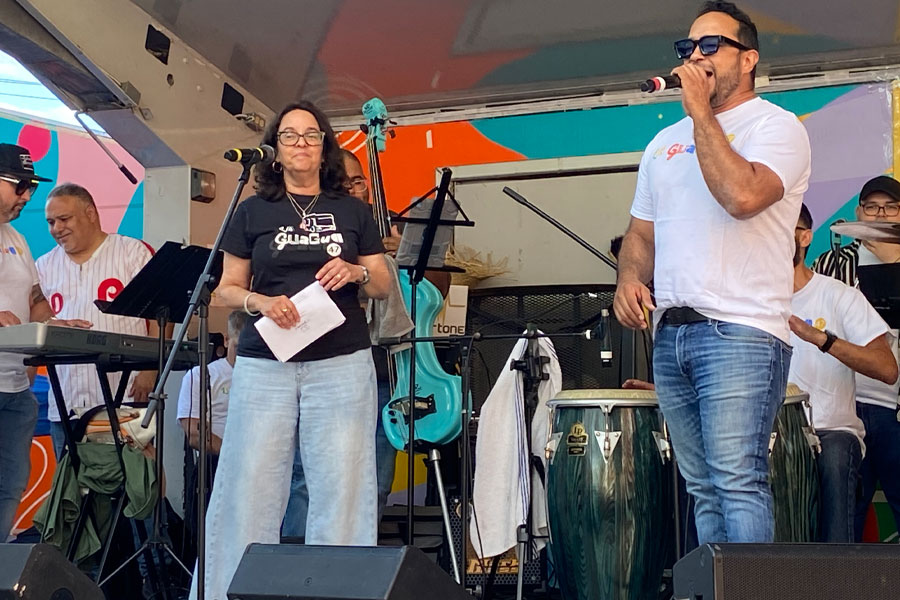
It was the debut of La Guagua 47 Orchestra, directed by Moroquito Ávila, that brought the event to its emotional peak. On stage, Alba Martínez—the visionary behind the project—joined the orchestra to perform several songs from the musical, including two brand-new pieces presented live for the first time.

Martínez shared with the audience how La Guagua 47 began as a salsa song, evolved into a community film, and now has become a full musical featuring 20 original songs and dialogue.

Attendees got a taste of Lucía’s story—a Puerto Rican girl who arrives in Philadelphia and embarks on a transformative journey along the route of bus 47.

The performance was part of La Guagua Creativa, an artist residency at El Taller Puertorriqueño that aims to bring musical theater closer to the community through salsa, collective art, and active participation.

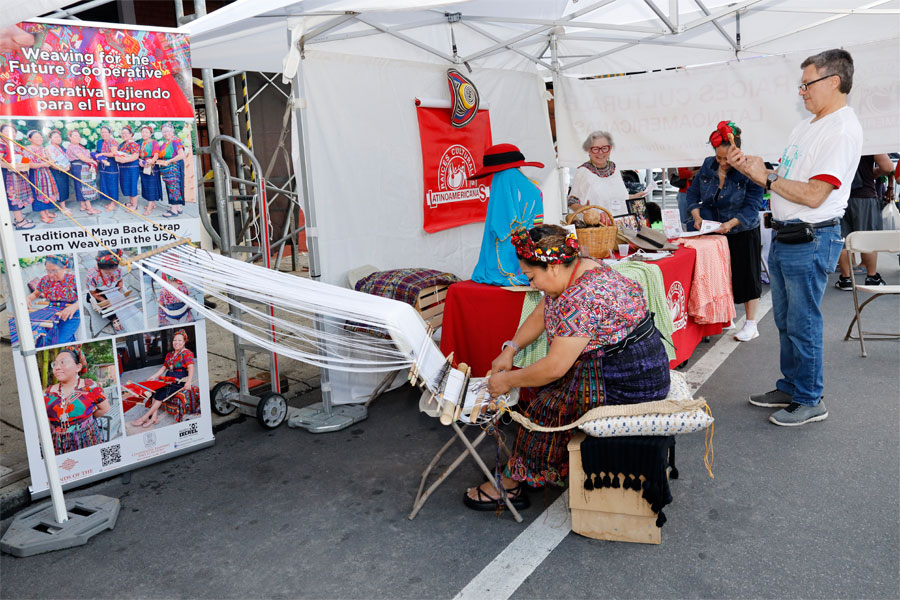
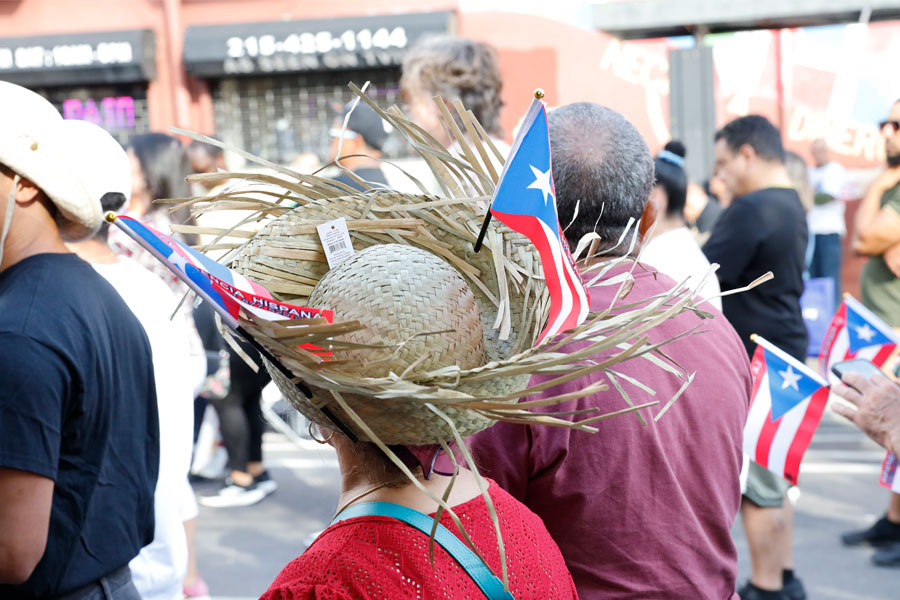
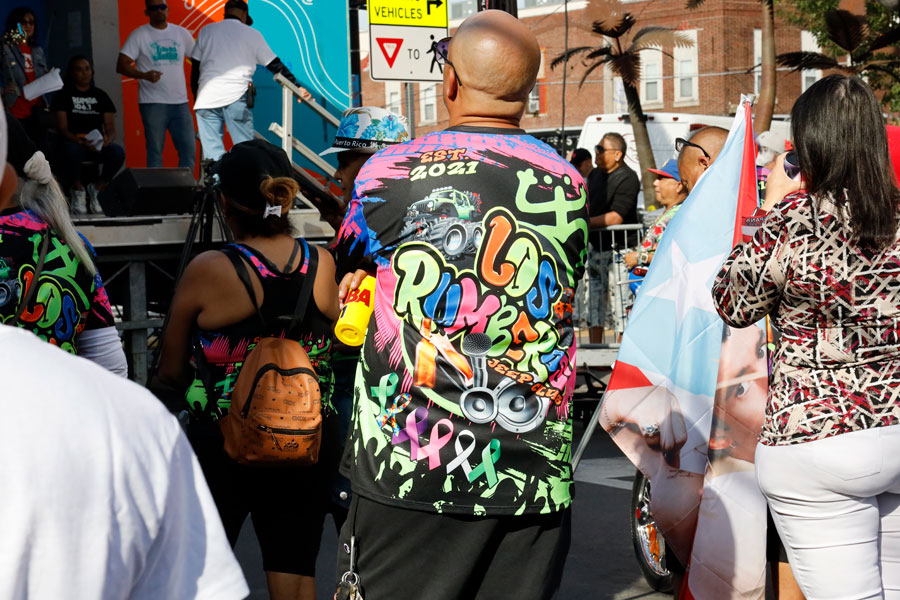
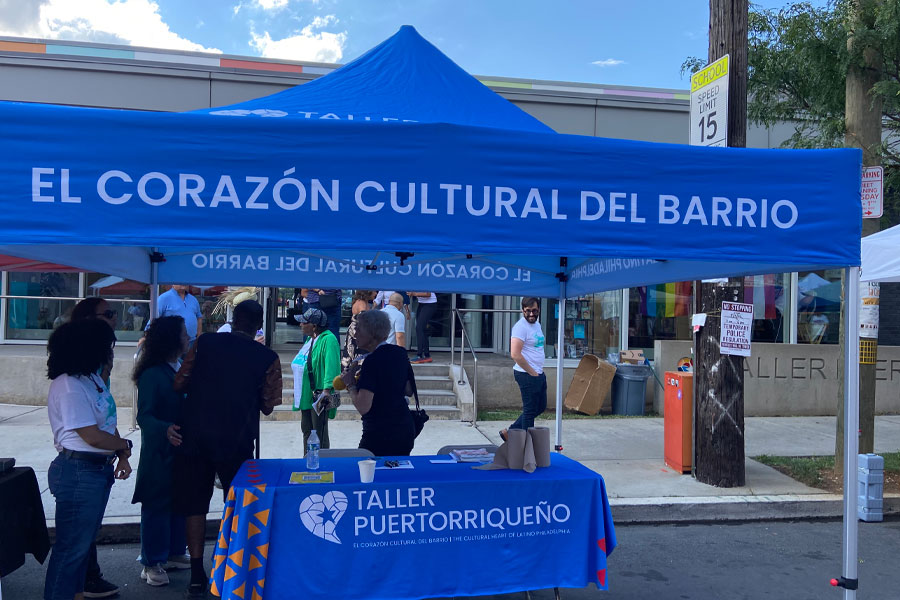
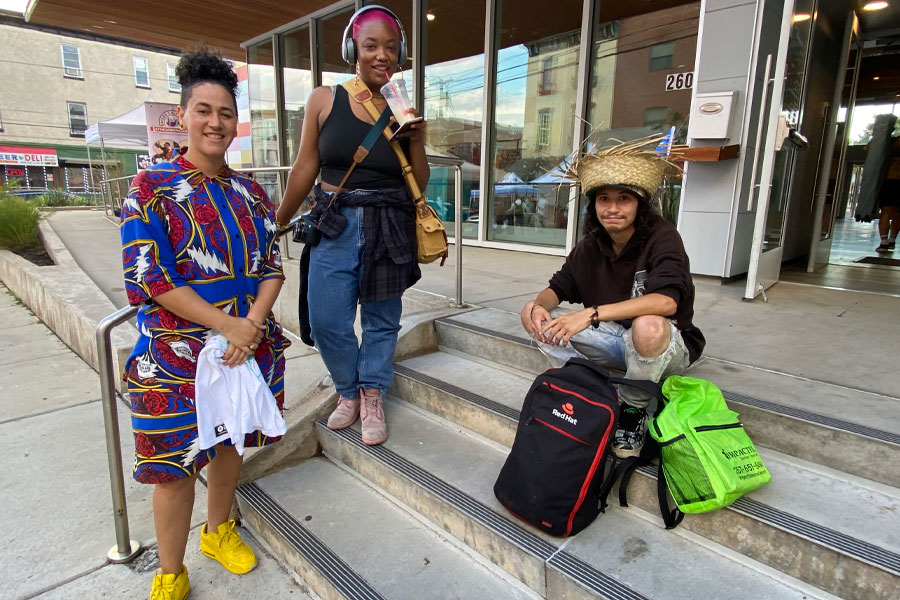
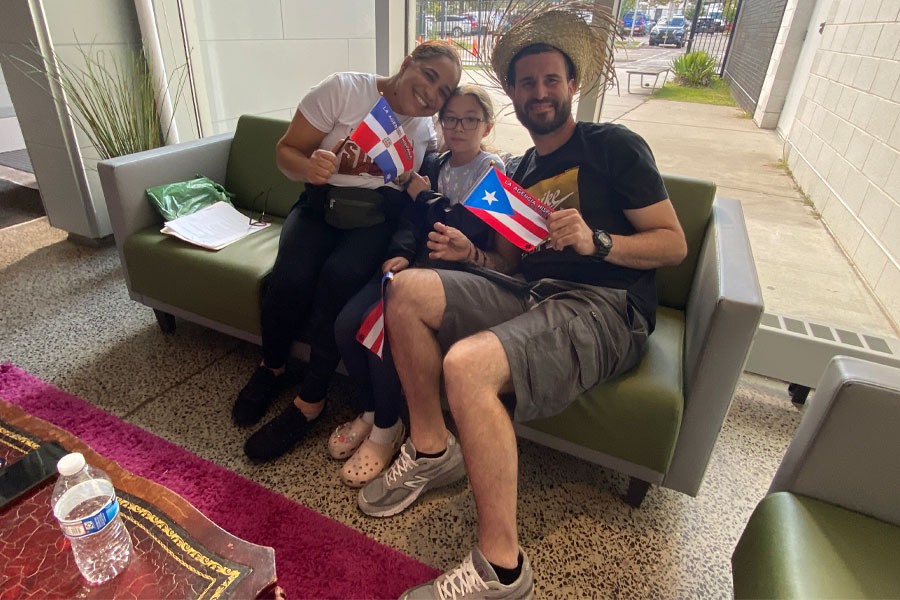
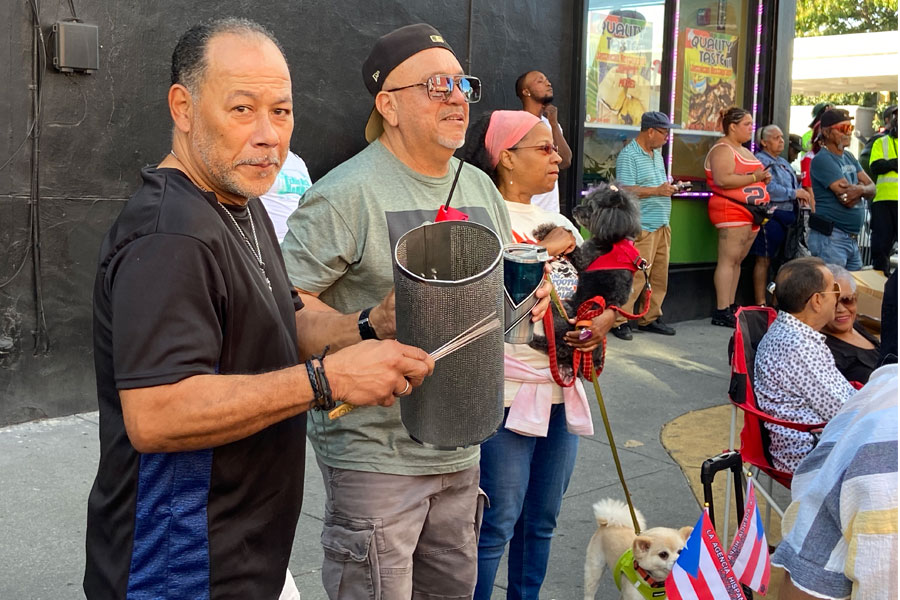
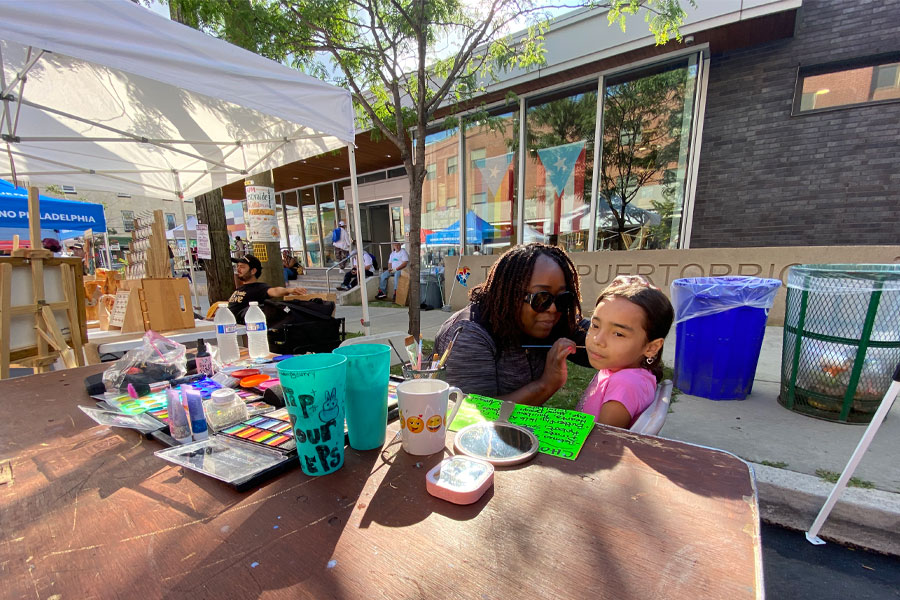
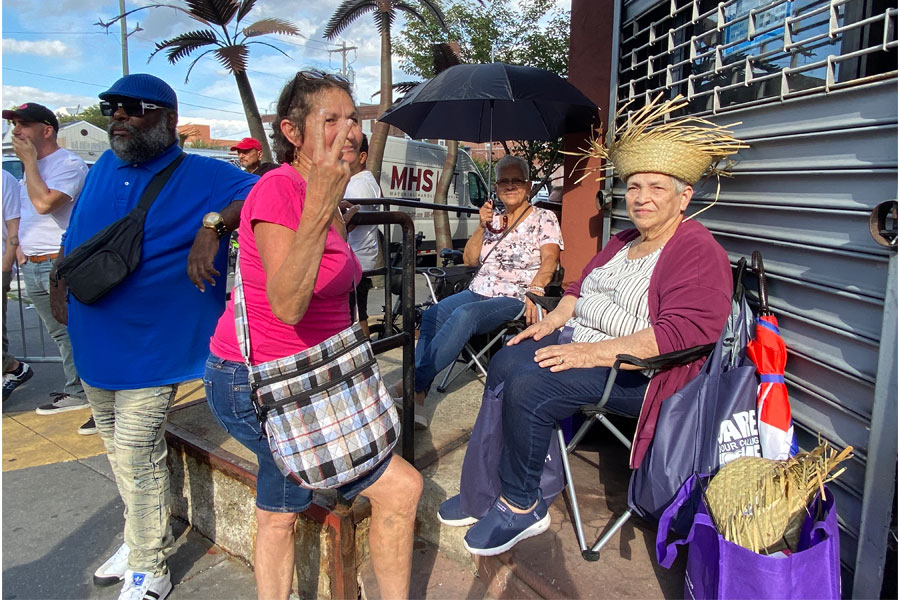
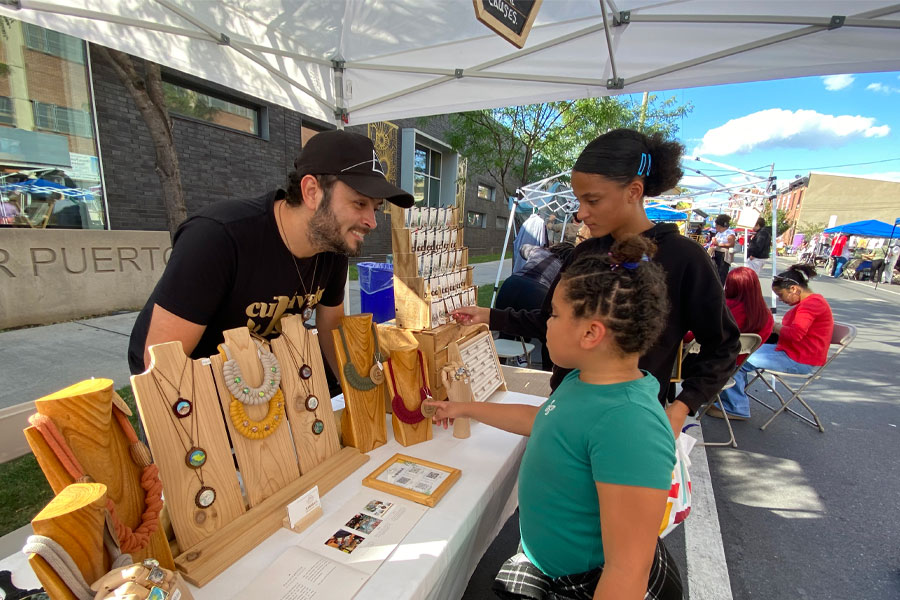
El Centro de Oro—Philadelphia’s hub of Latin culture—turned the street into a celebration of arts, education, and community resources. The neighborhood came alive with a spirit of family, unity, and camaraderie, all pulsing to the rhythm of Latin music.