-1.1 C
Philadelphia
spot_img
Inicio Blog Página 385

Deporte, música y artes construyen puentes y sanan heridas sociales

music
El corredor de los Philadelphia Eagles, Saquon Barkley (Foto: RRSS)

La excelente campaña que están llevando los Eagles durante la presente temporada ha despertado una oleada de apoyo y entusiasmo extra entre los fans, que mantienen viva la esperanza de que el equipo pueda sortear los desafíos que le faltan y llegar a la gran fiesta del Super Bowl.

Por otra parte, en el campo de la música y las artes ha causado un tsunami noticioso el anuncio de que el premiado rapero y compositor puertorriqueño Bad Bunny realizará una “residencia” de 30 conciertos en la Isla del Encanto entre los meses de julio y septiembre.

Ambos sucesos son una muestra de cómo el deporte, la música y las artes en general pueden ser un elemento importante para generar cohesión social, formas de construir puentes y conexiones entre comunidades de disímiles origen y cultura, y hasta ideologías, así como realizar actividades para inspirar a niños y jóvenes a comprometerse, a involucrarse en actividades educativas beneficiosas para la salud mental y física.

Durante años las Águilas de Filadelfia han mostrado su compromiso comunitario a través de muchas iniciativas con las que apoyan en las necesidades y los proyectos de los vecindarios locales, con obras como la Fundación para los Niños Autistas; los programas de Educación Digital que patrocinan en sociedad con otros centros educativos, como el Programa 306, que enseña historia y cultura afro a estudiantes negros, el programa STEM, que estimula el talento en las áreas científicas, el Entrepreneurs Game Plan, que entrena a los jóvenes en habilidades financieras; el programa de Fútbol para chicas, la Fundación Caritativa Eagles e, incluso, el apoyo a refugios para mascotas abandonadas.

Por el lado de la música, la publicación reciente del álbum “DtMF” de Bud Bunny ha mostrado que un cantante como esta popular estrella boricua, y otros como él, a pesar de que en algún momento puedan recibir críticas por sus canciones, al mismo tiempo pueden dar inspiración a niños y niñas para que aprendan que con creatividad, trabajo y perseverancia se pueden conquistar los sueños y alcanzar un nivel de éxito tal que mañana te permita realizar iniciativas en beneficio de tu comunidad o tu país.

El último trabajo del “conejito malo” está inspirando a sus fans más jóvenes a redescubrir la magia de los ritmos ancestrales de Puerto Rico, al tiempo que sus letras están haciendo que muchos recuerden el valor de las tradiciones en familia; las reuniones en las que las abuelas y los tíos les enseñaban a los niños los bailes típicos; a otros, la historia y la belleza de su país de origen y la necesidad de cuidarlo, de no perder las raíces, de proteger su naturaleza y su fauna.

Para muchos no deja de ser motivo de orgullo el que un intérprete que canta en español se esté codeando constantemente en los primeros lugares del Billboard en todas las categorías y, más aún, si este artista viene de Puerto Rico, una nación que sufrió meses atrás, durante la campaña política, un abusivo desprecio por parte de un humorista sin ningún sentido del respeto por el valor y la dignidad de otros pueblos y culturas.

En un momento en que muchos temen lo que algunos medios internacionales llaman el “Huracán Trump” —por la rapidez e impacto de varias de sus órdenes ejecutivas, que ya han provocado brotes de segregación y xenofobia—, la música de Benito y las jugadas de los Eagles, a un paso del Super Bowl, ofrecen un respiro de alegría. Con un equipo compuesto por jugadores y técnicos de orígenes tan diversos, los Eagles inspiran orgullo por la diversidad y destacan la riqueza y belleza que esta aporta al inigualable mosaico cultural de Estados Unidos. Y ante la tormenta, esta semana también elegimos acariciar a la distancia el calor de Puerto Rico.

Sports, music and arts build bridges and heal social wounds

music
El corredor de los Philadelphia Eagles, Saquon Barkley (Foto: RRSS)

The Philadelphia Eagles’ outstanding performance this season has sparked a wave of support and excitement among fans, who remain hopeful that the team can overcome the challenges ahead and make it to the grand stage of the Super Bowl.

Meanwhile, in the world of music and the arts, a media frenzy erupted following the announcement that Puerto Rican award-winning rapper and songwriter Bad Bunny will host a 30-concert residency in the “Island of Enchantment” between July and September.

Both events demonstrate how sports, music, and the arts can play a crucial role in fostering social cohesion, building bridges between communities of diverse origins, cultures, and even ideologies, and inspiring children and youth to engage in activities that benefit their mental and physical health.

For years, the Philadelphia Eagles have shown their commitment to their community through numerous initiatives that address local needs and support neighborhood projects. These efforts include the Eagles Autism Foundation, Digital Education programs in partnership with other educational institutions, such as the 306 Program, which teaches Black history and culture to African-American students; the STEM Program, which nurtures scientific talent; the Entrepreneurs Game Plan, which trains youth in financial literacy; the Girls Flag Football Program, the Eagles Charitable Foundation, and even support for shelters for abandoned pets.

On the music front, the recent release of Bad Bunny’s album “DtMF” has proven that a singer like this beloved Puerto Rican star—and others like him—can inspire children despite occasional criticism of their lyrics. Bad Bunny shows how creativity, hard work, and perseverance can lead to achieving dreams and reaching a level of success that allows you to give back to your community or country.

The “bad bunny’s” latest work is inspiring his younger fans to rediscover the magic of Puerto Rico’s ancestral rhythms, while his lyrics are prompting many to reflect on the value of family traditions. His songs evoke memories of gatherings where grandmothers and uncles taught children traditional dances or shared the history and beauty of their homeland. They emphasize the importance of preserving cultural roots, protecting nature and wildlife, and cherishing their heritage.

For many, it is a source of pride that a Spanish-speaking artist like Bad Bunny consistently ranks at the top of Billboard charts across all categories. This pride is even greater considering that he comes from Puerto Rico, a nation that endured blatant disrespect from a comedian lacking any sense of respect for the value and dignity of other peoples and cultures during the recent political campaign.

At a time when many fear what some international media outlets call the “Trump Hurricane” —marked by the speed and impact of numerous executive orders that have already triggered instances of segregation and xenophobia— the music of Benito and the Eagles’ path to the Super Bowl provide a much-needed source of joy. With a team composed of players and staff from such diverse backgrounds, the Eagles inspire pride in diversity and highlight the richness and beauty it brings to the unparalleled cultural mosaic of the United States. And amid the storm, this week, we also choose to embrace the warmth of Puerto Rico from afar.

DeBÍ TiRAR MáS FOToS, the new creation of Bad Bunny

Bad Bunny
Bianca Rodriguez visits Mayagüez in 2019, 2 years after Hurricane Maria.

Bad Bunny’s new album, DeBÍ TiRAR MáS FOToS, was truly the Three Kings Day gift for the ages. I’m certain it was released purposefully on such a momentous Latino holiday. (Mission achieved!)

Between the rhythms and lyrics, referencing everything from “Le-lo-lai” to “Jacinto” and “Un Verano en Nueva York,” to the comparison of Puerto Rico and Hawaii, to utilizing traditional music and instruments like the plena and guiro, to the very album title of “I Should’ve Taken More Photos,” Bad Bunny speaks to my heart and soul, and experience growing up as a Puertorriqueña on the mainland, who was born on the island.

I was moved to tears by a few of the songs, especially La Mudanza, where he thanked his parents, and Pitorro de Coco, where the guiro and Christmas music with le lo lai is featured and he mentions playing dominoes with the Abuelos. It totally took me back to being with my grandparents when we would all gather for the holidays and play music, which has not happened again since their passing.

Collage made by LuzSelenia Salas of generations of the Salas family. (Photo: LuzS. Loeb)

This album has a very special connection to the work that my mother, LuzSelenia Salas, has done in photographing the Puerto Rican and Latino communities for over 50 years. Not a day has gone by without she reminding me to take photos, and recalling how important documenting our lives is, which is how the tradition of photography passed on to me and my son, to have reached 3 generations of photographers.

Mom named her photography Momentos by Luz because momentos capture invaluable moments in time that cannot be repeated, which is what makes them so valuable. So often we are the ones who people look to when they want to honor someone, especially for funerals, when we want to remember that person as they have lived. I believe that living life to the fullest without regret is one of the major messages of this album that we should all take to heart.

In 2019 I had the rare fortune to have one of those living-life-to-the-fullest moments when I visited the island with my mother, who was also born in Puerto Rico, and my daughter, Bianca Rodriguez, who was born in Pennsylvania. I hadn’t been back to the island in decades and it was my daughter’s first time visiting. As our 3 generations visited the island together the experience was transformative.

Connecting our daily lives from the diaspora with physically seeing and touching where our roots and traditions originated was a life-altering experience. To witness where my mother was born and have her recount places we lived and our ties to the land and places I had only seen in photographs before, such as the story about me being swept out to the sea when a huge wave hit my father on a beach in Aguadilla, or the sugar cane fields we lived by where I’d roam visiting the neighbors, was magical. We also visited her family, friends, and artists she has worked with over the years who welcomed us into their homes, showed us their artistry work and dances, and told us their own histories. This lit a spark and passion for our heritage in both, my daughter and me, which would not have held the same weight without my mother being there to make the connections.

We also explored places and participated with activities like atv’ing on the beach, driving around the entire island from town to town where many places were still impacted by Hurricane Maria, visiting the sister-school of the high school my daughter was attending at the time, and stopping at all the instagram-hot-spots, which my mother would have not been exposed to if all of us had not been together for this intergenerational experience.

We returned from that trip with a deeper appreciation, understanding, love, and bond with our island and one another, which translated into us getting even more involved in our community at home, and visiting again in 2022 together. In fact, our family does not do gifts for the holidays anymore. Instead, we go on family trips together to spend time with one another, because experiences and moments together are irreplaceable.

After returning from Puerto Rico in 2022, I took on the role of President for the National Conference of Puerto Rican Women (NACOPRW), Philadelphia Chapter, in which the two trips with the intergenerational effect (along with my exposure to community service over the years) drove my intent and passion to try to recreate that passion and understanding for others to have similar experiences and appreciation for Puerto Rico here on the mainland and in the island. Not everyone is fortunate enough to be able to visit the island, especially with generations of families. This is why music and messaging like Bad Bunny’s, which educate and inspire our people, are so important for keeping our culture alive and realizing the importance of the island of Puerto Rico.

I believe Bad Bunny is aiming to achieve an intergenerational impact with his album by incorporating historical, cultural, and iconic references to pass them onto the mainstream, like pitorro, which is a distilled liquor from Puerto Rico that’s often called «moonshine rum», (you had to be a native from the island/culture to KNOW what that was before now); or Toñita’s (a social club in New York where people coming from the island would feel at home sharing with others from the island); or “Lelolai», a traditional Puerto Rican refrain that appears in rural songs and Christmas carols; or “Jacinto”, which refers to the legend of el Pozo de Jacinto in Isabela. There are so many layers of messaging within the lyrics and also the accompanying campaigns, such as the release date being on Three King’s Day eve, the Concho toad which is going extinct due to a non-native species, being symbolic of what is happening to Puerto Rican culture and land with gentrification and climate change. Also, establishing resident-only tickets for his next series of concerts of summer, and pricing them according to a residency in Puerto Rico, that sold out in 4 hours, is bringing in millions of much-needed supports for the island. Add to that the videos that are geared to the young, which my daughter had to explain to me because I didn’t even realize that was a thing! Likewise, I had to explain certain parts of the songs and dichos to her, and similarly, my mother explained various things to us. Intergenerational! Passing on the cultura down, up, and outward throughout the world!

I cannot personally remember someone of such stature, who is so young, taking a stand like this for Puerto Rico. Bad Bunny truly loves his island and the people which shows up any time he speaks or performs, which he also is unapologetic about doing only in Spanish!

To hear someone as famous as Bad Bunny resonate what I’ve heard all my life, and to be so wise at such a young age, is incredible. To witness this 30-year-old young Latino man, who is just about the age of my sons, use his platform and influence to uplift his people and homeland gives me great hope for our future, He is reaching the younger generations with his messaging and educating them through his words and actions with inspiration about how we all can and should be involved in protecting our culture, land, and traditions.

Bianca with her Abuela LuzSelenia, during her first visit to Puerto Rico. (Photo: LuzS. Loeb)

Bad Bunny has truly put on display who he is as an artist and person for all of us to witness. While there are still a few songs that are the typical perreo music he’s been known for, this album shows so much growth as an artist and human being, a man determined to make a positive difference in the world, and people are loving it, the world over and myself included. ¡GRACIAS, Benito!

Some of the notable achievements of DtMF Album up to date:

  • BAILE INoLVIDABLE hit the #1 song in the world on apple music
  • First Latin Artist to score 100 Billboard Hot 100 Hits
  • Five simultaneous Global 200 top 10s
  • No. 1 on the U.S.-based Billboard 200 albums chart
  • Over half of the top 10 tracks on Spotify’s Daily Top Songs Global Chart
  • BAILE INoLVIDABLE being the first salsa song in history to reach #1 on Apple Music
  • Residency combined with hotel packages in Puerto Rico instead of the US Mainland with resident-only access and pricing drumming up millions for the economy.
  • Concert tickets sold out in 4 hours!
  • Short film featuring legendary Puerto Rican filmmaker Jacobo Morales
  • 4th album highlights with Jimmy Fallon

*LuzSelenia Loeb, President of NACOPRW Greater Philadelphia

La alcaldesa de Filadelfia, Cherelle Parker da un paso en la recuperación de Kensington

Cherelle Parker
“Hoy estuve con nuestra alcaldesa mientras firmaba una orden ejecutiva para presentar… “Wellness Court”. Esta nueva iniciativa de desvío acelerará el proceso de conectar a los delincuentes de bajo nivel relacionados con las drogas con el tratamiento y la recuperación. Espero ver resultados positivos e historias de éxito de este nuevo sistema”. Concejala Quety Lozada (Foto: RRSS)

La alcaldesa de Filadelfia, Parker, firmó el martes una orden ejecutiva para un nuevo tribunal/corte de bienestar y un centro de apoyo para el bienestar en Kensington. Los funcionarios de la ciudad dijeron que la iniciativa está diseñada para que las personas que sufren de adicción ingresen en tratamiento en lugar de ir a la cárcel.

La orden ejecutiva de Parker le dará al Departamento de Policía de Filadelfia la opción de dar a los consumidores de drogas el cargo más bajo (un delito sumario) y enviarlos rápidamente a un juez sin pasar días o semanas en una celda de la cárcel.

«Esto nunca ha sucedido antes en la ciudad de Filadelfia», dijo Parker. «El Centro de Apoyo al Bienestar y el Tribunal de Bienestar de Kensington son parte de nuestra estrategia integral para restaurar la comunidad y mejorar la calidad de vida y ya no intentar normalizar los desafíos que existen allí».

El Tribunal de Bienestar Vecinal de Kensington (NWC) y el Centro de Apoyo al Bienestar estarán ubicados en 3901 Whitaker Ave, dentro de la estación de policía del distrito 24 y 25.

La implementación del programa piloto comprende establecer un Tribunal de Bienestar donde a una persona que de otro modo sería arrestada por cargos de delitos menores asociados con el consumo de drogas en público, se le ofrezca la oportunidad de una evaluación de salud física y conductual el mismo día, atención médica básica y manejo de la abstinencia, una audiencia judicial, desviación y admisión para tratamiento.

El Tribunal de Bienestar Vecinal de Kensington de la Oficina de Seguridad Pública (NWC) es una innovación en el modelo de tribunales comunitarios y atiende a las personas arrestadas por consumo de drogas en público. En un programa de desvío rápido posterior al arresto, las personas arrestadas por delitos elegibles son transportadas inmediatamente al Centro de Apoyo al Bienestar de la OPS Kensington, ubicado en 265 E Lehigh Avenue, donde se las evalúa previamente para determinar su capacidad para asistir al tribunal ese día y donde se encuentran disponibles apoyos médicos y conductuales relacionados. Si es elegible, la persona es llevada al Tribunal de Bienestar del Vecindario ubicado en 3910 Whitaker Avenue, Filadelfia, PA.

El programa piloto funciona una vez por semana y es una asociación entre la Oficina de Seguridad Pública (OPS), el Departamento de Policía de Filadelfia (PPD), el Departamento de Salud Conductual y Servicios para Discapacidad Intelectual (DBHIDS), Salud Conductual Comunitaria (CBH), el Primer Distrito Judicial de Pensilvania, la Asociación de Defensores, la Corte Suprema de Pensilvania, Merakey y Penn Addiction Medicine.

El Tribunal de Bienestar Vecinal de Kensington establece un proceso alternativo para las personas arrestadas por un delito menor. En muchos casos antes del establecimiento del NWC, el arresto por un delito menor:

Conlleva como mínimo una pena máxima de hasta un año de prisión o libertad condicional y una multa de $2,500.00.

Se requiere que una persona sea retenida en una celda hasta que los cargos sean rechazados o aprobados por la DAO.

Si se le acusa, debe comparecer ante un magistrado en la lectura de cargos y se le fija una fianza.

Se le da una fecha para una fecha posterior para una adjudicación sobre los cargos que están pendientes.

En muchos casos, estas personas volverán a la calle y no se presentarán en su primera cita del caso judicial sin ver nunca a un profesional médico o recibir una conexión con profesionales en trastornos por abuso de sustancias.

Según el proceso establecido por la NWC:

Las personas arrestadas de acuerdo con esta Orden Ejecutiva serán transportadas de inmediato al Centro de Bienestar y Apoyo de la OPS Kensington, donde primero serán llevadas a una enfermera que determinará si una persona necesita ir a un hospital o si se puede proporcionar un tratamiento de abstinencia en el Centro de Bienestar y Apoyo.

Posteriormente, se les proporciona a las personas comida y medicamentos reconfortantes. Un profesional de salud conductual en el lugar evaluará a la persona y le ofrecerá admisión para el tratamiento, si es elegible.

A las personas se les permite el acceso a un abogado de defensa penal pagado por la ciudad que tiene experiencia en brindar servicios legales a personas que han sido arrestadas por delitos relacionados con el abuso de sustancias y que sufren de SUD.

Mientras esperan la corte, los participantes elegibles se mantienen en una parte segura del KWSC, cómodos y sin esposas.

Si son elegibles, se evalúa a las personas para la oportunidad de que se levanten las órdenes de arresto anteriores a través de un innovador programa remoto de levantamiento de órdenes de arresto.

Lo más importante es que a los participantes se les ofrece una sentencia el mismo día por su delito sumario. Un juez evaluará la capacidad de los participantes para llegar a un acuerdo de desviación.

Según las evaluaciones y observaciones de los profesionales de salud conductual y médica capacitados en el KWSC, las personas se colocan en un programa de desviación adecuado.

El diseño del Tribunal de Bienestar Vecinal se basó en el Modelo de Intercepción Secuencial (SIM), que detalla cómo las personas con trastornos por consumo de sustancias entran en contacto con, o son «interceptadas», y avanzan a través del sistema legal. Utilizando este modelo, la OPS identificó las brechas de recursos y servicios en las intercepciones ya existentes y diseñó el Tribunal de Bienestar Vecinal para abordar estas brechas.

Las personas pueden entrar en contacto con el Tribunal de Bienestar Vecinal en varias intercepciones, desde antes del arresto (servicios comunitarios) hasta inmediatamente después del arresto. Una persona puede ser derivada al NWC sin arresto, pero las personas que son arrestadas deben ser arrestadas por un delito sumario, el nivel más bajo de delito penal en Pensilvania.

En el NWC, las personas reciben una evaluación de una enfermera y, si es necesario, se las coloca en un centro de atención hospitalaria. Si se ofrece una alternativa, el juez del NWC establecerá expectativas y objetivos para la persona, según las recomendaciones clínicas de DBHIDS.

El Centro de Apoyo al Bienestar de Kensington se encuentra en la fase final de diseño e instalación con Mural Arts. Además, la Oficina de Seguridad Pública, los socios de la ciudad y las organizaciones comunitarias están explorando futuras oportunidades de colaboración dentro del Centro y en todo el vecindario.

Al norte de Filadelfia Bad Bunny se canta, se siente y se vive

Bad Bunny

FILADELFIA, PA – El nuevo álbum de Bad Bunny DeBÍ TiRAR MáS FOToS, ha causado gran emoción entre la numerosa comunidad puertorriqueña que vive en el norte de Filadelfia. Su música, que mezcla reguetón, salsa y música jíbara, trae recuerdos del pasado y refuerza el orgullo por la isla y su cultura.

“La gente respondió de inmediato a Nuevayol y Baile Inolvidable. Dondequiera que vayas, la gente de todos los orígenes habla de Bad Bunny.  Él representa a Puerto Rico y todo lo que la isla tiene para ofrecer,” dijo DJ Kade Candelario, DJ en Filadelfia. Su esposa y fanática de Bad Bunny, Arlinda Candelario, añadió “El nuevo álbum es una carta de amor a Puerto Rico.”

El entusiasmo también se siente en las tiendas de música locales. “Bad Bunny es el tema de conversación entre los clientes. Mucha gente ha llamado a preguntar por los discos. Los tendremos disponibles a partir de marzo o a principios de abril,” dijo Milagros Meléndez, dueña de Centro Musical. La demanda por el álbum demuestra la conexión emocional del público con la música de Bad Bunny.

Y es que este álbum es mucho más que canciones. “Muestra cómo era Puerto Rico antes,” dijo Genoveva, cliente de Centro Musical, explicando que la música ayuda a las nuevas generaciones a conocer y valorar las raíces puertorriqueñas.

Líderes comunitarios también han destacado el impacto del álbum más allá de la música. “Bad Bunny es la persona más impactante en Puerto Rico que hemos tenido en generaciones. Él ha cambiado la música, la política y la manera en que vemos nuestra nación. Su impacto es enorme,” comentó Ángel Ortiz, exconcejal de Filadelfia, resaltando la importancia de la música en la identidad puertorriqueña. El artista se ha convertido en un símbolo para diversas luchas de la comunidad puertorriqueña, incluyendo su reciente participación en las elecciones pasadas, donde apoyó al candidato del Partido Independentista Puertorriqueño, Juan Dalmau.

Por su parte, Maribel Oquendo, presidenta de Los Rumberos Jeep Club, agregó la unión en la comunidad que ha visto a raíz del artículo. “Este álbum ha traído unidad entre todas las edades. No es solo reguetón, también tiene salsa y música jíbara. Desde los niños hasta los mayores, todos estamos disfrutando la música de Bad Bunny, tanto en Puerto Rico como en el norte de Filadelfia,” dijo.

Artistas y expertos en música también han reconocido la importancia de este trabajo. Rafael Collazo, creador y presentador del podcast BombaLive, destacó el valor cultural del álbum. “Bad Bunny nos hace reflexionar sobre la nostalgia y la importancia de los recuerdos, como en Debí Tirar Más Fotos. Es una obra que mezcla los sonidos de Puerto Rico: salsa, reguetón, house, plena, hip-hop y música jíbara. Es un álbum que merece ser estudiado,” explicó.

Collazo también resaltó el éxito del álbum, mencionando su canción más popular. “Disfruten la canción número uno más escuchada en el mundo, un tema de salsa que, estoy seguro, hará que este género vuelva a brillar. Mil gracias, Benito, mi mamá lo hubiera amado.”

Esta producción ha incentivado conversaciones sobre la identidad y la cultura puertorriqueña, tanto en la isla como en comunidades de la diáspora.

Kade Candelario, DJ in Philadelphia

Bad Bunny
  • “People immediately responded to Nuevayol and Baile Inolvidable. Wherever you go, people of all backgrounds talk about Bad Bunny. He represents Puerto Rico and everything the island has to offer.”
  • “La gente respondió de inmediato a Nuevayol y Baile Inolvidable. Dondequiera que vayas, la gente de todos los orígenes habla de Bad Bunny. Él representa a Puerto Rico y todo lo que la isla tiene para ofrecer.”

Ángel Ortiz, former Philadelphia councilman

Maribel Oquendo, president of Los Rumberos Jeep Club

Bad Bunny
  • “This album has brought unity across all ages. It’s not just reggaeton; it also has salsa and jíbaro music. From children to the elderly, we are all enjoying Bad Bunny’s music, both in Puerto Rico and in North Philadelphia.”
  • “Este álbum ha traído unidad entre todas las edades. No es solo reguetón, también tiene salsa y música jíbara. Desde los niños hasta los mayores, todos estamos disfrutando la música de Bad Bunny, tanto en Puerto Rico como en Norte de Filadelfia.”

Rafael Collazo, creator and host of BombaLive podcast

Bad Bunny

LuzSelenia Salas

DeBi Tirar Más Fotos-DtMF, el nuevo album de Bad Bunny llega muy cerca a mi corazón. He tomado fotos por más de cincuenta años de aquí y de allá, de Estados Unidos y Puerto Rico. La mejor manera de documentar el amor incondicional por la cultura, la música, el baile y mantener la propia identidad.

Y Baile Inolvidable al tun tun de Salsa sí que me puso muy nostálgica, emocionada y hasta con ganas de llorar, y por supuesto, de bailar. Al sentir la importancia que Bad Bunny enfocó en la salsa, la plena y el plante de nuestra bandera, confirmó muchos de los sentimientos que siempre han estado conmigo. He tomado fotos de los músicos locales y de otras áreas también por más de cincuenta años. Siempre he apoyado a los músicos por su talento; los he promovido con fotos y biografías en varios periódicos. En mi opinión, los músicos no reciben el reconocimiento que deberían por sus talentos, y además, no se les paga lo que se merecen. 

Bad Bunny tiene una plataforma global y una conexión especial con la juventud. Su amor y la pasión por Puerto Rico es contagiosa. El interés por la música del pueblo también es importante para mantener la integración de nuestra música típica con la juventud. 

Y yo seguiré tomando fotos lo más que pueda. Siempre les aconsejo a todos que tomen muchas fotos. Con las fotos siempre nos quedan esos recuerdos y memorias de momentos especiales.

Rep Jose Giral 

Bad Bunny’s new album is both, a cultural anthem and a rallying cry for social and political change in Puerto Rico. By blending the newer reggaeton style of music with classical Puerto Rican sounds, the album resonates with both, the older and younger generations of Puerto Ricans seeking change. Bad Bunny’s lyrics highlight the struggles faced by the island, from gentrification, the mishandling of relief following destruction caused by hurricanes, and ongoing debates about Puerto Rico’s territorial status. The album transcends music and cements Bad Bunny as a pivotal figure in Puerto Rico’s fight for reform. 

Vanessa Maria Graber

Vanessa Maria Graber and members of the Philly Boricuas collective at their Bad Bunny listening party.

Bad Bunny’s newest album, Debí Tirar Más Fotos inspires us to fall in love with Puerto Rico’s beautiful culture and revolutionary history by featuring the archipelago’s native sounds and stories of love and colonialism. In the album, we hear salsa, bomba, plena, the sounds of the cuatro, reggaeton, and nostalgic samples from the nuyorican music scene of the 70s. These sounds evoke a musical sense of memory, which allows us to recall special moments spending time in Puerto Rico with family, and growing up in the diaspora. Bad Bunny tells us to take more photos and to love as much as we can, because the future of Puerto Rico is uncertain. For that reason, the album is a call to action: if we don’t fight to maintain sovereignty over Puerto Rico, we might lose our motherland to further colonization and, with that, our collective cultural memory. To avoid that end, Benito implores us to resist, but to do it while dancing and with orgullo boricua.

Lisa Trillo

As a Latina who was born in Puerto Rico this album hits home. I can totally relate! Bad Bunny’s new album is a reminder to all his people and new listeners to be authentic and celebrate our Puerto Rican culture proudly and loudly. To never lose sight of who we are and where we come from. The album represents the struggle and resiliency that Puerto Rican ancestors hold and what it stands for. It demonstrates relatability within our culture and roots. Also, reminding our listeners that our morals, values and upbringing are valued more than the changes that are currently happening. Lastly, to always make beautiful memories, be present and live in the moment.

Joana Diaz, Vice Chair, Board of Directors, Taller Puertorriqueño

I said to a friend earlier: I feel like these two albums [Un verano sin ti] are two sides of the same coin. The first is his love letter to the island and invites people to share his joy, and this album begs them to help fight for its survival. This album is soulful, honest, clever and highlights all the sounds of our island while including us here in the diaspora. This was exactly what I didn’t know I needed to inspire me through the tough times to come. Be a voice for the voiceless, expose injustice, honor who came before me, and be unapologetic about celebrating my culture. Have no regrets and take more photos.

Jacqueline Rocco, M.A. M. Ed.

I recently visited the island after 3 years of visiting. The vibe was so different, and the gentrification of the island is changing the culture so much. I arrived home with such a sad heart, witnessing the dramatic changes that were happening around La Isla. This is why the very thing that Benito Antonio Martínez aka Bad Bunny took time to do out of selflessness is what so many other people with clout should be doing: finding ways to bring money to the “Isla del Encanto”, which everyone always says how much they love. No matter what field you are in business or not. It took one reggaetonero to make this impact and put out the much-needed message and calling to shine a light on what has been happening to La Isla, Puerto Rico! It Will be interesting to see who else Will take the torch and continue the calling. It is time to think about what we should be doing to help.

Because if we don’t like the video, the Puerto Rico we have known, will be no more! ¡Juntos echaremos pa’lante!

Maribel Aviles

SUPER, SUPER, orgullosa de Benito y de ser boricua, me acuerdo de que una vez visitando a mi isla me llamaron #jibara como si fuese un insulto. Mi contestación fue y a mucha «honra y orgullo» espero que con la promoción que ha dado este álbum, se quite el estigma que lleva esa palabra. Y pa’mas decir la mayoría de nosotros «los de afuera» llevamos nuestras raíces y cultura en nuestros corazones, y lo valoramos hasta más, ya que no lo tenemos. ¡¡¡Como dice el refrán: ¡¡¡No saben lo que tienen hasta le pierden!!!  #jibaritayo

Leilany Vargas

I love how Bad Bunny’s album highlights our cultural music, like plena and salsa, and creatively blends old songs with new ones. My favorite track is “EoO,” which brings back the nostalgic vibe of 90s and early 2000s reggaeton. However, I feel conflicted about some of his lyrics that place the blame solely on white Americans for trying to displace us and erase our culture. This message is also evident in his short film, where he portrays the bakery cashier as a white, blue-eyed American blonde overcharging customers, further reinforcing the idea of gringos taking over.

While that narrative could become our reality, it’s important to remember that people have always come to Puerto Rico to do business and buy property. For instance, years ago, it was Cubans owning much of Old San Juan or Dominicans taking over Santurce. These groups didn’t just invest and handle multimillion dollar businesses—they also influenced and enriched our culture. So why is it only a problem now? Blaming one group oversimplifies a complex issue. Our challenges go beyond the presence of outsiders and framing it this way risks sending an incomplete and divisive message to society and younger generations.

Bianca L. Rodriguez

Puerto Rican residents and making his residency on the island instead of somewhere like Las Vegas. What he is doing is ground-breaking and adding millions to the Puerto Rican economy which desperately needs the support.  

Bad Bunny’s pride and outspoken stance about his love for Puerto Rico, his culture, his speaking language and speaking Spanish in English settings like on the Jimmy Fallon show, reminds everyone to respect the island and the people, while also inspiring a whole new group and younger generation like myself to learn more about our heritage and get involved. 

Each song on this album makes me feel so lucky to be Boricua. 

I am extremely grateful for someone like Bad Bunny to use his power and influence for something so meaningful such as inspiring and connecting our young people to the traditions and importance of protecting and keeping our culture and island alive for years to come! To make such an impact at such a young age makes me feel like I can do the same! 


Shapiro’s leadership: delivering results across Pennsylvania

Shapiro's
Governor Josh Shapiro and local leaders visit Harrison-Morton Middle School in Allentown to highlight the more than $2 billion in funding the Shapiro Administration has secured over the last two years for Pennsylvanias K-12 students, teachers, and schools.(Photo: Commonwealth Media Services)

Harrisburg, PA – Governor Shapiro and his administration have been traveling across the Commonwealth, showcasing their efforts to create opportunities and deliver tangible results for Pennsylvanians.

His administration has focused on putting money back in people’s pockets, improving public schools, supporting law enforcement, creating economic opportunities, and safeguarding the rights and freedoms of all citizens. Over the past two years, Governor Shapiro has traveled across the Commonwealth, visiting hundreds of communities to listen to residents, address their concerns, and implement solutions that make a tangible difference in their daily lives.

To mark his midterm milestone, Governor Shapiro launched a statewide tour to showcase the significant progress made under his administration. From agriculture and economic development to public safetytax cuts, and education, the Governor has highlighted the strides Pennsylvania has made in various sectors. Across the Commonwealth, many have noted the positive changes and shared their thoughts on the progress achieved.

AGRICULTURE AND ECONOMIC DEVELOPMENT

Secretary of Agriculture Russell Redding praised the Governor’s investments, stating, “As our farmers face increasing demands to feed a growing population while continuing their legacy of environmental stewardship, Governor Shapiro’s leadership ensures that Pennsylvania’s agricultural businesses remain strong and innovative.”

Tom Sellig, CEO of Adare Pharma Solutions, echoed these sentiments, noting the importance of Pennsylvania as a hub for life sciences. “The Philadelphia area provides a highly skilled talent pool and access to key markets. Thanks to the support from Governor Shapiro and the Philadelphia Chamber of Commerce, we’re expanding our facilities here, which will drive advancements in healthcare and create solutions with a global impact,” Sellig said.

PUBLIC SAFETY AND LAW ENFORCEMENT

Governor Shapiro’s administration has made public safety a top priority. Chief Matthew Rickard of the Lock Haven Police Department highlighted how state funding has helped build a fully staffed department, improving community safety. “This support has been invaluable in removing barriers for applicants and enhancing our ability to serve Lock Haven residents,” Rickard explained.

Clinton County Commissioner Angela Harding also acknowledged the administration’s efforts in securing funding to strengthen local law enforcement. “Governor Shapiro’s focus on crime and delinquency has provided crucial support for communities like ours, ensuring that law enforcement has the resources needed to keep our residents safe,” Harding stated.

SUPPORTING SENIORS AND VULNERABLE POPULATIONS

The Property Tax/Rent Rebate Program has been a lifeline for many Pennsylvanians. Donna Terry, a senior and program recipient, shared her experience: “This program helped me cover essential expenses like rent, groceries, and medical bills. It lifted many financial burdens, and for that, I am truly grateful.”

Heather Sedlacko, Executive Director of Vintage Senior Center, emphasized the holistic approach of combining financial relief with social support. “Programs like the PA Property Tax/Rent Rebate Program are crucial in supporting older adults throughout their lives. We are grateful for the continued commitment of Governor Shapiro’s administration,” she said.

INVESTMENTS IN EDUCATION

Education remains a cornerstone of Governor Shapiro’s agenda. Allentown School District Superintendent Dr. Carol Birks highlighted the impact of recent investments: “Thanks to Governor Shapiro’s leadership, we’re creating safer, healthier learning environments and providing critical support for students and their families.”

Students themselves have felt the benefits of these improvements. Josh Colon-Hernandez, a student at Harrison-Morton Middle School, expressed gratitude for the opportunities his school provides. “Our teachers care deeply about us, and I’ve been able to explore my interests and grow in ways I never thought possible,” he said.

Bad Bunny muestra su evolución en la música y en la cultura

Bad Bunny
Bad Bunny sigue rompiendo récords, aunque quedó justo detrás del primer lugar en el Billboard 200 la semana pasada, el álbum DTMF tiene la posición principal en la lista de esta semana. (Foto: AP/Jordan Strauss)

Benito Antonio Martínez Ocasio, el multifacético “Bad Bunny”, sigue generando titulares y siendo fuente de noticias para su tierra natal y más allá; no solo en el mundo de la música y el entretenimiento, sino también en el de la cultura, el turismo, el ambientalismo, el comercio en línea y la economía de la isla en general.

Esto es lo que se deduce de la gran anticipación con la que Puerto Rico se empezó a preparar para la noticia anunciada por el rey del género urbano, de que va a realizar una “residencia artística” en su tierra el próximo verano, la cual se extenderá desde el 11 de julio hasta el 14 de septiembre.

La residencia, que el artista ha bautizado con el nombre “No me quiero ir de aquí”, se realizará en “El Choli” de San Juan, el coliseo José Miguel Agrelot, y arrancará el viernes 11 de julio con un paquete de 9 conciertos destinados exclusivamente al público puertorriqueño; luego de los cuales estaban previsto otros doce, destinados a su fanaticada mundial; pero ante la increíble respuesta del público, el artista decidió agregar otros 9, para cerrar la temporada con la oferta de 30 mega conciertos distribuidos en dos meses.

La noticia se ha conocido tras el lanzamiento el pasado 5 de enero de su álbum DTMF, o “Debí tirar más fotos”; que debutó en el No. 2 de Billboard 200, consiguiendo su séptimo top 10 en la lista combinada de todos los géneros; al mismo tiempo, el LP se estrenó el 18 de enero en el lugar No. 1 de la lista “Top Streaming Albums” de Billboard, la mayor semana de streaming para un album latino durante el último año.

Bad Bunny se presenta en los Premios Billboard Latinos, el jueves 5 de octubre de 2023, en Coral Gables, Florida. (Foto: AP/Marta Lavandier)

DTMF es el sexto álbum de estudio del compositor y reguetonero, y en él hace un repaso por la herencia musical de Puerto Rico, incluyendo reconstrucciones o fusiones de ritmos tradicionales como plena, salsa y jíbara; además, en algunos de sus temas incluye colaboraciones con otros artistas borinqueños como Dei V, Omar Courtz, Pleneros de la Cresta, Chuwi y RaiNao.

La noticia ha generado toda una onda de optimismo comercial, pues el artista ha hecho acuerdos para reservar 30.000 habitaciones en hoteles, residencias y hospederías para acoger a la gran ola de turistas internacionales que se espera, a los cuales se les ofrecerán paquetes de 2 o 3 noches en distintos puntos de la isla, entre ellos San Juan, Ponce, Bayamón, Luquillo y Caguas, con las boletas al concierto incluidas.

Empresarios borinqueños han calculado que la residencia podría atraer a la isla un beneficio de hasta 100 millones de dólares, si se calcula el cuantioso público que esto le generará a los hoteles, restaurantes, centros recreativos, servicios de transporte, operadores turísticos y los centenares de empleos temporales que el megaevento podrá generar a causa de la enorme logística y de los miles de fans que se espera visiten Puerto Rico.

Bad Bunny también da un empujón a los ambientalistas al elegir al sapo concho como el protagonista del video con que se promocionó el álbum DTMF, ya que es una especie endémica de la isla que ha sido declarada en peligro de extinción, ante el deterioro de su habitat natural.

El artista, que no ha estado exento en el pasado de recibir críticas por lo que algunos perciben como la frivolidad de sus temas o la poca moralidad de sus letras, ha sorprendido últimamente a sus fans mostrando una mayor madurez, tanto en el lenguaje de sus entrevistas como en su look más moderado.

Bad Bunny expresó que aunque planea revelar fechas para conciertos en Suramérica, México y España más adelante en el año, “por ahora estoy en Puerto Rico, estoy en casa, la estoy pasando bien. Y si les soy honesto, no me quiero ir de aquí”.

DeBÍ TiRAR MáS FOToS is not just an album; it’s a call to action

album
Bad Bunny poses in the press room at the Oscars on Sunday, March 10, 2024, at the Dolby Theatre in Los Angeles. (Photo: AP/Jordan Strauss/Invision)

It’s been barely two weeks since Bad Bunny released his new album DeBÍ TiRAR MáS FOToS  and, at first blush, it’s been dubbed a love letter to Puerto Rico. While I agree with the sentiment, this latest album is so much more. It is a reckoning for all Puerto Ricans and a call to action.

Undoubtedly Benito’s unapologetic representation of what it means to be Puerto Rican has been at the forefront of the album launch. On his promo tour, he embodies Puerto Rican swagger, love, and pride for the island and its culture, and those of us in his fan base swell with pride watching him.

Sin pelos en la lengua he has made it clear whether you understand his lyrics or not, he does not care and he remains unbothered. And we love him all the more for his refusal to assimilate his art or himself.

By comparison, no one is asking Taylor Swift to make Spanish songs to appeal to her millions of Spanish-speaking fans. Despite the fact, that she is considered an icon in Argentina who rivals Messi for Argentina’s adoration. The pop star was left in awe of the shaking roar and welcome she received from her Argentinian fans during her Eras tour and to date, she has not been asked to sing in Spanish.

Bad Bunny’s unabashed confidence and defiance to speak in Spanish during interviews reminds me of my grandmother, who refused to ever learn English despite living in the US for all my life and most of her adult life. She left us never being fluent in English something I will forever be grateful for, because it is thanks to her and my father’s defiance that I am still fluent.

Benito’s noncompliance was on full display on the Jimmy Fallon show with an all-out Puerto Rican parranda wearing a jibaro hat, he filled me with so much pride it is hard to put into words how good it felt for those of us living here in the diaspora. Many of us are still wiping the wounds of a scathing election cycle where Puerto Rico was called garbage.

It feels vindicating to have seen such a display of joy and culture done our way by one of our very own conejito malo. His favorite song on the album had already reached number one in the world that night. A song that will surely serve as medicine for us here in the States for the next four years.

Un baile inolividable is Benito’s favorite song and the most powerful on the album, a song so deep for all the things it says and doesn’t say that it makes me cry every time I hear it. I’m not crying alone; social media feeds are full of fans moved to tears by its lyrics. Its beauty is not only in the classic and beautiful salsa rhythms so familiar, they transport us to the soundtracks of our distant but unforgotten pasts.

The song’s power also lies in its ability to make you think of other relationships that aren’t just romantic. I’ve watched people cry remembering their parents and abuelos, tíos y tías. Those loved ones who taught us the basic salsa moves that we still know today. Transcending language, this song has made people who don’t understand the lyrics cry.

The DtMF song also makes us weep for the ones we’ve lost and all those we miss on the island who feel lost to us by distance. With the familiar sounds of salsa y plena Bad Bunny guides us back to our past, where we visit our difuntos and our Isla in equal measure. Places where we all long to be, all while making us dance and sing lyrics that heal parts of us that we’ve long stopped visiting with joy, and affirming pride while shedding fresh bittersweet tears for deep wounds.  

The song’s power to move us to examine and sit with our pain makes this album more than just a love letter; it forces us to reckon with our history, our present and our identity as Boricuas. It is a call to action for all Puerto Ricans on the island and in the diaspora to dig deep and examine our colonial wounds just as Benito has.

NuevaYol, Lo que le pasó a Hawái, y La Mundaza make it crystal clear to me that these songs are an invitation to those on the island to stay and to those of us in the diaspora to come home, for us to fight for our home and most of all, help save our house. It is so clear to me that I marvel at this album’s brilliance and Bad Bunny’s evolution as an artist. Its message is so direct and uncomplicated, this is who you are, this is who we are, this is our home, don’t leave, come home. It makes me wonder if this was the cry of our ancestors too.

La Mudanza starts with Benito sharing the story of his parents and how he came to be. We can all recite a very similar story, especially those of us who are first-generation Boricuas born away from home. I grew up hearing the adults in my life saying the plan is to go back I stopped hearing that as time went on. It has lasted as a whisper in my own heart growing louder for some time now, disillusioned by my life here in the States.

With this album, it’s quickly becoming a full-throated promise to myself and my family that the plan is to go back. How many pieces of art can awaken and inspire such devotion and loyalty? Certainly, not many. This masterpiece, however, has.

La política migratoria del área Tri–estatal bajo la administración de Trump

migratoria
El demócrata Matt Meyer y Kyle Evans Gay fueron juramentados como gobernador y vicegobernadora el 21 de enero de 2025. (Foto: RRSS)

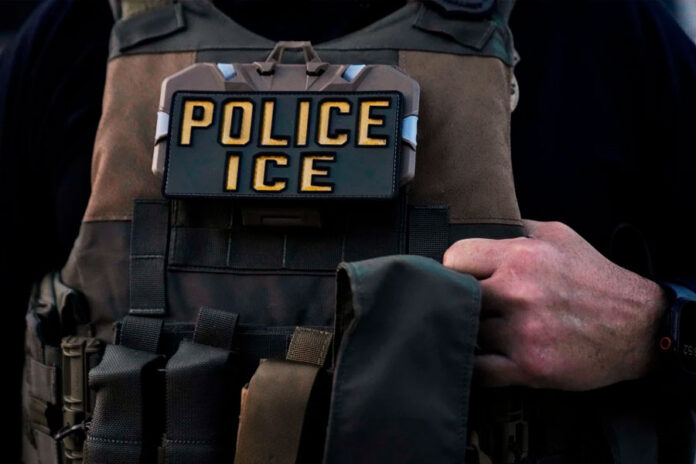
El presidente Trump prometió en campaña medidas migratorias estrictas, incluyendo la deportación “más grande de la historia” de Estados Unidos.

En su discurso inaugural declaró la emergencia nacional en la frontera sur y durante sus primeras horas de mandato firmó diversas órdenes ejecutivas incluyendo la de “Asegurar nuestras fronteras” poniendo fin, entre otras, a las políticas de “captura y liberación” y restableciendo la de “Permanecer en México”.

¿Qué continuidad tendrán las jurisdicciones santuario del área Tri-estatal bajo estas políticas?

Las cartas que America First Legal Foundation (presidido por Stephen Miller, subdirector de política de Trump en el nuevo gobierno), envió a funcionarios estatales y locales de áreas santuario las pasadas navidades dan un indicio.

Según señala el Brennan Center for JusticeQue los gobiernos locales tengan que cumplir o no con las políticas migratorias federales depende, en gran medida, de las leyes estatales”.

La Constitución de los Estados Unidos otorga a los estados la responsabilidad de formular y hacer cumplir las políticas de inmigración del gobierno federal. La ley federal de inmigración impide a los estados promulgar políticas migratorias propias diferentes de las federales. Sin embargo, conforme a la Décima Enmienda, los estados retienen su autoridad policial dentro de sus propias fronteras y, de alguna forma podrían negarse a ayudar a los agentes de ICE.

Los líderes politicos del área Tri–estatal, coinciden en mostrarse dispuestos a colaborar con la nueva administración (dentro de ciertos límites), sin realizar declaraciones que induzcan a tenerlos abiertamente en contra de cooperar con el gobierno federal en materia de inmigración.

Delaware y New Jersey han implementado medidas proinmigrantes como las tarjetas de manejo privilegiadas. La fiscal general de Delaware Kathy Jennings, se ha unido a otros doce estados (incluyendo New Jersey) para defender en los tribunales el acceso de los DREAMers a un seguro médico y ha copresentado una demanda de inconstitucionalidad contra la orden ejecutiva que pone fin a la ciudadanía por derecho de nacimiento junto con los fiscales de otros diecisiete estados (incluyendo a New Jersey, además de Washington, D.C. y San Francisco). La gran ausente, Pensilvania, aunque tiene un gobernador demócrata, Josh Shapiro, ya que el nuevo Fiscal del estado es MAGA, Dave Sunday.

El nuevo gobernador de Delaware, Matt Meyer, en su posición anterior emitió la orden “Safe and Inclusive Communities”, prohibiendo a la policía de New Castle detener, interrogar, registrar o arrestar a una persona debido a su estatus migratorio, y a los funcionarios del condado cooperar con las operaciones federales de control de inmigración.  

En Filadelfia organizaciones proinmigrantes se han manifestado para requerir que los líderes de la ciudad mantengan su estatus de santuario. La alcaldesa Cherelle Parker no ha confirmado si lo mantendrá. “La orden ejecutiva de 2016 para la ciudad de Filadelfia continua en vigor, yo estoy a favor de esa política”, dijo recientemente.

El fiscal de distrito, Larry Krasner declaró que “…si ICE hace redadas en Filadelfia consistentes con la ley no van a tener ningún problema conmigo, pero si los agentes llegan con la mentalidad de que pueden hacer lo que les dé la gana, porque Donald Trump es el presidente, no”.

El gobernador de Pensilvania, Josh Shapiro, al ser cuestionado sobre las deportaciones masivas ha dicho que “hay que esperar y ver”, añadiendo que “nunca dejaría de defender las libertades que me eligieron para proteger”, asegurando defendería la democracia y los derechos fundamentales, pero sin identificar a ningún grupo amenazado ni ofrecer detalles sobre cómo defendería esos derechos.

Similar postura en New Jersey la del gobernador Phil Murphy, quien señaló en su discurso sobre el Estado del Estado que «Nunca me echaré atrás en mi colaboración con la Administración Trump en los casos en que nuestras prioridades coincidan», añadiendo a continuación «pero, lo que es igual de importante, nunca me echaré atrás en la defensa de nuestros valores de New Jersey, si y cuando se pongan a prueba».

Antes de su reelección Murphy prometió hacer de New Jersey un refugio seguro para los inmigrantes indocumentados. «Seremos un santuario, no solo una ciudad, sino un estado.

En 2018, el entonces fiscal general Gurbir Grewal, emitió la Directiva de Confianza para los Inmigrantes prohibiendo a la policía estatal y local cooperar con las autoridades federales de inmigración.

En general, los líderes locales que se resisten a la cooperación con las fuerzas federales aducen pruebas del impacto negativo de la mano dura migratoria a nivel comunitario, sobre la seguridad y la salud públicas (“Barrio y Paz” de Belhú Sanabria y otros).

El senador Chris Coons (D-DE) ha publicado un artículo reconociendo que “la inmigración ilegal en nuestra frontera sur es un problema”, mostrando su apoyo a la deportación de criminales peligrosos porque “es un objetivo importante y los demócratas como yo lo apoyaremos”. Pero se mostró contrario a una deportación masiva que traería consecuencias económicas muy negativas.

Según estudio de la profesora Martha F. Davis, la opción por convertirse en un santuario “silencioso”, con la esperanza de eludir la atención si no se anuncian abiertamente sus políticas es un método que probablemente no logre aplacar el miedo de las personas inmigrantes en sus comunidades.

Mientras tanto, los grupos de derechos de los inmigrantes educan a estos sobre sus derechos y qué hacer si los agentes de inmigración llaman a su puerta.

El nuevo álbum de Bad Bunny es una carta de amor al pueblo de Puerto Rico

Bad Bunny
El cantante y compositor, Bad Bunny, firmando autógrafos durante el evento “Bonita Tradición” este viernes, en Vega Baja (Puerto Rico). (Foto: EFE)

Con el lanzamiento de su álbum más reciente, Benito Antonio Martínez Ocasio, también conocido como Bad Bunny, muestra su amor por su herencia y envía un mensaje claro de que los puertorriqueños son un pueblo único y resistente.

Mientras Martínez Ocasio lanza su sexto álbum producido en estudio, su mensaje no puede ser más conciso: «Puerto Rico se respeta». El álbum se adentra en una sección transversal diversa de la música puertorriqueña al tiempo que cuenta historias conmovedoras de migración, gentrificación, adversidad y cultura.

La lista de temas incluye algunas canciones conocidas lanzadas a fines de 2024, al tiempo que incorpora otras nuevas, que están destinadas a convertirse en clásicos entre la comunidad puertorriqueña y latina en general. Martínez Ocasio ilustra una narrativa intencional sobre la gentrificación en las islas de Puerto Rico con el cortometraje de adelanto del álbum, que presenta a Jacobo Morales y un personaje animado ficticio llamado Poncho, una especie de sapo puertorriqueño en peligro de extinción, para hacer hincapié en la situación precaria que sienten muchos residentes de la isla con las presiones de un gobierno fallido, incapaz de proporcionar salud, educación e incluso energía eléctrica para su gente.

El filme de doce minutos muestra un Puerto Rico donde los puertorriqueños se sienten mal recibidos en su tierra natal y no pueden pagar necesidades básicas como la comida debido a la invasión de colonos estadounidenses. Si bien, la descripción de Martínez Ocasio puede parecer hiperbólica, muchos residentes del archipiélago están sintiendo la inmensa presión del aumento de los valores en las propiedades, la privatización y la falta de inversión pública.

En uno de los temas más poéticos del álbum titulado «Lo que le paso a Hawaii» Martínez Ocasio personifica a Puerto Rico y Hawaii como culturas atrapadas en el colonialismo. En la canción, le ruega a Puerto Rico que no permita la anexión y privatización de sus recursos naturales como sus ríos y playas. También destaca el gobierno increíblemente corrupto de Puerto Rico (liderado actualmente por Jennifer González Colón) como un factor importante para un éxodo masivo a los Estados Unidos continentales debido a la incapacidad de brindar los servicios públicos antes mencionados, necesarios para mantener cualquier sociedad.

El álbum también aprovecha las disciplinas musicales clave de la cultura puertorriqueña en las que Martínez Ocasio no ha profundizado abiertamente, como la bomba, la plena y la salsa, al tiempo que resucita ritmos familiares de reggaetón que los millennials que crecieron a fines de los 90 y principios de los 2000 no solo reconocerían, sino que adoptarían con facilidad.

En general, el álbum es realmente una carta de amor no solo a la música puertorriqueña, sino al pueblo de Puerto Rico y su diáspora en general. Tiene un mensaje que está ingeniosamente sintetizado y claro con sus objetivos.

Principalmente, Puerto Rico es único, su gente es resistente y no seremos reemplazados.

El original se publicó en The Inquirer el pasado 16 de enero.

*Rafael Álvarez Febo es vicepresidente de Promoción y Desarrollo Comunitario de Esperanza.