

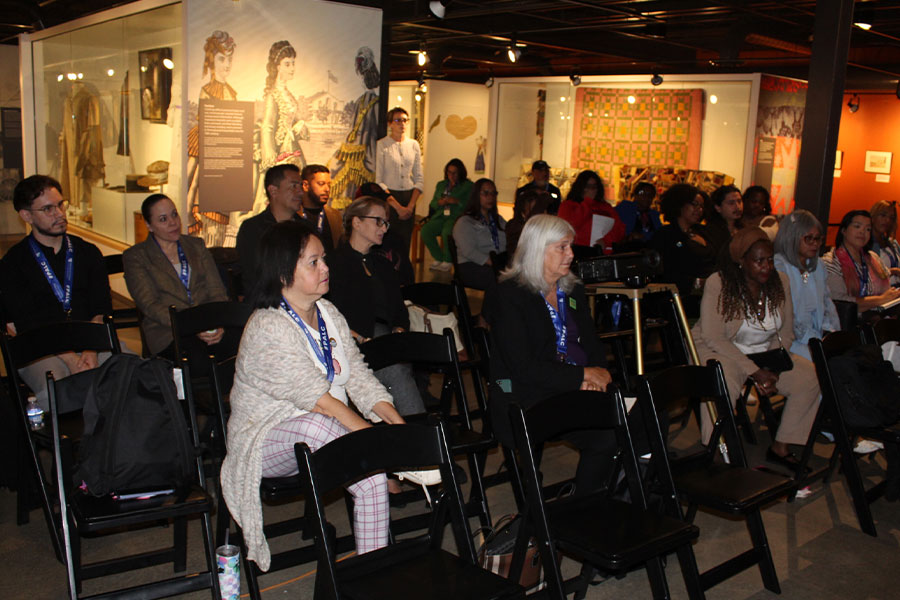
Easton, PA – A lot of Pennsylvania’s Latino political conversation is easy to associate with Philadelphia, Allentown, Reading or other places where Latino communities are already highly visible. A panel at the 2026 Pennsylvania Latino Convention asked attendees to look further.
“67 Counties, 1 Voice: Building Latino Political Power Across Pennsylvania” focused on what Latino civic participation can look like when it is built locally, including in counties where Latino residents remain a small share of the population.
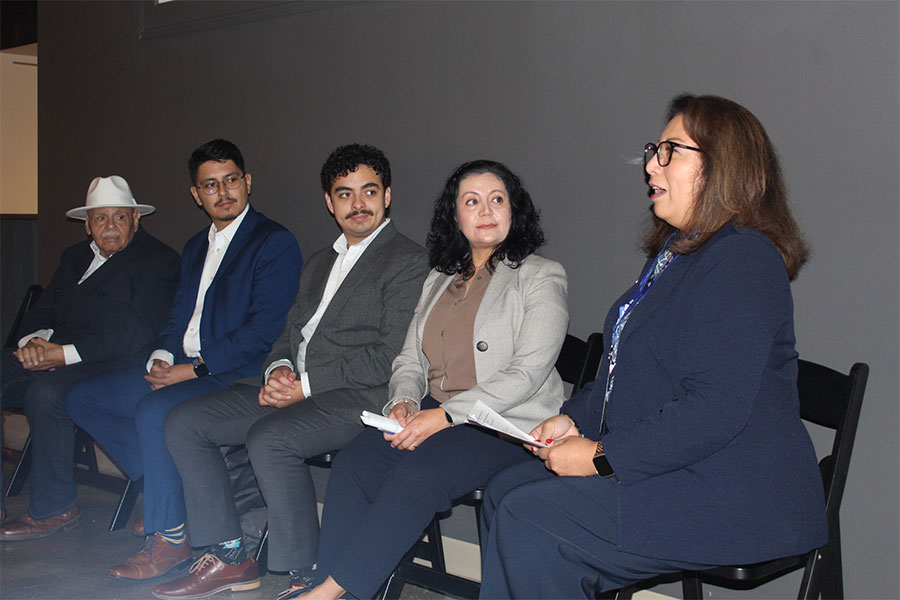
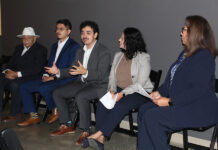
Moderated by Susan Baida, co-founder and chair of Latine Unidos of Western Pennsylvania, the discussion included Carlos Cubas, a constituent services adviser in the Pennsylvania House of Representatives; Carol Obando-Derstine, a former candidate for U.S. Congress; Carlos Mora, an Erie County organizer with PA United; and Jaime Martínez, Executive Director of Frontline Dignity.
Pennsylvania has 67 counties, and Hispanic or Latino residents now make up about 9.9% of the state’s population. But that population is not concentrated in one part of the Commonwealth. The panel’s central question was how communities build relationships, leadership and civic infrastructure in places where Latino political organizations may not already exist.
Baida framed the opportunity as county-by-county work. The goal, as discussed by the panel, was not simply getting people to show up for one election. It was creating local networks that continue between elections and connect residents with elected officials, community organizations and information.
That distinction between mobilizing and organizing appeared repeatedly.
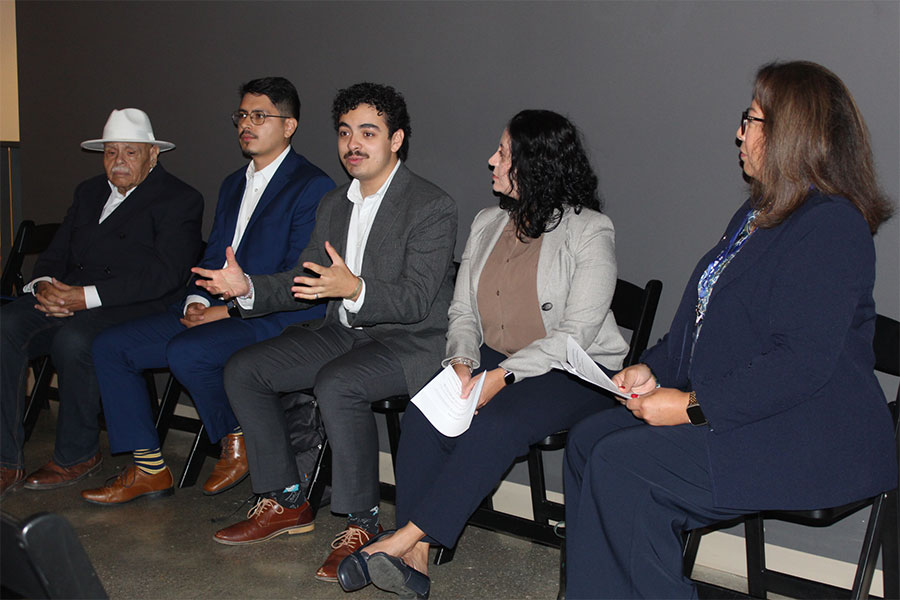
Panelists described mobilizing as bringing people together around a specific moment or campaign. Organizing, they said, is slower: building relationships, identifying shared concerns, developing local leaders and creating structures that continue after an election or public controversy ends.
Martínez emphasized listening and relationship-building, particularly across communities where people may not begin with the same experiences or political views. His comments focused on creating bridges and building trust before expecting people to act together.
Mora’s experience in Erie offered another example of what that can look like outside Pennsylvania’s better-known Latino population centers. He described arriving in the United States as an immigrant, working a series of jobs and eventually becoming a community organizer. His work now includes organizing in communities where Latino residents are a small minority. Mora is currently identified publicly as an Erie County organizer with PA United.
His point was not that every community looks the same. It was that organizing can begin anywhere when people start with an issue affecting residents directly.
Cubas focused on infrastructure that already exists inside counties. He described county political committees, local government offices and community groups as places where Latino residents can learn how decisions are made and where information moves. He argued that local organizations can also serve as connections between residents and state-level institutions.
Obando-Derstine brought the perspective of having run for Congress. She spoke about fundraising, campaign staffing, relationships and the preparation required long before someone becomes a candidate.
Her experience led to a larger discussion about leadership pipelines.
Pennsylvania’s Legislative Latino Caucus said in March that eight members of Latino descent were serving in the 203-member state House after Rep. Ana Tiburcio was sworn in. The panel treated representation as part of a broader discussion about how candidates are recruited, trained, funded and supported.
Panelists also emphasized that civic participation does not begin with running for Congress.
They discussed local committee positions, neighborhood organizations, municipal boards and constituent-service offices as places where residents can learn how government works, build relationships and develop experience.
The conversation also showed why a statewide Latino political identity can be complicated.
Pennsylvania’s Latino population includes people from different countries, generations, racial backgrounds, immigration experiences, economic circumstances and political viewpoints. Panelists openly acknowledged those differences.
Their argument was not that every Latino voter should think the same way.
Instead, the conversation focused on whether communities with different perspectives can still build enough local infrastructure to communicate, identify shared concerns and make sure decision-makers hear from them.
That is what made the “67 Counties, 1 Voice” framing significant.
The panel did not describe Latino political power as something that would come from one organization, one candidate or one region. It presented political development as something built from the bottom up: one relationship, one neighborhood and one county at a time.
For Latino communities outside Pennsylvania’s most visible population centers, that was a central takeaway.
Political participation does not begin only when a community becomes large enough to command attention.
It can begin much earlier, in the places people already call home.