Inicio Blog Página 45

Exinstructor de ICE asegura que Gobierno Trump redujo cursos de formación de sus agentes

(Foto: EFE/MIKE NELSON/Archivo)

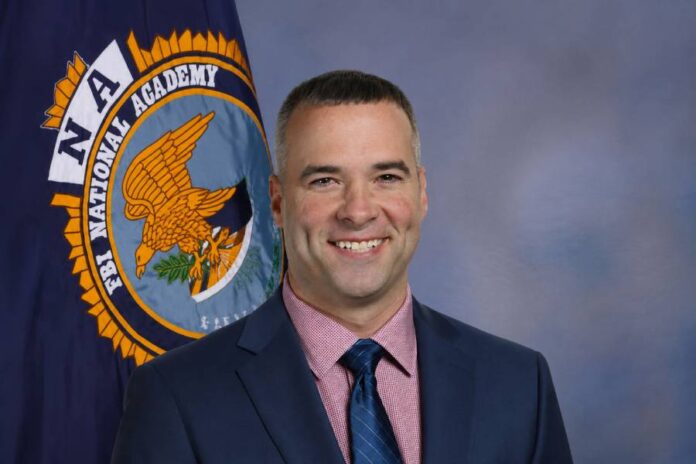
Un exinstructor del Servicio de Inmigración y Control de Aduanas (ICE) de EE. UU. aseguró este lunes ante legisladores demócratas que el Gobierno del presidente Donald Trump ha reducido drásticamente los estándares de entrenamiento para nuevos agentes encargados de detener a inmigrantes y acusó al Ejecutivo de mentir ante el Congreso al respecto.

Ryan Schwank, que la pasada semana renunció a su puesto en una academia de ICE en el estado de Georgia, dijo hoy a los congresistas que la controvertida agencia eliminó 240 horas de «clases vitales» de un programa de entrenamiento obligatorio de 580 horas, incluyendo formación sobre los límites legales para el uso de la fuerza, cómo manejar armas de fuego de manera segura o la forma correcta de detener a inmigrantes.

Según Schwank está medida busca acelerar el despliegue de nuevos operativos de ICE sobre el terreno para lograr las cuotas de deportación masiva que Trump prometió tras su retorno al poder en enero de 2025.

Además de haber recibido un presupuesto extra de 75.000 millones de dólares de manos del Congreso el pasado julio, la entidad ha contratado desde el año pasado a 12.000 nuevos agentes y planea entrenar y desplegar en 2026 a otros 4.000.

«Una formación deficiente puede provocar y provocará la muerte de personas. ICE está mintiendo al Congreso y al pueblo estadounidense sobre las medidas que está tomando para garantizar que 12.000 oficiales puedan defender fielmente la Constitución y realizar su trabajo», dijo hoy ante los legisladores Schwank, que suministró a los congresistas documentos internos que muestran el alcance de estos recortes para acelerar los planes de formación.

Entre esa documentación hay un memorando que muestra que los centros de formación en Georgia redujeron de 72 a 42 días la duración del plan de entrenamiento.

El testimonio de Schwank llega dos semanas después de que el director interino del ICE, Todd Lyons, asegurara ante comités de la Cámara de Representantes y del Senado que «el núcleo» de los planes de formación no se había reducido y que simplemente se había logrado desplegar antes a los agentes.

El testimonio de Lyons responde a la polémica en torno a la agencia que él dirige después de que agentes del propio ICE y de la Oficina de Aduanas y Protección Fronteriza (CBP) mataran a dos ciudadanos de Mineápolis durante las redadas masivas que se llevaron a cabo en esa ciudad a princpios de año.

La muerte de esos dos estadounidenses ha llevado a los demócratas a bloquear la finaciación para el Departamento de Seguridad Nacional (DHS), que dirige al ICE y al CBP, de aquí al final del ejercicio fiscal (en septiembre) si los republicanos no aceptan cambios en los protocolos operativos de estos cuerpos: desde el uso de cámaras corporales hasta la obligación de no llevar máscaras o de obtener una orden judicial para allanar un domicilio.

Pese a que el Departamento se encuentra en cierre parcial actualmente, las operaciones que más se están viendo afectadas no son las relativas a inmigración, sino las que tienen que ver con seguridad en los aeropuertos o con la gestión de emergencias.

Trump’s State of the Union will seek to calm voters’ economic concerns ahead of midterm elections

El Capitolio de Estados Unidos. (Foto: AP/Archivo)

President Donald Trump will use Tuesday’s State of the Union to champion his immigration crackdowns, his slashing of the federal government, his push to preserve widespread tariffs that the Supreme Court just struck down and his ability to direct quick-hit military actions around the world, including in Iran and Venezuela.

The Republican hopes he can convince increasingly wary Americans that his policies have improved their lives while ensuring that the U.S. economy is stronger than many believe — and that they should vote for more of the same in November.

The balancing act of celebrating his whirlwind first year back in the White House while making a convincing case for his party in midterm races where he personally won’t be on the ballot is a tall order for any president. But it could prove especially delicate for Trump, given how happy he is to veer off script and ignore carefully crafted messaging.

A main theme will be that the country is booming with a rise in domestic manufacturing and new jobs, despite many Americans not feeling that way. “It’s going to be a long speech because we have so much to talk about,» said Trump, who promised a heavy dose of talk about the economy.

The president is also expected to decry the Supreme Court ruling against his signature tariff policies and talk about his attempts to maneuver around that decision without depending on Congress or spooking financial markets. He’s also likely to urge lawmakers to increase military funding and tighten voter identification requirements, while defending immigration operations that have drawn bipartisan criticism following the shooting deaths of two American citizens.

Jeff Shesol, a former speechwriter for Democratic President Bill Clinton, said Trump has typically used State of the Union addresses to offer more conventional tones than his usual bombast — but he’s still apt to exaggerate repeatedly.

“His job, for the sake of his party, is to show the silver lining,” Shesol said. “But if he’s going to insist that the silver lining is gold, no one’s buying it. And it will be a very difficult position on the campaign trail for Republicans to defend.”

Michael Waldman, Clinton’s former chief speechwriter, said second-term presidents «have a tough job because what they all want to say is, ‘Hey, look what a great job I’ve been doing — why don’t you love me?’”

Affordability questions loom large

No matter what his prepared remarks say, Trump relishes deviating into personal grievances, meaning Tuesday will probably feature topics like denying that he lost the 2020 presidential election.

His lack of messaging discipline has been on display after concerns about high costs of living helped propel Democratic wins around the country on Election Day last November. The White House subsequently promised that the president would travel the country nearly every week to reassure Americans he was taking affordability seriously. But Trump has spent more time blaming Democrats and scoffing at the notion that kitchen-table issues demand attention.

Trump instead boasts of having tamed inflation and says he has the economy humming given that the Dow Jones Industrial Average recently exceeded 50,000 points for the first time.

Such gains don’t feel tangible to those without stock portfolios, however. There also are persistent fears that tariffs stoked higher prices, which could eventually hurt the economy and job creation. Economic growth slowed the last three months of last year.

Waldman, now president of the Brennan Center for Justice, which advocates for democracy, civil liberties and fair elections, said previous presidents faced similar instances of “economic disquiet.”

That created a question of “how much do you sell vs. feeling the pain of the electorate,” he said.

Shesol noted that Trump has “always believed — going back to his real estate days — that he can sell anyone on anything.”

“He’s still doing that. But the problem is, you can’t tell somebody who has lost their job and can’t get a new one that things are going great,” Shesol said. “He can’t sell people on a reality that for them, and frankly for most Americans, does not exist.”

It is potentially politically perilous ahead of November elections that could deliver congressional wins to Democrats, just as 2018’s “blue wave” created a strong check to his administration during his first term.

Several Democrats in Congress, meanwhile, plan to skip Tuesday’s speech in protest, instead attending a rally known as the “People’s State of the Union” on Washington’s National Mall.

Foreign policy in focus

Trump’s address comes as two U.S. aircraft carriers have been dispatched to the Middle East amid tensions with Iran.

The president will recount how U.S. airstrikes last summer pounded Tehran’s nuclear capabilities, and laud the raid that ousted Venezuelan President Nicolas Nicolás Maduro, as well as his administration’s brokering of a ceasefire in Israel’s war with Hamas in Gaza.

But he also strained U.S. military alliances with NATO, thanks to his push to seize Greenland from Denmark and his failure to take a harder line with Russian President Vladimir Putin in seeking an end to its war in Ukraine.

Making any foreign policy feel relevant to Americans back home is never easy.

Jennifer Anju Grossman, a former speechwriter for Republican President George H.W. Bush and current CEO of the Atlas Society, which promotes the ideas of author and philosopher Ayn Rand, said Trump can make clear that Maduro’s socialist policies wrecked Venezuela’s economy to the point where one of the world’s richest oil countries struggled to meet its own energy needs.

Now, oil from that country will help lower American gas prices.

Still, when it comes to overseas developments, she said, “I think it’s going to be a bit of a challenge to make clear why this is relevant to the domestic situation.”

FACT FOCUS: A look at Trump’s false and misleading claims ahead of the State of the Union

President Donald Trump.

Story

President Donald Trump will deliver the first State of the Union address of his second term on Tuesday. Priorities for the Republican’s administration have centered largely on the economy, immigration, crime, energy and national security.

Trump has spent the last year touting his accomplishments while mocking the record of his predecessor, former President Joe Biden. But much of this bluster is based on false and misleading claims — many of which are likely to be a part of the president’s address to the nation.

Here’s a look at some of the false and misleading statements Trump has made at recent public appearances.

Economy

Trump often says the U.S. is now “the hottest country anywhere in the world» after years as a “dead country.” The U.S. economy was hardly “dead’’ when Trump returned to office last year. But in his second term, it’s generally performed strongly — after getting off to a bumpy start.

In 2024, the last year of Biden’s presidency, U.S. gross domestic product grew 2.8%, adjusted for inflation, faster than any wealthy country in the world except Spain. It also expanded at a healthy rate from 2021 through 2023.

GDP shrank for the first time in three years during the first quarter of 2025. Growth rebounded in the second half of the year, but slowed again in the fourth quarter. Annual GDP growth in 2025 was 2.2%.

A key measure of inflation fell to nearly a five-year low in January. However, according to the Federal Reserve’s preferred measure, it remains elevated as the cost of goods such as furniture, clothes and groceries increase.

Companies have also sharply reduced hiring. Employers added just 181,000 jobs in 2025, the fewest — outside a recession — since 2002. Economists blame a range of factors: Uncertainty created by tariffs and artificial intelligence likely caused many firms to hold back on adding workers. And many companies hired like gangbusters in the aftermath of the pandemic and have since decided to forgo creating any new positions.

The U.S. stock market did well last year and yet it underperformed many foreign stock markets. The benchmark S&P 500 index climbed 17% — a nice gain but short of a 71% surge in South Korea, 29% in Hong Kong, 26% in Japan, 22% in Germany and 21% in the United Kingdom.

Investments

Trump has repeatedly claimed that the U.S. has secured up to $18 trillion in investments, but has presented no evidence of such a high number. The figure appears to be exaggerated, highly speculative or both.

The White House website offers a far lower number, $9.6 trillion, and that figure appears to include some investment commitments made during the Biden administration.

A study published in January raised doubts about whether more than $5 trillion in investment commitments made last year by many of America’s biggest trading partners will actually materialize and questions how it would be spent if it did.

Immigration

A key aspect of the Trump administration’s agenda is curbing illegal immigration, though the president often uses falsehoods to support his arguments.

For example, Trump has repeatedly claimed that an influx of immigrants has led to a massive increase in crime. While FBI statistics do not separate out crimes by the immigration status of the assailant, there is no evidence of a spike in crime perpetrated by migrants, either along the U.S.-Mexico border or in cities seeing the greatest influx of migrants, like New York. Studies have found that people living in the U.S. illegally are less likely than native-born Americans to have been arrested for violent, drug and property crimes.

The president also frequently references upward of 300,000 migrant children who are allegedly missing. This misrepresents information in an August 2024 report published by the Department of Homeland Security’s Office of the Inspector General, which faulted Immigration and Customs Enforcement for failing to consistently “monitor the location and status of unaccompanied migrant children” once they are released from federal government custody.

Energy

Trump consistently lauds coal as the ideal energy source, calling it “beautiful, clean coal.” The production of coal is cleaner now than it has been historically, but that doesn’t mean it’s clean.

Planet-warming carbon dioxide emissions from the coal industry have decreased over the past 30 years, according to the U.S. Energy Information Administration. And yet United Nations-backed research has found that coal production worldwide still needs to be reduced sharply to address climate change.

Along with carbon dioxide, burning coal emits sulfur dioxide and nitrogen oxides that contribute to acid rain, smog and respiratory illnesses, according to the EIA.

The president also regularly denigrates wind power, claiming that it is expensive and that windmills kill birds.

Onshore wind is one of the cheapest sources of electricity generation, with new wind farms expected to produce energy costing around $30 per megawatt hour, according to July estimates from the Energy Information Administration.

Wind turbines, like all infrastructure, can pose a risk to birds. However, the National Audubon Society, which is dedicated to the conservation of birds, thinks developers can manage these risks and climate change is a greater threat.

Elections

In the lead-up to the 2026 midterms, Trump has taken to repeating the claim that he won the 2020 presidential election.

This is a blatant falsehood that has been disproven many times over — the 2020 election was not stolen.

Biden’s win has been affirmed through recounts, audits and reviews in the battleground states where Trump disputed his 2020 loss. He and his allies lost dozens of court challenges related to the election, and his own attorney general at the time said there was no widespread fraud that would have altered the results.

Biden earned 306 electoral votes to Trump’s 232. He also won over 7 million more popular votes than Trump.

Additionally, the president brags that his 2024 win was a “landslide.” But Trump’s margin of victory was not as large as he makes it seem.

He won the electoral vote 312 to 226, including all seven swing states, according to the Federal Election Commission. The popular vote, however, was far closer, with Trump receiving 49.8% of the vote with 77,302,580 votes cast to Democrat Kamala Harris’ 75,017,613 votes (48.32%).

Crime

Trump takes credit for a significant decrease in violent crime during 2025, claiming the murder rate in the U.S. dropped to its lowest in 125 years. But this is misleading. Crime had already been trending down in recent years.

A study released in January by the Independent Council on Criminal Justice, which collected data from 35 U.S. cities on homicides, showed a 21% decrease in the homicide rate from 2024 to 2025.

The report noted that when nationwide data for jurisdictions of all sizes is reported by the FBI later this year, there is a strong possibility that homicides in 2025 will drop to about 4.0 per 100,000 residents. That would be the lowest rate ever recorded in law enforcement or public health data going back to 1900.

FBI reports for 2023 and 2024 show significant reductions in violent crimes.

Crime surged during the coronavirus pandemic, with homicides increasing nearly 30% in 2020 over the previous year, the largest one-year jump since the FBI began keeping records. But violent crime dropped to near pre-pandemic levels around 2022 when Biden was president.

The increase in violent crime during the pandemic defied easy explanation, and experts similarly said the historic drop in violence last year defies easy explanation despite elected officials at all levels — both Democrats and Republicans — rushing to claim credit.

Foreign policy

One of Trump’s most frequent talking points is he has “solved” eight wars, a statistic that is highly exaggerated. Although he has helped mediate relations among many nations, his impact isn’t as clear-cut as he makes it seem.

The conflicts Trump counts among those that he has solved are between Israel and Hamas, Israel and Iran, Egypt and Ethiopia, India and Pakistan, Serbia and Kosovo, Rwanda and Congo, Armenia and Azerbaijan, and Cambodia and Thailand.

La Junta de Paz de Trump estrena su página web

Imagen de la web de la Junta de Paz. (Foto: EFE/Boarofpeace.org)

La Junta de Paz que el presidente estadounidense, Donald Trump, creó para poner fin a conflictos internacionales, empezando por el de Gaza, estrena su página web, en la que destaca como principio fundacional que una paz duradera requiere soluciones de sentido común.

La web (https://boardofpeace.org/) subraya la importancia de «apartarse de enfoques e instituciones que con demasiada frecuencia han fracasado» y enfatiza la necesidad de un organismo internacional «más ágil y eficaz», con una coalición de Estados comprometidos con la «acción efectiva».

Muchos enfoques para la consecución de la paz, según esos principios, «fomentan la dependencia constante e institucionalizan la crisis en lugar de ayudar a la gente a superarla».

Nueva pagina web presenta a los 28 miembros fundadores y el impacto internacional del organismo

La página destaca a los 28 miembros fundadores de este nuevo órgano. Entre ellos, además de Estados Unidos, Israel, Argentina, El Salvador, Egipto, Hungría, Catar, Paraguay, Arabia Saudí, Turquía y Emiratos Árabes Unidos.

La mayoría son aliados de Trump, mientras que las grandes potencias y casi todos los países europeos se han mostrado reticentes a unirse al considerar que el organismo debilita el papel de la ONU.

Cada Estado miembro debe estar representado por su jefe de Estado o de Gobierno para un mandato de no más de tres años, una cláusula que no se aplica si el país en cuestión aporta más de 1.000 millones de dólares en efectivo (848 millones de euros) durante el primer año tras la entrada en vigor de la carta fundacional.

El acta de constitución de la Junta de Paz se firmó el pasado 22 de enero en el Foro Económico Mundial de Davos (Suiza) y su primera reunión tuvo lugar el 19 de febrero en Washington.

nueva página web de la junta de paz
Líderes en la foto de familia de la Junta de Paz, el pasado 19 de febrero en Washington. (Foto: EFE/@scavino47)

La pagina web detalla el consejo ejecutivo y la misión internacional de la Junta de Paz

La web refleja que en su consejo ejecutivo está el presidente del Grupo Banco Mundial, Ajay Banga; el ex primer ministro británico Tony Blair; el secretario de Estado estadounidense, Marco Rubio; Jared Kushner, yerno de Trump; o el enviado especial del país para Oriente Medio, Steve Witkoff.

La Junta de Paz se autodefine como «una organización internacional que busca promover la estabilidad, restablecer una gobernanza confiable y conforme a la ley, y garantizar una paz duradera en las zonas afectadas o amenazadas por conflictos», y promete llevar a cabo su misión «en conformidad con el derecho internacional».

Su web recupera las presentaciones que se hicieron sobre este nuevo organismo tanto en la capital estadounidense como en el encuentro suizo, y tiene un apartado para comunicados de prensa y anuncios.

«Esta Junta tiene la oportunidad de convertirse en uno de los órganos más trascendentales jamás creados», apunta una cita del presidente estadounidense destacada en esa página, que en otra declaración considera que, juntos, hay una oportunidad real de poner fin a «décadas de sufrimiento».

What’s at stake for Latino families in Philadelphia under the School District’s plan

Distrito
Distrito Escolar de Filadelfia. (Foto: Archivo)

Every morning, Alicia Reyes walks her daughter past red-brick rowhouses to Overbrook Elementary — past the corner store, past the neighbor who waves from his stoop. Inside, teachers greet students by name. It is a school that knows its children. Reyes is not sure how much longer it will be there. Her school is on a list. So are nineteen others — elementary, middle, and high schools spread from Northwest Philadelphia to West and North — all flagged under the School District of Philadelphia’s long-term facilities plan. Officials say the proposal is about fiscal stewardship: consolidating underused buildings, reducing maintenance costs, and redirecting savings into modernized facilities and stronger programs. Plans are available at https://www.philasd.org/fpp/#fppthemes. Fewer buildings, they argue, means smarter dollars. For families, many of them low-income and Latino in neighborhoods already stretched thin, it sounds like something they have heard before.

District enrollment has dropped roughly 12 percent since 2014–15, falling to about 117,956 students in traditional and alternative schools this year. Buildings designed for full classrooms now absorb the echoes of half-empty hallways. The math, district officials say, no longer works. But the slide is not uniform. Hispanic and Latino enrollment has climbed steadily across the city, reshaping schools in Kensington, Hunting Park, and Fairhill. Spanish is now the most commonly reported non-English home language in the district. In communities where the student population is rising — not shrinking — a school closure is not a response to demographic reality. It is a collision with it. «It’s a question of priorities,» said Coretta Avery of Mount Airy, whose children graduated from Philadelphia public schools. «And every time there’s a question of priorities, it’s the same communities that lose.»

Whatever math the district applies to its buildings, it is doing so amid deepening federal instability. The federal government withheld nearly $7 billion in education funding expected to flow to states and districts — money tied to English learner programs, teacher development, and academic enrichment. Federal agencies later released some funds under legal pressure. Still, the disruption exposed a structural vulnerability: Philadelphia’s schools depend on grants that may not come from a federal government whose priorities lie elsewhere.

Meanwhile, nearly a third of the city’s public school students attend charter or cyber charter schools, each of which draws per-pupil funding away from the district’s budget. The result is a city with too many partially empty buildings — some run by the district, some by charter operators — and a funding formula that punishes the district for empty seats regardless of why they exist.

The schools named in the district’s plan include Robert Morris, Samuel Pennypacker, John Welsh, Overbrook Elementary, and Fitler Academics Plus at the elementary level; Stetson, Warren G. Harding, and Russell Conwell among middle schools; and Lankenau, Paul Robeson, Motivation, Parkway Northwest, Parkway West, and Penn Treaty at the high school level.

Research on consolidation is sobering. Larger class sizes — the near-inevitable result of absorbing displaced students without equivalent staff increases — consistently correlate with weaker outcomes, especially for children navigating poverty, language barriers, or housing instability. For those students, disruption is not a minor inconvenience. It is an obstacle with lasting academic consequences. Philadelphia has been here before. When Germantown High School closed in 2013, the district assured families that students would land in stronger environments and the neighborhood would recover. «In the past, we were told that our children would benefit from consolidation,» said Melanie Rivera of Germantown, whose son was displaced in his final year. «He had difficulty adjusting. And the neighborhood never fully came back.»

At public hearings this spring, that history surfaced again and again. The Philadelphia Federation of Teachers has been explicit: investment, not closure, is what struggling schools require. Consolidation without adequate staffing is not reform — it is displacement dressed in the language of efficiency.

At 440 North Broad Street — the district’s administrative tower — officials will eventually decide which schools survive. The district headquarters is deliberately institutional, the architecture of systems rather than communities, but the schools are not just buildings; they are the sound of a hallway packed with children who know where they belong, the artwork on walls painted by former students. They are, and the cold January mornings when parents wait at the door because dropping off their child is one of the things the day still gets right. «We aren’t asking for miracles,» one parent told a packed hearing room. «Just for someone to say our children matter — and then show it.» The district says it is listening. The families say they have heard that before. What happens next — in budget negotiations and closed-door planning sessions far from the neighborhoods they will shape — will answer a question Philadelphia has been failing to answer for decades: Is public education in this city something its leaders are building, or something they are slowly winding down?

“El Mencho”: de narcomenudeo a dirigir el cártel más poderoso de México

Periódicos expuestos a la venta en Ciudad de México, el lunes 23 de febrero de 2026, un día después de que el ejército mexicano matara al líder del Cártel Jalisco Nueva Generación, Nemesio Oseguera Cervantes, conocido como «El Mencho». (Foto: AP/Jon Orbach)

CIUDAD DE MÉXICO. — Al igual que muchos capos, la vida del mexicano Nemesio Oseguera Cervantes, alias “El Mencho», estuvo rodeada de misterio hasta el domingo, cuando fue abatido en una operación militar al sur del estado de Jalisco.

Oseguera Cervantes siempre mantuvo bajo perfil durante las casi dos décadas que conformó y dirigió el poderoso Cartel Jalisco Nueva Generación (CJNG). Las únicas imágenes que se tienen de él fueron las que le hizo la policía estadounidense cuando lo detuvo en tres oportunidades en el estado de California entre finales de los 80 e inicios de 90 por robo, tráfico y venta de drogas en las calles.

Sobre sus características físicas solo se sabe lo que muestran los registros policiales de ese entonces, en los que se observa un hombre de tez clara, ojos pequeños, cabello negro y contextura delgada.

Un cadáver yace junto a un vehículo acribillado a balazos en Tapalpa, México, el lunes 23 de febrero de 2026, un día después de que el ejército mexicano matara al líder del Cártel de Jalisco Nueva Generación, Nemesio Oseguera Cervantes, conocido como «El Mencho». (Foto: AP/Marco Ugarte)

De Michoacán a California

El Mencho” era originario de la comunidad agrícola de El Naranjo, en el municipio Aguililla situado en el estado de Michoacán, donde nació el 17 de julio de 1966.

El capo fue registrado como Rubén Oseguera Cervantes, pero luego adoptó —por razones que se desconocen— el nombre de Nemesio y de su diminutivo surgió el apodo “El Mencho”, afirmó Carlos Flores, investigador del Centro de Investigaciones y Estudios Superiores en Antropología Social (CIESAS), quien ha estudiado por años la violencia en México y el CJNG.

Siendo muy joven Oseguera Cervantes migró junto a su familia a Estados Unidos y se estableció en California. Allí se casó con Rosalinda González Valencia e inició su relación con la organización criminal de “Los Cuinis”, liderada por su cuñado Abigael González Valencia “El Cuini”.

Un soldado despeja una barricada en una carretera que conduce a Tapalpa, México, el lunes 23 de febrero de 2026, un día después de que el ejército mexicano matara al líder del Cártel de Jalisco Nueva Generación, Nemesio Oseguera Cervantes, conocido como «El Mencho». (Foto: AP/Marco Ugarte)

De regreso a México

Tras su arresto en 1992 por tráfico menor de heroína y pasar tres años en prisión, Oseguera Cervantes fue deportado a México por las autoridades estadounidenses.

De regreso a Michoacán comenzó a trabajar de manera más estrecha con el clan de los González Valencia, que estaban emparentados con el capo Armando Valencia Cornelio, alias “El Maradona”, líder del desaparecido cártel del Milenio.

Flores indicó que fue en esa etapa —a mediados de los 90— que Oseguera Cervantes “entra en contacto con una organización significativa”, que llevaba a cabo operaciones de tráfico de cocaína con grupos colombianos y estaba asociada con traficantes del estado norteño de Sinaloa.

Oseguera Cervantes se vinculó de manera más estrecha a Valencia Cornelio y trabajó para él como uno de sus pistoleros.

Ante la cruenta disputa que surgió con grupos que operaban en Michoacán, la organización de Valencia Cornelio y el clan de los González Valencia se trasladaron al vecino estado de Jalisco donde se aliaron a traficantes sinaloenses.

El ascenso del Mencho

Luego de la detención de Valencia Cornelio en 2003, los González Valencia y Oseguera Cervantes comenzaron a trabajar en Jalisco con Ignacio “Nacho” Coronel, uno de los operadores financieros del Cartel de Sinaloa y socio del capo condenado Joaquín “El Chapo” Guzmán.

El liderazgo del cártel del Milenio lo asumió Óscar Nava Valencia transformandose en un brazo armado del Cartel de Sinaloa para enfrentar a Los Zetas.

La captura de Nava Valencia en 2009 y el asesinato un año después de Coronel a manos de militares, profundizaron las divisiones dentro de la organización. Uno de los bandos encabezado por “El Mencho” se unió a Erik Valencia Salazar, alias “El 85”, para conformar el CJNG hacia 2009.

El rápido avance del CJNG

En menos de dos décadas Oseguera Cervantes logró consolidar una poderosa organización de miles de integrantes, que según la DEA tiene presencia en 21 de los 32 estados de México, superando al Cártel de Sinaloa, que se estima opera en 19 estados del país. Según las autoridades mexicanas, el CJNG opera en 36 países.

Flores atribuyó el rápido crecimiento del CJNG a varios factores, entre ellos las políticas de seguridad que implementó el gobierno del presidente Enrique Peña Nieto (2012-2018) que propinó duros golpes al Cártel de Sinaloa, que incluyeron la captura por última vez de “El Chapo” Guzmán en enero del 2016 y su extradición a Estados Unidos un año después. Esa política le despejó el camino al CJNG para ampliar su territorio y operaciones.

El avance del CJNG encendió las alarmas en Estados Unidos. Para mayo del 2016 las autoridades estadounidenses lo incluyeron en la lista de fugitivos más buscados. Dos años después el Departamento de Estado ofreció una recompensa de 10 millones de dólares por información que llevara a su arresto, y en 2024 la elevó a 15 millones de dólares. El año pasado, el gobierno del presidente Donald Trump designó al CJNG como una organización terrorista junto con otros cinco cárteles mexicanos.

El analista afirmó que Oseguera Cervantes, a pesar de contar solo con estudios de secundaria, logró manejarse con suficiente sagacidad e inteligencia para consolidar “el apoyo de actores federales” y gobiernos locales y ampliar así el poderío del CJNG y su diversificación con diferentes actividades, además del narcotráfico, como la extorsión, la compra de inmuebles y comercios, y el contrabando de combustible.

Aunque el rostro más reciente de Oseguera Cervantes seguirá siendo un misterio, lo cierto es que tenía una “capacidad de acción violenta” que lo ayudó a consolidar un reinado de casi dos décadas que culminó con su muerte, sostuvo Flores.

‘Abolir ICE’, el nombre de un camión quitanieves que ganó una consulta popular en Chicago

Un vehículo de servicio público limpiando una calle afectada por la nieve en la ciudad de Peninsula, Ohio (EE. UU.). (Foto: EFE/ Rodrigo Sepúlveda)

Uno de los 300 camiones quitanieves utilizados en Chicago durante este crudo invierno será bautizado ‘Abolir ICE’, según el resultado de un concurso anunciado este lunes por la municipalidad de esa ciudad, que estuvo de acuerdo con el nombre.

«Quiero agradecer a los habitantes de Chicago por su creatividad, sentido del humor y orgullo cívico inigualables», declaró el alcalde Brandon Johnson, al anunciar seis ganadores del concurso que reunió 39.000 votantes.

Otros nombres preferidos incluyen a Papa Frío XIV, Stephen Coldbert, La Ventisca de Oz, Svencoolie y Caleb Chilliams, que también serán utilizados en los camiones que barren la nieve y esparcen sal para facilitar la circulación en los días de tormenta invernal.

El alcalde agradeció la participación récord, con más de 13.000 nombres postulados desde diciembre, y animó a los ciudadanos de Chicago a «seguir interactuando y colaborando con el gobierno local».

‘Abolir ICE’ fue el preferido, en una ciudad donde hubo una gran resistencia a la ‘Operación Midway Blitz del presidente Donald Trump con un despliegue masivo agentes del Servicio de Inmigración y Control de Aduanas (ICE) y la Oficina de Aduanas y Protección Fronteriza (CBP) de EE.UU., que inundaron sus calles y ciudades aledañas.

En Chicago el servicio de sanidad y limpieza trabaja diariamente en invierno sobre unos 15.000 kilómetros de calles con una flota de más de 300 camiones esparcidores de sal, que tienen a su disposición 400.000 toneladas del producto que se usa para derretir la nieve, según el gobierno local.

«Como ciudad, nos hemos mantenido firmes en nuestros valores. Tenemos que analizar con mayor profundidad cómo esta administración ha utilizado a ICE y cómo ha causado un daño tremendo. Por eso, el nombre de este camión, ‘Abolir ICE’, cuenta con mi total apoyo», concluyó el alcalde.

Organizadores del Mundial en México guardan silencio tras jornada de violencia en el país

México
Vista general del estadio Guadalajara,en Guadalajara, Jalisco (México). Imagen de archivo. EFE/ Francisco Guasco

Guadalajara (México).- Ante la violencia desatada en México por la muerte este domingo de El Mencho, uno de los principales capos de la droga, el Comité Organizador del Mundial de fútbol en el país reflexiona de puertas para adentro, mientras la opinión pública se pregunta posibles efectos con vistas al torneo que arrancará el 11 de junio en la capital mexicana.

Que no haya noticias es una buena noticia, ya que significa que México sigue trabajando con la FIFA para mantener en el país los 13 encuentros del Mundial: cinco en la Ciudad de México, incluido uno de octavos de final; cuatro en Guadalajara (Jalisco, oeste), epicentro de la violencia de este domingo; y cuatro en Monterrey (Nuevo León, norte).

«En las tres sedes estamos trabajando normalmente», comentó este lunes a EFE una fuente de la organización del Mundial en la capital, sin aclarar si en las próximas horas habrá algún pronunciamiento público sobre la actual situación.

La muerte de un operativo militar de Nemesio Oseguera Cervantes, alias ‘El Mencho’, líder del Cártel Jalisco Nueva Generación, provocó una ola de incendios, bloqueos y desórdenes en varios estados del país, ante lo cual los medios internacionales se han cuestionado si México puede ofrecer seguridad como escenario del Mundial.

«De momento no hay una postura del Comité Organizador porque es algo que tendrá que ver con el Gobierno Federal, la FIFA y los gobiernos de los estados», comentó este mediodía otra fuente a los jerarcas del Mundial en México.

Entrevistas sobre el tema del Mundial, acordadas para este lunes, fueron pospuestas por las autoridades de la sede de Guadalajara, que confía en convertirse el próximo verano en una urbe con tres Mundiales, después de haber sido una de las sedes en México 1970 y México 1986.

La capital de Jalisco, Guadalajara, tiene previsto acoger uno de los partido más atractivos de la fase inicial del torneo: el España-Uruguay el 26 de junio.

Por su parte, la Federación Mexicana de Fútbol informó a EFE este lunes de que la selección mexicana ya se entrena en Querétaro, centro del país, donde se enfrentará el próximo miércoles a Islandia en un amistoso y confirmó que el encuentro se jugará tal y como estaba previsto.

Este domingo la Liga Mx suspendió el derbi del fútbol femenino entre Guadalajara y América, y en el Clausura masculino no se celebró el Querétaro-Juárez FC que debía cerrar la séptima jornada del campeonato.

Después de ese partido, México se enfrentará el 28 de marzo al Portugal de Cristiano Ronaldo en el Estadio Azteca, un partido que, además de lo deportivo, dará pistas sobre cómo van los preparativos del Mundial en la capital y si las obras en la sede de la inauguración estarán terminadas a tiempo, con los requisitos exigidos por la FIFA.

La Federación Mexicana ha confirmado que el legendario estadio de la capital estará listo para abrir el Mundial con el México-Sudáfrica del 11 de junio y el día del amistoso con los portugueses podrá comprobarse la calidad de la remodelación.

De momento los partidos de la octava jornada del torneo Clausura se mantienen programados de viernes a domingo próximos. En esos días no habrá juegos en Guadalajara porque los dos equipos de la ciudad jugarán como visitantes, Guadalajara en Toluca y el Atlas en Ciudad Juárez.

También sigue en pie el amistoso entre las selecciones femeninas de México y Brasil, el próximo 7 de marzo en la Ciudad de México.

Huge snowstorm in the Northeast forces millions to stay home, disrupts flights and closes schools

Unos peatones caminan en medio de una fuerte nevada en Nueva York, el 23 de febrero de 2026. (Foto: EFE/OLGA FEDOROVA)

A massive snowstorm pummeled the northeastern United States from Maryland to Maine on Monday, forcing millions of people to stay home amid strong wind and blizzard warnings, transportation shutdowns, and school and business closures.

Meteorologists said the storm is the strongest in a decade, dumping more than 2 feet (60 centimeters) of snow in parts of the metropolitan Northeast, shattering accumulation records in places, immobilizing transit and even leading the United Nations to postpone a Security Council meeting. Officials declared emergencies, schools closed, including in New York City, which had its first “old-school” snow day in six years, and people grappled with power failures.

Even as the snow moved northward and tapered off in other areas, the National Weather Service said it is tracking another storm that could bring more snow to the region later this week.

The weather service referred to Monday’s storm as a “classic bomb cyclone/nor’easter off the Northeast coast.” A bomb cyclone happens when a storm’s pressure falls by a certain amount within a 24-hour period, occurring mainly in the fall and winter when frigid Arctic air can reach the south and clash with warmer temperatures.

While it was paralyzing and potentially dangerous for millions along the Eastern Seaboard, meteorologists found themselves rhapsodizing over the combination of power and beauty.

The storm hit the “Goldilocks situation” of just the right temperature for wet, heavy snow: Any warmer and its precipitation wouldn’t have fallen as snow, any colder and there wouldn’t have been as much moisture in the air to feed that snowfall, said Owen Shieh, warning coordination meteorologist at the National Weather Service’s Weather Prediction Center in Maryland.

People begin digging out even as snowfall continues

In Lower Manhattan, snow shovelers appeared to outnumber commuting office workers, and pedestrians walked freely in streets normally blocked by morning traffic.

“It’s very quiet, except for the howling winds,” said Luis Valez, a concierge at a residential tower just off Wall Street, as he cleared the sidewalk. “A couple of residents have gone out to get their essentials. Other than that, there’s nothing.”

Matthew Wojtkowiak, 57, an attorney, was also shoveling in his Brooklyn neighborhood.

“I’m from the Midwest, so this is in the zone,” he said. “Not too bad, not too easy, either.”

Schools were closed, and he said he hoped people would get out and enjoy the snow.

“We have sleds at the ready,” he said.

Karen Smith and Adele Bawden are tourists visiting New York from the United Kingdom.

“We’ve been dancing in Times Square this morning in the middle of the road in rush hour,” Bawden said. «We’ve just been dancing and not believing we could do it.”

Ingrid Devita said she liked to patrol the Lower East Side on skis, checking on people who might need help.

“I find people fall in the snow and they can’t get up,” she said.

Central Park in New York City recorded 19 inches (48 centimeters) of snow. Warwick, Rhode Island, exceeded 3 feet (91 centimeters), topping the nation so far. The highest wind gust of 83 mph (133 kph) was recorded in Nantucket, with hurricane-force gusts seen all over Cape Cod.

In Connecticut, crews at the Mystic Seaport Museum prepared to clear snow from a fleet of historic ships, including the 113-foot-long Charles W. Morgan, a wooden whaling ship from the 19th century American merchant fleet.

Shannon McKenzie, vice president of watercraft operations and preservation, said shipyard staff will clear the snow by hand using rubber or plastic shovels because machinery or metal shovels could damage the boats.

Storm fuels power outages and disrupts flights

New York, Philadelphia and other cities, as well as several states, declared emergencies.

More than 5,600 flights in and out of the United States were canceled Monday, and a further 2,000 flights scheduled for Tuesday were grounded, according to the flight tracking website FlightAware. Most of the cancelations involved airports in New York, New Jersey and Boston. Almost 2,500 flights were delayed.

Rhode Island’s T.F. Green International Airport announced Monday that it was temporarily ending all airport operations. The Weather Service reported that the facility got 32.8 inches (83.3 centimeters) of snow, breaking a record set in 1978.

Public transit ground to a halt in some areas, while DoorDash suspended deliveries in New York City overnight into Monday.

Storm-related power outages plunged more than 500,000 customers into darkness along the East Coast early Monday, according to PowerOutage.us, which tracks outages nationwide.

Snow slows commuter transport and forces snow days

Commuters in and around New York felt the strain.

In New York City, several subway lines reported severe delays, while the Long Island Rail Road was fully suspended until further notice. Some Metro-North commuter trains between New York City and its suburbs were delayed by up to an hour. New Jersey Transit suspended bus and rail services “until further notice.”

The weather service said strong wind gusts could cause whiteout conditions and warned of a “Potentially Historic/Destructive Storm” southeast of the Boston-Providence corridor.

“Winds like that, combined with heavy, wet snow, are a recipe for damaged trees and prolonged power outages,” said Bryce Williams, a meteorologist with the weather service’s Boston office. “That’s what we’re most concerned with, is the combination of those extreme snow amounts with that wind.”

Outreach workers meanwhile tried to coax homeless New Yorkers into shelters and warming centers.

Various landmarks and cultural institutions were closed Monday, including New York’s Museum of Modern Art and the Arlington National Cemetery in Washington, D.C. Broadway shows were canceled Sunday evening.

New York City and Boston canceled public school classes for Monday, while Philadelphia switched to online learning. Districts on Long Island and elsewhere in the New York suburbs said they would cancel school for a second day on Tuesday.

New York Mayor Zohran Mamdani, a Democrat, said class would be back in person on Tuesday.

Officials in one of the city’s Republican strongholds criticized the move. Staten Island Borough President Vito Fossella said school should remain closed, saying roads are impassable and sidewalks are blocked. The teacher’s union, the United Federation of Teachers, advised its members to be cautious and put their safety first when deciding whether to report to work.

Spokespersons for Mamdani didn’t immediately respond to an email seeking comment. Earlier Monday when he announced classes would be back in session he quipped: “You can still pelt me with snowballs when you see me.”

For Monday, though, he had another mission for students: “Stay cozy.”

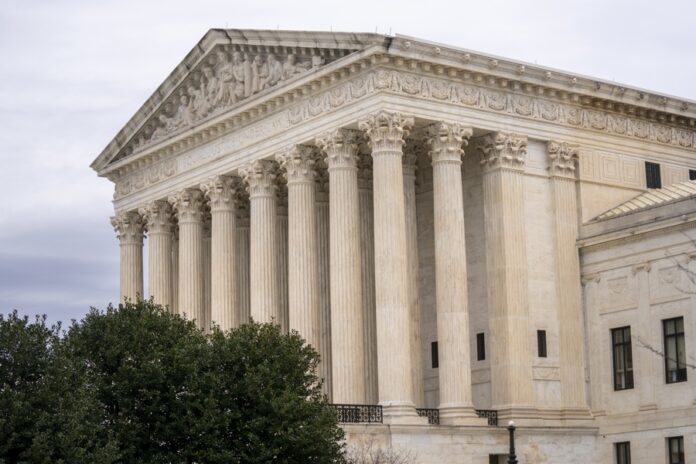
After Supreme Court rebuke, Democrats call for government to refund billions in Trump tariff money

Corte Suprema
La Corte Suprema de Estados Unidos el 17 de diciembre de 2024, en Washington. (Foto: AP/J. Scott Applewhite)

A trio of Senate Democrats is calling for the government to start refunding roughly $175 billion in tariff revenues that the Supreme Court ruled were collected because of an illegal set of orders by President Donald Trump.

Sens. Ron Wyden of Oregon, Ed Markey of Massachusetts and Jeanne Shaheen of New Hampshire are unveiling a bill on Monday that would require U.S. Customs and Border Protection to issue refunds over the course of 180 days and pay interest on the refunded amount.

The measure would prioritize refunds to small businesses and encourages importers, wholesalers and large companies to pass the refunds on to their customers.

“Trump’s illegal tax scheme has already done lasting damage to American families, small businesses and manufacturers who have been hammered by wave after wave of new Trump tariffs,” said Wyden, stressing that the “crucial first step” to fixing the problem begins with “putting money back in the pockets of small businesses and manufacturers as soon as possible.”

The bill is unlikely to become law, but it reveals how Democrats are starting to apply public pressure on a Trump administration that has shown little interest in trying to return tariff revenues after the Supreme Court announced its 6-3 ruling on Friday.

Because of the ruling, going into November’s midterm elections for control of Congress, Democrats have begun telling the public that Trump illegally raised taxes and now refuses to repay the money back to the American people.

Shaheen said that repairing any of the damage caused by the tariffs in the form of higher prices starts with “President Trump refunding the illegally collected tariff taxes that Americans were forced to pay.” Markey stressed that small business tend to have ”little to no resources» and a “refund process can be extremely difficult and time consuming” for companies.

The Trump administration has asserted that its hands are tied, because any refunds should be the responsibility of further litigation in court.

Asked if Trump thought Congress should play a role in providing refunds, White House spokesman Kush Desai said: “President Trump used tariffs to actually deliver where Democrats could only talk, so naturally Democrats are rolling up their sleeves to undermine President Trump and the American people – pathetic but unsurprising.”

The Democrats’ message could put Republicans on the defensive as they try to explain why the government isn’t proactively seeking to return the money. GOP lawmakers had planned to try to preserve their House and Senate majorities by running on the income tax cuts that Trump signed into law last year, saying that tax refunds this year would help families.

Treasury Secretary Scott Bessent told CNN on Sunday that it’s “bad framing” to raise the question of refunds because the Supreme Court ruling did not address the issue. The administration’s position is that any refunds will be decided by lawsuits winding their way through the legal system, rather than by a president who has repeatedly stressed to voters that he has the ability to act with speed and resolve.

“It is not up to the administration — it is up to the lower court,” Bessent said, stressing that rather than offer any guidance he would “wait” for a court opinion on refunds.

Trump has defended his use of the 1977 International Emergency Economic Powers Act to impose broad tariffs on almost every U.S. trading partner, saying that his ability to levy taxes on imports had helped to end military conflicts, bring in new federal revenues and apply pressure for negotiating trade frameworks.

The University of Pennsylvania’s Penn Wharton Budget Model released estimates that the refunds would total $175 billion. That’s the equivalent of an average of $1,300 per U.S. household. But determining how to structure reimbursements would be tricky, as the costs of the tariffs flowed through the economy in the form of customers paying the taxes directly as well as importers passing along the cost either indirectly or absorbing them.

The president has previously claimed that refunds would drive up U.S. government debt and hurt the economy. On Friday, he told reporters at a briefing that the refund process could be finished after he leaves the White House.

“I guess it has to get litigated for the next two years,” Trump said, later amending his timeline by saying: “We’ll end up being in court for the next five years.”