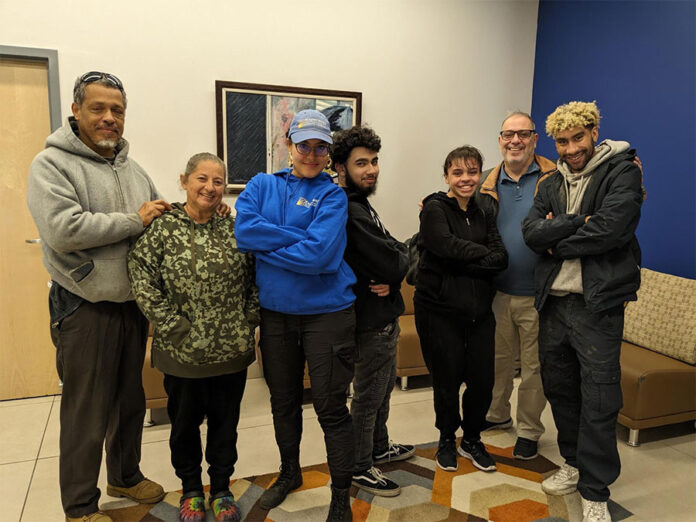
Ivanna Gonzalez and Esperanza Tree Tenders volunteers celebrating their mission of making Hunting Park healthier and greener has been completed. (Photo: Esperanza/Staff)
Esperanza Tree Tenders continues promoting a healthier and greener community.
Community members and organizations in Hunting Park recently engaged in collaborative tree-planting initiatives to enhance the area’s greenery. Ivana Gonzalez, a Community Outreach Coordinator at Esperanza Housing & Economic Development, emphasized the importance of leading by example in these events. «Leading by example is the best way to teach the youth why we are excited about all the young people who participate in these tree-planting events.» She said.
On November 18th, Esperanza Tree Tenders and volunteers gathered at McClure Elementary and planted two new trees. Volunteers, including those new to tree planting, received hands-on lessons on optimal techniques for urban environments during the event.
A broader collaboration took place on November 20th at James Logan Elementary, where students, teachers, PHS, and Esperanza Tree Tenders added five new trees.
Esperanza Tree Tenders are preparing for the Tree Planting event. (Photo: Esperaza/Staff)
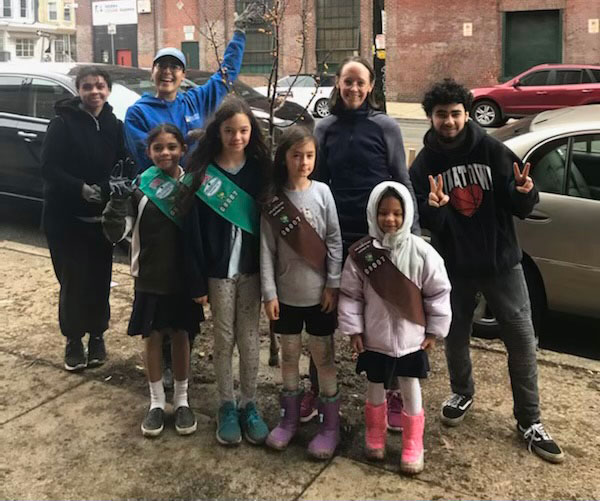
Continuing the green initiative on November 22nd, Esperanza Tree Tenders partnered with Hunting Park Girl Scouts Troop 09007 at Case Paper. The scouts gained hands-on experience and insights into tree planting, impacting the community’s green landscape. «I am so proud of our girls for making our community greener! Ivana was an amazing partner, and the girls loved working with her. The experience was great for our girls to get their hands dirty and learn about the positive impact of city trees.» said Lauren Vargas, Girl Scout Troop 09007 co-leader.
«I loved planting trees because I know they will help the planet, and it’s very special to do it with your friends. It was freezing, but we did it!» – Ximena Vargas, age 9. (Photo: Esperanza/Staff)
These tree-planting events enhance Hunting Park’s aesthetics and provide educational opportunities for volunteers and participants. The collaborative efforts of Esperanza Tree Tenders, volunteers, students, teachers, and scouts underscore the community’s dedication to creating a greener and more sustainable environment.
Hunting Park Girl Scouts Troop 09007 and Ivana Gonzalez after they finished their job. (Photo: Esperanza Staff)
For those interested in further details, inquiries, or getting involved as a volunteer, contact Esperanza Tree Tenders at igonzalez@esperanza.us
Lili Daliessio is the Community Information Manager at Esperanza Housing and Economic Development.
Pittsburgh, PA. Uno de los deportes que más se practica en Colombia es el patinaje sobre ruedas, incluso Colombia ha dominado en este deporte los últimos 25 años, ha tenido campeones del mundo como María Cecilia “La Chechi” Baena, Gabriela Rueda, Andrés Felipe Muñoz, Luz Mery Tristán o el mismo Pedro Causil, ellos han puesto en alto el tricolor nacional, haciendo sonar el himno en el mundo entero, el patinaje colombiano ha sido reconocido como potencia en todos los rincones del planeta.
Pero el patinaje sobre ruedas no ha sido reconocido como deporte olímpico, y eso ha dejado un vacío en el deporte nacional al no ser campeones olímpicos, más cuando se ha luchado para triunfar en todos los niveles y se ha sudado la camiseta para lograrlo.
Como alternativa desde hace algún tiempo se ha venido entrenando y trabajando en un proyecto de tener campeones olímpicos en patinaje, pero en hielo, si suena diferente, suena raro, y yo diría ambicioso, pero esa es la idea, ese es el gran sueño, ¿y por qué no soñar en grande?
A la redacción de Impacto llegó la historia de esta futura campeona, porque para eso está trabajando desde ya, a sus 15 años, trabajando en su sueño olímpico. Isabella Caicedo, una bogotana de 15 años, que está radicada en Canadá desde hace un año con la ayuda del Comité Olímpico Colombiano para buscar esa meta.
Tuve la oportunidad de conversar en videollamada con Isabella; con esa cordialidad que nos distingue a los latinos, me abrió las puertas de su sede actual en Italia, donde corrió el fin de semana pasado en Ritten Arena, el Klobestein Ritten y el Collalbo Renon, competencias del Junior World Cup que daría plazas para los próximos Juegos Olímpicos de la Juventud de Invierno que se llevaran a cabo en Gangwon, China en enero del 2024.
Como todos los deportistas desde muy temprano, a sus 4 años se enamoró de este deporte, estaba en el velódromo Luis Carlos Galán de Bogotá viendo carreras de patines con su padre, y confiesa que fue amor a primera vista, desde entonces se calzó los patines y se convirtieron en una extensión de su cuerpo, en ellos flota y se siente como si anduviera en el cielo.
Aunque siempre soñó con ser patinadora, también tenía ambiciones y aunque ya fue campeona distrital, nacional y panamericana, ella quiere más, así que se lanzó al ruedo, y surgió la idea de cambiar de ruedas al hielo, así hace un año se radicó en Montreal, y viaja a Quebec donde entrena con la selección Nacional de Canadá y con el patrocinio del Comité Olímpico Colombiano. Se tuvo que adaptar a otro país, al tipo de entrenamiento, idioma y cultura.
Se ha sentido muy bien en Canadá, y también encontró que su cuerpo se adaptó muy fácil al cambio de patín, su fuerza de gravedad es perfecta para su remate y como el patín se adhiere al hielo no la afecto para nada, por el contrario se siente cómoda, ahí encontró su fuerte y así está corriendo en 1000, 1500 metros y en mass start, una modalidad que solo se corre en categorías juveniles, y con la peculiaridad de se corren 10 vueltas, cada dos vueltas dan 2 puntos, pero la última vuelta define al ganador, ya que esta da 30 puntos al primer lugar, 20 al segundo y 10 al tercero.
Para el fin de semana en las clasificatorias, fue complicado, se corrieron las pruebas de 1000 mts. Las competencias arrancaron en plena nevada, y con una pista con totalmente cubierta de nieve que hacía más difícil correr, y la patinadora colombiana salto a la pista en la primera batería, obteniendo el primer puesto, sacando toda su tenacidad que nos identifica a los latinos, fue líder hasta la batería 5, donde se detuvo la carrera para poder retirar la nieve de la pista, ya después llegaron mejores tiempos ya con pista limpia, al final del día Isabella ganó un punto para la general.
Al día siguiente se corrieron las pruebas de 1500 mts donde Isabella mejoro su marca personal que impuso una semana antes con 3 segundos menos y detuvo el cronómetro en 2.14.67; esta marca le sirvió para ubicarse en la casilla 32 de la general; de acuerdo con este resultado, y a los cupos asignados, que son en total 34, se estaría esperando que se confirme por parte de la ISU (International Skating Union) sobre la clasificación oficial a los Juegos de Gangwon 2024.
(Foto: Cortesía/Isabella Caicedo)
Ahora está en momento de crecer, no solo aprendiendo más, sino con todo su esfuerzo y esa convicción que la ha llevado a donde está en este momento y sabe perfectamente lo que quiere en su futuro, luchar por ser la primera colombiana en ganar una medalla en olímpicos de invierno, sería una proeza, no solo porque es un deporte que en Colombia casi no se conoce, sino porque podría inspirar a las próximas generaciones a creer, que si te lo propones, vas a encontrar la manera de cumplir tus sueños.
Los mejores deseos para Isabella, para que esos sueños se cumplan, no solo por ella sino por un país que necesita de estos logros internacionales en un deporte no muy reconocido, y para que además ponga en alto la fuerza del latino, y que se empiece a distinguir en unos juegos olímpicos de invierno, y que nos haga sentir orgullosos a los latinoamericanos en Gangwon 2024.
Si tiene una historia que compartir en el mundo de los deportes, escríbeme a dariofdo0101@gmail.com
Como profesional en temáticas de vivienda, me es inevitable pensar en el impacto que los resultados de las recientes elecciones en Filadelfia tendrán sobre mi campo de trabajo.
Puesto que no es sólo a nivel ejecutivo que habrá un cambio con la llegada de la alcaldesa Parker, sino también con las modificaciones que tendrán lugar a nivel de los concejales: veteranos, novatos y un nuevo presidente.
En materia de operaciones, ya desde hace meses se veló el cambio administrativo con la renuncia de Anne Fadullon, quien lideró el Departamento de Planeación y Desarrollo durante la gestión de administración saliente.
La conclusión de algunos megaproyectos se encuentra aún pendiente, como la propuesta de construir un nuevo estadio en el área subyacente a Chinatown, acerca de la que ya se plantea un “escucharemos las voces de todos los vecindarios, y no solamente la de los residentes del barrio chino” junto con otra infinidad de proyectos privados y públicos influenciados por agendas locales y nacionales como el Infrastructure Bill.
En lo personal, recientemente mi día a día se ha visto impactado por la implementación de los distintos componentes de un Neighborhood Preservation Initiative que está supuesto a durar cuatro años, y del cual nos encontramos en el año dos, teniendo la plena esperanza de que llegaremos al año cuatro, e ilusiones de que haya más.
La administración entrante nos encuentra en un momento crítico en la historia reciente de Fili, en el que la ciudad sigue todavía tratando de reconciliar su pasado de negligencia y deterioro postindustrial, y tratando de definir su personalidad entrando a la modernidad. Aún etiquetada como una de las ciudades más pobres del país y lidiando en tiempo real con la crisis humanitaria que se vive en vecindarios como Kensington.
Temáticas como la extensión del programa de prevención a los desalojos, la creciente e incesante demanda de becas y productos accesibles para las reparaciones de vivienda, la constante subida de precio viviendas y alquileres, así como el avasallador proceso de “transformación” de los vecindarios, están sobre la mesa.
Obviamente, la idea de que la ciudad será por primera vez en su historia liderada por una mujer afroamericana nos hace también pensar en diversidad, inclusión, y un futuro congruente con la demografía de nuestra ciudad.
Pienso y escribo, y se me acaban las letras, por la ansiedad de querer predecirlo todo. Respiro hondamente, y me recuerdo que así son las transiciones: la incertidumbre de lo que será, sin que aún nada sea.
Quizás en algún momento los latinos no fueron vistos como parte de la gran diversidad de Londres, pero ahora son muy visibles. Según el Trust for London y el Latin American Women’s Rights Service, la población latinoamericana de Londres supera los 113.500 habitantes y se ha cuadruplicado desde 2001. Hay cuatro nacionalidades latinoamericanas principales representadas en Londres: colombianos, brasileños, bolivianos y peruanos. Sin embargo, durante mi visita también me encontré con venezolanos y cubanos que viven y trabajan en Londres. Por ejemplo, visité un restaurante cubano en el área de Elephant and Castle. Para mi sorpresa, este no era el único restaurante cubano en Londres, pero la cercanía a mi ubicación y las coloridas decoraciones influyeron en mi decisión de ir a poner a prueba su autenticidad.
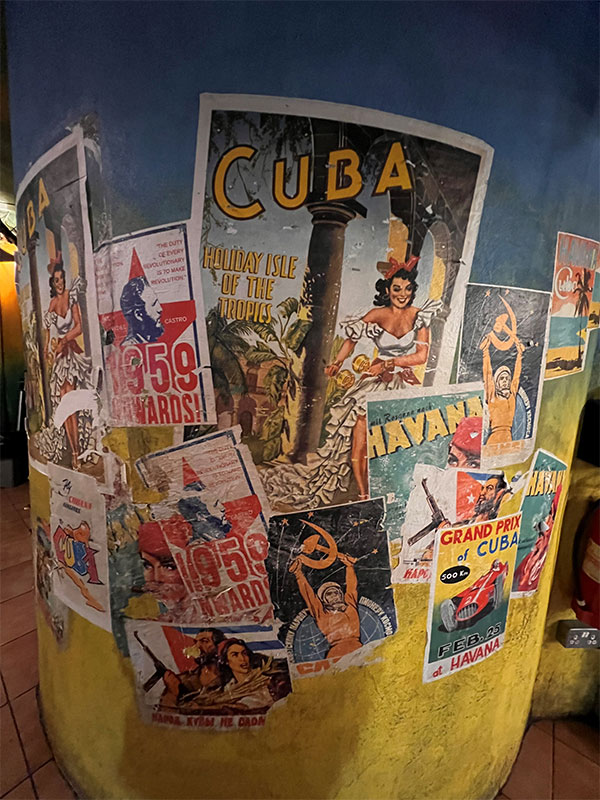
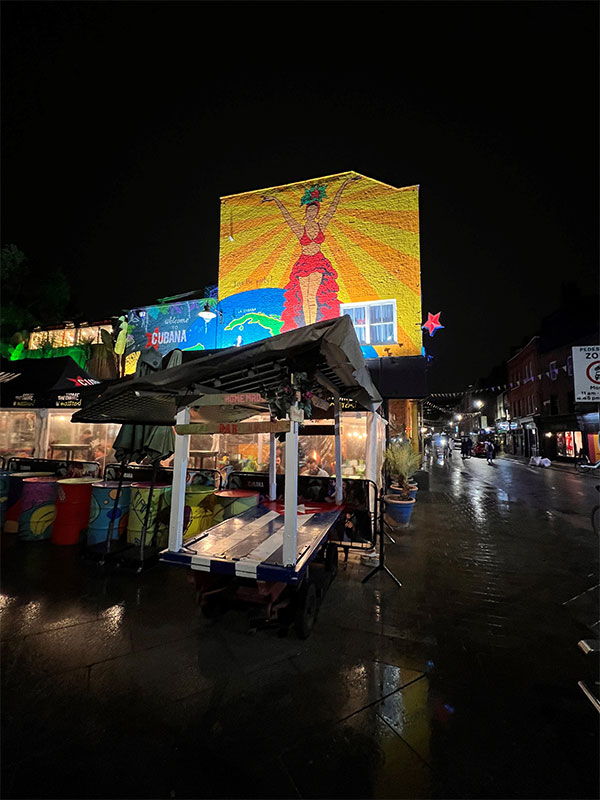
Cubana es un restaurante ubicado en una esquina de una calle abierta sólo a peatones. Objetos familiares de la isla enmarcaban la entrada; una carreta con una bandera cubana pintada y flores de hibisco por todas partes. Una gran zona para sentarse al aire libre es el preludio de un interior de escenario de película con carteles antiguos pegados en las paredes multicolores.
Alex fue nuestro camarero esta noche. Mientras charlábamos sobre el restaurante y los latinos en Londres, nos dijo que hay muchos latinos y españoles que visitan y viven en Londres. Es de Barcelona y está estudiando en Inglaterra. Los dueños del restaurante son cubanos que originalmente salieron de Cuba con visa a España y posteriormente, tras resolver sus asuntos en España, vinieron a Londres para abrir este restaurante. Esto no es inusual, comenta. Si eres residente o ciudadano de un país europeo, es más fácil viajar a otros países de Europa y establecerte.
Disfruté de mi ropa vieja, arroz y maduros en Londres, compré una camiseta con “Cubana” impresa en ambos lados y continué con mi siguiente aventura. Hasta la próxima.
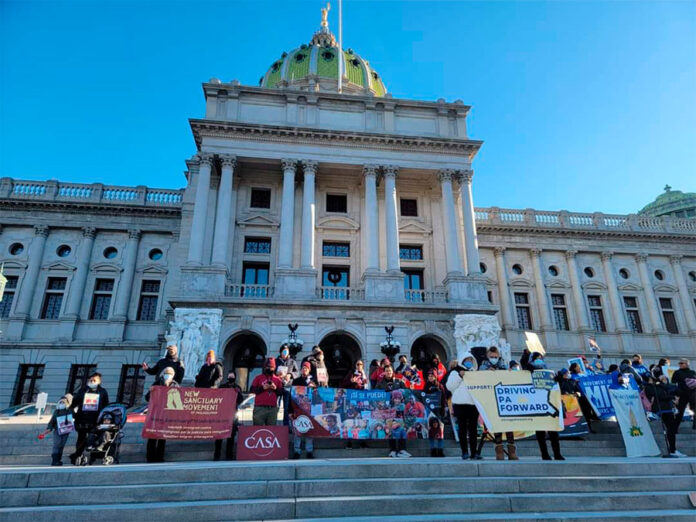
Miembros de la Coalición Manejando PA’Lante en el Capitolio. (Foto: Cortesía/NSM)
Desde 2002 Pensilvania es uno de los estados del país que no ha emitido una licencia de conducir para todos los inmigrantes sin importar su estatus migratorio. Por tanto, activistas de varios condados del estado formaron la Coalición Manejando PA’Lante, integrada por 19 organizaciones para empujar la legislatura estatal que permita a todos los residentes conducir de manera segura y legal. Esta campaña es coordinada por miembros de Pennsylvania Immigration and Citizenship Coalition, Movimiento Nuevo Santuario y el Movimiento de Inmigrantes líderes en Pensilvania.
Pensilvania debería garantizar que todos los conductores sean capacitados, tengan su prueba de manejo, estar asegurados y responsables de sus récords de conducir. En la actualidad, los residentes que deseen obtener este documento deben proporcionar prueba de su estatus legal en los Estados Unidos. Este requisito excluye a muchos residentes que viven y trabajan en el estado. La falta de la licencia restringe la habilidad de las personas para realizar sus actividades básicas diarias como ir a trabajar, hacer compras de alimentos, ir al doctor, dejar y recoger a sus niños a la escuela, así como realizar su trabajo agrícola sin restricciones.
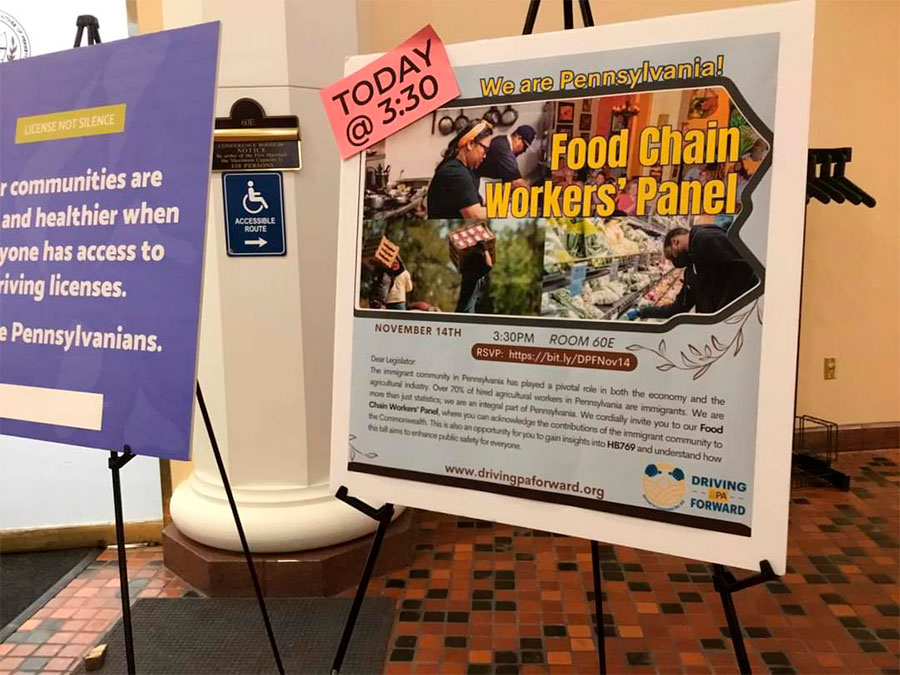
El primer panel de trabajadores inmigrantes de la cadena alimentaria. (Foto: Cortesía/DPF)
Los inmigrantes son el 75% de los trabajadores agrícolas contratados en el estado, según datos censales
Por tanto, una de las acciones más recientes de la Coalición fue la plática informativa de un panel de trabajadores de la cadena alimentaria que se transmitió en vivo desde Harrisburg en noviembre pasado. Los participantes afirmaron, “Estamos en el capitolio para instar a los legisladores de Pensilvania a reconocer los derechos, las contribuciones y la dignidad de las decenas de miles de inmigrantes que son parte integral de la industria agrícola y la cadena alimentaria.”
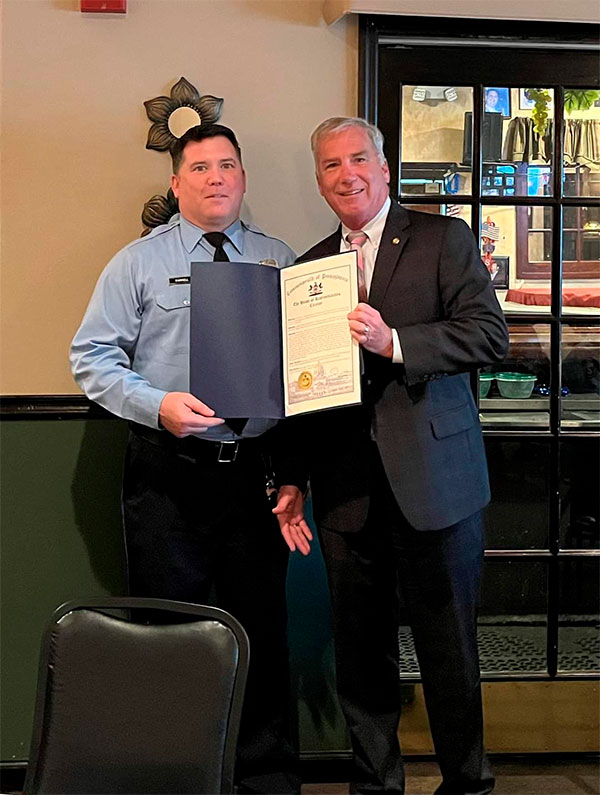
Representante Edward Neilson, a la derecha, honrando a policía del Distrito 174. (Foto: Cortesía/oficina Edward Neilson)
Uno de los panelistas, el guatemalteco Esvín Maldonado del condado Franklin lleva trabajando en la industria láctea por casi 24 años. El panel también incluyó a trabajadores de la industria restaurantera y del empaque de alimentos que no pueden tener una licencia de conducir porque no tienen números de seguro social.
Miembros de Movimiento Nuevo Santuario apoyando la propuesta HB 769 en julio pasado. (Foto: Cortesía/NSM)
Este año a punto de finalizar, la propuesta HB 769 no ha salido del comité de transporte para que pase a la votación de la cámara de representantes en pleno.
Esvín Maldonado es miembro de MILPA y trabaja en la industria láctea.(Foto: Cortesía/Edvin Maldonado)
Una de las personas claves para lograrlo es el representante demócrata Edward Neilson del distrito 174 desde el 2015, quien es el actual presidente de dicho comité. La propuesta legislativa ha estado en su comité desde marzo pasado. Los dos patrocinadores principales de la propuesta de ley son los demócratas de Filadelfia Danilo Burgos y Joseph Hohenstein.
Entre tanto, la Coalición Manejando PA’Lante continuará luchando por el derecho a la movilidad para todos, por la justicia social y el bien común.
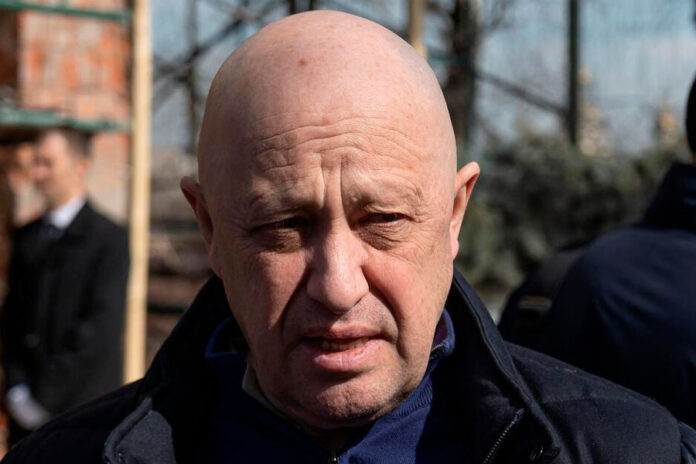
Yevgeny Prigozhin, the owner of the Wagner Group military company, arrives during a funeral ceremony at the Troyekurovskoye cemetery in Moscow, Russia, Saturday, April 8, 2023. From a hot dog vendor to head of the formidable mercenary army Wagner Group, Prigozhin's rise through Russian society could easily be described as meteoric. But it all came to a sudden end when the plane carrying him and others mysteriously exploded on Aug 23, 2023. (Photo: AP/File)
Yevgeny Prigozhin rose from being an ex-con and hot dog vendor to winning lucrative Kremlin contracts and heading a formidable mercenary army. But it all came to a sudden end when the private plane carrying him and others mysteriously exploded over Russia.
Prigozhin’s Aug. 23 death put an exclamation point on what had already been an eventful year for the brutal mercenary leader. His Wagner Group troops brought Russia a rare victory in its grinding war in Ukraine, capturing the city of Bakhmut. But internal friction with Russian military leaders later burst into the open, with Prigozhin briefly mounting an armed rebellion — the most severe challenge yet to Russian President Vladimir Putin’s rule.
The rebellion was called off and a deal was struck in less than 24 hours. However, just two months later, Prigozhin joined the list of those who have run afoul of the Kremlin and died unexpectedly.
He was just one of a number of noteworthy people who died in 2023.
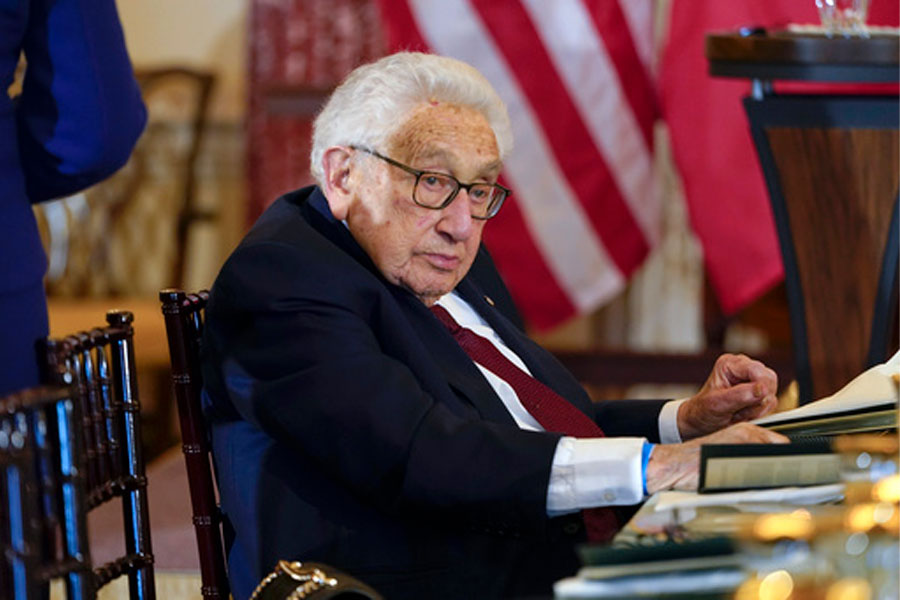
The world also said goodbye to former U.S. Secretary of State Henry Kissinger, who died Nov. 29. Serving under two presidents, Kissinger’s shadow loomed large in the foreign policy arena, prompting both admiration and criticism from around the globe. And he continued his involvement in global affairs even in his final months.
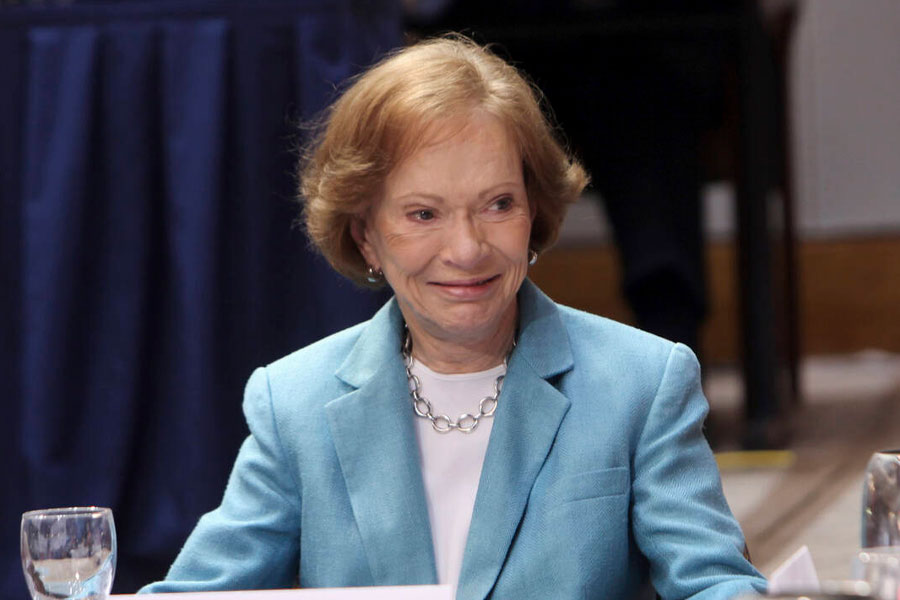
Another political figure who died this year was former U.S. first lady Rosalynn Carter, who died Nov. 19. She was the closest adviser to her husband, former President Jimmy Carter, during his one term in the White House and then across four decades of global humanitarian work.
Others from the world of politics who died this year include: former Italian Premier Silvio Berlusconi; former U.S. senators Dianne Feinstein, James Buckley and James Abourezk; former British treasury chief Nigel Lawson; former Pakistani leader Pervez Musharraf; former U.S. Supreme Court Justice Sandra Day O’Connor; former Chinese Premier Li Keqiang; former Finnish President Martti Ahtisaari; former New Mexico governor and American ambassador to the United Nations Bill Richardson; former New Jersey Lt. Gov. Sheila Oliver; and former Greek Foreign Minister Theodoros Pangalos.
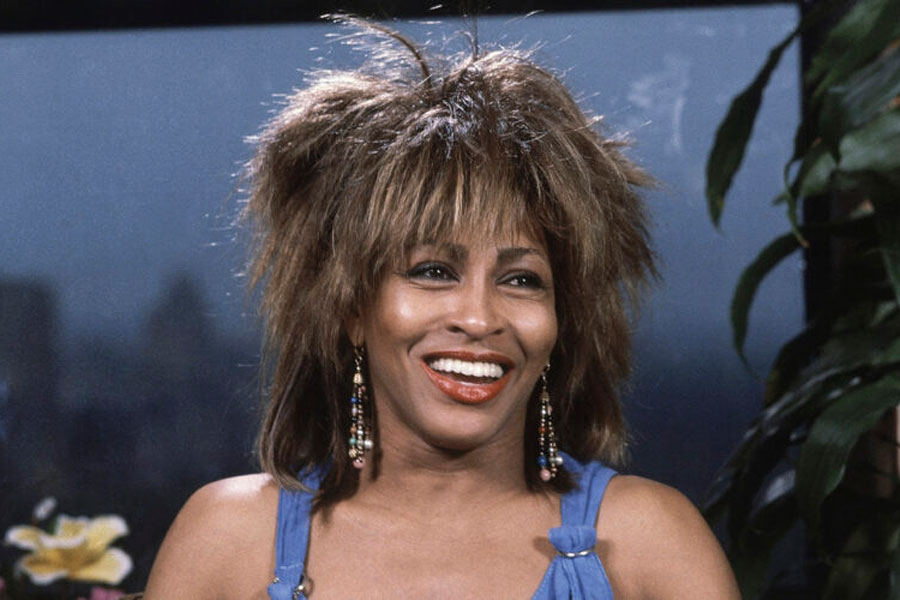
Among the entertainers who left the world this year was singer Tina Turner, who died May 24. Turner’s powerful voice and stage presence brought her fame across multiple decades, first with her abusive husband, Ike Turner, in the 1960’s and 70’s. But after leaving their marriage, she found fame again in the 1980’s with her hit “What’s Love Got to Do With It.”
Others in the world of arts and entertainment who died this year include: actors Suzanne Somers, Matthew Perry, Raquel Welch, Richard Belzer, Chaim Topol, Jacklyn Zeman, Lance Reddick, Alan Arkin, Paul Reubens, David McCallum, Richard Roundtree and Tom Sizemore; musicians Jimmy Buffett, Sinéad O’Connor, Rita Lee Jones, Burt Bacharach, David Crosby, Fito Olivares, Ryuichi Sakamoto, Astrud Gilberto, Coco Lee and Tony Bennett; civil rights activist and entertainer Harry Belafonte; author Cormac McCarthy; filmmaker William Friedkin; TV hosts Bob Barker and Jerry Springer; poet Louise Glück; guitarist Jeff Beck; fashion designer Mary Quant; wrestler The Iron Sheik; composer Kaija Saariaho; and “Sesame Street” co-creator Lloyd Morrisett.
Here is a roll call of some influential figures who died in 2023 (cause of death cited for younger people, if available):
JANUARY
Fred White, 67. A drummer who backed up his brothers Maurice and Verdine White in the Grammy-winning ensemble Earth, Wind & Fire. Jan. 1.
Ken Block, 55. A motorsports icon known for his stunt driving and for co-founding the action sports apparel brand DC Shoes. Jan. 2. Snowmobiling accident.
Walter Cunningham, 90. The last surviving astronaut from the first successful crewed space mission in NASA’s Apollo program. Jan. 3.
Fay Weldon, 91. A British author known for her sharp wit and acerbic observations about women’s experiences and sexual politics in novels including “The Life And Loves Of A She-Devil.” Jan. 4.
Russell Pearce, 75. A Republican lawmaker who was the driving force behind Arizona’s landmark 2010 anti-immigration legislation known as the “show me your papers” law. Jan. 5.
Charles Simic, 84. The Pulitzer Prize-winning poet who awed critics and readers with his singular art of lyricism and economy, tragic insight and disruptive humor. Jan. 9.
Lynette “Diamond” Hardaway, 51. An ardent supporter of former President Donald Trump and one half of the conservative political commentary duo Diamond and Silk. Jan. 8.
Jeff Beck, 78. A guitar virtuoso who pushed the boundaries of blues, jazz and rock ‘n’ roll, influencing generations of shredders along the way and becoming known as the guitar player’s guitar player. Jan. 10.
Constantine, 82. The former and last king of Greece, who won an Olympic gold medal in sailing and spent decades in exile after becoming entangled in his country’s volatile politics in the 1960s. Jan. 10.
Tatjana Patitz, 56. She was one of an elite group of supermodels who graced magazine covers in the 1980s and ’90s and appeared in George Michael’s “Freedom! ’90” music video. Jan. 11.
Lisa Marie Presley, 54. The only child of Elvis Presley and a singer-songwriter dedicated to her father’s legacy. Jan. 12.
Robbie Knievel, 60. An American stunt performer who set records with daredevil motorcycle jumps following in the tire tracks of his thrill-seeking father Evel Knievel. Jan. 13.
Ray Cordeiro, 98. He interviewed music acts including the Beatles during a six-decade career on Hong Kong radio that earned him the title of the world’s longest-working disc jockey. Jan. 13.
Lloyd Morrisett, 93. The co-creator of the beloved children’s TV series “Sesame Street,” which has used empathy and fuzzy monsters like Elmo and Cookie Monster to charm and teach generations around the world. Jan. 15.
Gina Lollobrigida, 95. An Italian film legend who achieved international stardom during the 1950s and was dubbed “the most beautiful woman in the world” after the title of one of her movies. Jan. 16.
Chris Ford, 74. A member of the Boston Celtics 1981 championship team, a longtime NBA coach and the player credited with scoring the league’s first 3-point basket. Jan. 17.
David Crosby, 81. The brash rock musician who evolved from a baby-faced harmony singer with the Byrds to a mustachioed hippie superstar and troubadour in Crosby, Stills, Nash & Young. Sept. 18.
Cindy Williams, 75. She was among the most recognizable stars in America in the 1970s and 1980s for her role as Shirley on the beloved sitcom “Laverne & Shirley.” Jan. 25.
Billy Packer, 82. An Emmy award-winning college basketball broadcaster who covered 34 Final Fours for NBC and CBS. Jan. 26.
Sylvia Syms, 89. She starred in classic British films including “Ice Cold in Alex” and “Victim.” Jan. 27.
Barrett Strong, 81. One of Motown’s founding artists and most gifted songwriters who sang lead on the company’s breakthrough single “Money (That’s What I Want)” and collaborated with Norman Whitfield on such classics as “I Heard It Through the Grapevine,” “War” and “Papa Was a Rollin’ Stone.” Jan. 28.
Tom Verlaine, 73. The guitarist and co-founder of the seminal proto-punk band Television who influenced many bands while playing at ultra-cool downtown New York music venue CBGB alongside the Ramones, Patti Smith and Talking Heads. Jan. 28.
Bobby Hull, 84. A Hall of Fame forward who helped the Chicago Blackhawks win the 1961 Stanley Cup Final. Jan. 30.
Former U.S. Secretary of State Henry Kissinger attends a luncheon with French President Emmanuel Macron, Vice President Kamala Harris and Secretary of State Antony Blinken, Thursday, Dec. 1, 2022, at the State Department in Washington. The former secretary of state exerted uncommon influence on global affairs under Presidents Richard Nixon and Gerald Ford, earning both vilification and the Nobel Peace Prize died Nov. 29, 2023. (Photo: AP/Jacquelyn Martin/File)
___
FEBRUARY
Paco Rabanne, 88. The Spanish-born designer known for perfumes sold worldwide but who made his name with metallic space-age fashions that put a bold, new edge on catwalks. Feb. 3.
Harry Whittington, 95. The man who former Vice President Dick Cheney accidentally shot while they were hunting quail on a Texas ranch more than 17 years ago. Feb. 4.
Hsing Yun, 95. A Buddhist abbot who established a thriving religious community in southern Taiwan and built universities overseas. Feb. 5.
Pervez Musharraf, 79. The general who seized power in a bloodless coup and later led a reluctant Pakistan into aiding the U.S. war in Afghanistan against the Taliban. Feb. 5.
Burt Bacharach, 94. The singularly gifted and popular composer who delighted millions with the quirky arrangements and unforgettable melodies of “Walk on By,” “Do You Know the Way to San Jose” and dozens of other hits. Feb. 8.
Carlos Saura, 91. Spain’s celebrated filmmaker who earned three Academy Award nominations for Best Foreign Language Film during his seven-decade career. Feb. 10.
Hugh Hudson, 86. A British filmmaker who debuted as a feature director with the Oscar-winning Olympics drama “Chariots of Fire” and made other well-regarded movies including “My Life So Far” and the Oscar-nominated “Greystroke.” Feb. 10.
Hans Modrow, 95. He served as East Germany’s last communist leader during a turbulent tenure that ended in the country’s first and only free election. Feb. 11.
David Jude Jolicoeur, 54. Widely known as Trugoy the Dove, he was one of the founding members of the Long Island hip hop trio De La Soul. Feb. 12.
Huey “Piano” Smith, 89. A beloved New Orleans session musician who backed Little Richard, Lloyd Price and other early rock stars, and with his own group made the party favorites “Don’t You Just Know It” and “Rockin’ Pneumonia and Boogie Woogie Flu.” Feb. 13.
Leiji Matsumoto, 85. The anime creator known for ”Space Battleship Yamato” and other classics using a fantastical style and antiwar themes. Feb. 13.
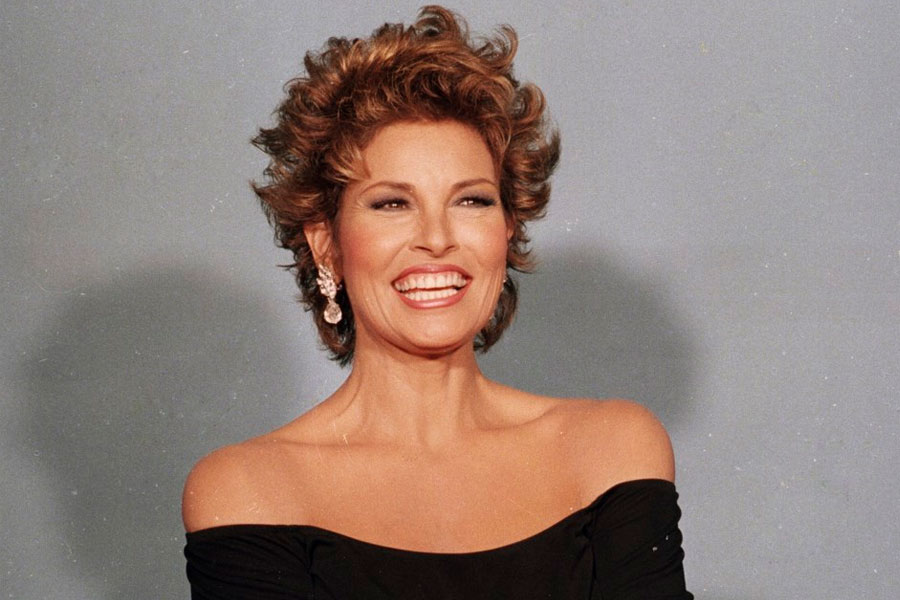
Raquel Welch, 82. Her emergence from the sea in a skimpy, furry bikini in the film “One Million Years B.C.” propelled her to international sex symbol status in the 1960s and ’70s. Feb. 15.
Tim McCarver, 81. The All-Star catcher and Hall of Fame broadcaster who during 60 years in baseball won two World Series titles with the St. Louis Cardinals and had a long run as one of the country’s most recognized, incisive and talkative television commentators. Feb. 16.
Stella Stevens, 84. A prominent leading lady in 1960s and 70s comedies perhaps best known for playing the object of Jerry Lewis’s affection in “The Nutty Professor.” Feb. 17.
Richard Belzer, 78. The longtime stand-up comedian who became one of TV’s most indelible detectives as John Munch in “Homicide: Life on the Street” and “Law & Order: SVU.” Feb. 19.
Ahmed Qureia, 85. A former Palestinian prime minister and one of the architects of interim peace deals with Israel. Feb. 22.
James Abourezk, 92. A South Dakota Democrat who grew up on the Rosebud Indian Reservation, became the first Arab American U.S. senator and was known for his quick wit as he advocated for populist causes. Feb. 24.
Betty Boothroyd, 93. The first female speaker of Britain’s House of Commons. Feb. 26.
Ricou Browning, 93. A skilled swimmer best known for his underwater role as the Gill Man in the quintessential 3D black-and-white 1950s monster movie “Creature from the Black Lagoon.” Feb. 27.
Gérard Latortue, 88. A former interim prime minister of Haiti who helped rebuild and unite the country after a violent coup in the mid-2000s. Feb. 27.
Former First Lady Rosalynn Carter listens to a speaker at The Carter Center in Atlanta on April 6, 2011. Rosalynn Carter, the closest adviser to Jimmy Carter during his one term as U.S. president and their four decades thereafter as global humanitarians, has died at the age of 96. The Carter Center said she died Sunday, Nov. 19, 2023. (Photo: AP/Jason Bronis/File)
___
MARCH
Just Fontaine, 89. The French soccer great who scored a record 13 goals at the 1958 World Cup. March 1.
Barbara Everitt Bryant, 96. The first woman to run the U.S. Census Bureau and its leader during the contentious debate over how to compensate for undercounts of minority groups in the 1990 census. March 2.
Tom Sizemore, 61. The “Saving Private Ryan” actor whose bright 1990s star burned out under the weight of his own domestic violence and drug convictions. March 3.
Kenzaburo Oe, 88. The Nobel literature laureate whose darkly poetic novels were built from his childhood memories during Japan’s postwar occupation and from being the parent of a disabled son. March 3.
Judy Heumann, 75. A renowned activist who helped secure legislation protecting the rights of people with disabilities. March 4.
Gary Rossington, 71. A co-founder and last surviving original member of Lynyrd Skynyrd who helped write the classic answer song “Sweet Home Alabama” and played unforgettable slide guitar on the rock anthem “Free Bird.” March 5.
Georgina Beyer, 65. A trailblazing New Zealand politician who in 1999 became the world’s first openly transgender member of Parliament. March 6.
Traute Lafrenz, 103. She was the last known survivor of a German group known as the White Rose that actively resisted the Nazis. March 6.
Peterson Zah, 85. A monumental Navajo Nation leader who guided the tribe through a politically tumultuous era and worked tirelessly to correct wrongdoings against Native Americans. March 7.
Chaim Topol, 87. A leading Israeli actor who charmed generations of theatergoers and movie-watchers with his portrayal of Tevye, the long-suffering and charismatic milkman in “Fiddler on the Roof.” March 8.
Robert Blake, 89. The Emmy award-winning performer who went from acclaim for his acting to notoriety when he was tried and acquitted in the killing of his wife. March 9.
Jiang Yanyong, 91. A Chinese military doctor who revealed the full extent of the 2003 SARS outbreak and was later placed under house arrest for his political outspokenness. March 11.
Bud Grant, 95. The stoic and demanding Hall of Fame coach who took the Minnesota Vikings and their mighty Purple People Eaters defense to four Super Bowls in eight years and lost all of them. March 11.
Dick Fosbury, 76. The lanky leaper who revamped the technical discipline of high jump and won an Olympic gold medal with his “Fosbury Flop.” March 12.
Pat Schroeder, 82. A pioneer for women’s and family rights in Congress. March 13.
Gloria Bosman, age unknown. A smooth-voiced South African jazz musician who was lauded for her contribution to the country’s music industry in a career spanning more than two decades. March 14.
Jacqueline Gold, 62. She helped make lingerie and sex toys a female-friendly mainstream business as head of Britain’s Ann Summers chain. March 16.
Lance Reddick, 60. A character actor who specialized in intense, icy and possibly sinister authority figures on TV and film, including “The Wire,” ″Fringe” and the “John Wick” franchise. March 17.
John Jenrette, 86. The former U.S. congressman was a colorful politician who was convicted in the Abscam bribery scandal in the late 1970s and whose wife talked to Playboy about an in-session dalliance on the U.S. Capitol steps. March 17.
Fito Olivares, 75. A Tejano musician known for songs that were wedding and quinceanera mainstays, including the hit “Juana La Cubana.” March 17.
Willis Reed, 80. He dramatically emerged from the locker room minutes before Game 7 of the 1970 NBA Finals to spark the New York Knicks to their first championship and create one of sports’ most enduring examples of playing through pain. March 21.
Darcelle XV, 92. The iconic drag queen who was crowned the world’s oldest working drag performer in 2016 by the Guinness Book of World Records. March 23.
Paul O’Grady, 67. An entertainer who achieved fame as drag queen Lily Savage before becoming a much-loved comedian and host on British television. March 28.
Ryuichi Sakamoto, 71. A world-renowned Japanese musician and actor who composed for Hollywood hits such as “The Last Emperor” and “The Revenant.” March 28.
Hedda Kleinfeld Schachter, 99. A bridal industry pioneer and Holocaust survivor who decided over a half century ago that brides deserved better than cookie-cutter dresses. March 29.
Tina Turner is shown during an interview for NBC’TV «Friday Nite Videos» at the Essex House Hotel in New York on Sept. 14, 1984. Turner, died May 24, 2023. (Photo: AP/Richard Drew)
___
APRIL
Nigel Lawson, 91. The tax-cutting U.K. Treasury chief under the late Margaret Thatcher and a lion of Conservative politics in the late 20th century. April 3.
Ben Ferencz, 103. The last living prosecutor from the Nuremberg trials, who tried Nazis for genocidal war crimes and was among the first outside witnesses to document the atrocities of Nazi labor and concentration camps. April 7.
Elisabeth Kopp, 86. An advocate of equal rights and the environment who was the first woman elected to Switzerland’s seven-member executive branch. April. 7.
Michael Lerner, 81. The Brooklyn-born character actor who played a myriad of imposing figures in his 60 years in the business, including monologuing movie mogul Jack Lipnick in “Barton Fink,” the crooked club owner Bugsy Calhoun in “Harlem Nights” and an angry publishing executive in “Elf.” April 8.
Anne Perry, 84. The best-selling crime novelist known for her Thomas Pitt and William Monk detective series, and for her own murderous past that inspired the movie “Heavenly Creatures.” April 10.
Al Jaffee, 102. Mad magazine’s award-winning cartoonist and ageless wise guy who delighted millions of kids with the sneaky fun of the Fold-In and the snark of “Snappy Answers to Stupid Questions.” April 10.
Mary Quant, 93. The visionary fashion designer whose colorful, sexy miniskirts epitomized Swinging London in the 1960s and influenced youth culture around the world. April 13.
Charles Stanley, 90. A prominent televangelist who once led the Southern Baptist Convention. April 18.
Richard Riordan, 92. A wealthy Republican businessman who served two terms as Los Angeles mayor and steered the city through the Northridge earthquake and the recovery from the deadly 1992 riots. April 19.
Todd Haimes, 66. He led the Roundabout Theatre Company from an off-off-Broadway company teetering on the edge of bankruptcy into a major theatrical force with works on five stages — including three Broadway theaters — and dozens of Tony Awards. April 19.
Barry Humphries, 89. A Tony Award-winning comedian internationally renowned for his garish stage persona Dame Edna Everage, a condescending and imperfectly-veiled snob whose evolving character delighted audiences over seven decades. April 22.
Len Goodman, 78. A long-serving judge on “Dancing with the Stars” and “Strictly Come Dancing” who helped revive interest in ballroom dancing on both sides of the Atlantic. April 22.
Harry Belafonte, 96. The civil rights and entertainment giant who began as a groundbreaking actor and singer and became an activist, humanitarian and conscience of the world. April 25.
Carolyn Bryant Donham, 88. The white woman who accused Black teenager Emmett Till of making improper advances leading to his lynching in Mississippi in 1955. April 25.
Jerry Springer, 79. The onetime mayor and news anchor whose namesake TV show featured a three-ring circus of dysfunctional guests willing to bare all — sometimes literally — as they brawled and hurled obscenities before a raucous audience. April 27.
LeRoy “Lee” Carhart, 81. He emerged from a two-decade career as an Air Force surgeon to become one of the best-known late-term abortion providers in the United States. April 28.
Larry “Gator” Rivers, 73. He helped integrate high school basketball in Georgia before playing for the Harlem Globetrotters and becoming a county commissioner in his native Savannah. April 29.
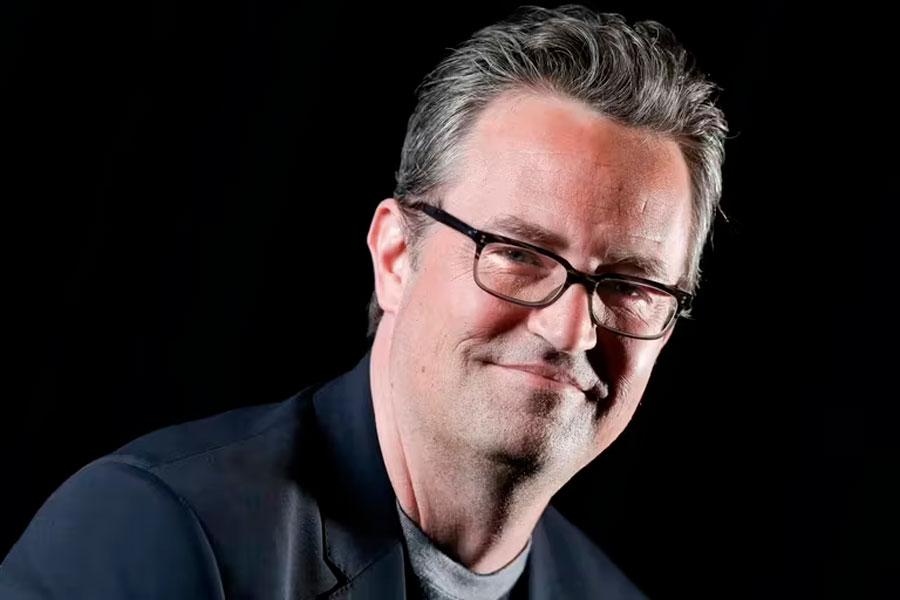
Matthew Perry poses for a portrait on Feb. 17, 2015, in New York. Perry, 54. The Emmy-nominated “Friends” actor whose sarcastic, but lovable Chandler Bing was among television’s most famous and quotable characters died Oct. 28, 2023. (Photo: AP/Brian Ach)
___
MAY
Gordon Lightfoot, 84. The legendary folk singer-songwriter known for “If You Could Read My Mind” and “Sundown” and for songs that told tales of Canadian identity. May 1.
Tori Bowie, 32. The sprinter who won three Olympic medals at the 2016 Rio de Janeiro Games. May 2. Complications of childbirth.
Vida Blue, 73. A hard-throwing left-hander who became one of baseball’s biggest draws in the early 1970s and helped lead the brash A’s to three straight World Series titles before his career was derailed by drug problems. May 6.
Grace Bumbry, 86. A pioneering mezzo-soprano who became the first Black singer to perform at Germany’s Bayreuth Festival during a more than three-decade career on the world’s top stages. May 7.
Rita Lee Jones, 75. Brazil’s million-selling “Queen of Rock” who gained an international following through her colorful and candid style and such hits as “Ovelha Negra,” “Mania de Você” and “Now Only Missing You.” May 8.
Denny Crum, 86. He won two NCAA men’s basketball championships and built Louisville into one of the 1980s’ dominant programs during a Hall of Fame coaching career. May 9.
Heather Armstrong, 47. Known as Dooce to fans, the pioneering mommy blogger laid bare her struggles as a mother and her battles with depression and alcoholism on her website and on social media. May 9.
Jacklyn Zeman, 70. She played Bobbie Spencer for 45 years on ABC’s “General Hospital.” May 9.
Rolf Harris, 93. The veteran entertainer whose decades-long career as a family favorite on British and Australian television was shattered when he was convicted of sexual assaults on young girls. May 10.
Kenneth Anger, 96. The shocking and influential avant-garde artist who defied sexual and religious taboos in short films such as “Scorpio Rising” and “Fireworks,” and dished the most lurid movie star gossip in his underground classic “Hollywood Babylon.” May 11.
Doyle Brunson, 89. One of the most influential poker players of all time and a two-time world champion. May 14.
Jim Brown, 87. The pro football Hall of Famer was an unstoppable running back who retired at the peak of his career to become an actor as well as a prominent civil rights advocate during the 1960s. May 18.
Timothy Keller, 72. A pastor and best-selling author who founded the influential Redeemer Presbyterian Church in New York City. May 19.
Andy Rourke, 59. Bass guitarist of The Smiths, one of the most influential British bands of the 1980s. May 19.
Ray Stevenson, 58. The Irish actor who played the villainous British governor in “RRR,” an Asgardian warrior in the “Thor” films, and a member of the 13th Legion in HBO’s “Rome.” May 21.
Ed Ames, 95. The youngest member of the popular 1950s singing group the Ames Brothers, who later became a successful actor in television and musical theater. May 21.
Tina Turner, 83. The unstoppable singer and stage performer who teamed with husband Ike Turner for a dynamic run of hit records and live shows in the 1960s and ’70s and survived her horrifying marriage to triumph in middle age with the chart-topping “What’s Love Got to Do With It.” May 24.
George Maharis, 94. A stage-trained actor with rough-hewn good looks who became an icon to American youth in the 1960s as he cruised the country in a Corvette convertible in the hit television series “Route 66.” May 24.
Carroll Cooley, 87. The retired Phoenix police captain was the arresting officer in the landmark case partially responsible for the Supreme Court’s Miranda rights ruling that requires suspects be read their rights. May 29.
John Beasley, 79. The veteran character actor who played a kindly school bus driver on the TV drama “Everwood” and appeared in dozens of films dating back to the 1980s. May 30.
Theodoros Pangalos, 84. A former Greek foreign minister known for his undiplomatic outbursts and on whose watch Greece suffered one of its most embarrassing foreign policy debacles in 1999. May 31.
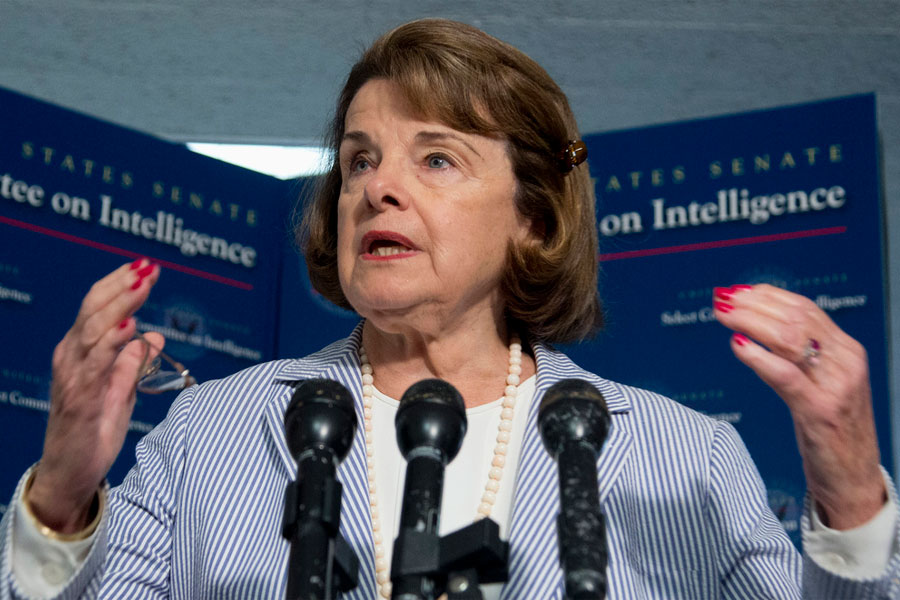
In this Sept. 5, 2013 file photo, Senate Intelligence Committee Chair Sen. Dianne Feinstein, D-Calif., speaks to reporters on Capitol Hill in Washington. Feinstein, 90, a centrist Democrat from California and champion of liberal causes who was elected to the U.S. Senate in 1992 and broke gender barriers throughout her long career in local and national politics died Sept. 28, 2023. (Photo: ap/Manuel Balce Ceneta/File)
___
JUNE
Kaija Saariaho, 70. She wrote acclaimed works that made her the among the most prominent composers of the 21st century. June 2.
George Winston, 73. The Grammy-winning pianist who blended jazz, classical, folk and other stylings on such million-selling albums as “Autumn,” “Winter Into Spring” and “December.” June 4.
Astrud Gilberto, 83. The Brazilian singer, songwriter and entertainer whose off-hand, English-language cameo on “The Girl from Ipanema” made her a worldwide voice of bossa nova. June 5.
Robert Hanssen, 79. A former FBI agent who took more than $1.4 million in cash and diamonds to trade secrets with Moscow in one of the most notorious spying cases in American history. June 5.
Richard Snyder, 90. A visionary and imperious executive at Simon & Schuster who in bold-faced style presided over the publisher’s exponential rise during the second half of the 20th century and helped define an era of consolidation and growing corporate power. June 6.
Françoise Gilot, 101. A prolific and acclaimed painter who created art for more than a half-century but was nonetheless more famous for her turbulent relationship with Pablo Picasso — and for leaving him. June 6.
The Iron Sheik, 81. A former pro wrestler who relished playing a burly, bombastic villain in 1980s battles with some of the sport’s biggest stars and later became a popular Twitter personality. June 7.
Pat Robertson, 93. A religious broadcaster who turned a tiny Virginia station into the global Christian Broadcasting Network, tried a run for president, and helped make religion central to Republican Party politics in America through his Christian Coalition. June 8.
Theodore “Ted” Kaczynski, 81. Branded the “Unabomber” by the FBI, he was the Harvard-educated mathematician who retreated to a shack in the Montana wilderness and ran a 17-year bombing campaign that killed three people and injured 23 others. June 10.
Roger Payne, 88. The scientist who spurred a worldwide environmental conservation movement with his discovery that whales could sing. June 10.
Silvio Berlusconi, 86. The boastful billionaire media mogul who was Italy’s longest-serving premier despite scandals over his sex-fueled parties and allegations of corruption. June 12.
Treat Williams, 71. An actor whose nearly 50-year career included starring roles in the TV series “Everwood” and the movie “Hair.” June 12. Motorcycle crash.
Cormac McCarthy, 89. The Pulitzer Prize-winning novelist who in prose both dense and brittle took readers from the southern Appalachians to the desert Southwest in novels including “The Road,” “Blood Meridian” and “All the Pretty Horses.” June 13.
Glenda Jackson, 87. A two-time Academy Award-winning performer who had a second career as a British lawmaker before an acclaimed late-life return to stage and screen. June 15.
Daniel Ellsberg, 92. The history-making whistleblower who by leaking the Pentagon Papers revealed longtime government doubts and deceit about the Vietnam War and inspired acts of retaliation by President Richard Nixon that helped lead to his resignation. June 16.
Big Pokey, 48. A popular Texas rapper and original member of Houston’s pioneering Screwed Up Click. June 18.
George Frazier, 68. The former pitcher was a World Series champion who had a nearly three-decade run as a television broadcaster. June 19.
H. Lee Sarokin, 94. The federal judge who freed boxer Rubin “Hurricane” Carter and in a landmark case famously said tobacco companies engaged in a “vast” conspiracy to conceal the dangers of smoking. June 20.
Winnie Ewing, 93. A charismatic politician who is considered the mother of the modern Scottish independence movement. June 21.
Sheldon Harnick, 99. A Tony- and Grammy Award-winning lyricist who with composer Jerry Bock made up the premier musical-theater songwriting duos of the 1950s and 1960s with shows such as “Fiddler on the Roof,” “Fiorello!” and “The Apple Tree.” June 23.
John Goodenough, 100. He shared the 2019 Nobel Prize in chemistry for his work developing the lithium-ion battery that transformed technology with rechargeable power for devices ranging from cellphones, computers, and pacemakers to electric cars. June 25.
Peg Yorkin, 96. She donated $10 million to the Feminist Majority Foundation, which she co-founded and pushed to bring the most common method of abortion to the United States. June 25.
Sue Johanson, 93. A nurse who became a popular TV sex expert in Canada and the United States when she was in her 60s. June 28.
Alan Arkin, 89. The wry character actor who demonstrated his versatility in everything from farcical comedy to chilling drama, receiving four Academy Award nominations and winning an Oscar in 2007 for “Little Miss Sunshine.” June 29.
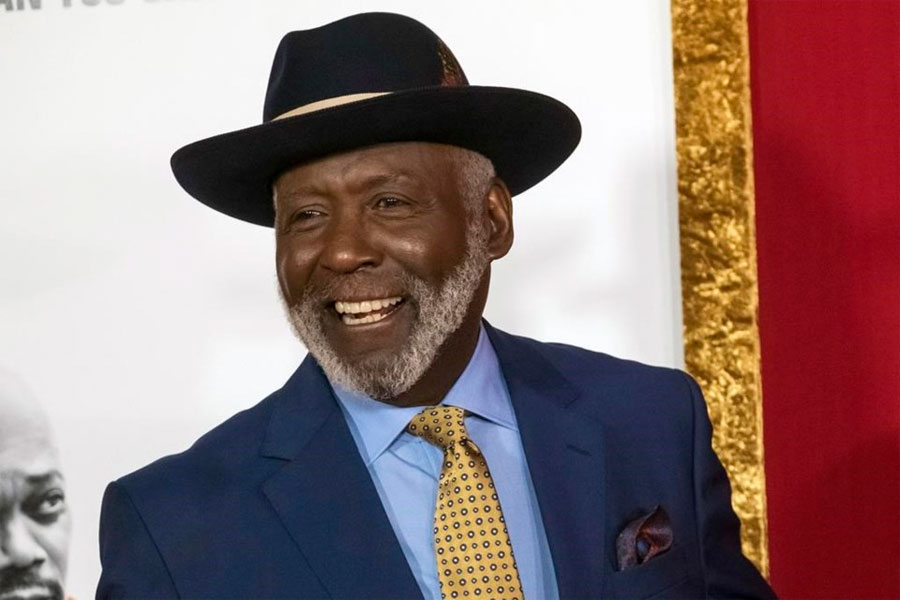
Richard Roundtree attends the premiere of «Shaft» on June 10, 2019, in New York. Roundtree, the trailblazing Black actor who starred as the ultra-smooth private detective «Shaft» in several films beginning in the early 1970s, has died. Roundtree died Tuesday, Oct. 24, 2023, at his home in Los Angeles, according to his longtime manager. He was 81. (Photo: AP/Charles Sykes/Invision/File)
___
JULY
Yan Mingfu, 91. A former top Communist Party figure who acted as an envoy to pro-democracy protesters in Beijing’s Tiananmen Square in 1989 and was forced out after the protests were crushed. July 3.
John Berylson, 70. An American businessman known for his enthusiastic ownership of the English soccer team Millwall. July 4. Car crash.
Coco Lee, 48. A Hong Kong-born singer and songwriter who had a highly successful career in Asia. July 5.
James Lewis, 76. The suspect in the 1982 Tylenol poisonings that killed seven people in the Chicago area, triggered a nationwide scare and led to an overhaul in the safety of over-the-counter medication packaging. July 9.
Mikala Jones, 44. A Hawaii surfer known for shooting awe-inspiring photos and videos from the inside of massive, curling waves. July 9. Surfing accident.
André Watts, 77. A pianist whose televised debut with the New York Philharmonic as a 16-year-old in 1963 launched an international career of more than a half-century. July 12.
Jane Birkin, 76. An actor and singer who made France her home and charmed the country with her English grace, natural style and social activism. July 16.
Kevin Mitnick, 59. His pioneering antics tricking employees in the 1980s and 1990s into helping him steal software and services from big phone and tech companies made him the most celebrated U.S. hacker. July 16.
Tony Bennett, 96. The eminent and timeless stylist whose devotion to classic American songs and knack for creating new standards such as “I Left My Heart In San Francisco” graced a decadeslong career that brought him admirers from Frank Sinatra to Lady Gaga. July 21.
Hugh “Sonny” Carter Jr., 80. He was an organizer in the “Peanut Brigade” that helped elect his cousin Jimmy to the White House and later enforced the president’s frugal ways in the West Wing. July 23.
Sinéad O’Connor, 56. The gifted Irish singer-songwriter who became a superstar in her mid-20s was as much known for her private struggles and provocative actions as her fierce and expressive music. July 26.
Randy Meisner, 77. A founding member of the Eagles who added high harmonies to such favorites as “Take It Easy” and “The Best of My Love” and stepped out front for the waltz-time ballad “Take It to the Limit.” July 26.
Paul Reubens, 70. The actor and comedian whose Pee-wee Herman character — an overgrown child with a tight gray suit and an unforgettable laugh — became a 1980s pop cultural phenomenon. July 30.
Angus Cloud, 25. The actor who starred as the drug dealer Fezco “Fez” O’Neill on the HBO series “Euphoria.” July 31.
American actress Raquel Welch poses backstage at the Emmy Awards in Los Angeles on Sept. 20, 1987. Welch, whose emergence from the sea in a skimpy, furry bikini in the film «One Million Years B.C.» would propel her to international sex symbol status throughout the 1960s and ’70s, died early Wednesday, Feb. 15, 2023, after a brief illness. She was 82. (Photo: AP/Doug Pizac/File)
___
AUGUST
Sheila Oliver, 71. The New Jersey lieutenant governor rose to become one of the state’s most prominent Black leaders and passionately advocated for revitalizing cities and against gun violence. Aug. 1.
Mark Margolis, 83. The Emmy-nominated actor who played murderous former drug kingpin Hector Salamanca in “Breaking Bad” and then in the prequel “Better Call Saul.” Aug. 3.
William Friedkin, 87. The Oscar winning director who became a top filmmaker in his 30s with the gripping “The French Connection” and the horrifying “The Exorcist” and struggled in the following decades to match his early success. Aug. 7.
Sixto Rodriguez, 81. He lived in obscurity as his music career flamed out early in the U.S. only to find success in South Africa and a stardom of which he was unaware. Aug. 8.
Robbie Robertson, 80. The Band’s lead guitarist and songwriter who in such classics as “The Weight” and “Up on Cripple Creek” mined American music and folklore and helped reshape contemporary rock. Aug. 9.
Tom Jones, 95. The lyricist, director and writer of “The Fantasticks,” the longest-running musical in history. Aug. 11.
Magoo, 50. The rapper known for his work in the hip-hop duo Timbaland & Magoo and hit song “Up Jumps da Boogie” featuring Aaliyah and Missy Elliott. Aug. 13.
Clarence Avant, 92. The judicious manager, entrepreneur, facilitator and adviser who helped launch or guide the careers of Quincy Jones, Bill Withers and many others and was known as the “Black Godfather” of music and beyond. Aug. 13.
Ada Deer, 88. An esteemed Native American leader from Wisconsin and the first woman to lead the Bureau of Indian Affairs. Aug. 15.
Jerry Moss, 88. A music industry giant who co-founded A&M Records with Herb Alpert and rose from a Los Angeles garage to the heights of success with hits by Alpert, the Police, the Carpenters and hundreds of other performers. Aug. 16.
Michael Parkinson, 88. The renowned British broadcaster who interviewed some of the world’s most famous celebrities of the 20th century from Muhammad Ali to Miss Piggy. Aug. 16.
Jiri Cerny, 87. A legendary Czech music critic who introduced Western music to generations of listeners behind the Iron Curtain and became one of the voices of the 1989 anti-communist Velvet Revolution. Aug. 17.
Betty Tyson, 75. Convicted in a 1973 murder, she spent 25 years in prison before being exonerated on the basis of new evidence. Aug. 17.
James Buckley, 100. The former New York senator was an early agitator for then-President Richard Nixon’s resignation and winner of a landmark lawsuit challenging campaign spending limits. Aug. 18.
John Warnock, 82. The Silicon Valley entrepreneur and computer scientist who helped invent the PDF and co-founded Adobe Systems. Aug. 19.
Ron Cephas Jones, 66. A veteran stage actor who won two Emmy Awards for his role as a long-lost father who finds redemption on the NBC television drama series “This Is Us.” Aug. 19.
Howard Hubbard, 84. A retired Catholic bishop who acknowledged covering up allegations of sexual abuse in his upstate New York diocese and later married a woman in a civil ceremony. Aug. 19.
Yevgeny Prigozhin, 62. As head of the Wagner Group, he made his name as a profane and brutal mercenary boss before mounting an armed rebellion that was the most severe and shocking challenge to Russian President Vladimir Putin’s rule. Aug. 23. Plane crash.
Bob Barker, 99. The enduring, dapper game show host who became a household name over a half century of hosting “Truth or Consequences” and “The Price Is Right.” Aug. 26.
Samuel “Joe” Wurzelbacher, 49. He was thrust into the political spotlight as “Joe the Plumber” after questioning Barack Obama about his economic policies during the 2008 presidential campaign. Aug. 27.
Gil Brandt, 91. The Pro Football Hall of Fame member was the player personnel director alongside the stoic, fedora-wearing coach Tom Landry and media-savvy general manager Tex Schramm as part of the trio that built the Dallas Cowboys into “America’s Team” in the 1970s. Aug. 31.
___
SEPTEMBER
Jimmy Buffett, 76. The singer-songwriter who popularized beach bum soft rock with the escapist Caribbean-flavored song “Margaritaville” and turned that celebration of loafing into a billion-dollar empire of restaurants, resorts and frozen concoctions. Sept. 1.
Bill Richardson, 75. A two-term Democratic governor of New Mexico and an American ambassador to the United Nations who dedicated his post-political career to working to secure the release of Americans detained by foreign adversaries. Sept. 1.
Steve Harwell, 56. The longtime frontman of the Grammy-nominated pop rock band Smash Mouth that was behind the megahit “All Star.” Sept. 4. Acute liver failure.
Shabtai Shavit, 84. The Israeli spymaster who was credited with advancing Israel’s historic peace treaty with Jordan during his term as director of the Mossad intelligence agency. Sept. 5.
Ian Wilmut, 79. The cloning pioneer whose work was critical to the creation of Dolly the Sheep in 1996. Sept. 9.
Prince Mangosuthu Buthelezi, 95. The controversial South African politician and traditional minister of the Zulu ethnic group. Sept. 9.
Roy Kidd, 91. He coached Eastern Kentucky to two NCAA Division I-AA football championships in a Hall of Fame career. Sept. 12.
Eno Ichikawa, 83. He revived the spectacular in Japanese Kabuki theater to woo younger and global audiences. Sept. 13.
Michael McGrath, 65. A Broadway character actor who shined in zany, feel-good musicals and won a Tony Award for “Nice Work If You Can Get It.” Sept. 14.
Fernando Botero, 91. A renowned Colombian painter and sculptor whose depictions of people and objects in plump, exaggerated forms became emblems of Colombian art around the world. Sept. 15.
Giorgio Napolitano, 98. The first former Communist to rise to Italy’s presidency and the first person to be elected twice to the mostly ceremonial post. Sept. 22.
Matteo Messina Denaro, 61. A convicted mastermind of some of the Sicilian Mafia’s most heinous slayings, Italy’s No. 1 fugitive was captured after decades on the run. Sept. 25. Died in a prison hospital.
David McCallum, 90. The actor who became a teen heartthrob in the hit series “The Man From U.N.C.L.E.” in the 1960s and was the eccentric medical examiner in the popular “NCIS” 40 years later. Sept. 25.
Dianne Feinstein, 90. A centrist Democrat from California and champion of liberal causes who was elected to the U.S. Senate in 1992 and broke gender barriers throughout her long career in local and national politics. Sept. 28.
Michael Gambon, 82. The Irish-born actor knighted for his storied career on the stage and screen who gained admiration from a new generation of moviegoers with his portrayal of Hogwarts headmaster Albus Dumbledore in six of the eight “Harry Potter” films. Sept. 28.
Mankombu Sambasivan Swaminathan, 98. A renowned agricultural scientist who revolutionized India’s farming and was a key architect of the country’s “Green Revolution.” Sept. 28.
Saad Eddin Ibrahim, 85. A prominent Egyptian-American academic and pro-democracy activist during the reign of former Egyptian President Hosni Mubarak. Sept. 29.
___
OCTOBER
Tim Wakefield, 57. The knuckleballing workhorse of the Red Sox pitching staff who bounced back after giving up a season-ending home run to the Yankees in the 2003 playoffs to help Boston win its curse-busting World Series title the following year. Oct. 1.
Dick Butkus, 80. A Hall of Fame middle linebacker for the Chicago Bears whose speed and ferocity set the standards for the position in the modern era. Oct. 5.
Michael Chiarello, 61. A chef known for his Italian-inspired Californian restaurants who won an Emmy Award for best host for “Easy Entertaining With Michael Chiarello” and appeared on Bravo’s “Top Chef” and “Top Chef Masters.” Oct. 6. Allergic reaction that resulted in anaphylactic shock.
Burt Young, 83. The Oscar-nominated actor who played Paulie, the rough-hewn, mumbling-and-grumbling best friend, corner-man and brother-in-law to Sylvester Stallone in the “Rocky” franchise. Oct. 8.
Hughes Van Ellis, 102. He was the youngest known survivor of the Tulsa Race Massacre and spent his latter years pursuing justice for his family and other descendants of the attack on “Black Wall Street.” Oct. 9.
Kevin Phillips, 82. The author, commentator and political strategist whose landmark book, “The Emerging Republican Majority,” became a blueprint for GOP thinking in the 1970s and beyond. Oct. 9
Louise Meriwether, 100. The author and activist whose coming-of-age novel “Daddy Was a Number Runner” is widely regarded as a groundbreaking and vital portrait of race, gender and class. Oct. 10.
Mark Goddard, 87. An actor best known for playing Major Don West in the 1960s television show “Lost in Space.” Oct. 10.
Rudolph Isley, 84. A founding member of the Isley Brothers who helped perform such raw rhythm and blues classics as “Shout” and “Twist and Shout” and the funky hits “That Lady” and “It’s Your Thing.” Oct. 11.
Louise Glück, 80. The Nobel laureate was a poet of unblinking candor and perception who wove classical allusions, philosophical reveries, bittersweet memories and humorous asides into indelible portraits of a fallen and heartrending world. Oct. 13.
Piper Laurie, 91. The strong-willed, Oscar-nominated actor who performed in acclaimed roles despite at one point abandoning acting altogether in search of a “more meaningful” life. Oct. 14.
Suzanne Somers, 76. The effervescent blonde actor who played Chrissy Snow on the television show “Three’s Company” and later became an entrepreneur and New York Times best-selling author. Oct. 15.
Martti Ahtisaari, 86. The former president of Finland and global peace broker who was awarded the Nobel Peace Prize in 2008 for his work to resolve international conflicts. Oct. 16.
Bobby Charlton, 86. An English soccer icon who survived a plane crash that decimated a Manchester United team destined for greatness to become the heartbeat of his country’s 1966 World Cup triumph. Oct. 21.
Bishan Bedi, 77. The India cricket great whose dazzling left-arm spin claimed 266 test wickets. Oct. 23.
Richard Roundtree, 81. The trailblazing actor who starred as the ultra-smooth private detective in several “Shaft” films beginning in the early 1970s. Oct. 24.
Richard Moll, 80. A character actor who found lasting fame as an eccentric but gentle giant bailiff on the original “Night Court” sitcom. Oct. 26.
Li Keqiang, 68. The former premier was China’s top economic official and an advocate for private business but was left with little authority after President Xi Jinping made himself the most powerful Chinese leader in decades. Oct. 27.
Wu Zunyou, 60. An epidemiologist who helped drive the country’s strict zero-COVID measures in China that suspended access to cities and confined millions to their homes. Oct. 27.
Matthew Perry, 54. The Emmy-nominated “Friends” actor whose sarcastic, but lovable Chandler Bing was among television’s most famous and quotable characters. Oct. 28.
Ken Mattingly, 87. An astronaut who is best remembered for his efforts on the ground that helped bring the damaged Apollo 13 spacecraft safely back to Earth. Oct. 31.
___
NOVEMBER
Bob Knight, 83. The brilliant and combustible coach who won three NCAA titles at Indiana and for years was the scowling face of college basketball. Nov. 1.
Frank Borman, 95. The astronaut who commanded Apollo 8’s historic Christmas 1968 flight that circled the moon 10 times and paved the way for the lunar landing the next year. Nov. 7.
Steve Norton, 89. He ran the first U.S. gambling facility outside Nevada — Resorts casino in Atlantic City — and gave advice around the world on how to set up and operate casinos. Nov. 12.
Don Walsh, 92. The retired Navy captain was an explorer who in 1960 was part of a two-man crew that made the first voyage to the deepest part of the ocean — to the “snuff-colored ooze” at the bottom of the Pacific’s Mariana Trench. Nov. 12.
Terry R. Taylor, 71. In two trailblazing decades as the first female sports editor of The Associated Press, she transformed the news agency’s emphasis into multilayered coverage of rigorous reporting, entertaining enterprise and edgy analysis. Nov. 14.
Daisaku Ikeda, 95. He headed Soka Gakkai, a Japanese Buddhist organization, that includes famed musician Herbie Hancock and other celebrities in its fold. Nov. 15.
Bobby Ussery, 88. A Hall of Fame jockey who won the 1967 Kentucky Derby and then crossed the finish line first in the 1968 edition only to be disqualified days later. Nov. 16.
George “Funky” Brown, 74. The co-founder and longtime drummer of Kool & The Gang who helped write such hits as “Too Hot,” “Ladies Night,” “Joanna” and the party favorite “Celebration.” Nov. 16.
Rosalynn Carter, 96. The former first lady was the closest adviser to Jimmy Carter during his one term as U.S. president and their four decades thereafter as global humanitarians. Nov. 19.
Marty Krofft, 86. A TV producer known for imaginative children’s shows such as “H.R. Pufnstuf” and primetime hits including “Donny & Marie” in the 1970s. Nov. 25.
Terry Venables, 80. A charismatic and tactically innovative English soccer coach who led his national team to the European Championship semifinals in 1996 after winning trophies at club level with Barcelona and Tottenham. Nov. 25.
Tim Dorsey, 62. A former police and courts newspaper reporter who found lasting fame as the creator of the crime-comedy novel series starring Serge A. Storms, an energetic fan of Florida history and an ingenious serial killer. Nov. 26.
Frances Sternhagen, 93. The veteran character actor who won two Tony Awards and became a familiar maternal face to TV viewers later in life in such shows as “Cheers,” “ER,” “Sex and the City” and “The Closer.” Nov. 27.
Charlie Munger, 99. He helped Warren Buffett build Berkshire Hathaway into an investment powerhouse. Nov. 28.
Henry Kissinger, 100. The former secretary of state exerted uncommon influence on global affairs under Presidents Richard Nixon and Gerald Ford, earning both vilification and the Nobel Peace Prize. Nov. 29.
Shane MacGowan, 65. The singer-songwriter and frontman of “Celtic Punk” band The Pogues, best known for the Christmas ballad “Fairytale of New York.” Nov. 30.
___
DECEMBER
Sandra Day O’Connor, 93. The former U.S. Supreme Court justice was an unwavering voice of moderate conservatism and the first woman to serve on the nation’s highest court. Dec. 1.
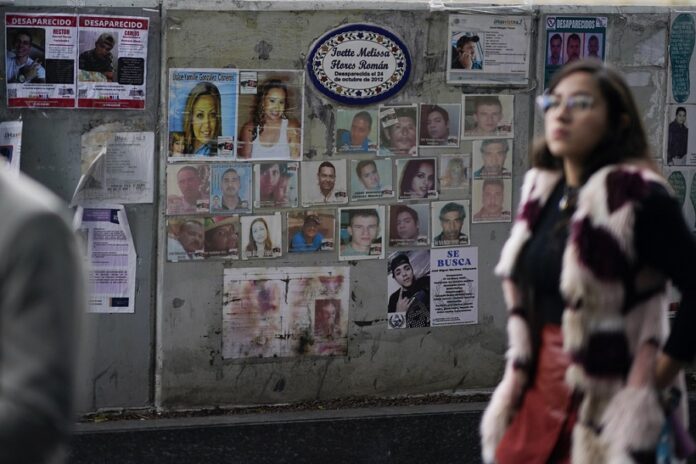
Una mujer pasa frente a fotografías de personas desaparecidas frente a la Procuraduría General de Justicia, en Ciudad de México, el 6 de diciembre de 2023. (Foto AP/Eduardo Verdugo)
El gobierno de México está invirtiendo recursos en detectar lo que sugiere que son personas desaparecidas “falsas”: casos reportados por opositores políticos para avergonzar al gobierno, o personas secuestradas que regresan a su hogar, pero no notifican a las autoridades.
Sin embargo, las autoridades no hacen ningún esfuerzo significativo para encontrar a las personas realmente desaparecidas, lo que enfurece a las familias de los aproximadamente 113.000 “desaparecidos” de México.
Están indignados de que la administración del presidente Andrés Manuel López haya gastado casi un año, mucho dinero y miles de horas de trabajo revisando bases de datos para ver si una persona supuestamente desaparecida solicitó un préstamo, pagó impuestos, se registró para votar o se vacunó contra la gripe.
López Obrador dijo la semana pasada que espera publicar pronto los primeros resultados parciales del recuento. Afirmando que las cifras de desaparecidos —alrededor de 47.000 desde que el presidente asumió el cargo en 2018— han sido infladas para hacerlo quedar mal. Dijo que van a “ir casa por casa porque se está encontrando a gente que estaba reportada como desaparecida”.
“Los estamos encontrando en sus casas”, agregó.
Pero el gobierno no se ha molestado ni siquiera en realizar la búsqueda más elemental de las decenas de miles de personas que realmente están desaparecidas, ni en identificar unos 50.000 cadáveres amontonados en morgues y tumbas paupérrimas o los fragmentos de huesos encontrados en fosas comunes y crematorios improvisados.
“No es que estén preocupados por las víctimas, están preocupados por recortar las cifras aún más de los desaparecidos”, aseguró Héctor Flores, cuyo hijo desapareció en 2021.
Flores ha pasado dos años agonizantes desde la desaparición de su hijo liderando una de las decenas de equipos de búsqueda voluntarios conformados por familiares que realizan el trabajo de investigación, a menudo espantoso y peligroso, que las autoridades no hacen.
López Obrador ve política detrás del creciente número de “desaparecidos”. Se jacta de una ligera disminución en los homicidios en México, pero los críticos señalan un gran aumento en el número de desaparecidos. Los críticos dicen que los homicidios pueden haber disminuido un poco simplemente porque los cárteles de la droga simplemente están enterrando o destruyendo cuerpos para ocultar la evidencia.
Jacobo Dayán, especialista en derecho internacional de la Universidad Nacional Autónoma de México, coincide en que existe una manipulación de números por razones políticas, pero sugiere que es por parte de las autoridades.
“Hay un manoseo de cifras, reducir las cifras por intereses políticos, eso es claro. Hay allí un subregistro enorme …hay muchas fiscalías que decidieron no mandar información hace meses”, señaló Dayán. Agregó que los inmigrantes, que frecuentemente son asesinados en México, están significativamente subrepresentados en las cifras oficiales.
Adrián LeBarón, padre de una mujer que fue uno de los nueve ciudadanos estadounidenses asesinados hace cuatro años en una emboscada de un grupo del narcotráfico en el estado fronterizo de Sonora, en el norte del país, dice que el gobierno subestima sistemáticamente tanto los homicidios como las desapariciones.
LeBarón presentó una denuncia legal el miércoles acusando a las autoridades mexicanas de no informar el número real de muertos. Los fiscales de Sonora presentaron un informe el día de la emboscada de 2019 diciendo que solo cinco personas fueron asesinadas ese día en todo el estado.
Refiriéndose al censo de desaparecidos realizado por el gobierno, LeBarón dijo: “Están desapareciendo los desaparecidos, entonces estamos j…idos”.
López Obrador dice que ordenó la búsqueda de un año de duración de “falsos” desaparecidos porque sus oponentes están inflando las cifras.
“Vamos a demostrar que el censo no estaba bien manejado, el registro que se tenía; y que no era nada más ineficiencia, sino había una intención de afectar al gobierno que represento”, dijo el presidente el 13 de noviembre.
Sumérgete en la música puertorriqueña, disfruta de refrigerios y únete en comunidad para celebrar las ricas tradiciones culturales latinas. Como parte de Esperanza Arts Center, una nueva galería de arte para darle luz a las artes y a la cultura latina de la comunidad, estará abriendo sus puertas en una inauguración gratuita donde todos están invitados. La exposición inaugural es del reconocido artista puertorriqueño Tato González; titulada «Sueño de Reyes». Viernes 8 de diciembre de 5-8 p.m. en Esperanza, entre la calle 5 y Bristol. Confirma tu asistencia para asegurar tus entradas en este link
CHRISTMAS in the Barrio
Esperanza te invita a celebrar la Navidad en el Barrio, un programa gratuito, abierto para toda la familia. Un momento para recordar y revivir las costumbres, tradiciones y el ambiente navideño con platillos diferentes, música y villancicos que caracteriza a nuestros pueblos y culturas. Se invita a traer un juguete para entregarlo a los niños desfavorecidos el día de Navidad. Entrada libre. Teatro Esperanza, 4261 N, 5th Street, Filadelfia 19140. Sábado 9 de diciembre, 7:00 pm.
Festival «Se XIENTE La Fiesta»
El primer Festival Navideño de Xiente está a la vuelta de la esquina e invitan a celebrar las fiestas «al estilo puertorriqueño». Únase a este festival para una noche de invierno llena de música en vivo. Presentación de Los Jíbaros del Barrio, Los Bomberos de la calle, Swing de Guille, Dj Kade; además, artesanías, fabricación de vejigantes, concursos, camiones de comida, explore mercancías de pequeñas empresas locales y la parranda más grande de la temporada en Filadelfia. El sábado 16 de diciembre en Norris Square Park de 4 pm a 8 pm. Tel. 215-426-8734; info@xiente.org.
Navidad con EXPO-SADA Y TIANGUIS
The Market, Mexican and Latin, invitan a EXPO-SADA Y TIANGUIS, con variedad de regalos para Navidad, Reyes y San Valentín; más de 30 pequeños empresarios estarán presentes, con ventas de manualidades, variada gastronomía y muchas otras sorpresas para grandes y pequeños. Con el apoyo de Philatinos Radio. BOK, en The Market, 821 Dudley St, Filadelfia. Domingo 17 de diciembre, 12 m. a 6:00 pm.
Angel Jimenez y Karina Sanchez, propietarios de Los Cuatro Soles. auténtica comida mexicana. loscuatrosolesrestaurant.com (Foto: Crédito/ Stephanie Ramones, Contigo Photography copyright VisitPhilly)
KIOSKO navideño de Esperanza
Esperanza invita a apoyar EL KISKO Navideño, abierto en el Christmas Village del LOVE Park; donde encontrarás los productos de pequeños empresarios latinos a turnos, como Café Tinto, Restaurante Los Cuatro Soles, Latin Fashion, Amy’s Pastelillos, S y R, Taquería Morales y otros más. Abierto de lunes a sábado de 12:00 m. hasta las 9:00 pm, y domingos de 12:00 m. hasta las 8:00 pm. Viva la navidad en familia y aprovecha la amplia vitrina de regalos, artesanías y gastronomía de países latinoamericanos. Hasta el 24 de diciembre.
FILADANCO en el Centro Kimmel
El encanto y la gracia de PHILADANCO está en exhibición durante este programa especial de fin de semana de alta energía. “Intangible Influences” presenta un ballet neoclásico del legendario coreógrafo Gene Hill Sagan y el estreno de una nueva pieza de Christopher Rudd, que combina ballet contemporáneo y circo. Campus Cultural Kimmel, 300 S. Broad Street. 8-10 de diciembre.
El Cascanueces en la Academia de Música
No son verdaderas vacaciones en Filadelfia sin El Cascanueces. El Hada de Azúcar, el Rey Ratón y otros habitantes mágicos de La Tierra de los Dulces giran en el escenario de la Academia de Música durante la producción navideña anual del Ballet de Filadelfia, del clásico de George Balanchine. Academia de Música, 240 S. Broad Street. Del 9 al 30 de diciembre. (fechas seleccionadas).
Navidad filadelfiana en el Kimmel Center
Varios coros de Filadelfia y músicos de The No Name Pops se unen para un concierto navideño muy festivo (y muy de Filadelfia). Espere un programa alegre de clásicos navideños y favoritos del pop. El director Enrico López-Yañe lidera la acción instrumental, que se complementa con cantantes y bailarines de Broadway. Kimmel Center, 300 S. Broad Street. Del 1 al 23 de diciembre. (fechas seleccionadas).
Navidad de Macy’s y Dickens Village
El Grand Court en el edificio Wanamaker, Monumento Histórico Nacional, ha albergado el icónico espectáculo de luces navideñas desde 1956. Macy’s continúa esta tradición con exhibiciones diarias de miles de luces como copos de nieve, bastones de caramelo y muñecos de nieve danzantes, al son del órgano Wanamaker. Cinco espectáculos gratis de lunes a sábado a las 10:30 am, 12 m, 2 pm, 4 pm, y 6 pm., y domingos, 2 pm y 4 pm. Las familias pueden reservar una visita para ver la versión antigua de “Un cuento de Navidad” en Dickens Village y tomarse fotos con Santa. Macy’s, 1300 Market Street. Hasta el 31 de diciembre.
La Bella y la Bestia en Walnut
Artistas con la magia de Disney iluminan la navidad en Filadelfia. Con la representación de Belle, LeFou, Gaston y toda la pandilla en esta adaptación musical teatral de la eterna historia de Disney de Alan Menken, Tim Rice y Howard Ashman, convertida en el celebrado clásico “La Bella y la Bestia”. Teatro de Walnut Street, 825 Walnut Street. Hasta el 31 de diciembre.
Independence Blue Cross RiverRink
Vuelven las mejores tradiciones del Independence Blue Cross RiverRink Winterfest, desde la pista de hielo al aire libre de Filadelfia con grandes vistas al paseo marítimo; a la noria de 60 pies con iluminación navideña; miles de luces; un gran árbol navideño; kits de s’mores para comprar y cocinar alrededor de las fogatas, cabañas festivas con calefacción, el regreso del Rinkside Lounge, y por supuesto el Lodge con ofertas de alimentos y bebidas. Iluminación del árbol navideño de PECO el viernes 1 de diciembre, se quedará hasta enero.
LumiNature en el zoo de Filadelfia
¡Luces, mamíferos, acción! Este envolvente espectáculo transforma el paisaje diurno del zoo de Filadelfia en un espectáculo multimedia nocturno. Cuando los animales se retiran por la noche, el zoo se ilumina con más de un millón de luces navideñas en 16 zonas distintas. Aperitivos de temporada, actuaciones en directo, chocolate caliente y bebidas para adultos completan los sentimientos del espíritu invernal. Se requieren entradas con horario. Zoo de Filadelfia, 3400 W. Girard Avenue. Hasta el 31 de diciembre.
El Invierno en el Dilworth Park
El Dilworth Park, junto al Ayuntamiento, inicia el invierno con muchos eventos y atracciones gratuitas. Este año trae: The Wintergarden: paraíso al aire libre con toque festivo de vegetación, con luces navideñas, topiarios de renos, decoración rústica de bosque y un quiosco en Chaddsford Winery que vende vino caliente. El “Made in Philadelphia Holiday Market” para apoyar a más de 40 pequeñas empresas que venden artesanías hechas a mano, joyas, arte, golosinas y mucho más; y la pista de hielo Rothman Orthopaedics: abróchate y vuela en la popular pista de patinaje. Se requiere boleto. Dilworth Park, 1 S. 15th Street. Hasta el 25 de febrero de 2024.
Winter Attractions en Franklin Square
Franklin Square celebra los meses de invierno con atracciones de temporada y eventos especiales. Este año espectáculo eléctrico de luces presentado por PECO. Espectáculos nocturnos gratuitos, inspirados en el experimento de Benjamin Franklin con la cometa y la llave de electricidad iluminan la plaza cada media hora con melodías de temporada y luces coreografiadas. También hay Curling callejero alquilando las pistas con antelación, y el Chilly Philly Minigolf; el único minigolf al aire libre de Center City, con 18 hoyos llenos de luces, música navideña y personajes invernales. Se requiere entrada. Hasta el 25 de febrero. Franklin Square, 200 N. 6th Street.
El magnífico LOVE Park se transforma en un mercado europeo al aire libre durante el Christmas Village anual en Filadelfia. Más de 100 vendedores que ofrecen regalos, adornos, accesorios y ropa invernal de marcas locales e internacionales. Delicias como sándwiches de raclette, vino especiado, sidra de manzana, strudels y más. Al otro lado de la calle, en la plataforma norte del Ayuntamiento y en el patio, le esperan el carrusel de dos pisos del Christmas Village, una noria y un tren para niños. LOVE Park, 16th Street y John F. Kennedy Boulevard. Visita el KIOSKO de Esperanza apoyando a latinas emprendedoras, hasta el 24 de diciembre.
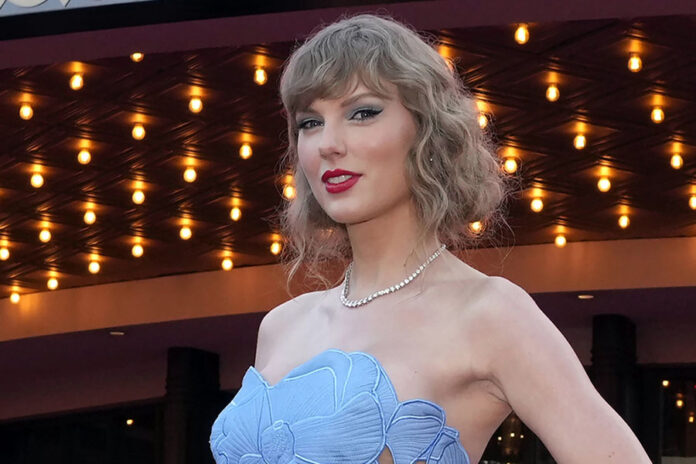
ARCHIVO —Taylor Swift en el estreno mundial de "Taylor Swift: The Eras Tour" el 11 de octubre de 2023, en Los Angeles. Swift fue elegida persona del año por la revista Time el miércoles 6 de diciembre de 2023. (Foto AP/Chris Pizzello, archivo)
¿Se acabó el año de Taylor Swift? Todavía no.
La revista Time nombró a Swift como su persona del año, una semana después de que Spotify anunciara que era la artista más reproducida en la plataforma de streaming.
Swift fue elegida entre un grupo de nueve finalistas que incluía a Barbie, el rey Carlos III y el director ejecutivo de OpenAI, Sam Altman, entre otros.
“Si bien su popularidad ha crecido a lo largo de las décadas, este es el año en que Swift, de 33 años, quien logró una especie de fusión nuclear: unir arte y comercio para liberar una energía de fuerza histórica”, dijo Time sobre su selección.
Su año incluyó la muy popular gira de conciertos Eras Tour y la película filmada en algunas de sus presentaciones, el lanzamiento de su álbum “1989” versión Taylor y su llamativa relación sentimental con el tight end de los Chiefs de Kansas City, Travis Kelce. Swift incluso es objeto de estudio en cursos universitarios.
El presidente ucraniano Volodymyr Zelenskyy fue la persona del año de Time en 2022.
El presidente Joe Biden se dirige al podio para hablar sobre la guerra entre Israel y Hamás después de una reunión con el primer ministro israelí Benjamin Netanyahu, 18 de octubre de 2023 en Tel Aviv, Israel. (Foto: AP/Evan Vucci/File)
Las posiciones de los demócratas hacia la actitud del presidente Joe Biden con respecto al conflicto de décadas entre israelíes y palestinos han mejorado levemente, de acuerdo con una nueva encuesta de The Associated Press-NORC Center for Public Affairs Research.
El cambio se produjo durante un período en que Biden y altos funcionarios de su gobierno expresaron inquietudes acerca de las muertes de civiles en la Franja de Gaza, resaltaron la necesidad de un futuro Estado palestino independiente y ayudaron a obtener la liberación de algunos de los rehenes en poder de Hamás durante una tregua temporaria.
El 59% de los demócratas aprueban la actitud de Biden hacia el conflicto, comparado con el 50% en noviembre. Es similar a la aprobación del 57% de los demócratas en agosto, en una encuesta anterior a la guerra actual, que comenzó con el ataque de Hamás a Israel el 7 de octubre.
Pero el asunto sigue dividiendo a los demócratas, menos entusiastas con respecto a su manejo de la guerra que con respecto a su desempeño en general. El 75% de los demócratas dijeron que Biden se desempeña bien como presidente, comparado con el 69% el mes pasado. Su tasa de aprobación entre los adultos estadounidenses en general es del 41%.
Las posiciones sobre el Oriente Medio podrían volver a cambiar ahora que se han reanudado los combates en la Franja de Gaza, donde Hamás tiene su sede y los ataques israelíes han matado a millares de civiles palestinos.
Biden ha defendido su posición frente a la guerra, que incluye el firme apoyo a Israel. Su argumento es que su relación estrecha con la conducción israelí ha permitido una mayor ayuda humanitaria a los civiles en Gaza. También ha expresado reservas crecientes acerca de la cantidad de muertes palestinas y subrayado la necesidad de un Estado palestino independiente.
“Les he dicho de manera muy sencilla y directa a nuestros amigos israelíes en privado lo que yo creo que deben hacer y mi compromiso y el de mi gobierno”, dijo Biden días atrás en un evento de recaudación de fondos en Boston.
El 67% de los demócratas consideran que la liberación de los rehenes israelíes es un objetivo muy o extremadamente importante, y en esto coinciden con la mayoría de los republicanos.
En otros temas no existe tanta unanimidad. El 64% de los demócratas consideran al menos muy importante que Estados Unidos negocie un cese de fuego permanente entre Israel y Hamás, comparado con el 35% de los republicanos.
___
La encuesta de 1.074 adultos fue realizada del 30 de noviembre al 4 de diciembre con una muestra del panel probabilístico AmeriSpeak de NORC, diseñado para ser representativo de la población. El margen de error es de más o menos 4 puntos porcentuales para todos los encuestados y de 6 para los demócratas.