


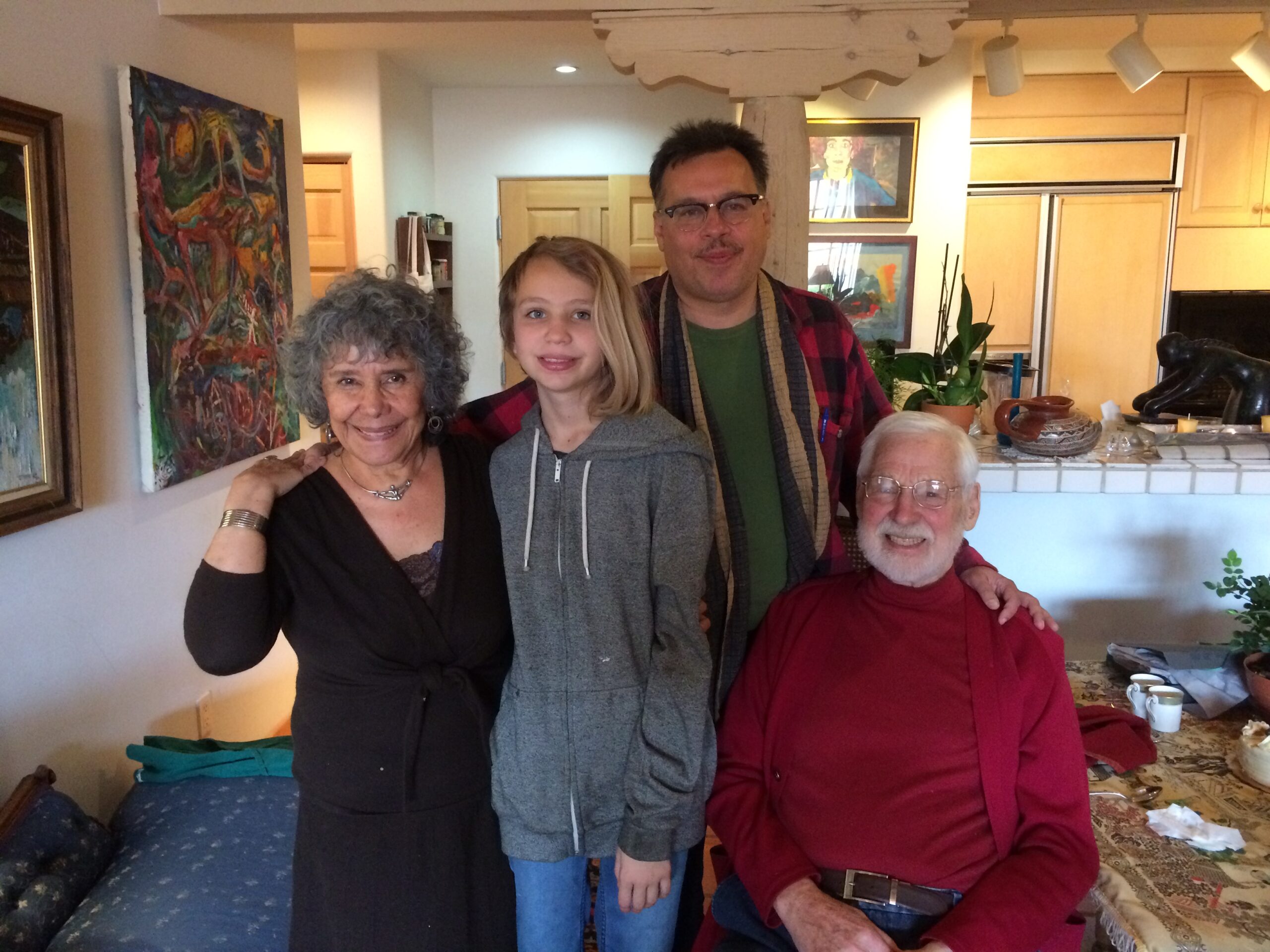
When Perla Lara, editor of this community publication, asked me if I would like to write for Impacto, taking over the space once held by my late brother, I hesitated. No one can take the place of Magdaleno Rose Avila. He was unique, he wrote about human rights from the heart, guided by intuition and shaped by his experiences across many parts of the world. I always admired how much he was able to accomplish that and with his boldness. Still, my younger sister, Bertie, encouraged me, saying it would be a meaningful opportunity to continue raising our voices on the human rights issues that mattered so deeply to Leno
Miracles happened there!
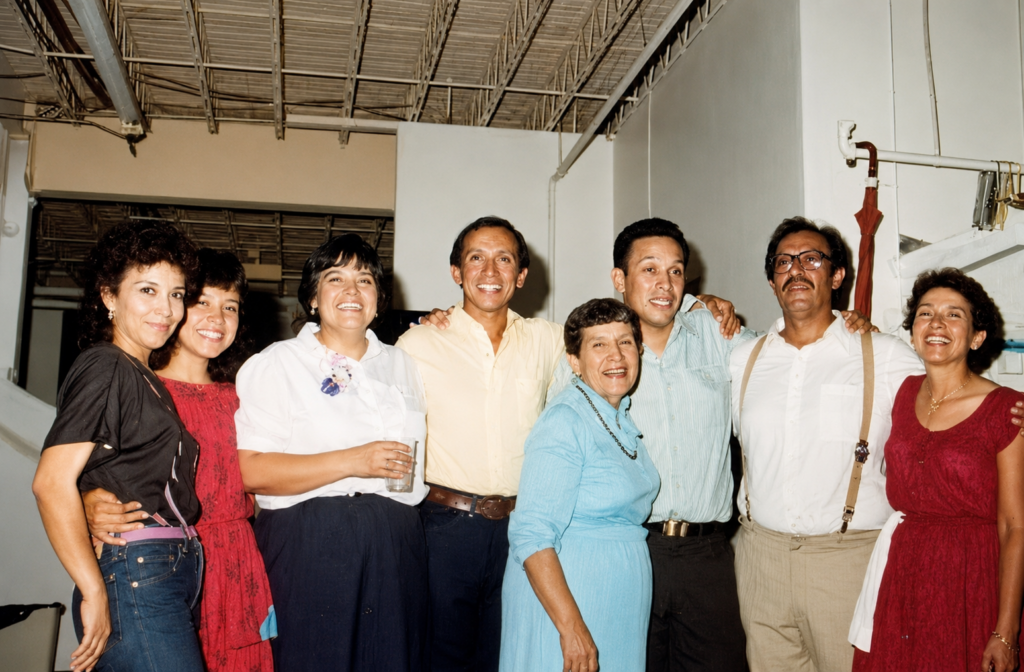
We, a family of twelve, nine girls and three boys, grew up in extreme poverty in Southeastern Colorado, first in a permanent labor camp for Mexicans and later in the town of Las Animas. Our industrious, practical and resourceful mom worked her way up from field worker to hospital cleaner and then to practical nurse. She loved America where she had lived since, she was nine months old. And she loved her job. When she was asked what the PN stood for after her name, she would say, “Oh, Practically Nothing.” She was always looking for a better job for Papa, a Mexican with little to no English and got him out of the fields by landing him the job of hospital laundry man.
Now, who doesn’t believe in miracles? She did it by showing him how to soak bloody sheets in cold water before throwing them in the washing machine, and how to work the ironing machine, and going to the basement to supervise his work during her breaks. Those were a few good years we had without economic stress, when we could pay the rent, our utility bills, and have delicious roast beef every Sunday. Even with us, the older girls taking care of things at home —making a stack of flour tortilla after school along with beans and rice for all — their workday was long and hard, especially for our dad, who had to hang the hospital linens outside to dry.
When the hospital board decided to send the laundry out, our dad lost his job. We were back to where we had been before, with our mom working two shifts at the hospital as we all tried desperately to make ends meet. Mom would decide which utilities we could pay each month along with our mortgage. I recall at age thirteen or so returning with great fright from paying the bills in person,
— Mom, the lady at the electricity office, says that if we don’t pay all our bill, she is going to turn off our lights.
— No, she’s not, she knows me.
The lights were never turned off, and neither was the gas or water, but the telephone was from time to time. A miracle, indeed! Nothing was going to intimidate this grand woman.
She had experienced larger battles keeping her little ones alive during the depression and nothing was going to turn her around now. She had even walked five miles in the snow to get RELIEF, an FDR program for the poor. From that moment forward Mom was an FDR Democrat and never failed to vote after she became an American citizen at age 32.
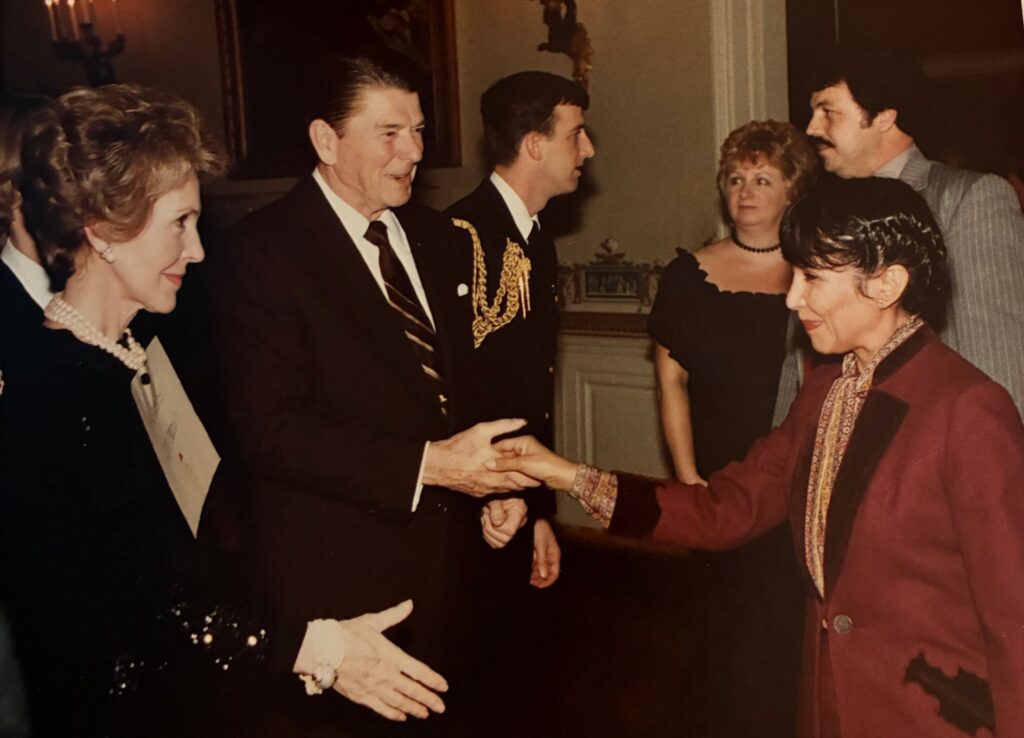
Dad would now work summers in the fields again and try to hold on to part-time winter jobs that mom would find him in town. But it was very difficult for him to hang on to them for any American citizen who wanted his dish-washing job at the local hotel or janitor’s job at the courthouse could take it away from him. Dad only had a resident’s visa. It broke my heart seeing him on a rainy day trying to hide the tears streaming down his cheeks as the rain drops hit the windowpane.
Yes, we were very poor economically, but we were rich in culture and values. We were raised with much respect and love for each other, and especially with a love for the best in America and Mexico. We were truly a bi-cultural family taking advantage with all the good and goodness around us and at the same time our dad making sure we spoke Spanish and sang the poetry and songs of his beloved Mexico.
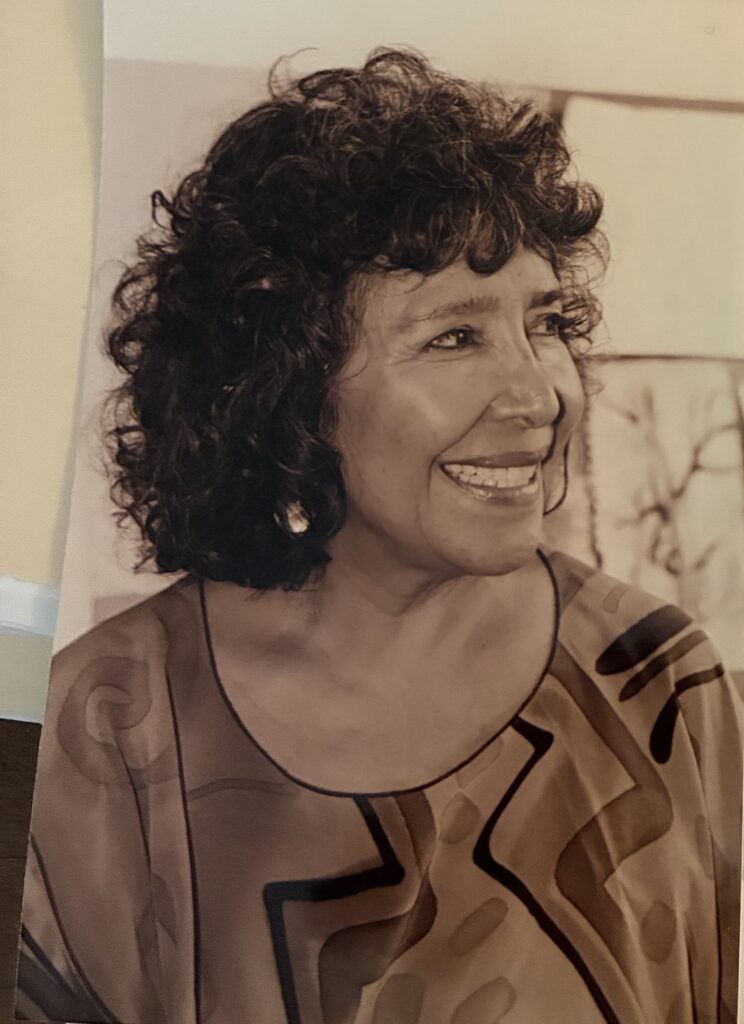
Dad always said, “You are smart and can speak both languages. We did. Now there is another miracle! “And miracle of miracles, wonder of wonders…” six of us got advanced degrees with two MA’s and one MFA. Degrees or not, we were almost all caretakers as of our communities and nation as teachers, nurses, playwrights and human rights workers.
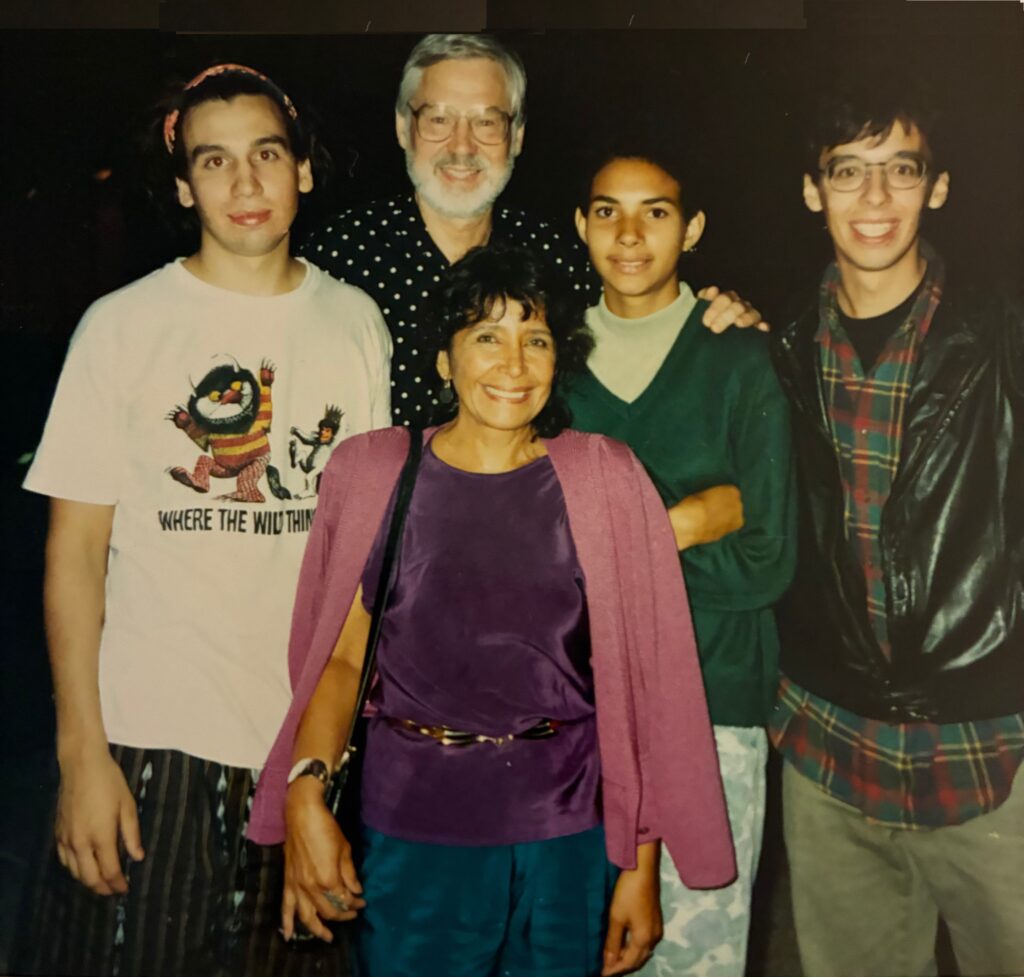
Mom made sure we joined the Brownies, Girl Scouts, and the school band. When I came home crying because a second-grade classmate had said, “We don’t want any Mexicans in the Brownies,” Mom scolded me and said, “You want to be a Brownie? You’re going to be a Brownie.” I was the only brown Brownie, and oh, what a wonderful experience it turned out to be. Mrs. Octavia Beck, our leader, greeted me as if I were the most important person in the world and then asked me to be the welcoming speaker at the ceremony for our pins and badges.
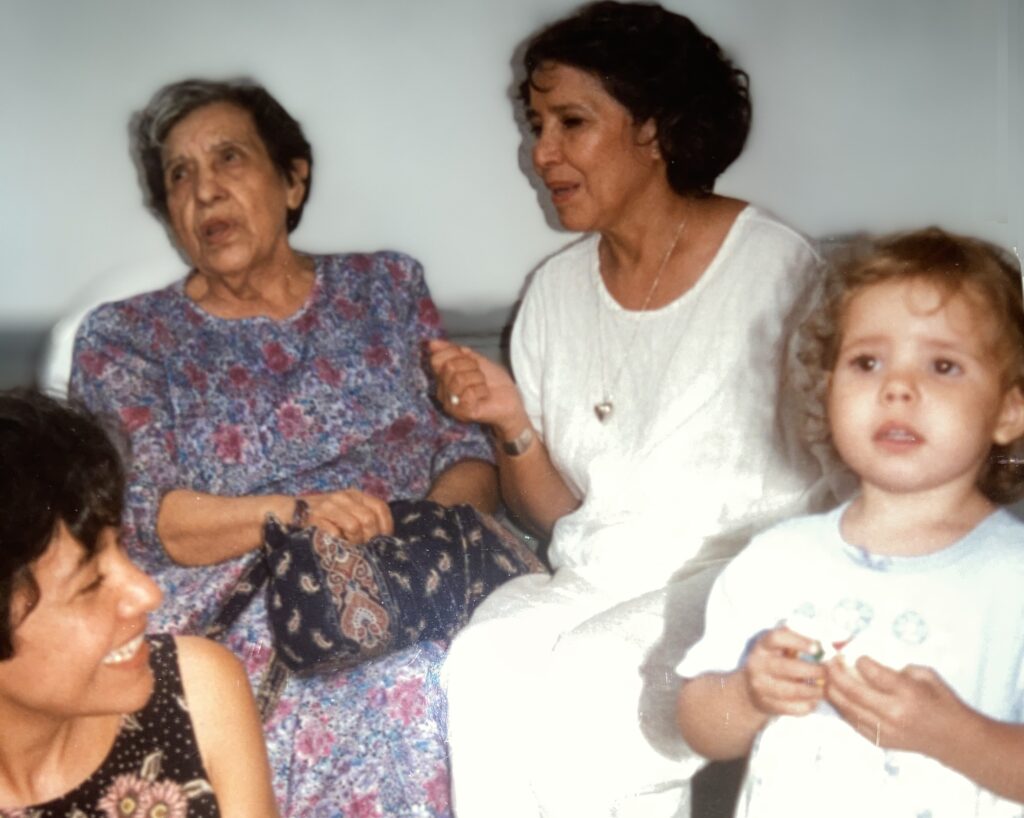
Now there was another miracle! She didn’t know and never knew that I had been giving short speeches, written by my father, since age three at the Mexican Independence Day celebrations. My first speech was, “Viva Hidalgo! Viva Juarez! Viva Mexico!! And with her activities and guidance, I learned about our democratic ideals — justice and equality and liberty for all!
During that time, we were lucky that they were no longer deporting Mexican workers or “Dreamers,” as they are called today. But now our world is upside down. Our democracy is in shreds. Is there time to mend it? There is no place for asylum seekers to go except back home where they might be imprisoned, tortured or killed. Undocumented immigrants with no criminal records are being deported or imprisoned and brutalized with no transparency. Now even green card holders might be rounded up and imprisoned. Why? To make more money for private prison owners.
That is why the former champion of the Dreamers has a sign outside her lawyer’s office that says, “Aquí no hay milagros. Here, there are no miracles.” More on that when I write again.
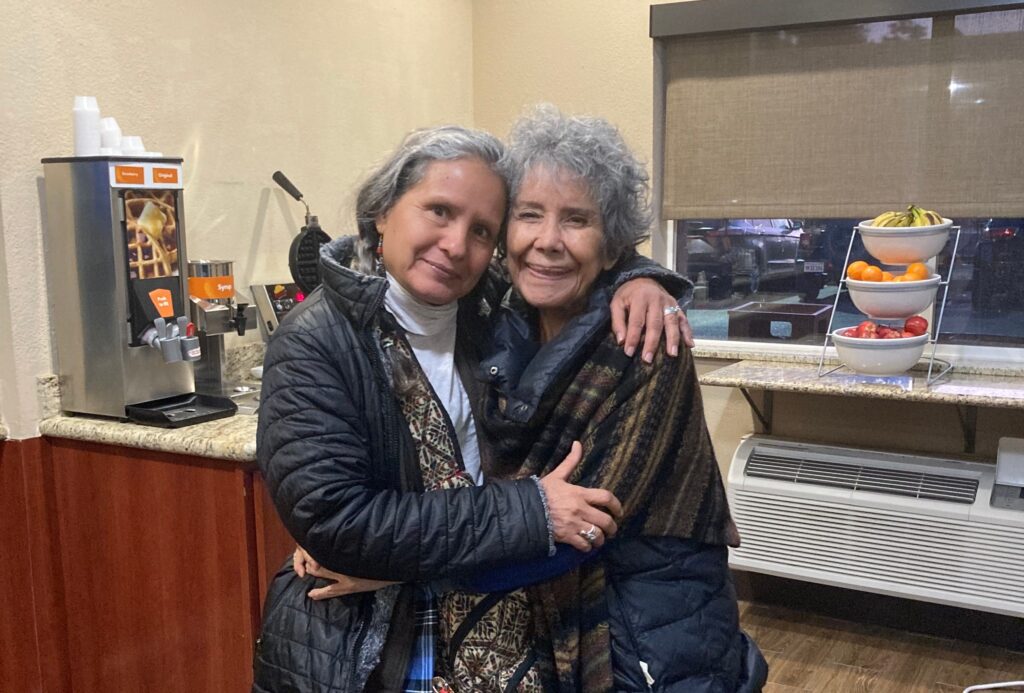
Leno was one of the nearly 40 million Mexican Americans living in the United States. Throughout his life, he championed many causes, but above all, he stood for human rights and democracy—values that each of us must continue to defend with all our strength. We must strive for an America where equality, freedom, and justice are guaranteed for everyone. Yes, every person in the United States is entitled to constitutional rights. Long live the United States and long live the American continent!


I really enjoyed the story!
Tencha Avila is a beautiful person very dedicated to her work and I love that .
I feel grateful every time she invites me to work on her projects.
Viva Tencha Avila !!!