

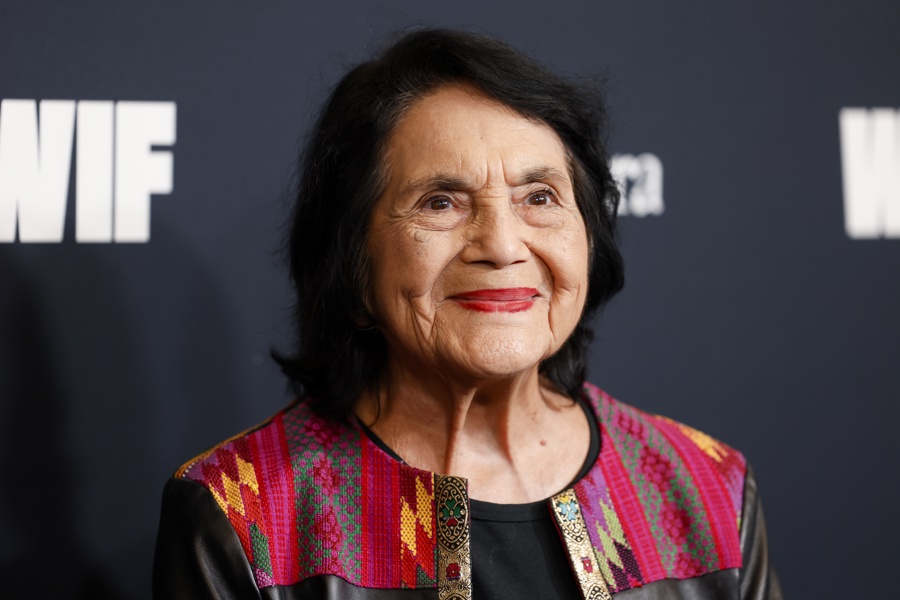
PHILADELPHIA, PA – The National Puerto Rican Agenda (NPRA) has joined leaders, labor advocates, and civil rights organizations across the nation in mourning the passing of Dolores Huerta, the legendary labor organizer and civil rights activist who died on October 28, 2026, at the age of 96.
In a statement, the Philadelphia-based organization recognized Huerta’s extraordinary contributions to social justice and her decades-long fight to improve the lives of farmworkers, immigrants, women, and working families throughout the United States.
Huerta was born on April 10, 1930, in Dawson, New Mexico, and grew up in Stockton, California. Her commitment to public service began early as a teacher, where she witnessed firsthand the poverty and inequality affecting many of her students’ families. Determined to address those systemic injustices, she left the classroom and dedicated her life to organizing workers and empowering underserved communities.
In 1962, Huerta co-founded the National Farm Workers Association alongside labor leader César Chávez, an organization that later became the United Farm Workers). Together, they led one of the most significant labor movements ers (UFW in American history, helping agricultural workers secure safer working conditions, better wages, access to clean drinking water, rest periods, and protections from harmful pesticides.
Huerta became one of the movement’s most effective negotiators and strategists. Throughout her career, she successfully negotiated numerous labor contracts that improved the lives of tens of thousands of farmworkers. Her organizing skills were essential during the historic Delano Grape Strike and nationwide consumer boycotts that brought national attention to the exploitation of agricultural laborers.
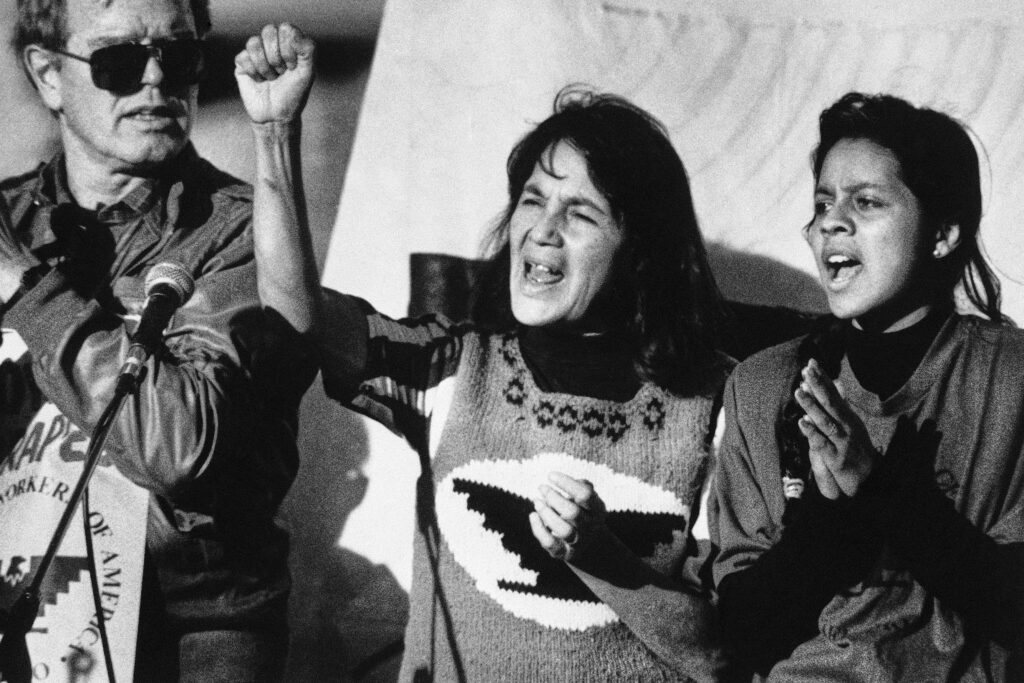
Beyond labor rights, Huerta emerged as a leading voice for civil rights, women’s equality, immigrant justice, voting rights, and political participation. She encouraged Latino communities to become more engaged in civic life and inspired generations of activists to advocate for social and economic justice.
One of her most enduring contributions was the phrase «Sí, se puede» («Yes, we can»), which she coined in 1972 during a struggle by Arizona farmworkers. The slogan became a rallying cry for labor organizers and later evolved into an internationally recognized symbol of hope, perseverance, and collective action.
«Today we mourn the loss of an extraordinary leader whose courage, sacrifice, and unwavering commitment to justice helped transform our nation,» said Nilda Iris Ruiz, president of the National Puerto Rican Agenda.
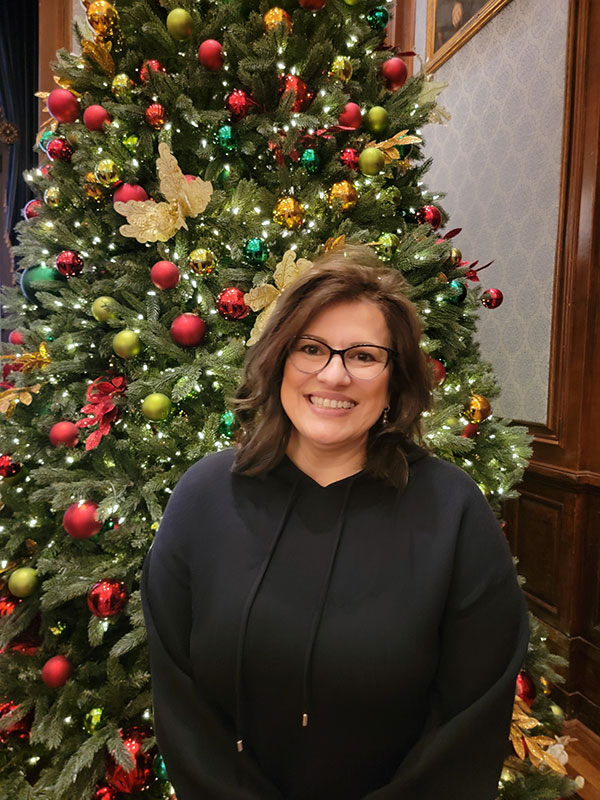
«Dolores Huerta demonstrated that meaningful change is possible when communities come together and organize for a better future.»
Ruiz noted that Huerta’s influence extended well beyond labor organizing. She became a role model for women leaders, particularly Latinas, who saw in her example proof that determination and leadership could break barriers in movements traditionally dominated by men.
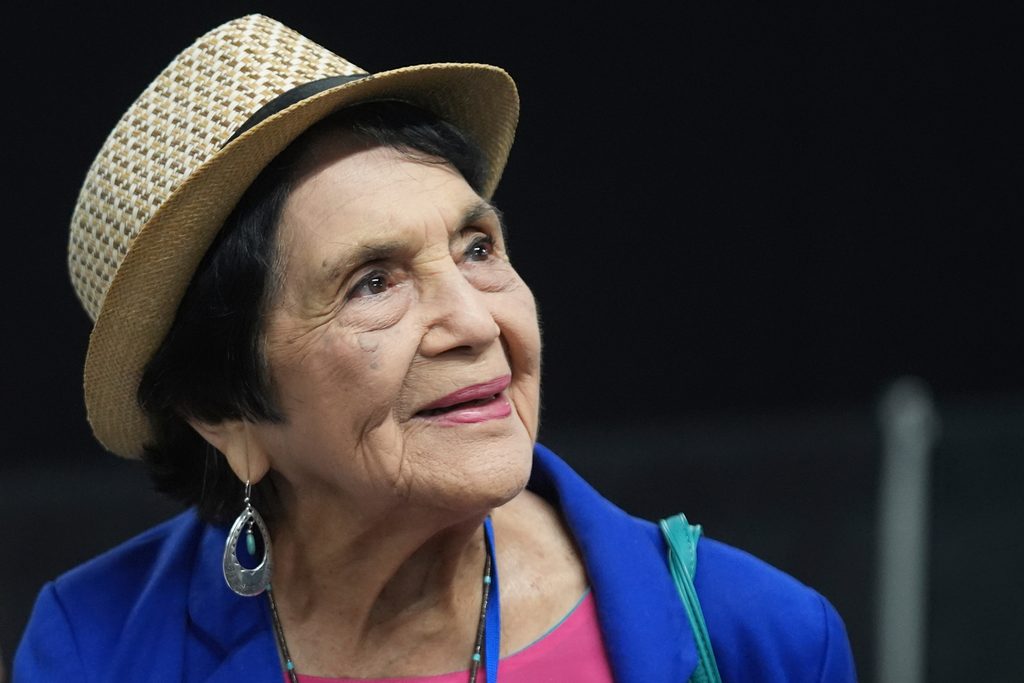
Throughout her life, Huerta received numerous honors, including the Presidential Medal of Freedom, the nation’s highest civilian award, presented by President Barack Obama in 2012. She continued advocating for workers, immigrants, and women well into her nineties, proving that activism is a lifelong commitment.
For the NPRA, Huerta’s passing represents not only the loss of a historic leader but also a call to carry forward the work she began. The organization emphasized that issues such as economic inequality, workplace protections, immigrant rights, and equal opportunities remain critical challenges for many communities today.
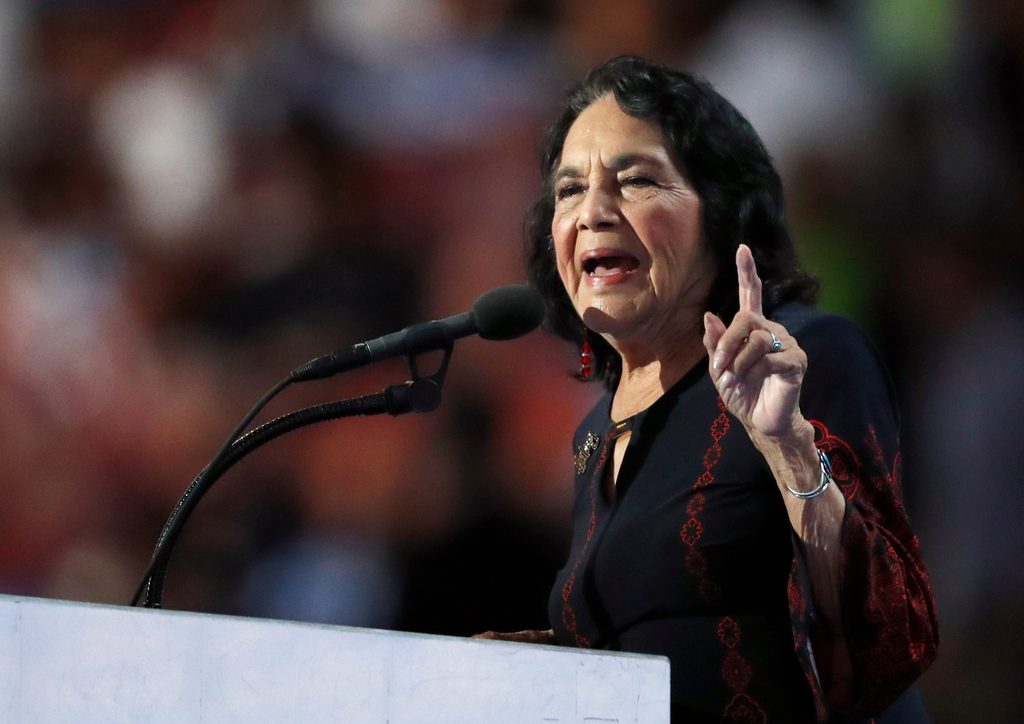
«The greatest tribute we can offer Dolores Huerta is not simply remembering her words, but living by them,» Ruiz said. «Her legacy reminds us that every generation has a responsibility to continue the struggle for justice and dignity.»
The National Puerto Rican Agenda extended its condolences to Huerta’s family, the United Farm Workers, the Dolores Huerta Foundation, and the millions of people whose lives were touched by her advocacy.
Although her passing marks the end of an extraordinary life, her impact continues to resonate through labor movements, civil rights organizations, and community advocates across the nation. More than half a century after she helped launch a movement, her message remains as powerful as ever:
«Sí, se puede.»