


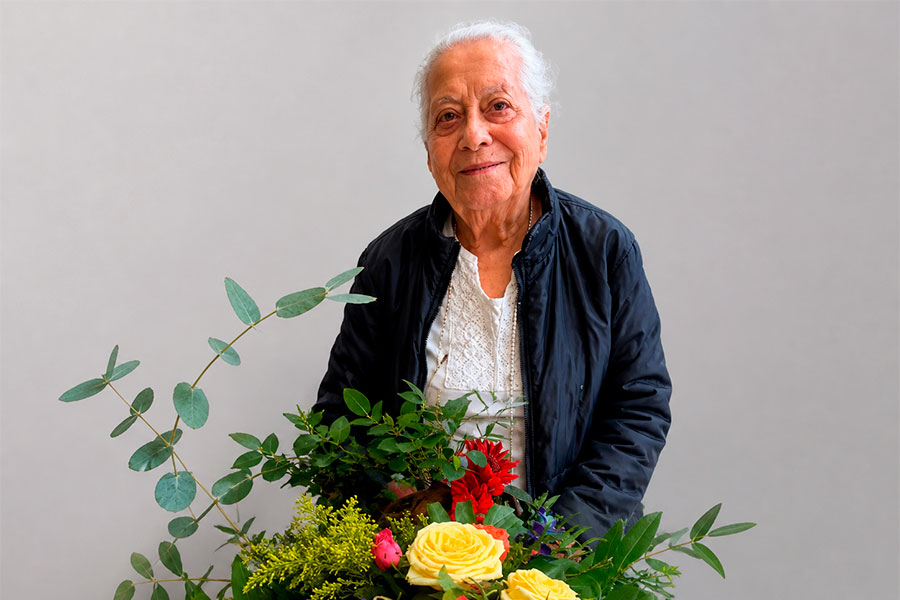
The aroma of freshly brewed coffee fills the streets of North Philadelphia each morning, a ritual that has marked the beginning of the day for migrant families for decades. At the center of this quiet, supportive world is Doña Eloísa Zayas, a woman from Salinas, Puerto Rico, who at 90 years old remains the invisible pillar supporting the dreams of many.
She is more than a caregiver; she is a compassionate answer to the struggles of those who arrive without support systems. She embraced this mission early in life, shaped by her own experience of arriving at age 15 in a community that once felt unfamiliar, where she learned firsthand how difficult it can be to move forward.
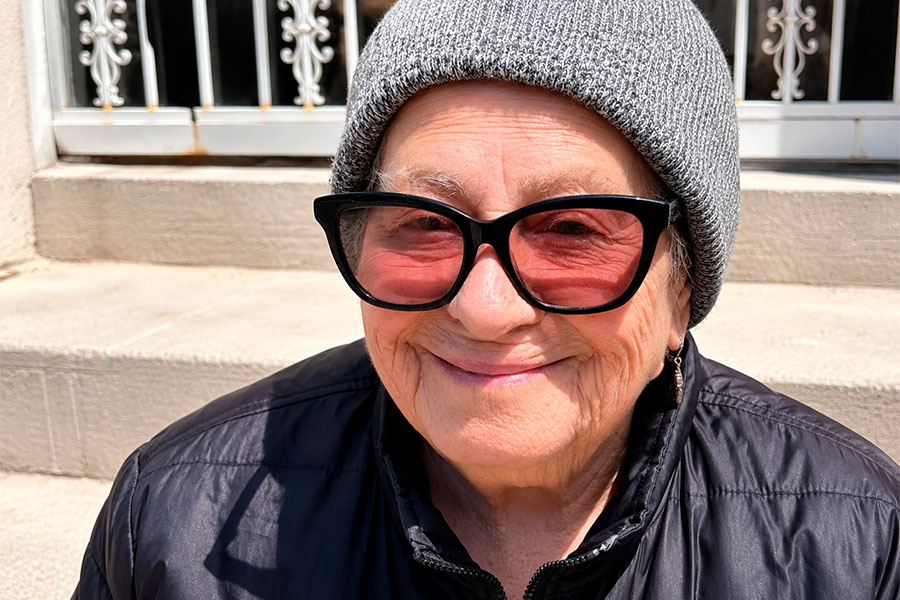
While today the neighborhood is a vibrant mix of Mexican, Dominican, and Guatemalan families, Eloísa remembers a different Philadelphia, where unity was built by sharing meals. “We have to take care of each other as Hispanics,” she says firmly, echoing a value passed down from her father, who used to say they should always put “the big pot on” to help any neighbor in need.
She carried that spirit to her block in North Philadelphia, where she guided more than 50 children to school, earning the nickname “the Neighborhood Grandmother” from the many children who filled her home.
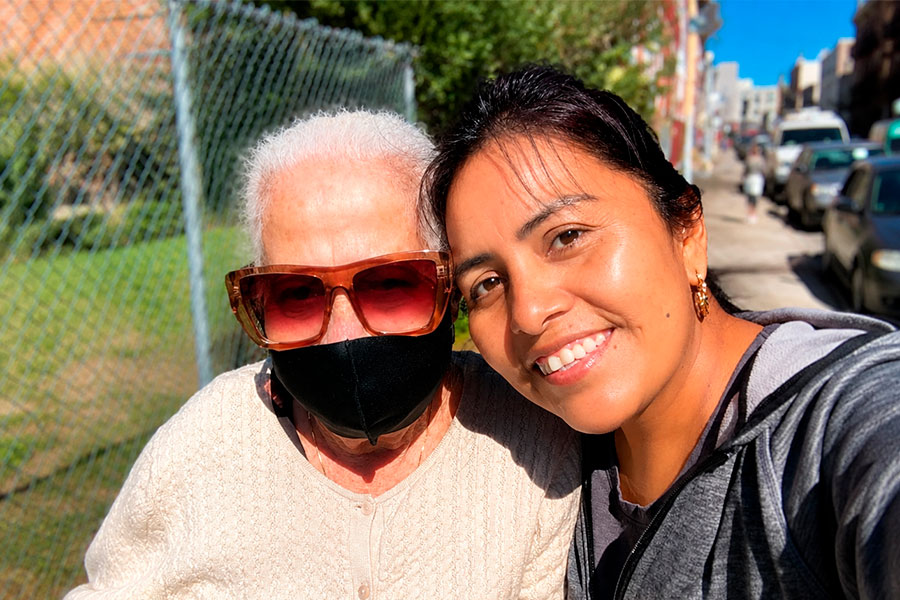
Eloísa’s house has always been a sensory refuge: the rhythmic sound of her knitting needles, the rich aroma and taste of coffee — “Rico” or “Bustelo” — generously offered to anyone who climbed her steps (or “cera,” as she calls it). For her, there are no national boundaries; she feels the pain of injustice toward any Hispanic person as her own, a sensitivity that has deepened amid the social and political climate of recent years.
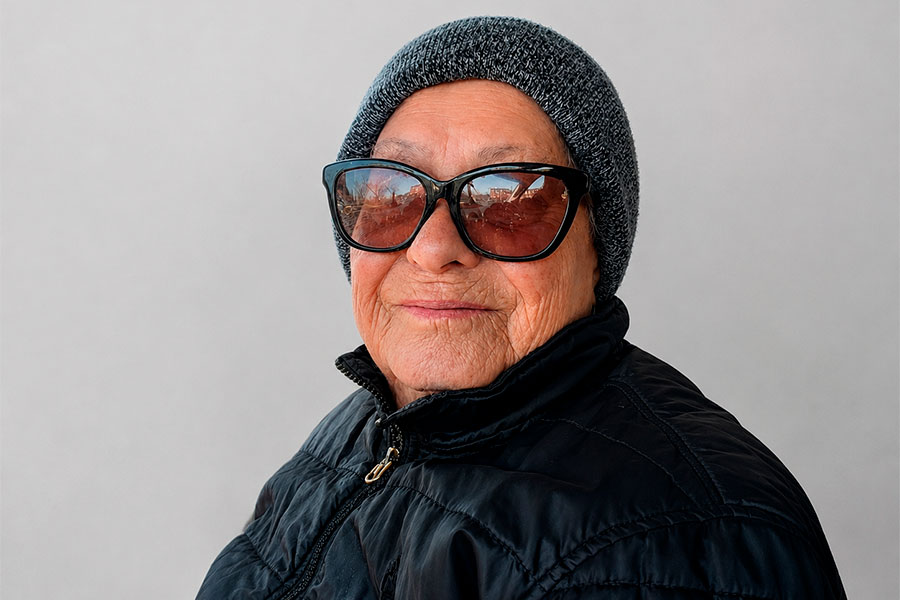
Despite facing health challenges with strength, her greatest joy is the love and respect of those who call her “grandmother” as she passes by — including adults who were once her “little chicks.”
Today, Eloísa finds peace walking among the trees and listening to birds in the spring, feeling as if she is in a small paradise while receiving the love of the community she helped raise. Her message to mothers is one of gratitude for the trust they placed in her, reaffirming that she was — and continues to be — a mother to all.
On the streets of Philadelphia, her story stands as a testament that true community resilience is built with threads of care, shared coffee, and a door that never closes.
I met Doña Eloísa when I was eight years old. She took care of me and my siblings while my mother worked long hours to provide for us. I remember she would pick us up from school, take us to the park, and stay with us until my mother arrived. For many children in North Philadelphia, Doña Eloísa was much more than a caregiver; she was like a grandmother, a guide, and a living example of love for others. Today, after completing a master’s degree in Theology and Ministry and while pursuing a second master’s in School Counseling, I understand more deeply the impact both Doña Eloísa and my mother had on my life. Many of the values and skills I apply in my career today come from what they taught me: to help others, to listen with empathy, and to serve with heart.
— Omar Rentería


I don’t know where I would be if it weren’t for Wela, as most call her or Doña Eloy, as others call her. She is the neighborhood matriarch. Everyone loves and respects her. She is always willing to help anyone. Thanks for giving her the recognition she deserves.