

On weekends, Hamilton Street fills with restaurant traffic, festival crowds, and live music.
This is a contrast to the vacant storefronts and fading buildings that once defined Allentown. Over the past decade, Pennsylvania’s third-largest city has undergone a transformation. New apartments, theatres, and small businesses have reshaped the city center, while a growing Latino population has helped redefine Allentown’s identity.
Despite decades of poverty and decline, Allentown has emerged as both a redevelopment success story and one of the most important centers for Latino life in eastern Pennsylvania.
The Lehigh Valley itself has become a region in resurgence. Warehousing, logistics, healthcare, and new corporate investment are contributing to economic growth across eastern Pennsylvania. Projects like Eli Lilly and Company’s planned 3.5-billion dollar pharmaceutical manufacturing investment give the Lehigh Valley for optimism.
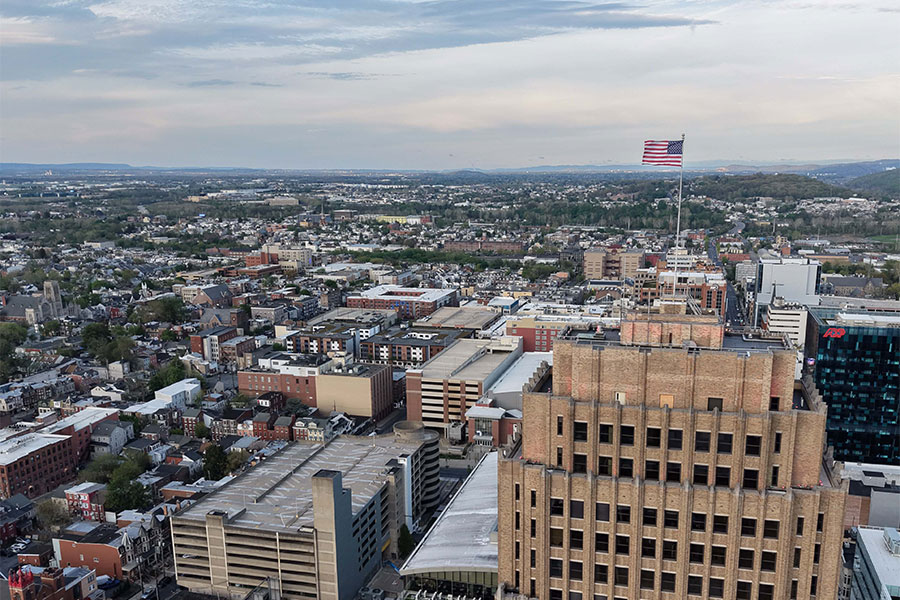
That momentum has increasingly centered around Allentown, which is also known as the Queen City.
These changes have not gone unnoticed by long-term locals.
Elias Saba, 30, is Allentown born-and-raised.
“Over the course of a decade, I watched as Coca-Cola Park appeared in my backyard, the PPL Center popped up in Center City,” Saba said. “I think I’ve seen three city blocks disappear and get rebuilt in as many years.”
Beginning in the mid-2010s, redevelopment accelerated through a combination of public investment and private development. The Neighborhood Improvement Zone allowed certain tax revenues generated downtown to be reinvested directly into local projects. The incentive helped attract large-scale construction and encouraged developers to take risks in a city long viewed as economically uncertain.
Redevelopment has also brought new residents into the city.
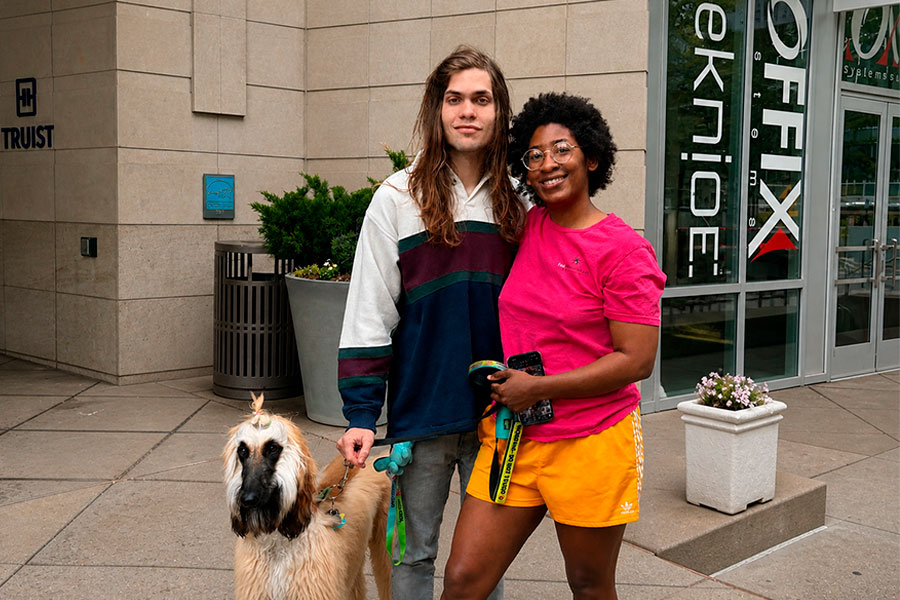
Ivy Fox moved to Allentown last year from Poconos, drawn by the city’s central location and walkability. A dog handler and artist working on private commissions, she says Allentown offers convenience that smaller communities often lack.
“We are very centrally located for dog sports,” Fox said. “I live six minutes away from the Allentown Fairgrounds. You get a farmers’ market and a dog show and you don’t have to go far to get it. Being able to walk somewhere and get food or meet up with friends and be where everything is – it’s an attraction.”
Fox is enjoying her new city, but she recognizes that not everyone benefits equally from change.
“The toughest thing is kind of watching people struggle,” she said. “You step outside of the nice place you live and there are people who are struggling with addiction and things like that. It makes me sad. People are just walking past.”
The contrast Fox describes is visible throughout the city.
While redevelopment has improved downtown infrastructure and increased investment, it has also raised concerns about affordability. Housing prices and rents have climbed as new development attracts residents from outside the area. In a city where many families have lived for generations.
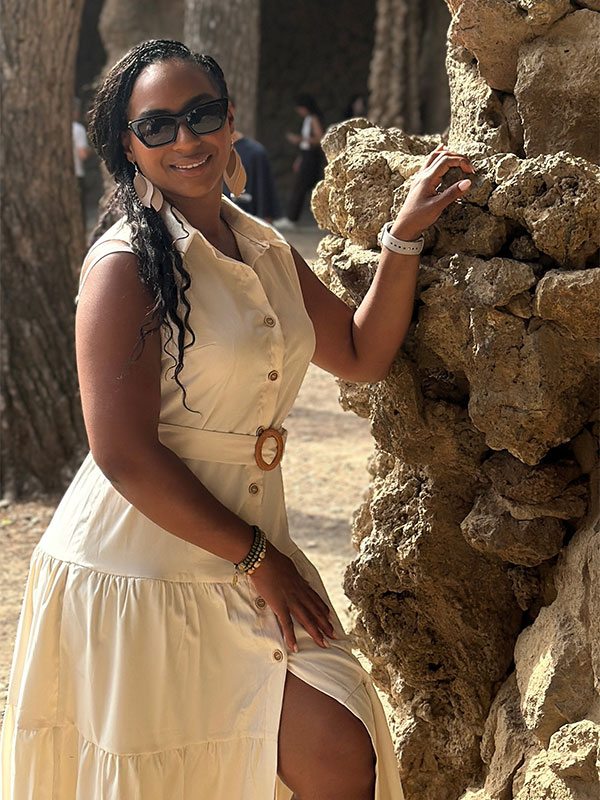
Orquidea Pamela, 39, recognizes these challenges. “As a home care nurse working primarily in Center City, I am concerned by the poverty I encounter. I often see residents living with extremely limited resources.”
That question is especially important in a city where Latino residents now make up more than half of the population.
Allentown’s Latino community has long been central to the city’s identity. Puerto Rican migration helped shape neighborhoods throughout the city, and more recent immigration from the Dominican Republic, and Central America has further diversified the population. One of the USA’s oldest Syrian communities also calls Allentown home.
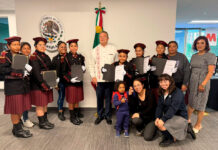
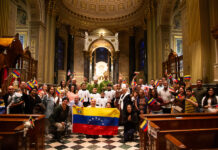
Today, Latino influence is visible across daily life: in restaurants, churches, businesses, schools, festivals, and political leadership. The community here remains resilient.
Pamela herself is a great example of this resilience. She came to Allentown from the Dominican Republic in 1996. Now, she’s a managing nurse for Lehigh Valley Health Network, and runs her own travel consultation business: TravelLust. Somehow, she manages to find the time to raise three boys and stay connected to her culture.
“I love how there are events that promote cultural experiences, such as Dominican and Puerto Rican parades and festivals,” she said.
Events such as Fiesta on Hamilton and the Puerto Rican Festival bring residents together each year, transforming downtown streets into public gathering spaces filled with music, food, and Latin pride.
This is especially significant in Allentown, which was historically subjected to housing discrimination which caused ripple effects that keep Hispanic communities separated to this day.
“Now, the Latino community has been leading,” Pamela said. “They close down parts of Hamilton and Seventh Street and have music and so many food kiosks allowing the Latino community to come together and enjoy the mixture of cultures,” Pamela said.
That cultural presence extends beyond festival season.
Unlike some major American cities where Latino neighborhoods have shrunk because of rising costs such as New York’s Upper East Side, Allentown’s Latino population continues to grow. Latino residents became the majority population in the city around 2020, reflecting continued demographic change.
Local establishments such as La Vida Café have maintained strong community ties while benefiting from increased foot traffic and renewed economic activity. Founded as a nonprofit initiative connected to Life Church, the café reinvests much of its revenue into community programs.
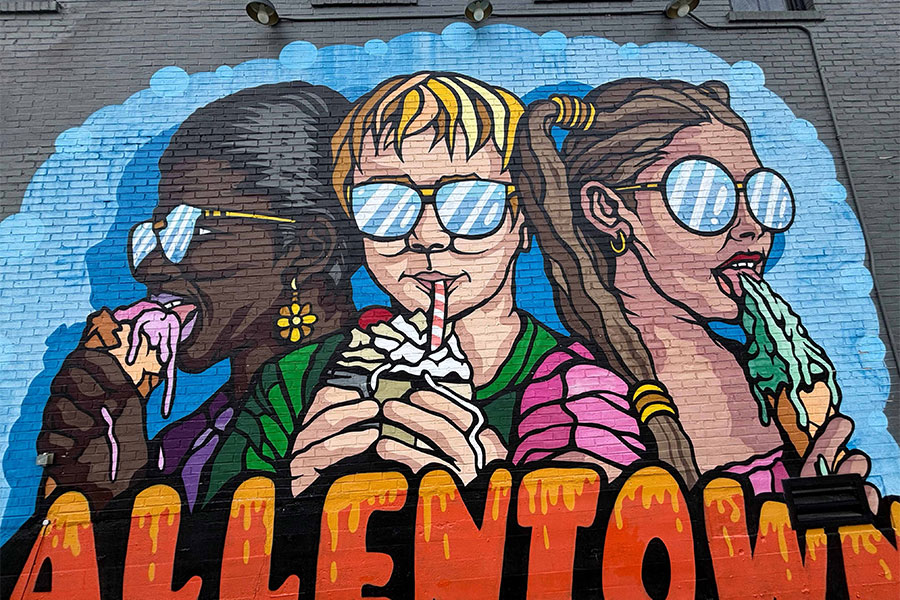
It is possible for a local to start their day with a Cubano at La Vida in the morning and end the night drinking Cafe con Leche and eating Cuban Fusion cuisine at Rosa Blanca, a Latino owned and operated restaurant originally launched by Iron Chef winner Jose Garces.
Latino leadership is also increasingly visible in politics.
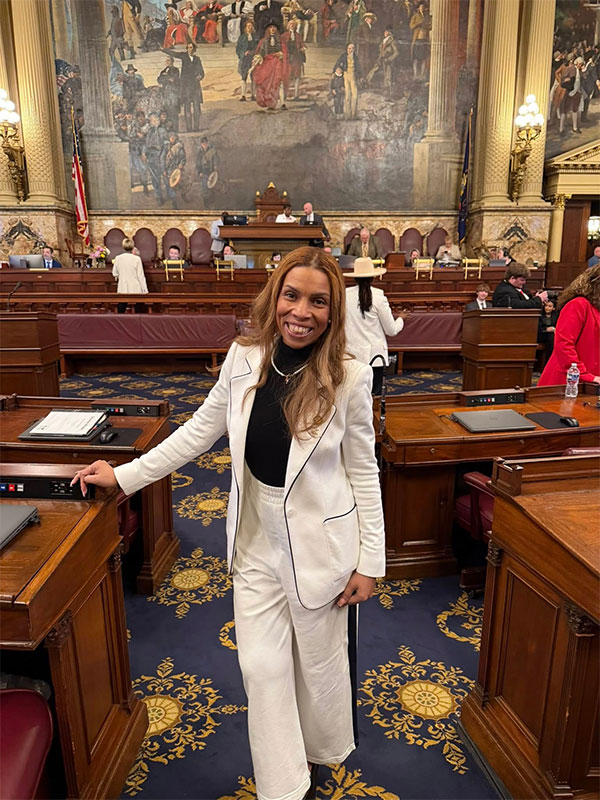
Dominican American State Representative Ana Maria Caballero Tiburcio became the Lehigh Valley’s first Latino state legislator and the newest member of the PA Legislative Latino Caucus after winning a special election in February. The city’s political leadership increasingly reflects the demographic makeup of its residents.
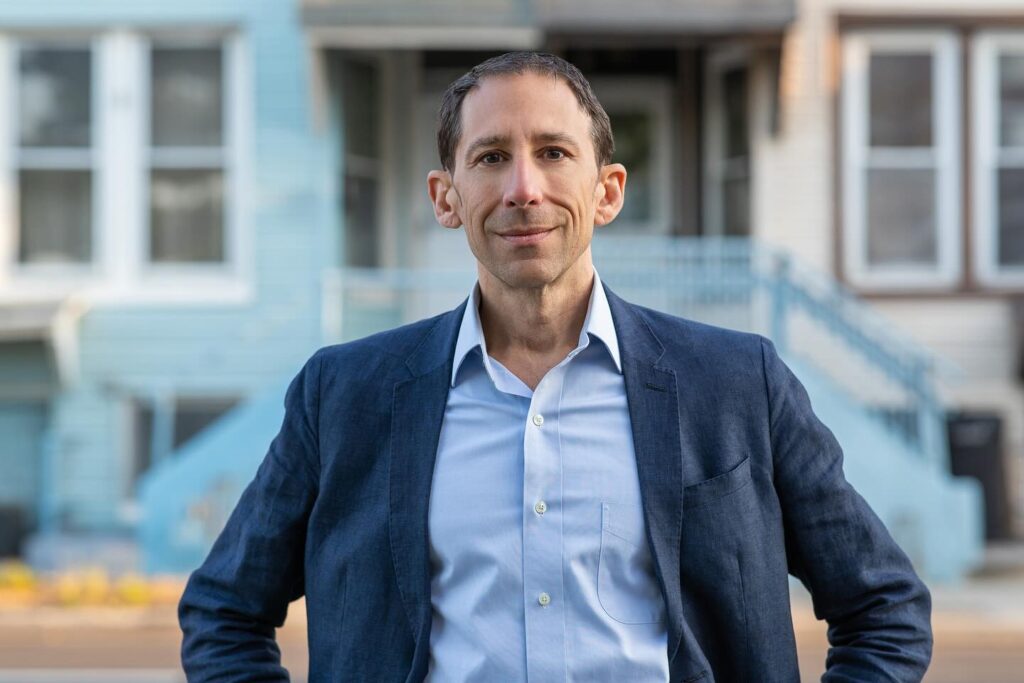
Mayor Matthew Tuerk is of Cuban descent, and Latino representation continues to grow across local government.
Allentown even maintains a sister-city relationship with Santo Domingo Este in the Dominican Republic.
Allentown may be changing, but the Queen City refuses to forget its roots.
Reflecting on the diversity and vibrancy of his home city, Elias Saba sums it up perfectly “Allentown is a prime example of what America strives to be.”