

Philadelphia, PA – For Sam Rodriguez founder of Walls For Justice, a mural is never just paint on a wall. It is memory, protest, and a statement asking people to stop, look, and recognize the stories around them.
Walls For Justice began in 2020, during a moment of national protest and uncertainty. Across Center City, businesses covered their windows with plywood. For many, boards represented fear and disruption. For Sam, they became a canvas.
The organization brought together local artists, businesses, protesters, and community members to create murals that spoke to change. In that moment, Walls For Justice gave people another way to participate in the movement.
“We gave people a new way to protest,” Sam said, “and that was protesting with a paintbrush.”
That idea remains at the center of the nonprofit’s work. Walls For Justice uses art to uplift social movements and communities, creating public pieces that carry messages of justice, identity, and collective responsibility.
For Sam, murals matter because they exist outside the limits of a phone screen. In a digital world where people scroll past stories in seconds, public art creates a different kind of attention. It brings meaning directly into the streets.
“Public art does something that our phones can’t do,” he said. “It captures people’s attention.”
But the power of Walls For Justice is not only in the final image. It is in the process. Sam does not believe in entering a neighborhood and deciding what people need to see. Instead, the organization works with businesses, artists, and community members who help shape, paint, and preserve the work.
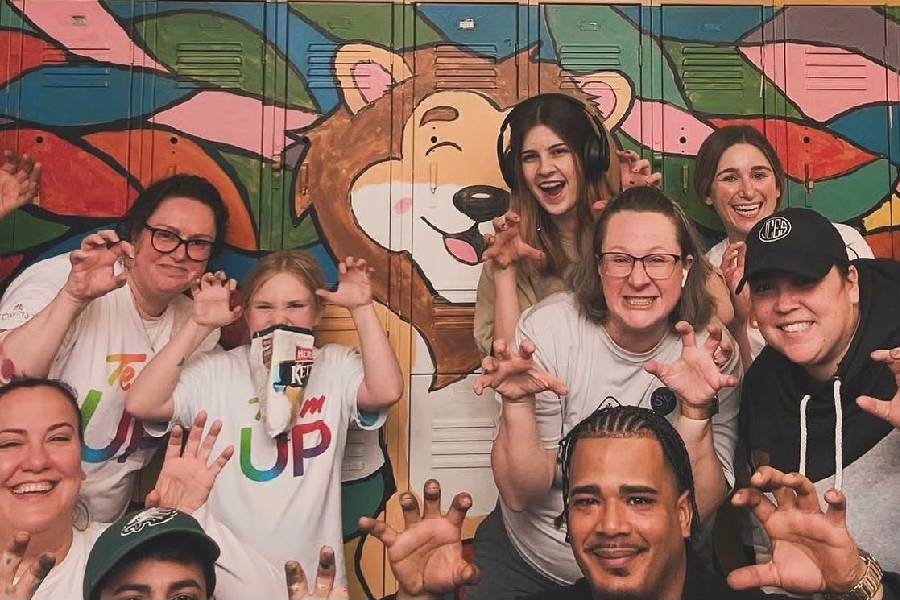
That participation creates ownership.
“When you have participatory action from community members, it gives them ownership of the artwork,” Sam said.
That approach turns murals into tools for storytelling. They become reflections of the people who live there, not decorations placed over them. Residents can see their experiences, struggles, culture, and hopes represented in a permanent public space.
Work also creates healing. Sam said people often leave mural projects feeling better than when they arrived. Painting becomes a shared activity, but also a form of connection. Neighbors who may usually pass each other without speaking suddenly stand side by side, creating something together.
“Not only are we painting and doing something fun, but there’s a social connection,” he said.
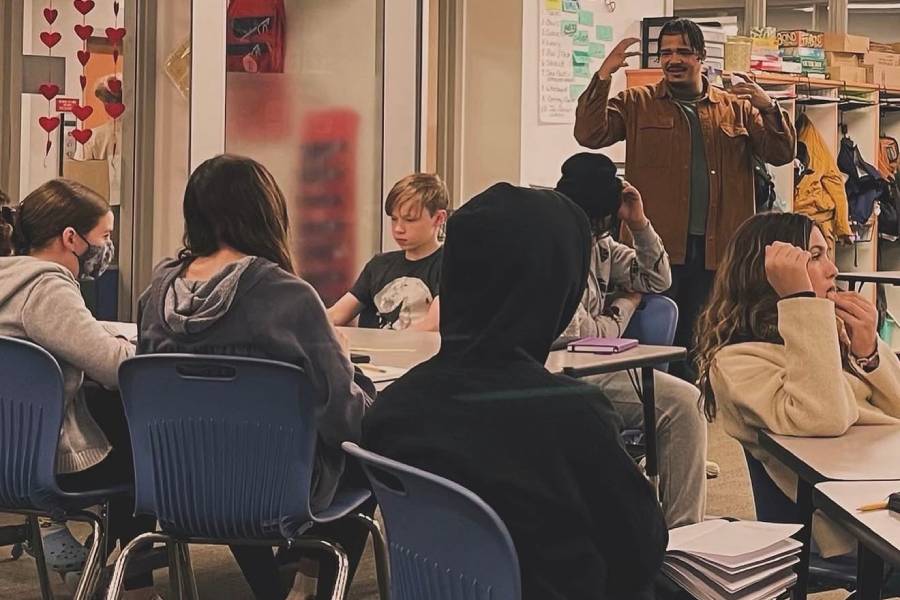
Mentorship is another major part of the mission. Sam intentionally works with emerging artists, especially those who may not yet have access to large public art opportunities. He knows talented young artists can be overlooked when institutions repeatedly turn to the same established names.
Through Walls For Justice, he provides opportunities he wished he had earlier in his career. He teaches artists about the tools, technology, planning, and discipline behind large-scale mural work. For him, sharing knowledge is part of the responsibility.
“I don’t like to gatekeep the mural world,” Sam said.
That commitment reflects his larger belief in young people. When artists are trusted with real opportunities, they grow. When communities make space for them, society moves forward.
“When we trust young people more, we’re able to help society take two steps forward,” he said.
Sam’s identity as a Puerto Rican leader also shapes his work. Living in the United States has not weakened his connection to Puerto Rico or the issues affecting the island. He spoke about the responsibility Puerto Ricans carry to stay aware of crises involving power and justice.
“We still have that strong connection to our island,” he said. “We want to see it thrive.”
That pride is rooted in preservation, community, and the belief that people have a duty to fight for what is right. Sam sees that same spirit in the work of Walls For Justice.
One of the organization’s meaningful works is “We the People of Tomorrow,” located at Philadelphia International Airport in American Airlines baggage claim A. For many travelers, the mural is one of their first impressions of the city. Sam said it was designed to help people recognize something familiar even when they are far from home.
He hopes the mural makes people feel welcomed, warm, and seen.
That is the deeper purpose of Walls For Justice. Each mural carries a different message, but together they form a larger movement. They remind people that art can speak where words fall short. It can hold grief, pride, protest, memory, and possibility at the same time.
For Sam, the work is not simply about painting walls. It is about building a world with more color and courage.
For more information, you can email wallsforjustice@gmail.com.