

The history of Latinos in Philadelphia is a story of resilience, migration, and collective community-building spanning more than 250 years. Although its roots trace back to commercial and political ties established in the eighteenth century, the community began to take shape in the mid-twentieth century with the arrival of Puerto Ricans, who laid the social, cultural, and economic foundations of what is now one of the most dynamic Latino populations in the northeastern United States.
During the colonial and post-Revolutionary periods, Philadelphia served as an important port for trade with the Caribbean and Spain. Latin American merchants, sailors, and intellectuals passed through the city, which also became a center of influence for independence movements across Latin America. However, it was not until the twentieth century that a permanent and visible Latino community emerged.
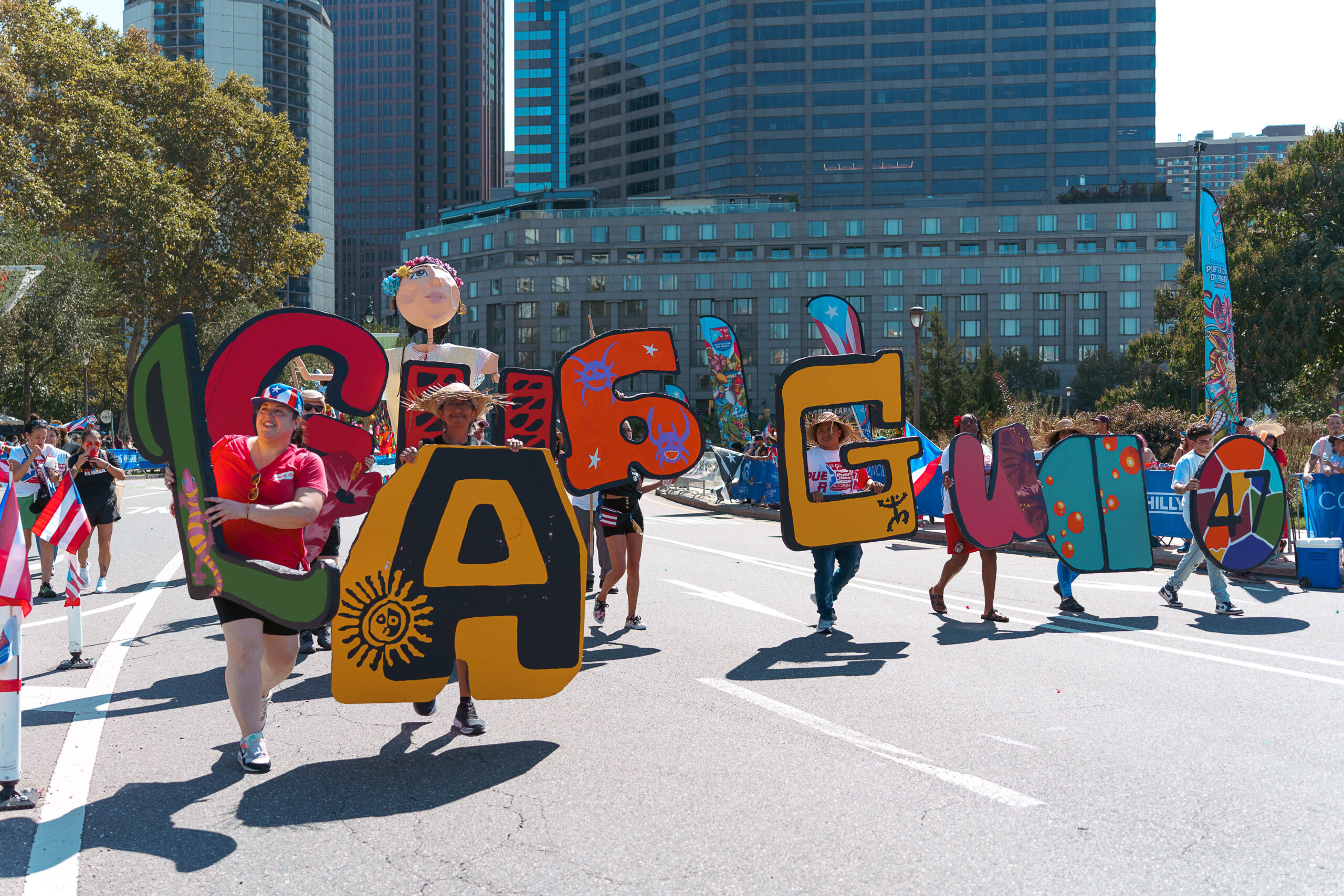
The turning point came between the 1940s and the 1960s, when thousands of Puerto Ricans migrated to Philadelphia as U.S. citizens seeking employment in the manufacturing sector. By 1950, the Puerto Rican population had already surpassed 20,000, and in the following decades it grew rapidly, concentrating primarily in North Philadelphia, especially in neighborhoods such as North Philadelphia and Fairhill, now known as El Centro de Oro (The Golden Block).
During this period, churches, businesses, community organizations, and support networks were established, enabling the community to confront discrimination, language barriers, and economic inequality. The first campaigns for bilingual education and accessible public services also emerged, creating a model of community organizing that would later inspire other Latino communities.
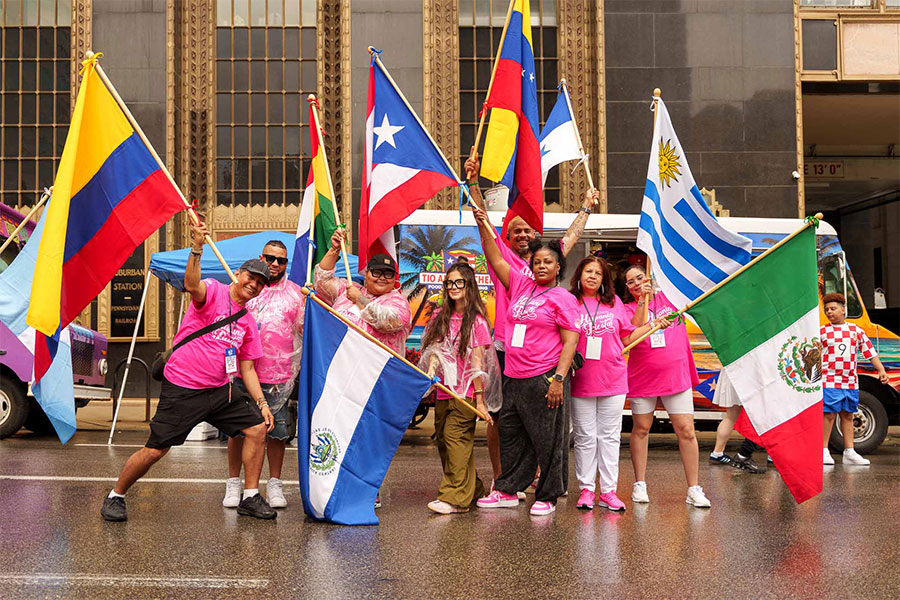
According to historical U.S. Census data, beginning in the 1970s Philadelphia’s Latino population became increasingly diverse with the arrival of immigrants from the Dominican Republic, Mexico, Colombia, Cuba, and Central America. By 1990, the Latino population had surpassed 89,000, solidifying its presence in the city and expanding its influence on the local economy and cultural life. During these decades, small businesses flourished, community organizations strengthened, and Spanish-language media outlets emerged, expanding access to information and reinforcing a shared sense of identity.
Growth accelerated after 2000. According to the U.S. Census Bureau, Philadelphia’s Latino population stood at approximately 129,000 at the turn of the century. In just over two decades, that figure has more than doubled, exceeding 245,000 residents according to recent estimates from the American Community Survey (ACS). This growth has made Latinos the fastest-growing demographic group in the city and a key factor in Philadelphia’s population stability, particularly amid declines in the city’s White population.
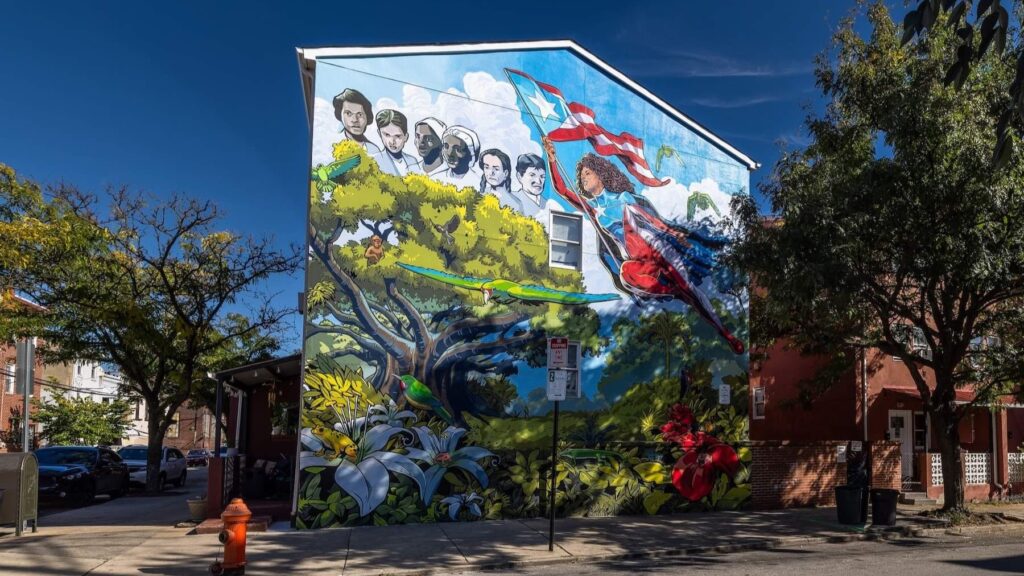
The Pew Research Center has documented similar national trends that are also reflected in cities like Philadelphia: sustained Latino population growth driven by both immigration and an increasing number of U.S.-born Latinos; a younger median age compared with other demographic groups; and rising participation in the workforce and entrepreneurship. Together, these trends have allowed the Latino community to grow not only in size but also in economic and cultural influence.
Today, Latinos make up approximately 16 percent of Philadelphia’s total population. While Puerto Ricans remain the largest Latino group, the community is becoming increasingly diverse, with significant growth among Dominican, Mexican, Central American, and South American populations. This diversity is reflected in the expansion of businesses, the cultural richness of neighborhoods, and the many identities represented within Philadelphia’s broader Latino community.
The community’s impact is evident in the local economy, where thousands of Latino-owned small businesses support commercial corridors, create jobs, and contribute to the vitality of entire neighborhoods. It is equally visible in the city’s cultural life through festivals, cuisine, art, and traditions that enrich Philadelphia’s social fabric, as well as in politics, where Latino representation and civic engagement have grown around key issues such as education, housing, and immigration.
According to U.S. Census Bureau data cited by WITF, Hispanic-owned businesses in Pennsylvania grew by nearly 50 percent between 2012 and 2019, significantly outpacing other demographic groups. The U.S. Small Business Administration (SBA) reports that loans awarded to Latino-owned businesses in Pennsylvania increased from $19 million in 2020 to nearly $40 million in 2023, reflecting the community’s expanding economic influence. According to the Hispanic Chamber of Commerce of Metropolitan Pittsburgh, Latina women are among the fastest-growing groups of small business owners and have made significant contributions to job creation and the economic vitality of their communities.
In addition, according to a report highlighted by TribLive, more than half of Pennsylvania’s population growth over the past two decades has been linked to increases in the Hispanic population, reinforcing Latinos’ role as a major demographic and economic engine for the state.
However, this growth has not eliminated longstanding challenges. Census data and Pew analyses continue to show disparities in income, housing access, and educational attainment. Gentrification continues to affect historically Latino neighborhoods, while language barriers and immigration-related challenges remain significant obstacles for many families.
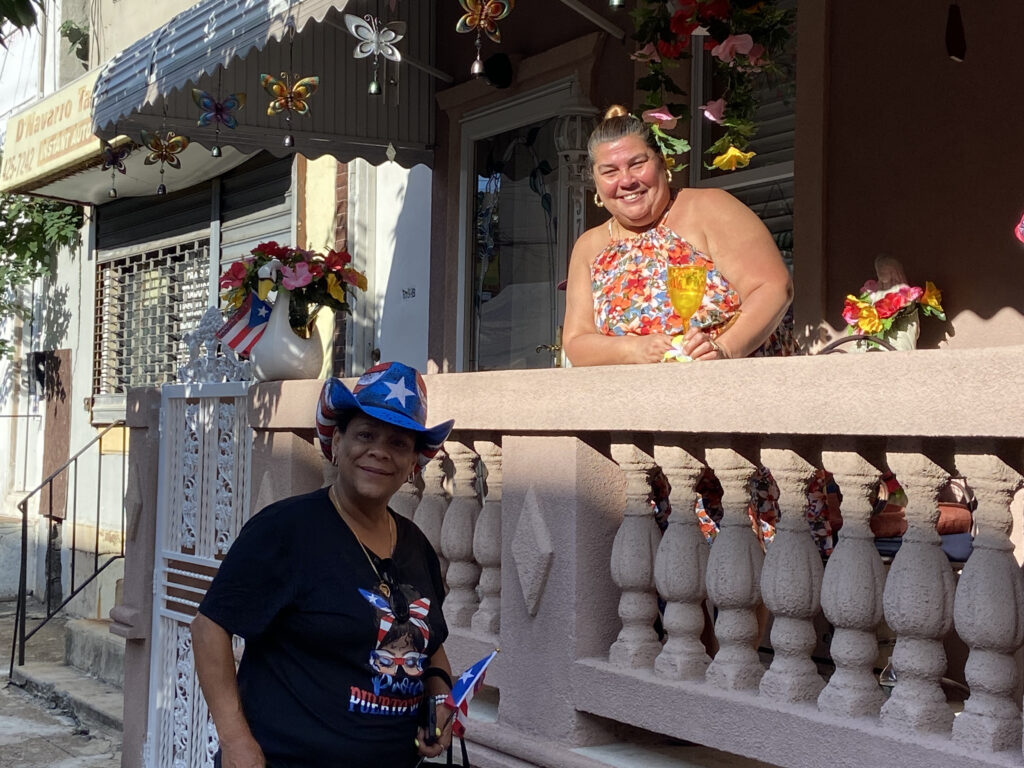
In this context, community journalism plays a critical role. Media outlets such as Impacto have accompanied the community through every stage of its development by providing news in Spanish, documenting its history, and serving as a bridge between generations. In many cases, they remain the primary source of reliable information and an essential tool for promoting awareness and protecting community rights.
The history of Latinos in Philadelphia is neither recent nor peripheral. It is a deep history spanning centuries, one that took concrete shape through the pioneering leadership of the Puerto Rican community, whose experience paved the way for other Latino communities. Today, that history continues to evolve as new generations redefine what it means to be Latino in Philadelphia.
Philadelphia cannot be understood without its Latino community. And the city’s Latino history cannot be told without recognizing both those who came first and those who continue building its future.
U.S. Census data are aligned with the American Community Survey (ACS).
Latinos are Philadelphia’s fastest-growing demographic group
According to U.S. Census data, Philadelphia’s Latino population has grown from approximately 129,000 residents in 2000 to nearly 250,000 today, helping offset population declines among the city’s White and Black residents and playing a critical role in Philadelphia’s demographic stability.