

As the August 10 earthquake left a profound mark on western Colombia, hundreds of Colombians in Philadelphia found a way to help from afar. In this chronicle, Cristian Marin shares an experience shaped by solidarity, nostalgia, and the desire to support a wounded country, even from thousands of miles away.
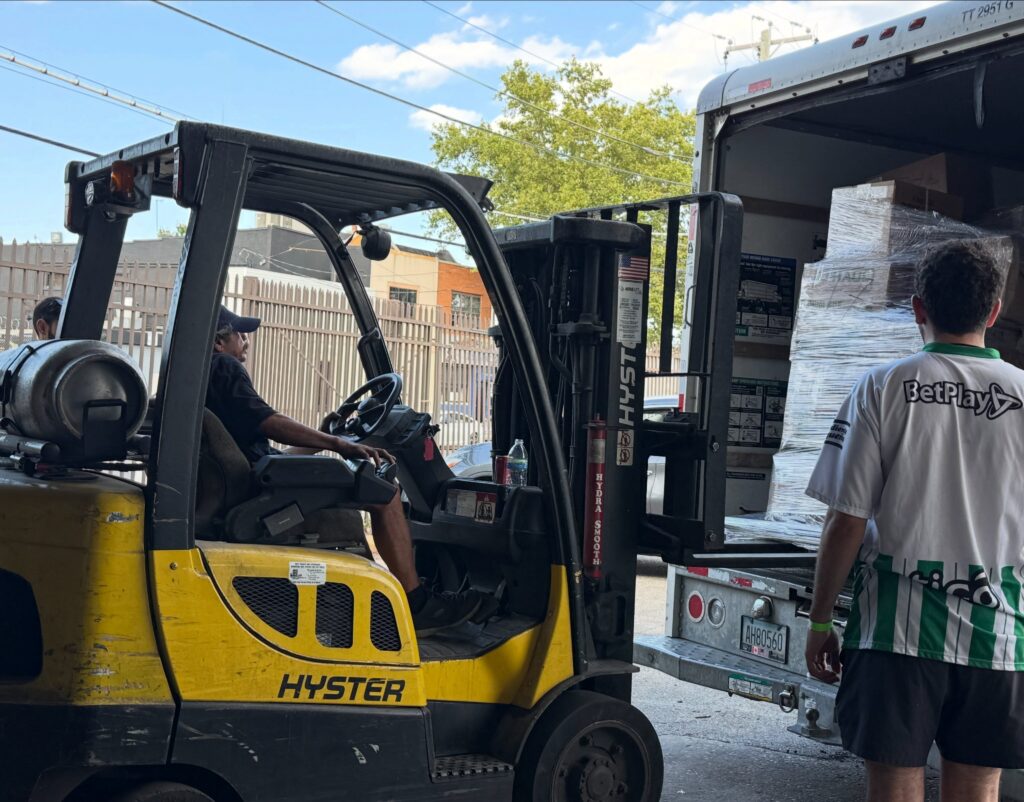
My story begins five days after the earthquake. The day “El Catracho,” a man with an enormous mustache and a gaze weathered by the years, taught me how to wrap a towering stack of boxes bound for Colombia in plastic. The task involved circling the packages repeatedly until you were almost dizzy, making sure everything would arrive safely. Life has a curious way of turning circles into metaphors.
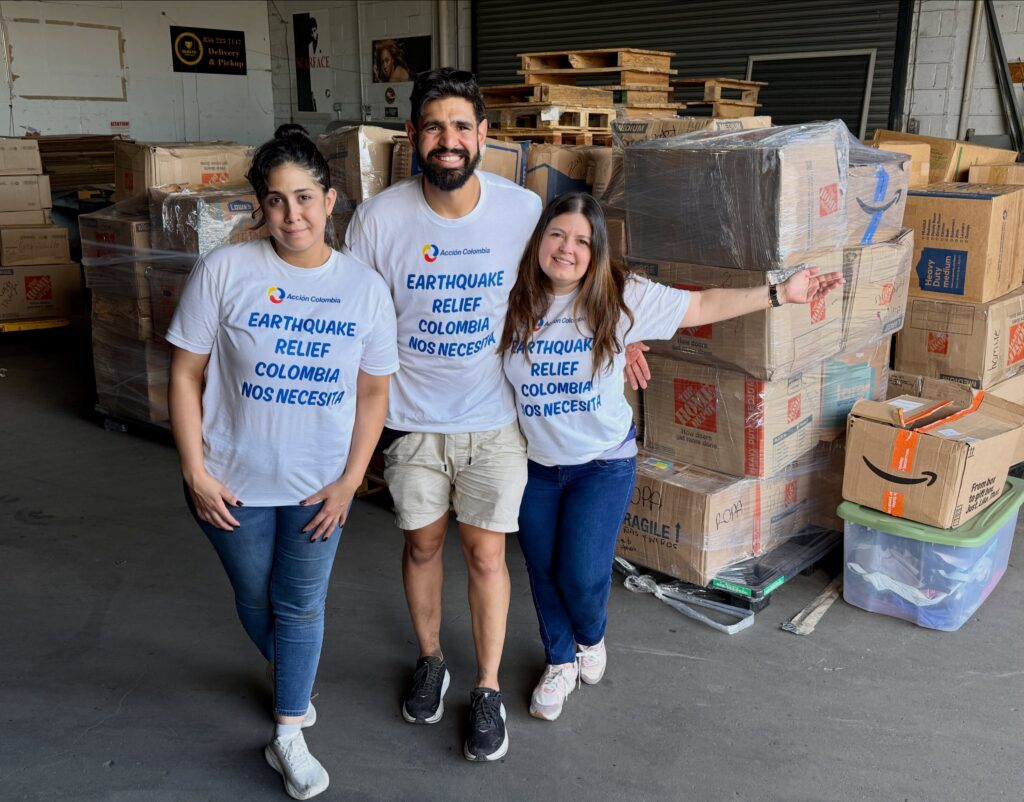
That same day, I also learned the names of many people: Jennifer, Matthew, Jonathan, Laura, Janeth, and so many others who donated their time and energy to launch an initiative that, just a couple of days earlier, my colleagues at Acción Colombia and I had envisioned. The mission was simple and urgent: collect aid for those affected by the earthquake that shook western Colombia.
For two days, from five in the morning until eight at night, my life revolved around boxes, diapers, canned food, bottles of water, tents, and emergency supplies. But it also revolved around something much more important: solidarity.
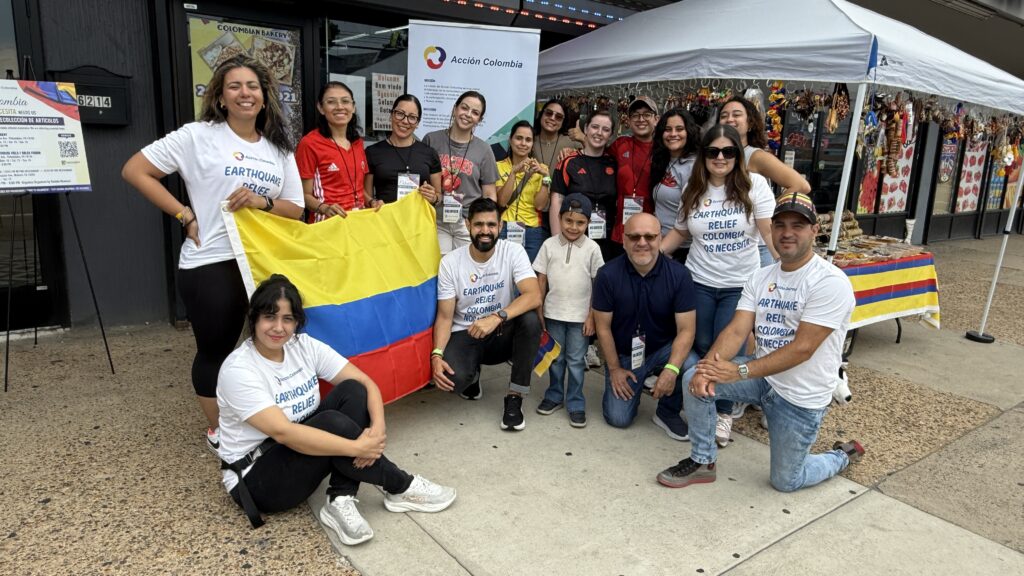
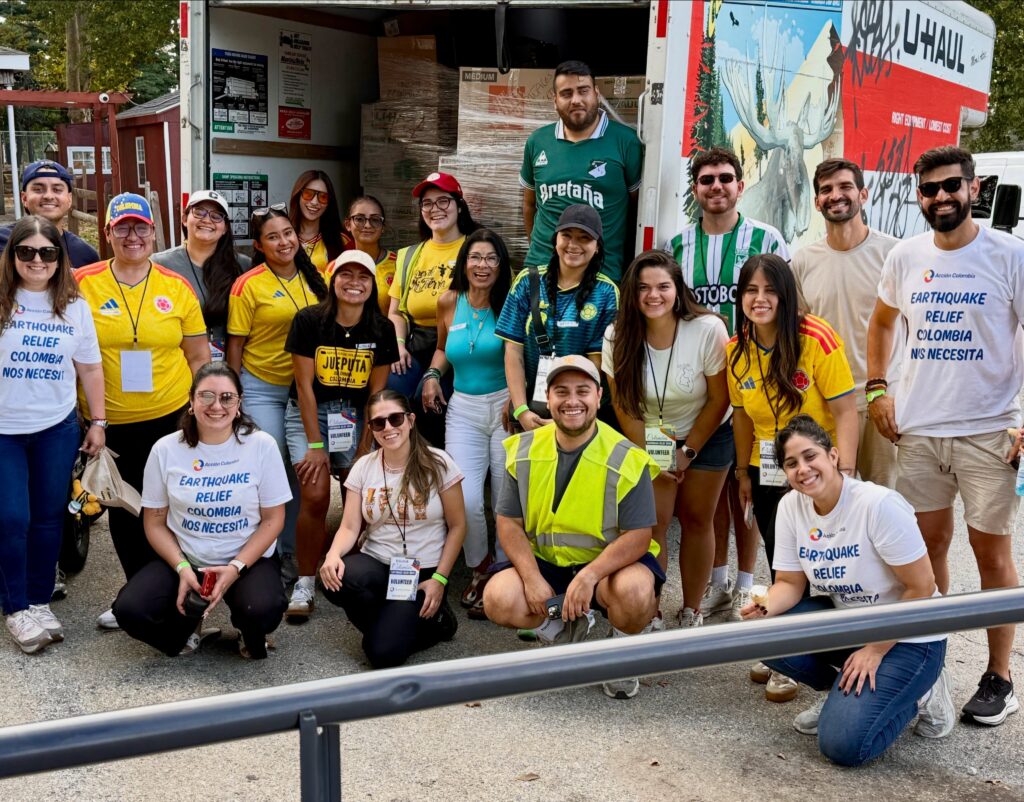
More than a hundred volunteers transformed Northeast Philadelphia into a major collection center. Entire families, young people, seniors, and community leaders showed up. They responded to the call of a homeland that had trembled, leaving hundreds dead, thousands homeless, and entire communities deeply wounded.
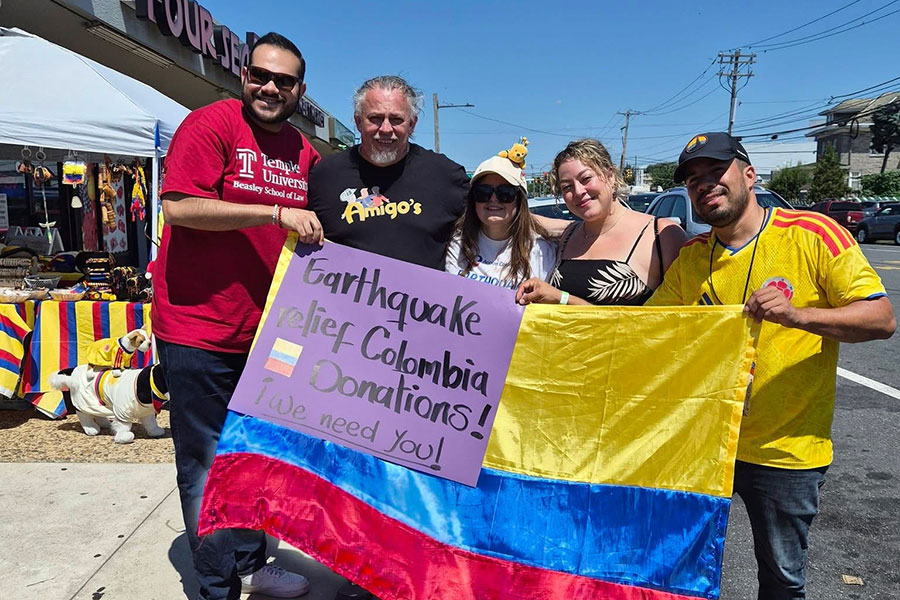
The message spread quickly through social media and old-fashioned word of mouth. People heard there were collection points at Lighthouse, Avivamiento Church, and Amigos Bakery. Perhaps it is no coincidence that the last place carries that name. Amid tragedy, friendship and mutual support became the protagonists.
That is exactly what I saw: friends, many wearing soccer jerseys, united by a desire to help and with their hearts firmly rooted in Colombia. Because when your country of origin is reduced to the images that appear on a cellphone screen, any act of kindness becomes a way of feeling closer.
Since there is still no way to embrace someone from a distance, we did what we could. We set aside our shock, wiped away our tears, and dedicated ourselves to filling boxes with hope. Boxes meant to feed those who had lost everything, provide relief for those left without shelter, and accompany the grief of people facing unimaginable loss.
At this point, I must confess that I set aside my role as an observer and wrote from the perspective of an immigrant. My family is safe, thank God. But my other family, the one that shares my identity, culture, and flag, is hurting. That is why the earthquake stopped being a news story and became something deeply personal.
There was an earthquake and witnessing it from afar robs you of sleep. It makes you want to board the first plane available and reminds you of a truth we sometimes forget: ninety seconds are enough to change the lives of thousands of people. It is a reminder that nothing is permanent and that the stability we take for granted can disappear in an instant.
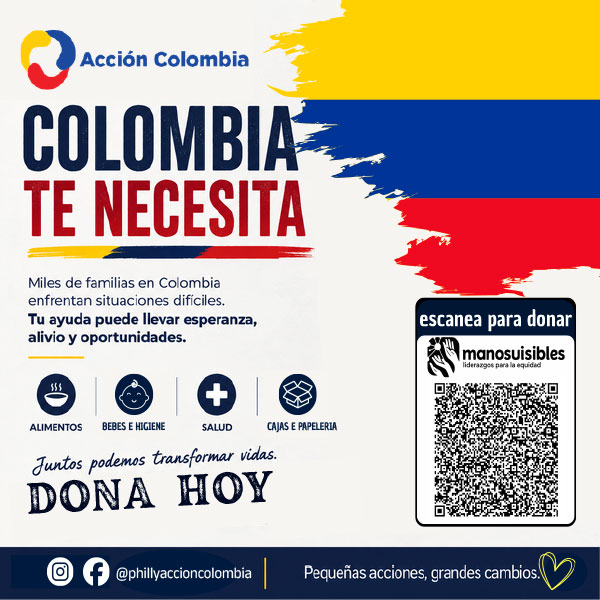
I watched trucks loaded with aid leave for the affected areas. I saw people arrive with a small bag of donations and others filled entire vehicles with supplies. I also witnessed how, for a few days, soccer debates and political disagreements faded into the background. In their place were shoulders carrying boxes, hands working together, and new friendships forming in the face of adversity.
Among them was perhaps Janeth. She told me that life’s twists and turns had kept her away from two earthquakes that struck Colombia. She also confessed that she cried days after the disaster as she realized that one day she would return to Pereira and that nothing would ever look quite the same again.
Perhaps that is the hardest lesson to accept: life can change in a matter of seconds. But it also shows that, even from thousands of miles away, a community can come together to support its homeland when it is needed most.