

Inicio Blog Página 890

Ballot measures in 41 states give voters a say on abortion and other tough questions

voters
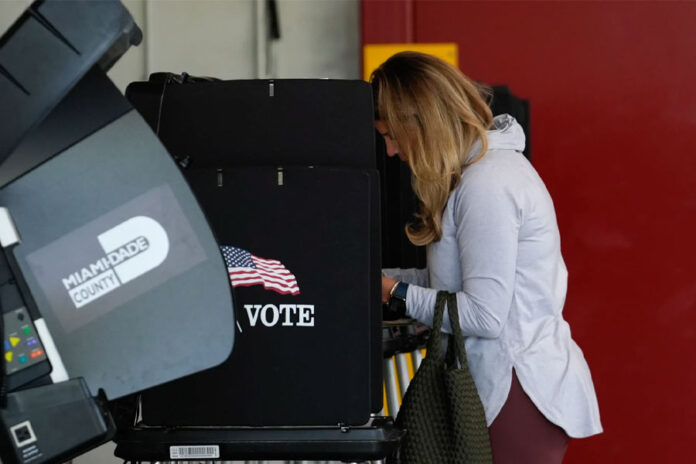
Voter Maria Mendoza completes her ballot for Florida's primary election behind a privacy screen, Tuesday, Aug. 20, 2024, at a polling place inside a fire station in Coral Gables, Fla. (Photo: AP/Rebecca Blackwell/File)

Life, death, crime and taxes will be on ballots for voters to decide this fall.

More than 140 measures are going before voters in 41 states during the general election alongside choices for president and other top offices. The ballot questions will give voters a chance to directly decide some consequential issues, instead of deferring to their elected representatives.

Arizona, Colorado and California have the greatest number of ballot measures. More could still get placed on ballots in some states. And some measures could get bumped from ballots if pending lawsuits are successful.

Here’s a look at some of this year’s top ballot issues.

Abortion

Initiatives dealing with pregnancy have surged in response to the 2022 U.S. Supreme Court ruling that ended a nationwide right to abortion and shifted the issue to states.

At least nine states will consider constitutional amendments enshrining abortion rights — Arizona, Colorado, Florida, Maryland, Missouri, Montana, Nebraska, Nevada and South Dakota. Most would guarantee a right to abortion until fetal viability and allow it later for the health of the pregnant woman.

Nebraska is the only state with a competing measure. It would place into the constitution the state’s current 12-week abortion ban with exceptions for rape, incest and to save the life of the pregnant woman. If both pass, the one with the most votes will take effect.

A proposed amendment in New York doesn’t specifically mention abortion but would prohibit discrimination based on “pregnancy outcomes» and “reproductive healthcare and autonomy.”

Assisted suicide

A proposed West Virginia amendment to prohibit medically assisted suicide is the only such measure this year. Physician-assisted suicides are allowed in 10 states and Washington, D.C.

Citizen voting

Republican-led legislatures in eight states proposed amendments declaring that only citizens can vote.

A 1996 U.S. law prohibits noncitizens from voting in federal elections, and many states already have similar laws. Yet specific constitutional bans are being proposed in Idaho, Iowa, Kentucky, Missouri, North Carolina, Oklahoma, South Carolina and Wisconsin. The measures are part of a Republican emphasis on immigration and election integrity.

Though there is no indication of widespread voting by noncitizens, some municipalities in California, Maryland, Vermont and Washington, D.C. do allow it for certain local elections.

Crime

A California proposal would toughen punishments for repeat shoplifters and fentanyl dealers and create a new drug court treatment program for people with multiple drug possession convictions. The measure would reverse portions of a 2014 initiative that reduced penalties for nonviolent drug and property crimes to address prison overcrowding. The latest measure comes after a surge of groups committing smash-and-grab thefts at stores.

An Arizona measure would require life imprisonment for certain child sex trafficking convictions. Two Colorado proposals would deny bail in first-degree murder cases and lengthen mandatory prison terms before parole eligibility for people convicted of certain violent crimes.

Elections

Measures in Idaho, Montana, Nevada and South Dakota would create open primary elections, in which candidates from all parties appear on the same ballot and a certain number advance to the general election. Arizona voters will decide between competing proposals that would require either open primaries or the state’s current method of partisan primaries. If both pass, the one with the most votes will take effect.

A Florida measure would expand partisan elections to school boards, reversing a 1998 amendment that made them officially nonpartisan, removing party labels from ballots.

Measures in Idaho, Nevada and Oregon propose ranked choice voting, in which voters rank their preferences for candidates, with votes cast for the lowest-finishing candidates getting reallocated until one person obtains a majority.

Ranked choice voting currently is used in Alaska and Maine. But Alaska voters will consider whether to repeal provisions of a 2020 initiative that instituted open primaries and ranked choice general elections. Missouri’s citizens-voting measure also would ban ranked choice voting.

A Connecticut amendment would authorize no-excuse absentee voting. A Nevada proposal would require photo identification to vote in-person or the last four-digits of a driver’s license or Social Security number to vote by mail. If approved, the Nevada measure would require a second affirmative vote in 2026 to take effect.

Taxing weapons

A Colorado proposal would make it the second state after California to impose a sales tax on firearms and ammunition. Revenue would go primarily to crime victims’ services. The federal government already taxes sales of guns and ammunition.

Immigration

An Arizona measure would make it a state crime to enter from a foreign country except through official ports of entry, and for someone already in the U.S. illegally to apply for public benefits using false documents. The border crossing measure is similar to a challenged Texas law that the Justice Department says violates federal authority and would create chaos at the border.

Arizona’s measure also would make it a felony to sell fentanyl that causes a person’s death.

Marijuana

Voters in Florida, North Dakota and South Dakota will decide whether to legalize recreational marijuana for adults. It will be the third vote on the issue in both North Dakota and South Dakota. About half the states currently allow recreational marijuana and about a dozen more allow medical marijuana.

In Massachusetts, an initiative would legalize the possession and supervised use of natural psychedelics, including psilocybin mushrooms.

Marriage

Though the U.S. Supreme Court legalized same-sex marriage nationwide in 2015, some states still have unenforceable provisions against it. Measures in California, Colorado and Hawaii would repeal those provisions. The California measure would go further, declaring: “The right to marry is a fundamental right.”

Pay and benefits

A California measure would gradually raise the state’s minimum wage for all employers to $18 an hour. Measures in Alaska and Missouri would gradually raise minimum wages to $15 an hour while also requiring paid sick leave. A Nebraska measure would provide paid sick leave but not change wages.

A Massachusetts measure would gradually raise the minimum wage for tipped employees until it matches the rate for other employees. By contrast, an Arizona measure would let tipped workers be paid 25% less than the minimum wage, so long as tips push their total pay beyond the minimum wage threshold.

Prison labor

Proposals in California and Nevada would repeal constitutional provisions that allow “involuntary servitude” as punishment for crime. Some supporters are seeking to curtail forced prison labor.

Colorado began the trend by revising its constitution in 2018 to ban slavery and involuntary servitude. Utah and Nebraska followed in 2020 and Alabama, Oregon, Tennessee and Vermont in 2022.

Property taxes

North Dakota voters will consider a first-of-its-kind move to eliminate property taxes. If approved, local governments could need more than $3 billion biennially in replacement revenue from the state, which collects billions in taxes from the fossil fuel industry.

Rising property values also have spurred measures to cap or cut assessed property values or taxes in Colorado, Florida, Georgia and New Mexico.

Arizona has a unique proposal linking property taxes and responses to homelessness. It would let property owners seek property tax refunds if they incur expenses because a local government declined to enforce ordinances against illegal camping, loitering, panhandling, the obstruction of public thoroughfares, public urination or defecation, or the public consumption of alcohol or illegal drugs.

Redistricting

An Ohio initiative would create a citizens commission to handle redistricting for U.S. House and state legislative seats, taking the task away from elected officials. A proposed amendment in Utah would let lawmakers repeal or revise voter-approved initiatives — a response to a state Supreme Court ruling that lawmakers had exceeded their authority by revising a voter-approved redistricting initiative.

Sports betting

Missouri voters will decide whether to legalize sports betting via a measure backed by its professional sports teams. A total of 38 states and Washington, D.C., already allow sports betting, which has expanded rapidly since the U.S. Supreme Court cleared the way for it in 2018.
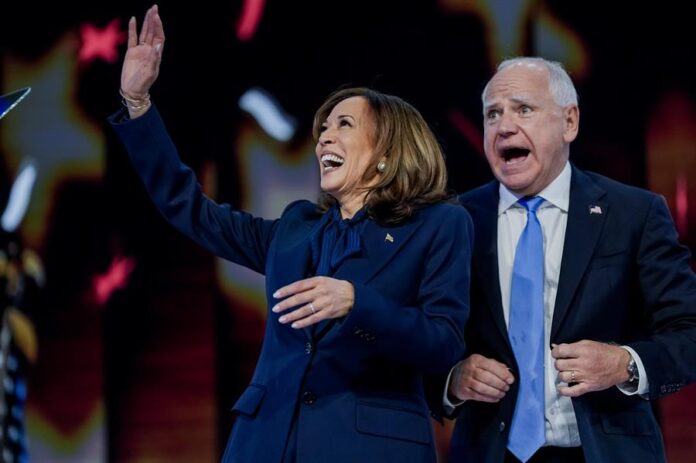
Harris y Walz en gira por Georgia, mientras que Vance pide el voto en Pensilvania y manda al infierno a Kamala

Harris
(Foto: EFE/WILL OLIVER/Archivo)

La vicepresidenta estadounidense y candidata demócrata, Kamala Harris, y su número dos, Tim Walz, iniciaron el miércoles una gira en autobús por Georgia, mientras que el candidato a vicepresidente de Donald Trump, JD Vance, hizo campaña en Pensilvania y en Wisconsin con enfoque en el votante de «cuello azul».

Harris y Walz comenzaron una gira de dos días por varias zonas rurales del estado de Georgia, que será clave para llegar a la Casa Blanca tras las elecciones del 5 de noviembre. Ambos recalarán en localidades rurales y del sur del estado como Savannah, Macon o Columbus, que suelen ser bastiones republicanos.

La media de encuestas en Georgia da una estrecha ventaja a Trump y la ofensiva demócrata busca ampliar la movilización de votantes más allá del caladero tradicional de Atlanta en un estado donde los márgenes que decidirán el estado podrían contarse por unas pocas decenas de miles.

«Hacer campaña en el sureste de Georgia es crítico, ya que representa a una coalición de votantes rurales, suburbanos y urbanos, con una alta proporción de votantes negros y de familias trabajadoras», informó este miércoles la campaña de Harris.

Los republicanos confiaron en que los votantes de Georgia rechazarán las políticas de la «agenda peligrosamente liberal de Harris», que se centra en los problemas de inseguridad que en su opinión ha creado la inmigración indocumentada en los suburbios y en los campus universitarios del estado.

Vance cada vez adopta más las maneras de Trump

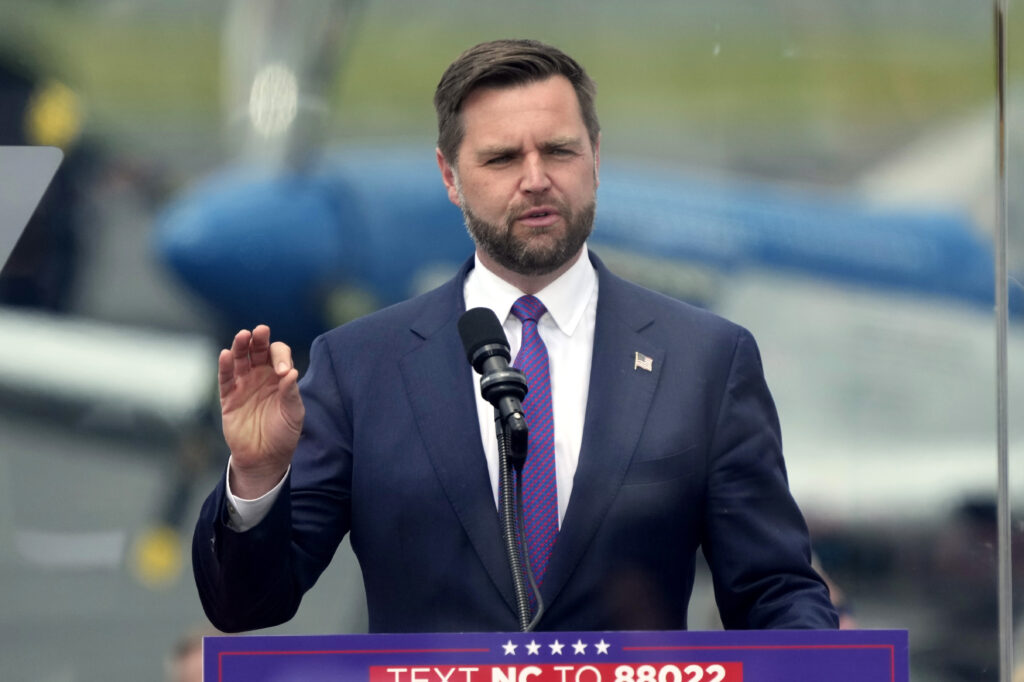
El candidato vicepresidencial republicano JD Vance en un evento de campaña en Asheboro, Carolina del Norte el 21 de agosto del 2024. (Foto AP /Chuck Burton)

Por su parte, el candidato a vicepresidente republicano, el senador JD Vance, hizo campaña en el corazón del «Cinturón del Óxido», en Erie (Pensilvania). En unas instalaciones de una empresa de camiones, habló de la importancia de invertir en gasolina e hidrocarburos más baratos, en lugar de electrificar flotas.

A su juicio, Harris obligará a los transportistas a comprar camiones eléctricos y eso se traducirá en mayores costes y mayor aumento de la inflación.

Vance también se refirió al incidente el martes en el cementerio militar de Arlington en que un funcionario fue violentado por un miembro del equipo de Trump que quería sacar fotos y vídeo de una ofrenda florar en memoria de 13 soldados muertos hace tres años en la retirada de Afganistán-

Las personas de la campaña que tomaban imágenes frente al monumento al soldado desconocido habían recibido autorización para hacerlo, dijo destacando que Harris «se puede ir al infierno» y que todo es un «complot» de los medios para criticarlos. La candidata no se había pronunciado al respecto.

Antes de viajar a Georgia, Walz intervino en Boston ante un sindicato de bomberos y aseguró que los republicanos «lanzan una guerra contra los trabajadores cada vez que tienen ocasión».

A equipo de Trump se le advirtió no tomar fotos en Arlington antes de altercado, dice funcionario

Trump
Bill Barnett, a la izquierda, abuelo de Darin Taylor Hoover, y el candidato presidencial republicano, el expresidente Donald Trump, colocan una corona de flores en la Tumba del Soldado Desconocido en honor del sargento Darin Taylor Hoover en el Cementerio Nacional de Arlington, el lunes 26 de agosto de 2024, en Arlington, Virginia (Foto: AP/Alex Brandon)

Al equipo de campaña de Donald Trump se le advirtió que no tomara fotografías antes de que se diera un altercado en el Cementerio Nacional de Arlington durante una ceremonia realizada esta semana en la que se colocaron coronas para honrar a los militares estadounidenses que murieron en Afganistán, dijo un funcionario de Defensa a The Associated Press el miércoles.

El funcionario habló bajo condición de anonimato para tratar un asunto delicado relacionado con los sucesos del lunes. Dicho funcionario hizo los comentarios un día después de que NPR publicara, citando a una fuente con conocimiento del incidente, que dos miembros del equipo de campaña de Trump “agredieron verbalmente y empujaron” a un funcionario del cementerio que trató de impedirles que grabaran y tomaran fotografías en la Sección 60 del recinto, el área donde se encuentran enterrados los militares que murieron en combate en Afganistán e Irak.

El funcionario de Defensa dijo a la AP que al equipo de campaña de Trump se le advirtió que no tomara fotografías en la Sección 60, antes de su llegada y antes de que se produjera el altercado. Trump estuvo el lunes en Arlington invitado por algunas de las familias de los 13 militares que murieron en el atentado contra el aeropuerto de Kabul hace exactamente tres años.

En el Cementerio Nacional de Arlington se encuentran enterrados más de 400.000 militares, veteranos y sus familias. Funcionarios del cementerio dijeron en un comunicado que había ocurrido “un incidente” y que se había presentado un reporte, pero no detallaron exactamente qué había sucedido y no quisieron compartirlo.

“La ley federal prohíbe las actividades electorales o relacionadas con campañas políticas en los Cementerios Militares Nacionales del Ejército, lo cual incluye a fotógrafos, creadores de contenido o cualquier otra persona que se haga presente en el recinto con fines partidistas, o para apoyar directamente la campaña de un candidato”, dice el comunicado de los funcionarios del cementerio. “El Cementerio Nacional de Arlington recalcó y difundió ampliamente el contenido de esta ley y sus prohibiciones con todos los involucrados. Confirmamos que hubo un incidente y se presentó un reporte”.

El vocero de Trump, Steven Cheung, dijo que al equipo de campaña del candidato presidencial republicano se le concedió permiso para ingresar con un fotógrafo. También negó el señalamiento de que un miembro del equipo de campaña de Trump hubiera empujado a un funcionario del cementerio.

“El hecho es que se nos permitió el acceso con un fotógrafo privado y, por la razón que sea, un desconocido que claramente sufría de un trastorno mental, decidió impedirles el acceso a los miembros del equipo de campaña del presidente Trump durante una ceremonia muy solemne”, aseveró Cheung.

Chris LaCivita, asesor de la campaña de Trump, señaló que el mandatario acudió porque lo habían invitado las familias de los militares que murieron en el atentado del aeropuerto. El equipo de campaña de Trump publicó un mensaje firmado por familiares de dos de los militares muertos en el atentado en el que se afirmaba que “el presidente y su equipo de campaña se comportaron con el mayor respeto y dignidad posible hacia todos nuestros militares, especialmente nuestros queridos hijos”.

Michael Tyler, portavoz de la oponente demócrata de Trump, la vicepresidenta Kamala Harris, calificó los reportes de «bastante tristes».

“Esto es lo que hemos llegado a esperar de Donald Trump y su equipo”, dijo Tyler en CNN. “Donald Trump es una persona que quiere que todo gire en torno a Donald Trump. También es alguien que tiene un historial de denigrar a los miembros del servicio militar, aquellos que han dado el último sacrificio”.

Tener una familia es caro en EE. UU. Esto han dicho Harris y Trump sobre la reducción de costos

familia
Rylee Monn juega con niños de su clase en un centro de cuidado infantil en Lexington, Kentucky, el 13 de marzo de 2024. (Foto: VOA)

El alto costo de tener una familia en EE. UU., es un hecho reconocido tanto por la fórmula presidencial demócrata, como por la republicana. Ambos candidatos han esbozado ideas para aliviar cargas financieras que revelan puntos de vista diferentes.

El alto costo de cuidar a los niños y a los ancianos en Estados Unidos ha obligado a las mujeres a abandonar la fuerza laboral, ha devastado las finanzas familiares y ha dejado a los cuidadores profesionales en empleos de bajos salarios, todo ello mientras desacelera el crecimiento económico.

Que las familias están sufriendo no es un tema de debate. A medida que la economía surge como un tema en esta elección presidencial, los candidatos demócratas y republicanos han esbozado ideas para aliviar los costos que revelan sus puntos de vista divergentes sobre la familia.

En este tema, las dos fórmulas electorales tienen un punto en común principal: ambos candidatos presidenciales, y sus compañeros de fórmula, han respaldado, en un momento u otro, un crédito fiscal por hijo ampliado.

La vicepresidenta Kamala Harris, que aceptó la nominación del Partido Demócrata la semana pasada, ha señalado que planea aprovechar las ambiciones de la administración del presidente saliente Joe Biden, que buscó invertir miles de millones de dólares de los contribuyentes para hacer que el cuidado infantil y el cuidado domiciliario de los adultos mayores y discapacitados sea más asequible.

No ha plasmado ninguno de esos planes en una plataforma política formal. Pero en un discurso a principios de este mes, dijo que su visión incluía aumentar el crédito fiscal por hijo.

El expresidente republicano Donald Trump se ha negado a responder a preguntas sobre cómo haría que el cuidado infantil fuera más asequible, a pesar de que fue un tema que abordó durante su propia administración.

Su compañero de fórmula, el senador JD Vance de Ohio, tiene una larga historia de impulsar políticas que alentarían a los estadounidenses a tener familias, y ha lanzado ideas como dar a los padres el derecho de voto para sus hijos. Este mismo mes, Vance dijo que quiere aumentar el crédito fiscal por hijo a 5.000 dólares. Pero Vance se ha opuesto al gasto gubernamental en cuidado infantil, argumentando que muchos niños se benefician de tener a uno de los padres en casa como cuidador.

Las agendas de cuidado de los candidatos podrían figurar de manera destacada en su atractivo para las mujeres suburbanas en los estados clave, un grupo demográfico codiciado que se considera clave para la victoria en noviembre.

Las mujeres proporcionan dos tercios del trabajo de cuidado no remunerado, valorado en mil millones de dólares anuales, y se ven desproporcionadamente afectadas cuando las familias no pueden encontrar atención asequible para sus hijos o padres ancianos. Y el costo de la atención es un problema urgente: los precios del cuidado infantil están aumentando más rápido que la inflación.

Kamala Harris: Aumentar el crédito fiscal por hijo

Cuando Harris se dirigió a la Convención Nacional Demócrata, habló primero de su propia experiencia con el cuidado infantil. Fue criada principalmente por una madre soltera, Shyamala Gopalan, que trabajaba muchas horas como investigadora del cáncer de mama. Entre las personas que formaban la red de apoyo de su familia estaba “la señora Shelton, que dirigía la guardería debajo de nosotros y se convirtió en una segunda madre”.

Como vicepresidenta, Harris trabajó entre bastidores en el Congreso en las propuestas de Biden para establecer una licencia familiar paga a nivel nacional, universalizar el preescolar e invertir miles de millones en el cuidado infantil para que las familias no pagaran más del 7 % de sus ingresos. También anunció las medidas de la administración para reducir los copagos para las familias que utilizan vales federales para el cuidado infantil y aumentar los salarios de los asistentes de salud a domicilio financiados por Medicaid.

Antes de eso, su trayectoria como senadora incluía presionar por mayores derechos laborales para los trabajadores domésticos, incluidas las niñeras y los asistentes de salud a domicilio que pueden ser vulnerables a la explotación.

Este mes, en un colegio comunitario de Carolina del Norte, Harris describió la agenda económica de su campaña, que incluye aumentar el crédito fiscal por hijo a 3.600 dólares y dar a las familias de recién nacidos aún más: 6.000 dólares por el primer año del niño.

“Ese es un año vital, vital para el desarrollo crítico de un niño, y los costos pueden sumarse realmente, especialmente para los padres jóvenes que necesitan comprar pañales y ropa y un asiento para el auto y mucho más”, dijo a la audiencia.

Su elección de Tim Walz como compañero de fórmula, quien estableció licencias pagas y un crédito fiscal por hijo como gobernador de Minnesota, también ha impulsado el optimismo entre los partidarios.

Donald Trump: Pocos detalles, pero algo de apoyo en el pasado

Para los votantes que luchan con el alto costo del cuidado infantil, Trump ha ofrecido pocas soluciones. Durante el debate presidencial de junio, el moderador de CNN Jake Tapper le preguntó dos veces a Trump qué haría para reducir los costos del cuidado infantil. En ambas ocasiones, no respondió y en cambio se centró en otros temas. Su plataforma de campaña es igualmente silenciosa.

El texto aborda el costo de la atención a largo plazo para los ancianos, y escribe que los republicanos “apoyarían a los cuidadores familiares no remunerados a través de créditos fiscales y reducción de la burocracia”.

El silencio marca un cambio con respecto a su primera campaña, cuando propuso una licencia parental remunerada, aunque fue criticada por los críticos porque su propuesta excluía a los padres. Cuando llegó a la Casa Blanca, el expresidente solicitó mil millones de dólares para el cuidado infantil, además de una política de licencia parental a instancias de su hija y asesora política, Ivanka Trump.

El Congreso rechazó ambas propuestas, pero Trump logró duplicar el crédito fiscal por hijo y establecer una licencia remunerada para los empleados federales.

En su discurso sobre el Estado de la Unión de 2019, Trump dijo que estaba “orgulloso de ser el primer presidente en incluir en mi presupuesto un plan para una licencia familiar remunerada a nivel nacional, para que cada nuevo padre tenga la oportunidad de vincularse con su hijo recién nacido”.

Este año, hay señales de que su administración podría no seguir la misma agenda, incluida su elección de Vance como compañero de fórmula. En 2021, antes de incorporarse al Senado, Vance fue coautor de un artículo de opinión para The Wall Street Journal en el que se oponía a una propuesta de invertir miles de millones de dólares en guarderías para que fueran más asequibles para las familias. Él y su coautor dijeron que ampliar los subsidios para guarderías llevaría a «niños más infelices y menos saludables» y que tener menos madres que contribuyan a la economía podría ser una compensación que valga la pena.

Vance ha propuesto políticas que facilitarían que una familia viva con un solo ingreso, lo que haría posible que algunos padres se queden en casa mientras sus parejas trabajan. Junto con su apoyo a políticas que él llama pro-familia, ha etiquetado a las personas que no tienen o no quieren tener hijos como «sociópatas».

Una vez se burló de Harris y otras estrellas demócratas en ascenso como «mujeres de los gatos sin hijos», a pesar de que Harris tiene dos hijastros (la llaman «Momala») y ningún gato.

Incluso sin detalles sobre las nuevas políticas de atención, Trump cree que las familias finalmente obtendrían un mejor trato bajo su administración.

La campaña de Trump-Vance ha atacado el historial de Harris en materia económica y ha dicho que las políticas de la administración Biden solo han hecho que las cosas sean más difíciles para las familias, señalando la inflación reciente.

“Harris… ha celebrado con orgullo y en repetidas ocasiones su papel como copiloto de Joe Biden en Bidenomics”, dijo Karoline Leavitt, portavoz de la campaña. “Las necesidades básicas de comida, gasolina y vivienda son menos asequibles, el desempleo está aumentando y a Kamala no parece importarle”.

Shapiro administration kicks off strategic planning process to improve maternal health care and address maternal mortality, seeks community input this fall

Shapiro

Maternal health strategic plan builds on the momentum of Governor Shapiro securing a $2.6 million increase in the 2024-25 bipartisan budget to prevent maternal mortality

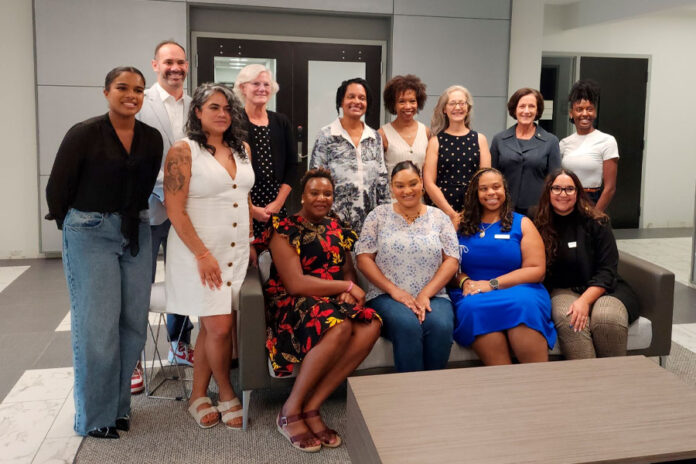
Harrisburg, PA –Today, leadership from the Pennsylvania Departments of Human Services (DHS), Health (DOH), Drug and Alcohol Programs (DDAP), and the Pennsylvania Insurance Department (PID) met with health care providers and doulas to kick off development of the Commonwealth’s maternal health strategic plan, which will address high rates of maternal mortality, especially among Black women, and ensure pregnant women in Pennsylvania get the prenatal and postpartum care they need to live healthy lives for both themselves and their children.

Since taking office, Governor Josh Shapiro has prioritized addressing maternal health disparities in access to quality health care and secured a $2.6 million increase in the 2024-25 budget for maternal mortality prevention, managed through the Department of Health.

Earlier this year, DHS expanded access to doulas for Medicaid recipients. Doula services have been found to ease the pregnancy and labor process and improve birth outcomes for both mother and child. This change allows certified doulas to enroll as Medicaid providers and enables Medicaid managed care organizations to enter into network agreements with them, allowing them to bill directly for services offered through pregnancy and postpartum. 

“Pregnancy, childbirth, and the postpartum periods are exciting but often stressful times for a new parent. Unfortunately, for too many women – and Black women especially– having a child can be potentially life-threatening when they do not receive high-quality, accessible, and equitable care,” said Human Services Secretary Dr. Val Arkoosh. “We must do more to address the maternal mortality crisis in Pennsylvania, and I am excited to work with my agency colleagues and our community partners on this maternal health strategic plan. The Commonwealth’s plan will outline some of the most urgent issues facing pregnant women and will provide tangible steps that we can achieve to help moms, parents, and their families thrive.”

Today’s meeting convened subject matter experts from the Shapiro Administration’s health agencies, representatives from the Governor’s Affinity Commissions, and leadership from other state agencies such as the Department of Military and Veterans Affairs. The goal of this diverse group was to represent their audiences’ unique needs with respect to maternal health and to develop collaborative, actionable strategies for the plan.

“We are working together to ensure that pregnancy and postpartum are as safe and healthy as possible for all women and their families,” said Secretary of Health Dr. Debra Bogen. “We will continue to listen to and learn from Pennsylvanians involved in every facet of maternal health. We are identifying opportunities to act to improve childbirth outcomes so families can thrive.”

The maternal health strategic plan will include priorities centering on equity and diversity, with a focus on increasing access to high-quality care, expanding and diversifying the maternal health care workforce, and addressing behavioral health and substance use disorder services and supports.

“The Shapiro Administration understands that substance use disorder is a family illness. Developing a much-needed maternal health strategic plan will help to ensure that when mother and baby are impacted by a substance use disorder, they are getting the care they need,” said DDAP Deputy Secretary Kelly Primus. “DDAP is proud to partner with our sister agencies in a shared commitment to reducing maternal mortality, improving care for pregnant and postpartum women, and stopping the stigma attached to reaching out for help.”

DHS, DOH, DDAP, and PID will launch an online survey and host community events throughout Pennsylvania in September and October to help gather input from Pennsylvanians with lived experience in maternal health. The survey and events will help the departments inform and expand the planned strategies to improve maternal health outcomes across the state.

“We are monitoring coverage for services such as doula care, surrogacy benefits and human breast milk storage, and see opportunities to expand coverage for these services in our regulated insurance markets,” said Pennsylvania Insurance Commissioner Michael Humphreys. “Now is the time to have these conversations and partner with insurers to determine how to bring these important services to all Pennsylvanians.”  

More information on maternal-child health programs available across Pennsylvania is available on DHS’ website.

What a new indictment means for Donald Trump’s federal 2020 election interference case

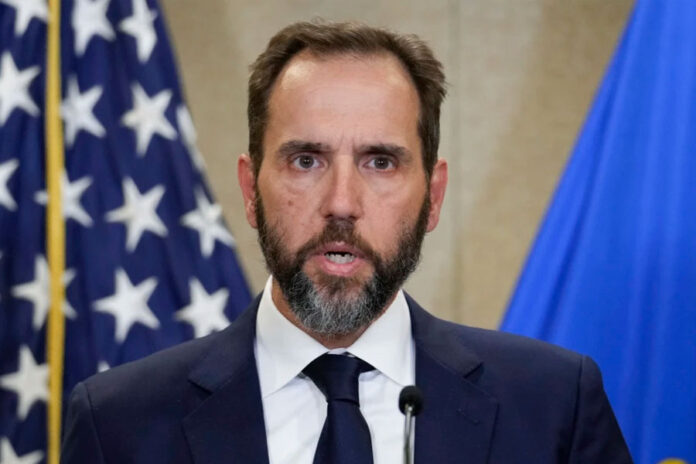
Special counsel Jack Smith speaks to the media about an indictment of former President Donald Trump, Aug. 1, 2023, in Washington. (Photo: AP/J. Scott Applewhite/File)

Special counsel Jack Smith is pressing forward with his 2020 election interference case against Donald Trump, with a new indictment that aims to salvage the prosecution after the Supreme Court slammed the door on the possibility of a trial before the November election.

The new indictment, filed Tuesday in Washington, includes the same criminal charges, but narrows the allegations in an attempt to comply with the Supreme Court’s ruling that former presidents have broad immunity from prosecution.

Here’s what to know about the case and what happens next:

Why file a new indictment?

In its ruling last month, the Supreme Court’s conservative majority said former presidents are absolutely immune from prosecution for official acts that fall within their “exclusive sphere of constitutional authority.”

Furthermore, former presidents are at least presumptively immune for other official actions, the Supreme Court said, but prosecutors can try to make the case that those allegations remain part of the indictment. But former presidents do not enjoy immunity for unofficial, or private, actions, the justices said.

As a result, the Supreme Court said Trump is immune from prosecution for conduct involving his interactions with the Justice Department, effectively stripping those allegations from the indictment. The justices sent the case back to U.S. District Judge Tanya Chutkan to analyze what other allegations could potentially proceed to trial.

In rewriting the indictment now, Smith’s team aims to make that job easier for Chutkan by removing references to allegations it believes could be considered official acts for which Trump could be entitled to immunity.

What’s different?

The new indictment does away with any reference to Trump’s interactions with Justice Department officials, whom prosecutors alleged he tried to enlist in his failed effort to undo his election loss. Prosecutors alleged Trump tried to use the Justice Department to conduct sham election fraud investigations and send a letter to states falsely claiming that significant fraud had been detected.

The new indictment also deletes details about Trump’s communications with certain other federal government officials, like the Director of National Intelligence and senior White House attorneys, who prosecutors say told Trump that his election fraud claims were false.

It also adds language designed to back up prosecutors’ contentions that the actions that form the basis of his case were taken by Trump in his personal capacity as a candidate rather than his professional capacity as president.

For example, the new indictment says Trump “had no official responsibilities” related to Congress’ certification of the 2020 election, “but he did have a personal interest as a candidate in being named the winner of the election.”

The first page of the old indictment refers to Trump as the 45th U.S. president. The new indictment says only that Trump “was a candidate for President of the United States in 2020.”

It also deletes references to certain Trump statements made from the White House, like the video Twitter message he had taped from the Rose Garden in which he asked his supporters at the Capitol on Jan. 6, 2021, to go home but reassured them, “We love you, you’re very special.” But comments Trump made during his speech near the White House before the riot remain in the indictment. That was a “campaign speech at a privately-funded, privately organized political rally,» the indictment says.

Smith’s team noted that a new grand jury that had not previously heard evidence in the case brought the indictment. That move was likely designed to prevent Trump’s lawyers from arguing that the entire case was tainted because the grand jury that brought the original indictment heard evidence the Supreme Court now says must stay out.

What stayed the same?

Trump remains charged with four counts: obstruction of an official proceeding, conspiracy to obstruct an official proceeding, conspiracy to defraud the U.S. and conspiracy against the right to vote. While the Supreme Court ruled in a different case in June that the Justice Department applied the obstruction charge too broadly against Trump supporters who stormed the Capitol, prosecutors kept that charge against Trump, suggesting they believe it will survive review in his case.

The indictment maintains a slew of allegations against Trump, including that he pressured state officials to subvert the results of the election and participated in a scheme orchestrated by allies to enlist slates of fraudulent electors in battleground states who would falsely attest that Trump had won in those states. Trump “had no official responsibilities related to the convening of legitimate electors or their signing and mailing of their certificates of vote,» the new indictment says.

It also retains allegations that Trump sought to pressure Vice President Mike Pence to reject legitimate electoral votes and that Trump and his allies exploited the chaos at the Capitol on Jan. 6 in an attempt to further delay the certification of President Joe Biden’s victory.

What’s Trump saying?

Trump acted with predictable fury, railing against the new indictment on his Truth Social platform as an act of “desperation” that has “all the problems of the old Indictment and should be dismissed IMMEDIATELY!”

He also asserted that Smith had revised the original indictment to “circumvent” the Supreme Court ruling, but the exact opposite is true: in paring down the case and the allegations, the special counsel’s office was clearly trying to comply with, rather than get around, the spirit of the opinion.

Trump also claimed that by bringing the new indictment, the Justice Department violated an internal “policy” against any investigative action that could affect a campaign within 60 days of an election.

But the reality is more complicated, and the policy he cited about the indictment is actually more an informal and unwritten practice than a hard-and-fast rule.

It is true that longstanding Justice Department guidance cautions against taking overt investigative action in the run-up to an election. Memos from attorneys general issued over the years say prosecutors should never pursue criminal charges or visible steps — such as executing a search warrant — for the purpose of affecting an election.

The goal is to avoid raising fresh allegations against a candidate that the candidate might not have sufficient time to respond to, or that voters might not have enough time to absorb before casting ballots. But that guidance wouldn’t seem to be relevant here, in part because the revised indictment doesn’t include any new claims against Trump for voters to consider — to the contrary, it actually subtracts allegations against him.

What about the trial and what’s next?

The case is now back in Judge Chutkan’s hands, but it doesn’t mean a trial is going to happen anytime soon. There will likely be months of legal wrangling over which allegations involve official conduct that should be struck from the indictment.

On Friday, Smith’s team and Trump’s lawyers are due to propose a schedule for future proceedings in light of the Supreme Court’s ruling. And the two sides are scheduled to be back in Chutkan’s courtroom next week for the first time in months to discuss the path forward.

Trump’s lawyers could mount new efforts to dismiss the case. His legal team has sought at every turn to delay the criminal cases against him and may ask for more time to determine the impact of the Supreme Court’s ruling.

Delaware county woman pleads guilty to january armed carjacking in south Philadelphia, two Gun charges

Philadelphia

PHILADELPHIA. – United States Attorney Jacqueline C. Romero announced that Nateirah Ortiz, 25, of Darby, Pennsylvania, entered a plea of guilty today before United States District Court Judge Chad F. Kenney to one count of carjacking, one count of carrying, using, and brandishing a firearm during and in relation to the commission of a crime of violence, and possession of a firearm by a felon.

Ortiz was charged by indictment with these offenses in April of this year, in connection with a January carjacking in South Philadelphia.

As described in the indictment, on January 31, 2024, at approximately 7 p.m., the victim reported being carjacked on the 1100 block of Washington Avenue. He relayed that, while walking to his vehicle, a silver 2018 Toyota RAV4, the defendant, Nateirah Ortiz, demanded his car keys and pointed a gun at him. The victim complied, giving the defendant his key, and ran to a nearby business for assistance calling 911. The defendant entered the victim’s vehicle and fled the scene.

Information about the incident was soon broadcast via police radio citywide. At approximately 9:17 p.m., 24th District police officers on patrol observed the carjacked vehicle traveling on the 3100 block of Kensington Avenue and attempted to conduct a vehicle investigation. The officers stopped their vehicle in front of the RAV4 and another police unit stopped behind it. After waiting for the officers to get out of their car and approach her, Ortiz fled at a high rate of speed, nearly striking their police vehicle in the process. The officers immediately went over the air requesting assistance, and units in the area began searching for the carjacked vehicle.

As police officers drove down Richmond Street, they observed that a RAV4 fitting that description had crashed into several cars parked on the 3700 block of Richmond. The officers saw the defendant walking away from the scene and apprehended her, with police recovering a loaded handgun from underneath a parked van a few feet away.

“Carjackings are crimes that can terrorize victims and rattle entire communities,” said U.S. Attorney Romero. “That’s exactly why my office is committed to prosecuting these cases, working in lockstep with the Philadelphia Police Department and our federal partners to take violent criminals off the street. By holding carjackers like Nateirah Ortiz responsible for their actions, we’re having a direct effect on public safety in Philadelphia.”

“This case again shows that carjacking is dangerous and a serious federal crime, requiring many years in federal prison at a minimum,” said Eric DeGree, Special Agent in Charge of ATF’s Philadelphia Field Office. “The perpetrator’s reckless actions caused extensive property damage and put the victim and bystanders in grave danger. ATF Philadelphia Field Division applies our unique forensic and investigative tools with the Philadelphia Carjacking Task Force to solve crimes and to make our communities safer.”

“The quick apprehension of Nateirah Ortiz is a testament to the dedication and coordination of our officers and federal partners,” said Philadelphia Police Commissioner Kevin J. Bethel. “This incident also highlights the importance of our continued collaboration and commitment to removing violent offenders and illegal firearms from our streets. The safety of our communities is our top priority, and we will not tolerate those who choose to threaten the peace and security of our city.”

Ortiz is set to be sentenced on December 18 and faces a maximum possible sentence of life in prison and a mandatory minimum of seven years’ imprisonment.

This case is part of Project Safe Neighborhoods (PSN), a program bringing together all levels of law enforcement and the communities they serve to reduce violent crime and gun violence, and to make our neighborhoods safer for everyone. On May 26, 2021, the department launched a violent crime reduction strategy strengthening PSN based on these core principles: fostering trust and legitimacy in our communities, supporting community-based organizations that help prevent violence from occurring in the first place, setting focused and strategic enforcement priorities, and measuring the results.

The case was investigated by the Bureau of Alcohol, Tobacco, Firearms and Explosives and the Philadelphia Police Department and is being prosecuted by Assistant United States Attorneys Anthony J. Carissimi and Robert E. Eckert.

Repeat sex offender sentenced to 15 years in prison for child pornography offenses, failure to register

pornography
(Photo: llustrative/Pexels)

PHILADELPHIA. – United States Attorney Jacqueline C. Romero announced that Christopher Daniels, 34, of Philadelphia, Pennsylvania, was sentenced by United States District Court Judge Juan R. Sánchez to 15 years’ imprisonment, to be followed by 15 years of supervised release for repeated child pornography and related offenses.

Daniels was charged with those violations in an August 2023 superseding indictment, and in March of this year, a federal jury convicted the defendant of all six counts against him, including receiving child pornography as a second time offender, possession of child pornography as a second time offender, access with intent to view child pornography as a second time offender, and failure to register as a sex offender, as required by the Sex Offender Registration and Notification Act (SORNA).

Daniels previously was convicted of possession of child pornography in federal court in 2015 and served 70 months in prison and 10 years of supervised release. His term of supervised release commenced on January 15, 2021. Under SORNA, he was required to keep his sex offender registration information, including his registered residential address, current. In July 2022, Daniels failed to verify his sex offender registration with Pennsylvania State Police as required and went into non-compliant status. Daniels was also found to be non-compliant with the terms of his federal supervised release and a bench warrant was issued for his arrest.

On November 3, 2022, the U.S. Marshals Service arrested Daniels and the FBI conducted a court-authorized search of his residence, seizing several electronic devices belonging to the defendant. Subsequent forensic examination of those devices found thousands of videos and images depicting child pornography and browser searches for such material.

“When he got out of prison, Christopher Daniels was given a non-negotiable to-do list,” said U.S. Attorney Romero. “Right at the top: stay away from material depicting the horrific sexual abuse of children, and keep his sex offender registry details current. He failed at both, proving himself a continued risk to the community. My office and our partners at the FBI will never stop working to protecting vulnerable children from sexual exploitation.”

“Having already served one sentence for exploiting innocent victims, the defendant then continued his heinous criminal behavior,” said Wayne A. Jacobs, Special Agent in Charge of FBI Philadelphia. “This sentencing is a testament to the diligent and unceasing work of the FBI and our law enforcement partners to combat violent crimes against children.”

The case was investigated by the FBI and the U.S. Marshals Service and is being prosecuted by Assistant United States Attorney Michelle Rotella.

Shapiro administration encourages eligible families to apply for new UN Bucks Summer food program before august 31 deadline

Harrisburg, PA – Today, Department of Human Services (DHS) Secretary Dr. Val Arkoosh encouraged eligible families who have not yet applied for and received the 2024 SUN Bucks benefit to complete a paper application by August 31. The new nationwide Summer Electronic Benefits Transfer program, also known as SUN Bucks or Summer EBT, helps families who qualify manage increased food costs during the summer months when their children don’t have access to free and reduced-price meals at school.

The Department also announced today that payments are nearly complete for families whose children automatically qualified for the SUN Bucks program because of their involvement in the National School Lunch Program. Those who are not automatically eligible can use the SUN Bucks Eligibility Navigator to see if they need to apply by the August 31 deadline. 

“I urge all Pennsylvania families who believe they are eligible for SUN Bucks and have not received a payment yet to use our Eligibility Navigator to see if they need to get their SUN Bucks application in by August 31,” said Secretary Arkoosh. “The Shapiro Administration is proud to be nearing completion of all automatic 2024 SUN Bucks payments, but we do not want a single child who is eligible for this program to not receive the money for food that they are entitled to.”

Because this is the first year of the program, benefits were issued beginning in mid-August for Summer 2024. If families already have an EBT card, SUN Bucks benefits will be automatically added to this card, if possible. Families who do not have an EBT card will receive a Summer EBT card in the mail.

All 2024 SUN Bucks benefits will be issued by the end of October. Applications can be printed from the SUN Bucks website or are available at local County Assistance Offices. Families can also use the Sun Bucks Eligibility Navigator to see if they are eligible for this benefit. Applications received after August 31stwill be held and considered for 2025 SUN Bucks benefits that will be issued in Summer 2025. 

Free or reduced-priced meals during the school year provide critical nutrition to students that is an essential foundation for learning and positive child development– that’s why Governor Josh Shapiro fought to secure universal free breakfast for Pennsylvania students in his first two budgets. During the summer months, these same students and families may be strained by higher food bills when school is closed. This year, Pennsylvania opted in to the new nationwide Summer Electronic Benefits Transfer program. SUN Bucks will provide a one-time payment for households of $40 per summer month ($120 maximum) per eligible child. An estimated 1.2 million children in Pennsylvania qualify for this new program, a benefit that is paid for by federal funds.

Families whose children are not automatically eligible, including those who attend a school where all students receive free or reduced-price school meals under the Community Eligibility Provision but the family does not meet the automatic eligibility criteria, will need to complete a paper SUN Bucks application. 

Find more information about SUN Bucks benefits and start an application.

City announces opening of 2024 community resilience and environmental justice funding opportunity 

justice

PHILADELPHIA. – The City’s Office of Sustainability in partnership with the Philadelphia City Fund, is excited to announce the opening of applications for the Community Resilience and Environmental Justice (CREJ) Fund

The CREJ Fund addresses the need to invest in the grassroot activism that residents living on the frontlines of environmental harm engage in every day. As such, the Fund is dedicated to resourcing frontline and fence line communities experiencing environmental injustice to advance their vision of an equitable and resilient future. The CREJ Fund is steered by the Philadelphia Environmental Justice Advisory Commission and supported by the Office of Sustainability and William Penn Foundation. 

The CREJ Fund will provide 12-month, $15,000 grants to 20 organizations and projects working towards long-term environmental justice (EJ) in Philadelphia. Organizations are encouraged to allocate up to $1,500 towards the wellness of their team, staff and leadership. Eligible projects include coalition and collaboration building activities; community organizing; organizational capacity building; removing barriers that create and perpetuate environmental injustice; education and engagement; youth leadership and development; community-driven planning for EJ, climate adaptation and preparedness, energy efficiency and renewable energy; and implementation of projects related to EJ or community resilience. Organizations whose general operations focus on such activities are welcome to apply for general operating funds.  

“Last year’s CREJ grantees represented the breadth of Philadelphia’s environmental justice issues with projects seeking to improve food sovereignty, greening and tree canopy, heat and flood resilience, waste reduction and more,” said Elizabeth Lankenau, Interim Director of the Office of Sustainability. “We’re thrilled to continue resourcing community leaders and collectively working towards a safer, cleaner, and greener city for all Philadelphia residents.”  

To be eligible for a grant from the Community Resilience and Environmental Justice Fund, organizations must be: 

  • Located in Philadelphia and serving Philadelphians experiencing environmental injustices,
  • Led by people most affected by the problem or issue that is being addressed, 
  • Working on a long-term plan for EJ (see FAQ document for more details),
  • and a 501(c)3 or a community-based organization (including school-based youth groups) working with a 501(c)3 fiscal sponsor. 

blog post will be updated regularly with updates on the CREJ Fund including application information sessions.

### 

About the City’s Office of Sustainability
The Office of Sustainability (OOS) works with partners around the city to improve quality of life in all Philadelphia neighborhoods, through advancing environmental justice, reducing the city’s carbon emissions, and preparing Philadelphia for a hotter and wetter future. The Municipal Energy Office, housed within OOS, is responsible for managing the municipal energy portfolio and its contribution towards carbon reductions. For more information, visit phila.gov/sustainability

About the Philadelphia City Fund
The Philadelphia City Fund is an independent charitable organization which serves as the dedicated fiscal sponsor for the City of Philadelphia and leverages public-private partnerships in collaboration with the City, the philanthropic community, and the residents of Philadelphia.

About William Penn Foundation 
The William Penn Foundation, founded in 1945 by Otto and Phoebe Haas, is committed to expanding access to resources and opportunities that promote a more vital and just city and region for all. We do this through funding programs in the Philadelphia region in arts and culture, children and families, democracy and civic initiatives, environment and public space, and workforce training and services. Learn more at www.williampennfoundation.org