Inicio Blog Página 74

Che Guerrero celebra su cuarto año consecutivo en el Teatro Esperanza con comedia en español

(Foto: suministrada)

Che Guerrero regresa este sábado 7 de febrero al Teatro Esperanza para presentar una noche de comedia en español, lo que marca el cuarto año consecutivo de este espectáculo, que se ha convertido en una cita esperada por la comunidad latina de Filadelfia.

Guerrero explicó que, para él, el humor va mucho más allá de hacer reír: “Un humorista es una persona que usa todo su talento para contar chistes y tratar de educar a la gente con humor”. Hay estudios que demuestran que el humor es una herramienta muy poderosa para enseñar cosas que tal vez la gente nunca había visto en su vida”, afirmó.

El humorista reconoce que su comedia aborda temas complejos, como la política, la inmigración y la vida cotidiana de la comunidad latina, pero siempre desde un enfoque que permite reflexionar sin perder la risa: “Son temas pesados, cosas bien graves, pero trato de traer el humor de una forma que la gente pueda entenderlo y procesarlo”, explicó. También destacó que existen muchos estilos de comedia y que el humor varía según la cultura. “El humor de un dominicano es bien diferente al de un puertorriqueño. Cada cultura trae su forma de reír”.

Este año, el espectáculo contará con la participación de cuatro comediantes con estilos distintos, entre ellos Guerrero, Raquel Maldonado, El Cacique y Gilberto Vega, lo que permitirá al público descubrir diferentes voces y perspectivas. “La comedia stand up en español todavía es nueva para mucha gente y, cuando la escuchan en su propio idioma, conectan de otra manera”, señaló Guerrero.

También resaltó la importancia de la representación latina en el escenario: “Con todo lo que está pasando, quiero que los latinos se vean en una luz bonita, no como a veces los muestran las noticias. Por eso tengo comediantes de diferentes países, para que vean que, aunque venimos de lugares distintos, lo que vivimos es universal: el amor, la falta de dinero, la ansiedad”.

El show tendrá una duración aproximada de una hora y diez minutos, seguido de un espacio de conversación con el público: “Al final siempre dejamos tiempo para que la audiencia pregunte lo que quiera, sobre el arte o sobre lo que está pasando políticamente. A veces me sorprende que la gente quiera saber cómo uno escribe, de dónde viene la inspiración”, comentó.

Para Guerrero, presentarse en el Teatro Esperanza tiene un significado especial. “Me encanta hacer esteshow en Esperanza porque es un espacio latino, una comunidad que no siempre tiene la oportunidad de ver este tipo de comedia. Siempre veo en los ojos de la gente que se están riendo de cosas que pensaban que nunca podrían reírse”.

El comediante aprovechó para invitar a la comunidad a salir de casa y reconectar. “Es importante que la gente salga, que hable con otros, que se conecte. Vivimos muy rápido; todo en Internet es a doble velocidad y no estamos practicando la paciencia ni la escucha. Cada oportunidad que tengan, salgan y conecten con otros”.

El evento se realizará este sábado 7 de febrero a las 3:00 p.m. en el Teatro Esperanza, en Filadelfia: “Ese teatro es algo especial y bello. Agradezco a Bill Rhoads y al Teatro Esperanza por traerme estos últimos cuatro años y por crear un espacio donde el arte y la comunidad se encuentran. En verdad significa mucho para mí”.

El espectáculo está recomendado para mayores de 16 años. Habrá comida y bebidas a la venta en el vestíbulo del teatro, cortesía del socio oficial de concesiones de EAC, Helados Chupi Chupi. Para información de boletos, visite Esperanza Arts Center.

Juegos Olímpicos de Invierno comienzan con ceremonia en varios sitios y con 2 pebeteros

Juegos Olímpicos
Los esquiadores retirados italianos Deborah Compagnoni y Alberto Tomba encienden el pebetero durante la ceremonia inaugural de los Juegos Olímpicos de Invierno en Milán, el viernes 6 de febrero de 2026 (Jamie Squire/Pool Foto via AP)

MILÁN— Hubo homenajes a Da Vinci, Dante y Puccini, lo mismo que referencias a Pausini, Armani y Fellini, pasando por la pasta, el vino, y otros sabores icónicos de la cultura italiana. Y Mariah Carey alcanzó todas las notas altas en “Nel Blu Dipinto Di Blu”, también conocido como “Volare”.

Así, una ceremonia inaugural sin precedentes, en cuatro sitios y con dos pebeteros puso en marcha oficialmente los Juegos Olímpicos de Invierno en Milán-Cortina el viernes.

Permitir que los deportistas participaran en el Desfile de las Naciones en los lugares de montaña al comenzar los Juegos de Invierno más dispersos de la historia tuvo una consecuencia quizás imprevista: ningún competidor de ninguno de los primeros cinco países anunciados se presentó realmente en el recinto principal de la ceremonia, el estadio de fútbol San Siro de Milán.

Los carteles con los nombres de Grecia — que siempre abre la procesión como cuna de los Juegos Olímpicos — Albania, Andorra, Arabia Saudí y Argentina fueron llevados a la casa del Milan y del Inter, dos potencias del fútbol italiano. Pero no había deportistas de esos lugares presentes ahí.

En cambio, estaban participando en festividades simultáneas realizadas en Cortina d’Ampezzo en el corazón de las montañas Dolomitas, Livigno en los Alpes, y Predazzo en la provincia autónoma de Trento.

El primer país con deportistas en San Siro fue Armenia — y su entrada provocó vítores estruendosos de una multitud de 61.000 personas que llenaron el inmueble, con o sin boleto.

Más tarde, una mezcla de abucheos recibió a los cuatro representantes de Israel en la ceremonia de Milán. Hubo exhortos para que Israel fuera excluido de los Juegos Olímpicos debido a la guerra en Gaza, que comenzó con el ataque mortal de Hamás en octubre de 2023.

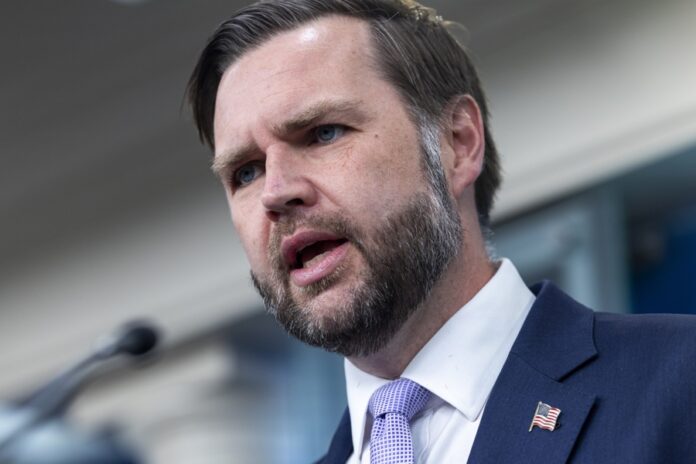
Y mientras que los deportistas estadounidenses recibieron aclamaciones cuando aparecieron, el vicepresidente JD Vance desató abucheos en cuanto apareció brevemente en las pantallas de video del recinto desde su lugar en la tribuna. El apoyo a los Estados Unidos entre sus aliados ha estado erosionándose a medida que la administración del presidente Donald Trump ha adoptado una postura agresiva en política exterior, incluyendo aranceles punitivos, acción militar en Venezuela y amenazas de invadir Groenlandia.

La delegación de Venezuela recibió un gran respaldo al entrar. Lo mismo ocurrió con la de Ucrania, donde una guerra continúa cuatro años después de que Rusia la invadió.

Los organizadores de la ceremonia han dicho que buscaron transmitir temas de armonía y paz, en busca de representar la dicotomía ciudad-montaña de la configuración particularmente inusual de estos Juegos Olímpicos mientras también intentaban apelar a un sentido de unidad en un momento de tensiones globales.

La actriz sudafricana Charlize Theron y el rapero italiano Ghali emitieron mensajes de paz hacia el final de la noche.

«Espero que la ceremonia de apertura sea para todos una oportunidad de ser respetuosos», dijo la nueva presidenta del Comité Olímpico Internacional Kirsty Coventry esta semana, cuando se le preguntó sobre posibles reacciones del público.

El saludo más cálido estuvo reservado, naturalmente, para la anfitriona Italia, que entró al final, con una versión electrónica de “El Barbero de Sevilla”.

La ceremonia había durado ya tres horas para el momento en que el presidente de Italia, Sergio Mattarella, declaró oficialmente inaugurados los Juegos de Milán-Cortina tras un discurso de Coventry, la primera mujer en liderar el COI.

«Gracias por creer en la magia de los Juegos Olímpicos», dijo Coventry.

Varios minutos después, se aseguró de mencionar a los «titulares de derechos de medios» que pagan para transmitir el evento.

Pronto, la voz del tenor Andrea Bocelli resonó con “Nessun Dorma” de Puccini y su estribillo final de “Vincerò” («ganaré» en italiano). Al concluir, los portadores de la antorcha salieron de la arena hacia un pebetero en el Arco de la Paz, a casi cuatro kilómetros de San Siro.

Otro símbolo de lo disperso que está todo esta vez: en lugar del habitual pebetero que se enciende y arde durante toda la duración de los Juegos Olímpicos, habrá dos, ambos concebidos como un homenaje a los estudios geométricos de Leonardo da Vinci. El otro está a 400 kilómetros de distancia en Cortina.

Los tres encargados de encender de la llama — Alberto Tomba y Deborah Compagnoni en Milán, así como Sofia Goggia en Cortina — son italianos campeones olímpicos de esquí alpino. Tomba y Compagnoni están retirados; Goggia está inscrita en los Juegos de 2026.

La colección completa de sedes de competición para las próximas dos semanas y media se extiende por un área de más de 22.000 kilómetros cuadrados. El formato de ceremonia de ciudad múltiple observado el viernes permitió que deportes de montaña como el esquí alpino, el bobsleigh, el curling y el snowboard estuvieran representados sin requerir que la gente hiciera el largo viaje de varias horas hasta Milán.

No había exactamente la sensación de unos Juegos de Invierno en la capital financiera del país, donde la temperatura estaba un poco por debajo de los 10 grados Celsius y el cielo era de un azul claro y nítido toda la tarde del viernes. Ni rastro de nubes, y mucho menos de nieve.

Mientras Italia daba la bienvenida al mundo mostrando símbolos de su herencia cultural, el espectáculo producido por el veterano de ceremonias olímpicas Marco Balich comenzó con bailarines formados en la academia de la famosa casa de ópera de Milán, el Teatro alla Scala, reimaginando las obras de mármol del escultor del siglo XVIII Antonio Canova.

Personas con cabezas de gran tamaño, estilo mascotas deportivas, representaron a los compositores de ópera Giacomo Puccini, Gioachino Rossini y Giuseppe Verdi. Aparecieron en el escenario central, antes de que tubos gigantes de pintura flotaran sobre el escenario y soltaran seda de color rojo, azul y amarillo — los colores primarios.

Luego, un desfile temprano de personajes con vestimentas de varios colores llegó al estadio. Representaban la música y el arte, la literatura y la arquitectura, apreciaciones por la belleza y la historia y, sobre todo, «La Dolce Vita» («La Buena Vida» en italiano y el nombre de una película de 1960 de Federico Fellini).

Hubo referencias a la antigua Roma, el Renacimiento, el Carnaval de Venecia y las tradiciones notables del país en diversas áreas como la cocina y la literatura, incluyendo «Pinocho» y «El Infierno» de Dante.

Un desfile de moda mostró atuendos — creados por el fallecido diseñador de moda Giorgio Armani, quien murió el año pasado a los 91 años — en los colores de la bandera de Italia: rojo, verde y blanco. Y la baladista Laura Pausini cantó el himno nacional de Italia.

Carey recibió sonoros aplausos en Milán mientras cantaba en italiano. En Cortina, cientos de fanáticos cantaron junto con ella, y ovacionaron cuando se dieron cuenta de que estaba interpretando la canción con el estribillo de “Volare”.

Otro toque local: la actriz italiana Sabrina Impacciatore, famosa por «White Lotus», lideró una sección que llevó a los espectadores a través de un siglo de Juegos Olímpicos pasados, con ejemplos de la evolución del equipamiento, la ropa deportiva y la música. Y la actriz y comediante Brenda Lodigiani demostró los populares gestos de manos italianos que a menudo se usan para comunicarse en lugar de palabras.

Art and Community: Taller Puertorriqueño on the road to 2026 in Philadelphia

The Taller Puertorriqueño Bookstore offers a wide selection of books and collectible items. (Photo: Haydeé Rosario / Impacto staff)

Taller Puertorriqueño continues to consolidate itself as a cultural and community pillar in Philadelphia, with a mission centered on empowering the Latino community through the arts, education, and social services. The organization reaffirms its commitment to preserving cultural heritage and fostering the city’s social development within a context marked by historical challenges that persist.

Erikka Goslin, Executive Director of Taller Puertorriqueño in Philadelphia. (Photo: Haydeé Rosario / Impacto staff)

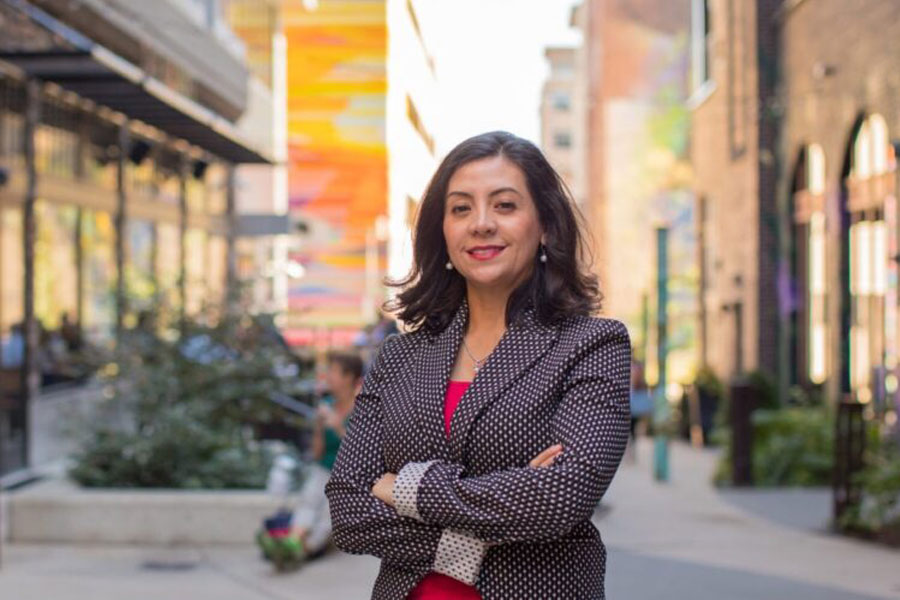
Under the leadership of its Executive Director, Erikka Goslin, Taller Puertorriqueño has grown stronger through strategic partnerships and inclusive programming. Goslin acknowledged that the challenges facing the Latino community remain profound: “The challenges continue to be many of the same ones we’ve seen for decades: underrepresentation, marginalization, poverty, and cyclical violence,” she noted. Nevertheless, she emphasized the community’s collective strength: “There is also extraordinary resilience, creativity, and an entrepreneurial spirit that continue to drive our people forward.”

Inside Taller Puertorriqueño, one of the most prominent words is Gratitude. (Photo: Haydeé Rosario / Impacto staff)

Goslin referenced the community’s historical struggles, recalling the marches of 1976 during the Bicentennial. “These are many of the same demands we are still fighting for today, 50 years later,” she stated, underscoring the relevance of these claims as the nation approaches the Semi quincentennial in 2026.

Art classes are very popular within the community. (Photo: Haydeé Rosario / Impacto staff)

Beyond its cultural role, Taller Puertorriqueño maintains a strong educational offering for children and youth, with artistic and academic after-school courses. These programs provide safe spaces where students strengthen their cultural identity and personal development, representing essential support for many Philadelphia families.

Regarding institutional challenges, Goslin pointed out that funding remains one of the greatest obstacles. “Securing funding for the arts, paying our staff and artists fairly, and sustaining our work year after year is a constant challenge,” she explained.

Classrooms are equipped with materials so students can learn and enjoy the after-school program. (Photo: Haydeé Rosario / Impacto staff)

Looking ahead to 2026, Taller Puertorriqueño already has a structured annual program, while remaining flexible to respond to community needs. Among the highlighted events is an exhibition by artist Jorge Luis Rodríguez, focused on the Orishas, accompanied by educational programming on spirituality and diaspora. This exhibition is linked to the 30th edition of the Arturo Schomburg Symposium, under the theme “Spirituality as Resistance and Resilience in the Afro-Latino Diaspora.” “We want to reflect on how spirituality has been a tool for our communities to face difficult times,” she explained.

In that same community-centered spirit, Taller Puertorriqueño announced the hosting of its first Super Bowl Watch Party on Sunday, February 8, in collaboration with the African American Museum in Philadelphia, inspired by Bad Bunny’s participation as the halftime show performer. The event will feature soul food, Puerto Rican cuisine, and activities for all ages. “We want it to be a fun and meaningful night. It’s the first time we’re doing this, and we’re excited to see how the community responds,” expressed the Executive Director.

Interamerican University of Puerto Rico has a partnership with Taller Puertorriqueño so students can complete their bachelor’s degree coursework. (Photo: Haydeé Rosario / Impacto staff)

In the face of political and migratory uncertainty, Goslin delivered a powerful message: “Do not give up or fall into despair. This is a home for everyone. We stand firmly with our community and will protect it until the end. We are not afraid, and we will not hide.”

For the first time, Taller Puertorriqueño will host a Super Bowl Watch Party to watch Bad Bunny’s halftime performance. (Photo: Taller Puertorriqueño)

Finally, she invited the community to get actively involved. Those interested can visit the Taller Puertorriqueño website, call (215) 426-3311, or stop by the space to contribute, learn, and feel at home,” Goslin concluded.

30th edition of the Arturo Schomburg Symposium. (Photo: Taller Puertorriqueño)

Calendar of Activities

February 8 @ 6:00 pm – 10:00 pm, AAMP Super Bowl LX Watch Party!

February 13 @ 1:00 pm – 5:30 pm, Domino Tournament

February 27 @ 6:00 pm – February 28 @ 9:00 am, 30th Annual Arturo Schomburg Symposium

Harrisburg celebrates the 182nd anniversary of Dominican Independence

Food and the Dominican flag were the main elements of the event’s décor. (Photo: Tomasina Sosa)

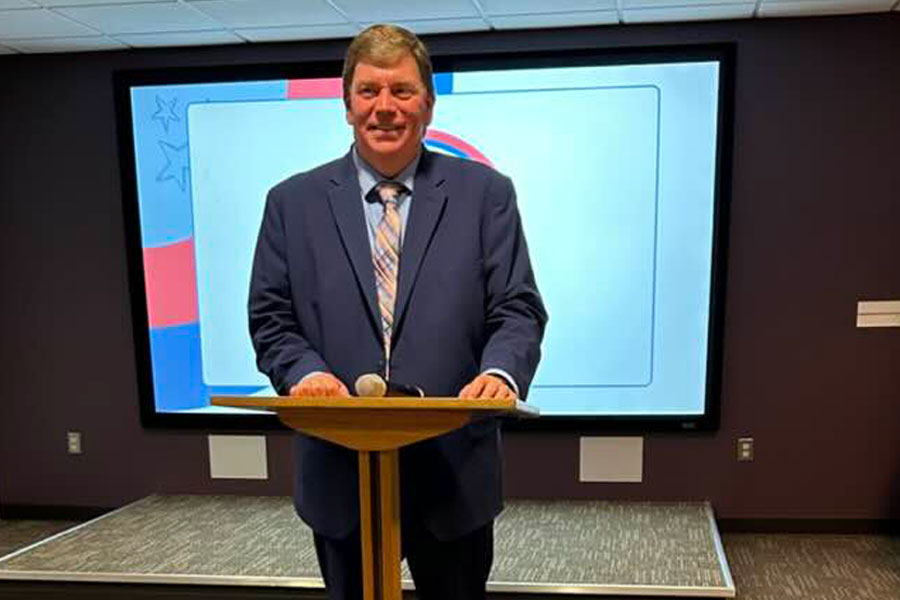
In an emotional event held this Monday, February 2, the Pennsylvania Legislative Latino Caucus presented a resolution celebrating Dominican Independence Day in the Main Rotunda of the Pennsylvania State Capitol in Harrisburg. Legislative, community, and cultural leaders gathered to commemorate the 182nd anniversary of the independence of the Dominican Republic and to recognize the impact of Dominican immigrants on the state’s economy, culture, and society.

The event, “Roots, Resilience & Results: Dominican Immigrants Powering Pennsylvania,” highlighted the contributions of Dominican immigrants in Pennsylvania and brought together elected officials such as State Representative Johanny Cepeda-Freytiz; Representative Joanna McClinton, Speaker of the Pennsylvania House of Representatives; Representative Danilo Burgos, Chair of the Consumer Protection, Technology, and Utilities Committee; and Representative Manny Guzman, Chair of the Central Pennsylvania Delegation, among other public and community leaders. Representatives from the Dominican Consulate also attended, along with business leaders including George Fernandez, CEO of Latino Connection & Fernandez Realty Group, and María Zabala of the Governor’s Advisory Commission on Latino Affairs.

Commissioner Elizabeth Strong, Latino Affairs Advisory Commission; Speaker Joanna McClinton; Representative Danilo Burgos; Representative Johanny Cepeda-Freytiz; and Rep. Jo Hohestein. (Photo: Tomasina Sosa)

The celebration included performances of the United States national anthem by Keisha Rivera, and the Dominican national anthem by Alex Arias, moments that underscored the cultural pride and bicultural identity shared by many Dominican families in Pennsylvania.

In her remarks, Johanny Cepeda-Freytiz, State Representative for Pennsylvania’s 129th District, Democrat, and Chair of the Pennsylvania Legislative Latino Caucus, recalled the historical importance of the date and the meaning of independence for the Dominican community both on the island and in the United States. “This day not only celebrates 182 years of freedom for the Dominican Republic, but also honors the values of resilience, determination, and collective contribution that our community brings to this state and to our nation,” Cepeda-Freytiz said from the podium. She also noted the importance of using her platform to highlight the contributions of the Latino community.

Speaker Joanna McClinton addresses those in attendance. (Photo: Tomasina Sosa)

The legislative leader further emphasized cultural diversity as a strength of the state, noting that the Dominican community—along with other immigrant groups has enriched the region’s social and economic life. “It is an honor to publicly recognize the lasting contribution of Dominicans to civic life, public service, and the cultural strength of Pennsylvania,” Cepeda-Freytiz added.

Keisha Rivera performed the United States national anthem. (Photo: Tomasina Sosa)

Other speakers highlighted how Dominican immigrants have played essential roles as entrepreneurs, essential workers, and community leaders in cities such as Philadelphia, Reading, and Allentown, where the Dominican presence has grown significantly in recent decades.

Tomasina Sosa, INDEX Co-Development Manager in Philadelphia, and Speaker Joanna McClinton. (Photo: Tomasina Sosa)

The event also spotlighted a recent legislative initiative to designate February 27 of each year as “Dominican Republic Independence Day” in Pennsylvania, a proposal aimed at further affirming the visibility and official recognition of the Dominican community throughout the state.

Members of Cooperación Latinoamericana 809 Rompiendo Barreras participated in the event. (Photo: Tomasina Sosa)

Among those in attendance were consular representatives, community organizations, and community members who applauded the music, the speeches, and the central message of unity and cultural pride that defined the occasion.

Cynthia Mota, City Councilwoman and Vice President of the Allentown City Council, alongside Danilo Burgos, Representative in the Pennsylvania House of Representatives. (Photo: Tomasina Sosa)
 

The celebration in the Harrisburg Rotunda joins other festivities and events held across the State to commemorate Dominican independence. The Dominican community in Pennsylvania is invited to proudly join the following flag-raising events:

Sunday, February 22, – 2:00 PM, Reading, PA

Friday, February 27, – Flag Raising, and Saturday, February 28, – Community Gathering, 9:00 AM, York, PA

Friday, February 27, – 12:00 PM, Philadelphia, PA

Saturday, February 28, – 12:00 PM, Allentown, PA

Trump poked China in the eye with a stick over Venezuela

Presidente ruso, Vladímir Putin (d), y el presidente chino, Xi Jinping, durante una reunión en la residencia Zhongnanhai, la residencia del líder chino, en Pekín, China, el 2 de septiembre de 2025. (Foto: EFE/ALEXANDER KAZAKOV/SPUTNIK/KREMLIN /Archivo)

The Chinese representative to the United Nations gave a long and impassioned speech to the General Assembly. In this presentation, he strongly condemned the action taken and the abduction of President Maduro and his wife. He referenced the rule of law and the UN Charter, and the unlawful acts taken in Venezuela. And he demanded the immediate release of Maduro and his wife.

It seems that the Trump administration had not done its homework regarding Venezuela. Some are saying that China has invested heavily there, to the tune of perhaps 10 billion dollars, and that this invasion would turn over all the natural resources to the USA when China was hoping for its share of this natural wealth.

With China being a world power and a key trading partner with the USA, it seems more and more like a dumb decision to invade.

While condemnation is worldwide, it must still be noted that Maduro was not a democratic leader and had mismanaged Venezuela’s economy and its vast oil and mineral assets.

With the bluster of a high school yard bully, Trump talked about Iran, Mexico, Greenland, Cuba, and other countries where he might invade.

The people of Taiwan have lived under the threat of a China invasion for years. And now the USA has opened this door for China to do just that. Putin now must feel more emboldened to invade other countries while maintaining its current war. And what is to stop North Korea, with the help of Russia, from attacking South Korea?

We are now in a political dark whirlpool that could push us into the horrific tsunami of a third world war.

And this has happened because of the wrong-headed advice by a non-seasoned, uneducated administration that has brought us to the brink of political and economic collapse.

Also, it places in danger embassy staff, business personnel, and tourists who might become victims as a result of the actions of our government.

Some say that the Trump invasion of Venezuela was to distract from the damaging photos and reports of Trump within the Epstein files. Also, with the economic problems at home, in particular the cost of health care, they were trying to get the media’s focus elsewhere.

Whatever the reason, it was the wrong action, and it is creating the possibility of some god-awful reactions.

Some suggest that a third party (government) assist the USA in getting out of this mess, although others think that the administration will not listen to anyone’s advice.

But something must be done to diminish the chaos and violence.

Teatro Esperanza presented “De Cerca”, with the Philadelphia Ballet

The artists had the opportunity to engage with attendees. (Photo: Shoshana Isaacs)

Last Saturday, January 31, Teatro Esperanza hosted De Cerca, a dance production that embraced intimacy, emotion, and direct connection with the audience. The performance offered a close and deeply human experience, reaffirming the company’s commitment to artistry and authenticity.

Philadelphia’s leading dance company presented an evening highlighting latino dancers from the Philadelphia Ballet. The program featured Connection, choreographed by Julio Nunes, and Concierto Françaix, choreographed by Charles Askegard.

During the presentation, audiences enjoyed a restrained yet powerful stage in which movement, the use of silence, and the narrative rhythm played a fundamental role. “De Cerca is an invitation to look without filters, to listen to one another through emotion and truth. We wanted the audience to feel part of the story—not just as spectators, but as close witnesses to what happens on stage,” explained the show’s artistic director, Angel Corella.

The central concept of the play revolves around human relationships and bonds that are built through emotional proximity. This approach was clearly reflected in the staging, which was designed to reduce the distance between artists and audience. “Closeness is not only physical, but also emotional. Every element of the production is conceived to sustain that intimacy,” Corella noted.

The response from Philadelphia’s Latino audience was warm and engaged. “We felt a very special connection; the audience was attentive, present, and responded from a place of emotion. That exchange is what gives meaning to our work.” The heartfelt applause at the end of the performance confirmed the positive reception of the play and the impact it had.

Reflecting on the experience, Corella highlighted the shared energy in the room. “As the artistic director of Philadelphia Ballet, you experience the performance very intensely. Seeing how the work breathes along with the audience and how the message comes through is deeply gratifying.” He added that the core message is a commitment to dance that engages with reality and sparks reflection from a human perspective.

Following the performance, a reception was held at Galeria Esperanza, providing an opportunity for direct interaction between the cast and the audience. “It was a very valuable space. Listening to the audience, sharing impressions, and feeling their closeness after the performance strengthens the sense of community we seek to build through the arts.”

After this successful presentation, the De Cerca team continues preparing enthusiastically for this weekend’s performances, fine-tuning details and keeping alive the energy experienced at Teatro Esperanza, with the expectation of continuing to connect closely with audiences.

For more information about events at Esperanza Arts Center, call (215) 324-0746.

More than a draft: How La Liga del Barrio builds futures through basketball

(Photo: Jesus Rincon)

Every year in Philadelphia, more than 300 young people experience a moment most athletes only ever watch on television. They hear their names called. They walk across a stage. They are drafted.

But La Liga del Barrio’s Annual Basketball Draft Day is about far more than recreating NBA spectacle. It is an act of visibility, dignity, and possibility for young people who are too often overlooked.

On Saturday, January 24, La Liga del Barrio hosted its 8th Annual Draft Day at Mariana Bracetti Academy Charter School in Northeast Philadelphia. Student-athletes ages 6 to 18 were formally drafted onto teams ahead of the league’s winter and spring season, which runs from January 31 through April 25. For many, it was the first time they had ever been publicly celebrated for their commitment, discipline, and growth.

(Photo: Jesus Rincon)

La Liga’s Draft Day mirrors the pageantry of professional sports—music, announcements, excitement, and the unmistakable hum of community pride. This year’s event was emceed by Rumba 106.1’s Loraine Ballard Morrill alongside Jose Urdaneta, bringing familiar Philly voices and cultural pride to the room. The day also featured a “dress-for-success” contest, encouraging youth to step confidently into the spotlight and reinforcing the message that how you present yourself matters both on and off the court.

What truly distinguishes La Liga is its clarity of mission. As President and CEO Raymond Alvarez often reminds the community: basketball is the hook; education and safety are the mission. The league delivers structure, expectations, and caring adult mentors in neighborhoods where young people often confront significant challenges. The court becomes a space for accountability, mentorship, and belonging.

(Photo: Jesus Rincon)

Founded in 2000 by former Councilman Angel L. Ortiz, La Liga del Barrio has served more than 18,000 student-athletes over 26 years, working in partnership with the Philadelphia 76ers and the Sixers Youth Foundation. Its impact stretches far beyond wins and losses, touching families, strengthening schools, and transforming entire communities.

Photo: Jesus Rincon)

This year also marks a pivotal moment for the organization’s future. La Liga continues fundraising for its first-ever capital campaign to build a dedicated gym and community hub in Kensington—an anchor space for youth development designed to support generations to come.

Draft Day is a celebration. But more importantly, it is a reminder that when we invest in young people with intention, guidance, and care, we are not just shaping athletes.

We are building futures.

Representative Burgos sponsors bill to improve access to healthcare

The number of available physicians is not meeting needs in Pennsylvania — or nationwide.

By 2030, the United States will face a shortage of 120,000 physicians. In Pennsylvania alone, an additional 1,039 doctors will be needed.

The causes of this shortage in the Commonwealth are varied. Currently, 34.4% of physicians are of retirement age; the state has only 350 annual residency slots for primary care, and 45.2% of those residents will practice outside Pennsylvania. Loan-forgiveness programs for rural and underserved areas have failed, and the laws regulating physician assistants are outdated, among other factors. As a result, twenty counties in Pennsylvania have seen significant decreases in their number of primary care providers.

Thirty-two of Pennsylvania’s sixty-seven counties are designated physician shortage areas. In these HPSAs (Health Professional Shortage Areas), there are 3,500 or more patients per healthcare provider. A total of 380,454 Pennsylvania residents live in an HPSA.

A lower number of professionals means longer wait times for patients and greater burnout among physicians. Additionally, low-income residents are disproportionately impacted by this shortage.

Compared to other states, Pennsylvania has a worse physician-to-patient ratio by 176% in pediatric cardiology, 35% worse in pediatric internal medicine, 21% worse in preventive medicine, and 12% worse in plastic surgery.

To address this problem, Representative Danilo Burgos introduced bill HB 2121 in the Pennsylvania House of Representatives on January 8.

The bill would amend the “Medical Practice Act of 1985” of December 20.

“The bill creates a pathway to full licensure for internationally trained physicians, expanding the physician pool without requiring a U.S. residency. It addresses immediate staffing needs while maintaining quality standards,” said Dr. Jose Torradas, who has worked closely with Rep. Burgos on drafting and developing this potential legislation.

The proposal creates a pathway for internationally trained medical graduates who meet specific requirements to obtain a time-limited supervised license, allowing them to practice medicine in Pennsylvania and helping alleviate the severe physician shortage—particularly in rural and underserved communities (including the Latino community).

Dr. Torradas adds that the bill “requires holders of provisional licenses to practice in designated underserved areas under supervision. It directs qualified international physicians toward communities with the greatest shortages.”

In addition to primary sponsorship by Rep. Burgos (D–House District 197), the bill is co-sponsored by Representatives Carol Kazeem (D–159), Carol Hill-Evans (D–95), Emily Kinkead (D–20), Joseph Hohenstein (D–177), Johanny Cepeda-Freytiz (D–129), Anthony Bellmon (D–203), Benjamin Sanchez (D–153), and Jeanne McNeill (D–133).

According to an internal memo from Rep. Kazeem to her colleagues, the legislation “would authorize the State Board of Medicine to issue provisional licenses (valid for up to four years) to IMGs who meet rigorous standards.”

Those standards include, as Dr. Torradas notes, “ECFMG certification, verified foreign medical training, English proficiency, mandatory supervision by licensed physicians, strict supervision provisions, and annual reports to the General Assembly.”

The memo adds that it provides “a clear path to full licensure upon successful completion of the provisional period and fulfillment of remaining requirements.”

Dr. Torradas notes that “at least eighteen states have enacted similar laws, including Tennessee, Illinois, Virginia, Florida, Idaho, Iowa, Wisconsin, Louisiana, and Arkansas, and several others are considering legislation.” Although it is still early to evaluate outcomes, since “most state regulations are still pending… the state of Washington has issued approximately 40 licenses,” he adds.

His motivation for supporting the bill is to save lives. “I have seen firsthand how difficult it is for patients to see and continue with the same doctor. Those delays and lack of continuity kill. And I have also met many people who were doctors in their home countries—some brilliant—who want to help. But the system as it exists now blocks them with nearly insurmountable barriers. I studied what other states have done with similar laws and got to work.”

Both U.S.-trained and internationally trained physicians who could benefit from the bill express strong support for HB 2121 “because it represents an opportunity to return to a lifelong vocation and even achieve a better quality of life,” Dr. Torradas explains. He emphasizes that “it’s not just international physicians who would benefit—though that is the obvious part. There are thousands of American citizens who studied abroad and, because they were not accepted into a U.S. residency, cannot practice their profession in their own country.”

For Dr. Nilsa R. Graciani, Academic Dean at Esperanza College, “the approval of these provisional licenses would not only help mitigate the physician shortage in the state, it would also help reduce the lack of Hispanic representation among physicians. Even though Hispanics are nearly 10% of Pennsylvania’s population, only 6% of doctors are of Hispanic descent. Our work at Esperanza College includes inspiring and equipping our students to pursue health careers in order to increase representation.”

HB 2121 is now awaiting committee assignment. If you are a Pennsylvania resident interested in supporting this bill’s advancement and eventual passage, consider contacting your state representative to encourage support for this initiative.

Keeping a positive attitude in negative times

El noreste de Estados Unidos sufría el impacto de un gran temporal invernal que amenaza con dejar hasta medio metro de nieve en Nueva York. (Foto: EFE/JASON SZENES)

More than ever, staying positive feels harder than it used to be. We turn on the news, scroll through our phones, or check our favorite social media pages, and we are surrounded by anger, fear, and division. It can feel like too much. That doesn’t mean everything online is bad. Social media and the internet have also given us good things, like ideas for healthier living, inspiration to improve our finances, and motivation to become better versions of ourselves. Hope is still out there. Some days, it just feels harder to see

Still, most of us wake up every morning and push forward. We go to work, we take care of our families, and we keep things moving because production doesn’t stop. Bills don’t pause. Responsibilities don’t wait. There often isn’t much room to sit with sadness or frustration, even when it’s heavy. And let’s be honest — February doesn’t help. The cold, snow storms, gray skies, short days etc. Unless you love winter, it can add another layer to how we feel.

So we start searching for answers. We look for something that will help us feel better, something that will give us clarity. But sometimes we get stuck in our own little worlds — worlds we may have helped create ourselves. I’m not just talking about social media algorithms. I’m talking about real-life algorithms. The routines, habits, and thought patterns that keep us from seeing new solutions. Sometimes we build our own walls without even realizing it.

Simon Sinek, in his newsletter “The Secret to Staying Optimistic (That Nobody Talks About),” shared an idea that really resonated with me. He wrote, “Real optimism isn’t about pretending everything is fine. It’s about knowing that even when things aren’t fine, we have the strength, the support, and the capacity to move through it together.” That matters, especially for our communities. Optimism isn’t denial. It’s resilience. It’s showing up even when things are uncomfortable.

So where do we turn when things feel heavy? For some of us, the answer is family or close friends. Some people are lucky to have that kind of support system. Others have to build it slowly, over time. One thing I keep coming back to is the idea that life itself is the journey — a journey that includes bumpy roads… It’s about finding the strength to hang in there, to fall, to fail, and to get back up again. Over and over.

That’s where the real work happens. When we find enough strength to lift ourselves, we often discover we can lift others too. Families, communities, and even workplaces get stronger that way. No matter how heavy things feel today, many of us still hear that quiet inner voice saying, “It’s going to be okay. Hang in there.” In times like these, listening to that voice—and to each other—may be exactly what we need. Sometimes, that’s enough to keep us moving forward.

After Income Debate, City Council Authorizes $800 Million for H.O.M.E.

En el cuarto 200 del Ayuntamiento de Filadelfia se realizó el anuncio de las más de 60 nuevas iniciativas del programa H.O.M.E. (Foto: captura de pantalla, transmisión en Facebook en el sitio de la Alcaldía de Filadelfia)

The City Council authorized the mayor’s administration to move forward with $800 million in borrowing to fund the Housing Opportunities Made Easy (H.O.M.E.) plan, after approving an amended version of the bond ordinance on January 22. Considered one of Mayor Cherelle Parker’s signature initiatives, H.O.M.E. aims to create or preserve 30,000 affordable homes in four years through investments benefiting homeowners, renters, and developers. Recently, the goal expanded to 50,000 units with an additional 20,000 led by the Philadelphia Housing Authority (PHA).

Although three councilmembers opposed the updated ordinance in committee last month, it ultimately received unanimous support, signaling a cooling of the intense debate over income eligibility limits. Council leaders sought to keep repair assistance focused on the city’s lowest-income residents, while the administration pushed to broaden access to middle-income households by raising the Area Median Income (AMI) thresholds.

The revised law gives Council authority over AMI eligibility, and the first-year H.O.M.E. budget of $277 million—approved on December 11—requires at least 90% of funds for the Basic Systems Repair Program and Adaptive Modifications to go to households earning 60% of AMI or below.

With the legislation in place, the administration will now focus on implementation and outreach through the city’s Neighborhood Community Action Centers. The approval capped a week of related announcements, including PHA’s planned rehabilitation of the Brith Sholom House senior complex with a $50 million loan, and a request for information to explore building modular home factories.