Harrisburg, PA – Today, Governor Josh Shapiro ordered United States and Commonwealth flags on all Commonwealth facilities, public buildings, and grounds across the Commonwealth of Pennsylvania to fly at half-staff immediately in honor of State Representative Matthew Gergely, who passed away yesterday.
The flags shall be lowered to half-staff until sunset on the date of interment.
All Pennsylvanians are invited to participate in this tribute.
Pennsylvanians can receive flag notifications through the AlertPA, or Code Red, system by creating an account on the Alert PA site and selecting the Flag Notifications alert.
Josh Allen (17), quarterback de los Bills de Buffalo, acarrea el balón dentro de la zona de anotación para anotar un touchdown en contra de los Ravens de Baltimore durante el segundo cuarto del juego de la ronda divisional de los playoffs de la NFL, el domingo 19 de enero de 2025, en Orchard Park, Nueva York. (Foto: AP/Gene J. Puskar)
Josh Allen y los Bills de Buffalo se enfrentarán a Patrick Mahomes y los Chiefs de Kansas City en el Juego de Campeonato de la AFC, marcando su cuarto enfrentamiento en los playoffs en cinco años.
Allen corrió para dos touchdowns y los Bills vencieron a Lamar Jackson y los Ravens de Baltimore 27-25 en un juego divisional el domingo. Mark Andrews dejó caer un pase de Jackson en una conversión de dos puntos que habría empatado el juego con 1:33 restantes y Buffalo mantuvo la ventaja para la victoria.
Los Chiefs han derrotado a los Bills tres veces consecutivas en los playoffs, incluyendo el juego del título de la conferencia hace cuatro años en Kansas City.
Será Jalen Hurts, Saquon Barkley y los Eagles de Filadelfia recibiendo a Jayden Daniels y los Commanders de Washington en el Juego de Campeonato de la Conferencia Nacional.
Los Eagles avanzaron el domingo con una victoria de 28-22 sobre los Rams de Los Ángeles y estarán en casa la próxima semana ante el sexto lugar, los Commanders, que sorprendieron el sábado por la noche con un marcador de 45-31 a los Lions de Detroit, el número 1.
Barkley corrió para 205 yardas, incluyendo carreras de touchdown de 62 y 78 yardas y la defensiva de Filadelfia se mantuvo en la última jugada con Jalen Carter derribando a Matthew Stafford para una pérdida de 9 yardas hasta la 22. Stafford luego lanzó un pase incompleto en cuarta y 11.
Será la tercera vez que los rivales del Este de la NFC, Eagles y Commanders, se enfrenten esta temporada, con un triunfo por bando en casa. Los Eagles vencieron a Washington 26-18 en un juego de jueves por la noche el 14 de noviembre.
Los Commanders se recuperaron para una victoria de 36-33 el 22 de diciembre en un partido en el que Hurts sufrió una conmoción cerebral en el primer cuarto. El quarterback suplente Kenny Pickett tenía a Filadelfia en posición de ganar ese juego, pero DeVonta Smith dejó caer un pase en tercera oportunidad que habría permitido a los Eagles dejar correr el reloj.
En cambio, Jake Elliott pateó un gol de campo para una ventaja de 33-28 y Daniels lideró otra impresionante remontada en los últimos dos minutos, lanzando un pase de TD de 9 yardas a Jamison Crowder con 6 segundos restantes.
Los Eagles (16-3) van al juego del título de la NFC por segunda vez en tres años y novena vez en la historia de la franquicia. Tienen un récord de 4-4 y han ganado el Super Bowl una vez. Los Commanders (14-5) están en el juego del campeonato de la conferencia por primera vez en 33 años y séptima vez en la historia de la franquicia. Washington tiene un récord de 5-1 en el juego del título de la NFC y ha ganado tres Super Bowls. Los QB’s novatos tienen un récord de 0-5 en juegos del campeonato de la conferencia, por lo que Daniels intentará romper esa racha.
Los Chiefs (16-2) avanzaron el sábado con una victoria de 23-14 sobre los Texans de Houston. Mahomes lanzó para 177 yardas y un touchdown a Travis Kelce, quien tuvo siete recepciones para 117 yardas con su novia Taylor Swift y la estrella de la WNBA Caitlin Clark observando desde un palco. Será el séptimo juego del campeonato de la AFC consecutivo para Mahomes, Andy Reid y los Chiefs. Tienen un récord de 4-2 y han ganado tres campeonatos de la NFL, incluyendo dos consecutivos. Kansas City aspira a ser el primer equipo en la historia de la liga en ganar tres Super Bowls seguidos.
Los Bills (15-4) tienen un récord de 4-2 en juegos del título de la AFC, pero 0-4 en el Super Bowl, perdiendo cuatro consecutivos de las temporadas 1990-93.
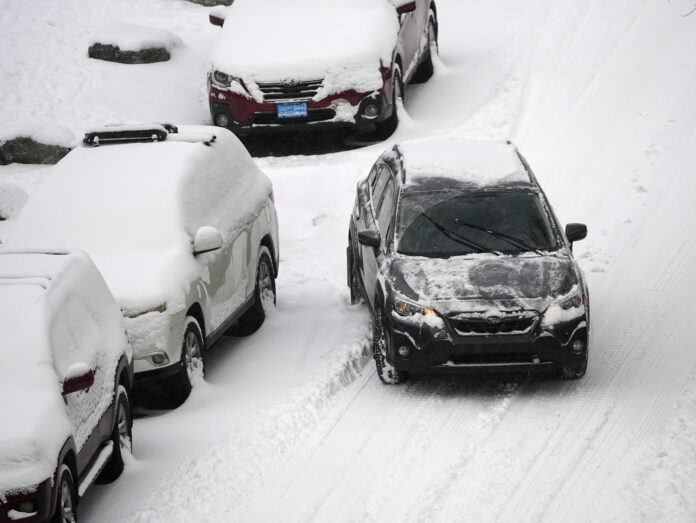
Cuando la Ciudad anuncia una emergencia por nieve, significa que los vehículos deben ser retirados de las Rutas de Emergencia por Nieve en Filadelfia. Si su vehículo es reubicado durante la emergencia por nieve, llame al 215-686-SNOW para encontrarlo. No llame al 911.
«Aunque la cantidad total de nieve aún no está confirmada, es necesario que nuestro Departamento de Calles y todos los demás departamentos de la Ciudad puedan estar listos para operar a nivel de emergencia por nieve», dijo la alcaldesa Cherelle L. Parker. «Siempre estamos enfocados en la seguridad de nuestros residentes y todos los departamentos están trabajando las 24 horas del día, los 7 días de la semana para asegurarnos de que estemos completamente preparados».
Estamos declarando esta emergencia por nieve porque:
La acumulación de nieve pronosticada ha aumentado a 4-6 pulgadas en partes de Filadelfia
El noroeste y noreste de Filadelfia verán una acumulación de nieve más pesada
Las temperaturas están bajando durante la noche, lo que hace que la acumulación de nieve se congele
Una vez que se forma hielo, será difícil de tratar
La declaración de Emergencia por Nieve mejorará la seguridad vial mediante:
Quitar la nieve de los carriles de estacionamiento en las rutas de emergencia para maximizar el espacio libre de la carretera
Activación de tripulación y vehículos adicionales para apoyar las operaciones de nieve
A partir de las 9 p.m. permite que las multitudes que asisten al juego de los Eagles regresen a casa, lo que reduce el tráfico en las carreteras durante las operaciones de nieve y la limpieza
La actividad adicional de emergencia por nieve incluye:
PPA ofrecerá una tarifa plana de estacionamiento de $5 en garajes y lotes para permitir el estacionamiento fuera de la calle
PPD para ayudar a remolcar vehículos estacionados fuera de las rutas de emergencia
«Evite viajes innecesarios. Vaya despacio y tenga cuidado si tiene que conducir», dijo Kristin Del Rossi, comisionada del Departamento de Calles. «Va a estar por debajo del punto de congelación el domingo por la noche. Las carreteras pueden volverse más heladas. Por favor, estén atentos a nuestras tripulaciones y camiones».
Para obtener información adicional, regístrese para recibir alertas de emergencia y actualizaciones meteorológicas de ReadyPhiladelphia enviando un mensaje de texto con la palabra READYPHILA al 888-777 o visitando phila.gov/ready.
«Durante este clima frío y nevado, se les recuerda a los residentes que los calefactores necesitan espacio. Manténgalos al menos a tres pies de distancia de cualquier cosa que sea inflamable y nunca los conecte a un cable de extensión, conéctelos directamente a un tomacorriente de pared», dijo Jeffrey W. Thompson, comisionado del Departamento de Bomberos de Filadelfia. «Los residentes también pueden ayudarnos quitando las bocas de incendio de su cuadra».
Haga clic en el enlace aquí para ver las rutas de emergencia por nieve.
Para obtener más consejos sobre el clima invernal, visite la Oficina de Manejo de Emergencias de Filadelfia en línea en phila.gov/ready.
El running back Saquon Barkley (26), de los Eagles de Filadelfia, corre con el balón rumbo a la zona de anotación durante la segunda mitad del partido de la ronda divisional de la NFL en contra de los Rams de Los Ángeles, el domingo 19 de enero de 2025, en Filadelfia. (AP Foto/Derik Hamilton)
FILADELFIA.— Saquon Barkley corrió a través de la nieve para anotar touchdowns de 78 y 62 yardas y terminó con 205 yardas terrestres, Jalen Hurts tuvo un acarreo de anotación de 44 yardas y los Eagles de Filadelfia se mantuvieron firmes para derrotar 28-22 a los Rams de Los Ángeles el domingo para avanzar al juego de campeonato de la NFC por segunda vez en tres temporadas.
Barkley corrió para un touchdown de 62 yardas en la primera mitad y amplió la ventaja en el cuarto periodo cuando atravesó un hueco y corrió sin ser tocado 78 yardas hasta el touchdown. El running back golpeó su casco con su mano en sus últimos pasos nevados y agitó sus brazos una vez que llegó a la zona de anotación.
Barkley se deslizó en la nieve — ¡Deslízate, Eagles, deslízate! — en la celebración tardía del juego.
Estos Philly Snow Birds tenían motivo de celebración: serán los anfitriones del juego de campeonato de la NFC el domingo contra Washington, después de que los Commanders sorprendieran al sembrado número 1, Detroit, el sábado.
Los Rams les dieron un susto, causado en gran parte por dos puntos extra fallidos de Jake Elliott de Filadelfia.
Matthew Stafford mantuvo a los Rams en el juego con un pase de anotación de cuatro yardas a Colby Parkinson que puso el marcador 28-22. Los Rams recuperaron el balón con dos minutos restantes y Stafford completó pases consecutivos de 11 y 37 yardas para mover el balón al territorio de los Eagles.
Pero Stafford fue capturado por Jalen Carter en tercera oportunidad y lanzó un pase incompleto en cuarta oportunidad para terminar la amenaza.
Los Eagles están programados para ser los anfitriones del juego de campeonato de la NFC por quinta vez desde que el Lincoln Financial Field abrió en 2003.
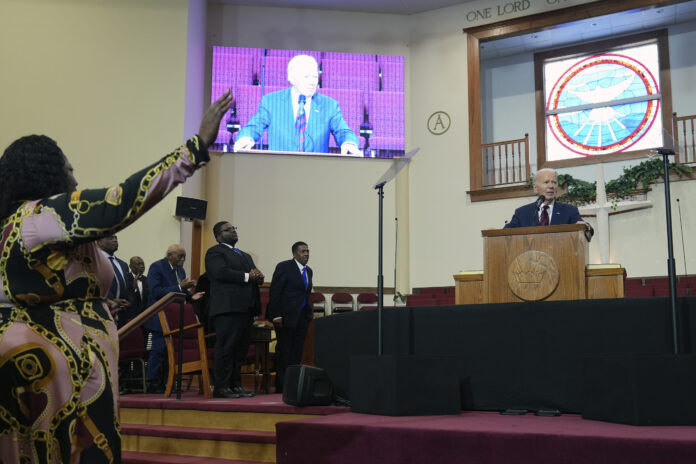
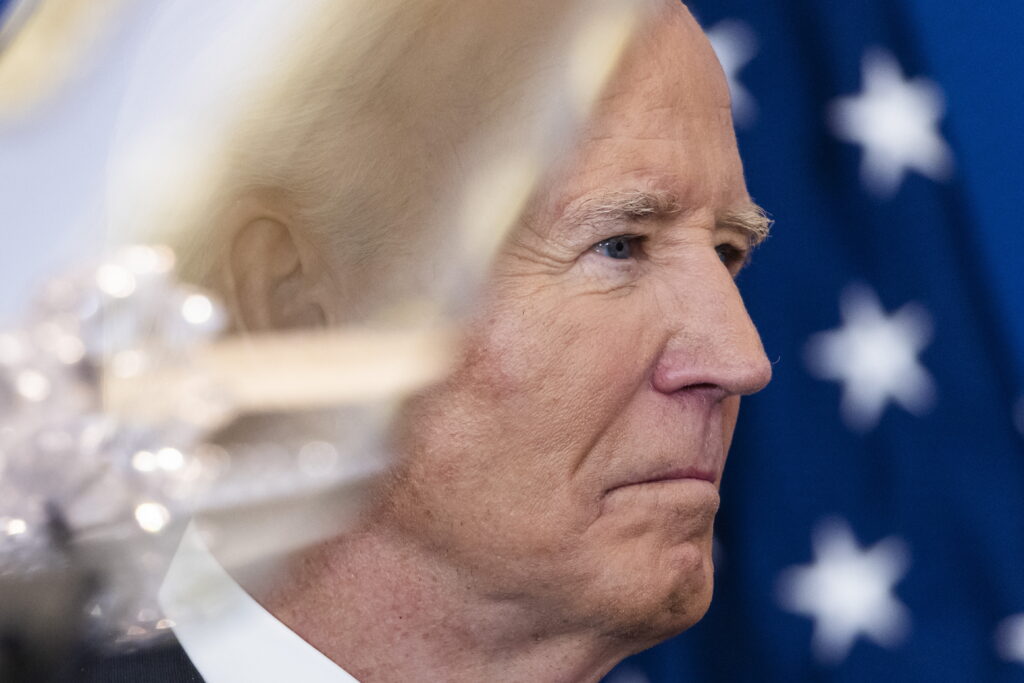
El presidente estadounidense Joe Biden en la Royal Missionary Baptist Church en North Charleston, Carolina del Sur, el 19 de enero del 2025. (Foto: AP/Stephanie Scarbrough)
El presidente de EE. UU., Joe Biden, cerró la semana con emotivos discursos de despedida ante el cuerpo diplomático, los líderes militares e, incluso, un mensaje televisado a la nación. Sin embargo, sus palabras, reflejaron una realidad ineludible: gran parte de su legado será desmantelado por Donald Trump en cuanto asuma el cargo el lunes.
Este lunes cuando Trump ya haya asumido la Presidencia, Biden subirá a un helicóptero y dejará atrás Washington, la ciudad a la que llegó en 1973 con solo 30 años como el senador más joven del país y de la que ahora se marcha con cierto pesar.
Esta no es la forma en la que Biden había imaginado el final de medio siglo de carrera política. El mandatario deseaba que los libros de Historia recordaran sus cuatro años en la Casa Blanca como un gran capítulo, pero ahora su Presidencia podría quedar reducida a un simple pie de página, un paréntesis en la era Trump.
En las últimas semanas, Biden, quien a sus 82 años es el presidente de mayor edad en la Historia del país, ha dejado claro que abandona el poder a regañadientes, convencido de que tenía mucho más que aportar, aunque también ha reconocido que su salud podría haberse resentido con otros cuatro años en el poder.
En una entrevista con USA Today publicada el 8 de enero, Biden llegó a decir que, aunque sonara «presuntuoso», creía que habría podido vencer a Trump en las elecciones de noviembre, en las que este derrotó a la vicepresidenta y candidata demócrata Kamala Harris.
Sin embargo, admitió que no estaba seguro de tener el vigor necesario para completar otro mandato. «De momento, estoy bien», afirmó. «Pero, ¿quién sabe cómo estaré cuando tenga 86 años?».
Joe Biden pasó su último día completo como presidente el domingo en Carolina del Sur, instando a los estadounidenses a “mantener la fe en un día mejor por venir” y reflexionando sobre el impacto del movimiento de derechos civiles en su decisión de entrar en la política.
En la víspera de la toma de posesión del republicano Donald Trump, Biden ofreció un último adiós desde un estado que tiene un significado especial después de que su contundente victoria en las primarias demócratas de 2020 lo posicionara para alcanzar el objetivo de su vida de ser elegido presidente de Estados Unidos.
Biden habló a la congregación de la iglesia en la Royal Missionary Baptist Church sobre por qué entró en el servicio público — Martin Luther King Jr. y Robert F. Kennedy Jr. eran sus héroes políticos, dijo — y agradeció a Carolina del Sur por su apoyo
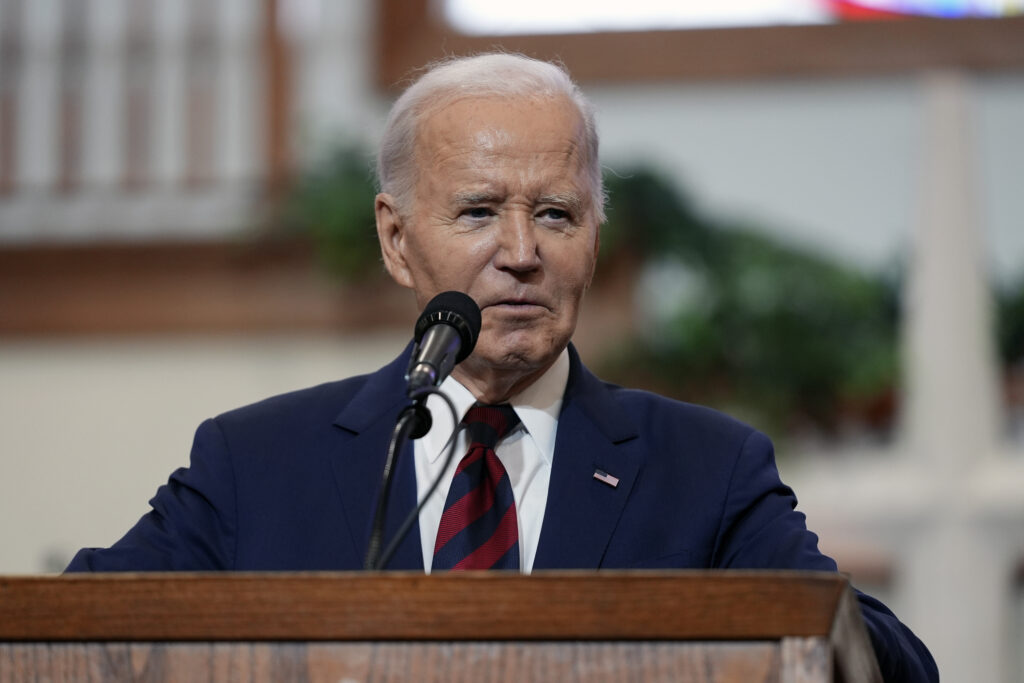
“Sabemos que la lucha por redimir el alma de esta nación es difícil y continua”, proclamó Biden. “Debemos aferrarnos a la esperanza. Debemos permanecer comprometidos. Siempre debemos mantener la fe en el día mejor que vendrá”.
Añadió: “No me voy a ninguna parte” — y la congregación aplaudió.
Antes del servicio, mientras el grupo palestino Hamás en la Franja Gaza comenzaba a liberar a rehenes israelíes bajo un alto el fuego que Estados Unidos ayudó a negociar, Biden expresó que “las armas en Gaza han enmudecido”. El acuerdo para detener los combates entre Israel y Hamás fue uno que había delineado en mayo.
“Ahora le corresponde a la próxima administración ayudar a implementar este acuerdo. Me complació que nuestro equipo hablara con una sola voz en los últimos días”, afirmó Biden.
Señaló que las tres rehenes liberadas el domingo “parecen estar en buen estado de salud” y ofreció algunos consejos a Trump sobre cómo mantener el acuerdo.
“El éxito va a requerir persistencia y continuar apoyando a nuestros amigos en la región y la creencia en la diplomacia respaldada por la disuasión”, aseveró Biden.
Después de hablar sobre el alto el fuego, Biden y la primera dama Jill Biden tomaron asiento en el primer banco de la iglesia. Al menos varios cientos de congregantes cantaron canciones de gospel, levantándose de sus asientos y balanceándose y aplaudiendo. Un coro dirigió las selecciones musicales desde detrás del púlpito antes de que el programa se centrara más tarde en King.
El presidente Joe Biden en la Royal Missionary Baptist Church en North Charleston, Carolina del Sur, el 19 de enero del 2025. (Foto: AP/Stephanie Scarbrough)
Biden fue presentado por el representante demócrata Jim Clyburn, un aliado clave que se refirió al presidente como su “amigo de mucho tiempo”. Clyburn citó a varios presidentes que fueron subestimados durante su tiempo en el cargo pero que ahora son vistos con más cariño con el paso del tiempo. Añadió a Biden a esa lista.
“Así que quiero decirte, buen amigo, que recientemente se te ha mostrado muy poco aprecio, pero no desmayes. La historia será muy bondadosa contigo”, expresó Clyburn.
Los Biden también visitaron el Museo Internacional Afroamericano en Carolina del Sur. Fue construido en un sitio frente al mar donde decenas de miles de africanos esclavizados fueron traídos a Estados Unidos desde finales de la década de 1760 hasta 1808, según el sitio web del museo.
En 2020, la campaña de Biden flaqueó después de perder los primeros concursos en Nueva Hampshire, Iowa y Nevada. Pero en la cuarta parada, Carolina del Sur — donde los votantes negros constituyen la mayoría del electorado demócrata — fue llevado a la victoria después del respaldo de Clyburn.
“Conozco a Joe. Nosotros conocemos a Joe. Pero lo más importante, Joe nos conoce”, dijo Clyburn en ese momento.
El presidente de Estados Unidos, Joe Biden, pronuncia el último discurso sobre política exterior de su presidencia en el Departamento de Estado en Washington, DC, EE. UU., el 13 de enero de 2025. (Foto: EFE/Jim Lo Scalzo)
Según fuentes cercanas al mandatario consultadas por EFE, Biden ya no mantiene contacto con algunos de sus aliados más cercanos, con quienes su relación se deterioró después de que buena parte del Partido Demócrata le presionara para abandonar la candidatura y ceder el testigo a Harris tras un carente debate con Trump.
Aunque Biden se hizo a un lado, algunos demócratas le culpan del regreso de Trump y creen que se aferró demasiado tiempo a la candidatura, dejando a Harris con solo 107 días para construir una campaña que no logró imponerse.
Su esperanza, sin embargo, es que la Historia lo recuerde como un presidente honesto que tomó decisiones clave para transformar el país y restaurar el liderazgo de EE. UU. en el mundo.
«Se necesitará tiempo para sentir el impacto completo de todo lo que hemos hecho juntos. Pero las semillas están plantadas y crecerán y florecerán durante décadas», dijo el pasado miércoles en su discurso de despedida desde el Despacho Oval.
Ese discurso sorprendió a muchos, ya que no fue, como es usual un listado de logros para ensalzar su legado, sino una advertencia sobre el rumbo de la nación.
Biden alertó de que EE. UU. está «convirtiéndose en una oligarquía» dominada por multimillonarios tecnológicos, algo que quedará reflejado en la investidura de Trump, donde Elon Musk, uno de los hombres más ricos del mundo, estará cerca del nuevo presidente.
Más allá de los discursos, Biden ha aprovechado sus últimos días en la Casa Blanca para intentar blindar su legado antes de la llegada de Trump, enviando a Ucrania más ayuda militar y firmado órdenes ejecutivas para proteger áreas de Alaska de la explotación petrolera y para sacar a Cuba de la lista de Estados patrocinadores del terrorismo.
Indulta póstumamente al nacionalista negro Marcus Garvey
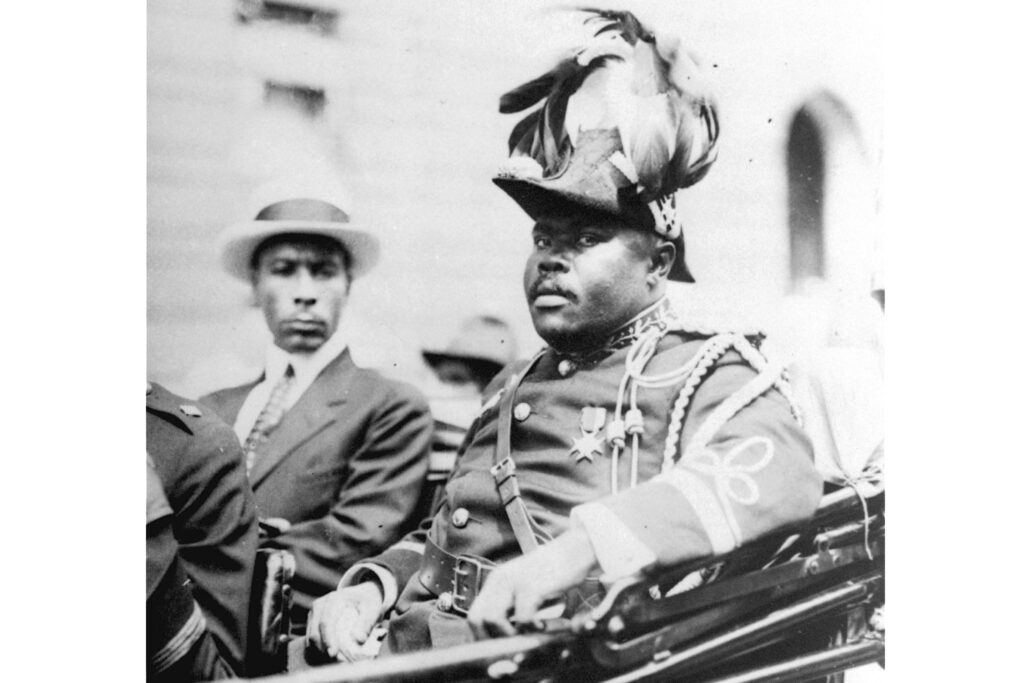
El domingo anunció un indulto póstumo al nacionalista negro Marcus Garvey, quien influyó en Malcolm X y otros líderes de derechos civiles y fue condenado por fraude postal en la década de 1920. También recibieron indultos un destacado legislador de Virginia y defensores de los derechos de los inmigrantes, la reforma de la justicia penal y la prevención de la violencia armada.
Líderes del Congreso habían presionado a Biden para que indultara a Garvey, argumentando que su condena fue motivada políticamente y no era más que un esfuerzo por silenciar al líder que hablaba del orgullo racial. Después de ser condenado, Garvey fue deportado a Jamaica, donde nació. Falleció en 1940.
En esta foto de archivo de agosto de 1922 se ve a Marcus Garvey en uniforme militar como “El Presidente Provisional de África” durante un desfile en el día inaugural de la Convención Anual de los Pueblos Negros del Mundo en la Avenida Lenox del distrito Harlem en la ciudad de Nueva York. (Foto: AP)
El reverendo Martin Luther King Jr. expresó sobre Garvey: “Fue el primer hombre, a gran escala y nivel” en dar a millones de personas negras “un sentido de dignidad y destino”.
No está claro si Biden, quien deja el cargo el lunes, indultará a personas que han sido criticadas o amenazadas por el presidente electo Donald Trump.
Emitir indultos preventivos —por delitos reales o imaginarios de críticos de Trump que podrían ser investigados o procesados por la administración entrante— extendería los poderes de la presidencia de maneras no probadas.
Biden ha establecido el récord presidencial de más indultos y conmutaciones individuales emitidos. Anunció el viernes que estaba conmutando las sentencias de casi 2.500 personas condenadas por delitos de drogas no violentos. También otorgó un indulto amplio para su hijo Hunter, quien fue procesado por delitos de armas y fiscales.
El presidente ha anunciado que estaba conmutando las sentencias de 37 de los 40 condenados a muerte a nivel federal, convirtiendo sus castigos en cadena perpetua justo cuando Trump, un defensor abierto de la expansión de la pena capital, asume el cargo. En su primer mandato, Trump presidió un número sin precedentes de ejecuciones, 13, en un cronograma prolongado durante la pandemia de coronavirus.
Un indulto libera a una persona de culpa y castigo. Una conmutación reduce o elimina el castigo pero no exonera el delito.
Entre los indultados el domingo están:
— Don Scott, quien es el presidente de la Cámara de Delegados de Virginia controlada por poco margen por los demócratas. Fue condenado por un delito de drogas en 1994 y cumplió ocho años de prisión. Fue elegido para la legislatura de Virginia en 2019 y más tarde se convirtió en el primer director negro de esa instancia.
“Estoy profundamente honrado de compartir que he recibido un indulto presidencial del presidente Joe Biden por un error que cometí en 1994, uno que cambió el curso de mi vida y me enseñó el verdadero poder de la redención”, expresó Scott en un comunicado.
— El activista de derechos de los inmigrantes Ravi Ragbir, quien fue condenado por un delito no violento en 2001 y fue sentenciado a dos años de prisión y enfrentaba la deportación a Trinidad y Tobago.
— Kemba Smith Pradia, quien fue condenada por un delito de drogas en 1994 y sentenciada a 24 años de prisión. Desde entonces se ha convertido en activista de la reforma penitenciaria. El presidente Bill Clinton conmutó su sentencia en 2000.
— Darryl Chambers de Wilmington, Delaware, un defensor de la prevención de la violencia armada que fue condenado por un delito de drogas y sentenciado a 17 años de prisión. Estudia y escribe sobre la prevención de la violencia armada.
Biden conmutó las sentencias de dos personas:
— Michelle West, quien cumplía cadena perpetua por su papel en un caso de conspiración de drogas a principios de la década de 1990. West tiene una hija que ha escrito públicamente sobre la lucha de crecer con una madre tras las rejas.
— Robin Peoples, quien fue condenado por robar bancos en el noroeste de Indiana a finales de la década de 1990 y fue sentenciado a 111 años de prisión. La Casa Blanca dijo en un comunicado que Peoples habría enfrentado sentencias significativamente menores hoy bajo las leyes actuales.
El presidente de Estados Unidos, Joe Biden, pronuncia el último discurso sobre política exterior de su presidencia en el Departamento de Estado en Washington, DC, EE.UU., el 13 de enero de 2025. (Foto: EFE/Jim Lo Scalzo)
Para la Historia quedarán sus medidas para sacar a EE. UU. de la pandemia, su apuesta por la energía limpia y la producción nacional de microchips para reducir la dependencia de China, así como la eliminación de algunas de las políticas migratorias más duras de Trump.
En política exterior, su legado tendrá luces y sombras. Fortaleció las alianzas de EE. UU. y unió a Occidente en defensa de Ucrania, pero también protagonizó la desastrosa salida de Afganistán y dejó que Israel librara una guerra en Gaza que se ha cobrado más de 46.000 vidas.
A pesar de sus intentos, Biden se marcha sin haber podido cumplir su promesa de sanar el «alma» del país ni de unir a una sociedad profundamente dividida, y que, frustrada por el alto coste de la vida, ha optado nuevamente por la disrupción que encarna Trump.
Varias organizaciones sin fines de lucro han encontrado un nuevo impulso gracias a Philly Gives, una iniciativa de la Fundación Filadelfia en colaboración con el Instituto Lenfest de Periodismo y respaldada por la Fundación William Penn. Entre ellas se encuentra ACLAMO, una entidad que ofrece programas educativos, servicios sociales y acceso a la salud para latinos y otros miembros de la comunidad, y los ayuda a alcanzar su máximo potencial.
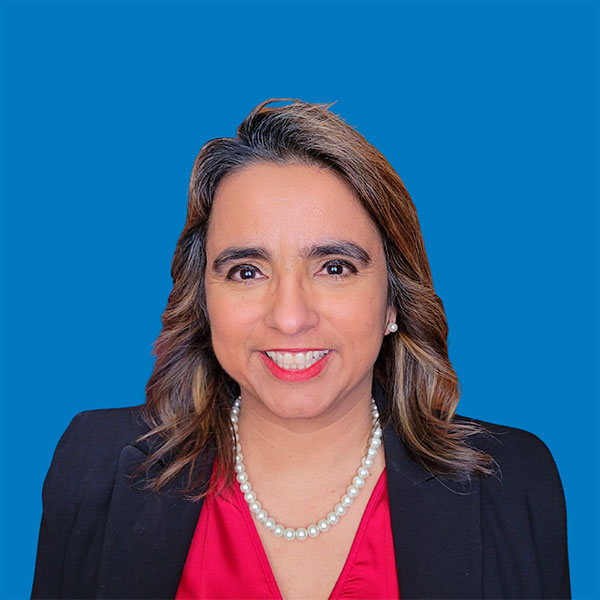
En conversación con Impacto, Nelly Jiménez-Arévalo, directora ejecutiva de ACLAMO, expresó su sorpresa y gratitud por el apoyo recibido, y destacó lo difícil que resulta conseguir financiamiento para programas comunitarios gratuitos. «Cuando me llamaron, yo dije: ¿De verdad? ¡Qué emoción! Porque, si alguien trabaja en una organización social, sabe lo difícil que es buscar dinero para mantener los programas para la comunidad. Muchos de nuestros programas no tienen costo para las familias, así que nosotros tenemos que levantar el dinero», señaló.
Nelly Jiménez-Arévalo. (Foto: Cortesía de Nelly Jiménez-Arévalo)
Nelly destacó dos aspectos esenciales de Philly Gives. En primer lugar, la visibilidad que brinda. «En el área social la visibilidad es muy importante, porque ACLAMO es espectacular, pero hay miles de otras organizaciones igualmente increíbles. Esta visibilidad te separa de los demás y te da la oportunidad de alcanzar a más personas, de que vean tu nombre, se enamoren de tu organización y digan: ‘¿Sabes qué? Yo los voy a apoyar’», explicó.
Nelly Jiménez-Arévalo en el evento de lanzamiento Philly Gives. (Foto: Erick Barragán)
En segundo lugar, subrayó la importancia de los fondos recibidos. «¿Quién se va a quejar por eso, verdad? Porque estos fondos no son restrictivos; son donaciones que puedes usar para las necesidades de la organización. Es muy importante, porque muchas veces los programas financian cosas específicas, como una maestra, pero no el personal administrativo o la persona que escribe los proyectos», señaló.
Nelly hizo un llamado a la comunidad a donar y/o participar activamente con las organizaciones sin fines de lucro. Gracias a Philly Gives, ACLAMO podrá seguir fortaleciendo a las familias latinas en sus tres localidades en Pottstown, Lansdale y Norristown. «El apoyo a organizaciones sin fines de lucro es fundamental para la sociedad. Nunca sabes cuándo nuestras vidas se van a entrelazar. ¿Inviertes ahora o gastas después?», expresó Jiménez-Arévalo.
Desde Impacto nos unimos a la iniciativa de Philly Gives y hacemos un llamado a la solidaridad. Cada contribución ayuda a fortalecer a estas organizaciones y a generar un impacto positivo y duradero en la comunidad. Como medio comprometido con el desarrollo comunitario, Impacto promueve Philly Gives y alienta a nuestra audiencia a participar con sus donaciones.
Las contribuciones que beneficiarán a las organizaciones ACLAMO, GALAEI, Ann Silverman Community Health Clinic, Hopeworks, VietLead, Why Not Prosper, Domestic Violence Center of Chester County, YEAHPhilly!, y YMWIC (Young Men & Women in Charge Foundation), representan una inversión en el bienestar social.
Una de las tareas del oncólogo es preparar a los pacientes con cáncer para tomar decisiones difíciles cuando se acerca el final. Sin embargo, no siempre se acuerdan de hacerlo.
En el sistema de salud de la Universidad de Pennsylvania (Penn Medicine), un algoritmo de inteligencia artificial (IA) que predice las probabilidades de muerte de los pacientes impulsa a los médicos a hablar con ellos sobre el tratamiento y sus preferencias al final de la vida.
Pero esta IA dista mucho de ser una herramienta fácil de usar, que se configura y listo.
Según un estudio de 2022, una revisión tecnológica de rutina descubrió que el algoritmo se había deteriorado durante la pandemia de covid, y que su precisión había bajado un 7% a la hora de predecir cuáles pacientes morirían.
Es probable que este deterioro haya tenido consecuencias concretas en la vida real. Ravi Parikh, oncólogo de la Universidad Emory y autor principal del estudio, explicó a KFF Health News que, en cientos de casos, la herramienta no logró alertar a los médicos para que comenzaran conversaciones cruciales con los pacientes, que podrían haberles evitado quimioterapias innecesarias.
Parikh cree que varios algoritmos diseñados para mejorar la atención médica se vieron afectados durante la pandemia, no sólo el de Penn Medicine. “Muchas instituciones no están monitoreando sistemáticamente el rendimiento de sus sistemas”, explicó.
Las fallas de los algoritmos son solo una parte de un dilema que los especialistas en informática y los médicos tienen desde hace tiempo, pero que ahora está empezando a desconcertar a los directivos de los hospitales y a los investigadores.
Los sistemas de inteligencia artificial requieren una supervisión continua y una dotación de personal altamente capacitado tanto para su implementación como para garantizar que funcionen bien.
En resumen: se necesitan más máquinas y más personas para asegurarse de que las nuevas herramientas no cometan errores.
“Todo el mundo piensa que la IA mejorará el acceso, aumentará la capacidad de los sistemas de salud y optimizará la atención, y eso suena muy bien”, dijo Nigam Shah, jefe de Datos Científicos en Stanford Health Care. “Pero, si el costo de la atención aumenta en un 20%, ¿es realmente viable?”.
A los funcionarios de gobierno les preocupa que los hospitales no tengan recursos para monitorear rigurosamente estas tecnologías. “He buscado por todas partes”, afirmó Robert Califf, comisionado de la Administración de Drogas y Alimentos (FDA), en una reciente mesa redonda sobre IA. “No creo que en Estados Unidos haya un solo sistema de salud que sea capaz de validar un algoritmo de IA implementado en un sistema de atención clínica”, agregó.
Sin embargo, la IA ya está ampliamente presente en el sector de la salud. Los algoritmos se usan para anticipar el riesgo de muerte o el deterioro de los pacientes, sugerir diagnósticos o clasificar la atención según la urgencia, registrar y resumir consultas para facilitar el trabajo de los médicos, e incluso para evaluar los reclamos de las aseguradoras.
Si los entusiastas de la tecnología están en lo cierto, la tecnología se volverá omnipresente… y rentable.
La empresa de inversión Bessemer Venture Partners ha identificado unas 20 startups de IA centradas en salud que están en vías de facturar $10 millones en un año cada una. La FDA ha aprobado cerca de mil productos de inteligencia artificial.
Evaluar si estas herramientas funcionan es todo un reto. Determinar si siguen funcionando bien —o si tienen fallas en sus sistemas operativos— es aún más complicado.
Por ejemplo, un estudio reciente de Yale Medicine analizó seis “sistemas de alerta precoz”, que avisan a los médicos cuándo es probable que un paciente se deteriore rápidamente.
Dana Edelson, médica de la Universidad de Chicago y cofundadora de una empresa que proporcionó un algoritmo para esta investigación, dijo que una supercomputadora revisó los datos durante varios días. El proceso fue fructífero, ya que mostró enormes diferencias de rendimiento entre los seis productos.
Para los hospitales y proveedores no es fácil seleccionar los mejores algoritmos en base a sus necesidades. No es habitual que los médicos tengan una supercomputadora a su disposición y no existe nada equiparable a un Consumer Reports para la IA.
“No tenemos normas”, aseguró Jesse Ehrenfeld, ex presidente de la Asociación Médica Estadounidense. “No existe nada que hoy se pueda señalar como una norma en relación con la forma de evaluar, supervisar o analizar el rendimiento de un modelo de algoritmo, con o sin inteligencia artificial, cuando se implementa”.
Quizás el producto de IA más común en las consultas médicas sea la “documentación ambiental”, un asistente tecnológico que escucha y transcribe las interacciones entre el médico y el paciente.
El año pasado, los inversores de Rock Health registraron un flujo de $353 millones en inversiones dirigidas hacia estas empresas de registros médicos. Pero, según Ehrenfeld, “actualmente no hay una pauta que permita comparar los resultados de estas herramientas”.
Esto es un problema, ya que incluso pequeños errores pueden ser devastadores. Un equipo de la Universidad de Stanford intentó usar grandes modelos lingüísticos —la tecnología que sustenta herramientas de IA populares como ChatGPT— para resumir el historial médico de los pacientes.
Más tarde, compararon los resultados con lo que hubiera escrito un médico.
“Incluso en el mejor de los casos, los modelos tenían una tasa de error del 35%”, explicó Shah, de Stanford. “Y en medicina, cuando estás escribiendo una historia clínica y te olvidas de una palabra, como por ejemplo ‘fiebre‘, se plantea un verdadero problema”, reflexionó.
A veces, las razones por las que los algoritmos fallan son bastante lógicas. Por ejemplo, las alteraciones en los datos estructurales pueden disminuir su efectividad, por ejemplo, cuando un hospital cambia de proveedor de laboratorio.
Sin embargo, en muchas otras ocasiones los problemas surgen sin un motivo aparente.
Sandy Aronson, ejecutivo tecnológico del programa de medicina personalizada del Mass General Brigham de Boston, contó que cuando su equipo probó una aplicación destinada a ayudar a los consejeros en genética a localizar bibliografía relevante sobre variantes del ADN, el producto sufrió “no determinismo”. Esto significa que, cuando se le hacía varias veces la misma pregunta en un breve período de tiempo, daba resultados diferentes.
Aronson está entusiasmado con el potencial de los grandes modelos lingüísticos para resumir conocimientos que simplifiquen el trabajo de los sobrecargados consejeros, pero considera que “la tecnología tiene que mejorar”.
Si hay pocas métricas y estándares, y los errores pueden surgir por razones raras, ¿qué deben hacer las instituciones? Invertir en una gran cantidad de recursos. En Stanford, Shah comentó que les llevó entre ocho y diez meses revisar solo dos modelos en términos de equidad y confiabilidad.
Expertos entrevistados por KFF Health News plantearon la idea de que la inteligencia artificial supervise a la inteligencia artificial, y que algún genio (humano) en datos supervise a ambas.
Todos reconocieron que esto requeriría que las organizaciones gastaran aún más dinero, una pretensión difícil de satisfacer dada la realidad de los presupuestos hospitalarios y la limitada oferta de especialistas en tecnología de IA.
“Es estupendo tener una perspectiva en la que estamos haciendo un esfuerzo colosal para poder monitorear un modelo con otro modelo”, dijo Shah. “Pero ¿es eso realmente lo que se quería? ¿Cuánta gente más vamos a necesitar?”.
Un conductor avanza con cautela en Pearl Street tras una nevada en Denver, el sábado 18 de enero de 2025. (AP Foto/David Zalubowski)
Ciudades grandes como Filadelfia, Nueva York y Boston podrían recibir varios centímetros de nieve en tarde con los máximos totales fuera de las principales ciudades.
Decenas de millones de residentes a lo largo de la costa este de Estados Unidos reciben varios centímetros de nieve este domingo, seguidos de temperaturas peligrosamente frías que se apoderarán de gran parte del país, desde las llanuras del norte hasta el extremo de Maine.
Las advertencias de tormenta invernal emitidas por el Servicio Meteorológico Nacional ya han entrado en vigor para partes del Atlántico Medio hasta el lunes por la mañana, con un pronóstico que proyecta hasta 15 centímetros (medio pie) de nieve. Las advertencias comenzarán en Nueva Inglaterra el domingo por la tarde, con partes de Massachusetts, Nueva Hampshire, Maine y Connecticut recibiendo hasta 25 centímetros (10 pulgadas) de nieve.
Marc Chenard, meteorólogo del Servicio Meteorológico Nacional en College Park, Maryland, proyectó que hasta 70 millones de residentes estarán bajo algún tipo de advertencia de peligros de tormenta invernal en los próximos días, incluyendo en Nueva Inglaterra y el Atlántico Medio.
“Ciertamente habrá algunas condiciones de carretera más peligrosas desde Washington D.C. a lo largo de todo el corredor de la carretera I-95 y luego hacia el interior desde allí más tarde hoy y esta noche”, detalló Chenard. “Luego se pondrá muy frío. Para el lunes por la mañana, cualquier carretera que no haya sido tratada o despejada aún probablemente tendrá condiciones de viaje peligrosas”.
Regreso de la explosión ártica
Pero la nieve es apenas el comienzo de una semana caótica de clima.
Gran parte de la mitad oriental de Estados Unidos soportará algunas de las temperaturas más frías de este invierno, o incluso de varios años.
Una zona desde las Montañas Rocosas hasta las llanuras del norte registrará temperaturas más frías de lo normal a partir del domingo durante la próxima semana, con temperaturas que caerán a menos 30 grados F (menos 34 grados Celsius) a menos 55 grados Fahrenheit (menos 48 grados Celsius) el domingo y lunes. Ya se registraron sensaciones térmicas de menos 40 F (menos 40 grados Celsius) en partes de Dakota del Norte y Minnesota. Se pronostica que las sensaciones térmicas bajo cero alcanzarán hasta Oklahoma y el Valle de Tennessee.
El pronóstico de frío para el lunes en Washington, D.C., causó que la ceremonia de investidura del presidente electo Donald Trump se trasladara al interior de la Rotonda del Capitolio de Estados Unidos.
“Va a ser un día frío en Washington, D.C. el lunes. Eso es seguro”, indicó Chenard, señalando que las temperaturas estarán en los 20 grados con ráfagas de viento de hasta 48 km/h (30 mph).
Como ocurrió a principios de este mes, el más reciente brote de frío proviene de una perturbación en el vórtice polar, el anillo de aire frío generalmente atrapado alrededor del Polo Norte.
El aire frío se moderará a medida que se desplace hacia el sur y el este, pero el centro y este de Estados Unidos seguirán estando fríos con máximas entre los 10 y 20 grados el lunes y martes, advirtió Chenard. El Atlántico Medio y el Noreste también tendrán máximas en los 10 y 20 grados, mínimas en un solo dígito y por debajo de cero grados F (menos 18 grados Celsius) y sensaciones térmicas por debajo de cero.
Mezcla invernal inusual
Las temperaturas más frías llegan al sur del país a principios de esta semana, donde hasta 30 millones de personas a partir del lunes podrían lidiar con una mezcla invernal de nieve, aguanieve y lluvia helada. Se espera que las condiciones inusuales se extiendan desde Texas hasta el norte de Florida y las Carolinas. Se prevé además que los impactos comiencen en Texas el lunes por la noche y se extiendan por la costa del Golfo y el sureste el martes y miércoles.
Una combinación de aire frígido con un sistema de baja presión sobre el Golfo está detrás de la tormenta, que podría arrojar nieve pesada justo al sur del corredor interestatal 20 a través del norte de Luisiana y en Mississippi y una mezcla de nieve, aguanieve y lluvia helada cerca del corredor interestatal 10 desde Houston hasta Mobile, Alabama.
El gobernador de Luisiana, Jeff Landry, emitió el sábado un estado de emergencia en anticipación al clima invernal. Alentó a los habitantes de Louisiana a estar preparados y a monitorear el pronóstico del tiempo.
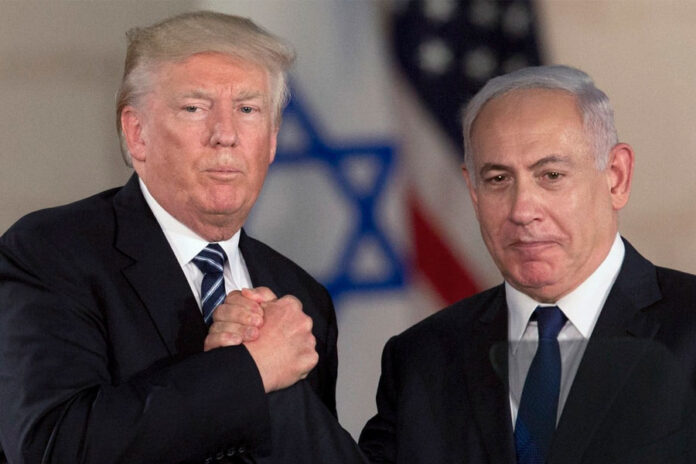
Donald Trump siempre mostró buena sintonía con el premier de Israel, Benjamin Netanyahu. (Foto: AP)
El mundo espera en vilo el inicio del segundo mandato de Donald Trump, cuyas amenazas sobre Groenlandia, Canadá y el canal de Panamá han servido de aperitivo de una política exterior que se perfila más transaccional, con la negociación de acuerdos bilaterales, que aislacionista.
La incertidumbre que precedió a la llegada al poder de Trump en 2017 se ha diluido levemente ante su investidura este 20 de enero: los núcleos de poder mundiales ya conocen la forma de operar del magnate inmobiliario, que revolucionó el orden internacional con sus amenazas, aranceles y retiradas de acuerdos clave.
Si hace ocho años muchas capitales temían sobre todo una deriva aislacionista de Estados Unidos, ahora el debate se centra más bien en cómo negociar con Trump para salir bien parados, especialmente en las regiones más vulnerables a las decisiones de Washington, como Europa y Latinoamérica.
“Cuando Trump tome posesión, otros países se lo pensarán dos veces antes de estafar a nuestro país”, dijo recientemente en un comunicado una portavoz del presidente electo, Anna Kelly.
Aunque la palabra ‘multilateralismo’ sigue fuera del vocabulario de Trump, sus declaraciones sobre Groenlandia o el canal de Panamá demuestran que, lejos de replegarse, tendrá una política exterior asertiva, centrada en lo que percibe como intereses estratégicos y sin renunciar a impulsos imperialistas.
La gran diferencia entre el escenario mundial durante el primer mandato de Trump y el actual son las guerras de Ucrania y Gaza, que comenzaron cuando él ya estaba fuera de la Casa Blanca y a las que ha prometido poner fin casi instantáneamente.
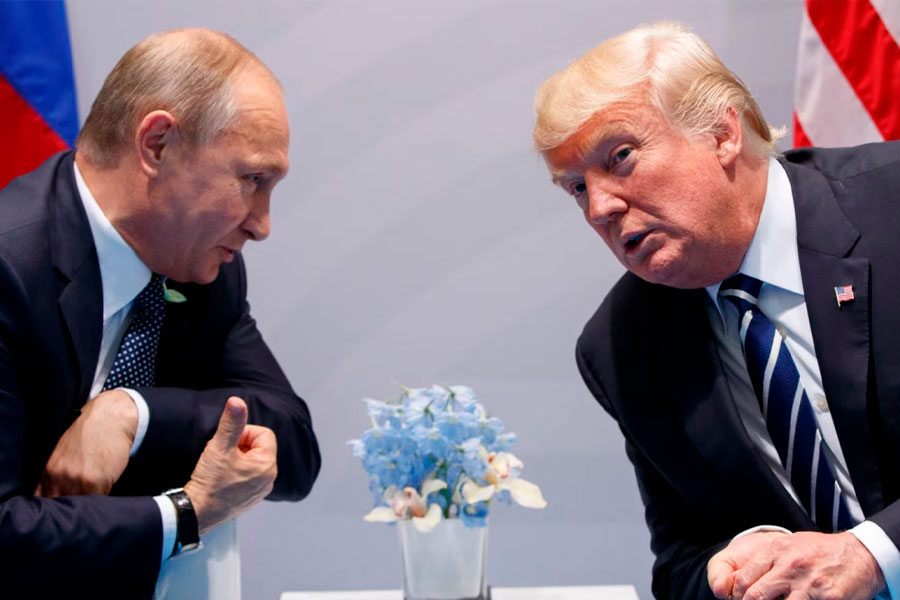
El presidente estadounidense Donald Trump se reúne con el presidente ruso Vladimir Putin en la cumbre del G-20 el 7 de julio de 2017 en Hamburgo. Trump y Putin se reunieron durante más de dos horas. (Foto: VOA)
Europa
Aunque nadie en Ucrania espera el acuerdo de paz en 24 horas que Trump llegó a vaticinar, muchos mantienen la esperanza de que el líder estadounidense consiga obligar a Rusia a firmar una paz sólida y con garantías de seguridad para Kiev.
Sin embargo, también temen que el republicano, conocido por su afinidad con el presidente ruso, Vladímir Putin, decida cortar el grifo de la ayuda a Ucrania para forzarla un arreglo que la vuelva a dejar desprotegida.
A ese temor se añade el de la Unión Europea (UE) de quedar al margen de una negociación de paz que necesariamente afectaría a su futuro, especialmente si Ucrania pierde territorio y después se suma al bloque comunitario o a la OTAN.
La UE que recibe a Trump ya no es la que contó con la alemana Angela Merkel como contrapeso del republicano. Ahora, los centros de poder en Alemania y Francia están debilitados y la extrema derecha en pleno auge, el bloque tiene menos margen de maniobra ante las presiones de un Estados Unidos del que aún depende enormemente.
Trump ha demostrado que “no le interesa” dialogar con los Veintisiete en su conjunto, por lo que la UE podría ver mermados sus intereses dependiendo de “cómo decidan relacionarse algunos países europeos” con él, según la investigadora Carlota García Encina, del Real Instituto Elcano.
“¿Vamos a ser capaces de mantenernos unidos, o va a haber alguno que decida sacar provecho del cauce exclusivamente bilateral para sacar ventaja?”, planteó García Encina a EFE.
A esa última vía prometen apuntarse los dos grandes aliados de Trump en Europa, la italiana Giorgia Meloni y el húngaro Viktor Orbán, este último aislado en la UE, pero muy valorado por la Casa Blanca entrante, interesada en dar alas a ese tipo de líderes en el viejo continente.
La interferencia del aliado trumpista Elon Musk a favor de la extrema derecha en el proceso electoral alemán ha irritado a Berlín, donde el canciller Olaf Scholz ha dejado clara su oposición a la idea de Trump de aumentar al 5 % del PIB el gasto en Defensa dentro de la OTAN.
Pero Trump no parece dispuesto a ceder y no sería de extrañar que Estados Unidos “cambiara las posturas de sus tropas” en Europa para “recompensar” a los países que llegan al 2 % del PIB en defensa y “castigar” a los que no, como España, dijo a EFE el director para Europa del centro de estudios estadounidense Atlantic Council, Jörn Fleck.
Las pretensiones de Trump de controlar Groenlandia han desatado las alarmas desde Copenhague hasta Bruselas, pero líderes como el presidente francés, Emmanuel Macron, abogan por no ser “débiles ni derrotistas” y por perseguir una autonomía estratégica de Europa que aún se perfila lejana.
Latinoamérica
Como en el caso de Groenlandia, la voluntad de Trump de que Canadá se convierta en el estado número 51 y el canal de Panamá vuelva a manos estadounidenses revelan un impulso expansionista que se alinea en buena medida con la “Doctrina Monroe” de 1904, que atribuía derechos unilaterales a EE.UU. sobre el continente americano.
Trump ya enarboló en su primer mandato esa doctrina, vilipendiada en Latinoamérica, pero todo apunta a que en los próximos cuatro años la abrazará sin tapujos, dada la creciente influencia china en el continente y su promesa de combatir la inmigración ilegal y las drogas.
“Es casi seguro que Latinoamérica cobrará un mayor protagonismo en el segundo mandato de Trump, al menos al principio”, dijo a EFE la analista y exdirectora del programa para América Latina en el Wilson Center, Cynthia Arnson.
Rodeado de ‘halcones’ hispanos como Marco Rubio y Mauricio Claver-Carone, hay pocas dudas de que el presidente electo “vuelva a imponer sanciones al petróleo de Venezuela”, y Arnson cree que también se enfocará en “compañías europeas como Repsol y Eni”.
La experta prevé, además, que ese equipo devolverá a Cuba a la lista de Estados patrocinadores del terrorismo de la que ha salido en los últimos compases del Gobierno de Joe Biden, y que Trump no cederá en sus pretensiones sobre el canal de Panamá «a no ser que logre alguna concesión del Gobierno panameño».
Oriente Medio
Durante sus primeros cuatro años en el poder, Trump se ganó la amistad de Benjamin Netanyahu a base de regalos a Israel: Jerusalén como capital, los Altos del Golán, acuerdos con países árabes y un plan de paz que contemplaba el control israelí de parte de Cisjordania.
Sin embargo, el republicano no quería volver a la Casa Blanca con la guerra en Gaza activa, y su presión a Israel ha sentado las bases para el acuerdo de alto el fuego anunciado esta semana.
Pero esa tregua no equivale por ahora a una paz duradera y los palestinos temen que, a cambio, la ultraderecha israelí proceda a una anexión de facto en Cisjordania con la aprobación tácita de Trump.
La animadversión hacia Irán será probablemente otra de las claves de la política exterior de Trump, que promete reforzar su alianza con el turco Recep Tayyip Erdogan y con los reinos suníes del Golfo Pérsico.
Asia
Trump culpa de casi todos los males de la economía estadounidense a China, a la que ha prometido castigar con aranceles de hasta el 60 % y, aunque Pekín ya prepara posibles contramedidas, aún confía en persuadir a EE.UU. de cambiar de rumbo, posiblemente con la ayuda de Musk, dados los intereses de ese magnate en el gigante asiático.
Los expertos chinos creen que el país está mejor preparado para Trump que en su primer mandato y que Pekín avanzará en paralelo para lograr la autosuficiencia tecnológica y diversificar su comercio, especialmente con el sur global.
Pocos esperan ver un nuevo acercamiento de Washington al líder norcoreano, Kim Jong-un, que ha reforzado su relación con Rusia al enviar soldados para la guerra con Ucrania y ha prometido “una respuesta agresiva” a cualquier provocación de EE.UU.
Quien sí buscará reforzar su relación con Trump es el primer ministro de la India, Narendra Modi, con el que siempre ha tenido sintonía y que, además, tiene razones para ello: el 61 % de los indios ve al magnate republicano como un aliado, la proporción más alta de todos los países en una encuesta publicada esta semana por el centro de estudios europeo ECFR.
África
En su primer mandato, Trump “no mostró ningún interés real en el continente» africano y lo más probable es que ahora siga tratándolo “como un actor periférico”, afirmó a EFE el profesor keniano David Monda, que imparte Ciencias Políticas en la City University de Nueva York.
Pero habrá excepciones: Egipto y Marruecos prometen mantener su importancia estratégica para Washington y Rabat confía en dar continuidad a la decisión de Trump de reconocer la soberanía marroquí sobre el Sáhara Occidental, quizá con la apertura de un consulado de EE. UU en Dajla y un aumento de las inversiones norteamericanas en ese territorio.
También es probable que la Casa Blanca aumente su interés en el Corredor de Lobito, un ferrocarril clave para competir con China en el abastecimiento de minerales estratégicos en África.
Seis años después de que Trump se refiriera a varias naciones africanas como “países de mierda”, muchos de sus líderes se tragarán su orgullo e, igual que los europeos y asiáticos, desfilarán por Washington con un objetivo claro, en palabras de Monda: “tratar de alinear sus intereses nacionales con las prioridades” trumpistas.
MINNETONKA, MINNESOTA - JULY 15: Health care advocates risk arrest protesting care denials at UnitedHealthcare on July 15, 2024 in Minnetonka, Minnesota. (Photo by David Berding)
En un sistema de salud como el de Estados Unidos, en el que la atención médica no es garantizada como el derecho fundamental que debería ser, los ciudadanos a menudo se encuentran en una situación de vulnerabilidad cuando más la necesitan. Sin embargo, detrás de las puertas cerradas de las compañías de seguros médicos, los ejecutivos toman decisiones que afectan drásticamente la vida de millones. Estas decisiones no solo son acerca de su ganancia económica, sino que tienen consecuencias reales y dolorosas para quienes dependen de ellas para recibir atención médica.
Hablamos de los rechazos de solicitudes de pago o reembolso de gastos médicos (“claim denials” en inglés) y de la negación de autorizaciones previas, una práctica común que deja a muchos sin el tratamiento médico que necesitan.Este mecanismo devastador en el que las aseguradoras se niegan a cubrir el costo de un tratamiento o procedimiento, afecta a millones de estadounidenses cada año.
En muchos casos, los rechazos ocurren en el momento más crítico: cuando el paciente necesita atención urgente o un procedimiento médico vital. A través de la negación de autorizaciones previas o simplemente rechazando la solicitud de pago una vez realizado el tratamiento, las aseguradoras alteran el curso de la vida de muchas personas, dejándolas a merced de deudas impagables o incluso de decisiones drásticas sobre su salud.
Otra táctica común utilizada por las corporaciones de seguro médico para minimizar sus costos es la limitación de redes de proveedores. En lugar de ofrecer una red amplia y diversa de profesionales médicos, estas aseguradoras limitan las opciones de los pacientes a un número reducido de médicos y hospitales. Esto puede forzar a los pacientes a buscar atención fuera de la red, lo que a menudo resulta en la negativa de la aseguradora a cubrir una parte importante de la factura.
La gran ambición de las compañías de seguros privados, las grandes farmacéuticas, los hospitales con fines de lucro y los fabricantes de dispositivos médicos es una de las principales razones por las cuales los costos de atención médica en Estados Unidos son los más altos del mundo. Mientras estos actores lucran con cada tratamiento, procedimiento, y medicamento, los pacientes son los que sufren las consecuencias.
Lo más trágico es que, a pesar de que Estados Unidos es uno de los países más ricos del mundo, sus ciudadanos son quienes más sufren a causa de un sistema de salud que está diseñado para hacer dinero, no para salvar vidas. Es hora de que tomemos conciencia de este desequilibrio y exijamos un cambio en el sistema que garantice que, cuando busquemos atención médica, no estemos luchando contra un sistema que pone la ambición por encima de nuestra salud.
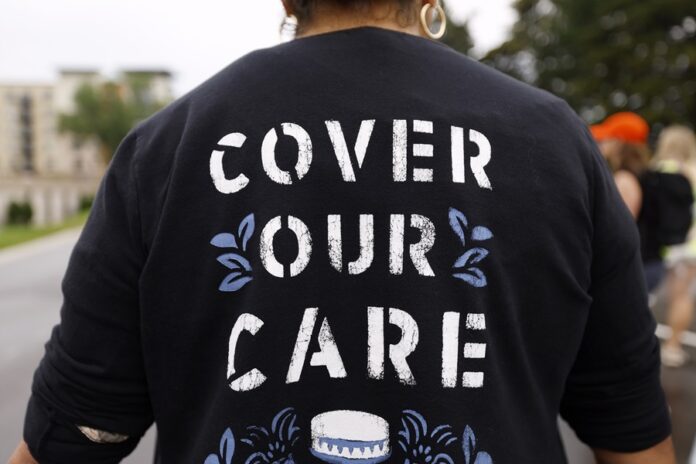
Por esta razón, People’s Action Institute lidera la campaña Care Over Cost, cuyo objetivo es apoyar y guiar a las personas a las que se les ha negado atención médica, ayudándolas a reclamar los cuidados necesarios para su salud. Nosotros estamos comprometidos a lograr que todas las personas tengan acceso a atención médica de alta calidad. Ya estamos ganando varios casos de reclamación de seguros alrededor del país; por ejemplo, en Beaver, Pensilvania, asistimos a Carly para que la compañía de seguros, UnitedHealthcare, aprobara y pagara una intervención quirúrgica que le salvaría la vida.
Continuaremos compartiendo historias de nuestros miembros, convirtiendo nuestro dolor privado en poder público. Esto desprestigia la reputación de los seguros de salud privados y le demuestra a nuestra comunidad que no están solos y que pueden luchar con nosotros. El próximo 16 de enero estaremos conectándonos de forma virtual con organizaciones y activistas de todo el país para formular estrategias y transformar el sistema de salud. La invitación es para todo el público: ¡Únanse y sean parte del cambio!
*Doménico Romero – Portavoz de la campaña Care Over Cost y Jefe de Estrategia y Alianzas en People’s Action Institute, una red de organizaciones comunitarias en 38 estados con más de un millón de miembros.