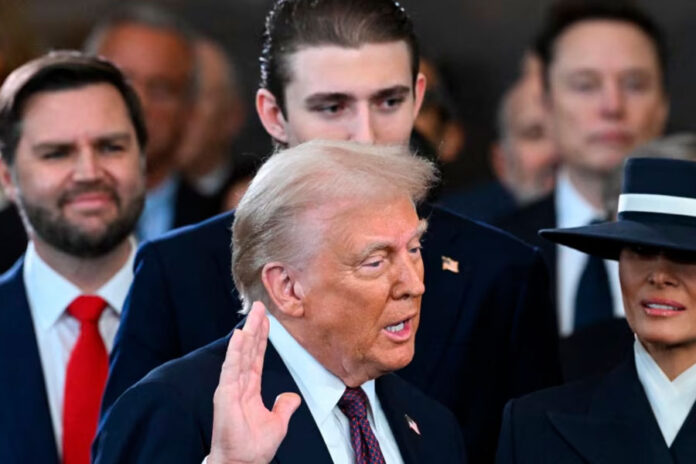
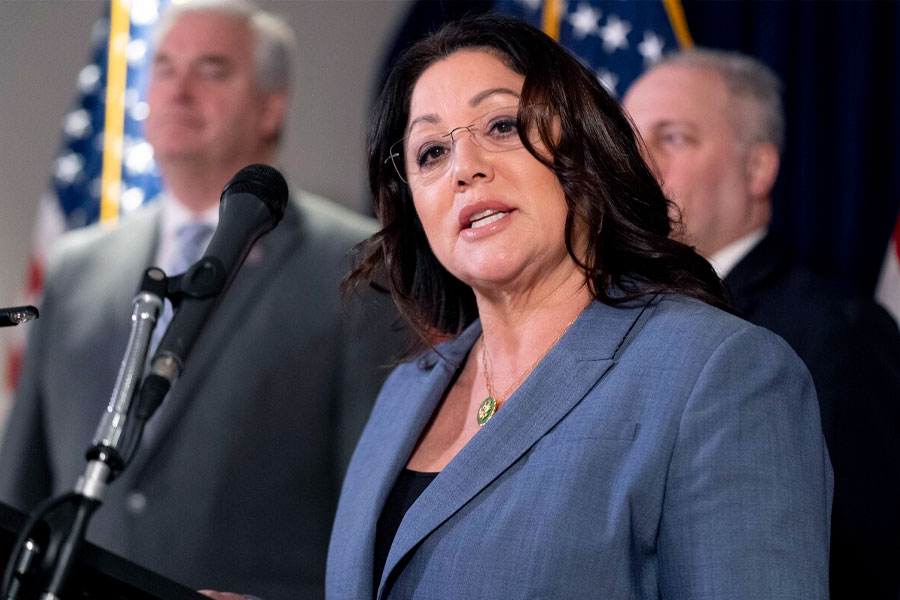
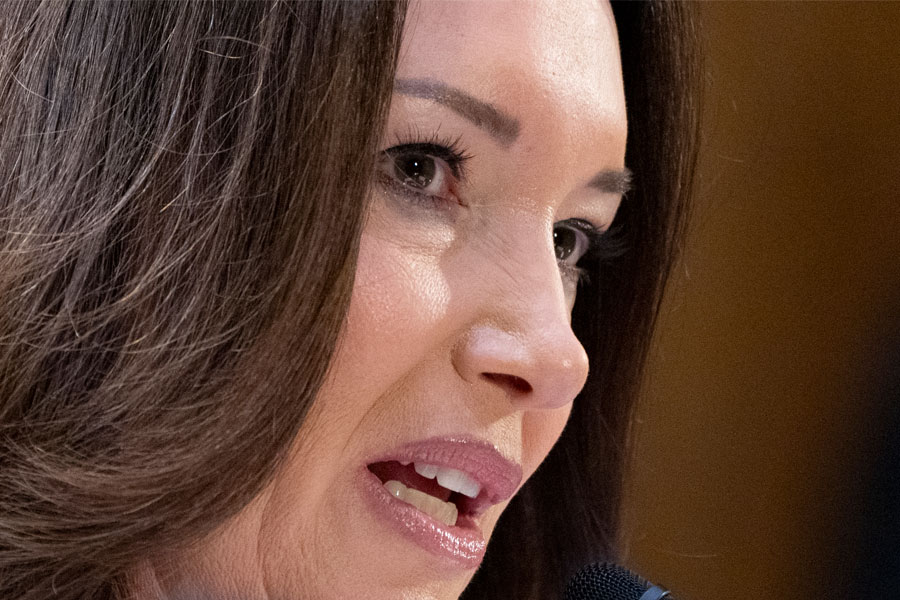
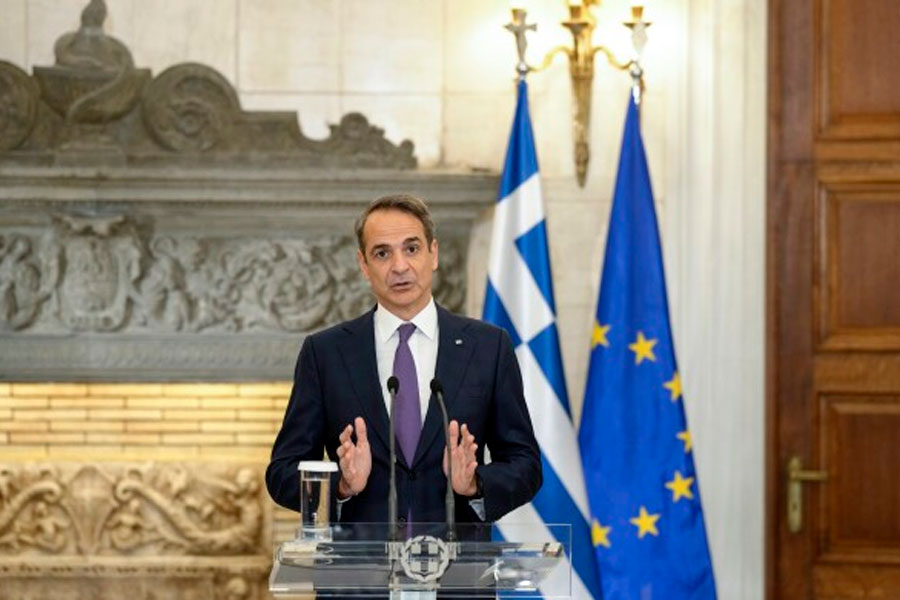
El presidente Trump ha estado revelando nombres clave del gabinete de su segundo mandato, una selección que refuerza su compromiso con la lealtad de sus aliados más cercanos. En contraste con las disputas internas que marcaron su primera Administración, Trump parece decidido a moldear el Gobierno federal según su visión personal. A pesar de la ventaja en número de republicanos, cada vez más MAGA en el Senado, algunos de los nominados han enfrentado obstáculos significativos en el proceso de confirmación. Este nuevo equipo promete consolidar aún más el enfoque político del mandatario.
A continuación, un vistazo a algunos de sus seleccionados:
En una especie de vicepresidencia
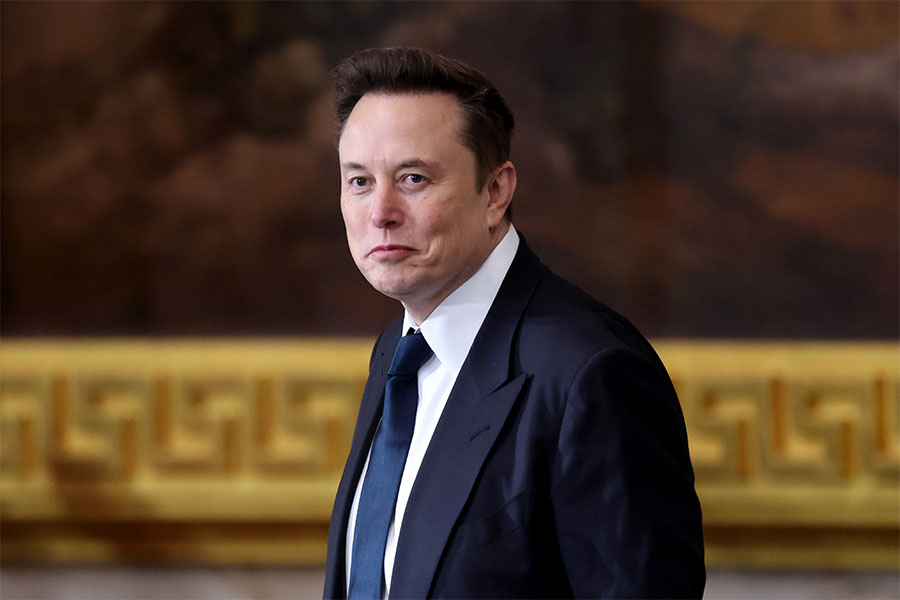
Innovación y Eficiencia Gubernamental: Elon Musk
El magnate Elon Musk tiene patrimonio neto de 449 mil millones de dólares. Fue nombrado para liderar el nuevo Departamento de Eficiencia Gubernamental. Su misión será desmantelar la burocracia y modernizar los procesos gubernamentales. Musk promete aplicar principios de optimización tecnológica, lo que podría transformar la forma en que el Gobierno opera y gestiona sus recursos, pero ha advertido que al inicio provocará problemas económicos en el ciudadano común. Durante uno de los eventos de la toma del poder del presidente Trump, un polémico saludo tipo nazista/fascista ha escandalizado a una Europa que se siente cada vez más amenazada por su apoyo a la versión de “Hagamos a Europa grandiosa otra vez”.
GABINETE
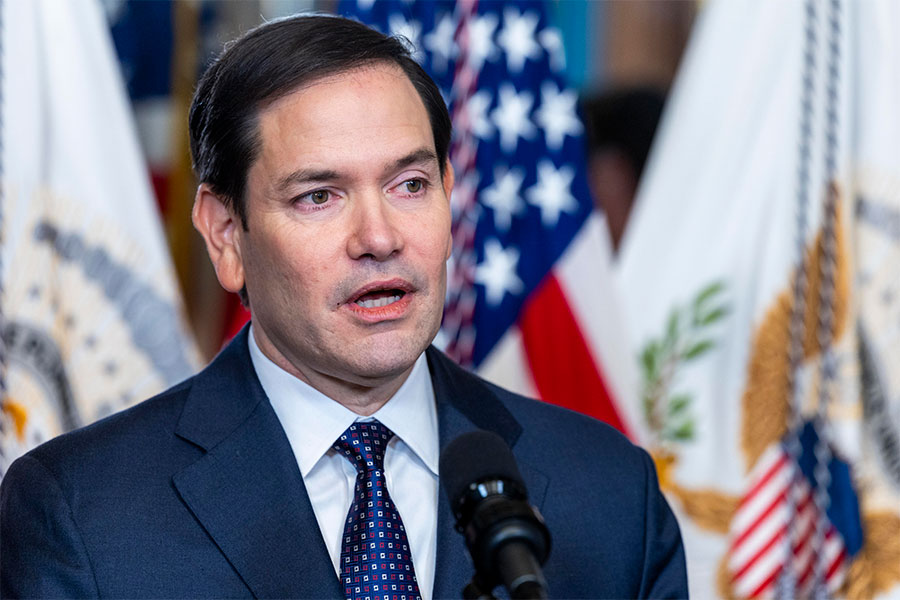
Secretario de Estado: Marco Rubio
Marco Rubio asumió el 21 de enero la posición de secretario del Departamento de Estado de Estados Unidos, tras ser confirmado de manera unánime por el Senado, convirtiéndose en el primer hispano en ocupar la posición.
Rubio se ha ido radicalizando, después de que fuera un abierto detractor para convertirse en el diplomático de mayor rango del país. Es reconocido por sus duras posiciones hacia China, Cuba, Venezuela e Irán, y su relación con el Gobierno de México ha sido tensa. El exsenador por Florida estuvo entre los finalistas a convertirse en compañero de fórmula de Trump. Rubio fue vicepresidente de la Comisión de Inteligencia del Senado y miembro del panel de Relaciones Exteriores de la Cámara Alta.
Rubio llegó a calificar a Trump como un “estafador” cuando buscó la nominación presidencial del Partido Republicano en 2016. Su relación mejoró de manera drástica cuando Trump llegó a la Casa Blanca y Rubio aplaudió sus propuestas durante la tercera campaña presidencial del exmandatario. Por ejemplo, el senador, quien hace más de una década ayudó a redactar una iniciativa en materia migratoria que incluía una vía hacia la ciudadanía para las personas que se encontraban sin autorización en el país, ahora apoya el plan de Trump para emplear a las fuerzas armadas en labores de deportación masiva.
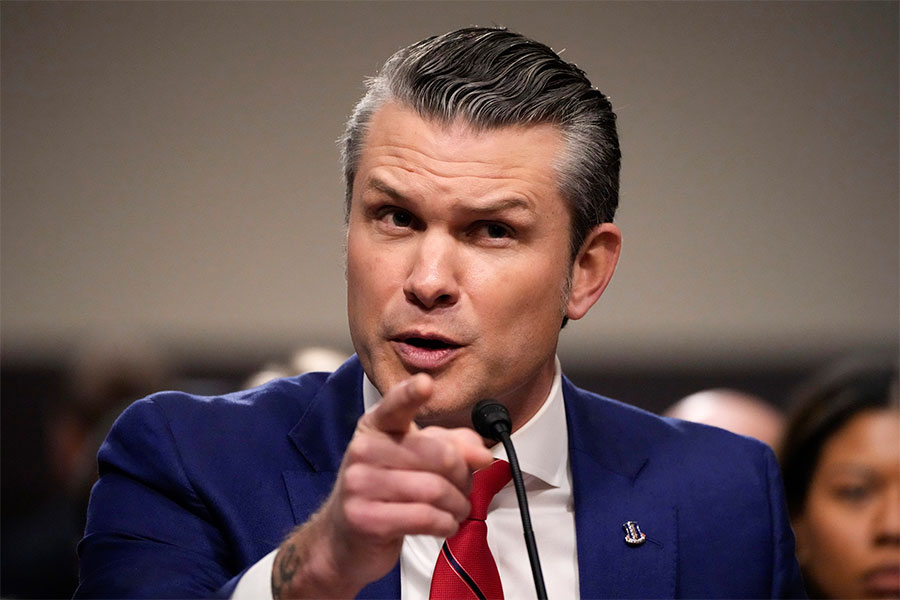
Secretario de Defensa: Pete Hegseth
Hegseth es veterano de guerra y era uno de los presentadores de “Fox & Friends Weekend”, de Fox News Channel, y desde 2014 ha colaborado en la cadena, donde desarrolló una amistad con Trump, quien realizaba apariciones frecuentes en el programa. Hegseth fue miembro de la Guardia Nacional del Ejército de 2002 a 2021, y estuvo desplegado en Irak en 2005 y Afganistán en 2011. Ha sido galardonado con dos Estrellas de Bronce. Sin embargo, carece de experiencia militar de alto rango o en cuestiones de seguridad nacional. Aun así, es autor del libro “The War on Warriors: Behind the Betrayal of the Men Who Keep Us Free”. Las resistencias a refrendarlo provienen de sus conocidos problemas con el alcohol y las acusaciones de abuso y conducta sexual inapropiada.
El conocido exmilitar heredaría el cargo durante una serie de crisis globales, que van desde la guerra en Ucrania y los actuales ataques de grupos relacionados con Irán en Oriente Medio, el conflicto palestino-israelí, y las crecientes preocupaciones en torno a la alianza entre Rusia y Corea del Norte.
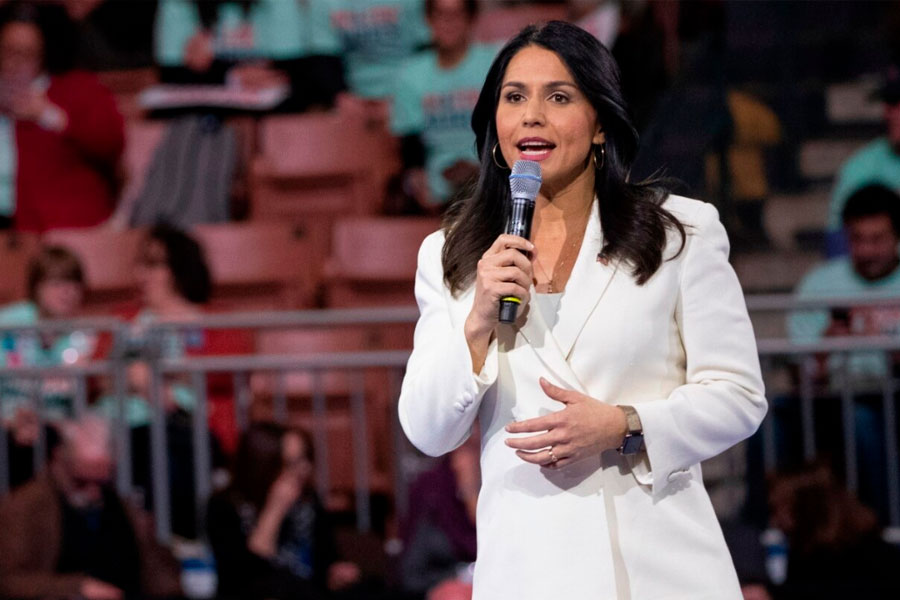
Directora de Inteligencia Nacional: Tulsi Gabbard
La exrepresentante por Hawái Tulsi Gabbard fue seleccionada por Trump para el cargo de directora de inteligencia nacional, otro caso en el que Trump recompensa la lealtad por encima de la experiencia. La veterana Gabbard, de 43 años, fue representante demócrata y buscó, sin éxito, la postulación presidencial por ese partido en 2020 antes de dejar al Partido Demócrata en 2022. Expresó su respaldo a Trump en agosto pasado y estuvo en varios de sus mítines durante la recta final de la campaña. Se le ha acusado de repetir propaganda rusa. Ha servido en la Guardia Nacional del Ejército durante más de dos décadas, con misiones en Irak y Kuwait, asumiría el cargo con relativamente poca experiencia en el sector en comparación con su predecesora. La actual directora, Avril Haines, fue confirmada por el Senado en 2021 después de varios años en numerosos puestos de seguridad nacional e inteligencia de alto nivel.
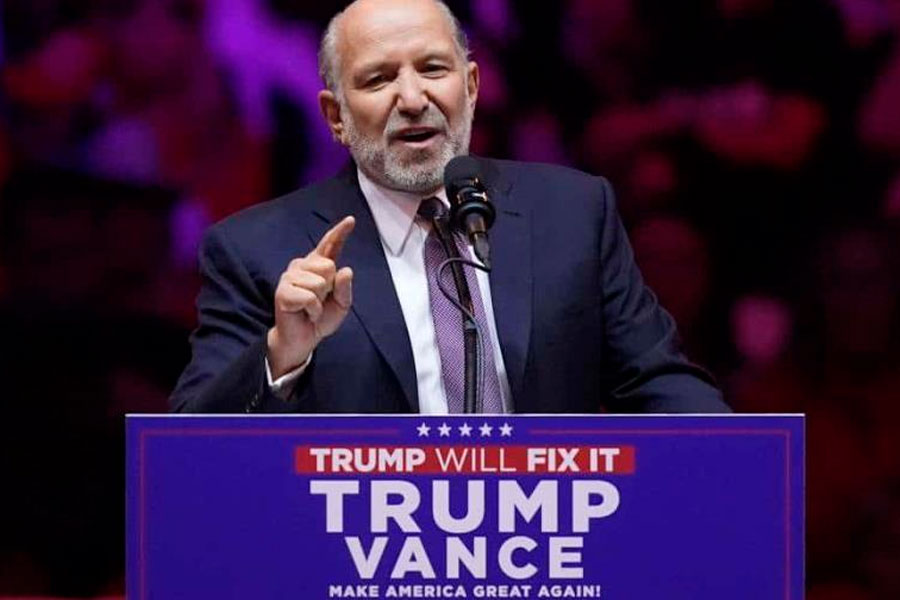
Secretario de Comercio: Howard Lutnick
Lutnick dirige la firma de corretaje y banco de inversión Cantor Fitzgerald y es un entusiasta de las criptomonedas. Es copresidente del equipo de transición de Trump que, junto con Linda McMahon —una exejecutiva de lucha libre, ayuda al presidente electo a conformar un gabinete para su segundo periodo.
Como secretario de Comercio, Lutnick, director del banco de inversión Cantor Fitzgerald, desempeñaría un papel clave en la implementación de los planes de Trump para aumentar y aplicar la imposición de aranceles. Supervisaría a un enorme departamento del gabinete que abarca desde el financiamiento para nuevas fábricas de chips informáticos e imponer restricciones comerciales, hasta la publicación de datos económicos.
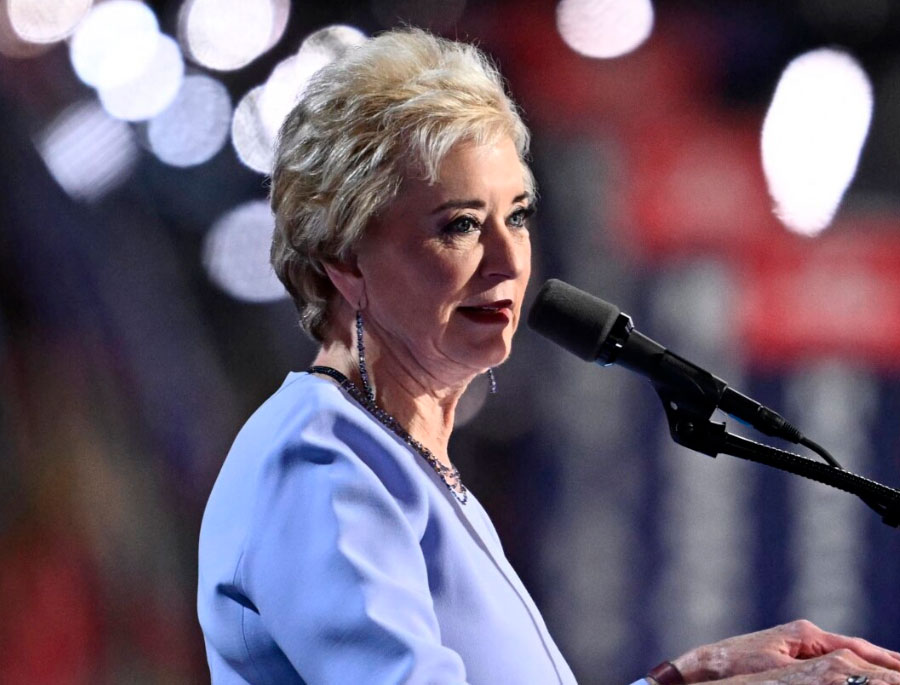
Secretaria de Educación: Linda McMahona
La magnate de la lucha libre profesional fue seleccionada como titular del Departamento de Educación, estaría encargada de supervisar a una agencia que Trump ha prometido desmantelar. McMahon estuvo al frente de la Agencia Federal para el Desarrollo de la Pequeña Empresa de Estados Unidos (SBA, en inglés) entre 2017 y 2019, durante el primer periodo presidencial de Trump, y se postuló sin éxito en dos ocasiones como senadora federal republicana por Connecticut.
Fue miembro de la Junta de Educación de Connecticut durante un año a partir de 2009 y ha pasado años en la junta de fideicomisarios de la Universidad del Sagrado Corazón en ese estado. Es relativamente desconocida en los círculos educativos, aunque ha expresado su apoyo a las escuelas chárter y la libertad de elección escolar. Al nominarla, Trump recompensa a una leal seguidora de su movimiento, quien recaudó millones de dólares para no dividir su campaña.
Secretario del Tesoro: Scott Bessent
Bessen es un exadministrador financiero de George Soros, un gran donante demócrata y defensor de la reducción del déficit. Fundó el fondo de cobertura Key Square Capital Management después de haber trabajado intermitentemente para Soros Fund Management desde 1991. De ser confirmado, sería el primer secretario del Tesoro abiertamente gay del país. En agosto indicó a la publicación Bloomberg que decidió unirse a la campaña de Trump en parte para atacar la creciente deuda nacional de Estados Unidos; eso incluiría recortar los programas gubernamentales y otros gastos.
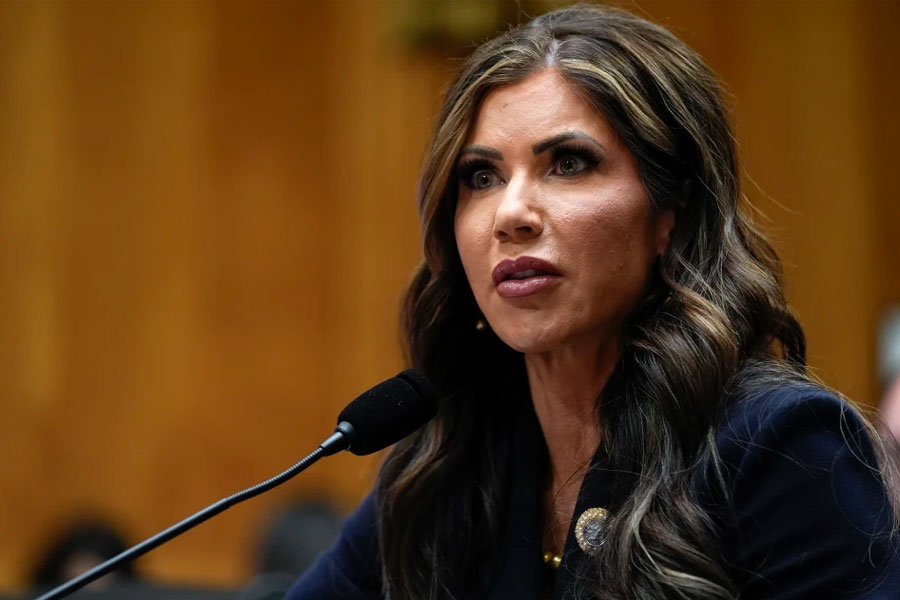
Secretaria de Seguridad Nacional: Kristi Noem
Kristi Noem utilizó sus dos periodos al frente del gobierno de Dakota del Sur para catapultarse en las filas republicanas. Durante la pandemia de COVID-19 no ordenó las mismas restricciones que otros estados y, en su lugar, declaró a Dakota del Sur como “abierto al público”. Trump llevó a cabo un evento con fuegos pirotécnicos en el Monte Rushmore en julio de 2020, en una de sus primeras concentraciones multitudinarias durante la pandemia. Enfrentó duras críticas por contar una historia en su autobiografía sobre haber matado a disparos a su perro.
Noem tomaría las riendas de una agencia crucial para la agenda de línea dura en materia migratoria, además de otras misiones. El Departamento de Seguridad Nacional supervisa la respuesta a catástrofes naturales, al Servicio Secreto, y a los agentes de la Administración de Seguridad en el Transporte (TSA, en inglés) que trabajan en aeropuertos.
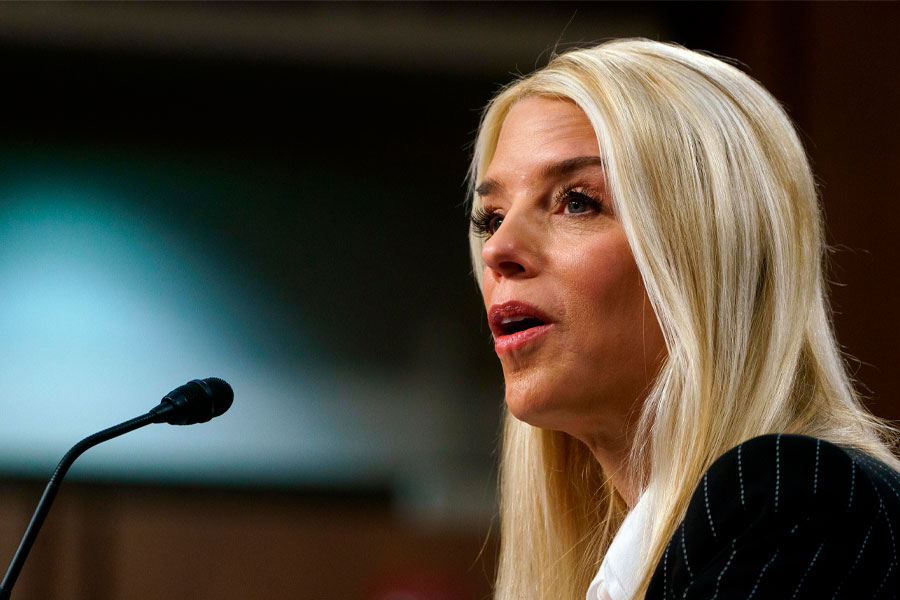
Secretaria de Justicia: Pam Bondi
Bondi fue la primera fiscal general mujer de Florida, cargo que desempeñó entre 2011 y 2019. Estuvo en el equipo legal de Trump durante su primer juicio político en 2020. También ha sido parte de un grupo externo aliado de Trump llamado America First Policy Institute que ha ayudado a sentar las bases para su nuevo mandato. Fue parte de un grupo de republicanos MAGA que se presentaron para apoyar a Trump en su juicio penal en Nueva York que terminó en mayo con una condena por 34 cargos de delito grave. Es una feroz defensora de Trump, también aparece frecuentemente en Fox News, y ha sido crítica de los procesos penales en su contra.
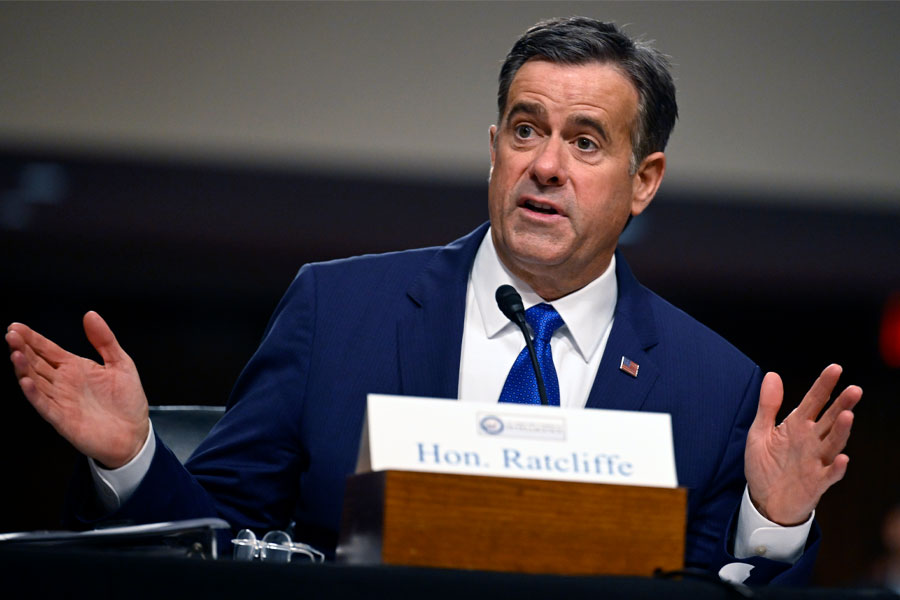
Director de la CIA: John Ratcliffe
Ratcliffe, exrepresentante federal por Texas, fue director de inteligencia nacional durante el último año y medio de la primera presidencia de Trump, a la cabeza de las agencias de espionaje del Gobierno federal durante la pandemia.
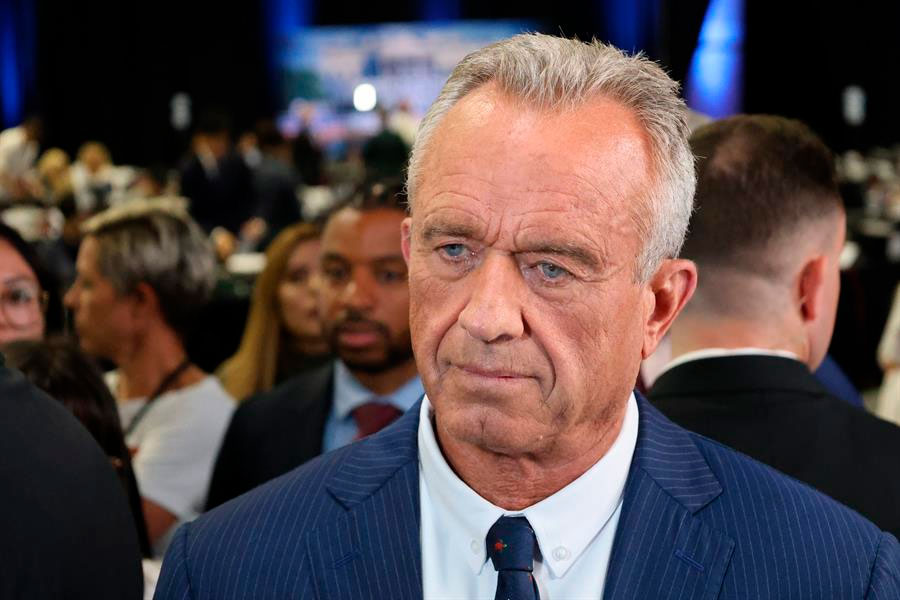
Secretario de Salud y Servicios Humanos: Robert F. Kennedy Jr.
Kennedy se postuló a la presidencia primero por el Partido Demócrata y posteriormente como independiente, antes de expresarle su apoyo a Trump y fuera rechazado para sumarse a la campaña Harris-Walz. Es hijo del ícono demócrata Robert Kennedy, quien fue asesinado durante su propia campaña presidencial. Su nominación provocó alarma entre aquellos a los que les preocupan los antecedentes de Kennedy de propagar temores infundados sobre las vacunas y muchos otros temas médicos.
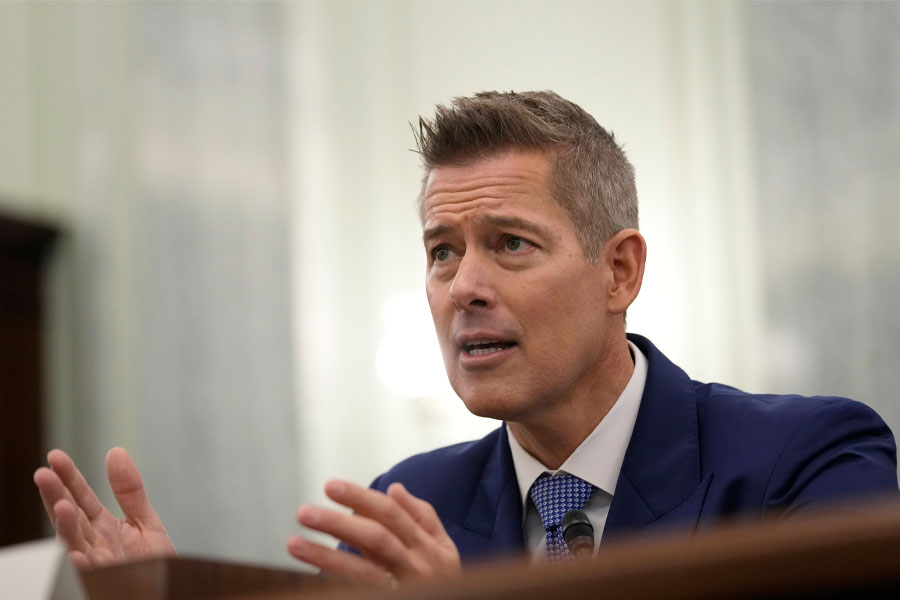
Secretario de Transporte: Sean Duffy
Duffy, exmiembro de la Cámara de Representantes de Wisconsin, fue uno de los más visibles defensores de Trump. Fue legislador estatal durante casi nueve años, en los que fue integrante de la Comisión de Servicios Financieros y presidente de la subcomisión sobre seguro y vivienda. Dejó el Congreso en 2019 para iniciar una carrera en televisión, y ha sido presentador del programa “The Bottom Line” en Fox Business. Antes de ingresar en la política, Duffy fue estrella en un reality de MTV, donde conoció a su esposa, la copresentadora de “Fox and Friends Weekend”, Rachel Campos-Duffy, con quien tiene nueve hijos.
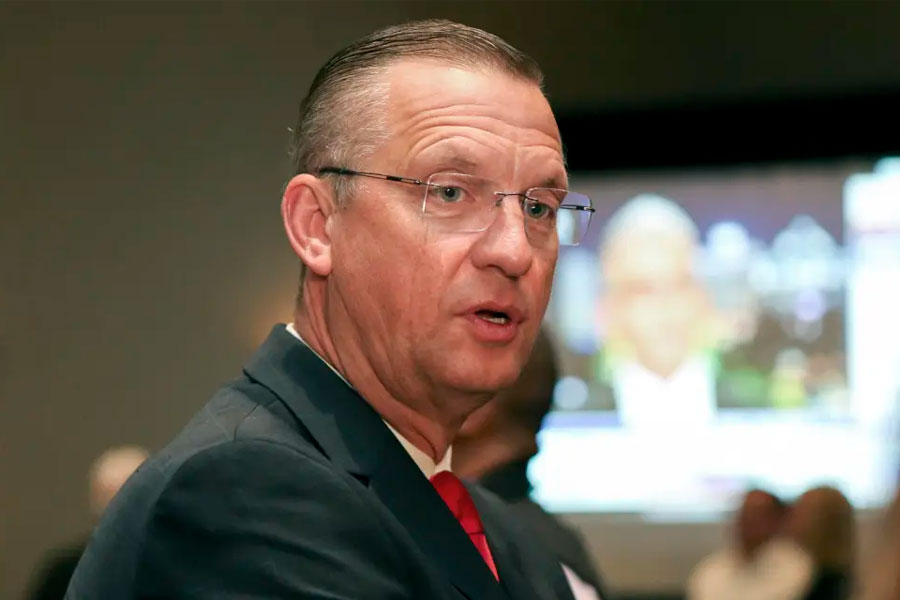
Secretario de Asuntos de Veteranos: Doug Collins
Collins es un exlegislador republicano por Georgia que alcanzó reconocimiento por defender a Trump durante su primer juicio político, el cual giró en torno a la asistencia a Ucrania. Trump fue enjuiciado por pedirle a Kiev que iniciara una investigación sobre Joe Biden en 2019, durante el proceso de nominación presidencial demócrata y del que fue absuelto por el Senado. Collins también fue miembro de las fuerzas armadas y actualmente es capellán en el Mando de Reserva de la Fuerza Aérea.
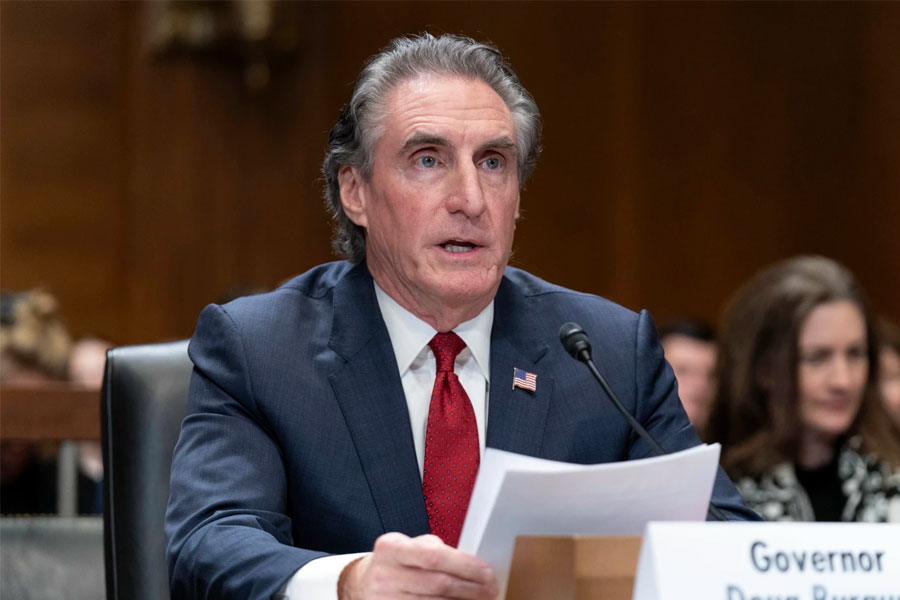
Secretario del Interior: Doug Burgum
El gobernador de Dakota del Norte quien en su momento era prácticamente desconocido fuera de su estado, es un exaspirante a la nominación presidencial por el Partido Republicano y, tras retirarse de la contienda, pasó meses en actos de campaña a favor del expresidente. Bergum recibió una amplia consideración para ser el compañero de fórmula de Trump por su experiencia y conocimiento empresarial.
En un principio, Trump anunció el nombramiento durante un discurso en su finca de Mar-a-Lago. En su anuncio formal del viernes 17 de enero, Trump dijo que quería que Burgum fuera secretario del Interior y presidente del nuevo Consejo Nacional de Energía “que supervisará el camino de Estados Unidos hacia el dominio energético”. Como presidente del organismo, Trump indicó que Burgum también tendrá un puesto en el Consejo de Seguridad Nacional, lo que marcaría la primera vez que un ministro del Interior llega al órgano.
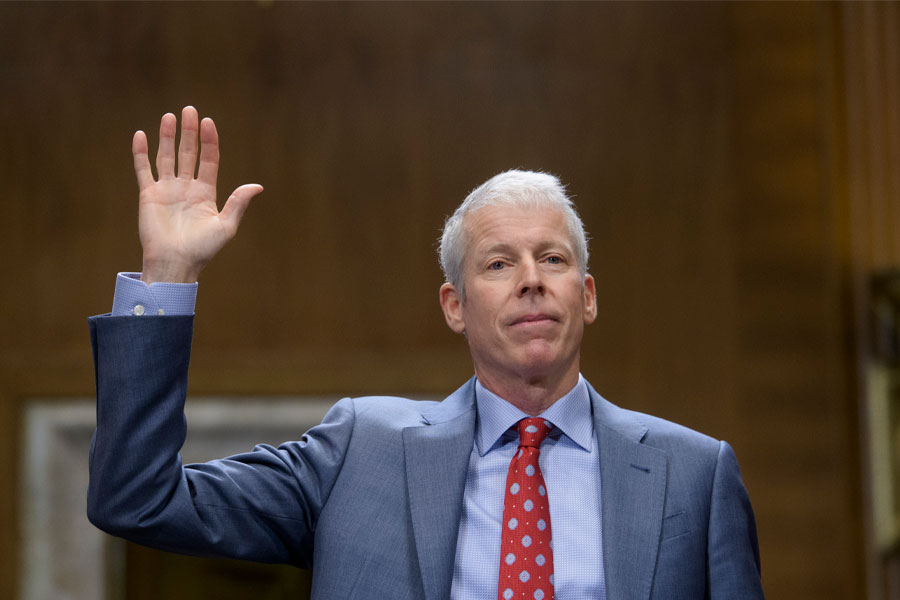
Secretario de Energía: Chris Wright
Donante de campaña y director general de Liberty Energy, con sede en Denver, Wright es un abierto defensor del desarrollo de la industria petrolera y gasera, incluido el fracking, un pilar clave en la búsqueda de Trump por alcanzar el “dominio energético” en el mercado global. Ha sido uno de los miembros más vocales de la industria en contra de los esfuerzos por combatir el cambio climático. El Departamento de Energía es responsable de promover los intereses en materia de seguridad energética, ambiental y nuclear de Estados Unidos.
Wright también ganó el apoyo de influyentes conservadores, incluido el magnate del petróleo y el gas Harold Hamm, presidente ejecutivo de Continental Resources, importante compañía de petróleo de esquisto con sede en Oklahoma.
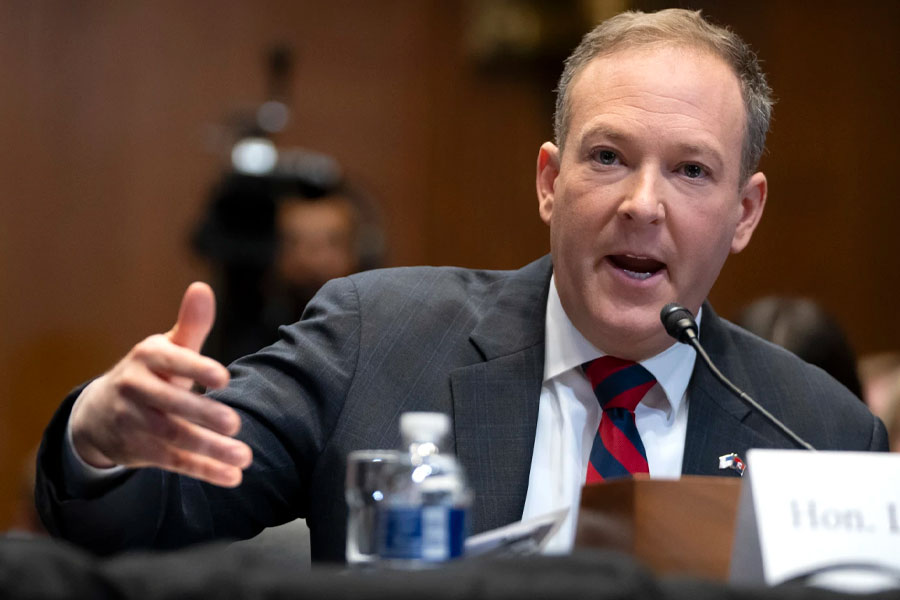
Administrador de la Agencia de Protección Ambiental: Lee Zeldin
Aunque Zeldin no parece tener experiencia en cuestiones ambientales, su postura es radical, lo que se refleja en lo que escribió en la red social X: “Restauraremos el dominio energético de Estados Unidos, revitalizaremos nuestra industria automotriz para recuperar los empleos para los estadounidenses y convertiremos a Estados Unidos en el líder mundial en inteligencia artificial”. Y agregó: “Lo haremos mientras protegemos el acceso al aire y el agua limpios”. Durante su campaña, Trump atacó la promoción de vehículos eléctricos en el Gobierno de Biden.
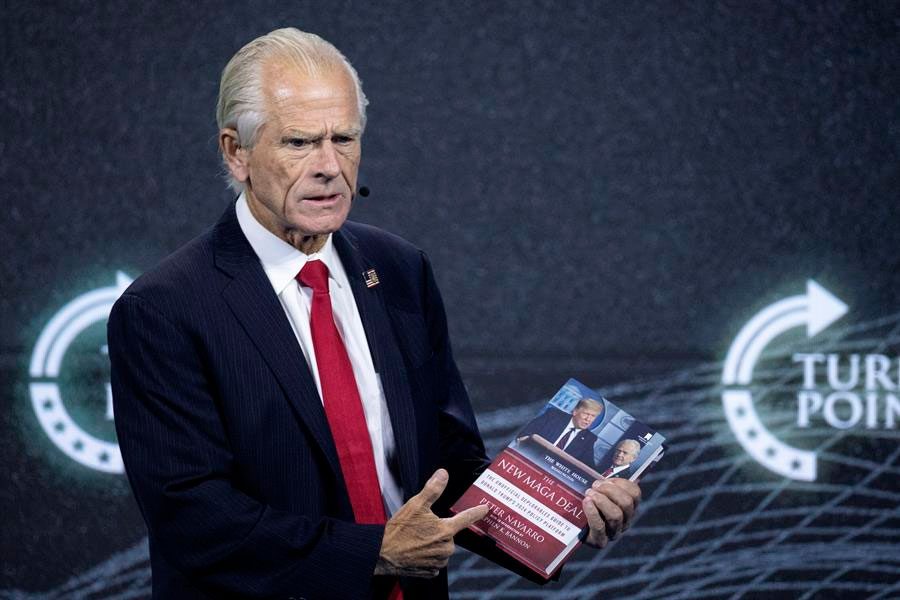
Asesor de Comercio: Peter Navarro
Peter Navarro fue encarcelado por desacato. En un comunicado Trump destacó que Navarro ha sido tratado «horriblemente por el Estado Profundo» y que en su futuro puesto le ayudará a proteger a los trabajadores estadounidenses y a hacer que la producción estadounidense «sea grande de nuevo». Navarro completó en julio su condena en una prisión federal de Miami tras ser condenado en 2023 por dos cargos de desacato al Congreso por no presentar documentos relacionados con la investigación y saltarse su declaración ante el comité selecto de la Cámara que investigó el asalto al Capitolio de enero de 2021. Actualmente es un asesor senior en Comercio y Manufactura.
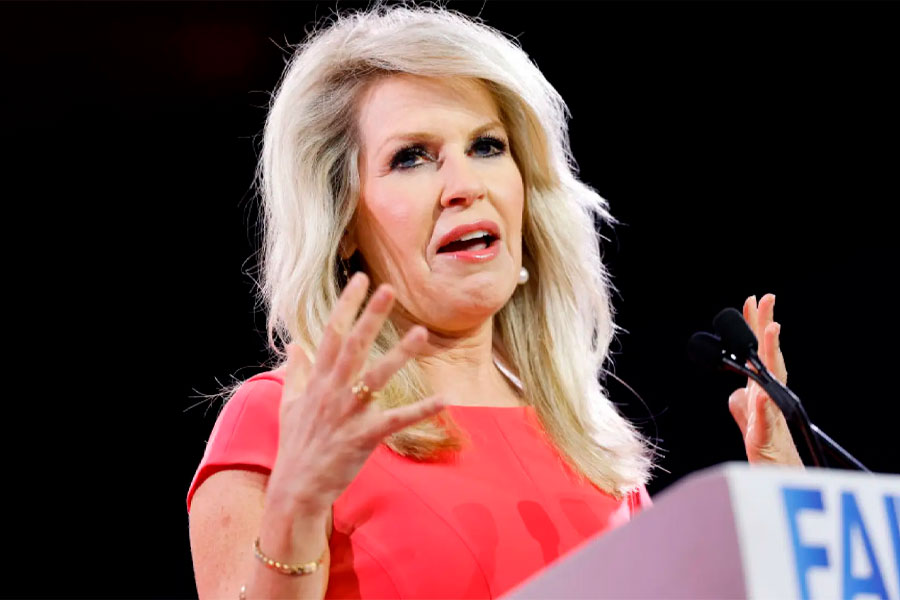
Jefa de Protocolo: Monica Crowley
Monica Crowley, colaboradora de Fox News, había sido nominada como jefa de Protocolo y encargada de los grandes eventos que ocurrirán durante su mandato. Sin embargo, el 17 de enero anunció su retirada luego de que saliera a la luz los múltiples ejemplos de plagio encontrados en su libro publicado en 2012, en sus columnas en el diario Washington Times y en su disertación para obtener un doctorado de la Universidad de Columbia.
Secretaria de Trabajo: Lori Chavez-DeRemer
Chavez-DeRemer se convirtió en la primera mujer republicana en ser elegida para un puesto en la Cámara de Representantes de EE. UU. por el estado de Oregón. Perdió por estrecho margen su intento de reelección el pasado 5 de noviembre, a pesar de contar con un fuerte respaldo sindical en su distrito. Como posible secretaria de Trabajo, Chavez-DeRemer supervisaría la fuerza laboral, el presupuesto del departamento y estaría a cargo de proponer regulaciones sobre prioridades que afectan los salarios de los trabajadores, su salud y seguridad, la capacidad de sindicalizarse y los derechos de los empleadores.
Secretaria de Agricultura: Brooke Rollins
Rollins, es presidenta y directora ejecutiva del America First Policy Institute. Abogada de Texas, fue asesora de política interna de Trump y directora de su oficina de innovación estadounidense durante su primer mandato. Rollins fue asistente del exgobernador de Texas Rick Perry, quien también sirvió en el primer mandato de Trump.
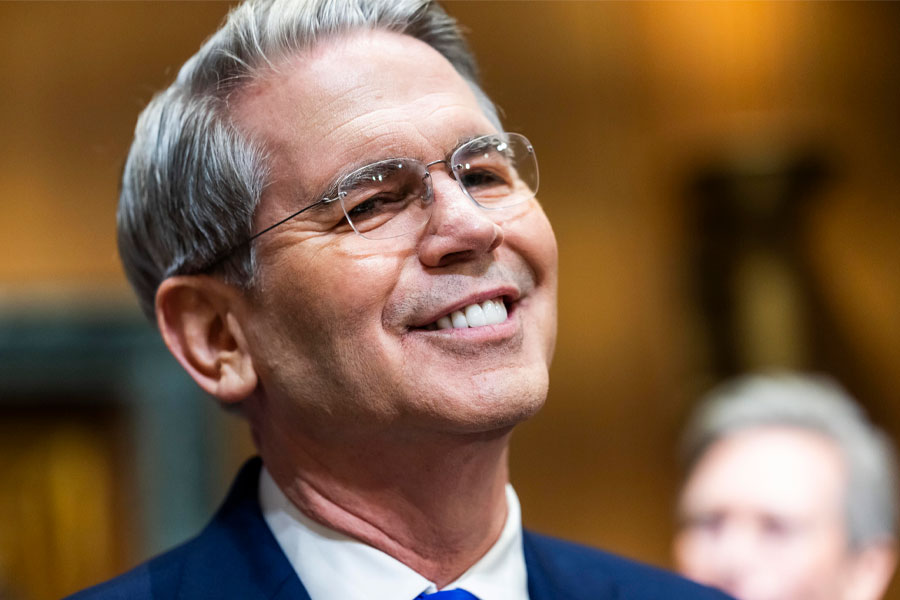
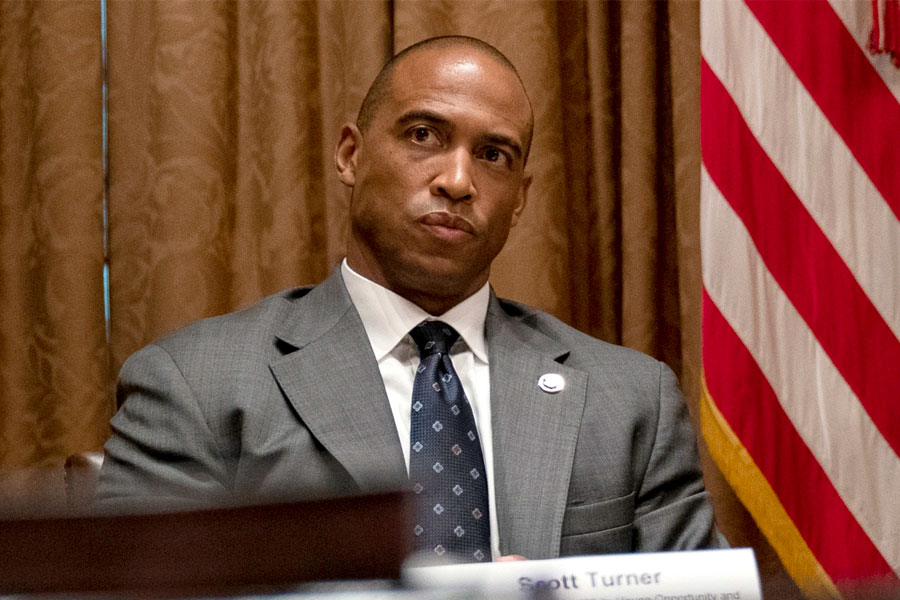
Secretario de Vivienda y Desarrollo Urbano: Scott Turner
Turner es un exjugador de la NFL y asistente de la Casa Blanca. Dirigió el Consejo de Oportunidades y Revitalización de la Casa Blanca durante el primer mandato de Trump. En una declaración, el presidente electo atribuyó a Turner, la persona negra de mayor rango que ha seleccionado hasta ahora para su nueva Administración, el mérito de «ayudar a liderar un esfuerzo sin precedentes que transformó las comunidades más desfavorecidas de nuestro país».
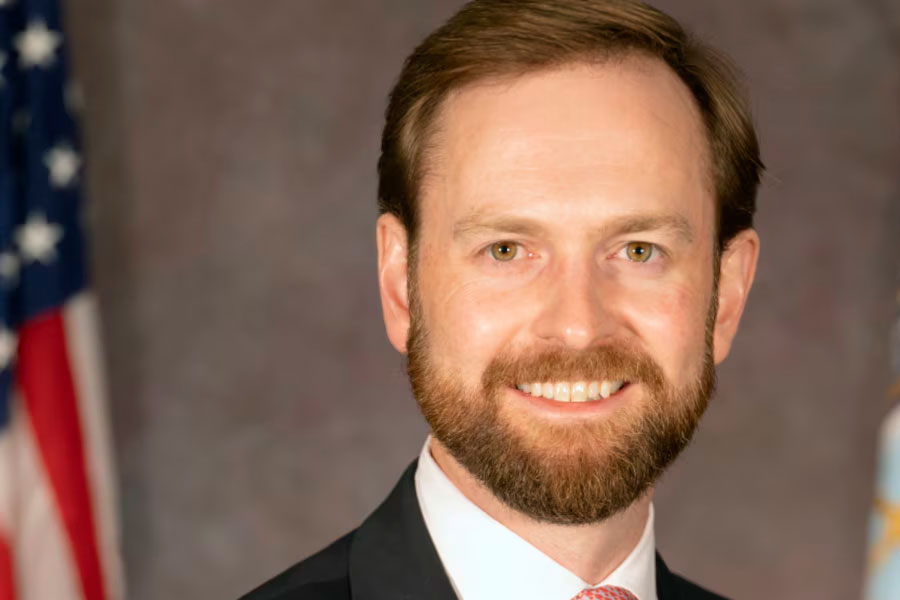
Presidente de la Comisión Federal de Comercio: Andrew Ferguson
Ferguson, quien ya es uno de los cinco comisionados de la FTC, reemplazará a Lina Khan, quien se convirtió en un punto de controversia para Wall Street y Silicon Valley al bloquear miles de millones de dólares en adquisiciones corporativas y demandar a Amazon y Meta por supuesto comportamiento anticompetitivo. “Andrew tiene un historial probado de enfrentarse a la censura de las grandes empresas tecnológicas y de proteger la libertad de expresión en nuestro gran país”, escribió Trump en la plataforma Truth Social.
Representante Comercial de Estados Unidos: Jamieson Greer
Greer es socio en King & Spalding, despacho de abogados con sede en Washington. De recibir la confirmación del Senado, sería el responsable de negociar directamente acuerdos comerciales y disputas con los gobiernos extranjeros, así como la pertenencia a organismos comerciales internacionales como la Organización Mundial de Comercio. Con anterioridad fungió como jefe de despacho de Robert Lighthizer, representante comercial en el primer mandato de Trump.
CASA BLANCA
Jefa de Despacho de la Casa Blanca: Susie Wiles
Wiles fue una asesora sénior y directora de facto de la campaña presidencial de Trump en 2024. Posee experiencia en la política de Florida; ayudó a Ron DeSantis a ganar su primera campaña para gobernador del estado. Seis años después fue clave en la derrota de DeSantis ante Trump en las primarias republicanas de 2024.
Asesor de Seguridad Nacional: Mike Waltz
Waltz, legislador republicano durante tres periodos por una región del centro-este de Florida, es un ex boina verde del Ejército que estuvo desplegado en varias ocasiones en Afganistán. También trabajó en el Pentágono como asesor de cuestiones políticas cuando Donald Rumsfeld y Robert Gates fueron los titulares de Defensa. Se le considera como un funcionario de línea dura respecto a China y propuso un boicot de la delegación estadounidense a los Juegos Olímpicos de Invierno de Beijing 2022 debido a la participación de China en el origen de la pandemia de COVID-19.
Zar fronterizo: Tom Homan
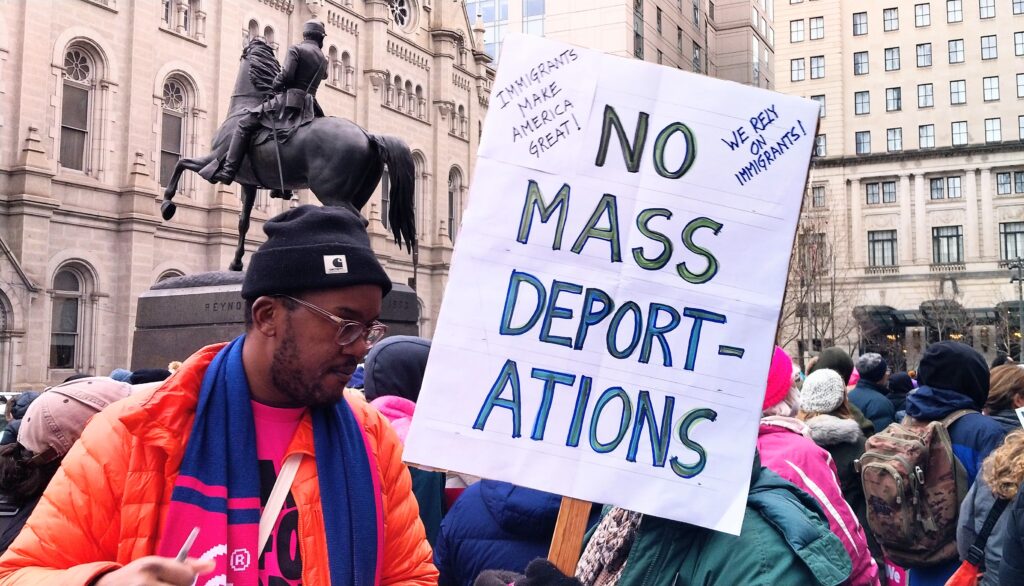
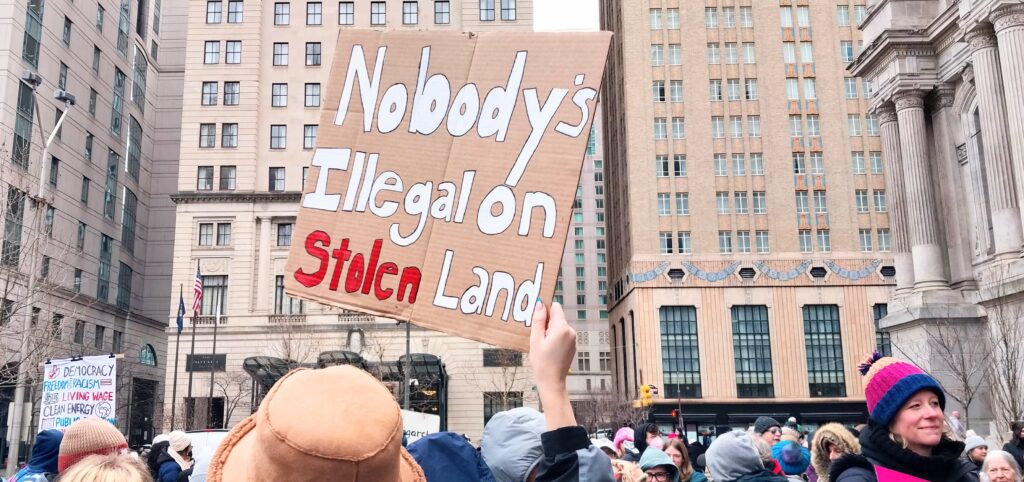
A Homan se le ha encargado la máxima prioridad de Trump de llevar a cabo la operación de deportación más grande en la historia de la nación. Fue parte del primer Gobierno del mandatario al estar al frente del Servicio de Control de Inmigración y Aduanas (ICE, en inglés). Recibió críticas de los demócratas por defender la política de “tolerancia cero” sobre los cruces fronterizos durante su primer mandato de Trump, y ha dicho que para evitar separar familias, estas deberían de ser deportadas juntas, incluyendo los hijos ciudadanos de indocumentados.
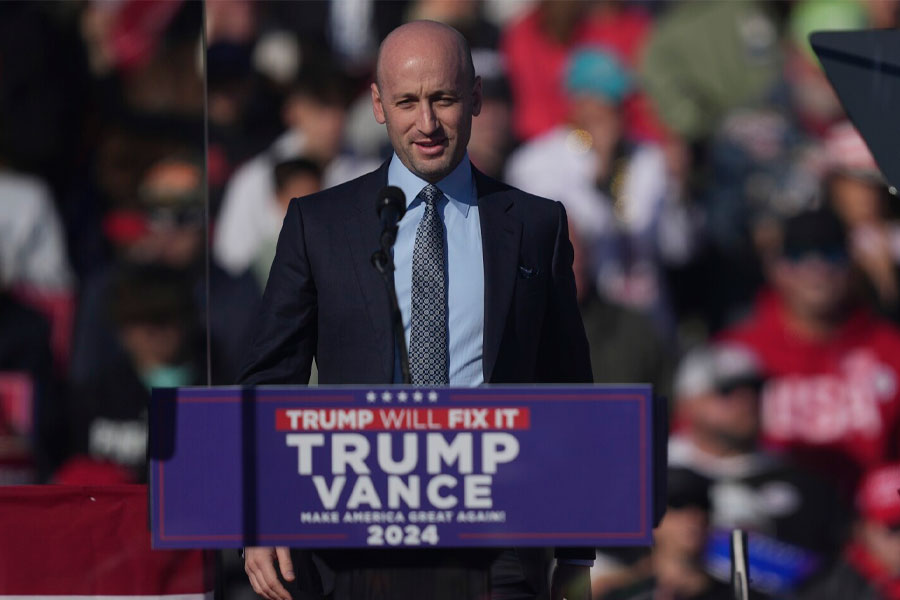
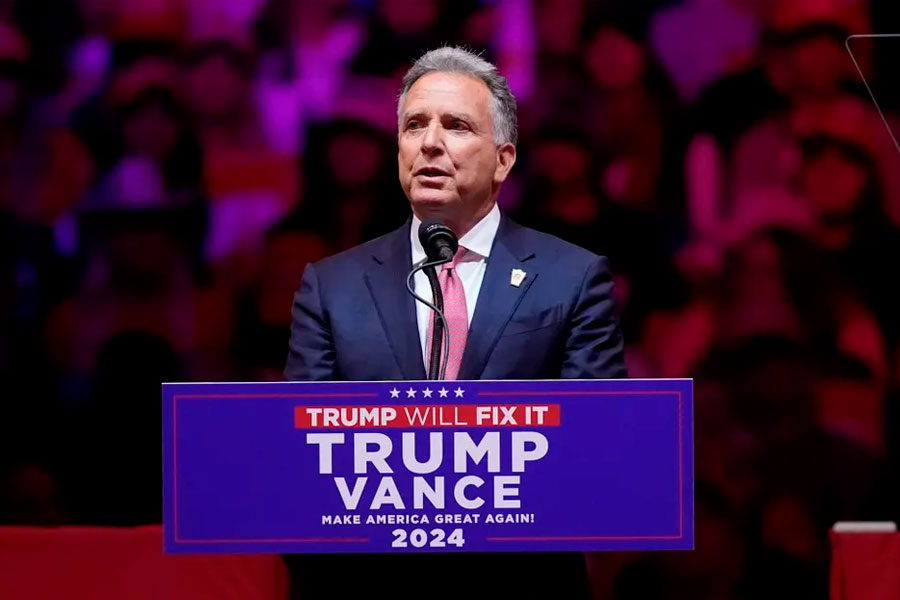
Jefe de despacho adjunto para políticas: Stephen Miller
Miller es defensor de las políticas migratorias de línea dura, promotor de realizar deportaciones masivas. Fue asesor sénior durante el primer mandato de Trump. Miller ha sido una figura central en algunas de las políticas como la de separar a miles de niños migrantes de sus padres. Trump argumentó durante la campaña que las prioridades económicas, de seguridad nacional y sociales de la nación podrían cumplirse si se deporta a las personas que están sin autorización.
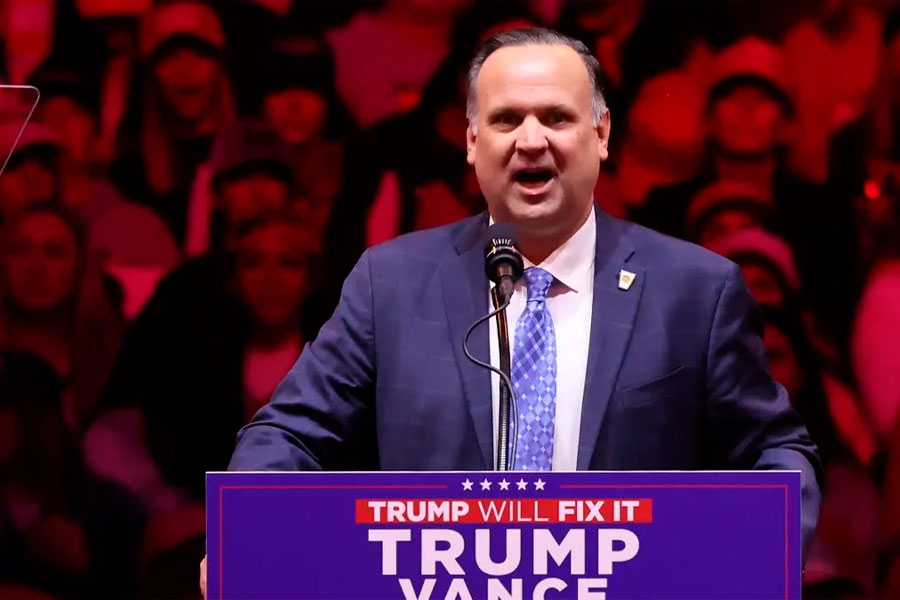
Jefe de despacho adjunto: Dan Scavino
Scavino fue asesor en las tres campañas de Trump rumbo a la presidencia, y el equipo de transición se refirió a él como uno de los “colaboradores más viejos y de mayor confianza de Trump”. Será subjefe de despacho y asistente del presidente. Scavino dirigió previamente el perfil de redes sociales de Trump en la Casa Blanca durante su primer mandato.
Jefe de despacho adjunto: James Blair
Blair fue director político de la campaña de Trump de 2024 y del Comité Nacional Republicano. Será subdirector de despacho para asuntos legislativos, políticos y públicos y asistente del presidente. Blair fue clave en el mensaje económico de Trump durante la campaña con la que logró regresar a la Casa Blanca este año.
Subdirector de Comunicaciones y Personal de la Casa Blanca: Taylor Budowich
Budowich es un experimentado colaborador del equipo de campaña de Trump que fundó (en 2022) y dirigió Make America Great Again, Inc., un super PAC que apoyó la campaña de Trump de 2024. Durante ese periodo enfrentó desafíos legales, incluida una citación del Comité Selecto de la Cámara sobre el ataque del 6 de enero, a la que respondió con proporcionando documentos y testimonio.
Secretaria de prensa de la Casa Blanca: Karoline Leavitt
Leavitt fue secretaria de prensa del equipo de campaña de Trump. A sus 27 años, es la secretaria de prensa de la Casa Blanca más joven en la historia del país. “Karoline es inteligente, dura y ha demostrado ser una comunicadora muy eficaz.
Abogado de la Casa Blanca: William McGinley
McGinley fue secretario de Gabinete de la Casa Blanca durante el primer mandato de Trump, y fue el asesor jurídico externo de las labores de integridad electoral del Comité Nacional Republicano durante la campaña de 2024.
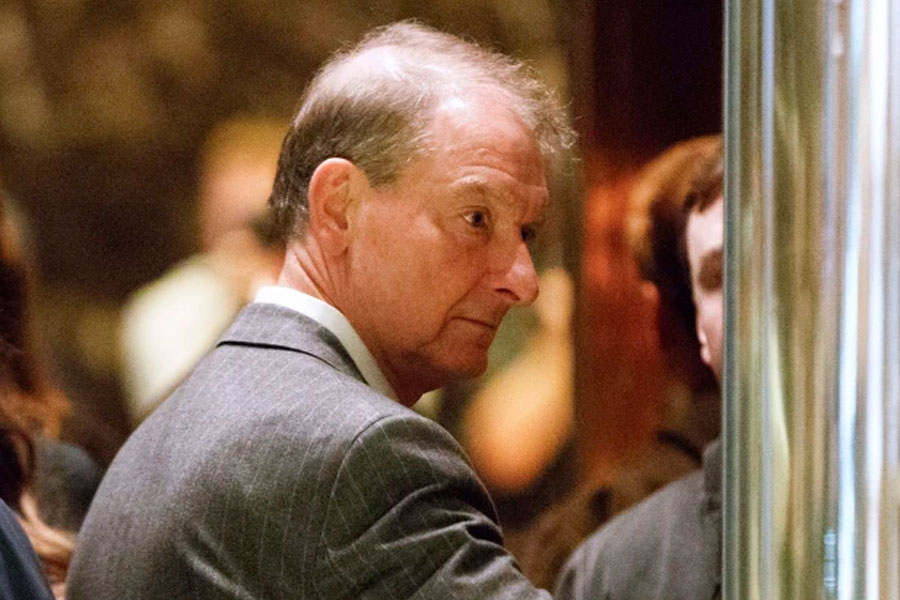
Letrado principal Casa Blanca: David A. Warrington
“Dave me ha representado bien como mi abogado personal y como asesor general de mi campaña presidencial”, dijo Trump en su plataforma Truth Social. Warrington es socio del bufete Dhillon Law Group y expresidente de la Asociación Nacional de Abogados Republicanos, además de veterano en el cuerpo de marines y licenciado Magna Cum Laude en la Universidad de Georgetown.
Consejo Económico Nacional: Kevin Hassett
Hassett es un importante defensor de los recortes fiscales y fue presidente del Consejo de Asesores Económicos durante el primer mandato de Trump. En su nuevo cargo como presidente del Consejo Económico Nacional buscaría mejorar de los recortes fiscales que Trump promulgó en 2017, a los más ricos, muchos de los cuales están programados a vencer después de 2025.
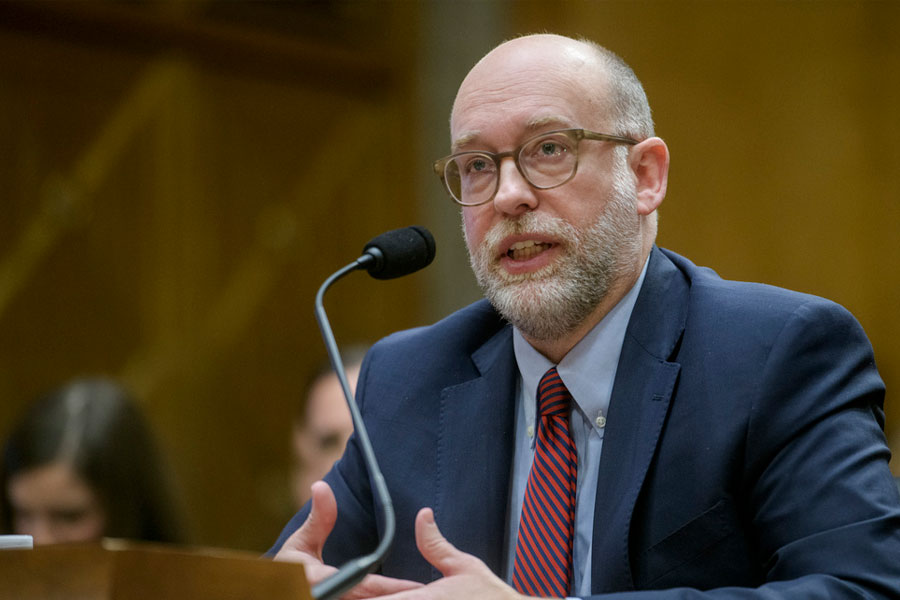
Oficina de Administración y Presupuesto: Russell Vought
Vought ocupó el cargo durante la primera presidencia de Trump. Fundó el Center for Renewing America, un centro de análisis que describe su misión como “renovar un consenso de Estados Unidos como nación al amparo de Dios”. También participó estrechamente en el Proyecto 2025, un plan conservador para el nuevo mandato de Trump del que este intentó distanciarse durante la campaña.
EMBAJADORES Y ENVIADOS
Enviado especial para Oriente Medio: Steven Witkoff
Witkoff, jugaba al golf con Trump en el campo del presidente en West Palm Beach, Florida, el 15 de septiembre, cuando el mandatario fue blanco de un segundo intento de asesinato. En los próximos días Witkoff visitará los corredores de Filadelfia y Netzarim, en la Franja de Gaza y ambos bajo control israelí. Fue parte del equipo mediador del Gobierno de Joe Biden en las semanas previas al traspaso de poder, y participó en las negociaciones que culminaron en el acuerdo de alto el fuego entre Hamás e Israel.
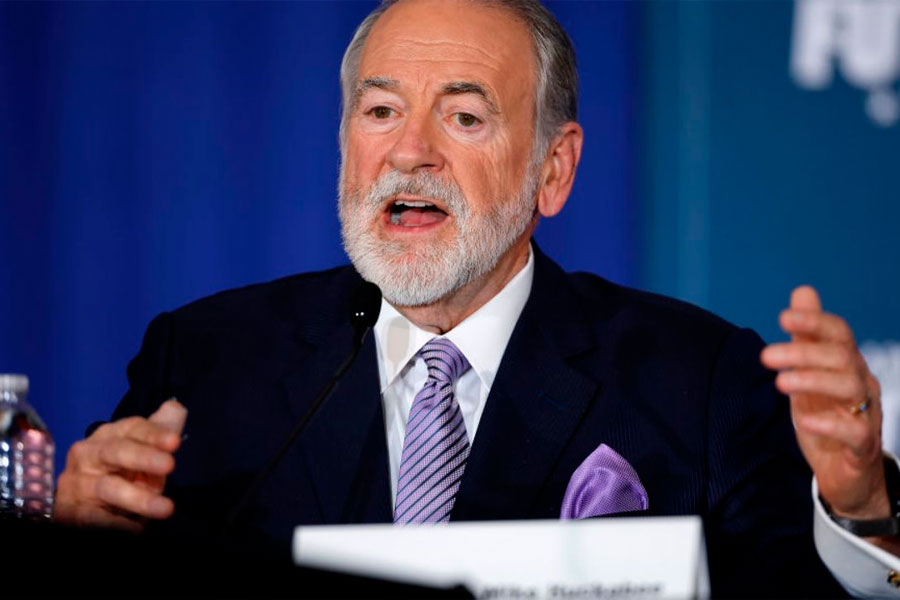
Embajador en Israel: Mike Huckabee
Huckabee es un férreo defensor de Israel y su nombramiento se produjo cuando Trump prometió alinear más estrechamente la política exterior de Estados Unidos con los intereses de Israel. Huckabee, quien se postuló sin éxito para la nominación presidencial republicana en 2008 y 2016, ha sido una popular figura entre conservadores cristianos evangélicos, muchos de los cuales apoyan a Israel debido a las escrituras del Antiguo Testamento, las cuales señalan que los judíos son el pueblo elegido de Dios y que Israel es su patria legítima.
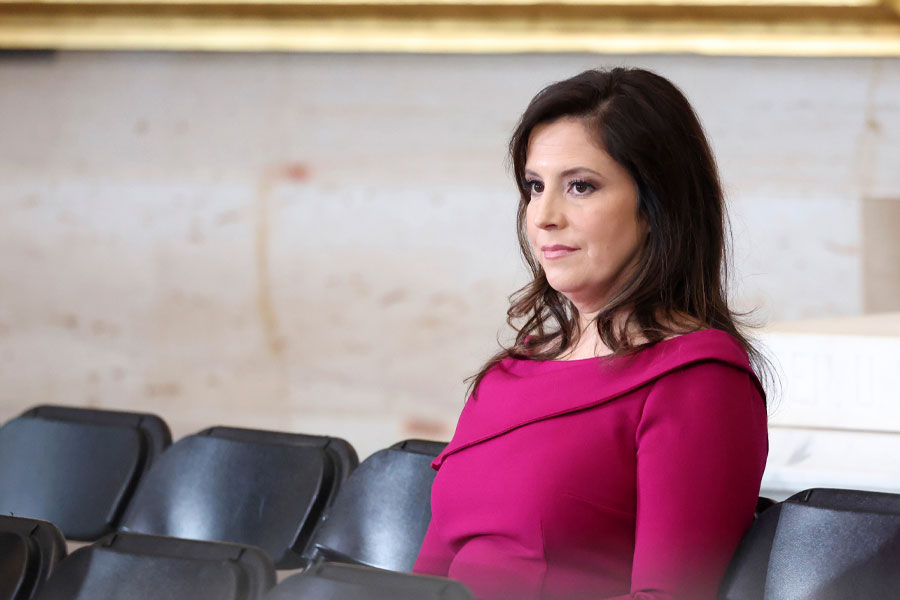
Embajadora ante la ONU: Elise Stefanik
Stefanik, representante por Nueva York, es una de las acérrimas defensoras de Trump desde su primer juicio político. Fue seleccionada por sus colegas republicanos como presidenta de la Conferencia Republicana de la Cámara de Representantes en 2021, cuando la exrepresentante por Wyoming Liz Cheney fue removida del cargo después de que criticó en público a Trump por afirmar falsamente que ganó las elecciones de 2020. Stefanik ha desempeñado ese papel desde entonces como el tercer miembro de mayor rango en la Cámara Baja.
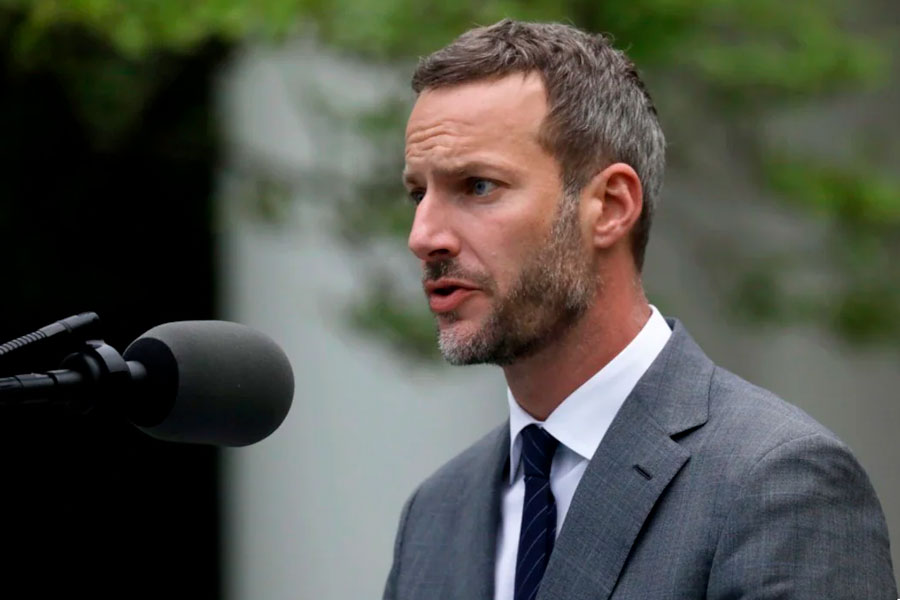
Negociación liberación de rehenes: Adam Boehler
“Adam trabajará incansablemente para traer a nuestros grandes ciudadanos estadounidenses a casa”, afirmó Trump y destacó que durante su primer mandato, de 2017 a 2021, Boehler fue el principal negociador estadounidense de los Acuerdos de Abraham, que normalizaron las relaciones diplomáticas entre Israel y varios vecinos árabes. Boehler ha negociado con algunas de las personas más “duras” del mundo, incluidos los talibanes.
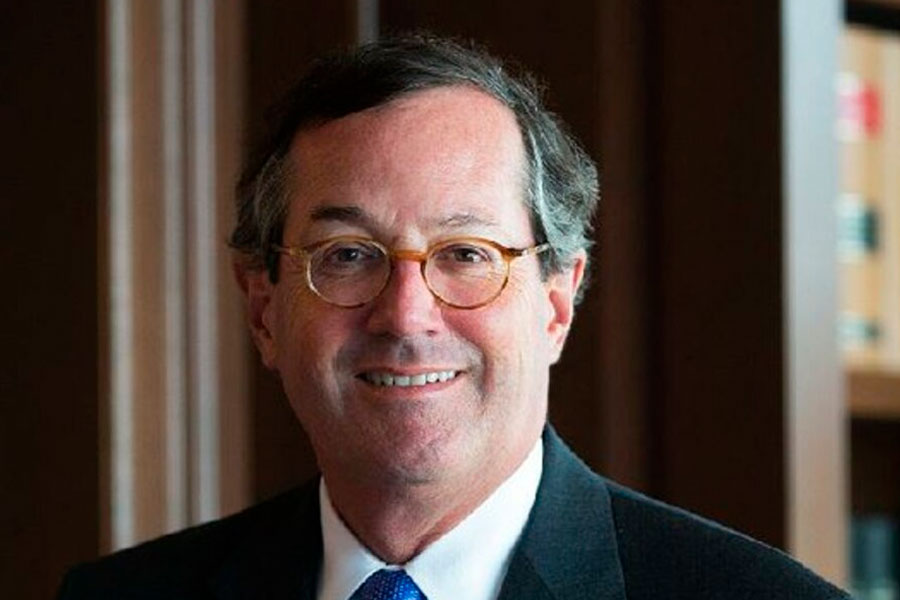
Embajador de EE. UU. en el Reino Unido: Warren Stephens
Warren Stephens, destacado banquero de inversión y prominente donante del Partido Republicano, sería el próximo embajador en el Reino Unido. “Warren siempre ha soñado con servir a Estados Unidos a tiempo completo. Estoy encantado de que ahora tenga esa oportunidad como el máximo diplomático, representando a Estados Unidos ante uno de los aliados más queridos y valiosos de nuestra nación”, afirmó Trump. Stephens es director ejecutivo y presidente del Consejo de Administración de Stephens Inc.
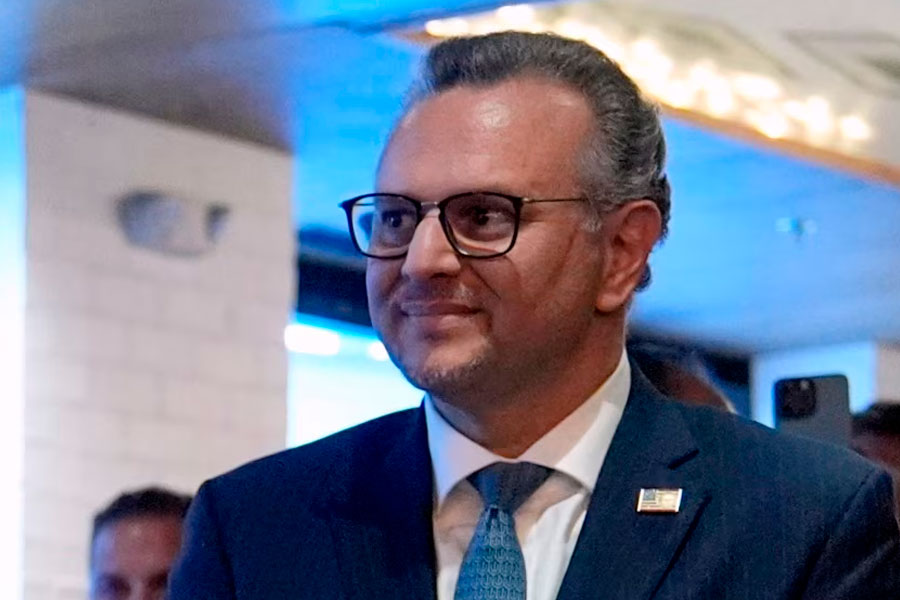
Asesor en asuntos árabes y del Medio Oriente: Massad Boulos
Suegro de Tiffany Trump, hija del mandatario, Boulos se reunió con líderes de las comunidades árabes y libanesas durante la última campaña electoral. “Massad es un abogado consumado y un líder muy respetado en el mundo empresarial, con amplia experiencia en el escenario internacional”, señaló Trump en su red Truth Social, y agregó que su yerno jugó un papel decisivo en la construcción de nuevas coaliciones con la comunidad árabe en Estados Unidos.
Embajador en Francia: Jared Kushner
Charles Kushner es padre de Jared Kushner, casado con la hija mayor de Trump, Ivanka, y quien fue uno de los principales asesores del republicano en su primer Gobierno (2017-2021). En 2005 Kushner padre se declaró culpable de cargos de evasión fiscal, entre otros, y fue sentenciado a dos años de prisión tras un proceso en el que los fiscales alegaron que el ahora nominado urdió un plan de venganza e intimidación contra su cuñado, William Schulder, cuando descubrió que cooperaba en el caso con las autoridades federales. Charles fue indultado por Trump en diciembre de 2020.
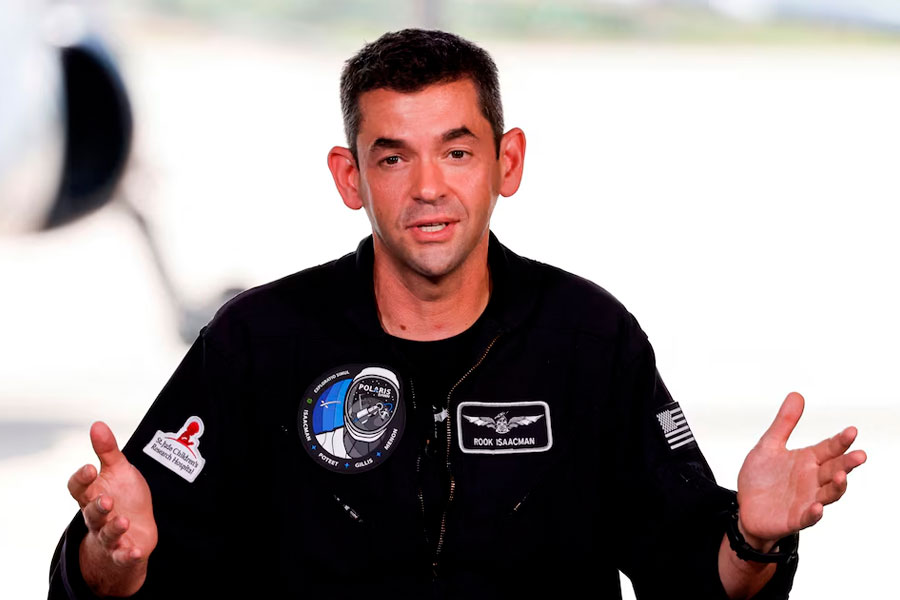
NASA: Jared Isaacman
El multimillonario de tecnología y astronauta Jared Isaacman ha sido designado para dirigir la Administración Nacional de Aeronáutica y del Espacio de EE. UU. (NASA, en inglés). Trump ha dicho que Isaacman “impulsará” la misión de descubrimientos de la NASA “allanando el camino para logros innovadores en ciencia, tecnología y exploración espacial». Isaacman, es el fundador y director ejecutivo de la empresa de procesamiento de pagos Shift4 y se asoció con Elon Musk y SpaceX para probar los nuevos trajes espaciales de la compañía. Hizo historia en septiembre pasado al completar la primera caminata espacial privada junto a la especialista Sarah Gillis en la misión Polaris Dawn.
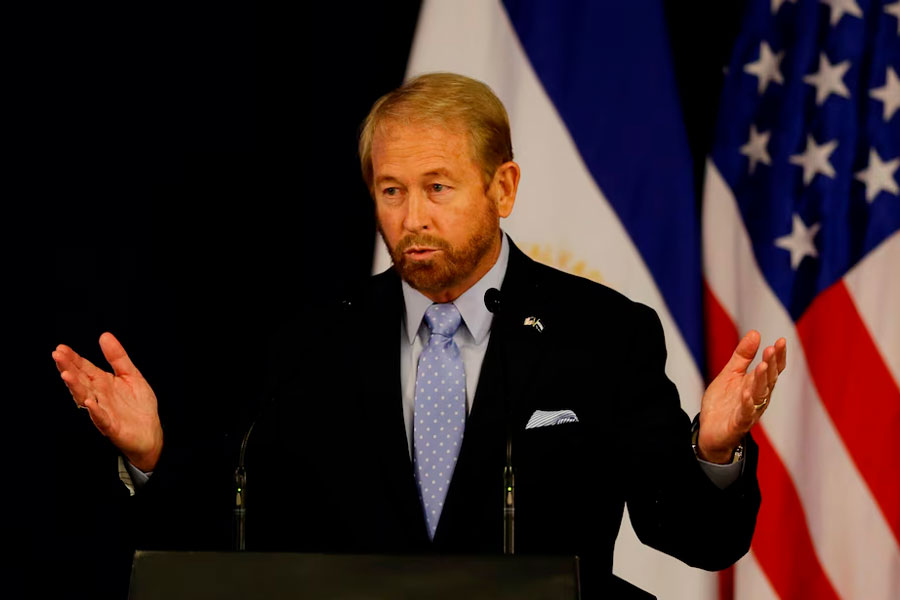
Embajador en México: Ron Johnson
Johnson fungió como embajador de Estados Unidos en El Salvador durante el primer mandato de Trump quien amenaza con imponer altos aranceles a las importaciones mexicanas y con la deportación masiva de inmigrantes que han llegado a la frontera entre Estados Unidos y México. Johnson también fue miembro del Ejército y trabajó para la CIA.
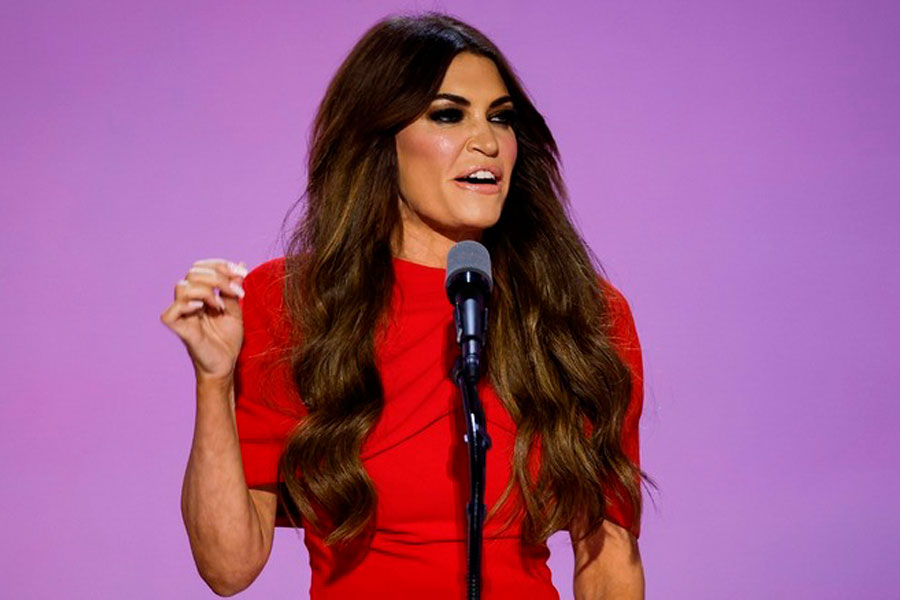
Embajadora en Grecia: Kimberly Guilfoyle
Guilfoyle, exfiscal de California y personalidad de noticieros de televisión, lideró la recaudación de fondos para la campaña de 2020 de Trump y se comprometió con Donald Trump Jr. en 2020 (hoy están separados). El presidente se refirió a ella como “una amiga cercana y aliada”. Donald Trump Jr. publicó el 10 de diciembre: “Estoy muy orgulloso de Kimberly. Ella ama a Estados Unidos y siempre ha querido servir al país como embajadora”.
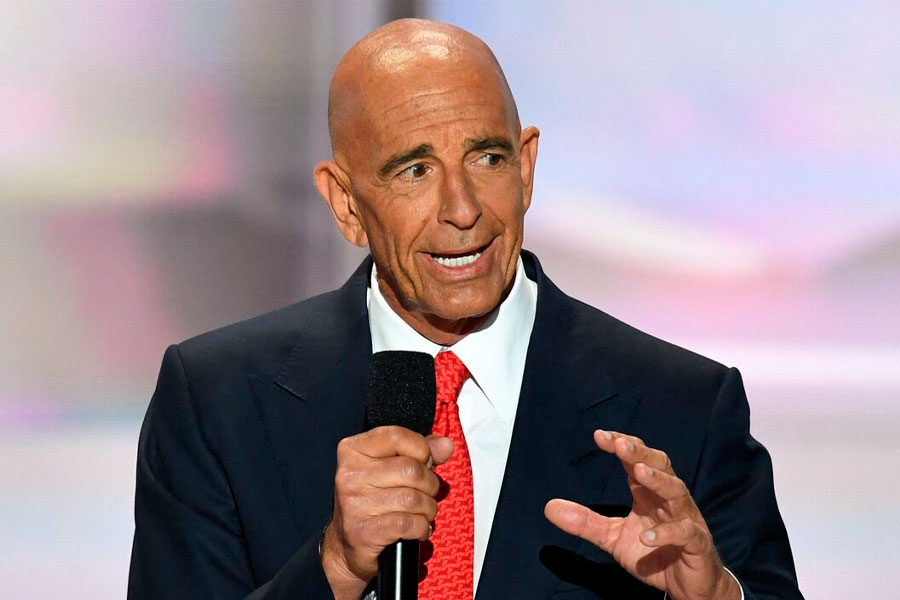
Embajador en Turquía: Tom Barrack
Barrack, financiero adinerado, conoció a Trump en la década de 1980 mientras ayudaba a negociar la compra del renombrado Hotel Plaza por parte de Trump. Fue acusado de usar su cercanía con Trump para promover secretamente los intereses de los Emiratos Árabes Unidos, pero fue absuelto de los cargos en un juicio federal en 2022. Su nombramiento llega en un momento crucial para las relaciones entre Estados Unidos y Turquía, las cuales han estado tensas debido a varios desacuerdos, incluidos el apoyo de Estados Unidos a las YPG en Siria y la adquisición por parte de Turquía del sistema de defensa antimisiles S-400 de Rusia.
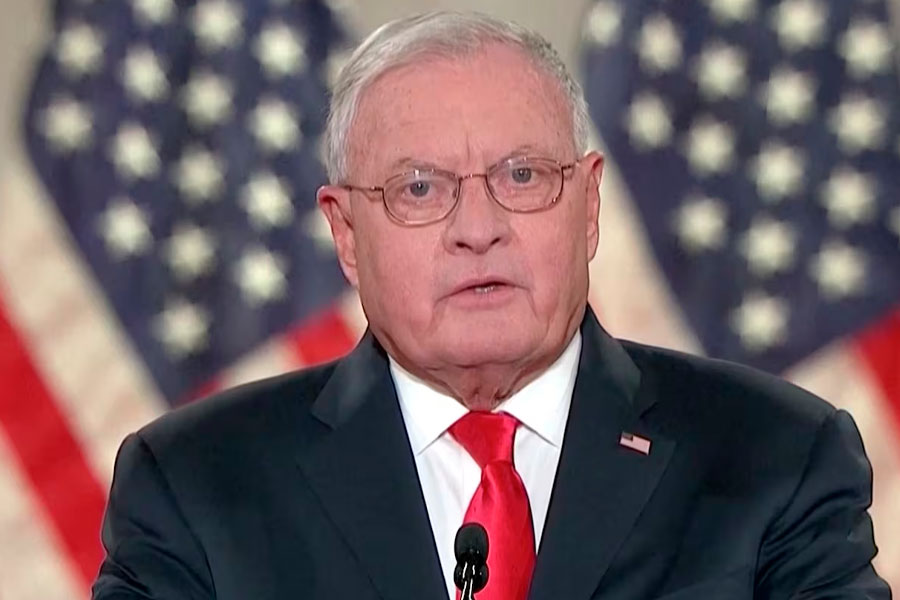
Enviado especial para Ucrania y Rusia: Keith Kellogg
Kellogg es un condecorado general retirado de tres estrellas y uno de los arquitectos de un manual de políticas conservadoras que detalla la agenda de seguridad nacional de “Estados Unidos Primero” para el segundo mandato de Trump. Kellogg fue jefe de despacho en el Consejo de Seguridad Nacional durante la presidencia de Trump y fungió como asesor de seguridad nacional interino tras la renuncia de Michael Flynn.
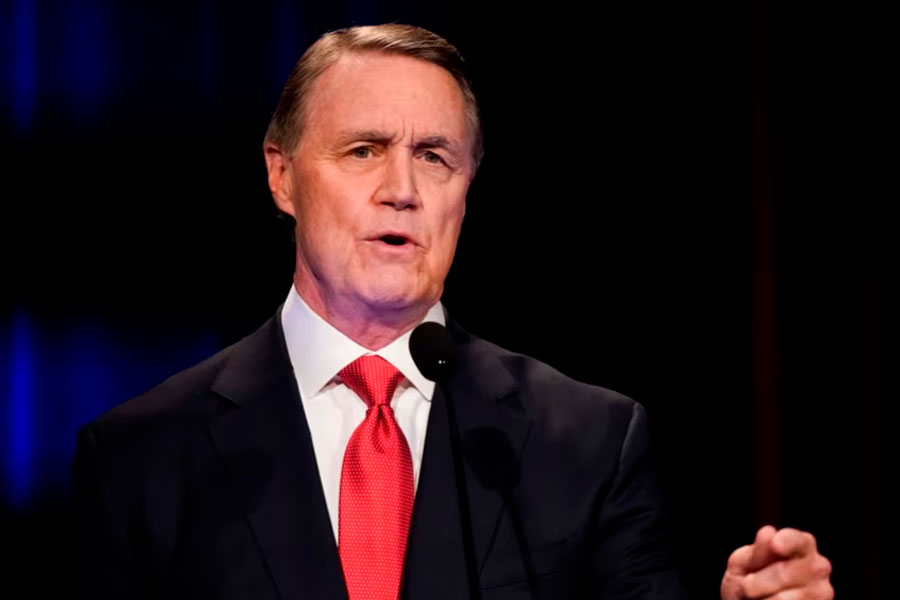
Embajador en China: David Perdue
El exsenador de Georgia se desempeñaría como el enviado del Gobierno de Trump para lo que se tiene previsto que sea la relación diplomática más complicada en los próximos años. Trump dijo que Perdue, “aporta una valiosa experiencia para ayudar a construir nuestra relación con China”. Perdue promovió las mentiras desacreditadas de Trump sobre un fraude electoral a gran escala durante su fallida candidatura para gobernador de Georgia.
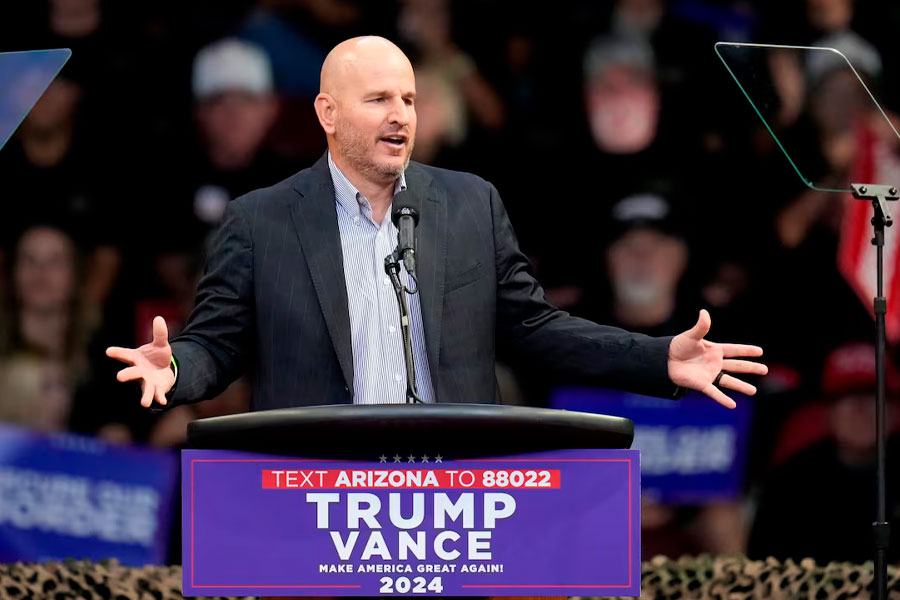
Embajador en Chile: Brandon Judd
Judd, jefe del Border Patrol Union (Sindicato de la Patrulla Fronteriza), ha sido simpatizante de Trump desde hace tiempo, y lo ha acompañado en sus visitas a la frontera entre Estados Unidos y México. Apoyó, sin embargo, un proyecto de ley de inmigración del Senado impulsado por Biden que Trump ayudó a echar abajo en parte porque no quería dar a los demócratas una victoria sobre el tema durante un año electoral.
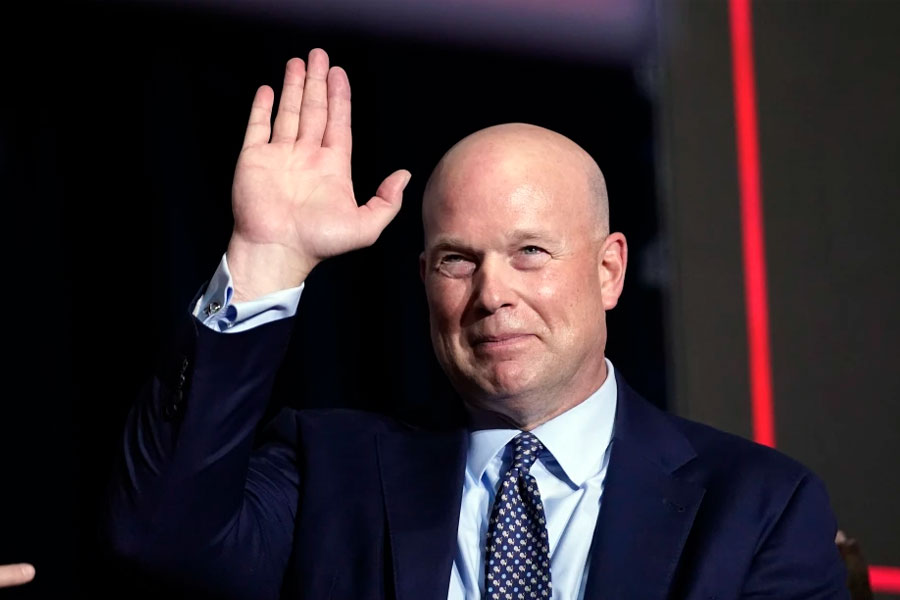
Embajador ante la OTAN: Matthew Whitaker
Exsecretario de Justicia interino durante el primer mandato de Trump y exjugador de fútbol americano en la Universidad de Iowa, Whitaker posee experiencia en materia de aplicación de las leyes, pero no en política exterior. También fue fiscal federal en Iowa y se desempeñó como secretario de Justicia interino entre noviembre de 2018 y febrero de 2019, sin una confirmación del Senado, hasta que William Barr fue ratificado para el cargo. Whitaker enfrentó cuestionamientos sobre sus negocios anteriores, incluidos sus vínculos con una compañía de promoción e invención que fue acusada de engañar a sus consumidores.
Comisión de Valores y Bolsa: Paul Atkins
Atkins director general de Patomak Global Partners, es un defensor de las criptomonedas. Trump dijo que de él que es “un líder comprobado para las regulaciones del sentido común”. El valor del bitcoin superó los 109.000 dólares el lunes por la mañana, unas horas antes de la investidura de Trump. El sector de las criptomonedas apuesta con entusiasmo a que el nuevo Gobierno impulse medidas a favor de este mercado. En el pasado se mostró escéptico y llegó a calificar al bitcoin como “una estafa”, pero Trump pretende posicionarse como líder mundial en criptomonedas.
SEGURIDAD E INMIGRACIÓN
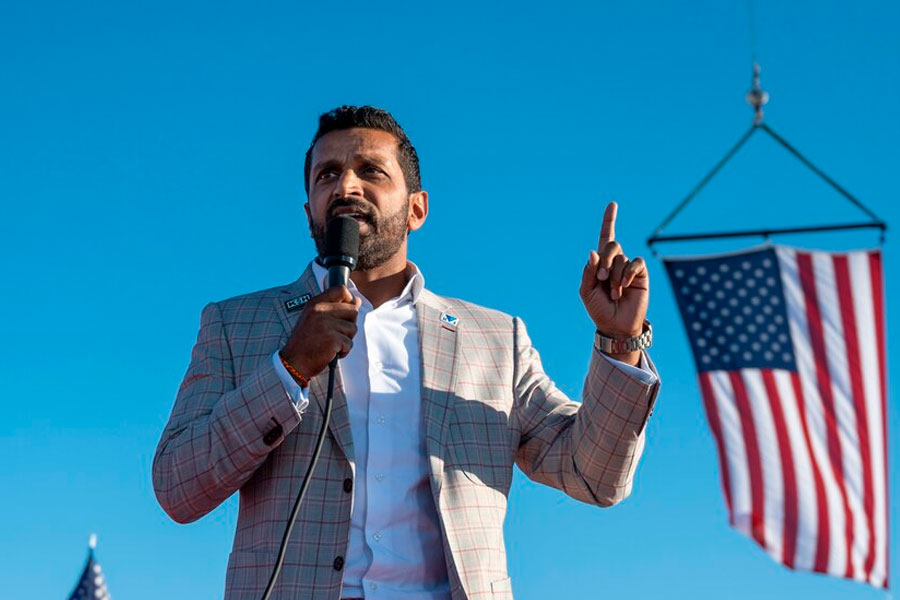
Director del FBI: Kash Patel
Patel pasó varios años como fiscal del Departamento de Justicia, como miembro del Capitolio que ayudó en la investigación sobre la interferencia rusa. Buscaría que la agencia reduzca drásticamente su impacto, una perspectiva que lo distingue de directores anteriores que habían buscado obtener recursos adicionales. La instancia suspendió en 2021 la práctica de incautar en secreto los registros telefónicos de reporteros, pero Patel ha dicho que pretende ir de manera agresiva detrás de funcionarios que filtren información a la prensa.
Oficina de Aduanas y Protección Fronteriza de Estados Unidos: Rodney Scott
Scott, exjefe de la Patrulla Fronteriza, fue designado como jefe de la agencia en enero de 2020 y acogió con entusiasmo las políticas del entonces presidente Trump, en particular la construcción de un muro fronterizo entre Estados Unidos y México. El Gobierno de Biden lo obligó a dimitir.
ECONOMÍA Y COMERCIO
Presidente de la Comisión Federal de Comercio: Andrew Ferguson
Ferguson, quien es uno de los cinco comisionados de la Comisión Federal de Comercio (FTC, en inglés), reemplazará a Lina Khan, quien se convirtió en un blanco de constantes ataques de Wall Street y Silicon Valley al bloquear adquisiciones corporativas por miles de millones de dólares. El reemplazo de Khan en la FTC probablemente signifique que la comisión operará con un toque más ligero en lo que respecta a la aplicación de las leyes antimonopolio.
SERVICIOS DE SALUD
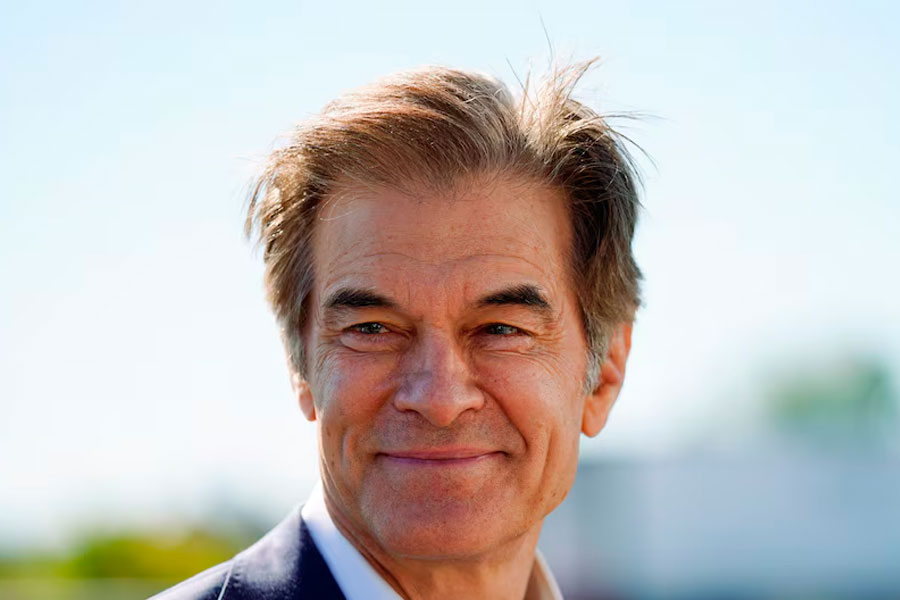
Administrador de los Centros de Servicios para Medicaid y Medicare: Dr. Mehmet Oz
Oz es un excirujano cardiólogo y presentador del “Show del Doctor Oz”. En 2022 se postuló sin éxito para representar a Pensilvania en el Senado federal. Se ha expresado a favor de la nominación de Robert F. Kennedy Jr. como titular de la principal agencia de salud del país, el Departamento de Salud y Servicios Humanos (HHS, en inglés). De ser confirmado por el Senado, Oz sería responsable de Medicaid, Medicare y Ley de Protección al Paciente y Cuidado de Salud Asequible de Estados Unidos (PPACA, en inglés), programas de los que dependen más de la mitad de los habitantes del país para obtener seguro médico.
FDA: Dr. Marty Makary
Makary, cirujano egresado de Johns Hopkins y escritor que argumentó en contra de los confinamientos por la pandemia de COVID-19, publicó artículos de opinión en los que cuestionaba el uso de mascarillas en niños. Aunque no se opuso a la vacuna contra el COVID, expresó sus preocupaciones sobre el uso de refuerzos en infantes. Más recientemente, ha vuelto a pronunciarse en contra de los problemas centrales del negocio de la atención médica que en un inicio impulsaron su fama, como la idea de que los hospitales con fines de lucro deberían pagar impuestos y la denuncia de cómo ciertas políticas de Medicare facilitan los monopolios de hospitales y sistemas de salud.
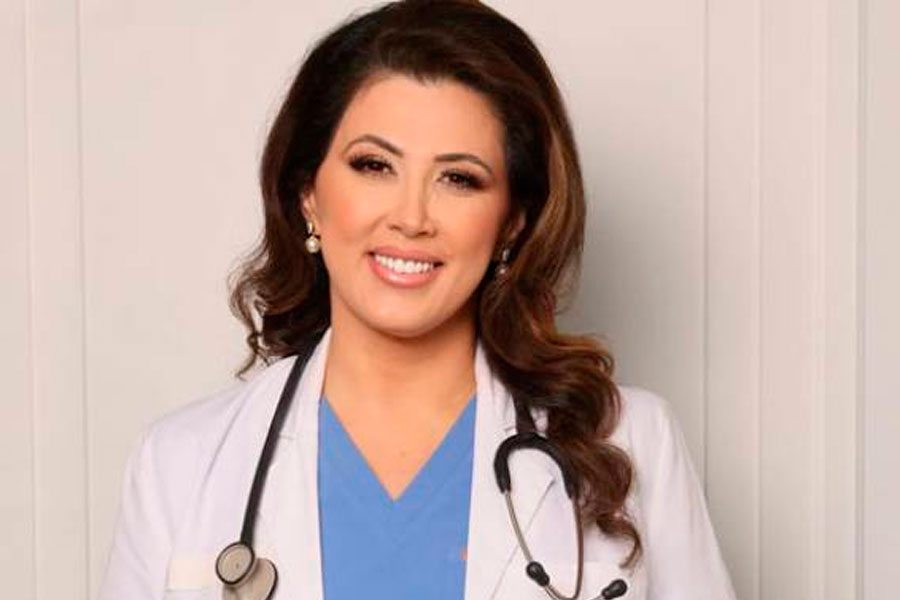
Directora de Salud Pública: Dra. Janette Nesheiwat
Nesheiwat es médico general y directora médica de CityMD, red de centros de atención de urgencias de Nueva York y Nueva Jersey. Ha sido colaboradora de Fox News. “La doctora Nesheiwat es una feroz defensora y una fuerte comunicadora de la medicina preventiva y la salud pública”, dijo Trump en un comunicado. “Está comprometida a garantizar que los estadounidenses tengan acceso a una atención sanitaria asequible y de calidad, y cree en capacitar a las personas para que tomen las riendas de su salud y vivan más y mejor”, expresó.
Director de los CDC: Dr. Dave Weldon
Weldon es un exlegislador de Florida que se postuló recientemente a un escaño legislativo del estado y perdió; Trump apoyó al otro candidato. En el Congreso participó en uno de los debates más acalorados de la década de 1990 sobre la calidad de vida y el derecho a morir, y sobre si se debería haber permitido retirar la sonda de alimentación a Terri Schiavo, quien se encontraba en estado vegetativo tras sufrir un paro cardiaco. Se puso del lado de los padres, que no querían que se le retirara.
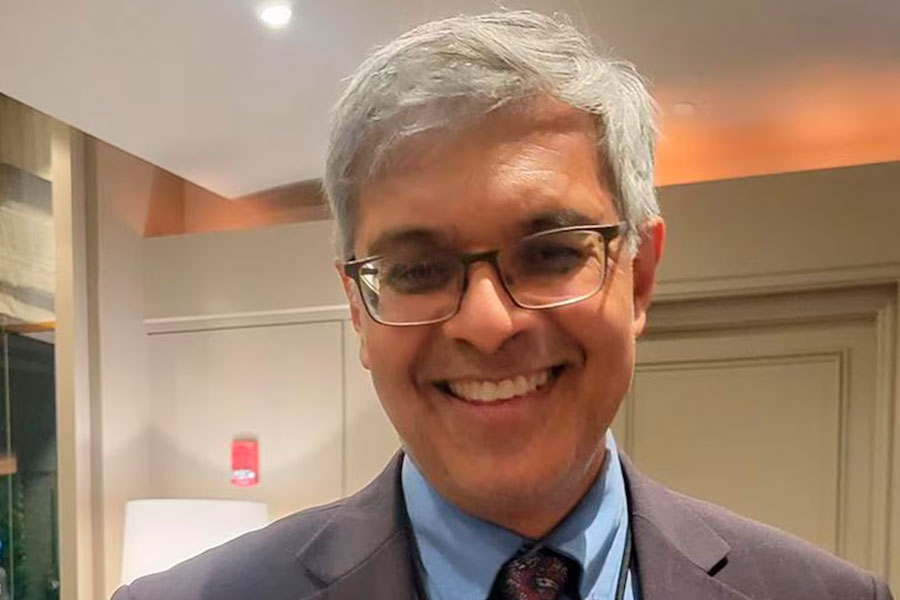
Institutos Nacionales de Salud: Dr. Jay Bhattacharya
Bhattacharya, fue un crítico de los confinamientos y requerimientos de vacunación durante la pandemia. Como director de los Institutos Nacionales de Salud, la principal agencia de investigación médica del país, Trump dijo que Bhattacharya trabajaría con Kennedy Jr. para dirigir la investigación médica y realizar importantes descubrimientos que ayuden a mejorar la salud y a salvar vidas. Es profesor en la facultad de Medicina de la Universidad Stanford y fue uno de tres autores de la Gran Declaración Barrington, una carta abierta publicada en octubre de 2020 en la que sostienen que los confinamientos durante la pandemia de COVID-19 estaban causando un daño irreparable.
Las reacciones a su nominación están divididas. Por un lado, algunos destacan su valentía al cuestionar el consenso de salud pública, por lo que lo califican como un científico serio y un defensor de la libertad académica. Para otros, su designación es preocupante, ya que podría priorizar intereses económicos sobre la salud pública y favorecer a los escépticos del COVID y de los confinamientos. La nominación genera un debate sobre el equilibrio entre ciencia, política y salud pública.