Inicio Blog Página 67

Art and Community: Taller Puertorriqueño on the road to 2026 in Philadelphia

The Taller Puertorriqueño Bookstore offers a wide selection of books and collectible items. (Photo: Haydeé Rosario / Impacto staff)

Taller Puertorriqueño continues to consolidate itself as a cultural and community pillar in Philadelphia, with a mission centered on empowering the Latino community through the arts, education, and social services. The organization reaffirms its commitment to preserving cultural heritage and fostering the city’s social development within a context marked by historical challenges that persist.

Erikka Goslin, Executive Director of Taller Puertorriqueño in Philadelphia. (Photo: Haydeé Rosario / Impacto staff)

Under the leadership of its Executive Director, Erikka Goslin, Taller Puertorriqueño has grown stronger through strategic partnerships and inclusive programming. Goslin acknowledged that the challenges facing the Latino community remain profound: “The challenges continue to be many of the same ones we’ve seen for decades: underrepresentation, marginalization, poverty, and cyclical violence,” she noted. Nevertheless, she emphasized the community’s collective strength: “There is also extraordinary resilience, creativity, and an entrepreneurial spirit that continue to drive our people forward.”

Inside Taller Puertorriqueño, one of the most prominent words is Gratitude. (Photo: Haydeé Rosario / Impacto staff)

Goslin referenced the community’s historical struggles, recalling the marches of 1976 during the Bicentennial. “These are many of the same demands we are still fighting for today, 50 years later,” she stated, underscoring the relevance of these claims as the nation approaches the Semi quincentennial in 2026.

Art classes are very popular within the community. (Photo: Haydeé Rosario / Impacto staff)

Beyond its cultural role, Taller Puertorriqueño maintains a strong educational offering for children and youth, with artistic and academic after-school courses. These programs provide safe spaces where students strengthen their cultural identity and personal development, representing essential support for many Philadelphia families.

Regarding institutional challenges, Goslin pointed out that funding remains one of the greatest obstacles. “Securing funding for the arts, paying our staff and artists fairly, and sustaining our work year after year is a constant challenge,” she explained.

Classrooms are equipped with materials so students can learn and enjoy the after-school program. (Photo: Haydeé Rosario / Impacto staff)

Looking ahead to 2026, Taller Puertorriqueño already has a structured annual program, while remaining flexible to respond to community needs. Among the highlighted events is an exhibition by artist Jorge Luis Rodríguez, focused on the Orishas, accompanied by educational programming on spirituality and diaspora. This exhibition is linked to the 30th edition of the Arturo Schomburg Symposium, under the theme “Spirituality as Resistance and Resilience in the Afro-Latino Diaspora.” “We want to reflect on how spirituality has been a tool for our communities to face difficult times,” she explained.

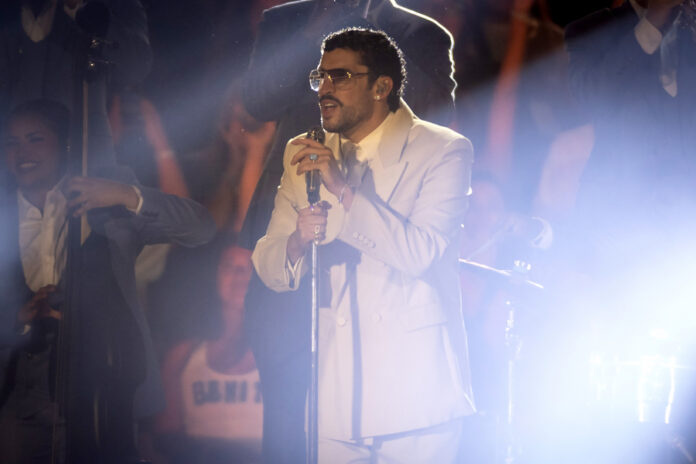
In that same community-centered spirit, Taller Puertorriqueño announced the hosting of its first Super Bowl Watch Party on Sunday, February 8, in collaboration with the African American Museum in Philadelphia, inspired by Bad Bunny’s participation as the halftime show performer. The event will feature soul food, Puerto Rican cuisine, and activities for all ages. “We want it to be a fun and meaningful night. It’s the first time we’re doing this, and we’re excited to see how the community responds,” expressed the Executive Director.

Interamerican University of Puerto Rico has a partnership with Taller Puertorriqueño so students can complete their bachelor’s degree coursework. (Photo: Haydeé Rosario / Impacto staff)

In the face of political and migratory uncertainty, Goslin delivered a powerful message: “Do not give up or fall into despair. This is a home for everyone. We stand firmly with our community and will protect it until the end. We are not afraid, and we will not hide.”

For the first time, Taller Puertorriqueño will host a Super Bowl Watch Party to watch Bad Bunny’s halftime performance. (Photo: Taller Puertorriqueño)

Finally, she invited the community to get actively involved. Those interested can visit the Taller Puertorriqueño website, call (215) 426-3311, or stop by the space to contribute, learn, and feel at home,” Goslin concluded.

30th edition of the Arturo Schomburg Symposium. (Photo: Taller Puertorriqueño)

Calendar of Activities

February 8 @ 6:00 pm – 10:00 pm, AAMP Super Bowl LX Watch Party!

February 13 @ 1:00 pm – 5:30 pm, Domino Tournament

February 27 @ 6:00 pm – February 28 @ 9:00 am, 30th Annual Arturo Schomburg Symposium

Harrisburg celebrates the 182nd anniversary of Dominican Independence

Food and the Dominican flag were the main elements of the event’s décor. (Photo: Tomasina Sosa)

In an emotional event held this Monday, February 2, the Pennsylvania Legislative Latino Caucus presented a resolution celebrating Dominican Independence Day in the Main Rotunda of the Pennsylvania State Capitol in Harrisburg. Legislative, community, and cultural leaders gathered to commemorate the 182nd anniversary of the independence of the Dominican Republic and to recognize the impact of Dominican immigrants on the state’s economy, culture, and society.

The event, “Roots, Resilience & Results: Dominican Immigrants Powering Pennsylvania,” highlighted the contributions of Dominican immigrants in Pennsylvania and brought together elected officials such as State Representative Johanny Cepeda-Freytiz; Representative Joanna McClinton, Speaker of the Pennsylvania House of Representatives; Representative Danilo Burgos, Chair of the Consumer Protection, Technology, and Utilities Committee; and Representative Manny Guzman, Chair of the Central Pennsylvania Delegation, among other public and community leaders. Representatives from the Dominican Consulate also attended, along with business leaders including George Fernandez, CEO of Latino Connection & Fernandez Realty Group, and María Zabala of the Governor’s Advisory Commission on Latino Affairs.

Commissioner Elizabeth Strong, Latino Affairs Advisory Commission; Speaker Joanna McClinton; Representative Danilo Burgos; Representative Johanny Cepeda-Freytiz; and Rep. Jo Hohestein. (Photo: Tomasina Sosa)

The celebration included performances of the United States national anthem by Keisha Rivera, and the Dominican national anthem by Alex Arias, moments that underscored the cultural pride and bicultural identity shared by many Dominican families in Pennsylvania.

In her remarks, Johanny Cepeda-Freytiz, State Representative for Pennsylvania’s 129th District, Democrat, and Chair of the Pennsylvania Legislative Latino Caucus, recalled the historical importance of the date and the meaning of independence for the Dominican community both on the island and in the United States. “This day not only celebrates 182 years of freedom for the Dominican Republic, but also honors the values of resilience, determination, and collective contribution that our community brings to this state and to our nation,” Cepeda-Freytiz said from the podium. She also noted the importance of using her platform to highlight the contributions of the Latino community.

Speaker Joanna McClinton addresses those in attendance. (Photo: Tomasina Sosa)

The legislative leader further emphasized cultural diversity as a strength of the state, noting that the Dominican community—along with other immigrant groups has enriched the region’s social and economic life. “It is an honor to publicly recognize the lasting contribution of Dominicans to civic life, public service, and the cultural strength of Pennsylvania,” Cepeda-Freytiz added.

Keisha Rivera performed the United States national anthem. (Photo: Tomasina Sosa)

Other speakers highlighted how Dominican immigrants have played essential roles as entrepreneurs, essential workers, and community leaders in cities such as Philadelphia, Reading, and Allentown, where the Dominican presence has grown significantly in recent decades.

Tomasina Sosa, INDEX Co-Development Manager in Philadelphia, and Speaker Joanna McClinton. (Photo: Tomasina Sosa)

The event also spotlighted a recent legislative initiative to designate February 27 of each year as “Dominican Republic Independence Day” in Pennsylvania, a proposal aimed at further affirming the visibility and official recognition of the Dominican community throughout the state.

Members of Cooperación Latinoamericana 809 Rompiendo Barreras participated in the event. (Photo: Tomasina Sosa)

Among those in attendance were consular representatives, community organizations, and community members who applauded the music, the speeches, and the central message of unity and cultural pride that defined the occasion.

Cynthia Mota, City Councilwoman and Vice President of the Allentown City Council, alongside Danilo Burgos, Representative in the Pennsylvania House of Representatives. (Photo: Tomasina Sosa)
 

The celebration in the Harrisburg Rotunda joins other festivities and events held across the State to commemorate Dominican independence. The Dominican community in Pennsylvania is invited to proudly join the following flag-raising events:

Sunday, February 22, – 2:00 PM, Reading, PA

Friday, February 27, – Flag Raising, and Saturday, February 28, – Community Gathering, 9:00 AM, York, PA

Friday, February 27, – 12:00 PM, Philadelphia, PA

Saturday, February 28, – 12:00 PM, Allentown, PA

Trump poked China in the eye with a stick over Venezuela

Presidente ruso, Vladímir Putin (d), y el presidente chino, Xi Jinping, durante una reunión en la residencia Zhongnanhai, la residencia del líder chino, en Pekín, China, el 2 de septiembre de 2025. (Foto: EFE/ALEXANDER KAZAKOV/SPUTNIK/KREMLIN /Archivo)

The Chinese representative to the United Nations gave a long and impassioned speech to the General Assembly. In this presentation, he strongly condemned the action taken and the abduction of President Maduro and his wife. He referenced the rule of law and the UN Charter, and the unlawful acts taken in Venezuela. And he demanded the immediate release of Maduro and his wife.

It seems that the Trump administration had not done its homework regarding Venezuela. Some are saying that China has invested heavily there, to the tune of perhaps 10 billion dollars, and that this invasion would turn over all the natural resources to the USA when China was hoping for its share of this natural wealth.

With China being a world power and a key trading partner with the USA, it seems more and more like a dumb decision to invade.

While condemnation is worldwide, it must still be noted that Maduro was not a democratic leader and had mismanaged Venezuela’s economy and its vast oil and mineral assets.

With the bluster of a high school yard bully, Trump talked about Iran, Mexico, Greenland, Cuba, and other countries where he might invade.

The people of Taiwan have lived under the threat of a China invasion for years. And now the USA has opened this door for China to do just that. Putin now must feel more emboldened to invade other countries while maintaining its current war. And what is to stop North Korea, with the help of Russia, from attacking South Korea?

We are now in a political dark whirlpool that could push us into the horrific tsunami of a third world war.

And this has happened because of the wrong-headed advice by a non-seasoned, uneducated administration that has brought us to the brink of political and economic collapse.

Also, it places in danger embassy staff, business personnel, and tourists who might become victims as a result of the actions of our government.

Some say that the Trump invasion of Venezuela was to distract from the damaging photos and reports of Trump within the Epstein files. Also, with the economic problems at home, in particular the cost of health care, they were trying to get the media’s focus elsewhere.

Whatever the reason, it was the wrong action, and it is creating the possibility of some god-awful reactions.

Some suggest that a third party (government) assist the USA in getting out of this mess, although others think that the administration will not listen to anyone’s advice.

But something must be done to diminish the chaos and violence.

Teatro Esperanza presented “De Cerca”, with the Philadelphia Ballet

The artists had the opportunity to engage with attendees. (Photo: Shoshana Isaacs)

Last Saturday, January 31, Teatro Esperanza hosted De Cerca, a dance production that embraced intimacy, emotion, and direct connection with the audience. The performance offered a close and deeply human experience, reaffirming the company’s commitment to artistry and authenticity.

Philadelphia’s leading dance company presented an evening highlighting latino dancers from the Philadelphia Ballet. The program featured Connection, choreographed by Julio Nunes, and Concierto Françaix, choreographed by Charles Askegard.

During the presentation, audiences enjoyed a restrained yet powerful stage in which movement, the use of silence, and the narrative rhythm played a fundamental role. “De Cerca is an invitation to look without filters, to listen to one another through emotion and truth. We wanted the audience to feel part of the story—not just as spectators, but as close witnesses to what happens on stage,” explained the show’s artistic director, Angel Corella.

The central concept of the play revolves around human relationships and bonds that are built through emotional proximity. This approach was clearly reflected in the staging, which was designed to reduce the distance between artists and audience. “Closeness is not only physical, but also emotional. Every element of the production is conceived to sustain that intimacy,” Corella noted.

The response from Philadelphia’s Latino audience was warm and engaged. “We felt a very special connection; the audience was attentive, present, and responded from a place of emotion. That exchange is what gives meaning to our work.” The heartfelt applause at the end of the performance confirmed the positive reception of the play and the impact it had.

Reflecting on the experience, Corella highlighted the shared energy in the room. “As the artistic director of Philadelphia Ballet, you experience the performance very intensely. Seeing how the work breathes along with the audience and how the message comes through is deeply gratifying.” He added that the core message is a commitment to dance that engages with reality and sparks reflection from a human perspective.

Following the performance, a reception was held at Galeria Esperanza, providing an opportunity for direct interaction between the cast and the audience. “It was a very valuable space. Listening to the audience, sharing impressions, and feeling their closeness after the performance strengthens the sense of community we seek to build through the arts.”

After this successful presentation, the De Cerca team continues preparing enthusiastically for this weekend’s performances, fine-tuning details and keeping alive the energy experienced at Teatro Esperanza, with the expectation of continuing to connect closely with audiences.

For more information about events at Esperanza Arts Center, call (215) 324-0746.

More than a draft: How La Liga del Barrio builds futures through basketball

(Photo: Jesus Rincon)

Every year in Philadelphia, more than 300 young people experience a moment most athletes only ever watch on television. They hear their names called. They walk across a stage. They are drafted.

But La Liga del Barrio’s Annual Basketball Draft Day is about far more than recreating NBA spectacle. It is an act of visibility, dignity, and possibility for young people who are too often overlooked.

On Saturday, January 24, La Liga del Barrio hosted its 8th Annual Draft Day at Mariana Bracetti Academy Charter School in Northeast Philadelphia. Student-athletes ages 6 to 18 were formally drafted onto teams ahead of the league’s winter and spring season, which runs from January 31 through April 25. For many, it was the first time they had ever been publicly celebrated for their commitment, discipline, and growth.

(Photo: Jesus Rincon)

La Liga’s Draft Day mirrors the pageantry of professional sports—music, announcements, excitement, and the unmistakable hum of community pride. This year’s event was emceed by Rumba 106.1’s Loraine Ballard Morrill alongside Jose Urdaneta, bringing familiar Philly voices and cultural pride to the room. The day also featured a “dress-for-success” contest, encouraging youth to step confidently into the spotlight and reinforcing the message that how you present yourself matters both on and off the court.

What truly distinguishes La Liga is its clarity of mission. As President and CEO Raymond Alvarez often reminds the community: basketball is the hook; education and safety are the mission. The league delivers structure, expectations, and caring adult mentors in neighborhoods where young people often confront significant challenges. The court becomes a space for accountability, mentorship, and belonging.

(Photo: Jesus Rincon)

Founded in 2000 by former Councilman Angel L. Ortiz, La Liga del Barrio has served more than 18,000 student-athletes over 26 years, working in partnership with the Philadelphia 76ers and the Sixers Youth Foundation. Its impact stretches far beyond wins and losses, touching families, strengthening schools, and transforming entire communities.

Photo: Jesus Rincon)

This year also marks a pivotal moment for the organization’s future. La Liga continues fundraising for its first-ever capital campaign to build a dedicated gym and community hub in Kensington—an anchor space for youth development designed to support generations to come.

Draft Day is a celebration. But more importantly, it is a reminder that when we invest in young people with intention, guidance, and care, we are not just shaping athletes.

We are building futures.

Representative Burgos sponsors bill to improve access to healthcare

The number of available physicians is not meeting needs in Pennsylvania — or nationwide.

By 2030, the United States will face a shortage of 120,000 physicians. In Pennsylvania alone, an additional 1,039 doctors will be needed.

The causes of this shortage in the Commonwealth are varied. Currently, 34.4% of physicians are of retirement age; the state has only 350 annual residency slots for primary care, and 45.2% of those residents will practice outside Pennsylvania. Loan-forgiveness programs for rural and underserved areas have failed, and the laws regulating physician assistants are outdated, among other factors. As a result, twenty counties in Pennsylvania have seen significant decreases in their number of primary care providers.

Thirty-two of Pennsylvania’s sixty-seven counties are designated physician shortage areas. In these HPSAs (Health Professional Shortage Areas), there are 3,500 or more patients per healthcare provider. A total of 380,454 Pennsylvania residents live in an HPSA.

A lower number of professionals means longer wait times for patients and greater burnout among physicians. Additionally, low-income residents are disproportionately impacted by this shortage.

Compared to other states, Pennsylvania has a worse physician-to-patient ratio by 176% in pediatric cardiology, 35% worse in pediatric internal medicine, 21% worse in preventive medicine, and 12% worse in plastic surgery.

To address this problem, Representative Danilo Burgos introduced bill HB 2121 in the Pennsylvania House of Representatives on January 8.

The bill would amend the “Medical Practice Act of 1985” of December 20.

“The bill creates a pathway to full licensure for internationally trained physicians, expanding the physician pool without requiring a U.S. residency. It addresses immediate staffing needs while maintaining quality standards,” said Dr. Jose Torradas, who has worked closely with Rep. Burgos on drafting and developing this potential legislation.

The proposal creates a pathway for internationally trained medical graduates who meet specific requirements to obtain a time-limited supervised license, allowing them to practice medicine in Pennsylvania and helping alleviate the severe physician shortage—particularly in rural and underserved communities (including the Latino community).

Dr. Torradas adds that the bill “requires holders of provisional licenses to practice in designated underserved areas under supervision. It directs qualified international physicians toward communities with the greatest shortages.”

In addition to primary sponsorship by Rep. Burgos (D–House District 197), the bill is co-sponsored by Representatives Carol Kazeem (D–159), Carol Hill-Evans (D–95), Emily Kinkead (D–20), Joseph Hohenstein (D–177), Johanny Cepeda-Freytiz (D–129), Anthony Bellmon (D–203), Benjamin Sanchez (D–153), and Jeanne McNeill (D–133).

According to an internal memo from Rep. Kazeem to her colleagues, the legislation “would authorize the State Board of Medicine to issue provisional licenses (valid for up to four years) to IMGs who meet rigorous standards.”

Those standards include, as Dr. Torradas notes, “ECFMG certification, verified foreign medical training, English proficiency, mandatory supervision by licensed physicians, strict supervision provisions, and annual reports to the General Assembly.”

The memo adds that it provides “a clear path to full licensure upon successful completion of the provisional period and fulfillment of remaining requirements.”

Dr. Torradas notes that “at least eighteen states have enacted similar laws, including Tennessee, Illinois, Virginia, Florida, Idaho, Iowa, Wisconsin, Louisiana, and Arkansas, and several others are considering legislation.” Although it is still early to evaluate outcomes, since “most state regulations are still pending… the state of Washington has issued approximately 40 licenses,” he adds.

His motivation for supporting the bill is to save lives. “I have seen firsthand how difficult it is for patients to see and continue with the same doctor. Those delays and lack of continuity kill. And I have also met many people who were doctors in their home countries—some brilliant—who want to help. But the system as it exists now blocks them with nearly insurmountable barriers. I studied what other states have done with similar laws and got to work.”

Both U.S.-trained and internationally trained physicians who could benefit from the bill express strong support for HB 2121 “because it represents an opportunity to return to a lifelong vocation and even achieve a better quality of life,” Dr. Torradas explains. He emphasizes that “it’s not just international physicians who would benefit—though that is the obvious part. There are thousands of American citizens who studied abroad and, because they were not accepted into a U.S. residency, cannot practice their profession in their own country.”

For Dr. Nilsa R. Graciani, Academic Dean at Esperanza College, “the approval of these provisional licenses would not only help mitigate the physician shortage in the state, it would also help reduce the lack of Hispanic representation among physicians. Even though Hispanics are nearly 10% of Pennsylvania’s population, only 6% of doctors are of Hispanic descent. Our work at Esperanza College includes inspiring and equipping our students to pursue health careers in order to increase representation.”

HB 2121 is now awaiting committee assignment. If you are a Pennsylvania resident interested in supporting this bill’s advancement and eventual passage, consider contacting your state representative to encourage support for this initiative.

Keeping a positive attitude in negative times

El noreste de Estados Unidos sufría el impacto de un gran temporal invernal que amenaza con dejar hasta medio metro de nieve en Nueva York. (Foto: EFE/JASON SZENES)

More than ever, staying positive feels harder than it used to be. We turn on the news, scroll through our phones, or check our favorite social media pages, and we are surrounded by anger, fear, and division. It can feel like too much. That doesn’t mean everything online is bad. Social media and the internet have also given us good things, like ideas for healthier living, inspiration to improve our finances, and motivation to become better versions of ourselves. Hope is still out there. Some days, it just feels harder to see

Still, most of us wake up every morning and push forward. We go to work, we take care of our families, and we keep things moving because production doesn’t stop. Bills don’t pause. Responsibilities don’t wait. There often isn’t much room to sit with sadness or frustration, even when it’s heavy. And let’s be honest — February doesn’t help. The cold, snow storms, gray skies, short days etc. Unless you love winter, it can add another layer to how we feel.

So we start searching for answers. We look for something that will help us feel better, something that will give us clarity. But sometimes we get stuck in our own little worlds — worlds we may have helped create ourselves. I’m not just talking about social media algorithms. I’m talking about real-life algorithms. The routines, habits, and thought patterns that keep us from seeing new solutions. Sometimes we build our own walls without even realizing it.

Simon Sinek, in his newsletter “The Secret to Staying Optimistic (That Nobody Talks About),” shared an idea that really resonated with me. He wrote, “Real optimism isn’t about pretending everything is fine. It’s about knowing that even when things aren’t fine, we have the strength, the support, and the capacity to move through it together.” That matters, especially for our communities. Optimism isn’t denial. It’s resilience. It’s showing up even when things are uncomfortable.

So where do we turn when things feel heavy? For some of us, the answer is family or close friends. Some people are lucky to have that kind of support system. Others have to build it slowly, over time. One thing I keep coming back to is the idea that life itself is the journey — a journey that includes bumpy roads… It’s about finding the strength to hang in there, to fall, to fail, and to get back up again. Over and over.

That’s where the real work happens. When we find enough strength to lift ourselves, we often discover we can lift others too. Families, communities, and even workplaces get stronger that way. No matter how heavy things feel today, many of us still hear that quiet inner voice saying, “It’s going to be okay. Hang in there.” In times like these, listening to that voice—and to each other—may be exactly what we need. Sometimes, that’s enough to keep us moving forward.

After Income Debate, City Council Authorizes $800 Million for H.O.M.E.

En el cuarto 200 del Ayuntamiento de Filadelfia se realizó el anuncio de las más de 60 nuevas iniciativas del programa H.O.M.E. (Foto: captura de pantalla, transmisión en Facebook en el sitio de la Alcaldía de Filadelfia)

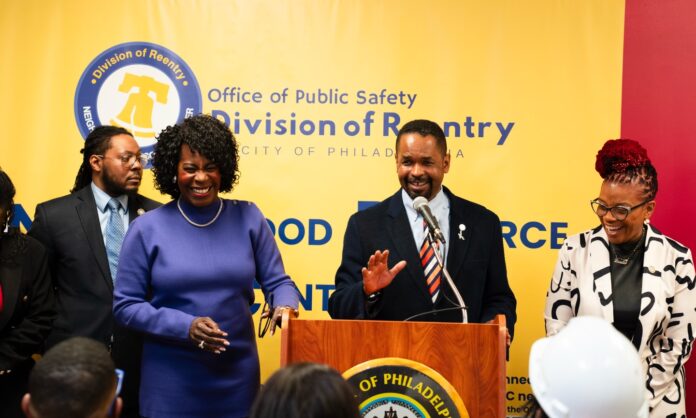
The City Council authorized the mayor’s administration to move forward with $800 million in borrowing to fund the Housing Opportunities Made Easy (H.O.M.E.) plan, after approving an amended version of the bond ordinance on January 22. Considered one of Mayor Cherelle Parker’s signature initiatives, H.O.M.E. aims to create or preserve 30,000 affordable homes in four years through investments benefiting homeowners, renters, and developers. Recently, the goal expanded to 50,000 units with an additional 20,000 led by the Philadelphia Housing Authority (PHA).

Although three councilmembers opposed the updated ordinance in committee last month, it ultimately received unanimous support, signaling a cooling of the intense debate over income eligibility limits. Council leaders sought to keep repair assistance focused on the city’s lowest-income residents, while the administration pushed to broaden access to middle-income households by raising the Area Median Income (AMI) thresholds.

The revised law gives Council authority over AMI eligibility, and the first-year H.O.M.E. budget of $277 million—approved on December 11—requires at least 90% of funds for the Basic Systems Repair Program and Adaptive Modifications to go to households earning 60% of AMI or below.

With the legislation in place, the administration will now focus on implementation and outreach through the city’s Neighborhood Community Action Centers. The approval capped a week of related announcements, including PHA’s planned rehabilitation of the Brith Sholom House senior complex with a $50 million loan, and a request for information to explore building modular home factories.

Trump comparte video racista que muestra a los Obama como primates en una jungla

El expresidente Barack Obama habla con el entonces presidente electo Donald Trump en el funeral del expresidente Jimmy Carter en la Catedral Nacional en Washington el 9 de enero del 2025. (Foto: AP/Jacquelyn Martin)

El presidente Donald Trump utilizó su cuenta en redes sociales para compartir un video sobre teorías de conspiración electoral que incluye una representación racista del expresidente Barack Obama y su esposa, Michelle Obama, como primates en una jungla.

La publicación que el presidente republicano realizó el jueves por la noche inmediatamente generó amplias condenas bipartidistas por su representación del primer presidente y la primera dama afroestadounidenses de la nación. Fue parte de una serie de actividades en redes sociales que amplificaron las falsas afirmaciones de Trump de que le robaron las elecciones de 2020, a pesar de que los tribunales de todo el país y un fiscal general durante su primer mandato no encontraron evidencia de fraude que pudiera haber afectado el resultado.

La secretaria de prensa de la Casa Blanca, Karoline Leavitt, rechazó las críticas a la publicación sobre los Obama. Una portavoz del expresidente demócrata dijo que él no tenía una respuesta.

Casi todo el clip de 62 segundos, que formó parte de las docenas de publicaciones de Truth Social que Trump hizo durante la noche, parece ser de un video conservador que alega manipulación deliberada de las máquinas de votación en estados en disputa mientras se contaban los votos presidenciales de 2020. En el segundo 60 aparece una escena rápida de dos primates, con los rostros sonrientes de los Obama superpuestos.

Las imágenes fueron tomadas de un video más largo, previamente circulado por un influyente creador de memes derechista. Muestra a Trump como el “Rey de la Jungla” y representa a distintos líderes demócratas como animales, incluyendo a Joe Biden, quien es blanco, como un primate comiendo un plátano.

“Esto es de un video meme de internet que representa al presidente Trump como el Rey de la Jungla y a los demócratas como personajes de El Rey León”, dijo Leavitt en un mensaje de texto refiriéndose a la película de Disney de 1994. “Por favor, dejen la falsa indignación e informen sobre algo que realmente importe al público estadounidense hoy”.

Trump no comentó sobre el video en su publicación, que se produce en la primera semana del Mes de la Historia Negra y días después de una proclamación presidencial en la que se mencionaron “las contribuciones de los afroestadounidenses a nuestra grandeza nacional y su compromiso duradero con los principios estadounidenses de libertad, justicia e igualdad”.

El senador republicano Tim Scott, quien es negro, fue uno de los que criticaron la publicación de Trump.

“Ojalá sea falso, porque es lo más racista que he visto salir de esta Casa Blanca. El presidente debería eliminarlo”, escribió en redes sociales Scott, quien preside la campaña para las elecciones legislativas de los republicanos del Senado.

El presidente de la Asociación Nacional para el Progreso de las Personas de Color (NAACP, por sus siglas en inglés), Derrick Johnson, dijo en un comunicado: “El video de Donald Trump es descaradamente racista, repugnante y absolutamente despreciable”.

Johnson afirmó que el mandatario intenta cualquier cosa para distraer de las condiciones económicas y la atención sobre los archivos del caso Jeffrey Epstein.

“¿Saben quién no está en los archivos de Epstein? Barack Obama”, dijo Johnson. ”¿Saben quién realmente mejoró la economía como presidente? Barack Obama”.

El grupo Republicanos Contra Trump, que critica frecuentemente al presidente en redes sociales, escribió: “No hay límite a su bajeza”.

Trump y las cuentas oficiales de redes sociales de la Casa Blanca frecuentemente repiten memes y videos generados por inteligencia artificial. Como hizo Leavitt el viernes, los partidarios de Trump suelen desestimar las críticas y presentar las imágenes como humorísticas.

En Estados Unidos hay una larga historia de figuras blancas poderosas que han asociado a las personas negras con animales, incluidos simios, de maneras demostrablemente falsas y racistas. La práctica se remonta al racismo cultural del siglo XVIII y teorías pseudocientíficas en las que los blancos establecían conexiones entre africanos y monos para justificar la esclavitud de las personas negras en Europa y América del Norte, y más tarde, para deshumanizar a las personas negras liberadas como una amenaza incivilizada para los blancos.

Thomas Jefferson, autor de la Declaración de Independencia, escribió en su famoso texto “Notas sobre el estado de Virginia” que las mujeres negras eran las parejas sexuales preferidas de los orangutanes. El presidente Dwight Eisenhower, al hablar de la desegregación de las escuelas públicas en la década de 1950, argumentó una vez que a los padres blancos les preocupaba que sus hijas estuvieran en aulas con “grandes machos negros”. Como candidato y presidente, Obama fue presentado como un mono u otro primate en camisetas y otros productos.

Trump, por su parte, tiene un historial de críticas intensamente personales hacia los Obama y de usar retórica incendiaria, a veces racista.

En su campaña de 2024, el mandatario declaró que los inmigrantes estaban “envenenando la sangre de nuestro país”, un lenguaje similar al que Adolf Hitler usó para deshumanizar a los judíos en la Alemania nazi.

Durante su primer mandato en la Casa Blanca, Trump se refirió a una serie de naciones en desarrollo, en su mayoría africanas, como “países de mierda”. Inicialmente negó haber usado el insulto, pero admitió en diciembre de 2025 que lo dijo.

Cuando Obama estaba en la Casa Blanca, Trump promovió las falsas afirmaciones de que el 44to presidente, quien nació en Hawai, había nacido en Kenia y era constitucionalmente inelegible para el cargo. Trump, en entrevistas que le ganaron el apoyo de muchos votantes de derecha, exigió repetidamente que Obama presentara registros de nacimiento y probara que era un “ciudadano nacido en el país” como se requiere para convertirse en presidente.

Obama finalmente publicó sus registros de Hawai. Trump finalmente reconoció durante su campaña de 2016, después de haber ganado la nominación republicana, que Obama nació en Hawai. Pero inmediatamente dijo, falsamente, que su rival demócrata Hillary Clinton fue la que inició esos ataques contra Obama.

Concejales de Filadelfia se unen en un frente legislativo

Filadelfia
Teofilo Reyes y María Serna, activistas y miembros de “Make The Road”, se dirigieron a la audiencia a favor del paquete legislativo “ICE OUT”, el 29 de enero 2026, en el Ayuntamiento de Filadelfia. (Foto: Impacto staff)

El martes 27 de enero se llevó a cabo una conferencia de prensa en la Alcaldía de Filadelfia para anunciar el paquete legislativo «ICE OUT«. El evento reunió a líderes comunitarios, funcionarios electos y defensores de los derechos de los inmigrantes para presentar públicamente las medidas propuestas y reafirmar un compromiso colectivo con la protección de las comunidades inmigrantes en Filadelfia.

El avance del paquete legislativo «ICE OUT» en Filadelfia requiere la movilización de la comunidad, y por eso los organizadores invitaron a miembros de la comunidad a que tomaran acción y se comunicaran con sus concejales municipales  para pedir su apoyo al paquete legislativo «ICE OUT».

ICE significa Immigration and Customs Enforcement, que en español se traduce como Servicio de Inmigración y Control de Aduanas.

El jueves 29, las concejalas Rue Landau (Partido Demócrata y at-Large) y Kendra Brooks (Partido de las Familias Trabajadoras y at-large) presentaron oficialmente en la Alcaldía de Filadelfia, el paquete legislativo.

La iniciativa busca limitar la actividad de agentes federales de inmigración en la ciudad. La propuesta cuenta con una mayoría suficiente para anular un veto; 15 de 17.

Líderes comunitarios, activistas y residentes expresaron miedo, indignación y esperanza ante la iniciativa. Teófilo Reyes, de Make the Road Pennsylvania, subrayó la urgencia de frenar los abusos y proteger los derechos civiles. Otros asistentes destacaron el temor generalizado en distintas comunidades, mientras personas como Lidia, trabajadora y madre, advirtieron sobre el abuso de poder que podría alcanzar a Filadelfia.

Se desconoce si se celebrará una sola audiencia para todo el paquete o si serán necesarias varias audiencias para los distintos proyectos de ley.

Los concejales Isaiah Thomas (demócrata, At Large-General), Jamie Gauthier (demócrata, Distrito 3), Nicolas O’Rourke (Partido de las Familias Trabajadoras, general) y Quetcy Lozada (demócrata, Distrito 7) mostraron su apoyo a la legislación.

Lozada, la única representante latina del Concejo, a través de las redes sociales manifestó su opinión respecto a las controversias actuales por las acciones del ICE.

El paquete fue elaborado en colaboración con grupos de defensa de los inmigrantes, entre ellos la Coalición de Inmigración de Pensilvania, el Movimiento Nuevo Santuario de Filadelfia y Make the Road Pennsylvania.

Se ha presentado legislación similar en Allentown, Reading y la Legislatura Estatal de Pensilvania.

El paquete incluye varias disposiciones clave destinadas a proteger a los residentes de Filadelfia de las operaciones de ICE:

Prohíbe la colaboración con ICE: Las agencias municipales tienen prohibido colaborar con ICE en materia de datos y recopilar o compartir datos personales con dicha agencia.

Restringe el acceso a espacios públicos: Se prohíbe a ICE el acceso a espacios públicos como bibliotecas, albergues, centros de salud y centros recreativos sin una orden judicial.

Previene la discriminación: La legislación prohíbe la discriminación o la negación de servicios por parte de la Ciudad, empleadores, proveedores de vivienda o empresas privadas, basándose en la ciudadanía o el estatus migratorio.

Conservar el estatus de «ciudad acogedora»: El paquete busca consolidar el estatus de Filadelfia como «ciudad acogedora» y limitar la presencia de ICE en la ciudad.

El primero prohibiría a los agentes de ICE con sede en Filadelfia, quienes a menudo usan mascarillas y conducen vehículos sin identificación durante las redadas, ocultar su identidad. También exigiría a los agentes que mostraran una placa de identificación cuando operaran sobre el terreno.

El segundo proyecto de ley prohibiría a las fuerzas del orden de la ciudad, como el Departamento de Policía de Filadelfia (PPD), colaborar con ICE. El departamento no podría firmar acuerdos 287(g), que permiten a ICE delegar en agentes locales de las fuerzas del orden la realización de detenciones. También consolidaría una orden ejecutiva de 2016 firmada por el entonces alcalde Michael Nutter, que prohibía a la Policía de Filadelfia seguir deteniendo a personas indocumentadas en nombre del ICE para luego entregarlas a centros de detención de inmigrantes.

El tercero intentará consolidar una medida previamente adoptada por la Ciudad para poner fin al intercambio de información entre la Ciudad y el ICE. En 2018, la Administración del entonces alcalde Jim Kenney se negó a renovar un acuerdo de intercambio de datos entre el ICE y el PPD. Este acuerdo permitía al ICE acceder a una base de datos de la ciudad, que incluye registros de arrestos, casos judiciales y más. El tercer proyecto de ley también prohibiría a la Ciudad recopilar datos sobre ciudadanía o estatus migratorio.

La cuarta prohibiría al ICE utilizar cualquier propiedad municipal, como estacionamientos, bibliotecas y centros recreativos, como áreas de preparación para redadas de inmigración sin una orden judicial.

Funcionarios estatales y locales ya han exigido la retirada de los agentes de ICE de las comunidades de todo el país. En Filadelfia un grupo de funcionarios, entre ellos el fiscal de Distrito Larry Krasner y la sheriff de Filadelfia Rochelle Bilal, exigieron que ICE se mantuviera fuera de la ciudad y advirtieron que, si comenten delitos, no serán impunes.

Por su parte la alcaldesa Cherel Parker, dijo que está revisando el paquete y entiende “el miedo a lo desconocido” que vive la comunidad sobre política migratoria, pero no anunció apoyo ni oposición directa.