

La procuradora general dominicana, Miriam Germán Brito, en una fotografía de archivo. (Foto: EFE/Orlando Barría)
La República Dominicana y Colombia afianzaron la semana pasada los lazos de cooperación en la lucha contra el narcotráfico y otros delitos transnacionales, durante un encuentro entre la procuradora general dominicana, Miriam Germán Brito, y el fiscal general de Colombia, Francisco Barbosa Delgado. La Procuraduría General de la República (PGR) informó en un comunicado sobre la reunión, en la que también se trató sobre acciones para enfrentar la cibercriminalidad, la trata de personas, el tráfico de migrantes, los delitos financieros y el lavado de activos.
Barbosa Delgado señaló que «en esta reunión estratégica analizamos operativos conjuntos y resultados» en la lucha contra un enemigo común entre las regiones que es la criminalidad organizada transnacional.
“Agradecemos esta visita que nos ayudará a que los fiscales de República Dominicana y Colombia podamos reforzar los lazos de cooperación y combatir los delitos transnacionales con mayor efectividad”, dijo Germán Brito.
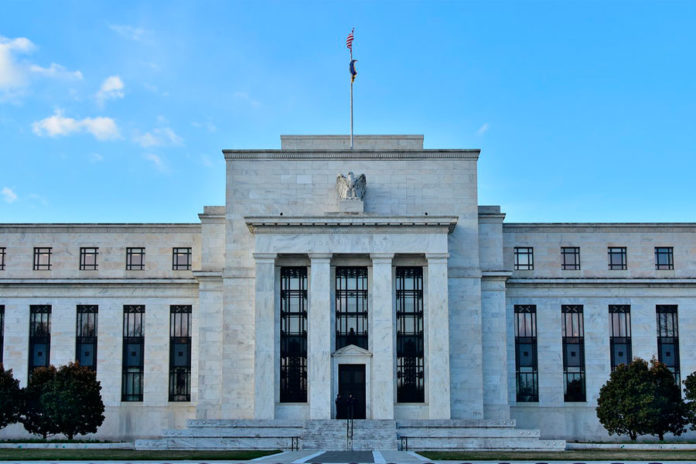
La Reserva Federal envió una fuerte señal, la semana pasada, aumentando la tasa de interés de los fondos federales en 0.75 %, cuando la economía de Estados Unidos ya estaba desplegando varios indicadores de desaceleración. Dos aumentos previos de la tasa de interés, junto a la promesa de varios más este año y la disminución de las compras del Banco Central de bonos del gobierno y de los garantizados por hipotecas, que bastaron para apretar las condiciones financieras. Por ejemplo, casi se duplicó la tasa de interés de las hipotecas, desde 3% del año pasado, a casi 6% la semana pasada, el mayor incremento desde 2008. Como resultado, las compras de viviendas existentes cayeron al nivel más bajo en dos años, mientras que también disminuyó la construcción de viviendas, igual que la manufactura, el gasto al menudeo y hasta el mercado laboral, todos en desaceleración. Entretanto, la bolsa de valores viró hacia territorio bajista, cayendo 22% desde la cúspide récord alcanzada el 3 de enero.
Por ende, se desencadenó la ansiedad respecto a una próxima recesión y hubo hasta afirmaciones que ya estamos allí. Sin embargo, una voz experimentada intercedió, el mismo día que terminó la reunión del Banco Central. En una columna de opinión del New York Times (06|15|22), el anterior presidente de la Reserva Federal Ben Bernanke dijo que el banco “puede controlar la inflación,” dependiendo de por lo menos tres factores. Primero, la celeridad con la cual cederán los problemas de oferta, tales como los precios del petróleo o el desempeño de las cadenas productivas; segundo, cómo reaccionará el gasto ante la apertura de las condiciones financieras; y tercero, su credibilidad en el combate contra la inflación. De esos tres, el Sr. Bernanke dijo que el último es el más importante.
El Presidente electo de Colombia Gustavo Petro, habla luego de conocer los resultados de las elecciones en Bogotá (Colombia). (Foto: EFE/Carlos Ortega)
Colombia acaba de elegir a su nuevo presidente, Gustavo Petro, exmilitante del grupo guerrillero M-19, que en los años 70 y 80 surgió en el país como la primera guerrilla urbana y de base universitaria; en los años 90 se desmovilizó, y desde entonces, Petro, uno de sus cuadros, inició su incursión en la política como concejal, parlamentario, alcalde de la ciudad capital y senador; posición desde la que dio el salto hasta la Casa de Nariño, el palacio de gobierno colombiano.
Aunque los dos finalistas a la segunda vuelta electoral mostraban números muy parejos, su triunfo no fue una sorpresa; era el ganador más probable, dada la gran organización de su campaña, sostenida por una coalición de partidos de izquierda y centroizquierda ya activos, mientras su opositor no traía partido ni estructuras políticas, y llego a la final de sorpresa, apoyándose en las redes sociales y destapando, de paso, el gran disgusto de los electores con los partidos tradicionales.
Por muchos años, Colombia era vista desde Washington como su mejor aliado estratégico en la región. Gobiernos de derecha y centro se alternaban, y la izquierda sufría de un rechazo y desprestigio total, a causa de los secuestros, extorsiones, asesinatos, atentados contra la infraestructura y desmanes de todo tipo en que incurrían las guerrillas de las FARC y el ELN, además de su aberrante connubio con los carteles, lo que hizo que, por años, el país se volcara hacia la derecha. Sin embargo, tras iniciar diálogos en 2012 y firmar acuerdos de paz en 2016, una nueva generación de jóvenes creció en estos 10 años sin memoria del “tiempo de la guerra”, y han visto en las promesas de la izquierda la solución a sus muchas frustraciones por la falta de empleo y oportunidades de progreso; a ello se sumaron las minorías indígenas, campesinas y afro, históricamente desatendidas, y todo esto pavimentó el camino al triunfo.
Durante la campaña, los oficialistas intentaron asustar afirmando que la llegada de Petro al poder implicaría la caída del país en la órbita del Castro-Chavismo, y que Colombia podía correr la misma suerte de Venezuela. Pero, aunque muchos inversionistas tienen sus proyectos en “hold” hasta ver señales más claras de la nueva orientación económica; en general la elección se ha recibido con tranquilidad, e incluso quienes no votaron por Petro confían en que la tradición democrática y la fortaleza institucional del país no dará espacio para que suceda en Colombia una debacle financiera y social como la que le trajo la Revolución Bolivariana a su vecina Venezuela.
El triunfo de Petro en Colombia, de Pedro Castillo en Perú, Gabriel Boric en Chile, Xiomara Castro en Honduras y otros líderes de izquierda o centroizquierda en la región, se debe leer una señal clara del descontento de las masas obreras, los pobres, los indígenas y las minorías étnicas; las cuales, incluso en épocas de bonanza financiera, –como se podría decir de Chile en los últimos 30 años–, a menudo son dejadas de lado en el éxito financiero. Si bien es cierto que izquierdas ideologizadas y radicales han decepcionado y creado desastres en varios lugares de América Latina; una izquierda social y dialogante, respetuosa de la democracia, que valore las fortalezas ya existentes y que apoye el libre emprendimiento, seguramente podría hacer mucho para disminuir las grotescas desigualdades que aún avergüenzan a la región. Esperemos que sea así para el nuevo gobierno de Colombia, y que el fantasma del Castro-Chavismo quede solo para los cuentos chinos.
The Federal Reserve sent a strong signal, last week, increasing the federal funds interest rate by 0.75 percent, when the US economy was already displaying several indicators of a slowdown. Two previous interest rate increases, together with the promise of several more this year and the decrease in central bank purchases of government and mortgage-backed securities, were enough to tighten financial conditions. For instance, mortgage interest rates almost doubled, from around 3 percent last year to almost 6 percent last week, the highest increase since 2008. As a result, May sales of existing homes dropped to a two-year low, while home construction also decreased, the same with manufacturing and retail spending and even the job market, all slowing down. Meanwhile, the stock market turned to bear territory, down 22 percent since the record high reached on January 3.
Therefore, anxiety was unleashed about a coming recession and even some assertions that we may already be there. However, an experienced voice interceded, the same day the central bank meeting ended. In an op-ed in The New York Times (06/15/22), the former Federal Reserve chair Ben Bernanke said the central bank “can control inflation,” depending on at least three factors. First, how quickly supply-side problems, such as oil prices or supply-chain performance, will subside; second, how spending will react to tighter financial conditions; and third, the central bank’s credibility as an inflation fighter. Out of these three, Mr. Bernanke said the last one is the most important.
Most Americans know someone who has received inhumane treatment at the hand of our country’s complex immigration system. Every day, while people face unimaginable life situations that drive them to leave their homelands, the immigration legal system in the United States fails to provide hope or help.
More often than not, the immigration system is just one more challenge people must overcome in pursuit of survival. On top of the complexity and challenge inherent in the laws themselves, there are many different governing and regulatory bodies involved in making and carrying out the laws. All too often, the people in positions to make decisions about immigrants’ fates are molded and shaped by the worst of the system’s brokenness. In such a bureaucracy, where immigrants are not seen for the human beings they are, law enforcers become apathetic, or even cruel.
This is the experience of ‘Z’ (name changed to protect his identity), during one of the darkest times of his life.
Before April 16, 2022, ‘Z’ was navigating the immigrant journey as best as he could. He maintained a home in his native Mexico and worked as an independent consultant in graphic design and other media services. Around three years ago, he met a person while on vacation. Their relationship grew, and the two became partners. He split his time between his home in Mexico and his partner home, traveling on a visa that allowed them to be together for some amount of time in The United States, though they also spent long stretches of time apart.
(Foto: Ilustrativa/Ece AK/Pexels)
They were in the process of determining how they should move forward in building their lives together –they were considering marriage and exploring the immigration pathways that would allow them to finally establish a permanent shared home in the United States.
The first challenge confronted by the couple occurred in late January of 2022, when it became clear that he had misunderstood the limitations of his visa. He was returning from a trip to Mexico on an active visa that was approved through 2029, when he was detained at the airport in Houston. He was told by immigration officials that he had exceeded the amount of time he could spend in the United States within a certain period –a limitation he had never been aware of before. After ten hours in detention at the airport explaining his misunderstanding, he was granted one month in the United States to get his affairs in order. He was instructed to return to Mexico by the end of that allotted month, and not to attempt to return to the United States until the fall of 2022. He dutifully and respectfully followed every instruction he was given and returned to Mexico at the end of February.
(Foto: Ilustrativa/Pexels)
In March, his boyfriend visited him in Mexico. The two began making plans to navigate this unexpected curve in their path. He applied to go back to school in Mexico for a postsecondary program, to be better prepared for eventual future opportunities in the United States. When his partner left Mexico at the end of their time together, both were full of hope for the future, despite the challenges they faced. Then, in one fateful moment, tragedy struck – and his life was turned upside down. His future was taken from him.
His partner was assaulted in Philadelphia, a week later died in the hospital from his injuries. The aggressor was eventually charged with third degree murder and is awaiting trial.
‘Z’ was under strict orders not to return from Mexico. While his partner was in critical condition at the hospital, he could not be by his side. When his loved one succumbed, his death was deemed a crime –his funeral services would not take place immediately. This provided a short window of opportunity for him to seek authorization to return. Not knowing where to else turn to ask for a humanitarian exception and be able to attend his partner’s funeral. Esperanza contacted US Senator Bob Casey’s office on his behalf. Members of Esperanza’s team also contacted the Mexican consulate in Philadelphia to seek advice.
(Foto: Ilustrativa/Ksenia Chernaya/Pexels)
After several weeks of urgent calls and emails, all attempts to pursue a solution were met with dead ends. Staff members from Senator Casey’s office contacted the US consulate in Mexico, reaching the central inbox in Matamoros for all visa-related questions. There, they were told ‘Z’ should contact the general US Customs and Border Patrol (CBP) help line. This message was relayed to Esperanza’s team. A staff member from Esperanza visited the US CBP website, and upon finding only generic information, called the 800-number as advised.
The representative from US CBP informed Esperanza’s staffer that immigration officers at a port of entry to the United States would have to approve the humanitarian exemption –although, it was noted, ‘Z’ would have to arrive in person at the port of entry in order to request that exemption. He might spend valuable time and money, with the hope of mourning his lost loved one, and still be refused entry –or worse, face a penalty for attempting reentry to the United States against previous instructions.
Esperanza’s staffer called the Customs and Border Patrol port of entry office at the Philadelphia airport (where his partner had most recently lived) and followed automated prompts to reach the voicemail of the office’s director. The message never received any response; the call was never returned. The staffer then called the Customs and Border Patrol port of entry office at Boston Logan airport, nearby the funeral venue. The officer who answered the call was entirely hostile and aggressive, repeatedly interrupting Esperanza’s staffer to question the truth of the story, to accuse Esperanza and ‘Z’ of potentially illegal acts, and to imply that he was trying to return so he could overstay his visa and remain in the United States illegally.
Finally, the officer stated that the US Department of State should be contacted about a humanitarian exemption. He also reiterated what the general CPB help desk had stated –that if he wanted to take his chances, he could show up at a port of entry and explain his situation. It would “just depend on who’s on duty that day, if they believe him or not.” This officer clearly did not know that his death had been widely covered in the media and had been addressed publicly by Philadelphia District Attorney Larry Krasner. He did not know that dozens of people could validate their years-long relationship and his conscientious diligence to abide by US immigration law. And he, like most government officials in this case, didn’t bother to find out.
By the time ‘Z’ and Esperanza had been repeatedly passed from one government agency to another, with repeated follow up emails sent to determine what, if anything, was happening to resolve the situation, it was too late.
When Esperanza’s staffer was passed off for the last time, from a rude and unsympathetic immigration officer in Boston to “the State Department” with no specific person to call or process to follow, there were only a few days left until the funeral. The US State Department’s website offers only one way to contact them –through an online web form, with a disclaimer stating that due to the high volume of messages received, not all messages can be reviewed.
‘Z’ remained in Mexico while hundreds of his partner’s friends, family, and loved ones were gathered to grieve together and honor his powerful life of leadership and service, his most beloved partner was not there. He has yet to collect his own belongings from the house in Philadelphia. All because the offices of the US Consulate in Mexico, US Customs and Border Patrol at two US points of entry, and the US State Department did nothing –and even the US Senator’s office for Pennsylvania could not pave the way for ‘Z’, who has also suffered an even greater tragedy than the loss of his cherished partner and his plans. The US government failed him at all levels. Everyone who had the authority and the power to do something passed the buck. This is just one example of how inhumane the United States immigration system can be. And just like the loss of great life and legacy, this must be remembered –in the hope that one day, our government can see the loss of its own humanity and take steps to ensure tragedies are not compounded by indifference, laziness, mistrust, and lack of compassion. Not just for ‘Z’ – we all deserve better than this.
Jamile Tellez Lieberman joined Esperanza as the new Sr. Vice President of Research, Community Engagement, and Health Equity. (Photo: Courtesy/Jamile Tellez)
Dr. Tellez Lieberman, you’ve joined Esperanza’s team to bring your public health expertise to our community members. Tell us a little bit about your background – what brought you here, both to the public health field and to North Philadelphia?
Well, I grew up in Tennessee, but I wasn’t born there. I was born in La Paz, Bolivia. I was adopted by a white woman when I was just a few days old. My mother grew up in Miami and went to medical school in Spain and France, so she spoke Spanish, and by the time she finished medical training, it was a little bit late for her to have her own children. I was the first one to be adopted. And then she went on to adopt five more kids who are my younger siblings. She did this on her own. She was the breadwinner of the house, and she is still the glue that binds us all together. So always, growing up, I had this inspirational powerhouse woman that I looked up to, because she defied lots of expectations about what women should do, and what careers they had. She determined her own path and fate, and fought for what she believed in, which is something that has shaped and inspired me. She inspired me to work towards that – being independent and forging my own path.
Jamile Tellez. (Photo: Courtesy/Jamile Tellez)
In terms of how I got into public health, like many kids who grow up in households with medical doctors, I was very influenced to do medicine. That was the plan, for a long time. But when I started taking classes about medicine in college, I got a little bit disillusioned. We were learning about chemical reactions on the microscopic, cellular level. And I kept thinking to myself: I just wish I could keep people from getting sick in the first place. By the time you’re treating diseases, you’re too far down the river. I would rather travel upstream, closer to the source, figure out why people get sick in the first place and deal with that. I took a medical anthropology class where I learned a little bit about what is known as the social determinants of health, or the different factors that are not about the physical body. Social determinants are things like environment, politics, racism, power, economics, etc. I learned how these factors shape the ways people understand their illnesses, and how they become sick and what their behavior is when they are sick. And that was the moment I realized this was what I wanted to do – to understand and influence health, before people get sick and need treatment.
Jamile Tellez. (Photo: Courtesy/Jamile Tellez)
After graduating from college with a degree in International Studies and a minor in Public Health, I came to Philadelphia to Drexel University’s Dornsife School of Health to pursue a master’s degree in Public Health. I had a wonderful experience – I met so many amazing people and fell in love with Philly and all the different communities, which are so diverse, so vibrant, so different from rural Tennessee where I grew up. There were so many Latinos and immigrants, and so much to learn and experience.
After I finished my master’s degree, I decided to continue on toward a doctoral degree so I could have even more skills to become a leader in public health. I knew I didn’t want to just be professor and do research, though. I wanted to lead change. I want to work directly with people, not sit in a cubicle and run data sets all day and produce papers and then go speak at conferences and leave it at that. That wasn’t enough for me. So, I applied for a doctoral program called a DrPH instead of a traditional PhD, because the DrPH requires a community-based component. I had to have a community member sitting on my dissertation committee to make sure the community perspective was included. For the DrPH, I had to do applied research in the community, which takes a lot of time and relationship-building.
Jamile Tellez. (Photo: Courtesy/Jamile Tellez)
In my field, sometimes the people in the communities we are serving get lost in the shuffle and left behind. Their perspectives are considered the last box to check. That perspective is totally backwards; we need to start with people in communities and build from there. To me, this is values and morals, the morality of public health and what public health really means for humanity. For me, public health is more than a career. It’s a lifestyle, and a philosophical – almost religious – choice that I’m making about how I live my life. I want to spend my time on this earth serving humanity. I knew I was not meant to stay in academia – although I am a researcher, everything I do in public health starts and ends with the people.
Clearly the community is very important to you. Can you tell us a little bit about some of your work with different communities?
I was involved in my advisor’s lab – Dr. Ana Martinez-Donate – and we conducted a lot of community-based things we studied is the situation where the same community is affected by many different health issues at the same time, because those health issues are all connected by the same underlying causal factor. In Philly, we’ve seen a lot of co-occurrences of mental health issues, substance abuse, violence, and HIV. We find it’s because there are underlying factors causing this situation – factors related to poverty, oppression, historical trauma against certain people, and the like. In the past, researchers would study these conditions separately, but we wanted to study how they interact, and determine points where we could address more than one condition at a time, by addressing their common causes. In the process, we partnered with amazing community-based organizations like the Philadelphia AIDS Consortium, Women Organized Against Rape, and others. It’s important that the study was done the right way, with community partners and residents.
I’ve also worked on another, more national project, which was the subject of my dissertation. The purpose of that project was to understand what happens when a parent gets deported or is at risk of deportation in terms of how children’s health and well-being is affected. We recruited families where a parent had been deported – recruiting at least one caregiver and one child from ages 13 to 17. We followed these families for six months, collected survey data, and conducted interviews, to understand the changes that were happening to children and their families. We asked, how are children’s health being affected? How is their schooling affected? How are the families’ economic and financial health affected? The study also recruited a control group, non-separated families. These were families with a child aged 13 to 17, with parents at risk of deportation, but luckily, they had not yet experienced separation. We followed them for six months, to compare the two kinds of families. We worked hard to build relationships with many different people and community-based organizations in the US and Mexico. I was a project coordinator for that study, and it changed my life, because I got attached to the kids. But our hands were tied in many ways. How could we really help them? We had child psychologists on the team to do counseling, and we were trained to do trauma informed work. But it wasn’t enough for me. I understand the value of the study, but I wanted to be able to fix the problem, not just understand it. I want to do that same level of science, but I only if I know something good will come out of it. I only want to do work the community will benefit from.
What are your goals for your work at Esperanza?
I want to pursue funding for research that has a community component, not only looking at solutions but trying them out. And I want to involve the community in the research and solutions, because it’s ridiculous that communities cannot study themselves. Why shouldn’t communities be able to have to be able to do research on a competitive level, and then devise their own solutions? Community residents are the experts on their own lives. They are the ones most equipped to generate strategies. And my job should be just to help them realize it I want to say I’m here; I have these skills, I would like to give them to you – let’s see what we can do to lift everybody up. I would like to help generate change on a community level. Public health is not about pills and procedures, it’s about policies and partnerships. It’s about love and for me, this is how I show love to my brothers and sisters – by advancing public health. The goal is to show love to communities, to people, and this is the way I’ve chosen to do it.
Fotografía de archivo del excongresista demócrata estadounidense Luis Gutiérrez. (Foto: EFE/Ramón de la Rocha)
El excongresista demócrata Luis Gutiérrez lanzó un grupo proinmigrante Our Nation’s Future, que busca en principio impulsar la ciudadanía para al menos un millón de inmigrantes en Estados Unidos. Gutiérrez, congresista durante 26 años (1993-2019) por el estado de Illinois, señaló a la prensa que actualmente hay más de 9,2 millones de inmigrantes con «green card» que pueden hacerse ciudadanos en el país.
El demócrata, que impulsó políticas a favor de los inmigrantes en el Congreso, indicó que Our Nation’s Future busca modernizar el sistema de inmigración para ayudar a hacer crecer la economía, la innovación y la ventaja competitiva global de la nación.
«Nuestro éxito económico depende de un sistema de inmigración tan confiable como lo son los inmigrantes», subrayó Gutiérrez.
«Durante los próximos cuatro años, nuestro objetivo es ayudar a un millón de titulares de tarjetas verdes a convertirse en ciudadanos de los Estados Unidos de América», agregó.
Acompañado por el senador demócrata Dick Durbin, Gutiérrez dio a conocer la iniciativa en la ciudad de Chicago.
«En Estados Unidos, la población de crecimiento abrumador es hispana, e incluso un republicano conservador puede contar. Y si puede contar lo que sabe es que, en futuras elecciones, su destino puede ser decidido por esos mismos hispanoamericanos», dijo el senador Durbin.
«Así que creo que muchos de ellos están llegando a la creencia de que no quieren ser vistos como enemigos, quieren ser vistos como aliados y están dando un paso al frente para unirse a nosotros en este esfuerzo», agregó.
Eric John Pope, a young man of 41 years of age died too soon. He lost his life in Philadelphia on April 22nd, 2022, as a victim of senseless violence.
It’s not fair, the world needed Eric. The world of today needs Eric more than ever. In a world rocked by fear, violence and hate, Eric was its antidote. He had an unmatched zeal for life. He was a kind, gentle star that gave generously to the world. He valued and honored the richness of the diversity amongst us. We all felt better for knowing Eric, being in his presence brought out the best in each one of us. Eric was a lifelong achiever, a graceful fighter for justice. At an early age he had a passion for politics. He understood it’s all about who gets elected. He had political poise and polish and often used them both to help his candidates. The first of many fundraisers he invited me to, was for U.S. Representative David Cicilline of Rhode Island, a candidate he worked hard for in 2010-2011 and who is still representing the state.
Eric and Carolyn. (Photo: Courtesy/Carolyn Rose- Avila)
Eric’s politics were all about education and inclusion. He began his professional life as the youngest member elected to the school board of New Bedford Massachusetts at the age of 21, a position he held for 10 years. Our paths first crossed in Washington DC in 2010 where we worked together at an international non-profit. Its mission was to provide access to education to the poorest girls in the poorest countries around the world. Eric was on my Advocacy and Public Engagement team where he often managed to “punch above his weight” in the whirl of Washington political power. Eric may have been gentle but never timid. It was a joy to watch how gracefully he could “work a room”, never a stranger to the headliner. He always engaged with a mission in mind and relished the art of finding common ground with those of influence. Eric became an enduring personal friend over the years. I liked to joke, that he “followed me” to Philadelphia. We both LOVED Philly. When I moved to the city, he came to help canvass for Hillary and often stayed at our apartment, eventually buying a home near where we lived. He never missed an opportunity to connect family with family, often getting me together with his mom when we were all in the same city.
Eric, Carolyn and friends. (Photo: Courtesy/Carolyn Rose- Avila)
Eric and his partner also became fast friends with my niece and her daughter who came to Philadelphia for surgery at Shriners’ Children’s Hospital. Eric even stayed overnight in the hospital when my niece’s daughter had spinal surgery. He made friends with other children at the hospital and stayed in close touch with one young patient from St. Lucia. This was Eric, always loving the other, always being present.
Eric, Carolyn, and friends. (Photo: Courtesy/Carolyn Rose- Avila)
For the last seven years, Eric worked at the Federal Reserve Board in Washington DC. This young man’s job was to assist the Chairman of the Federal Reserve Board to become a more inclusive and diverse workplace. Can you imagine a loftier institution seeking the advice of a young man with roots in the Cape Verde Islands on race, Black Lives Matter, and the death of George Floyd? Mr. Jerome Powell, the Chair of the Board of Governors of the Federal Reserve Bank, one of the most powerful people and institutions in the US political establishment, personally wrote to Eric’s family expressing the shock and sorrow that was felt across the institution of Eric’s sudden death. Eric was described “as someone that understood that inclusiveness was not just about equal opportunity and making use of the talents of every employee. It was a set of values for how we treat each other. It makes us all better employees, bosses, and people. Few people lived those values better than Eric did.”
Eric John Pope with president Joe Biden (Photo: Social media)
Mr. Powell wanted Eric’s family to know what Eric had achieved; how he had given voice to the employees, helped senior leaders better understand the concerns of others; how he helped increase the number of hires of black economists, and most significantly how Eric “broadened the understanding of the powerful feelings that were unleashed by the events during the summer of 2020 following the murder of George Floyd.” And he did all this with joy and enthusiasm. All those who were fortunate enough to cross his path felt his energy and optimism. The deep sorrow is knowing he had so much still to give.
Eric John Pope with ex-president Barack Obama. (Photo: Social media)
This was Eric Pope, a kind, shining star, who was the embodiment of goodness, leaving us with hope in our humanity. Eric, you left us too soon. The community has lost a special ally and it’s just not fair.
Decía el célebre Facundo Cabral, “Y que no te confundan unos pocos homicidas y suicidas, el bien es mayoría, pero no se nota porque es silencioso; una bomba hace más ruido que una caricia, pero por cada bomba que destruye, hay millones de caricias que alimentan la vida.” Facundo tenía un alto sentido de honor por la vida que contagiaba. A mí me contagió desde que escuché sus canciones y conversaciones. Contaba más de lo que cantaba y lo que cantaba lo contaba con una humilde sutileza muy parecida a la sonrisa de la Madre Teresa, icono del servicio al prójimo.
Escribo esta columna luego de haber escrito dos columnas sobre el terror que recién experimentamos en las masacres en Búfalo, NY y en Uvalde, TX. Me parece que no podemos dejar que una breve sombra de terror opaque las enormes y amplias posibilidades de la vida. Por eso la frase de Facundo es tan pertinente. No es la primera vez que experimentamos experiencias tan tristes, ni será la última. No importa cuán triste pueda ser lo venga, jamás podrá detener la vida, ni la amistad, ni mucho menos el amor. Es que estamos hechos de tal fortaleza que nuestra resistencia y resiliencia puede superar impensables horrores.
La historia humana es un ejemplo vivo de eso. Ciento veintidós años atrás, al comienzo del siglo XX la humanidad se abrió a una nueva era de progreso; grandes avances en la ciencia y la tecnología y nuevos enfoques sociales y religiosos. A pesar de toda esa gran expectativa y optimismo con que comenzó el siglo pasado, en el cual nos criamos y vivimos muchos de nosotros, la humanidad fue testigo de dos guerras mundiales, una guerra en Vietnam y otros conflictos bélicos regionales, le arrancaron la vida a más de 76 millones de seres humanos. Walter Isaacson, director gerente de la revista Time dijo, “Ha sido uno de los siglos más sorprendentes: inspirador, espantoso a veces, fascinante siempre”.
Sin embargo, a pesar de tanto horror, se sigue escribiendo poesía, los alpinistas continúan subiendo el Everest y el Aconcagua, se continúa cantando a los atardeceres y a las auroras. Los enamorados continúan inventando cielos y maravillas con sus platónicas emociones. Las madres y los padres continúan criando y amando a sus hijos. Nos seguimos abrazando y construyendo amistades irrevocables. Seguimos laborando por comunidades más útiles y justas. Seguimos haciendo lo que nos apasiona y lo hacemos a pesar de todo. Seguimos sonriendo, hablando e inventando palabras, sueños, mundos mejores y hasta planetas. No habrá guerra que nos pueda quitar lo humano, pero si nos quitan la palabra nos desplomamos. Aun así, nos quedarían las sonrisas y los abrazos. Los seres humanos somos una oda la perseverancia, a la ilusión y a la superación de las adversidades.
Ponte a pensar en las canciones que cantas, en los gratos recuerdos que te incitan esas canciones; en la ternura con que besas y abrazas a tus hijos, nietos y seres queridos. Pónte a hacer un inventario de tus ideas, de tus sueños, de tus deseos, te aseguro que te sorprenderás de las maravillas que habitan en tu interior. Esas temporales experiencias de terror que experimentamos, jamás podrán opacar la tanta luz que llevamos dentro. Cierto, somos capaces de ejecutar las más crueles acciones, aún más capaces de construir la paz afirmándonos en la justicia. Somos aún más capaces de criar hijos que alcanzaran alturas humanas e intelectuales sorprendentes. Si hubo mujeres como la Madre Teresa, Sor Juana Inés de la Cruz, Juana de Arcos, o como tu madre y la mía; si hubo hombres como Neruda, Víctor Hugo, Cervantes o como tu padre y el mío, entonces la esperanza es la grandeza de nuestras capacidades.
Así como se construyeron los hermosos Jardines Colgantes de Babilonia, así como se construyó la hermosa civilización del Tawuantinsuyo, las impresionantes pirámides mayas, así como millares de latinoamericanos cruzamos desiertos, ríos y mares para construir las hermosas y coloridas comunidades que distinguen las tantas ciudades estadounidenses, tenemos esa enorme carga de hermosura para hacer de la más nefasta experiencia, la más hermosa obra de arte. Nos distingue lo humano y en eso todos nos entrelazamos, trigueños, negros o blancos, somos todos parte de todos.
Nos esperan grandes retos que superar y ya estamos criando los hijos e hijas que los superarán. Por lo pronto, el ánimo no debe menguar, hay que seguir haciendo camino al andar (decía Machado). Hasta aquí hemos llegado y no habrá masacre o arma nuclear que nos robe la sonrisa, que nos esconda las caricias con las que construimos la vida. Gloria a todas las mujeres y hombres que, por cada suicida u homicida, construyen millares de hombres y mujeres que sabrán inculcar la paz en cada palabra, en cada poesía, en cada beso, en cada negocio y en cada rincón donde vivan.
On June 3rd Actor/Director Eva Longoria interviewed Dolores Huerta a heroic Latina about the importance of film on the lives of Latinos.
Dolores made it clear that we need to have more stories about the lives of Latinos so that young children can get a positive image of themselves and people around them.
I had been invited by Actor Mariana Da Silva who snuck me into this amazing event.
Mariana da Silva, Dolores Huerta and Magdaleno Leno Rose-Avila. Mariana portrayed Dolores on an Actors’ Gang production. (Photo: Leno Rose-Avila)
There I sat in one of the plush seats of the Geffen Theatre at the Academy in Los Angeles listening to two amazing Latinas talk about the importance of positive images in the Latino community. Yes, we do not have enough Latinos in movies, commercials, documentaries, comedy shows, or as media personalities. While our numbers have increased our presence in the above platforms is not keeping up with our growth as a percentage of the population.
Growing up, my father would listen early in the morning ─and sometimes late at night─ to a radio station from Mexico. There were at that time no local Spanish language radio stations. And on some Sundays my dad would take me to the local theatre matinee to see movies imported from Mexico. I saw heroes with horses, guns, and mariachis and on some occasions a comedy with the famous Cantinflas.
Dolores Huerta and Magdaleno Leno Rose-Avila with other guests after the talk at the LA Academy Arts Geffen theater. (Photo: Leno Rose-Avila)
By the 60’s in Colorado we had some budding Chicano/Latino newspapers and I founded “Ahora”, a rural newspaper focused on farmworker issues. And there were finally some Spanish language radio stations with good music and even more wonderful radio voices.
Soon there were television networks that produced novelas, news in Spanish and a platform for Latinos businesses. And yet in the white media we were pretty much absent.
Eventually some Latino faces and voices were added to the line ups of some networks.
Growing up we were taught in school with an early book for children that showed white children called Sally and Dick, their dog ‘Spot’, and the darned cat called ‘Puff’. They lived in a house with a green yard, and a white picket fence. This image of an American family was not our reality.
A First Nations Medicine Man also joined Dolores Huerta, Magdaleno Leno Rose-Avila, and another guest at the dinner after the event. (Photo: Leno Rose-Avila)
As I went through the education system, I found few pictures of people of color and never the real history of slavery, the killing of American Indians, and the mistreatment of Asians and Latinos. All progress and goodness were given to the white settlers. Which we would later learn were invaders.
In the movies we had white actors playing Mexican revolutionaries and Indian chiefs and on occasion Blacks and Asians. Perhaps we can change some of this if we, the people of color, can play in movies and play white historical figures. I want to be George Washington in a movie. If this were to happen, I know that some white people would line up to protest my portrayal because I would be a Brown George.
In the 60’s, there were Black operated theaters that showed films featuring Black actors, producers, and directors. Many of these films were never shown in main line theatres. And Mexican theatres began showing more movies, mostly made in Mexico. I am sure that other Latino ethnic groups had similar experiences.
While it was hard to get our music broadcasted and played, now it has begun to change. But much more needs to be done.
Every major news channel needs to have their news anchors lined up to look like the people of our country.
Our youth need to see people who look like them, talk like them on the big and small screens and in all the platforms where art exists, including books.
If we fail to do this, we will fail to provide our communities the voices, images and accomplishments that would help our youth to reach their highest level of achievements.