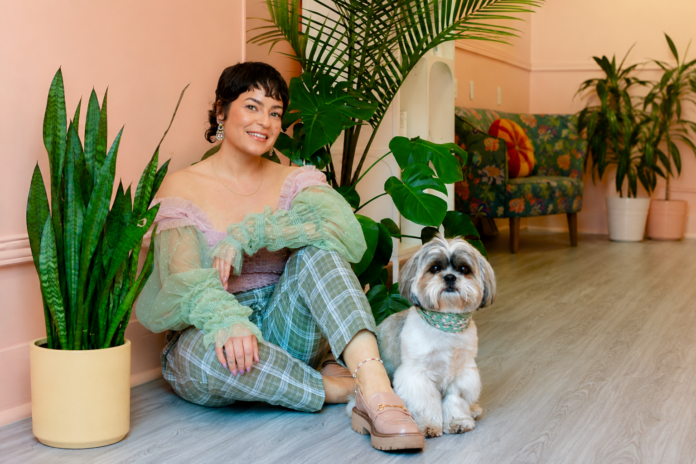
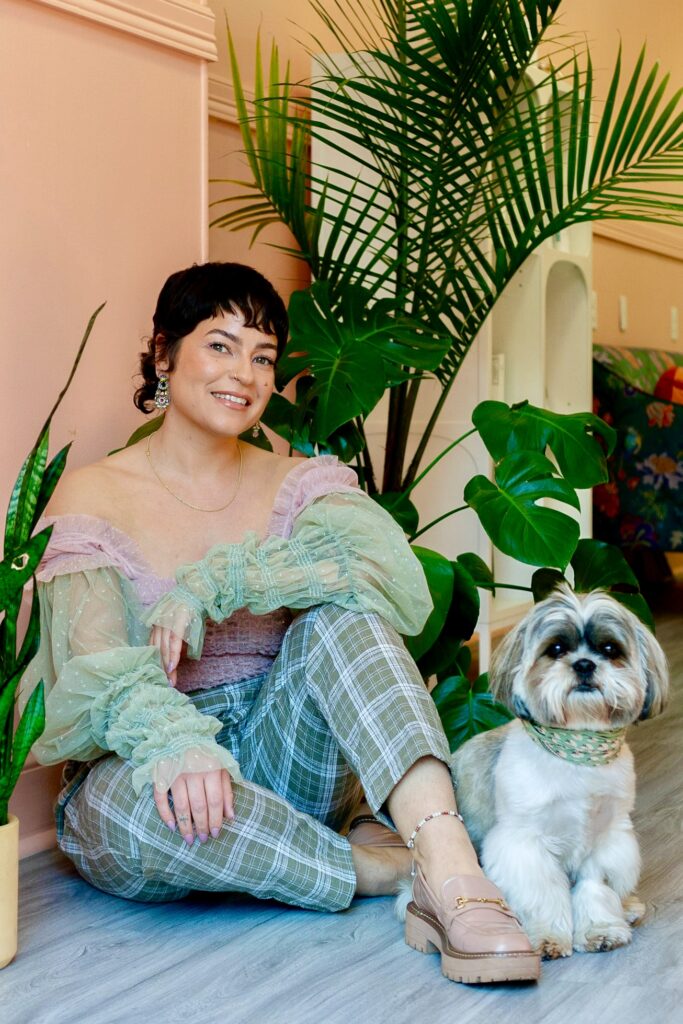
Vanessa Rivera, owner of Roots Parlor greets clients at the front door and welcomes them to a holistic beauty experience. (Photo: Melissa Garcia)
At Roots Parlor, 125 West Girard Avenue, Vanessa Rivera opens the front door with a smile, and the noise of the street begins to fall away. Inside, nothing is clinical—only natural light, walls washed in aloe green and muted coral, palm trees standing in the waiting room like a memory of somewhere tropical, and the Cafecito Rivera plans to offer clients. Before a single treatment begins, the room has already done its quiet work. The treatment room is immaculate, and the walls are covered with artistic tributes to women.
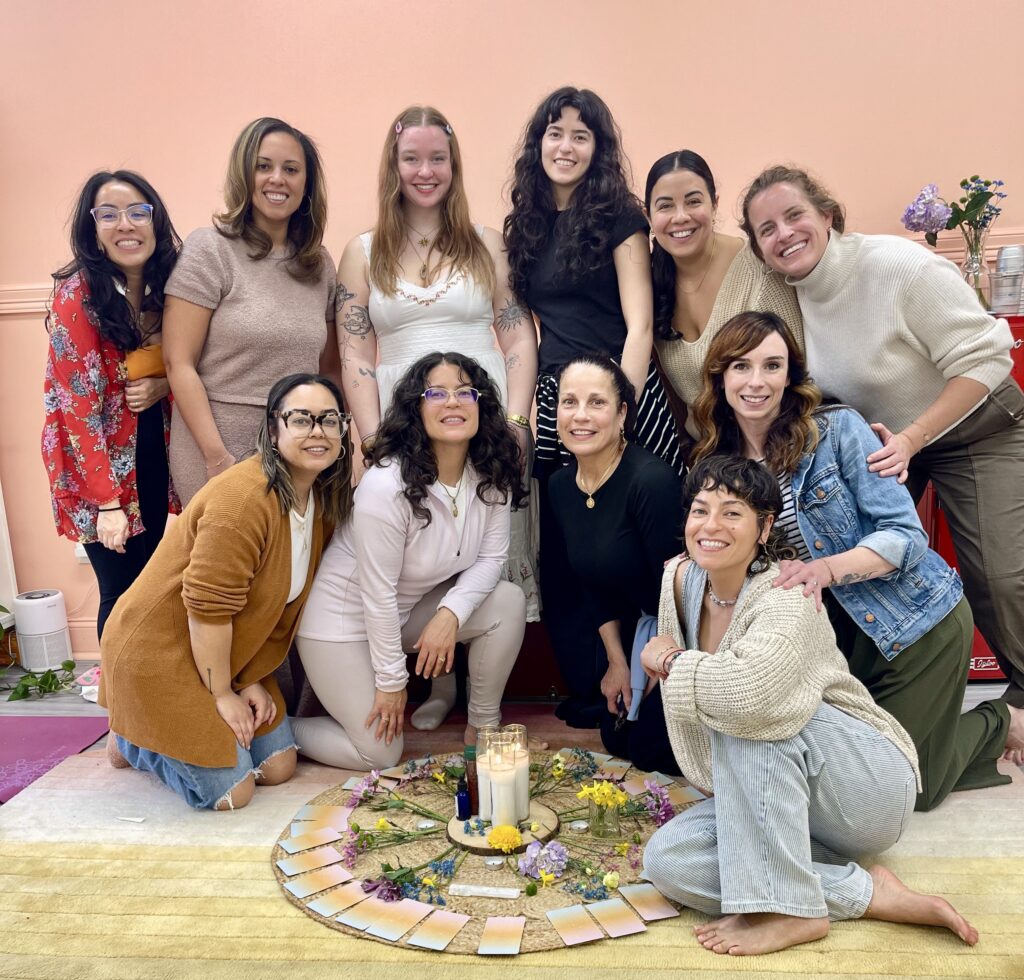
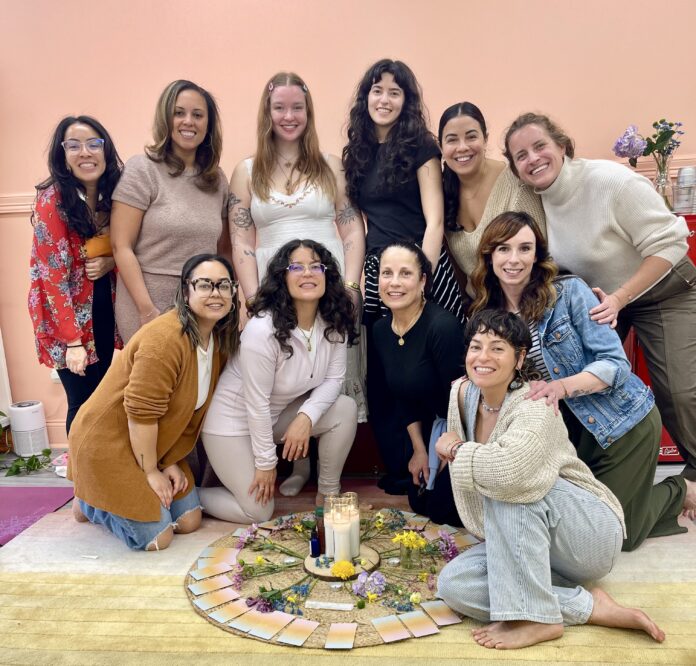
“Hermanas de la Luz” members at Roots Parlor gather quarterly to meditate, reflect and practice yoga and kundalini. (Photo: Melissa Garcia)
That calm and female-oriented environment is intentional. Rivera, a Philly native who traces her roots to Puerto Rico, opened Roots Parlor in 2022 after a journey that first led her toward nursing and later toward beauty and skin care. Encouraged by her twin sister Veronica to follow what truly called her, Rivera studied to become an esthetician and spent years developing her craft in Rittenhouse, at Mi Cumbia, and in other studios across Philadelphia.
Rivera sees the work as artistic, not merely technical. To her, beauty is holistic and inseparable from a person’s mind, body, and emotional well-being. “We can’t pour from an empty cup,” she says, describing aesthetics not as vanity, but as a form of care many women are taught to postpone or deny themselves. The name Roots Parlor carries that layered meaning: Rivera’s Puerto Rican roots, her creative roots, and the roots of her clients’ hair.
Vanessa leads a discussion at the Hermanas de la Luz group at Roots Parlor. (Photo: Melissa Garcia)
At Roots Parlor, the signature lies as much in how Rivera treats clients as in the services she offers. Her specialties include facials, waxing, acne care, and treatments that address the visible signs of aging. She approaches each client — and each face — with the time needed, never as a time-stamped problem to be rushed through. Where some studios run strictly on the clock, Rivera creates an experience that feels unhurried, attentive, and restorative.
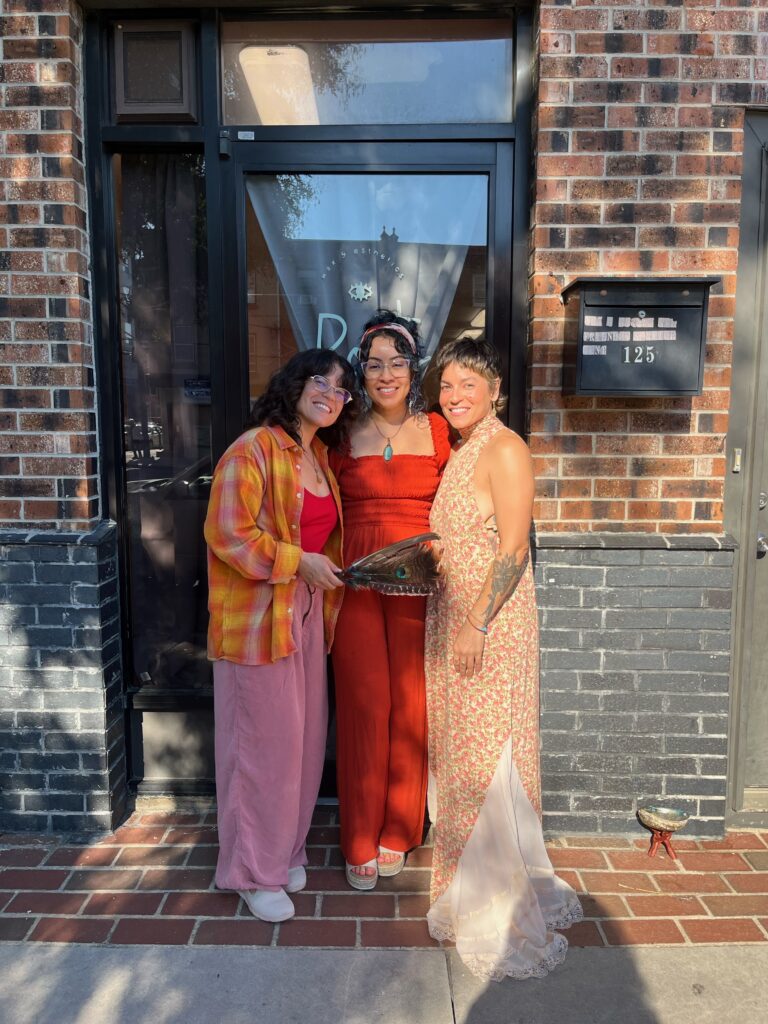
At Roots Parlor, (left to right): Kundalini teacher, Jasmine Sierra, Reiki practioner and Vanessa Rivera, owner of Roots. (Photo: Melissa Garcia)
That same philosophy reaches beyond the treatment room. Each quarter, Rivera gathers women inside the parlor for wellness circles that include meditation, yoga, Kundalini practice, and honest reflection. “We ask questions like, what is or isn’t working for me to move forward,” she says. The circles are created in partnership with Jasmine Sierra and Rivera’s sister, a Kundalini teacher.
The goal is for clients to leave Roots with more than glowing skin. Rivera wants them to leave feeling seen, grounded, and cared for.
Sylvia Jimenez knows that feeling well. A client of more than ten years, she says she keeps coming back “because I feel comfortable with Vanessa and because the services are the best I have encountered in the Philadelphia area. People tend to think that downtown, especially the Rittenhouse area, is always the best, but we have our own gem right here on Girard Avenue.”
As Roots Parlor grows, Rivera plans to keep waxing and facial treatments at the center of the business. But her larger vision extends beyond the treatment chair. She wants to expand the wellness side of Roots and reach more women, offering them a safe, welcoming space to care for themselves—body, skin, and spirit.
On Girard Avenue, Rivera has built more than a beauty studio. She has created a place where care slows down, women gather, and the cup begins to fill again.
Las integrantes de Hermanas de la Luz se reúnen trimestralmente en Roots Parlor para meditar, reflexionar y practicar yoga y kundalini. (Foto: Melissa Garcia)
En Roots Parlor, ubicado en el 125 de West Girard Avenue, Vanessa Rivera abre la puerta principal con una sonrisa, y el bullicio de la calle comienza a desvanecerse. En el interior, nada resulta clínico: solo luz natural, paredes en tonos verde aloe y coral suave, palmeras que decoran la sala de espera como un recuerdo de algún lugar tropical y el cafecito que Rivera planea ofrecer a sus clientes. Antes de que comience cualquier tratamiento, el espacio ya ha hecho silenciosamente su trabajo. La sala de tratamiento es impecable y las paredes están adornadas con homenajes artísticos dedicados a las mujeres.
Vanessa Rivera, propietaria de Roots Parlor, recibe a sus clientes en la puerta principal y les da la bienvenida a una experiencia de belleza holística. (Foto: Melissa Garcia)
Ese ambiente sereno y centrado en lo femenino es completamente intencional. Rivera, nacida en Filadelfia y orgullosa de sus raíces puertorriqueñas, abrió Roots Parlor en 2022 después de un recorrido que inicialmente la llevó hacia la enfermería y, más tarde, al mundo de la belleza y el cuidado de la piel. Animada por su hermana gemela, Verónica, a seguir su verdadera vocación, estudió para convertirse en esteticista y pasó años perfeccionando su oficio en Rittenhouse, Mi Cumbia y otros estudios de belleza de Filadelfia.
Vanessa dirige una conversación durante una reunión del grupo Hermanas de la Luz en Roots Parlor. (Foto: Melissa Garcia)
Rivera considera su trabajo un arte, más que una técnica. Para ella, la belleza es integral e inseparable de la mente, el cuerpo y el bienestar emocional de cada persona. “No podemos servir de una taza vacía”, afirma, al describir la estética no como un acto de vanidad, sino como una forma de autocuidado que muchas mujeres aprenden a posponer o incluso a negarse a sí mismas. El nombre Roots Parlor refleja precisamente ese significado múltiple: sus raíces puertorriqueñas, sus raíces creativas y las raíces del cabello de sus clientas.
En Roots Parlor, el sello distintivo radica tanto en la forma en que Rivera atiende a sus clientes como en los servicios que ofrece. Sus especialidades incluyen tratamientos faciales, depilación, cuidado del acné y procedimientos para tratar los signos visibles del envejecimiento. Atiende a cada cliente —y a cada rostro— con el tiempo que merece, sin tratarlo como un problema que debe resolverse con rapidez. Mientras algunos estudios funcionan estrictamente bajo el reloj, Rivera crea una experiencia tranquila, personalizada y restauradora.
De izquierda a derecha, en Roots Parlor: Verónica Rivera, instructora de Kundalini; Jasmine Sierra, practicante de Reiki; y Vanessa Rivera, propietaria de Roots Parlor. (Foto:Melissa Garcia)
Esa misma filosofía trasciende la sala de tratamientos. Cada trimestre, Rivera reúne a mujeres en el salón para participar en círculos de bienestar que incluyen meditación, yoga, práctica de Kundalini y espacios de reflexión sincera. “Nos hacemos preguntas como: ¿qué está funcionando o qué no está funcionando para poder avanzar?”, explica. Estos encuentros se realizan en colaboración con Jasmine Sierra y con la hermana de Rivera, quien es instructora de Kundalini.
El objetivo es que quienes visiten Roots Parlor se lleven mucho más que una piel radiante. Rivera desea que salgan sintiéndose vistas, fortalecidas y verdaderamente cuidadas.
Sylvia Jiménez conoce bien esa sensación. Cliente desde hace más de diez años, asegura que continúa regresando “porque me siento cómoda con Vanessa y porque los servicios son los mejores que he encontrado en el área de Filadelfia. La gente suele pensar que el centro de la ciudad, especialmente la zona de Rittenhouse, siempre ofrece lo mejor, pero aquí mismo, en la avenida Girard, tenemos una verdadera joya”.
A medida que Roots Parlor continúa creciendo, Rivera planea mantener los tratamientos faciales y la depilación como el eje principal de su negocio. Sin embargo, su visión va mucho más allá de la camilla de tratamientos. Su propósito es expandir el componente de bienestar de Roots y llegar a un mayor número de mujeres, ofreciéndoles un espacio seguro y acogedor donde puedan cuidarse integralmente: cuerpo, piel y espíritu.
En la avenida Girard, Rivera ha construido mucho más que un estudio de belleza. Ha creado un lugar donde el cuidado se toma su tiempo, las mujeres se reúnen y la taza comienza, poco a poco, a llenarse de nuevo.
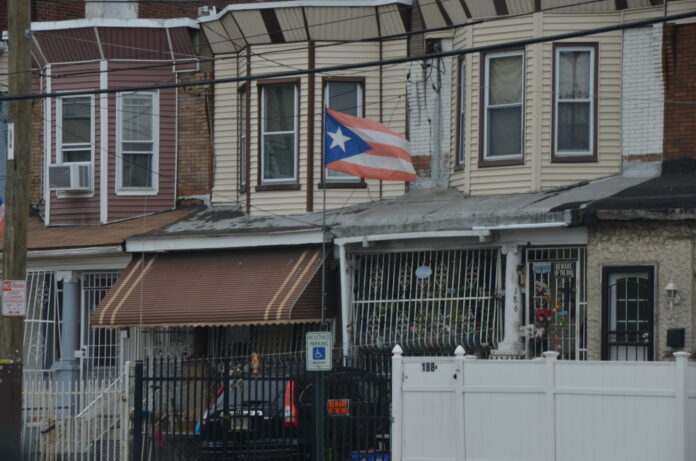
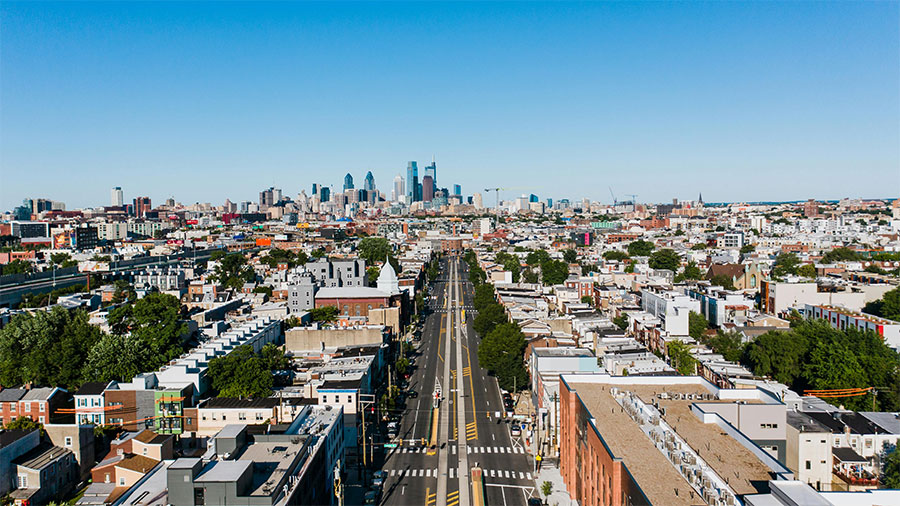
Calle en el norte de Filadelfia (Foto: Impacto staff)
La comunidad latina de Filadelfia ha ayudado a construir esta ciudad cuadra por cuadra, negocio por negocio y generación tras generación. Desde Fairhill hasta Hunting Park, desde Juniata hasta Feltonville, desde Norris Square hasta Upper Kensington, las familias latinas han creado vecindarios llenos de cultura, trabajo, fe, emprendimiento y orgullo comunitario.
Pero hoy, muchas de esas mismas familias se enfrentan a una pregunta difícil: ¿pueden darse el lujo de quedarse en los vecindarios que ayudaron a construir?
La crisis de vivienda en Filadelfia no se trata solo del aumento de la renta. Para las familias latinas, también se trata de salarios que no alcanzan, viviendas antiguas que necesitan reparaciones, obstáculos para comprar una casa, la presión de inversionistas y el temor de que los vecindarios culturales de larga historia se vuelvan inaccesibles para las mismas personas que les dieron vida.
Según Housing Initiative at Penn, más de la mitad de los inquilinos en Filadelfia enfrentan una carga de vivienda alta, lo que significa que gastan más del 30% de sus ingresos en vivienda. Casi uno de cada tres inquilinos gasta más de la mitad de sus ingresos solo para mantener un techo sobre su cabeza. Para las familias que ya viven de cheque en cheque, eso deja poco margen para la comida, el transporte, el cuidado infantil, los gastos médicos, las necesidades escolares, los ahorros o las emergencias.
Para los hogares latinos, la presión es especialmente seria. Investigaciones de Pew han encontrado que los latinos siguen siendo el grupo demográfico de más rápido crecimiento en Filadelfia, aunque también continúan enfrentando altos niveles de pobreza. Muchos adultos latinos forman parte de la fuerza laboral, pero el trabajo por sí solo no protege a las familias del mercado inmobiliario.
(Foto: Benjamín Figueroa)
Esa es la verdad dura detrás de esta crisis: muchas familias latinas están trabajando, contribuyendo y haciendo todo lo que se supone que deben hacer, pero los costos de vivienda están aumentando más rápido que sus ingresos.
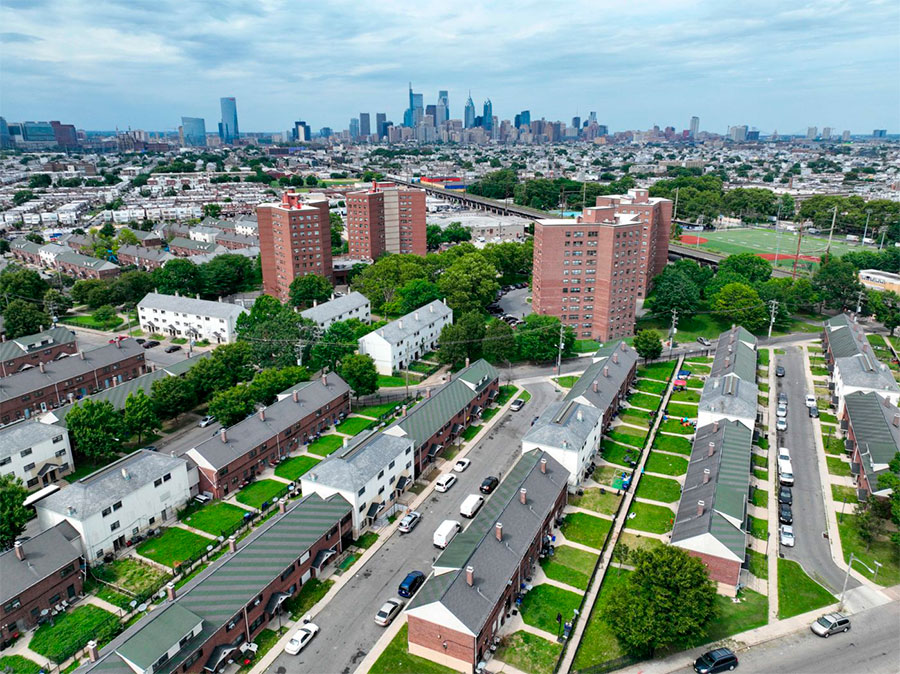
El noreste de Filadelfia muestra con claridad esta crisis. Esta zona incluye vecindarios como Hunting Park, Juniata Park, Feltonville, Upper Kensington, Fairhill y comunidades cercanas. Estos vecindarios no son solo áreas geográficas. Son anclas culturales para muchas familias latinas y puertorriqueñas en Filadelfia.
Allí se encuentran iglesias, bodegas, escuelas, parques, jardines comunitarios, pequeños negocios, murales, redes familiares y servicios en español. Allí vive la memoria. Allí vive la identidad. Allí vive la vida diaria de una comunidad que ha moldeado a Filadelfia durante décadas.
Pero estos vecindarios están cambiando. Investigaciones sobre el noreste de Filadelfia han encontrado que los precios de la renta han aumentado marcadamente en muchas zonas del área desde 2019. Los precios de las viviendas también han subido, aun cuando muchas familias de la comunidad siguen viviendo con ingresos modestos.
Eso crea una contradicción peligrosa: el vecindario sigue siendo económicamente vulnerable, pero el terreno se vuelve más valioso.
Así comienza el desplazamiento.
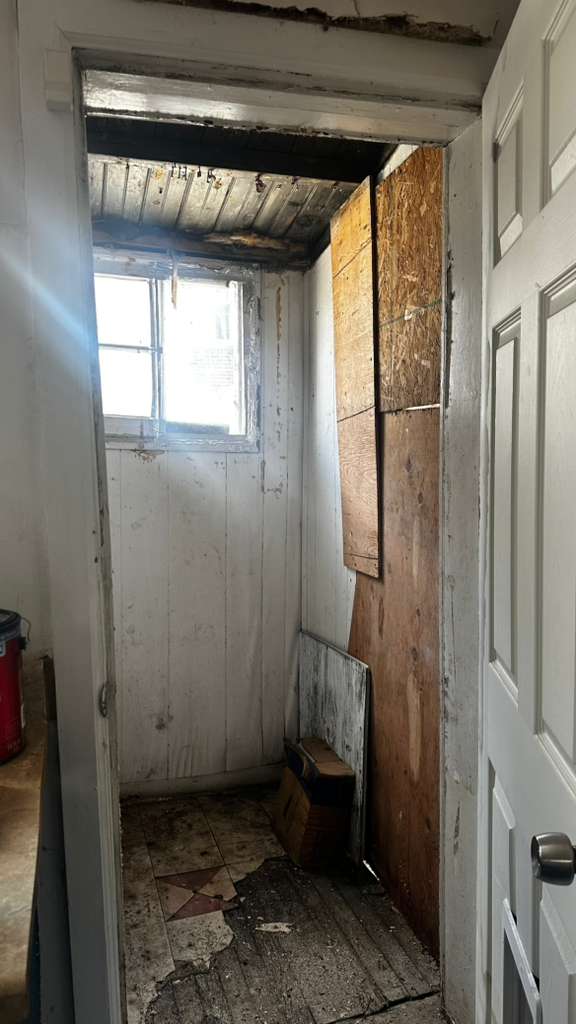
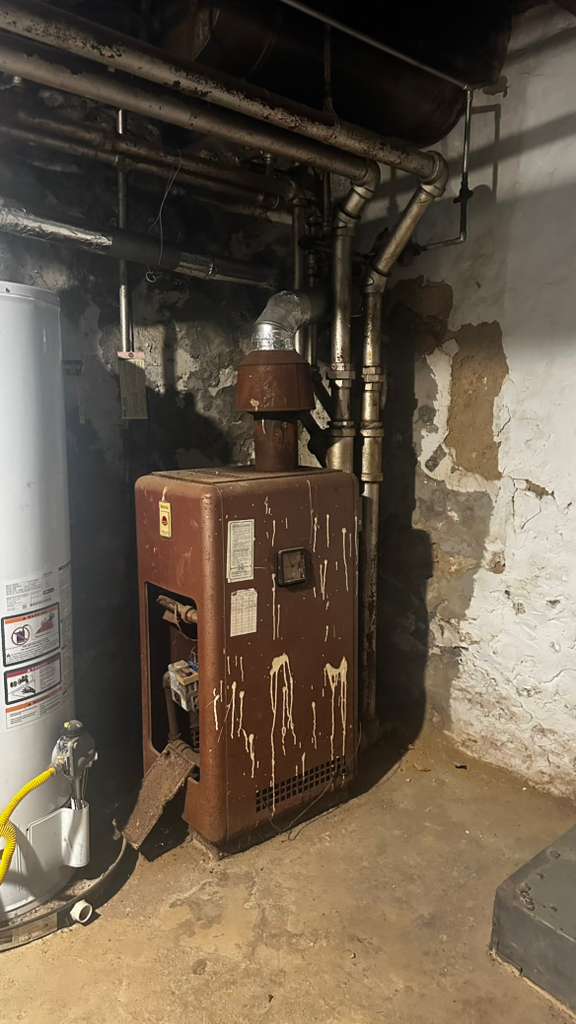
A veces, el desplazamiento llega en forma de una notificación de desalojo. Pero otras veces, es más silencioso. Aparece como un aumento de renta que una familia no puede pagar. Como propietario que retrasa las reparaciones por el altísimo costo. Se ve como un joven adulto que creció en el vecindario, pero no puede comprar una casa allí. Se ve como una familia que se muda más lejos de las escuelas, del transporte público, de sus familiares y de los recursos comunitarios de confianza.
(Foto: Benjamín Figueroa)
El desplazamiento no siempre ocurre de una sola vez. A veces ocurren un contrato de renta, una factura de impuestos, una reparación, un aumento de alquiler y una familia a la vez.
Norris Square es un ejemplo de lo que está en juego. El vecindario ha estado ligado desde hace mucho tiempo a la cultura latina y a la identidad puertorriqueña en Filadelfia. Pero el aumento de los costos de vivienda, el nuevo desarrollo y los cambios demográficos han generado la preocupación de que el tejido cultural del vecindario esté amenazado.
El crecimiento no es el enemigo. Filadelfia necesita viviendas seguras, viviendas nuevas, viviendas reparadas e inversión seria. Pero el desarrollo sin protección puede derivar en un desplazamiento. La inversión sin asequibilidad puede convertirse en exclusión. La revitalización sin residentes puede convertirse en un borrador social.
Por eso, la crisis de vivienda latina debe entenderse como algo más que un problema de vivienda. Es un problema de preservación comunitaria.
Comprar una vivienda también se está volviendo más difícil. Históricamente, Filadelfia ha sido conocida como una ciudad donde las familias trabajadoras podían comprar una casa adosada y construir su estabilidad. Ese camino se está volviendo más complicado. Los precios más altos de las viviendas, los costos hipotecarios, los seguros, los impuestos a la propiedad, las barreras de acceso al crédito y los ahorros limitados han vuelto más difícil que muchas familias latinas compren una casa.
Cuando las familias no pueden comprar, pierden más que una propiedad. Pierden una de las principales vías hacia la riqueza generacional.
Esto crea una trampa dolorosa. Rentar se está volviendo más caro, pero comprar se está volviendo más difícil. Las familias quedan atrapadas entre dos puertas: una cada vez cuesta más, y la otra cada vez es más difícil de abrir.
La actividad de los inversionistas añade otra capa. En muchos vecindarios de menor costo en Filadelfia, compradores corporativos e inversionistas han adquirido casas que podrían haber sido compradas por familias locales. Cuando la vivienda se convierte primero en una estrategia de inversión antes que en una necesidad humana, los residentes lo impacto.
(Foto: Benjamín Figueroa)
Una casa que pudo haber ayudado a una familia a construir estabilidad puede convertirse en otra propiedad de alquiler. Una cuadra que antes tenía vecinos de larga data puede volverse menos estable. Una comunidad que antes se sentía arraigada puede empezar a experimentar una mayor incertidumbre.
La ciudad de Filadelfia ha comenzado a responder mediante la Iniciativa H.O.M.E. de la alcaldesa Cherelle Parker, un plan importante para construir, preservar y restaurar 30.000 viviendas en toda la ciudad. La escala del plan demuestra que los líderes de la ciudad reconocen la gravedad de la crisis de vivienda.
(Foto: Ilustrativa/Kelly/Pexels)
Pero la verdadera prueba será la implementación.
¿Recibirán los vecindarios latinos protección específica? ¿La vivienda asequible será realmente accesible para las familias con ingresos modestos? ¿Tendrán los residentes hispanohablantes acceso completo a solicitudes, apoyo legal, consejería de vivienda, programas de reparación y recursos para compradores de vivienda? ¿Preservará la ciudad las viviendas existentes antes de que las familias sean forzadas a mudarse? ¿Se abordará el desplazamiento cultural con la misma seriedad que el desplazamiento físico?
Estas preguntas importan porque la política de vivienda no puede basarse únicamente en unidades. Tiene que contar personas.
Las comunidades latinas de Filadelfia no necesitan lástima. Necesitan poder, protección y alianzas reales. Necesitan programas de vivienda que lleguen a las familias antes de que estén en crisis. Necesitan asistencia para reparaciones que les permitan a los propietarios permanecer en sus hogares. Necesitan protecciones más fuertes para inquilinos, apoyo para compradores de vivienda primerizos, unidades de alquiler asequibles, fideicomisos comunitarios de tierra y políticas que mantengan la tierra conectada con las personas que hicieron valiosos estos vecindarios en primer lugar.
Pero, sobre todo, necesitan ser escuchadas.
La crisis de vivienda latina en Filadelfia no se trata solo de edificios. Habla de pertenencia. Se trata de saber si las familias que construyeron la comunidad podrán seguir formando parte de ella. Se trata de si Filadelfia protegerá a las personas que han sostenido esta ciudad a través del trabajo, la cultura, la fe, el emprendimiento y la vida cívica.
Una ciudad no puede celebrar la cultura latina mientras permite que las familias latinas sean desplazadas por los precios de los vecindarios donde esa cultura vive. Una ciudad no puede elogiar la diversidad mientras ignora el desplazamiento. Una ciudad no puede construir su futuro expulsando a las personas que ayudaron a sentar sus cimientos.
La comunidad latina de Filadelfia tiene una voz fuerte. Ahora esa voz debe usarse para exigir vivienda asequible, segura, estable y arraigada en la dignidad.
Porque el hogar no es solamente donde vive la gente. El hogar es donde sobrevive la comunidad.
La alcaldesa aspira a proporcionar 30 mil soluciones de vivienda asequible bajo el programa “H.O.M.E.” (Foto: PHA)
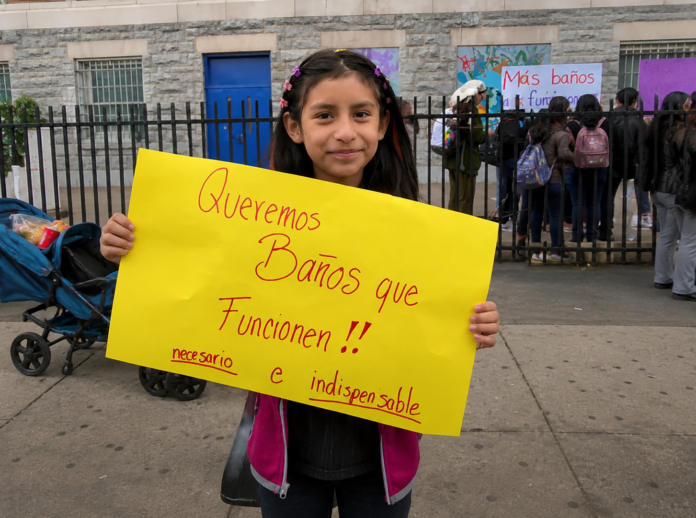
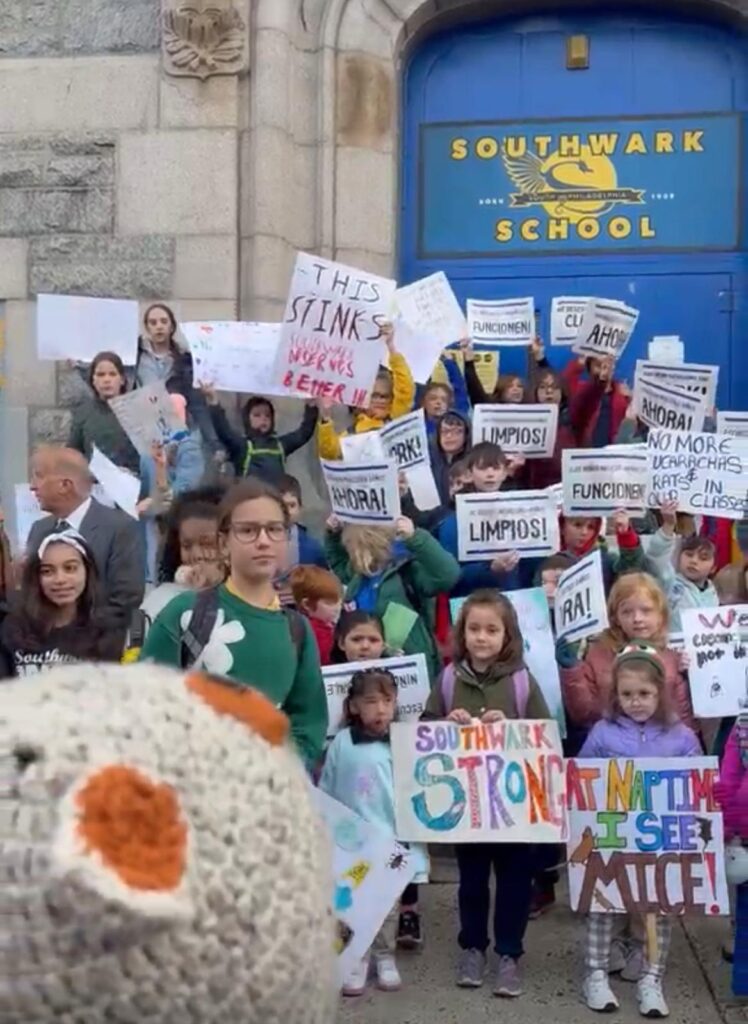
Una estudiante de Southwark School muestra un cartel en el que exige baños en condiciones dignas y funcionales, una de las principales demandas de la comunidad escolar. (Foto: Olga Rentería)
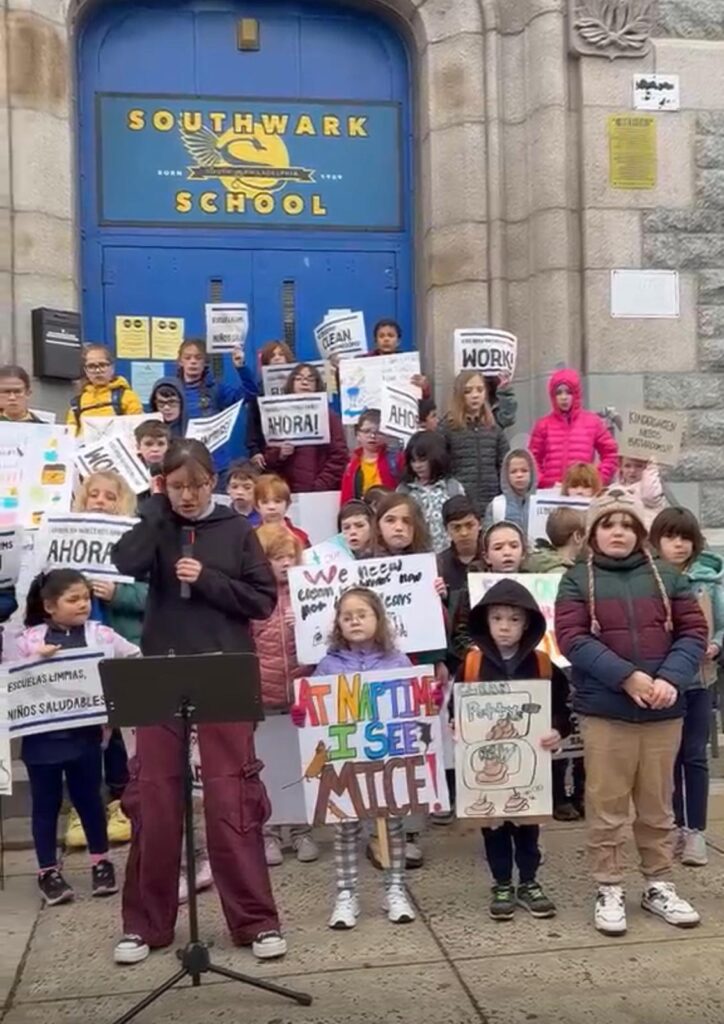
Un grupo de madres y padres de familia, liderado por las activistas comunitarias Ana Victoria Sandoval y Verónica Pérez, realizó una enérgica manifestación frente a la escuela Southwark para denunciar un posible recorte de presupuesto que afectaría directamente a maestros, consejeros e intérpretes, dejando desamparados a cientos de estudiantes inmigrantes.
La protesta sin respuesta del pasado 20 de abril no solo expuso el déficit financiero que amenaza al distrito escolar —que atiende a casi un millón de estudiantes a nivel estatal—, sino también las deplorables condiciones de infraestructura y de salud pública que ponen en riesgo la seguridad de los niños a diario.
Estudiantes, familias y docentes se concentraron frente a Southwark School para exigir instalaciones seguras, limpias y el mantenimiento urgente del plantel. (Foto: Olga Rentería)
Tuberías rotas, ratas y moho en la comida
La realidad dentro del plantel es crítica. Los manifestantes denunciaron que la escuela presenta tuberías colapsadas y fugas constantes de agua, un problema que lleva meses sin resolverse de fondo. A esto se suma el alarmante hallazgo de moho en los alimentos escolares y la presencia de ratas en las instalaciones.
«Esto es solo el piquito del problema», señalaron los afectados durante la movilización, denunciando además que los baños carecen de puertas y que la escuela no cuenta con una cocina funcional para preparar alimentos frescos, limitándose únicamente a recalentar comida.
Niños y adultos participaron en la protesta con pancartas en inglés y español para denunciar problemas de infraestructura, presencia de plagas y la falta de inversión en la escuela. (Foto: Olga Rentería)
Respuestas temporales que «tapan» el problema
Ante la creciente presión y la controversia desatada en las redes sociales, el Distrito Escolar de Filadelfia anunció el envío de aulas modulares. Sin embargo, la comunidad escolar fue tajante en rechazar esta medida como una respuesta definitiva.
Para los padres, la entrega de estos módulos es solo una estrategia mediática para apaciguar las críticas en plataformas digitales y tapar la crisis, en lugar de invertir en una solución estructural y digna para el edificio.
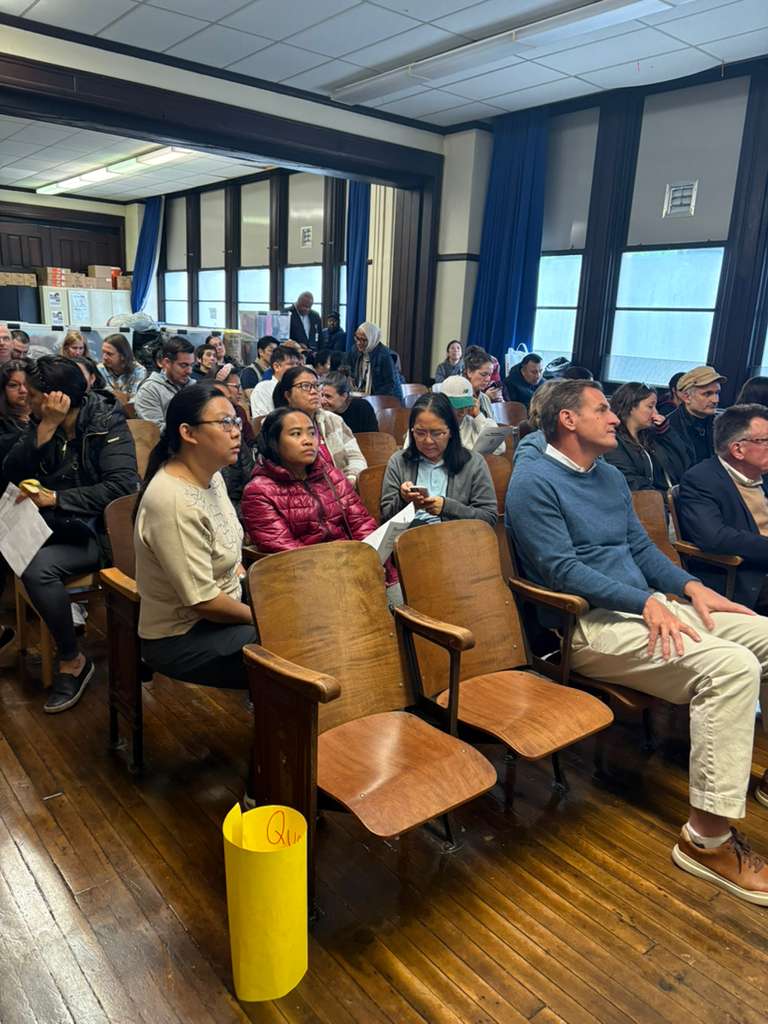
Padres, madres y miembros de la comunidad asistieron a una reunión para expresar su preocupación por los posibles recortes presupuestarios y el deterioro de las instalaciones de Southwark School. (Foto: Olga Rentería)
Los organizadores de la protesta cuestionaron severamente las prioridades del presupuesto de la ciudad. «Hay dinero para los trajes de los policías, pero para la educación de nuestros hijos no», reclamaron, exigiendo una auditoría visual y financiera de los fondos públicos.
El mensaje de los manifestantes fue doble: por un lado, una exigencia directa a los directivos del distrito escolar para que tomen cartas en el asunto; por el otro, un llamado de unidad a toda la comunidad hispana de Filadelfia. «Siempre somos los mismos padres; necesitamos que más familias apoyen, porque un solo padre representa la voz de 30 personas», concluyeron.
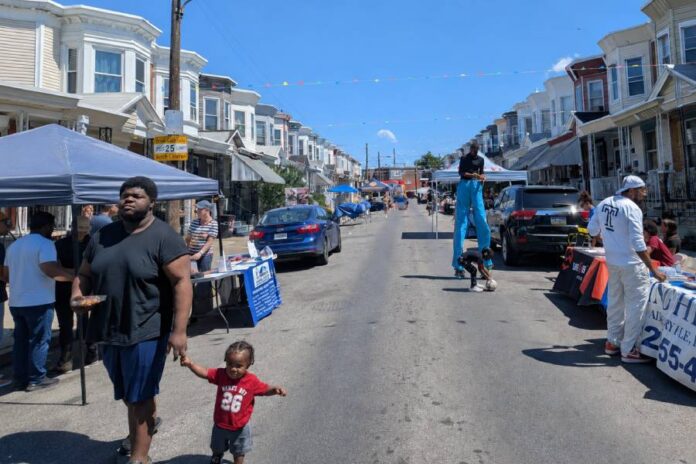
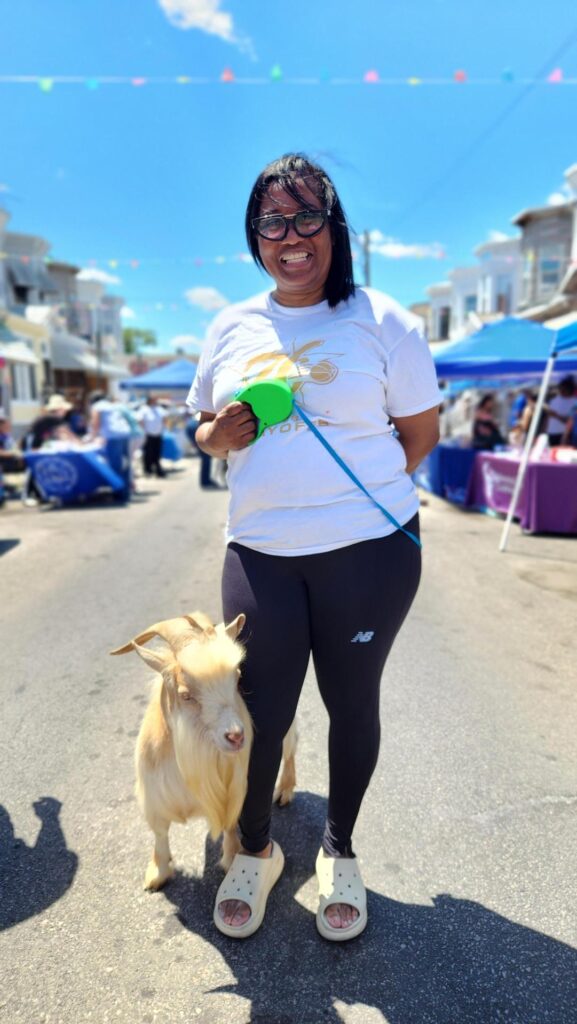
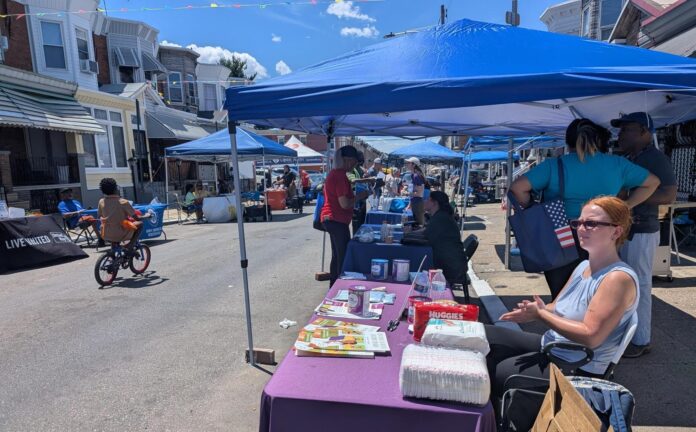
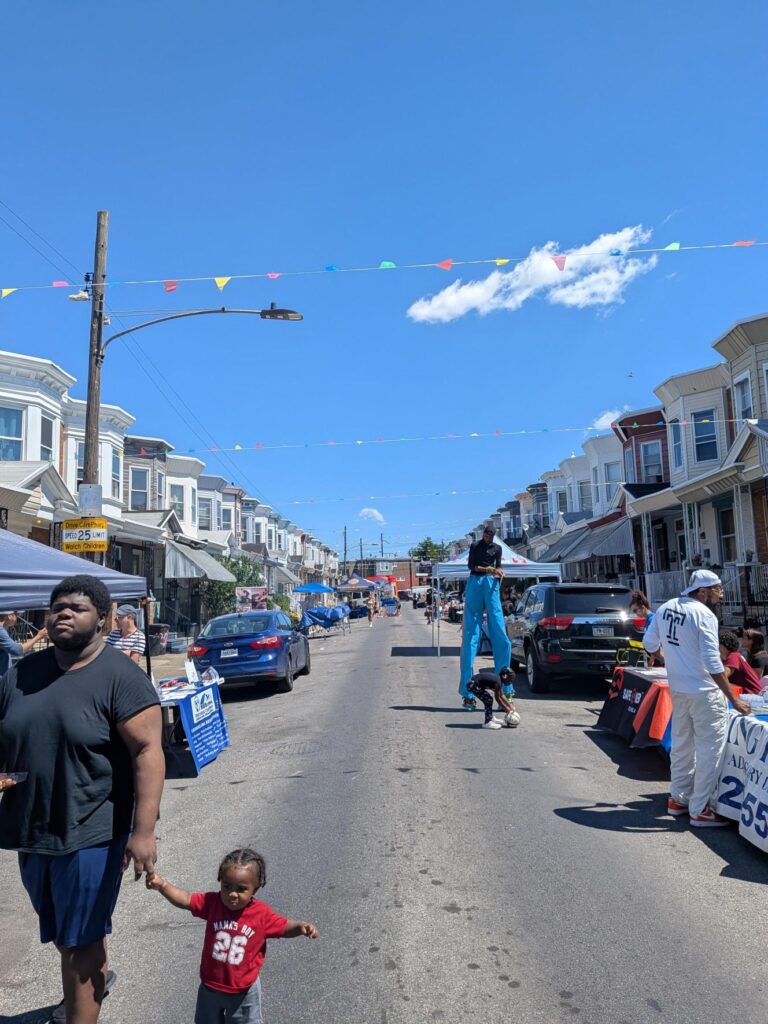
The event, held along the entire 4200 block near Fairhill, featured stilt walkers and farm animals such as goats and horses, bringing life and entertainment to the celebration. (Photo: Jamile T. Lieberman)
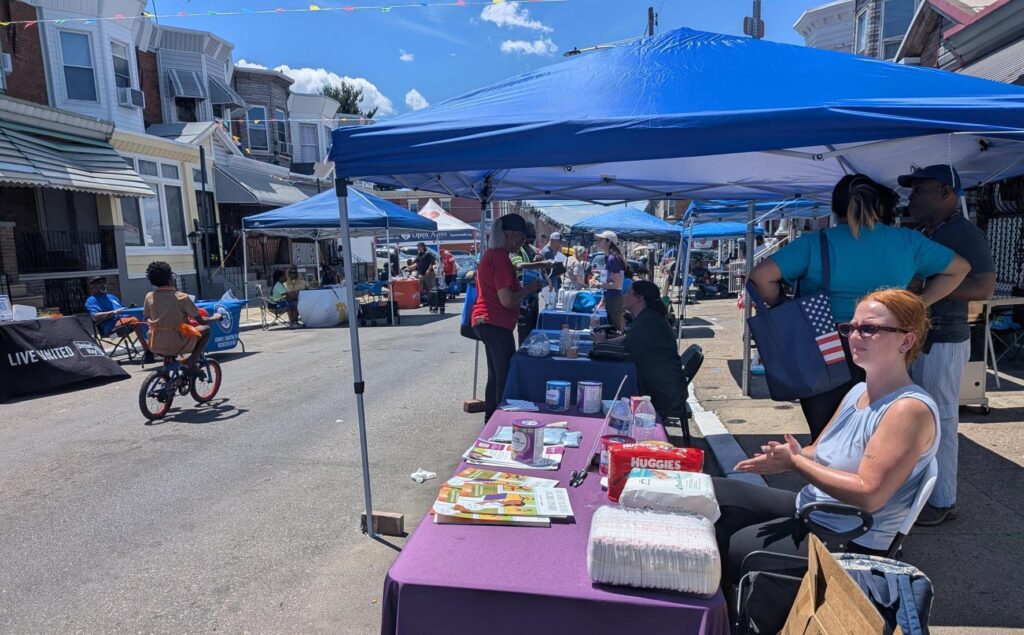
On Saturday, June 20th, neighborhood residents from the 4200 block of North Fairhill St, as well as multiple vendors and community organizations, came together for a free and family-centered mental health and wellness block party.
The event was organized by local block captain, Niaundria Ramseur. The purpose of the event, according to Niaundria, was to connect community members with essential health, mental health, housing and social services resources, as well as help increase awareness of trauma and wellness, reduce barriers to care, all to promote healing and resilience in the community.
Niaundria Ramseur, local block captain, organized this community event focused on health awareness, mental well-being, and neighborhood engagement. (Photo: Jamile T. Lieberman)
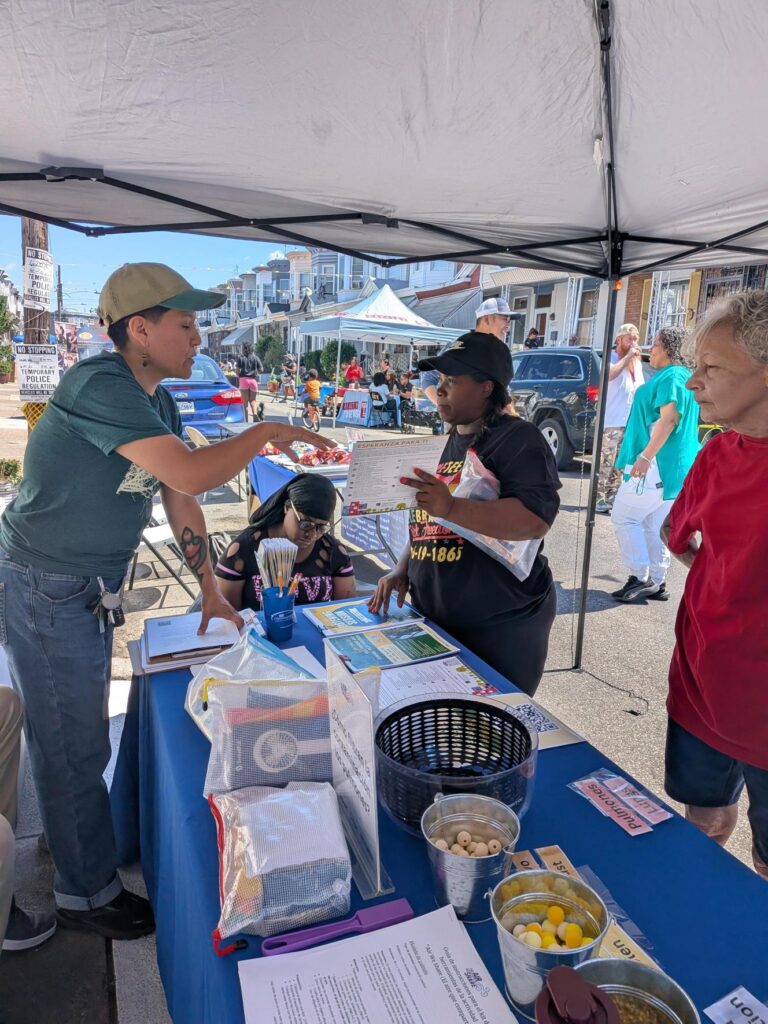
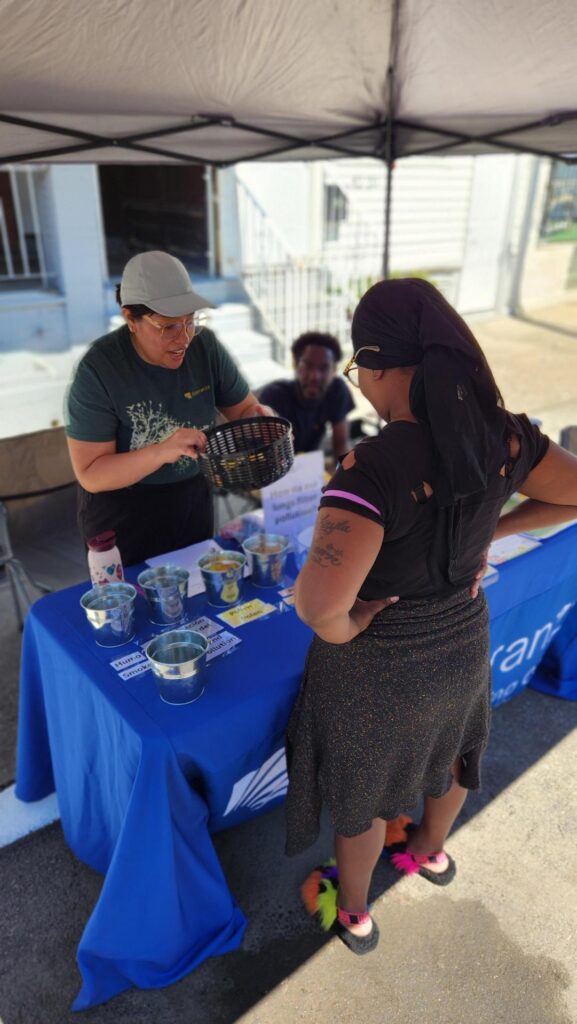
Around 30 vendors participated, offering educational resources, giveaways, activities and learning opportunities. For example. Esperanza participated, providing a fun tabletop demonstration related to air quality and health, offering climate resilience surveys that had questions about heat and health, and distributing cooling kits with supplies for high heat days. Esperanza sponsored the event, providing healthy snacks for attendees. Esperanza’s music school, AMLA, provided live entertainment in the form of a student rock band performance. Block residents, Hunting Park Green, Herr’s Potato Chips, Family Ties, Cousins Supermarket, Hunting Park United, State Representative Danilo Burgos, and North10, also sponsored the event.
About 30 vendors participated in the event, offering educational resources, activities, learning opportunities, and giveaways to attendees. (Photo: Jamile T. Lieberman)
Many health and wellness and social services organizations participated; Councilwoman Lozada’s office, the office of Danilo Burgos, the Parking Authority of Philadelphia, the Greater Philadelphia Alliance Social Service Center, the fire department, Hunting Park NAC/CRC (and more!), provided information about city services. The City of Philadelphia provided information and tools to assist residents with tangled titles. There were farm animals (including horses and goats), bouncy houses and stilt walkers, adding to the lively, family-friendly atmosphere. Attendees could even receive a free massage and muscle relaxation therapy!
Hunting Park Green, Herr’s Potato Chips, Family Ties, Cousins Supermarket, Hunting Park United, and Esperanza were among the organizations helping to entertain and engage participants throughout the event. (Photo: Jamile T. Lieberman)
The event was well attended, and residents left happy and with a lot of resources in hand. A resident on the block who attended the event said, “I think this event is really great; it’s bringing a lot of information to the neighborhood, because sometimes people can’t get out to get the information that they need.”
Esperanza took the opportunity to provide information on air quality and distributed cooling kits to help residents cope with the intense summer heat. (Photo: Jamile T. Lieberman)
Niaundria reflected, “Overall, I think the event did what it needed to do. Residents were able to get information they would not normally get. It was important for organizations to be in attendance, especially when it comes to mental health.”This is the second time that Niaundria has organized this event. She is also developing a new organization called T.H.E. K.O.N.N.E.C.T., which will be focused on trauma and healing in community. She hopes to continue bringing community wellness block parties to the neighborhood blocks in North Philadelphia in the future, highlighting the importance of mental health and wellness.
Niaundria Ramseur, capitana local del bloque fue la organizadora de este evento de integración y concienciación sobre salud física, mental e integración comunitaria. (Foto: Jamile T. Lieberman)
El sábado 20 de junio, los residentes del barrio del bloque 4200 de North Fairhill St, junto con varios vendedores y organizaciones comunitarias, se reunieron para una fiesta de bloque gratuita y familiar, centrada en la salud mental y el bienestar.
El evento, celebrado en toda la cuadra del 4200 y Fairhill vio desfilar personas en zancos y animales de granja como cabras y caballos, que le dieron vida y entretenimiento. (Foto: Jamile T. Lieberman)
El evento fue organizado por la capitana local del bloque, Niaundria Ramseur. Según Niaundria, el propósito del evento era conectar a los miembros de la comunidad con recursos esenciales de salud física, mental, vivienda y servicios sociales, así como ayudar a aumentar la conciencia sobre el trauma y el estrés, reducir las barreras para recibir atención y, en general, promover la sanación y la resiliencia en la comunidad.
En el evento participaron Alrededor de 30 vendedores ofreciendo recursos educativos, actividades, oportunidades de aprendizaje y objetos de regalo a los asistentes. (Foto: Jamile T. Lieberman)
Hunting Park Green, Herr’s Potato Chips, Family Ties, Cousins Supermarket y Hunting Park United y Esperanza estuvieron entre los animadores del evento. (Foto: Jamile T. Lieberman)
Muchos organismos de salud, bienestar y servicios sociales participaron; la oficina de la concejala Lozada, la oficina de Danilo Burgos, la Autoridad de Estacionamiento de Filadelfia, el Centro de Servicios Sociales Greater Philadelphia Alliance, el departamento de bomberos, Hunting Park NAC/CRC y algunos más, proporcionaron información sobre los servicios disponibles. La Ciudad de Filadelfia ofreció información y herramientas para ayudar a los residentes con títulos enredados. Había animales de granja (incluidos caballos y cabras), casas inflables y personas caminando sobre zancos, lo que añadía a la atmósfera vivaz y familiar. Los asistentes incluso podían recibir un masaje gratuito y terapia de relajación muscular.
Esperanza aprovecho para dar instrucción en el tema de la calidad del aire y repartió kits de enfriamiento para ayudarse en esta época de calor intenso. (Foto: Jamile T. Lieberman)
El evento tuvo buena asistencia, y los vecinos se fueron contentos y con muchos recursos en mano. Un residente de la cuadra que asistió dijo: “Creo que este evento es realmente genial; está trayendo mucha información al vecindario, porque a veces la gente no puede salir para conseguir la información que necesita.”
Niaundria reflexionó: “En general, creo que el evento hizo lo que tenía que hacer. Los residentes pudieron obtener información que normalmente no conseguirían. Fue importante que las organizaciones estuvieran presentes, especialmente cuando se trata de salud mental.” Esta es la segunda vez que Niaundria organiza este evento. También está desarrollando una nueva organización llamada T.H.E. K.O.N.N.E.C.T., que se enfocará en el trauma y la sanación en la comunidad. Espera seguir llevando fiestas comunitarias de bienestar a los barrios del norte de Filadelfia en el futuro, resaltando la importancia de la salud mental y el bienestar.
Angelina Barrera, educadora, orientadora estudiantil y autora binacional, participa en Cuentos con superpoderes para niñas con un relato inspirado en su historia de perseverancia. (Foto: Cortesía/Angelina Barrera)
Como parte de su compromiso por visibilizar historias que inspiran a las nuevas generaciones y promover el empoderamiento femenino desde la infancia, Impacto continúa presentando a las autoras que forman parte del libro Cuentos con superpoderes para niñas. Tras compartir la historia de la editora Claudia Parker, en esta ocasión destaca la trayectoria de Angelina Barrera, educadora, orientadora estudiantil y autora binacional que convierte la perseverancia en el superpoder que guía su relato.
En «Angie y el poder de los sueños», Barrera presenta la historia de una niña que aprende a enfrentar las dificultades sin renunciar a sus metas, inspirando a las pequeñas lectoras a descubrir la fuerza que existe dentro de ellas.
«Había una vez una niña llamada Angie, que creció entre dos países, en la frontera de México con Estados Unidos; muchas personas venían de diferentes regiones, lo que hacía que las calles estén muy transitadas. ¡Allí aprendió a regalar sonrisas! Siempre que alguien se sentía triste o alguien necesitaba ayuda, ¡ahí estaba ella con una sonrisa! Tenía un corazón gigante y tenía un gran sueño: quería cambiar el mundo. Soñaba con viajar, estudiar y hacer que muchas personas vivieran mejor. Pero había un problema, su familia no tenía muchos recursos, y no siempre entendían los sueños grandes de Angie. Ella amaba ir a la escuela, porque era un lugar mágico. Le encantaba leer, aprender cosas nuevas y descubrir historias de personas valientes que, con esfuerzo, lograban cosas increíbles.«
Aunque escrito como un cuento infantil, el relato está inspirado en la propia historia de vida de Angelina Barrera. Desde pequeña enfrentó importantes desafíos económicos y personales que la llevaron a trabajar mientras estudiaba, convencida de que la educación sería la herramienta para transformar su futuro. Esa determinación la impulsó a cruzar diariamente la frontera entre Tijuana y San Diego para aprender inglés y continuar preparándose académicamente, hasta convertirse en la primera persona de su familia en obtener un título universitario.
Con el paso de los años encontró su vocación como orientadora y defensora de estudiantes bilingües e inmigrantes, dedicando su carrera a acompañar a jóvenes que buscan nuevas oportunidades a través de la educación. Su experiencia también la llevó a escribir historias en las que niñas y niños binacionales puedan verse reflejados y descubrir que sus raíces representan una fortaleza.
Además de participar como una de las 33 coautoras de Cuentos con superpoderes para niñas, Barrera publicó recientemente Angie y las dos banderas que se abrazan, obra con la que continúa promoviendo la identidad binacional, la inclusión y el orgullo por las comunidades que viven entre México y Estados Unidos.
Con «Angie y el poder de los sueños», Angelina Barrera demuestra que la perseverancia puede convertirse en el mayor de los superpoderes. Su mensaje invita a las niñas a creer en sí mismas, valorar la educación y comprender que, con esfuerzo y constancia, es posible convertir los sueños en realidad.
El libro está disponible escaneando el código QR incluido en esta publicación, mediante el cual lectoras, familias y educadores pueden acceder a esta obra que promueve el empoderamiento, la educación y el liderazgo femenino desde la infancia.
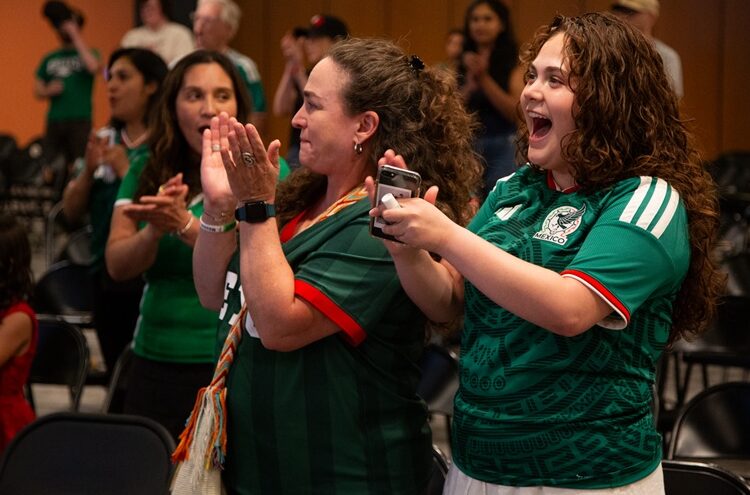
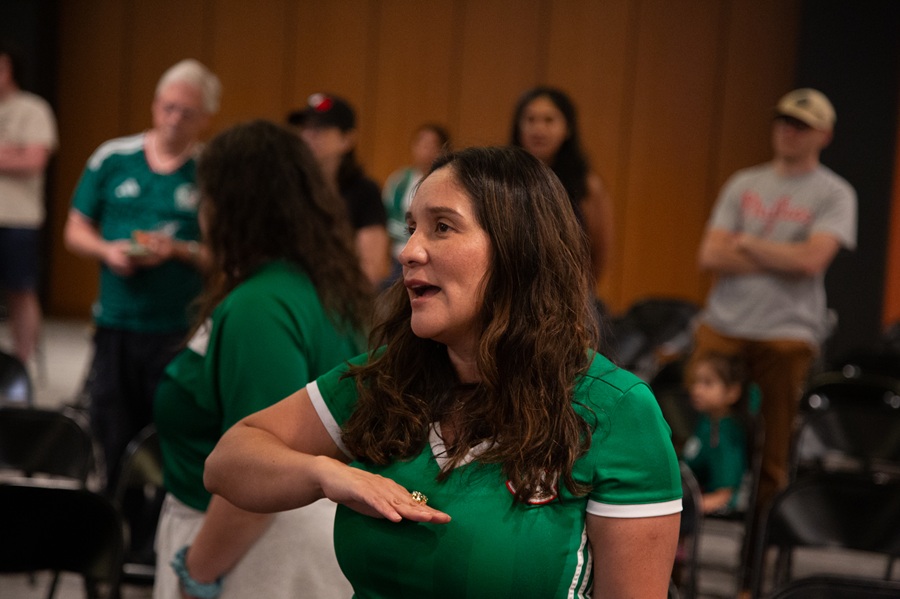
Los asistentes al evento vibraron con la victoria histórica de México (Foto: Cristian Marín)
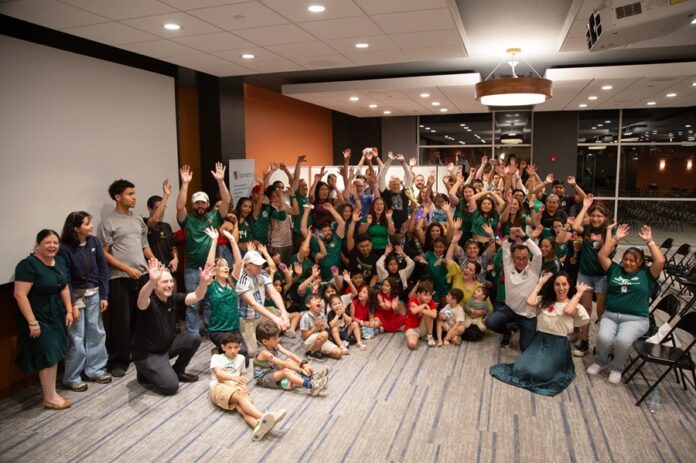
La noche del miércoles 24 de junio, el Gran Salón de Esperanza se convirtió en una tribuna más del Estadio Azteca a través de la pantalla. Un grupo de mexicanos y aficionados al fútbol celebró durante el último partido de “El Tri” en la fase de grupos de la Copa Mundial de la FIFA.
Este juego no fue solo de trámite por haber llegado con la clasificación anticipada. Ubicó a México en la historia de los mundiales. Con su victoria por 3-0 frente a Chequia se sumó a la lista de las selecciones que han conseguido un puntaje perfecto en la fase de grupos sin recibir gol. Los demás son Países Bajos (1974), Brasil (1986), Italia (1990), Argentina (1998) y Uruguay (2018).
“El Tri” le ha dado motivos a sus seguidores para creer que se puede lograr el anhelado quinto partido. (Foto: Cristian Marín)
El evento, organizado en Esperanza, por Finanta y el Consulado de México en Filadelfia, no solo se trató de ver rodar el balón. En el espacio también hubo lugar para juegos, rifas, artesanías, libros y comida típica de uno de los países anfitriones del Campeonato del Mundo.
Carlos Obrador Garrido, cónsul de México en Filadelfia, destacó que “lo más bonito de esto es la convivencia, con la gente, con la comunidad”. Junto a él, los asistentes se reunieron frente a la pantalla, luciendo la camiseta de su selección y celebrando las tres anotaciones con las que el equipo avanzó con paso firme a la siguiente fase. Como una familia, celebraron los goles que llegaron en el segundo tiempo para cerrar una noche que fue mexicana dentro y fuera de la cancha.
“Estos eventos me hacen sentir un poco más cerca de México”. Ariadna Vásquez (Foto: Cristian Marín)
Así lo vivió Ariadna Vásquez, quien describió el afecto que le tiene a “El Tri”: “Yo la amo más, sobre todo cuando estás fuera del país. Es como tener un pedacito de México en Filadelfia.”
Y es el fútbol y eventos como este los que se vuelven el escenario perfecto para transmitirles a sus hijas la pasión por los colores de la bandera mexicana; aseguró que quiere “contagiarles la locura” y “conectarlas con sus raíces y el idioma español”.
Esta aficionada, que vino a Estados Unidos hace 11 años, no solo ha disfrutado de la Copa del Mundo apoyando a su selección. Contó que “cada día agarramos una nacionalidad diferente” como una muestra de apoyo a los equipos latinos que compiten en el evento de fútbol más importante del planeta.
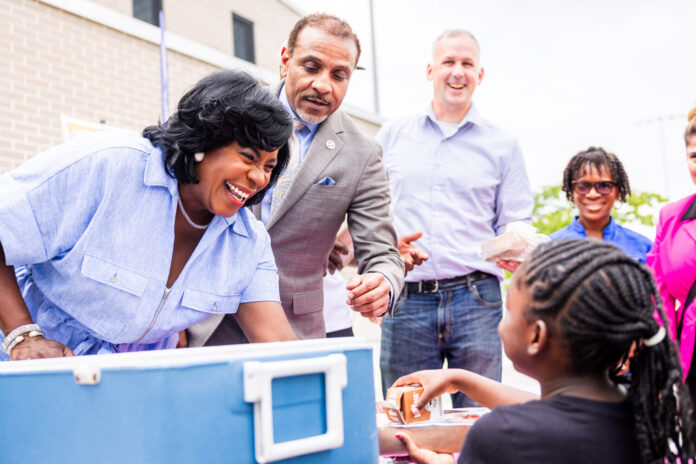
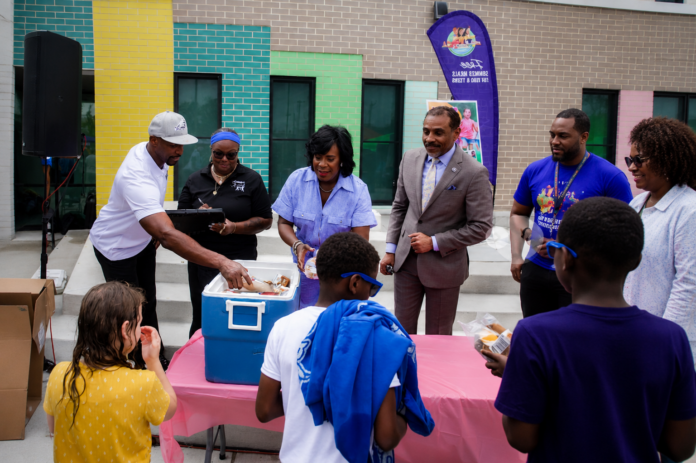
La alcaldesa Cherelle Parker entrega uno de los primeros kits de comidas gratis en el programa lanzado el 15 de junio que entregará almuerzos gratis a miles de niños durante el verano. (Foto: RR. SS.)
Funcionarios de la ciudad y organizaciones comunitarias lanzaron oficialmente esta semana el Programa de Comidas de Verano de Filadelfia en el Centro Recreativo Tustin, en el oeste de la ciudad, marcando el inicio de un esfuerzo a nivel municipal para proporcionar comidas gratuitas a niños y adolescentes durante el receso escolar de verano.
La iniciativa, coordinada por la Oficina de Niños y Familias de la Ciudad de Filadelfia, Philadelphia Parks & Recreation, Nutritional Development Services de Catholic Charities of Philadelphia, la American Dairy Association North East y el Programa de Alimentos CBS, tiene previsto servir más de un millón de comidas a jóvenes de la ciudad durante este verano.
Más de 500 centros de distribución de alimentos estarán operando en toda la ciudad desde el 15 de junio hasta el 21 de agosto, incluyendo centros recreativos, escuelas, instalaciones de la Autoridad de Vivienda de Filadelfia y organizaciones comunitarias. Todos los niños y jóvenes de hasta 18 años son elegibles para recibir comidas gratuitas, independientemente de sus ingresos. No se requiere identificación, registro ni comprobante de ciudadanía.
La alcaldesa Cherelle L. Parker afirmó que el programa busca garantizar que los niños continúen teniendo acceso a alimentos nutritivos cuando las cafeterías escolares permanecen cerradas durante las vacaciones.
Funcionarios municipales señalaron que la inseguridad alimentaria sigue siendo un desafío para muchas familias de Filadelfia durante los meses de verano. Vanessa Garrett Harley, vicealcaldesa principal para Impacto Social e Iniciativas Estratégicas, indicó que el acceso a comidas saludables proporciona a los jóvenes la base necesaria para aprender y tener éxito.
El programa recibió este año un impulso gracias a una subvención de 25.000 dólares otorgada por el Mayor’s Alliance Action Fund to End Childhood Hunger, respaldado por socios filantrópicos, entre ellos Dollar Tree. Los fondos se utilizarán para ampliar las campañas de divulgación y aumentar el conocimiento de los recursos alimentarios disponibles en toda la ciudad.
Susan Slawson, comisionada de Philadelphia Parks & Recreation, destacó que los centros de comidas de verano suelen ofrecer mucho más que alimentos, ya que también conectan a los jóvenes con programas recreativos, oportunidades educativas y actividades de mentoría durante todo el año.
Por su parte, el superintendente del Distrito Escolar de Filadelfia, Tony B. Watlington Sr., subrayó la importancia de mantener el acceso a comidas nutritivas una vez concluido el año escolar, señalando que el verano puede generar importantes brechas en la disponibilidad de alimentos para muchos estudiantes.
Lizanne Hagedorn, directora ejecutiva de Nutritional Development Services, destacó el papel histórico de Filadelfia en el apoyo a los programas de nutrición infantil e invitó a las organizaciones comunitarias interesadas en convertirse en centros de distribución de comidas a comunicarse con su agencia al 215-895-3470.
Las familias pueden consultar la ubicación de los centros, así como sus fechas y horarios de funcionamiento, a través del directorio de recursos alimentarios de la ciudad en phila.gov/food. Debido a regulaciones del Departamento de Agricultura de Estados Unidos (USDA), las comidas deben consumirse en el lugar y no pueden llevarse para consumir fuera de las instalaciones.
Además de las comidas gratuitas de verano, muchas familias de Filadelfia podrían calificar para SUN Bucks, un programa de asistencia alimentaria que proporciona 120 dólares por cada niño elegible para ayudar en la compra de alimentos durante el verano. Más información está disponible en dhs.pa.gov/sunbucks.
La lista completa y el mapa interactivo de los centros de comidas de verano, despensas de alimentos y otros recursos de asistencia alimentaria pueden consultarse en phila.gov/food.
Mayor Cherelle Parker hands out one of the first free meal kits as part of the summer meals program launched on June 15, which will provide free lunches to thousands of kids throughout the summer. (Photo: Social Media)
City officials and community partners officially launched Philadelphia’s annual Summer Meals Program this week at Tustin Recreation Center in West Philadelphia, marking the beginning of a citywide effort to provide free meals to children and teens while schools are closed for the summer.
The initiative, coordinated by the City of Philadelphia’s Office of Children and Families, Philadelphia Parks & Recreation, Nutritional Development Services of Catholic Charities of Philadelphia, the American Dairy Association North East, and the CBS Food Program, is expected to serve more than one million meals to young people this summer.
More than 500 meal distribution sites will operate across the city from June 15 through August 21, including recreation centers, schools, housing authority facilities, and community organizations. All children and youth up to age 18 are eligible to receive meals free of charge, regardless of income. No identification, registration, or proof of citizenship is required.
Mayor Cherelle L. Parker said the program is designed to ensure that children continue to have access to nutritious food when school cafeterias are closed.
City officials noted that food insecurity remains a challenge for many Philadelphia families during the summer months. Vanessa Garrett Harley, Chief Deputy Mayor for Social Impact and Strategic Initiatives, said access to healthy meals helps provide young people with the foundation they need to learn and succeed.
The program received a boost this year through a $25,000 grant from the Mayor’s Alliance Action Fund to End Childhood Hunger, supported by philanthropic partners including Dollar Tree. The funding will be used to expand outreach efforts and increase awareness of available meal resources throughout the city.
Susan Slawson, Commissioner of Philadelphia Parks & Recreation, said summer meal sites often serve as more than food distribution points, connecting young people to recreational programs, educational opportunities, and mentorship throughout the year.
School District of Philadelphia Superintendent Tony B. Watlington Sr. emphasized the importance of maintaining access to nutritious meals after the school year ends, noting that summer can create significant gaps in food availability for many students.
Nutritional Development Services Executive Director Lizanne Hagedorn highlighted Philadelphia’s longstanding role in supporting child nutrition programs and encouraged community organizations interested in hosting meal sites to contact her agency at 215-895-3470.
Families are encouraged to verify meal site locations, dates, and operating hours through the city’s online food resource directory at phila.gov/food. Due to U.S. Department of Agriculture regulations, meals must be consumed on-site and cannot be taken to go.
In addition to free summer meals, many Philadelphia families may qualify for SUN Bucks, a grocery assistance program that provides $120 per eligible child to help purchase food during the summer. More information is available at dhs.pa.gov/sunbucks.
A complete list and interactive map of summer meal sites, food pantries, and other food assistance resources can be found at phila.gov/food.