Inicio Blog Página 1147

Biden nomina a una experta en cáncer para liderar los Institutos Nacionales de Salud

El presidente de Estados Unidos, Joe Biden. (Foto: EFE/SHAWN THEW)

El presidente de Estados Unidos, Joe Biden, nominó este lunes a una experta en cáncer, Monica Bertagnolli, para ponerse al frente de los Institutos Nacionales de Salud (NIH, en inglés) en la época de la postpandemia.

La Casa Blanca explicó en un comunicado que Bertagnolli es una conocida cirujana oncóloga a nivel mundial, además de investigadora contra el cáncer.

«La doctora Bertagnolli ha pasado su carrera como pionera en descubrimientos científicos, ampliando los límites de lo que es posible para mejorar la prevención y el tratamiento del cáncer para los pacientes, además de asegurar que los pacientes de todas las comunidades tengan acceso a una atención de calidad», dijo Biden en la nota.

En caso de que sea confirmada por el Senado de EE. UU., Bertagnolli, que hasta ahora ha sido la directora del Instituto Nacional contra el Cáncer, se convertiría en la segunda mujer en liderar los NIH y reemplazaría en el puesto a Francis Collins, quien dejó esta agencia en diciembre de 2021.

Desde la marcha de Collins, ha ejercido como director interino de los NIH Lawrence Tabak.

Bertagnolli, de 64 años, anunció en diciembre pasado que padecía cáncer de pecho. En el pasado ha ejercido como profesora de Oncología Quirúrgica en la Universidad de Harvard y ha sido cirujana oncóloga en el «Brigham and Women’s Hospital», de Massachusetts.

Biden está muy vinculado personalmente a la lucha contra el cáncer, puesto que su primogénito, Beau Biden, falleció de un tumor cerebral en 2015 a los 46 años.

El año pasado el presidente estableció el objetivo de reducir la tasa de mortalidad por esa enfermedad hasta al menos el 50% en los próximos 25 años, en el marco de un programa de lucha contra el cáncer.

Los NIH se han convertido en blanco de los republicanos en el Congreso, donde controlan la Cámara Baja, por la gestión de la pandemia de covid-19.

La semana pasada, los conservadores aprobaron una propuesta legislativa que podría recortar la financiación de los NIH.

Fallece Gloria Molina, pionera política de las latinas en California

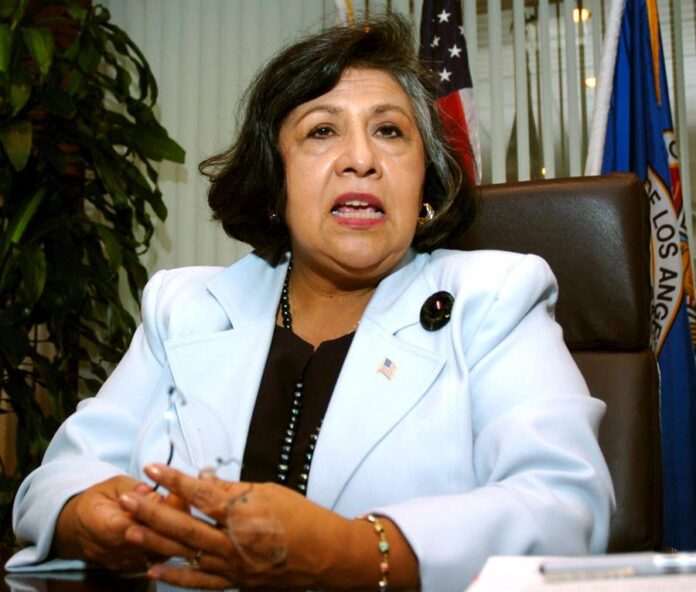
Fotografía de archivo de Gloria Molina pionera de las latinas en la política de California y Los Ángeles. EFE/Iván Mejía

La demócrata Gloria Molina, pionera de las latinas en la política de California y Los Ángeles, falleció la noche del domingo a los 74 años tras una batallas de varios años contra el cáncer, informó su hija Valentina Martínez en un comunicado.

Señaló que Molina, de origen mexicano, murió en su residencia de Los Ángeles, rodeada de la familia.

«Enfrentó esta lucha con el mismo coraje y resiliencia con que vivió su vida», subraya el comunicado.

«Estamos muy orgullosos de que Gloria sea recordada en la historia por el impacto que tuvo en Los Ángeles, el estado y el país como activista chicana, asambleísta estatal, concejal de la ciudad de Los Ángeles y supervisora del condado de Los Ángeles», detalla.

Molina es un referente entre las latinas, ya que fue la primera de esa comunidad elegida para la Asamblea de California en 1982, y además sirvió en la Casa Blanca durante la administración de Jimmy Carter (1977-1981) como asistente del mandatario.

En 1987 fue la primera hispana elegida en llegar al Concejo de Los Ángeles y en 1991 repitió la hazaña al conquistar un puesto en la Junta de Supervisores de Los Ángeles, en la que estuvo hasta 2014, cuando se aprobó una norma que no permite a los supervisores a ocupar su puesto más de tres términos.

En su carrera política Molina a menudo se enfrentó a candidatos hombres y mejor establecidos en cargos en los que las mujeres nunca habían logrado ganar, lo que inspiró a muchas latinas a seguir sus pasos.

Solo perdió una contienda cuando en marzo de 2015 decidió regresar a la arena política por un puesto en el Concejo de Los Ángeles contra el entonces concejal José Huizar.

«Hemos perdido a una gran defensora de la justicia social», dijo este lunes Domingo García, presidente La Liga de Ciudadanos Latinoamericanos Unidos (LULAC), la organización hispana más antigua del país.

Destacó que Molina dio muchas batallas por la equidad laboral y la igualdad de los latinos y fue «implacable en políticas de acceso a la vivienda, los servicios de salud, la inversión en los barrios hispanos y la representación en la política de esta comunidad.

Gloria Molina, la mayor de diez hijos e hija de padres mexicanos, nació en Pico Rivera y su compromiso con el servicio público comenzó desde muy joven.

«Gloria era conocida por su temperamento de acero, sus preguntas incisivas y su oratoria elocuente», señala Domingo.

A principios de este año, en reconocimiento a su liderazgo e impacto, la Junta de Supervisores del Condado de Los Ángeles cambió el nombre de Grand Park, un espacio público en el corazón del centro de Los Ángeles que la hispana luchó por crear. Ahora es Gloria Molina Grand Park.

Centroamérica Cuenta reúne en su décima edición a 80 escritores en República Dominicana

La directora ejecutiva del festival literario Centroamérica Cuenta, la nicaragüense Claudia Neira Bermúdez, posa para una fotografía durante una entrevista con EFE, el 10 de mayo, en Santo Domingo (República Dominicana). EFE/Orlando Barría

Ochenta escritores de distintos países se darán cita a partir de este martes en República Dominicana en el festival literario Centroamérica Cuenta, promovido por el escritor nicaragüense desnacionalizado y exiliado en España Sergio Ramírez.

Gioconda Belli (Nicaragua), Juan Gabriel Vásquez (Colombia), Mircea Cartarescu (Rumanía), Rosa Montero (España), Héctor Abad Faciolince (Colombia), Alma Guillermoprieto (México), Soledad Álvarez (República Dominicana), Claudia Piñeiro (Argentina) y Horacio Castellanos Moya (El Salvador) son algunos de los nombres confirmados para esta cita, que celebra su décimo aniversario.

Junto a ellos también está prevista la asistencia, entre otros muchos, de la libanesa Joumana Haddad, del fotógrafo argentino Daniel Mordzinski y del director del Instituto Cervantes, el poeta español Luis García Montero.

El festival, el más importante de la región y fundado en Managua en 2013, arrancará mañana en Santiago (norte de República Dominicana) con sendos diálogos sobre la literatura sin fronteras y sobre el fallecido escritor y político dominicano Juan Bosch, aunque la inauguración oficial tendrá lugar el miércoles en Santo Domingo, dijo a EFE su directora ejecutiva, la nicaragüense Claudia Neira Bermúdez.

Hasta el 21 de mayo la agenda del encuentro incluye diálogos, talleres y presentaciones de libros, donde participarán escritores, músicos, cineastas, periodistas, libreros, lectores y actores sociales.

Los asistentes discutirán sobre temas diversos e incluyentes, como la diáspora, la identidad, la escritura, la memoria, la diversidad, el género, los derechos humanos, la libertad de expresión, la democracia, el cine, la música, las ciencias, la narrativa y el periodismo.

UN ESCAPARATE PARA LA LITERATURA DE LA REGIÓN

El objetivo de este festival es tender puentes entre la literatura centroamericana y caribeña y el resto del mundo, señaló Neira, quien destacó que, gracias a este tipo de encuentros, la región «ha logrado colarse en otros festivales» donde no era habitual la presencia de sus escritores.

Ello, destacó, a pesar de que Centroamérica cuenta, incluso, con un Nobel de Literatura, el guatemalteco Miguel Ángel Asturias,

Se trata de «una región de poetas, escritores, muy fértil» para la escritura, afirmó Neira, quien definió el festival como «una gran vitrina» para que los autores de la zona puedan contar sus historias y llegar a más lugares, a lo que internet ayuda bastante.

«Es una manera de hacer que los escritores y sus libros viajen. Tenemos que universalizar la obra, contar desde lo local, pero con herramientas que te permitan llegar a otros», precisó la escritora, para quien en ello desempeñan un papel importante tanto el Estado como el sector privado, en especial por la inversión para apoyar y difundir las obras literarias.

En su opinión, la cultura y la literatura constituyen «la mejor forma de democratizar un país y la mejor forma de aportar al desarrollo de un país».

Centroamérica Cuenta, que en 2018 abandonó Nicaragua a causa de la situación política, se desarrolla actualmente de forma virtual a lo largo del año, pero también tiene dos ediciones anuales: una en Centroamericana y el Caribe y, otra, en Madrid.

En 2024, de acuerdo con lo adelantado a EFE por Neira, es muy probable que se celebre en Panamá.

A lo largo de esta década, el festival ha realizado más de 400 eventos con voces representativas de América Latina, España, Estados Unidos, Francia, Alemania, Italia o Países Bajos.

Philadelphia Democratic mayoral primary pits moderates against progressives

A Democratic primary that will likely determine who becomes Philadelphia’s next mayor could boost a progressive cause struggling to make a comeback after national setbacks, but with no clear front-runner it’s just as likely to fortify the city’s existing Democratic machine.

Not one of the five top candidates has emerged as a clear favorite in Tuesday’s primary, a digression from mayoral races in recent history, said Richardson Dilworth, author of the book “Reforming Philadelphia,” which examines the city’s government over the course of 350 years.

“The political structure of the city is in a moment that is somewhat unprecedented,” he said. “It’s ideologically incredibly cohesive. But … there’s nothing taking that cohesive ideology and converting it into a unified governance for the city.”

The progressive movement — which has focused on local races to counter national setbacks — has its sights on the Philadelphia race after being energized by Chicago Mayor Brandon Johnson’s recent victory and other progressive wins on the St. Louis City Council.

Our Revolution, a movement born during Sen. Bernie Sanders’ 2016 presidential race and now one of the largest progressive organizations in the country, has endorsed Helen Gym, a former member of the City Council. Sanders has also personally endorsed her, and appeared alongside her ahead of the primary, along with progressive U.S. Rep. Alexandria Ocasio-Cortez.

In Philadelphia, “You’ve got an old guard Democratic machine, just like you do in Chicago, although that formation has been rattled within the last couple of years” by successful progressive and Democratic Socialist candidates, said Our Revolution Executive Director Joseph Geevarghese.

Whether Gym can do the same is uncertain.

Philadelphia’s Democratic City Committee — which, in a deeply blue city, can have significant influence — won’t back a candidate. That’s left the choice with the committee’s dozens of independent wards, which aren’t united in their endorsements. Other Democratic factions, meanwhile, are all over the map.

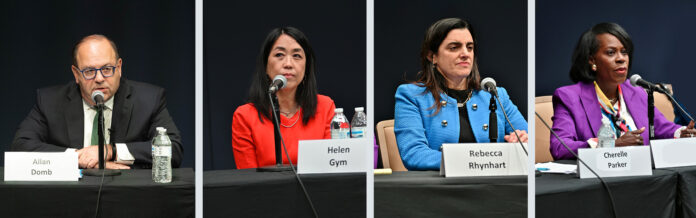
A number of ward leaders, who can rally voters to cast their ballots, have backed the more moderate former city council member and former state lawmaker Cherelle Parker, but others have sided with Gym and former city controller Rebecca Rhynhart, who has sought to appeal to moderates and progressives. The left-wing Working Families Party and the grassroots progressive organization Reclaim Philadelphia, in step with Our Revolution, is backing Gym.

There is even division among unions, which have historically held a lot of weight because of their financial support and their on-the-ground ability to push people to the polls. In a tight contest, that can be essential.

A number of trade and labor unions, which helped propel Kenney when he first ran for mayor, have coalesced behind Parker. Kenney himself said he cast a ballot for Parker during early voting. Meanwhile, the city’s local police union is backing grocery business owner and political outsider Jeff Brown, and the teachers union wants Gym.

Allan Domb, a former councilman and real estate mogul who has poured millions of dollars of his own money into the campaign and sought to appeal to a more moderate-to-conservative base, picked up an endorsement from former Mayor William J. Green III. Rhynhart, meanwhile, is backed by three past mayors: John Street, Michael Nutter and former Gov. Ed Rendell.

All of the candidates, regardless of ideology, have tapped gun violence and public safety as their top concerns. They’ve also discussed a need to bolster the economy, reduce poverty and improve quality-of-life issues such as trash pickup and streetlights.

«The candidates are more or less aligned on most important issues of the day,” said Mark Nevins, a political consultant for The Dover Group. “Really, you’re looking at who has the ability to create a coalition of voters from different parts of the city … that will put them over the top.”

A number of cities have moved to ranked-choice elections, allowing voters to order the candidates from most to least preferred. But in Philadelphia, the winning candidate needs a plurality — which could be just a slim amount of the total vote — to face lone Republican candidate David Oh in the November general election.

In mayoral elections across the nation over the past five years, voters have tended to pick the mainstream liberal candidate, said Robert Speel, associate professor of political science at Penn State. Exceedingly progressive candidates who have called for defunding the police have not done well, he noted; nor have conservative, “tough-on-crime” candidates who seem more aligned with Republicans, including one who lost Boston’s 2021 mayoral race.

“It was a kiss of death for a Democratic candidate in a Democratic city to be associated with Republicans in some way,” he said.

Theresa Tsai, a University City resident who fell in love with Philadelphia after moving here from New York City years ago, is just looking for someone who can work with other city departments to address her issues with crime and what she sees as an overall decline in city services.

Tsai, 71, said she has begun to feel vulnerable in the city while walking alone at night. Years ago, she said, a mini-police station opened in her district, which she said showed her that community policing was critical.

She also said that many city facilities, from libraries to recreational centers, are understaffed. Tsai said her husband keeps a spreadsheet of endorsements, which she is monitoring, and she also wants to hear the recommendation of her ward leader, whom she said she “implicitly trusts.»

At the moment, she is weighing the different qualities that Gym, Rhynhart and Domb could bring to the office.

“This is a difficult election, it really is,” she said. “It’s a good one, it’s good that we have such good choices.”

LOCALIZARLO: Los datos de la puntuación de la prueba del estudiante completan la imagen de la pérdida de aprendizaje

Shown are lockers at Penn Wood High School in Lansdowne, Pa., Wednesday, May 3, 2023. As schools across the country struggle to find teachers to hire, more governors are pushing for pay increases and bonuses for the beleaguered profession. (AP Photo/Matt Rourke)

EDITORES/DIRECTORES DE NOTICIAS:

Se incorporaron nuevos datos sobre los puntajes de las pruebas de los estudiantes de una docena de estados en un análisis de los contratiempos de aprendizaje relacionados con la pandemia de COVID-19.

Los datos fueron publicados el jueves por investigadores de las universidades de Harvard y Stanford como una actualización de su Education Recovery Scorecard, que ahora examina la pérdida de aprendizaje en matemáticas y lectura en distritos escolares en un total de 41 estados. La investigación ofrece la mirada más completa hasta ahora sobre la pérdida de aprendizaje pandémica.

El análisis inicial sobre los efectos de la pandemia se publicó en octubre, con base en los puntajes de las pruebas publicadas por «la boleta de calificaciones de la nación», así como los resultados de las pruebas estandarizadas administradas por el estado. Fue posible incluir los 12 estados adicionales después de que publicaron los resultados de sus propias pruebas estandarizadas.

Según el análisis, el estudiante promedio de las escuelas públicas en los grados 3-8 se atrasó medio año en el aprendizaje de matemáticas y un cuarto de año en lectura. En algunos distritos, los estudiantes promedio perdieron casi dos años de aprendizaje en matemáticas.

ENCUENTRE LA COBERTURA DE AP AQUÍ:

Los contratiempos masivos en el aprendizaje muestran el enorme número de víctimas de COVID en los niños

‘Demasiado que aprender’: las escuelas compiten para ponerse al día en lectura de los niños

¿El fin de las guerras de lectura? Más escuelas estadounidenses adoptan la fonética

___

AGREGAR CONTEXTO LOCAL

Los datos permiten la exploración del desempeño en miles de distritos escolares. Puede hacer comparaciones de manzanas con manzanas entre sistemas escolares, dentro de los estados y más allá de las fronteras estatales. Los datos también incluyen factores como los niveles de ingresos del área y la cantidad de tiempo que los estudiantes dedican al aprendizaje remoto.

Los investigadores en educación detrás de este análisis, el sociólogo Sean Reardon de Stanford y el economista Thomas Kane de Harvard, crearon un mapa que muestra cuántos años de aprendizaje ha perdido el estudiante promedio en cada distrito desde 2019. Su trabajo convierte los puntajes de las pruebas estatales de 2019 y 2022 en una métrica común conocida como equivalente de nivel de grado.

Para estimar cómo habían cambiado los niveles de aprendizaje desde que golpeó la pandemia, los investigadores compararon cómo los puntajes en cada distrito se midieron con los promedios nacionales en 2019 y luego nuevamente en 2022. Si un distrito en 2019 estaba un nivel de grado por debajo del promedio de EE. UU. de 2019 en lectura y luego, en 2022 estaba dos niveles de grado por debajo del promedio de lectura de EE. UU. de 2022, se considera que ha perdido el equivalente a un año de lectura.

La investigación se puede ver en un mapa de datos interactivo publicado en Education Recovery Scorecard, que está disponible aquí: https://educationrecoveryscorecard.org/

Los 12 nuevos estados incluidos en el análisis son:

Idaho

Illinois

Indiana

Maryland

Misuri

Nebraska

New Jersey

Nevada

Ohio

Pensilvania

Rhode Island

Utah

LLEVANDO SUS INFORMES MÁS ALLÁ

En su análisis, Kane y Reardon ofrecen información sobre cómo las tensiones en la comunidad y el cierre de escuelas contribuyeron a la pérdida de aprendizaje. Descubrieron que los puntajes de las pruebas disminuyeron más en lugares donde la tasa de mortalidad por COVID era alta y los adultos informaron sentir más depresión y ansiedad. En última instancia, dijeron, el lugar donde vivían los niños durante la crisis de salud pública “importó más para su progreso académico que sus antecedentes familiares, ingresos o acceso a Internet”.

¿Qué tipo de intervenciones han usado las escuelas en su distrito? ¿Han trabajado? Presiona distritos para mostrarte los datos. La mayoría de los distritos monitorean el progreso de los estudiantes durante todo el año y pueden proporcionar puntajes de exámenes. Si funciona, ¿es suficiente? ¿Lo seguirán? ¿Tienen suficiente financiación para ello? Si no funciona, ¿por qué no? ¿Qué harán diferente? ¿Por qué creen que eso funcionaría?

Si brindan tutoría, pregunte a los distritos cuántos estudiantes la reciben y si ocurre durante el día escolar y quién brinda la tutoría. Si es antes o después de la escuela, pregunte cómo logran que las familias lo aprovechen. ¿Proporcionan transporte a casa?

Las clases terminarán pronto, así que pregunte cómo planea el distrito usar los meses de verano para ayudar a los estudiantes a ponerse al día. ¿Cómo atraen a los estudiantes para que se inscriban? ¿Cuántos estudiantes asistieron el verano pasado y cuántos más esperan dibujar este año?

Localize It es una característica ocasional producida por The Associated Press para uso de sus clientes. Las preguntas pueden dirigirse a Katie Oyan en koyan@ap.org.

LOCALIZE IT: Student test score data fills in picture on learning loss

Shown are lockers at Penn Wood High School in Lansdowne, Pa., Wednesday, May 3, 2023. As schools across the country struggle to find teachers to hire, more governors are pushing for pay increases and bonuses for the beleaguered profession. (AP Photo/Matt Rourke)

EDITORS/NEWS DIRECTORS:

New data on student test scores from a dozen states has been incorporated into an analysis of learning setbacks tied to the COVID-19 pandemic.

The data was released Thursday by researchers at Harvard and Stanford universities as an update to their Education Recovery Scorecard, which now examines learning loss in math and reading across school districts in a total of 41 states. The research offers the most comprehensive look so far at pandemic learning loss.

The initial analysis on the effects of the pandemic was released in October, based on test scores released by “the nation’s report card” as well as results from state-run standardized tests. It became possible to include the additional 12 states after they released results from their own standardized tests.

According to the analysis, the average public school student in grades 3-8 fell behind by half a year of learning in math and a quarter of a year in reading. In some districts, average students lost nearly two years of learning in math.

___

FIND AP’S COVERAGE HERE:

Massive learning setbacks show COVID’s sweeping toll on kids

‘Too much to learn’: Schools race to catch up kids’ reading

An end to the reading wars? More US schools embrace phonics

___

ADD LOCAL CONTEXT

The data allows for exploration of performance in thousands of school districts. You can make apples-to-apples comparisons across school systems, within states and across state borders. The data also includes factors such as area income levels and the amount of time students spent in remote learning.

The education researchers behind this analysis, sociologist Sean Reardon of Stanford and economist Thomas Kane of Harvard, created a map showing how many years of learning the average student in each district has lost since 2019. Their work converts state test scores from 2019 and 2022 into a common metric known as a grade-level equivalent.

To estimate how learning levels had changed since the pandemic hit, the researchers compared how scores in each district measured against national averages in 2019 and then again in 2022. If a district in 2019 was one grade level below the 2019 U.S. average in reading, and then in 2022 it was two grade levels below the 2022 U.S. average in reading, it is considered to have lost the equivalent of one year of reading.

The research is viewable on an interactive data map posted to the Education Recovery Scorecard, which is available here: https://educationrecoveryscorecard.org/

The 12 new states included in the analysis are:

Idaho

Illinois

Indiana

Maryland

Missouri

Nebraska

New Jersey

Nevada

Ohio

Pennsylvania

Rhode Island

Utah

TAKING YOUR REPORTING FURTHER

In their analysis, Kane and Reardon offer insights on how community strains and school closures contributed to learning loss. They found that test scores declined more in places where the COVID death rate was high and adults reported feeling more depression and anxiety. Ultimately, they said, where children lived during the public health crisis “mattered more to their academic progress than their family background, income or internet access.”

What kinds of interventions have schools used in your district? Have they worked? Press districts to show you the data. Most districts monitor student progress throughout the year and can provide test scores. If it’s working, is it enough? Will they continue it? Do they have enough funding for it? If it’s not working, why not? What will they do differently? Why do they think that would work?

If they’re providing tutoring, ask districts how many students receive it and whether it happens during the school day and who’s doing the tutoring. If it’s before or after school, ask how they’re getting families to take advantage of it. Do they provide transportation home?

School is ending soon, so ask how the district plans to use the summer months to help students catch up. How are they enticing students to sign up? How many students attended last summer and how many more are they hoping to draw this year?

Localize It is an occasional feature produced by The Associated Press for its customers’ use. Questions can be directed to Katie Oyan at koyan@ap.org.

El embajador mexicano en EE. UU. condena las «palabras racistas» de un senador republicano

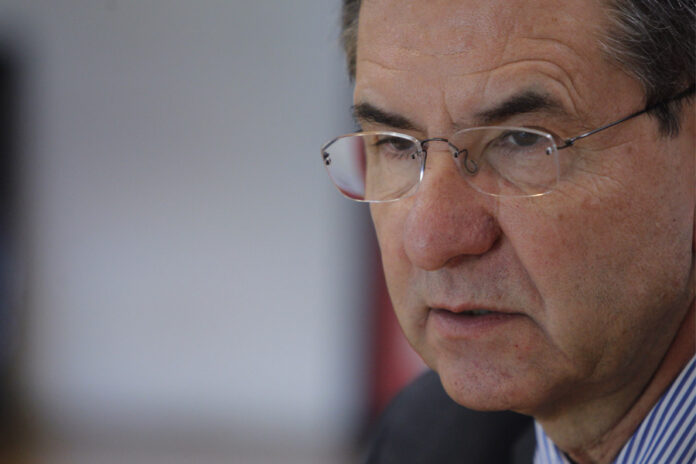
Fotografía de archivo del embajador mexicano en Estados Unidos, Esteban Moctezuma Barragán. (Foto: EFE/Sáshenka Gutiérrez)

El embajador mexicano en Estados Unidos, Esteban Moctezuma, ha mandado una carta al senador republicano John Kennedy para responder a las «palabras vulgares y racistas» que el legislador vertió la semana pasada contra México.

De esta manera el diplomático respondía en una misiva, a la que EFE tuvo acceso este lunes, a las palabras del legislador por el estado de Luisiana, quien dijo en una audiencia ante el Senado sobre narcotráfico que «sin los estadounidenses, México, figurativamente hablando, comería comida para gatos en una lata y viviría bajo una lona en un patio trasero».

En el texto, el embajador señaló que no cree que «la gente de Luisiana se sienta representada en las palabras vulgares y racistas» que Kennedy empleó.

Moctezuma opinó que el senador habló desde la «ignorancia» y que está obligado a disculparse con los ciudadanos, porque lo que afirmó «no es digno del estado de Luisiana, conocido por ser un crisol de culturas».

«Por el nivel moral expresado en sus palabras, nosotros no esperamos reconsideración de su parte», agregó el diplomático mexicano, quien decidió responder «con el cerebro en vez de las entrañas».

En su carta, Moctezuma remarcó que el senador «no es de la familia» del presidente estadounidense John F. Kennedy (1961-1963), considerado todavía hoy «un faro que alumbra el camino de la libertad, democracia e inclusión». Pese a compartir nombre y apellido con el que fuera el 35º presidente de EE. UU., el legislador no pertenece a la misma familia.

El embajador le invitó a «dialogar de manera objetiva y respetuosa» sobre el tráfico de drogas y de armas, en lugar de utilizar «ofensas y amenazas».

«México está cooperando y está dispuesto a cooperar siempre con Estados Unidos, nuestro vecino, amigo y aliado, pero también siempre, en un plano de dignidad, soberanía y veracidad», concluyó.

La tensión por la política antidrogas se ha elevado entre Estados Unidos y México desde que en marzo cuatro estadounidenses fueron secuestrados, dos de ellos asesinados, en el fronterizo estado mexicano de Tamaulipas.

Washington ha asegurado que México debería hacer «más» para frenar el tráfico de fentanilo, un opioide sintético que causó 100.000 muertes por sobredosis el año pasado en Estados Unidos, mientras que los republicanos, incluido el senador Kennedy, han pedido una intervención militar en territorio mexicano.

Por su parte, el presidente de México, Andrés Manuel López Obrador, ha negado que en su país se fabrique fentanilo y ha acusado a Estados Unidos de no hacer suficiente para frenar las adicción a los opioides de su propia población.

Daughters without moms find support in each other’s grief

Foto ilustrativa

By Tracee M. Herbaugh

Then my mother died suddenly 30 years ago, I was 13. I’d spend the next 20 years attempting to understand what it means not to have a mother.

And I did this basically alone.

Mostly, this was because my mother’s parents, who raised me, were old-fashioned folks who lived through the Dust Bowl. They didn’t discuss feelings, good or bad. I never once saw my grandfather shed a tear after his daughter died. Plus, our town was in the rural plains of Colorado, hours away from any city with services like a grief therapist, even if my grandparents had been open to that.

But the silence around grief also was a product of the times. I am encouraged to see that now a mom’s death is generally not handled the same way it was in 1993.

There are many kinds of support today, from the organized to the grassroots. Grief can be talked about and shared more publicly, experts say, and is acknowledged to last a long time.

Motherless children can attend special summer camps, for instance, or Mother’s Day retreats like those hosted by the Massachusetts-based non-profit EmpowerHer, which works with girls whose mothers have died. They also link girls with mentors so they can see an older version of themselves. The group recently started working with boys and nonbinary children, too, who have lost either parent.

“There isn’t a perfect ending,” said Cara Belvin, who founded EmpowerHer. “You can cry and scream but you can’t give up, and we hold space for a kid who is grieving.”

Podcasts on the topic of parent loss, and support groups both virtual and in-person, have proliferated.

“It really grew exponentially over COVID,” said Hope Edelman, author of several grief books, including the bestseller “Motherless Daughters: The Legacy of Loss,” published in 1994.

Edelman has led motherless daughters’ groups, and her books have helped usher in a new way to live with loss. “The death of a mother affects a daughter profoundly, but what comes after can affect her as much or more,” she said.

Edelman was 17 when her mother died in 1981, a time she has called the “dark ages” of grief, when mourning often wasn’t discussed much outside the stale office of a therapist.

The prevailing wisdom today tends to be the “continuing bonds” theory, which says grief is to be carried, and relationships continue and change with a loved one, even after their death.

This more engaged approach to grief has been furthered by the internet and social media.

Ontario native Janet Gwilliam-Wright, 46, started “The Motherlove Project,” a blog and corresponding Instagram account, in 2020 to honor the 25th anniversary of her mother’s death. It has since become a place where women from around the world share stories about their late mothers; nearly 300 people have shared so far.

“I didn’t have anywhere to grieve her — she didn’t have a grave — so I decided to make a place on the internet,” Gwilliam-Wright explained.

“I have enormous gratitude for every woman who reaches out to me. It helps me in my grieving and has brought me a community of people I feel so connected to.”

Mother’s Day can feel particularly isolating, said Julia Morin, 36, of Nashua, New Hampshire, who created her Instagram account “Girl_meets_grief” on Mother’s Day 2021 to connect with others who felt the same way.

Before the internet, even though the prevailing attitude toward grief might have been less supportive, still there was often more community and family around than there is now, when many Americans lack built-in support networks.

“And so the widespread online support gives people a broader space to share in that grief and meet people with similar experiences,” said Megan Kelleher, a historian who has studied grief and bereavement practices.

Writing is another way motherless daughters are connecting.

Sasha Brown-Worsham of Acton, Massachusetts, has written about losing her mom as a teenager. She penned a viral essay and followed it up with a memoir, “Namaste the Hard Way.” When Brown-Worsham turned 45, the same age her mother was when she died of breast cancer, she sought out a virtual support group of mothers without moms.

“My daughter turned 16 at the same time, and that’s how old I was when my mom died,” she said.

The group is a collaboration between Edelman’s Motherless Daughters and the Twin Cities-based non-profit She Climbs Mountains.

“There’s this sense of being seen for possibly the first time in my whole life,” Brown-Worsham said.

Life’s milestones — such as getting married or having a baby — can trigger grief. By the time I was 30, I had tricked myself into believing I was adept at ignoring my mother’s loss. That was, of course, far from true.

It was when I had my first baby that I felt grief rise to the surface. Jealousy cropped up in unexpected ways, particularly when I saw my new mom friends with their mothers.

It turns out, this is normal.

“Having kids ripped me open” emotionally, said Katie Paradis, 42, of Rockport, Massachusetts, who has two girls and no mother.

Susanna Gilbertson’s mom died a year before her daughter was born.

“I looked around and didn’t see any support I could access,” said Gilbertson, 47, of Philadelphia.

Along with another motherless mom, she posted fliers for a book group, reading Edelman’s “Motherless Daughters.” After the initial meeting, the women in the group wanted to keep going. They ended up meeting for seven years.

“You get to experience, rather than be told, that you’re not alone,” said Gilbertson, now a full-time grief coach.


Philadelphia prison escape aided by man charged in deadly cheesesteak shop brawl, police say

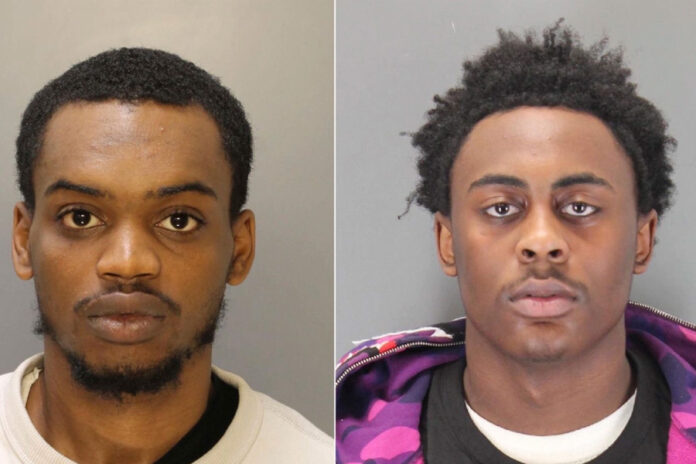
This combo from photos provided by Philadelphia Dept. of Prisons shows from left, Nasir Grant, left, and Ameen Hurst. Authorities searched Tuesday, May 9, 2023, for two inmates, one accused of killing four people, who were gone from a Philadelphia prison for nearly 19 hours before officials knew they were missing. Hurst, 18, and Grant, 24, escaped from the Philadelphia Industrial Correctional Center around 8:30 p.m. Sunday by cutting a hole in a fence surrounding a recreation yard, the Philadelphia Department of Prisons said. (Photo: AP/Philadelphia Dept/of Prisons)

PHILADELPHIA.— Authorities say two escaped prisoners in Philadelphia were helped by a fellow inmate who’s charged with murder in a brawl outside a famed Philadelphia cheesesteak shop.

Police said late Friday afternoon that 35-year-old Jose Flores-Huerta has been arrested at the Philadelphia Industrial Correction Center and charged with felony counts of criminal conspiracy and escape.

Flores-Huerta is one of several people charged in the September 2021 death of a New York City man outside Pat’s King of Steaks. Authorities said 28-year-old Isidro Cortez of Queens was beaten with a trash can lid and pummeled, and that two other people, including his father, were injured before the suspects fled in a SUV. At a preliminary hearing last year, his lawyer contended that two other suspects who haven’t been caught were primarily responsible.

Flores-Huerta is alleged to have aided the May 7 escape of 18-year-old Ameen Hurst and 24-year-old Nasir Grant, who cut a hole in a fence surrounding a recreation yard. Hurst and Grant, who were in the same unit but in different cells, were gone for nearly 19 hours before officials knew they were missing.

This photo provided by Philadelphia Police Department Jose Flores-Huerta. Police said late Friday, May 12, 2023 that 35-year-old Jose Flores-Huerta has been arrested at the Philadelphia Industrial Correction Center and charged with felony counts of criminal conspiracy and escape. (Photo: AP/Philadelphia Police Department )

Grant, incarcerated on drug and weapons counts, was captured Thursday night after a task force staked out a north Philadelphia address where they believed he was staying. Authorities said he was wearing women’s Muslim clothing including a head covering that obscured his face. He’s now facing escape and conspiracy charges and is being held on $10 million bail.

The U.S. Marshals Service fugitive task force is now focused on tracking down Hurst, who is charged in four homicides and other crimes.

Court documents indicate that Flores-Huerta is being represented by the Defender Association of Philadelphia in the escape case; messages seeking comment were sent Saturday to the association and to his attorney in the earlier case.

A woman accused of helping the escapees is also facing escape and conspiracy charges as well as hindering apprehension and criminal use of a communications facility. The Philadelphia Inquirer reports that 21-year-old Xianni Stalling is accused of putting Hurst in touch with a potential getaway driver during recorded phone calls he made from jail hours before the escape. She’s being held on $500,000 bail; the public defender’s office has declined comment.

Philadelphia will have Two New Health Centers in the Lower Northeast

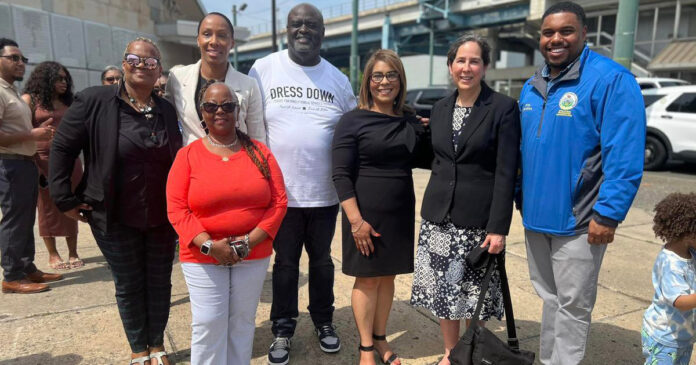
La Dra. Cheryl Bettigole, comisionada de Salud de la ciudad de Filadelfia, hizo el anuncio el pasado 12 de mayo al lado de la concejala del Distrito 7. (Foto: RRSS)

The Health Department announced that the lower Northeast will see two new City-run Health Centers. The first Health Center will be located at the Frankford Transportation Center, an easily accessible hub for the entire Frankford community. The location of a second Health Center serving the lower Northeast will be announced at a future date. The Health Center at Frankford Transportation Center is being planned as a full-service center, with primary care services for adults and children, women’s health services, lab, pharmacy, and much more. The Northeast has been identified in Health Department research as a primary care desert. The siting of two new Health Centers will go a long way towards reducing the dearth of primary care options in the community, and towards reducing the current lengthy waiting time for appointments at nearby Health Center 10.

«I, and the rest of the Kenney Administration, could not be more excited about today’s announcement,” said Managing Director Tumar Alexander. “These projects are part of the City’s commitment to its residents. We know that for far too long, residents of this part of the city have struggled to get access to primary care. Today, we are taking the first step to change that reality.
The health center we build here at the Frankford Transportation Center will be a full-service center, with primary care services for adults and children, women’s health services, lab, pharmacy, and much more. It will provide high quality, compassionate, culturally sensitive care in the language of each patient.”

Opening two new Health Centers is part of the Health Department’s continued efforts to increase access to primary care in Philadelphia. A 2018 report by the Health Department highlighted gaps in primary care access in different neighborhoods in Philadelphia and found that the Northeast has the lowest rate of community health center access in the city. While waiting times at City Health Centers demonstrate this lack of access, the delays are greatest in the Northeast at Health Center 10.

Recent data from the U.S. Census shows that the demographics of the Northeast, especially Lower Northeast, have been changing in the last decade. These areas have seen the biggest rises in poverty, the largest growth in the share of Black, Hispanic, and Asian residents, and the
highest increase in the share of foreign-born residents in the city.

“Primary care access is critically important to helping to keep all Philadelphians healthy,” said Health Commissioner Dr. Cheryl Bettigole. “And for too long, many residents of the lower Northeast have been unable to access care in a timely way. As the former clinical director of Health Center #10 at Cottman and Bustleton, I have seen just how desperate the need for access is in that part of the city.”

“We cannot continue to allow the kind of waste of human potential that happens when people are shut out of access to healthcare, as happens too often in our city despite its world class medical facilities,” the Health Commissioner continued. “Particularly for immigrants, our healthcare system can be an impenetrable wall rather than a source of help. I am profoundly grateful that this administration recognizes the importance of this access and that as part of our identity as a sanctuary city, we will be ensuring that the residents of such a diverse, nternational part of our city have access to high quality, affordable care.”

The City recently launched a primary care finder website to help residents find the nearest primary care provider.