


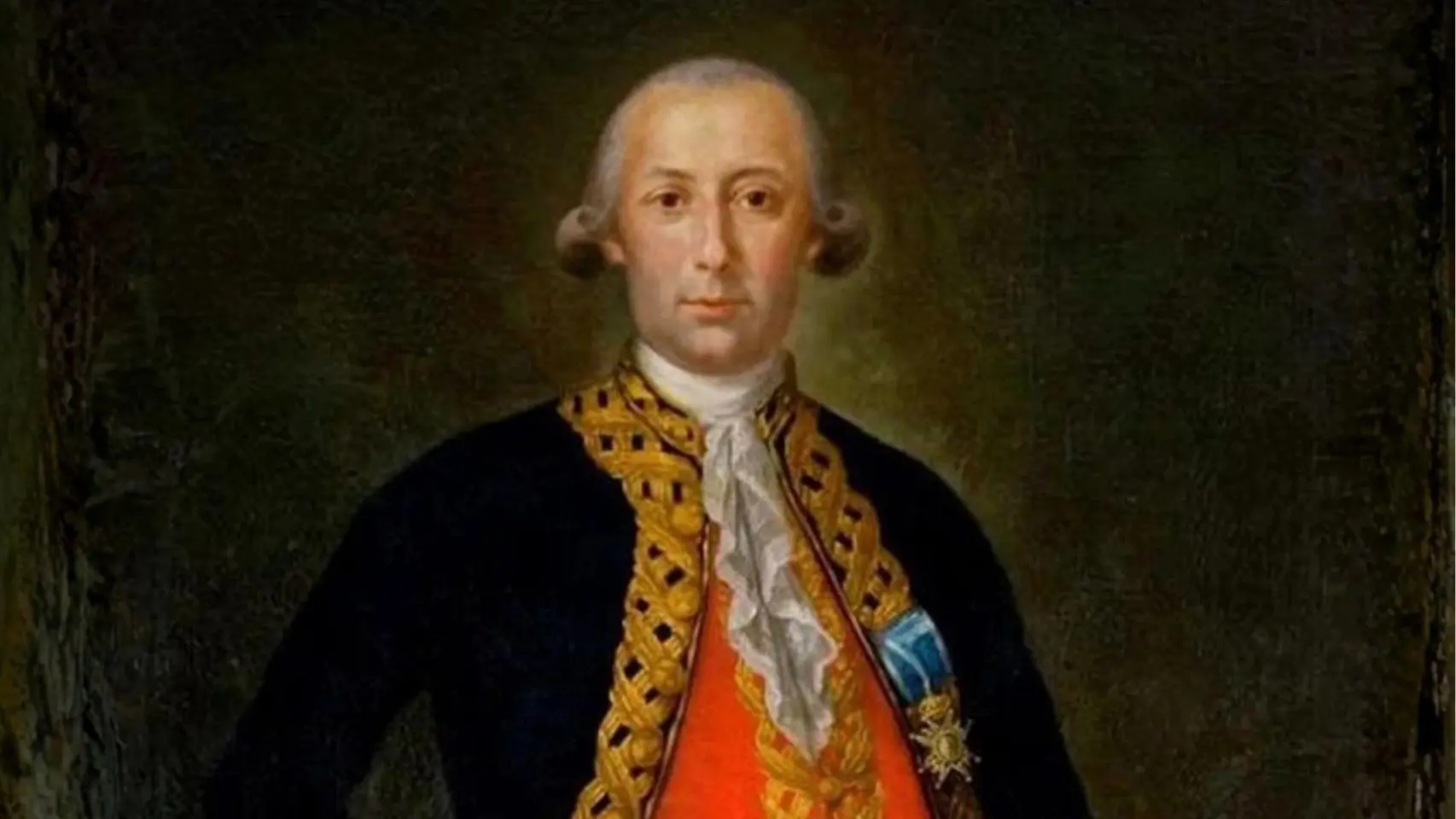
Creoles, mestizos, Afro-descendants, and Indigenous people from Cuba, Puerto Rico, Mexico, and Venezuela fought in the American War of Independence against the British.
Now that the 250th anniversary of the birth of the United States is being commemorated, we must not forget the importance of Hispanic participation in that achievement.
It is estimated that between 4,000 and 7,000 Hispanic soldiers fought directly, shoulder to shoulder, with the insurgents of the Thirteen Colonies. In addition, many other Hispanics worked “behind the scenes” as Washington’s spies, as well as diplomats, businessmen, and Cuban women who raised funds to support the independence campaign.
At that time, Philadelphia served as the “cradle of the United States.” It was there that the Thirteen Colonies declared their independence from Great Britain, and the newly formed Continental Congress sought help for its independence plans, sending four envoys to three major rivals of the British Crown: Benjamin Franklin to France, Arthur Lee and John Jay to Spain, and John Adams to Holland.
Under a façade of neutrality, Spain and King Charles III secretly supported the 1775 revolution by conspiring against the British and supplying weapons, gunpowder, livestock, and other resources. The reason for such secrecy was that the Spanish Crown knew that if the example of independence spread in Spanish America, Creoles might demand the same.
Some of the Hispanics who risked their lives for the United States included Juan de Miralles (who established a secret intelligence network using spies, including the friar Antonio de Sedella); Diego María de Gardoqui y Arriquibar (who promoted a supply and support network for Washington’s troops); José Moñino y Redondo (who guided King Charles III’s foreign policy to strengthen Spain’s position against England); Martín de Mayorga (who gathered donations from various sources to support the rebels); and Francisco de Saavedra y Sangronis (who coordinated between military leaders in Cuba and the Spanish Court to cover expenses), among many other brave individuals who supported the cause.
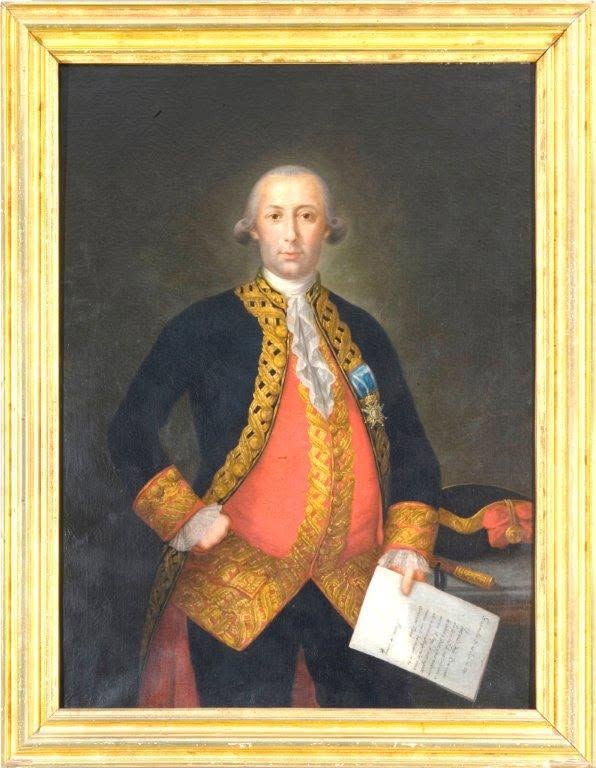
Special mention must be made of Bernardo de Gálvez. Considered the most important Hispanic figure in this historic endeavor, Gálvez was governor of Louisiana from 1776 and prevented the British from conquering the southern United States.
With Spain’s official entry into the conflict, Gálvez became directly involved in defending North American territory from British offensives.
Appointed governor of Louisiana in 1776, he supported the American insurgents from the beginning. With limited resources, he led an army of more than 7,000 men that achieved significant victories in Baton Rouge, Mobile, and Pensacola.
His logistical, economic, and military support for the colonists was key in weakening British control and securing American independence.
Four battles were crucial to his rise as a military leader and to his prominent role in the founding of the United States.
The Mississippi campaign: in 1779, Gálvez informed Cuba of his plan to attack British settlements along the Mississippi and use the element of surprise to compensate for the imbalance between forces.
The capture of Mobile: with reinforcements sent from Cuba, he attacked the British and the following day, set the terms for their surrender.
The victory at Pensacola and the reconquest of West Florida: in March 1781, an expedition from Havana reached Pensacola, where Gálvez, aboard the brig Galveztown, disobeyed his superiors and decided to enter the bay alone, reaching the city. From this event came the motto that would follow him throughout his life—“Yo solo” (“I alone”)—in honor of his bravery in entering enemy territory without proper reinforcements.
His support at Yorktown (Virginia) in 1781 contributed to the surrender of General Cornwallis, a decisive victory that ended the War of the Thirteen Colonies.
At the end of the war, the King granted Bernardo de Gálvez the title of Count of Gálvez and Viscount of Galveztown and recognized his right to bear the motto “Yo solo” on his coat of arms in honor of the Battle of Pensacola. He was also appointed governor and Captain General of Cuba and, in June 1785, Viceroy of New Spain.
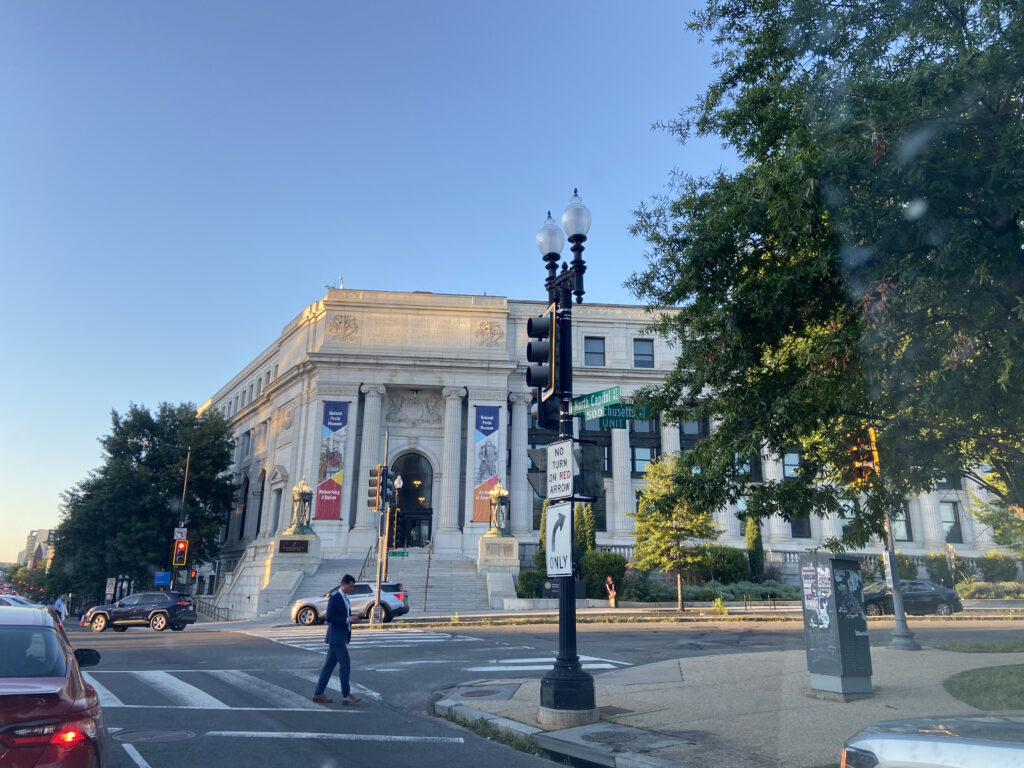
Gálvez’s influence has been recognized in United States history: in 1783, the Founding Fathers approved in the Philadelphia Congress a tribute by placing his portrait in the Capitol in Washington, D.C. However, this promise was not fulfilled until 231 years later—in 2014. Today, his portrait is located in the Senate Foreign Relations Committee room.
In 2014, the U.S. Congress recognized him as one of only eight honorary citizens of the United States.
President Biden stated in 2022 that without Hispanic support, the United States would not be an independent country.
In 2024, the U.S. Secretary of the Navy recalled during the naming ceremony of a frigate (FFG-67) as Bernardo de Gálvez how his actions directly influenced the course of the war “and helped secure the independence of the United States.”
Bernardo de Gálvez has been included in a series of U.S. Postal Service stamps issued for the 250th anniversary, confirming his relevance—and that of the Hispanic world—in U.S. independence.
Hispanic intervention was vital to the emergence of the United States. Spain would later pay a high price for that support: defeated Britain would go on to support independence wars in Spanish territories in the Americas, giving rise to other liberating heroes such as Francisco de Miranda and Simón Bolívar of Venezuela, Juan Pablo Viscardo y Guzmán of Peru, and Santiago Puglia of Spain.
Ultimately, it is important not to forget Hispanic contributions to the War of Independence, to share them, and to take pride in this Hispanic legacy in the United States—woven into the country’s very birth and continued over time. Understanding this legacy provides insight into what Hispanics have represented for the United States in the past and how their contributions remain significant 250 years later: 68 million Hispanics live in the United States, and together they represent the fourth-largest economy in the world.