Pennsylvania’s future is being shaped in real time, and Latinos are at the center of that growth. As one of the fastest-growing populations in the state, Latino communities are contributing to the workforce, starting businesses, and revitalizing neighborhoods. To fully realize this momentum, policy must intentionally remove barriers and expand opportunity. The policy agenda supported by LULAC Pennsylvania reflects exactly that: a roadmap for equity that ultimately benefits everyone who calls Pennsylvania home.
The counties with the greatest share of Latinos were Lehigh (28%), Berks (25%), Monroe (18%), and Luzerne (17%). Luzerne County’s population more than doubled from 2014 to 2024, with an increase of about 31,200 new residents.
At the national level, protecting fundamental rights is essential. LULAC defends birthright citizenship as a constitutional guarantee, ensuring that every child born in the United States has a rightful place in its future. This policy is critical not only for Latino families, but it is a constitutional right rooted in this country’s foundation. Similarly, LULAC’s support for voting by mail expands access to the ballot for all Americans, especially veterans, working families, and those with limited mobility. When voting is more accessible, participation increases, and democracy becomes more representative.
At the state level, economic mobility is a central focus. Supporting HB 2189, which would raise the minimum wage to $15 per hour by 2029, directly impacts Latino workers who are disproportionately represented in lower-wage industries. Raising wages is not just about fairness, it stimulates local economies, increases consumer spending, and reduces reliance on public assistance. When workers earn more, communities thrive.
Latinos with a bachelor’s degree or higher earned about $20,000 more than those with a high school degree. Still, Latinos with a college education in the city of Philadelphia earned about $10,000 less than others in the same city with the same level of education.
Civic participation is another key pillar. LULAC Pennsylvania supports the Committee of Seventy’s Ballot PA initiative, which would allow the state’s 1.4 million independent and unaffiliated voters to participate in primary elections. This reform is critical for Latino voters, many of whom are registered as independents, and ensures broader representation in the democratic process. Expanding access to primaries strengthens the legitimacy of elections and gives more residents a voice in shaping leadership.
Education policy also plays a transformative role. By supporting mandated Latino, Asian, and African American studies programs, similar to those in New Jersey and Connecticut, LULAC PA is advocating for a more inclusive and accurate understanding of history. These programs benefit all students by fostering cultural awareness, critical thinking, and a deeper connection to the diverse communities that make up the state.
Since 1990’s the share of latinos has tripled in the city. Recently, the City of Philadelphia created an office of Latino Affairs, led by Will Garcia. Also, the growth across the state has led to more representation at the county level.
Immigrant protections remain foundational. In partnership with the Pennsylvania Immigration Coalition, LULAC PA supports efforts to end data sharing and collaboration between ICE and local governments. This policy is essential for building trust between immigrant communities and public institutions. When residents feel safe engaging with schools, healthcare systems, and law enforcement, entire communities become healthier and more stable.
At the local level, LULAC PA backs the Committee of Seventy’s initiative to repeal “resign to run” requirements and establish term limits in Philadelphia. These reforms promote transparency, accountability, and fresh leadership, ensuring that government remains responsive to the people it serves.
Taken together, these policies are not just about addressing disparities, they are about unlocking potential. When Latinos are able to fully realize their economic mobility, the impact is far-reaching. Higher wages lead to stronger local economies. Expanded civic participation leads to more responsive governance. Inclusive education builds a more informed and unified society.
The reality is simple: when Latino communities succeed, the state of Pennsylvania succeeds. By advancing policies that promote access, fairness, and opportunity, Pennsylvania positions itself for a more prosperous and inclusive future, one where everyone has a stake, and everyone benefits.
To learn more about the policy initiatives LULAC Pennsylvania supports and explore the Latino Dashboard, go to our website lulacphilly.org under PA Data tab.
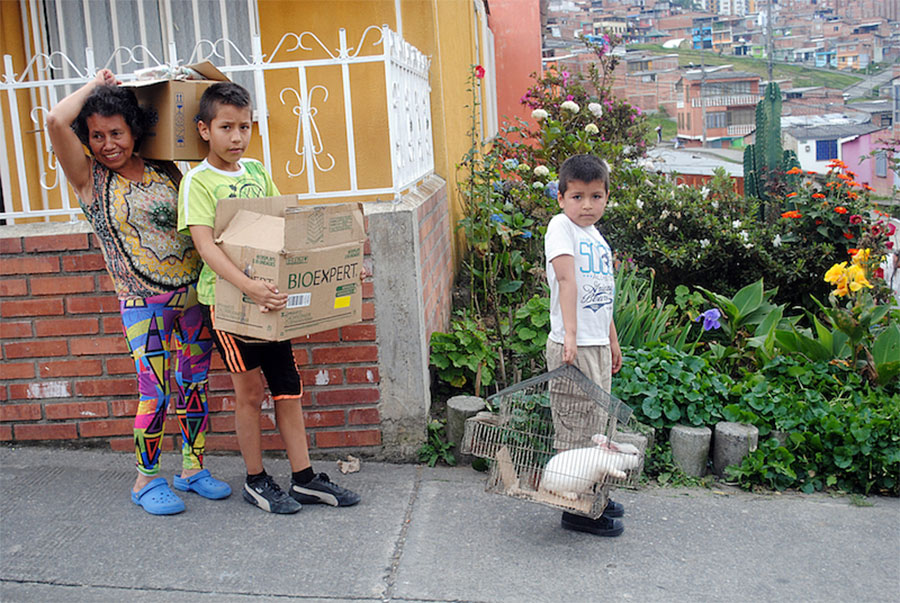
The images were produced by the incredibly talented students from Photography Without Borders.