


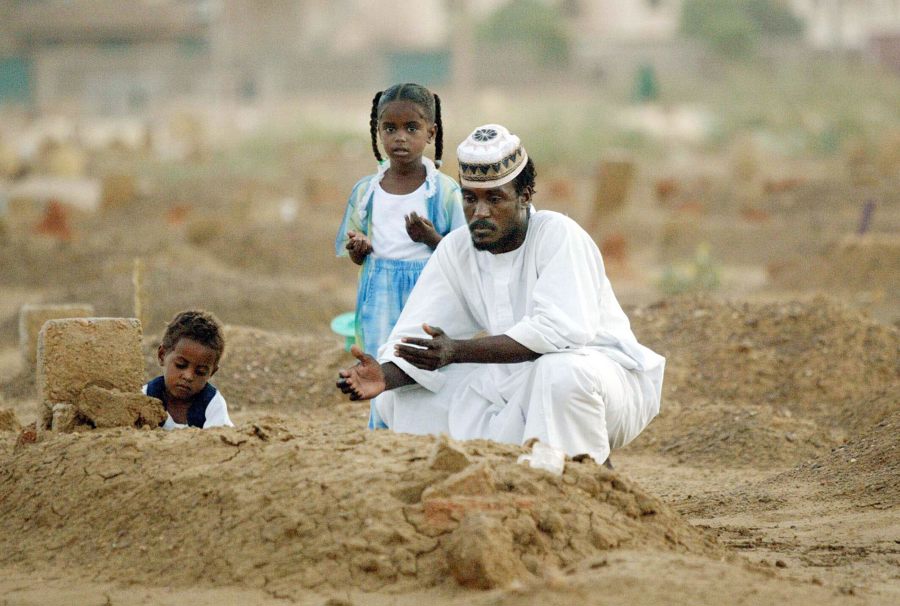
About 4.9 million children died before reaching age 5 in 2024, including 2.3 million newborns, according to a report published Wednesday by the World Health Organization and other international agencies.
Some 58 percent of these deaths occur in Africa and another 25 percent in the Indian subcontinent, the study said, noting that global child mortality has been reduced by more than half since 2000, although the pace of decline has slowed by more than 60 percent since 2015.
“The world has made remarkable progress in saving children’s lives, but many are still dying from preventable causes,” WHO Director-General Tedros Adhanom Ghebreyesus said as the report was released.
The Ethiopian expert also noted that children living in conflict and crisis settings are nearly three times more likely to die before the age of 5.
The leading causes of death among newborns were complications from premature birth (36 percent of cases) and complications during full-term delivery (21 percent), although infections also accounted for a significant share.
Beyond the first month of life, malaria remained the leading cause of death (17 percent), particularly in endemic areas of sub-Saharan Africa, with countries such as Chad, the Democratic Republic of the Congo, Niger and Nigeria among the most affected.
The study also highlighted that more than 100,000 children under 5 died from severe acute malnutrition, while warning that lack of food may have indirectly contributed to many other deaths, as malnutrition weakens children’s immune systems and makes them more vulnerable to infections.
Separately, about 2.1 million children, adolescents and young people ages 5 to 24 died in 2024, with infectious diseases and injuries the leading causes among younger children in that group.
However, risks shift during adolescence, the report noted, with suicide the leading cause of death among girls ages 15 to 19, and road traffic accidents among boys.
Researchers concluded that increased investment in child health is needed to reduce these millions of deaths, most of which are preventable.
This would include scaling up proven, low-cost interventions such as vaccinations, treatment for malnutrition and skilled care during childbirth.