

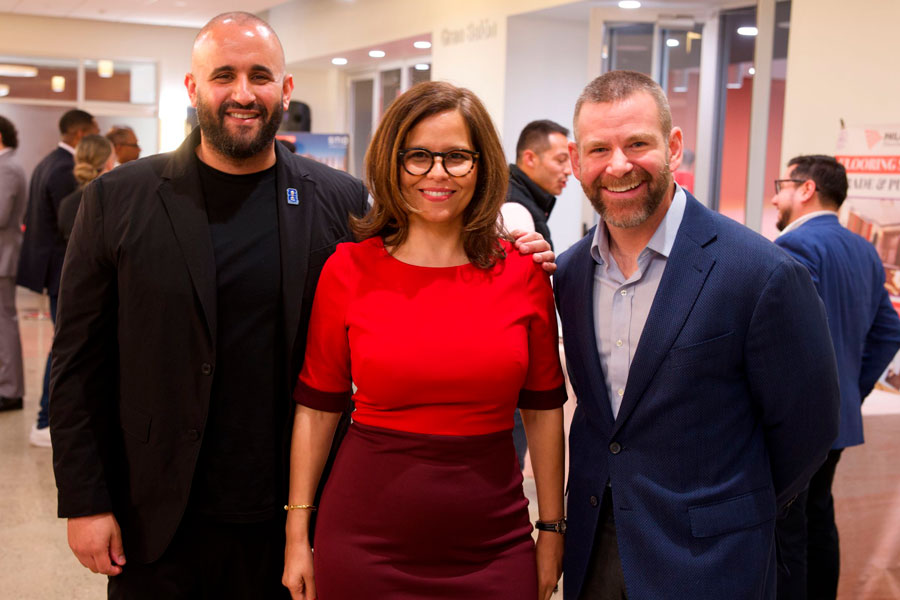
The Greater Philadelphia Hispanic Chamber of Commerce (GPHCC) held its annual meeting on March 26 with the goal of empowering Latino businesses and preparing them for the historic events the city will experience in 2026.
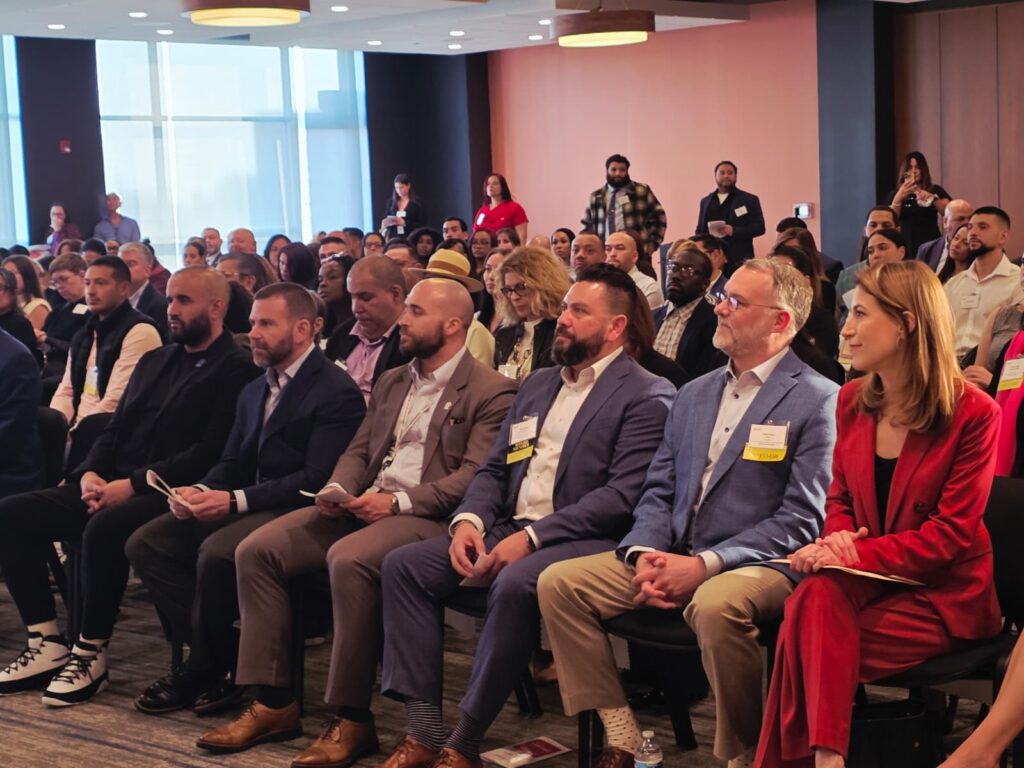
The event, held at Esperanza, brought together business leaders, officials, and representatives from the economic sector, who reviewed the past year’s results and discussed strategies for growth, innovation, and business development.
During the opening, Néstor Torres, Chairman of the Chamber’s Board of Directors, highlighted the organization’s growth and the strengthening of its impact within the community:
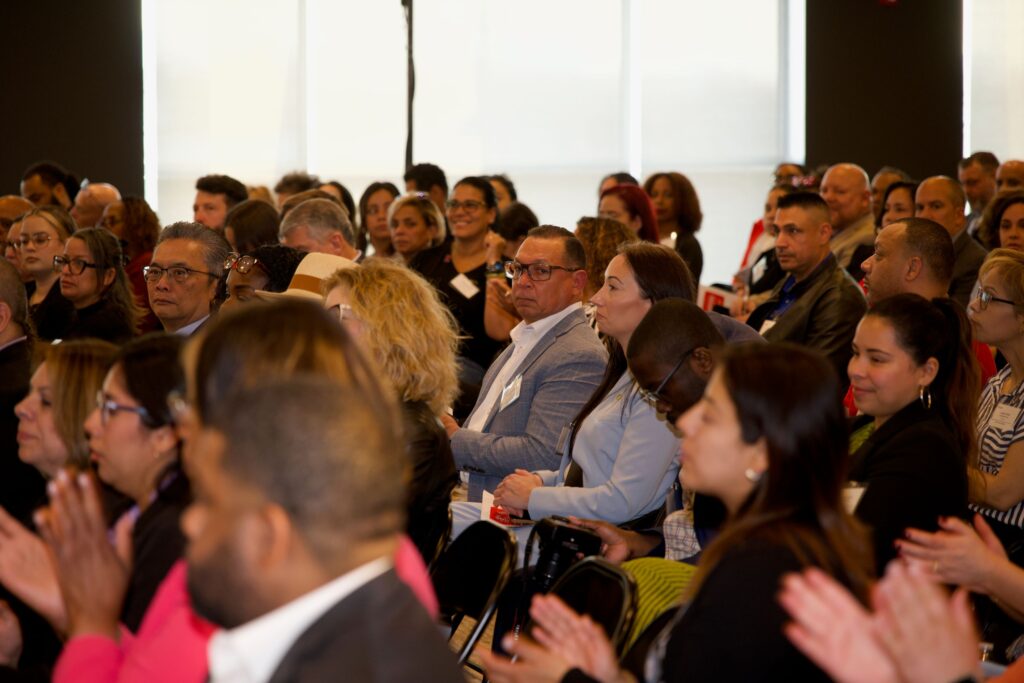
“We are growing not only locally, but also expanding our geographic reach, strengthening our programming, and adopting better technology to connect diverse business sectors”, he stated. “The fact that we broke attendance records tonight demonstrates the momentum and strength of the Hispanic business community.”
Opportunities on the road to 2026
One of the central moments was a panel led by NBC10 journalist Claudia Vargas, focused on how Latino businesses can capitalize on the impact of the 2026 FIFA World Cup and the celebration of the 250th anniversary of the United States.
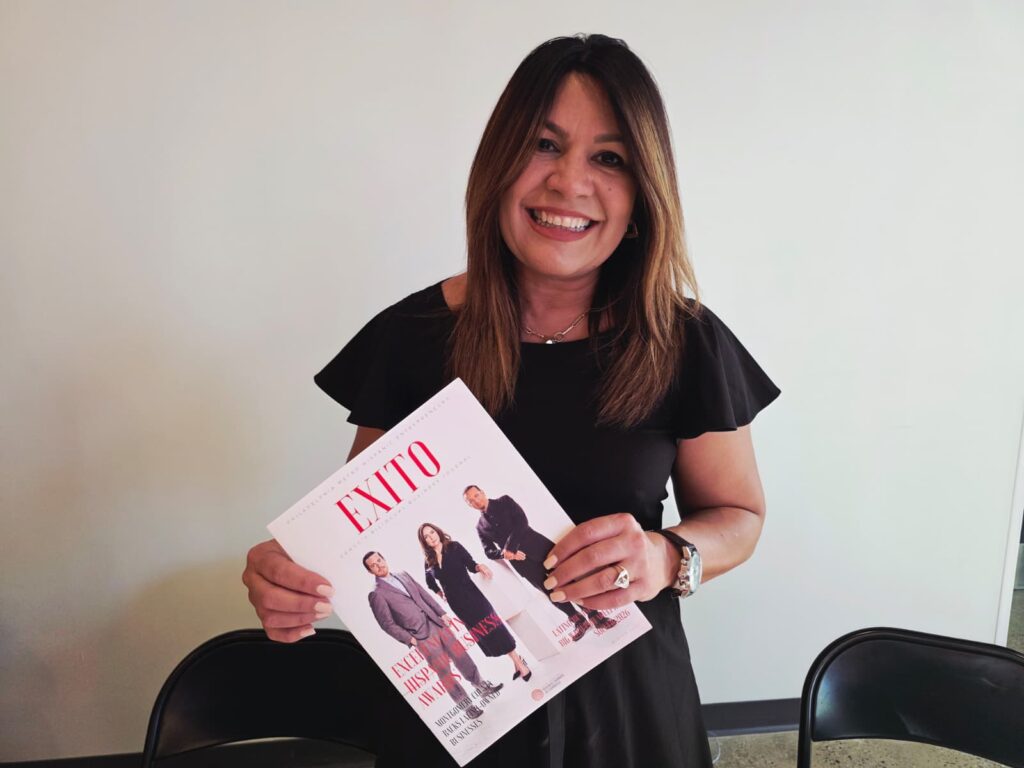
Mayra Soto, Membership Manager of the Greater Philadelphia Hispanic Chamber of Commerce, emphasized the importance of these spaces in connecting entrepreneurs with new opportunities:
“These types of events are very important for our community because they allow business owners to learn about all the opportunities Philadelphia has to offer. We want entrepreneurs to stay active leading up to 2026, when FIFA and other international events will take place,” she noted.
She also invited the community to participate in local initiatives such as Latino Restaurant Week, highlighting the importance of supporting Hispanic-owned businesses.
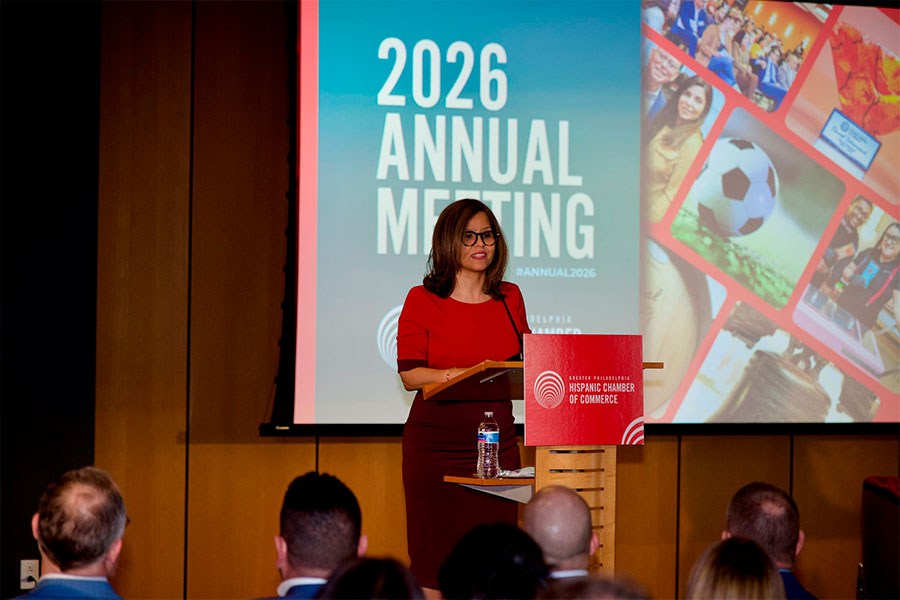
For her part, Jennifer Rodríguez, President and CEO of the Greater Philadelphia Hispanic Chamber of Commerce, emphasized the impact of collective work and long-term business development: “What we see today is the result of more than a decade of collective effort. We have built a resilient and growing organization, helping hundreds of entrepreneurs develop their skills and make strategic decisions,” she said.
Leadership, mentorship, and growth in the energy industry
As part of the agenda, David Vahos, President and CEO of PECO, an Exelon Company, participated in a Fireside Chat where he shared his personal and professional story:
“My parents came to this country as young adults. My father came because he wanted to be a doctor, and with English as a second language, he was able to study medicine here. I was born and raised in Maryland, and that experience deeply shaped who I am today,” he shared.
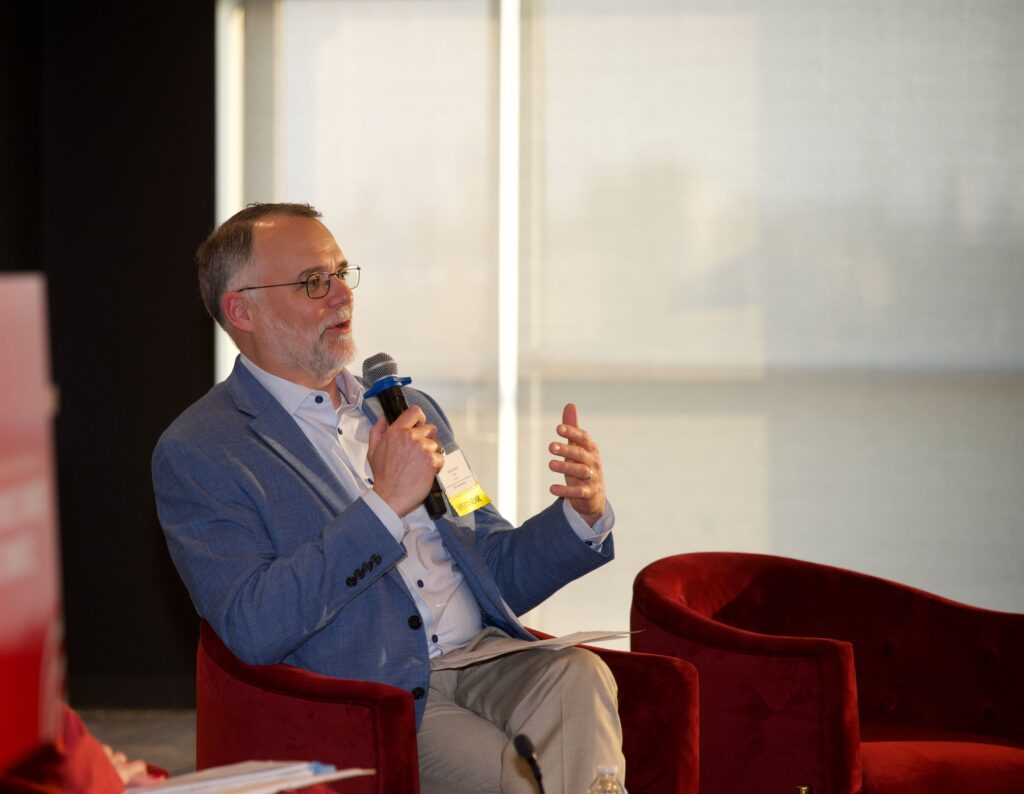
The executive highlighted the growth of the energy sector and the many job opportunities within the industry: “We are in an industry with a lot of work ahead. We are going to grow as a company, and we will need more talent, not less,” he said.
He also underscored the key role mentorship played in his career:
“I had leaders who believed in me more than I believed in myself. That was fundamental to my development,” he added.
Sustainability and the legacy of the 2026 World Cup
In the Philadelphia 2026 Update panel, experts analyzed the impact of major sporting events on the local economy and sustainability.
Michael Del Bene, Executive Producer of Wawa Welcome America, highlighted the importance of thinking about the future of businesses beyond the events themselves: “These events represent a great opportunity for startups and growing businesses. But the key is how to sustain that momentum once they are over,” he noted.
Jonathan Todd, Director of Social Impact for Philadelphia Soccer 2026, explained the city’s commitment to international standards: “There is a clear priority on sustainability and human rights. We are working with local partners to ensure that every stage of the events is responsible and properly followed through,” he said.
He also highlighted the city’s progress in preparing for the World Cup: “Last summer we welcomed more than 350,000 visitors during the Club World Cup. It was just a glimpse of what’s to come,” he concluded.
The event reaffirmed the importance of collaboration across sectors to position Latino businesses within a global landscape that promises to transform the regional economy in the coming years.
For those who would like more information, visit: www.philahispanicchamber.org.