


On Thanksgiving morning, kitchens in Philadelphia will wake early. Oven doors will open with a sigh of steam, families will gather, feast and bow their heads to express their gratitude. This year, let us say it louder and mean it with our hearts: remember who helped us before we remember who we helped. Let our words materialize into positive action towards others rather than evaporate into a kind act “that could have been”. Gratitude is a gift from God. Joy is present when we are content and grateful for what we have instead of chasing more.
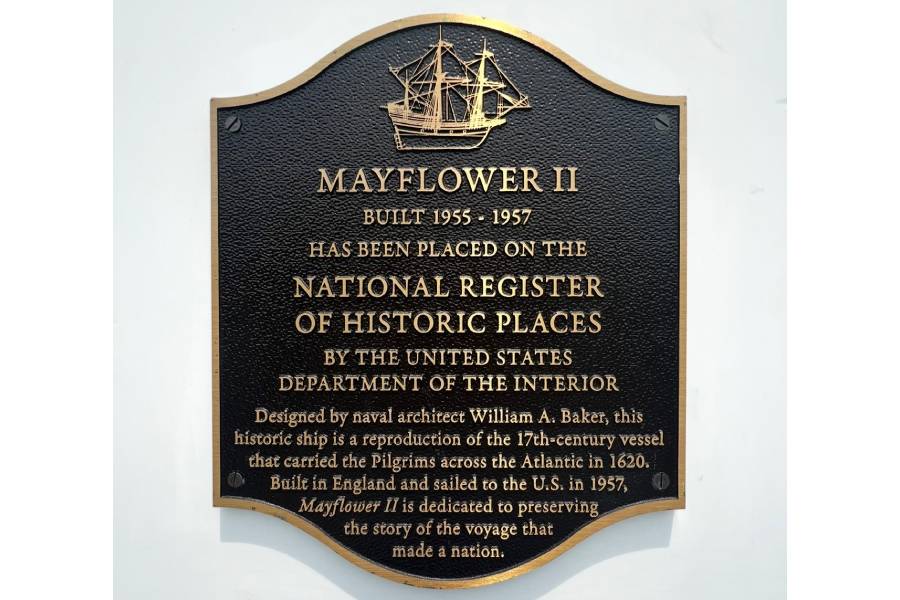
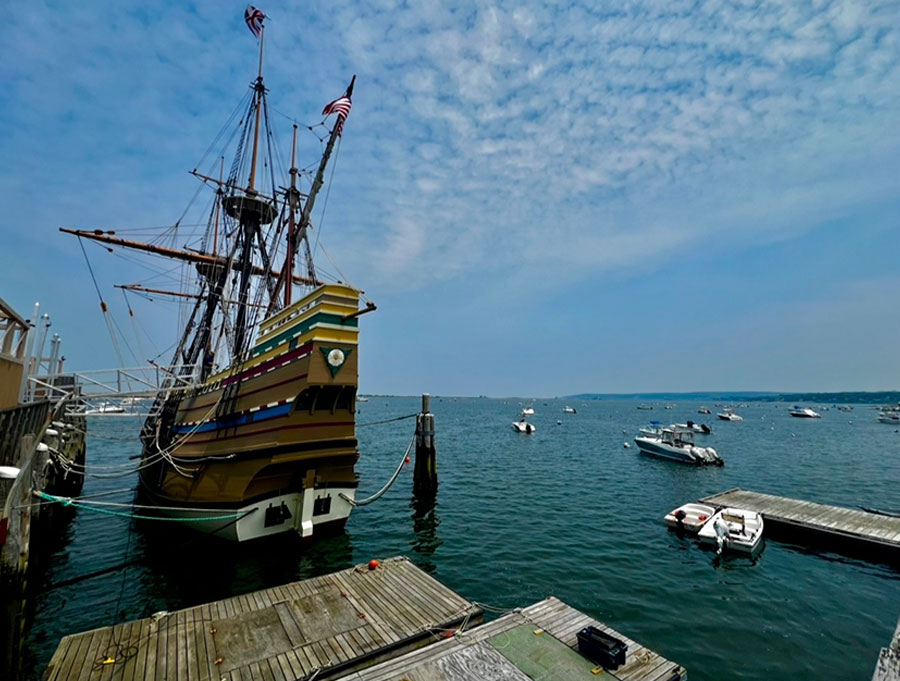
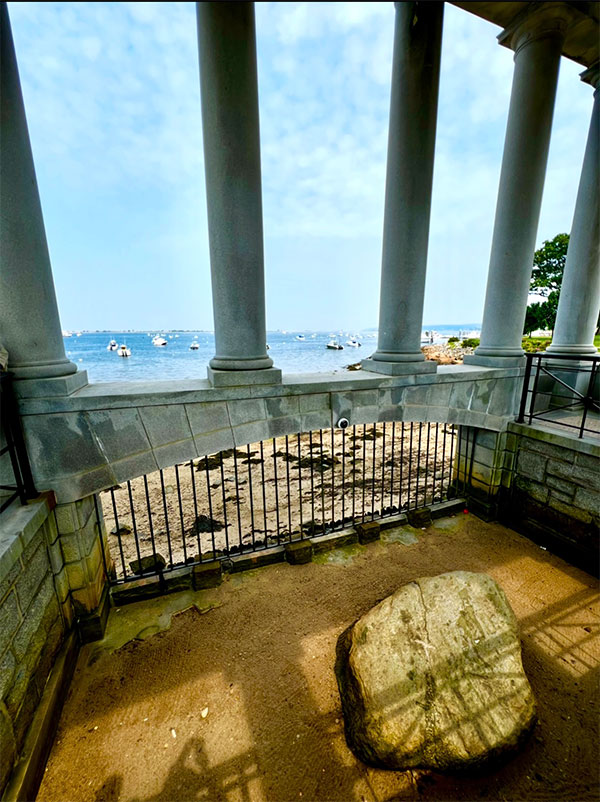
The story of Thanksgiving begins in November of 1620, when the Mayflower reached Cape Cod after 66 days at sea. The passengers were devout Christians, some were Separatists who had broken from the Church of England and some were crew members and a few were fortune seekers sent by London investors. Surprisingly, people from a cold, damp climate arrived at the edge of a New England winter unprepared to survive it. They carried too little food, landed too late to plant and lacked the tools and know-how to live off the woods and shore. Through that «starving time,» two or three settlers died each day. By spring, about half of them lay dead in the frozen ground.
The Pilgrims had entered a world that already had inhabitants and politics of its own. Two Patuxet men, Tisquantum and a man the English called Squanto, made the first approach. They had learned English as captives in Europe. A meeting was arranged, and in March 1621 the Wampanoag leader known as Massasoit pledged peace and mutual defense with Gov. John Carver. Through the summer, Tisquantum taught the strangers to plant native crops, to hunt and to fish. The corn Massasoit gave them saved their lives.
That fall, they celebrated the harvest the way they had as children in England, with a Harvest Home: days of feasting, ale brewed from their one good crop of barley, games and musket fire crackling across the fields. The colonist Edward Winslow wrote in a December 1621 letter that «their greatest king, Massasoit, with some 90 men» joined them, «whom for three days we entertained and feasted.» The connection around a harvest festival was made because both cultures had the custom of celebrating their harvest. Harvest ceremonies have been part of Wampanoag life for thousands of years, long before any English ship appeared on the horizon. The settlers thanked God. But did they keep the Golden Rule? Jesus put it plainly in Matthew 7:12: «Whatever you desire for men to do to you, you shall also do to them.»
History answers. Massasoit kept his word all his life, even as colonists strained the peace with dishonest and brutal dealings and pushed deeper into Wampanoag land. He died in 1661, 40 years after the landing. In 1675, his son Metacom, also called Pometacom, rose against them in what the English called King Philip’s War. The hand that fed the colony was cut off.
How did a three-day harvest party become a national story? English accounts of the 1621 feast resurfaced in the mid-1800s, and romantic paintings of Pilgrims and Indians sharing a table became a symbol of a unity that was no longer real, however. In 1863, the Civil War was tearing the country apart. President Abraham Lincoln proclaimed a national day of Thanksgiving in November, drawing on the story of the Mayflower Pilgrims.
Ingratitude did not end in 1676. It lives in greed that poisons rivers and clears forests, in violence against neighbors and immigrants, and too often among those who purport to be religious but not compassionate. In Matthew 5:23-24, Jesus warns: «If therefore you are offering your gift at the altar and remember there that your brother has anything against you, leave your gift there before the altar, and go your way. First be reconciled to your brother and then come and offer your gift. «So before we carve, let us reconcile. Thank the hands that picked, packed and cooked your meal. Remember who helps you. Gratitude is the bridge to peace.