

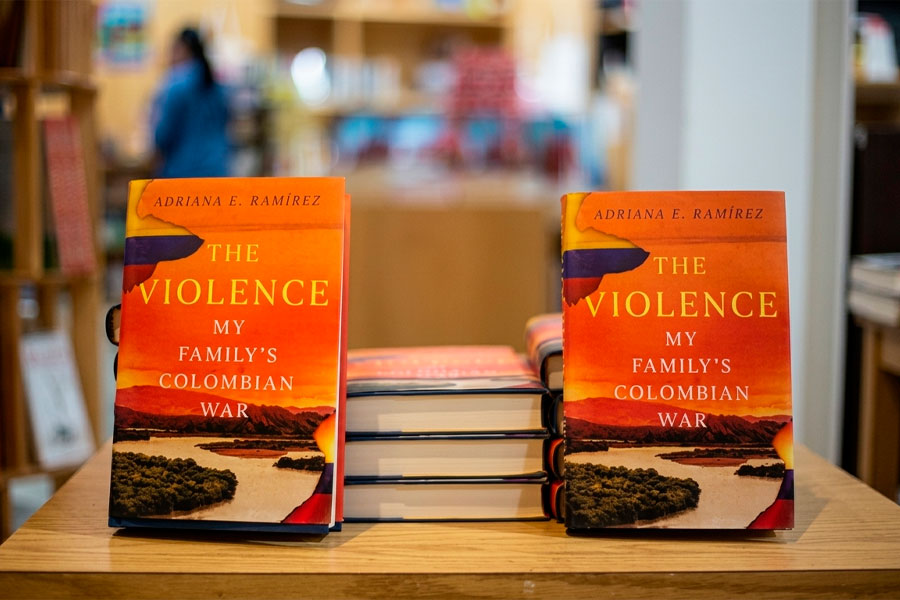
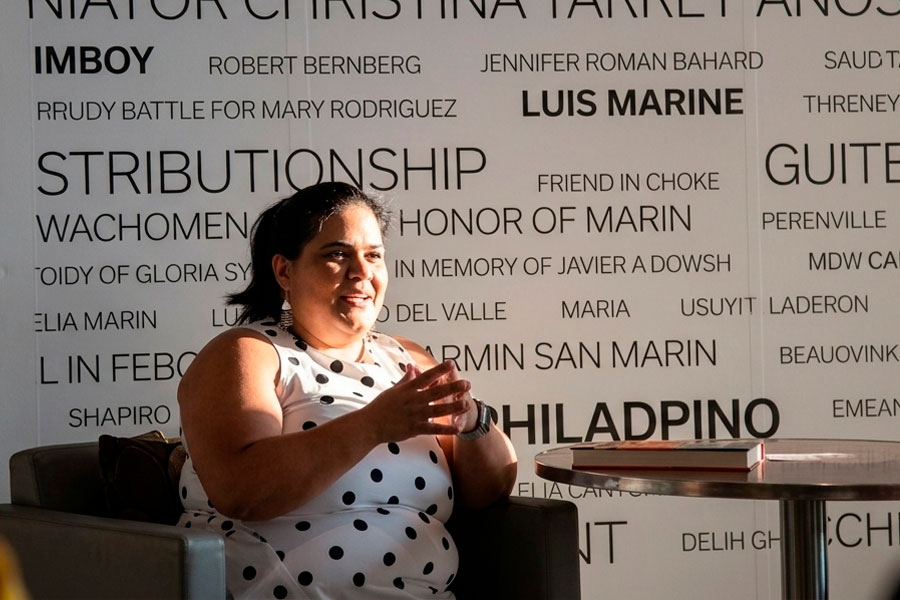
On April 23, Mexican‑ and Colombian‑born author Adriana E. Ramírez presented her latest book, The Violence, My Family’s Colombian War, at Taller Puertorriqueño in Philadelphia. Through an intimate family lens, the book examines a defining and traumatic period in Colombian history—one that opened wounds still felt today. Ramírez describes the work as “a macro‑history of Colombia from the 1940s through the 1990s, combined with the story of my grandmother.”
In conversation with the audience, Ramírez spoke about the forces that compelled her to weave a deeply personal narrative rooted in national tragedy. The conflict she explores erupted following April 9, 1948, when the assassination of political leader Jorge Eliécer Gaitán plunged Colombia into widespread unrest. Known as El Bogotazo, the violence sparked decades of civil conflict that reached even the remote mountain regions where her grandparents, Ester and Aníbal, lived.
Set largely in the rural department of Santander, Ramírez’s family story reflects the brutality of a bipartisan war between Liberals and Conservatives—often referred to simply as La Violencia. This period led to mass displacement, deep inequality, and long‑lasting trauma, shaping Colombia’s social and political landscape for generations. Through her storytelling, Ramírez connects Colombia’s political history with her own personal roots, revealing a country marked by displacement, polarization, and domestic violence, yet also defined by extraordinary beauty and resilience.
(Photo: Cristian Marín)
Like other Cold War–era conflicts around the world, Colombia’s struggle was framed in stark binaries—“reds and blues,” Liberals and Conservatives. Amid rifles, machetes, political flags, and rural farmers caught in the middle, Ramírez introduces her grandparents’ love story. Their relationship unfolds with courage and tenderness, surviving in the midst of a war that often seemed endless. Her grandmother Ester emerges as a central figure—a powerful symbol of strength, determination, and survival.
Many of Colombia’s later struggles—including the rise of guerrilla movements, political polarization, and the violence tied to the drug trade—can be traced back to the instability and social fractures of this era. Ramírez’s book situates those broader developments within the lived experience of a single family, one of countless families forced to migrate and adapt in order to escape violence. For the author, this deeply personal account ultimately serves as “an invitation to understand forgiveness.”
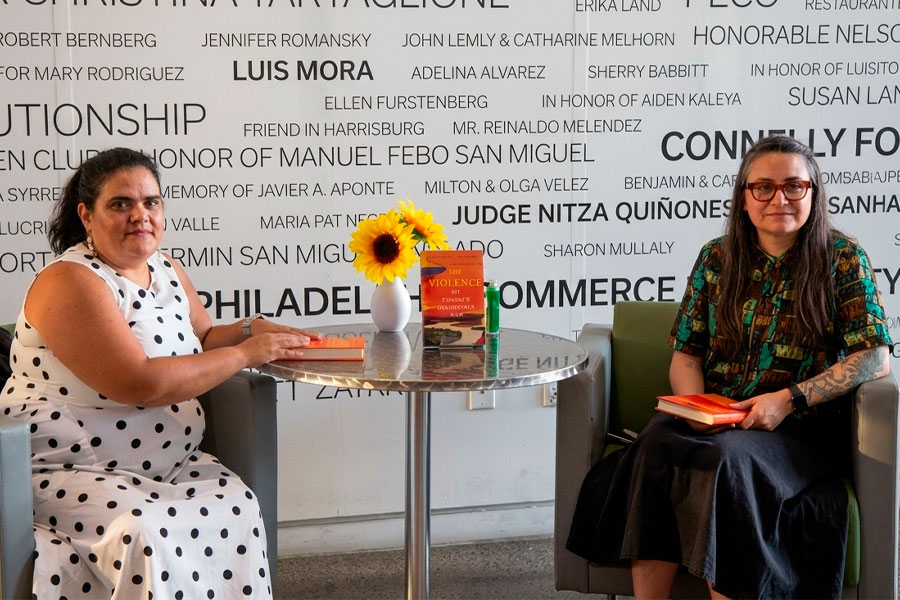
For U.S. readers less familiar with Colombian history, La Violencia refers to the period beginning with Gaitán’s assassination in 1948 and extending through the mid‑20th century. The events of that day in Bogotá marked the start of decades of partisan bloodshed, the consequences of which continue to shape Colombia today.
Adriana E. Ramírez is also an acclaimed novelist and poet. In 2015, she received the PEN/Fusion Emerging Writers Prize for her novel Dead Boys. She has written as a columnist and literary critic for major U.S. publications including The Boston Globe, Los Angeles Times, Guernica, and PEN America, among others.
More information about her work and details on how to purchase The Violence, My Family’s Colombian War can be found on her Instagram account @adrianawrites. Ramírez will continue presenting the book in other U.S. cities, including an upcoming event in Pittsburgh.