San Juan, Puerto Rico.– Bad Bunny y su equipo de trabajo lanzaron una oferta para este jueves para ver en más de una docena de cines de Puerto Rico dos de sus tres presentaciones que tiene este fin de semana en la isla, para impulsar la participación electoral en las elecciones generales de noviembre.
La oferta especial consiste en comprar dos entradas por el precio de una para ver desde la sala del teatro las presentaciones de Bad Bunny del viernes y sábado en el Coliseo de Puerto Rico, en San Juan, que forman parte del cierre de su gira ‘Most Wanted Tour’, según se explicó en un comunicado.
La venta de las entradas solo se llevará a cabo hoy exclusivamente en las boleterías de Caribbean Cinemas.
Para acceder al precio especial, los aficionados tendrán que asistir en persona y presentar su tarjeta electoral.
El límite por persona es de dos boletos comprados, para un total de cuatro entradas.
La oferta no está disponible por internet, ni en las salas VIP de Distrito T-Mobile, San Patricio, ni salas IMAX.
Las salas de Caribbean Cinemas ofrecerán además una experiencia única a los asistentes con la proyección de un documental exclusivo sobre Bad Bunny, que no estará disponible en ningún otro lugar.
Los aficionados también podrán adquirir mercancía del artista, disponible para la venta.
Bad Bunny cerrará su gira el próximo domingo en la isla.
El exponente caribeño ha expuesto su interés político desde que se unió a otros artistas puertorriqueños en las protestas para pedir la renuncia del entonces gobernador de Puerto Rico Ricardo Rosselló en el verano de 2019 por participar de un polémico chat que provocó una crisis política y social en la isla.
Luego de eso, Bad Bunny acudió personalmente a las oficinas centrales de la Comisión Estatal de Elecciones de Puerto Rico a sacar su tarjeta electoral, impulsando a los jóvenes a hacer lo propio, y participar de las elecciones generales de 2020, por lo que ahora quiere hacer lo mismo para el evento de noviembre próximo.
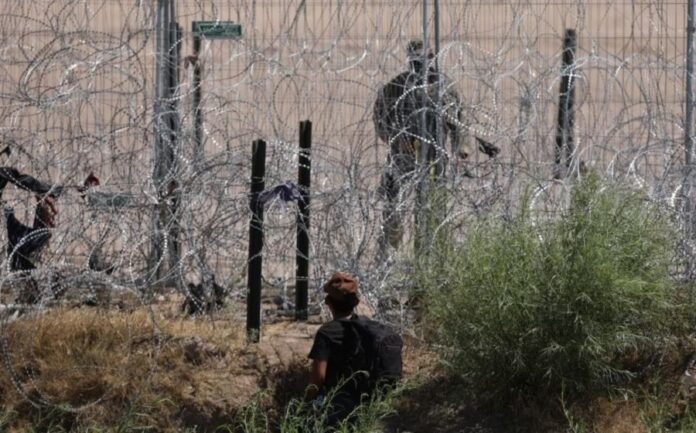
Un migrante que busca asilo en Estados Unidos es vigilado por un miembro de la Guardia Nacional de Texas después de cruzar el río Grande, visto desde Ciudad Juárez, estado de Chihuahua, México, el 5 de junio de 2024.
Las limitaciones al asilo a migrantes irregulares no significan un cierre total de la frontera sur de EE. UU., abierta a quienes usen las vías legales para migrar, dijo a la VOA un funcionario de la administración Biden, que insistió en la diferencia de estas medidas con las tomadas por Donald Trump.
WASHINGTON — Las nuevas restricciones al asilo para migrantes irregulares activadas por el presidente de Estados Unidos, Joe Biden, no significan el «cierre de la vida legítima de la frontera» con México, a la que tendrán acceso quienes utilicen las vías legales para emigrar, dijo a la Voz de América un alto funcionario de la administración.
Desde la medianoche del 5 de junio, todo migrante que intente cruzar irregularmente la frontera queda descalificado para un proceso de asilo y puede ser removido del territorio estadounidense de manera expedita, según una orden ejecutiva firmada y anunciada el martes por Biden.
Aunque en la práctica la medida cierra el acceso a quienes intenten cruzar de manera irregular, con escasas excepciones, el asistente principal de Comunicaciones del Departamento de Seguridad Nacional de EE. UU., Luis Miranda, asegura que «no es un cierre de la vida legítima de la frontera».
«Lo que es, es una restricción y limitación sobre el acceso al asilo», especificó Miranda a la VOA.
«Las personas que cruzan ilegalmente quedan inelegibles automáticamente», insistió Miranda, quien además confirmó que quienes programen una cita para comparecer en un puerto de entrada a través de la aplicación CBP One, «no se verán afectados por esta norma», que tampoco aplica a residentes permanentes o personas con visados, quienes pueden entrar y salir de EE. UU. legalmente.
La Administración Biden defiende estas limitaciones como un beneficio para quienes «tienen reclamos legítimos de protección» y se les «hace más difícil el acceso debido a que hay tantas personas sin reclamos legítimos que también están congestionando el sistema».
La prohibición de asilo a migrantes irregulares en frontera tiene como excepción a un pequeño grupo que incluye a menores no acompañados, personas con grave amenaza de salud o seguridad y víctimas de trata.
Consecuencias aún cuando terminen las restricciones
Las nuevas medidas fueron decretadas por el presidente Biden en uso de sus facultades ejecutivas, tras el rechazo de una propuesta migratoria bipartidista en el Senado.
En medio de un año electoral, donde la inmigración es un tema de relevancia para los votantes, esta es una vía para frenar un repunte en las llegadas a una «abrumada» frontera, insistió el mandatario, que busca la reelección el próximo noviembre.
Las restricciones son temporales y servirán para controlar los cruces irregulares cuando el promedio semanal supere los 2.500 diarios, una cifra que actualmente «está más o menos en los 4.000 diarios durante el último mes, mes y medio, y eso significa que (la orden) entró en vigor a partir de la media noche de anoche», indicó Miranda.
Esta medida dejará de estar activa cuando los arrestos caigan por debajo de 1.500 por día, aunque esto no quiere decir que se relajarán las acciones gubernamentales contra la inmigración irregular.
«Aún cuando se reduzcan a 1.500 o menos por ese promedio semanal, es importante que la gente sepa que igual hay consecuencias bajo la ley por cruzar ilegalmente, cuando estén bajo esos cruces y las consecuencias siguen incluyendo la deportación. La diferencia es que en este momento, automáticamente, ese cruce ilegal resulta en ser inelegibles para el asilo», advirtió el funcionario.
«Gran diferencia» con el gobierno de Donald Trump
El anuncio de la restricción al asilo fue recibida con críticas por parte de organizaciones pro inmigrantes, demócratas y republicanos por igual.
Para los legisladores y políticos del Partido Republicano, en su gran mayoría a favor de leyes de «mano dura» contra la inmigración, las nuevas medidas de Biden no son suficientes.
Por otro lado, activistas y el ala más liberal del partido del presidente demócrata, consideran que violan los derechos de los migrantes. Muchos señalan que Biden se apoyó en la misma disposición legal que se basó Trump para imponer su política de “tolerancia cero” con los cruces irregulares y la prohibición de viajes a ciudadanos de siete naciones predominantemente musulmanas, revertidas por el actual mandatario cuando asumió en 2017.
La Unión Estadounidense de Libertades Civiles (ACLU en inglés) dijo el martes que tiene la intención de demandar, como ya hizo exitosamente junto a otros grupos contra las prohibiciones de asilo similares emitidas por el expresidente Trump.
Sin embargo, la Administración Biden rechaza estas comparaciones. «Desde que entró en gobierno esta administración, hemos hecho lo posible por acabar con políticas crueles y que no son efectivas», insistió el asistente principal de Comunicaciones del Departamento de Seguridad Nacional.
«La gran diferencia entre lo que se hizo en el gobierno previo y ahora, es que hemos mantenido el acceso a procesos y protección bajo el asilo y otras obligaciones internacionales, porque tenemos las citas que existen a través de la aplicación CBP One para presentarse en un puerto de entrada», explicó Miranda, que además mencionó los programas de parole humanitario para cubanos, haitianos, nicaragüenses y venezolanos impulsados por Biden.
El funcionario también recordó que el actual gobierno ha expandido y modernizado y ampliado los procesos de reunificación familiar y establecido centros de procesamiento en Colombia, Costa Rica, Ecuador y Guatemala bajo la Iniciativa de Movilidad Segura.
«La diferencia es que hay un acceso verdadero, muchas opciones distintas para personas que necesitan protección, hace que estas acciones sean muy distintas a lo que se vio previamente, donde se buscaba cerrar por completo el sistema», remarcó Miranda.
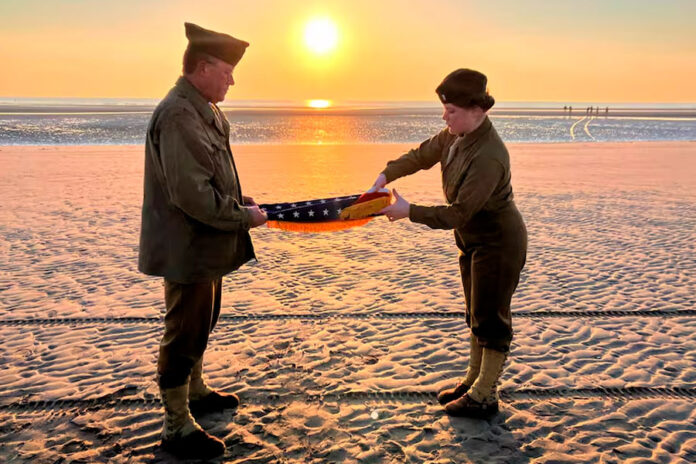
Christophe Receveur y su hija Julie, de Francia, extienden una bandera estadounidense que él compró hace seis meses en Gettysburg, Pensilvania, para conmemorar el Día D, el jueves 6 de junio de 2024 en la playa Utah, Normandía. (Foto: AP/John Leicester)
Líderes, veteranos y visitantes de todo el mundo rindieron homenaje el jueves a la generación del Día D en conmovedoras ceremonias en las playas de Normandía y sus alrededores, donde los aliados desembarcaron hace 80 años. Muchos pensaban en la guerra de Ucrania, y el mensaje de que no debe permitirse triunfar a la tiranía se repetía con frecuencia.
La cifra cada vez más pequeña de veteranos de la II Guerra Mundial que hacen el peregrinaje de vuelta a Francia, así como la invasión rusa de plena escala en Ucrania, que acabó con la esperanza de que la guerra no volviera a destruir ciudades y vidas en Europa, añadían emoción al aniversario de los desembarcos aliados el 6 de junio de 1944.
El amanecer ocho décadas después de que las tropas aliadas llegaran a la orilla bajo el fuego enemigo en cinco playas con nombres clave —Utah, Omaha, Gold, Juno y Sword— dio inicio a una jornada de recuerdo de los países aliados que ahora apoyan juntos a Ucrania, y sin que Francia, la anfitriona, hubiera invitado a Rusia, otro aliado de la IIGM. París atribuyó la falta de invitación a la “guerra de agresión contra Ucrania que se ha intensificado en las últimas semanas”.
Se estima que los muertos y heridos en ambos bandos en Ucrania ascienden a cientos de miles, y los homenajes a los más de 4.400 muertos aliados en el Día D y muchos decenas de miles más, incluidos civiles franceses, en la consiguiente Batalla de Normandía, estaban envueltos en preocupaciones sobre que las lecciones de la II Guerra Mundial se están perdiendo.
“Hay cosas por las que merece la pena luchar”, dijo el veterano de la II Guerra Mundial Walter Stitt, que sirvió en divisiones de tanques y cumple 100 años en julio, durante una visita a la playa Omaha esta semana. “Aunque ojalá hubiera otra forma de hacerlo que intentando matarse unos a otros”.
“Aprenderemos uno de estos días, pero yo ya no estaré aquí», dijo.
Mientras veteranos ya centenarios repasaban los recuerdos de viejos camaradas enterrados en Normandía, la presencia del presidente de Ucrania, Volodymyr Zelenskyy, en los actos de recuerdo junto a otros líderes mundiales que respaldan la lucha ucraniana contra la invasión rusa —como el presidente de Estados Unidos, Joe Biden— inevitablemente unirá el jueves el doloroso pasado de la II Guerra Mundial con la contienda actual.
Conscientes de la inevitabilidad de que los grandes aniversarios del desembarco pronto se celebrarán sin veteranos de la II Guerra Mundial, un gran número de personas con uniformes y vehículos de la época, así como turistas interesados en el espectáculo, han llenado Normandía para el 80 aniversario.
El presidente de Francia, Emmanuel Macron, el rey de Inglaterra, Carlos III, y la reina Camilla asisten a una ceremonia por el 80vo aniversario del desembarco aliado en Normandía en la II Guerra Mundial. (Foto: AP/Ludovic Marin)
“Es muy histórico, y debemos recordar los sacrificios de todo el mundo que nos dio nuestra libertad”, dijo Becky Kraubetz, británica residente en Florida, cuyo abuelo sirvió en el ejército británico durante la II Guerra Mundial y fue capturado en Malta.
“Da escalofríos, todo lo que ocurrió aquí. Imagine saltar al agua, helada”, dijo la mujer de 54 años mientras miraba al Canal de la Mancha con lágrimas en los ojos. “El valor, el coraje, que la gente enfrente eso es increíble”, añadió.
Kraubetz era una de los miles de personas repartidas a lo largo de varios kilómetros (millas) en la playa Utah, la más occidental de las empleadas en el desembarco.
En un lugar tranquilo alejado de las ceremonias oficiales, el francés Christophe Receveur hizo su propio homenaje, extendiendo una bandera estadounidense que compró en un viaje a Pensilvania para rendir homenaje a los caídos el Día D.
“Olvidarlos es dejarlos morir de nuevo”, dijo el hombre de 57 años, mientras él y su hija, Julie, volvían a doblar la bandera en un apretado triángulo, añadiendo que también pensaba en los que mueren en Ucrania combatiendo la invasión del ejército ruso.
“Todas esas tropas llegaron a liberar un país que no conocían por una ideología: la democracia, la libertad, que ahora se ve muy presionada”, dijo.
Un ambiente como de feria, con camiones y jeeps de la era de la IIGM que pasaban por las calles rodeadas de arbustos tan letales para las tropas aliadas que combatieron contra las atrincheradas defensas alemanas, y grupos de recreación histórica que simulaban escenas bélicas en la arena donde cayeron los soldadas, dejaba en el aire la duda de qué sentido tendrían los aniversarios cuando no quedaran veteranos.
Pero en esta 80va edición, eran las estrellas de los actos en la costa normanda, donde la mayor armada terrestre, aérea y marítima perforó las defensas de Hitler en Europa occidental y ayudó a precipitar su caída 11 meses más tarde.
“De verdad eran la generación de oro, esos chicos de 17, 18 años haciendo algo tan valiente”, dijo James Baker, un holandés de 56 años, mientras salía el sol sobre la playa Utah.
Más allá, en la playa Gold, un gaitero militar tocó exactamente a la misma hora a la que las tropas británicas desembarcaron allí 80 años antes.
El rey Carlos III y el primer ministro británico, Rishi Sunak, asistieron a una ceremonia en honor de los soldados británicos que tocaron tierra allí y en la playa Sword, mientras que el príncipe Guillermo participó en una ceremonia por las tropas canadienses que desembarcaron en la playa Juno, junto con el primer ministro canadiense, Justin Trudeau.
En su discurso, el rey dijo a la multitud que el mundo era afortunado de que una generación “no flaqueara” cuando fue llamada a la acción.
“Nuestra obligación es recordar lo que defendieron y que lo que consiguieron para nosotros nunca disminuya”, afirmó.
En francés, Carlos también rindió homenaje al “número inimaginable” de civiles franceses asesinados en la batalla de Normandía, y el valor y el sacrificio de la resistencia francesa.
El presidente de Francia, Emmanuel Macron, prometió el jueves a los veteranos que “Francia nunca olvidará” su batalla para liberar a Europa de los nazis.
En una ceremonia posterior en el cementerio estadounidense, con vistas a la playa Omaha, el presidente de Estados Unidos, Joe Biden, afirmó que “no abandonaremos” la defensa de Ucrania.
“Rendirse ante los abusones, ceder ante los dictadores, es simplemente impensable”, dijo. “Si hiciéramos eso, supondría que estamos olvidando lo que ocurrió en estas playas”.
Entre los que viajaron a Normandía había algunas de las millones de mujeres que construyeron bombarderos, tanques y otro armamento, y que jugaron otros papeles vitales en la II Guerra Mundial, que durante muchos años quedaron en un segundo plano tras las hazañas de combate de los hombres.
“No lo hacíamos por honores y premios. Lo hacíamos para salvar nuestro país. Y terminamos salvando el mundo”, dijo Anna Mae Krier, de 98 años, que trabajó como remachadora para construir bombarderos B-17 y B-29.
Homenajeados allá donde iban, algunos con sillas de ruedas y bastones, los veteranos aprovechaban para reiterar un mensaje que esperaban fuera eterno: Nunca olviden.
“Saber la cantidad de gente que murió aquí es asombroso», dijo Allan Chatwin, de 98 años, que sirvió en la Marina estadounidense en el Pacífico, durante una visita en Omaha, la playa con más muertos aliados del desembarco.
Rápidamente agregó: “No sé si asombroso es la palabra”.
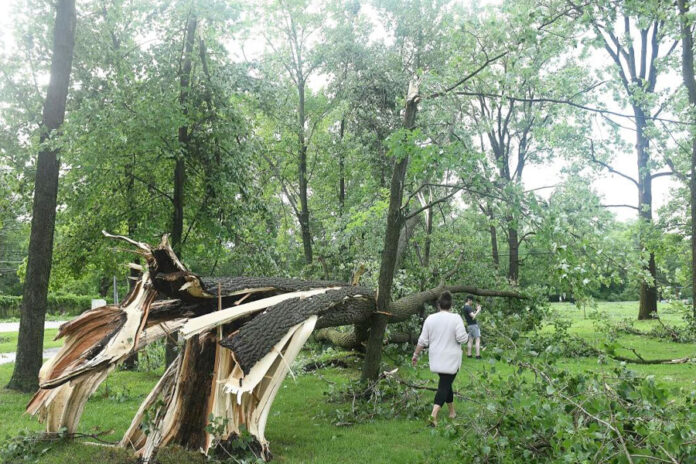
Laure (cq) Hibberd and her son, Johnny Hibberd walk past a downed tree at Rotary Park after a tornado swept through the area in Livonia, Mich., Wednesday, June 5, 2024. (Photo: AP/Robin Buckson/Detroit News)
A toddler was killed and his mother was injured when a tornado struck suburban Detroit without warning, while five people were injured when a tornado in Maryland collapsed structures and trapped people inside.
Officials in Livonia, Michigan, said the tornado tore through several neighborhoods on Wednesday afternoon and developed so quickly that there was no advance notice from the National Weather Service or others that would have normally led to the activation of warning sirens.
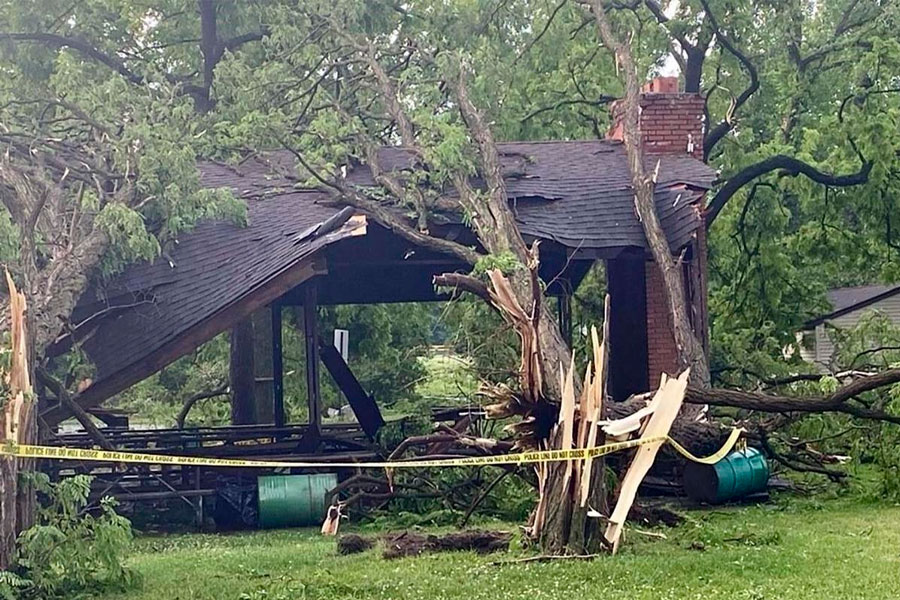
The storm uprooted a massive tree that fell on one family’s house and came through the roof, landing on a bed where a woman and her 2-year-old were sleeping, officials said in a post on the city’s website. Crews worked for nearly an hour to remove the roof and parts of the tree and then lift the tree to get the victims out.
The toddler was pronounced dead at the scene, officials said. The mother was transported to a local hospital in critical condition.
A 2-week-old sibling who was in a crib in a separate room was not injured but taken to a hospital for an evaluation, Livonia Fire Department Chief Robert Jennison told WDIV-TV.
Several trees slammed into a structure at Rotary Park in Livonia, MIch., Wednesday, June 5, 2024 as a tornado tore through the western Wayne County community. (Photo: AP/Nolan Finley/The Detroit News)
“This is a terrible tragedy for our community,” Mayor Maureen Miller Brosnan said in the statement. “Our hearts are broken, too, and we send our deepest sympathies.”
The weather service in Detroit confirmed on the social platform X that an EF1 tornado with a peak wind speed of 95 mph (153 kph) moved through Livonia. The agency said the twister traveled a path spanning over 5 miles (8 kilometers), uprooting trees and damaging some homes.
A representative from the weather service called it a spin-up storm that didn’t show up on their radars in enough time to issue a warning, according to city officials.
It has been a grim spring for tornadoes in the U.S., where severe weather killed at least 24 people during the Memorial Day holiday weekend alone. April had the second-highest number of tornadoes on record in the country. The storms come as climate change contributes in general to the severity of storms around the world.
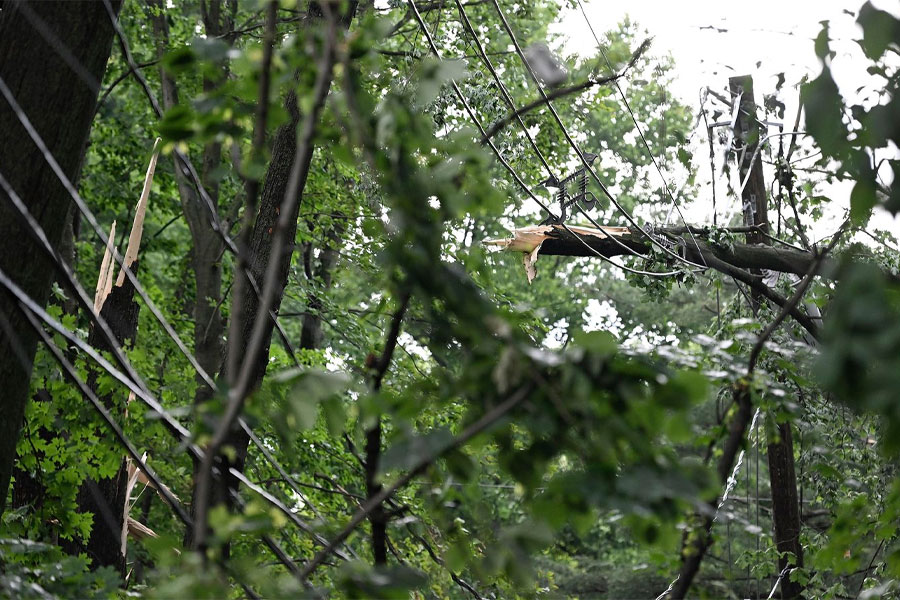
Part of a downed tree is tangled in power lines behind homes on Hubbard Street after a storm in Livonia, Mich., Wednesday, June 5, 2024. (Photo: AP/Robin Buckson/Detroit News)
Tornado warnings were issued for parts of several other states on Wednesday night, including Ohio, New Jersey and Delaware. In New Hampshire’s Seacoast area, storms took down trees and caused power outages.
In Maryland, emergency workers responded to reports that people were trapped inside structures that collapsed after a tornado hit Wednesday night. In Gaithersburg, there were reports of three collapsed structures with people trapped inside, Montgomery County Fire and Rescue Service spokesperson Pete Piringer said. The most significant damage occurred when a large tree fell on a house, injuring five people who were taken to hospitals, including one with traumatic injuries, he said. No serious injuries were reported at the other structures.
Local television footage showed large downed trees that damaged houses when they fell.
There were nine different areas with possible tornadic damage in Maryland that crews will survey, looking at whether there was one tornado that skipped along or different tornadoes, according to Kevin Rodriguez, lead meteorologist at the weather service office in Sterling, Virginia. The office issued 22 tornado warnings Wednesday, the fourth most issued in a single day by the office that covers much of Maryland, the District of Columbia, northern Virginia and the eastern West Virginia panhandle, Rodriguez said.
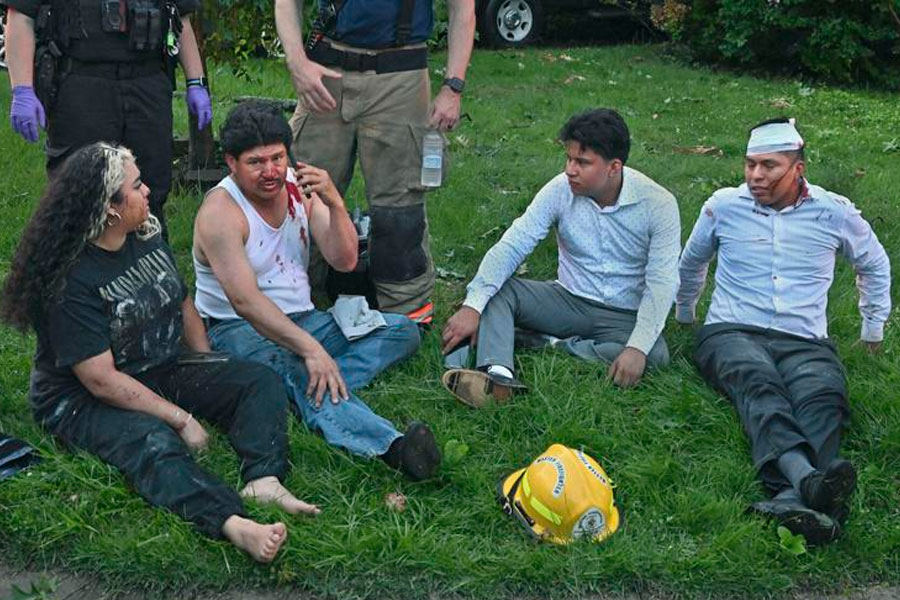
Injured tornado victims are moved to the front yard of a neighbor’s home in Gaithersburg, Md., Wednesday, June 5, 2024, before being transported to a hospital. Several people were hurt when a large tree collapsed on a house on Dogwood Drive. (Photo: AP/Michael S. Williamson/The Washington Post)
In West Virginia’s Berkeley and Jefferson counties, there were images of what were probably tornadoes on the ground, Rodriguez said. Based on video, he said they can confirm four Maryland tornadoes, two in Montgomery County from Poolesville to Gaithersburg and east of Olney, one in the Arbutus area of Baltimore County and another near Carroll County Regional Airport in Westminster. Those areas still have to be surveyed over the next few days to see how strong they were.
“For early June it’s especially rare to get this many tornadoes,” Rodriguez said. “This was pretty prolific for early June.”
In Portsmouth, New Hampshire, fires at two homes on opposite ends of the city were believed to have been started by lightning strikes that happened within 15 minutes of each other, Fire Chief William McQuillen said. Both homes were damaged and one was considered uninhabitable. No injuries were reported.
Father Greg Boyle, a superhero without a cape in the barrio, has saved countless lives through his spiritual leadership, organizing skills, and disciplined outreach with Homeboy Industries of Los Angeles.
Recently, President Biden awarded Father Boyle—known as «G» to some gang members—the prestigious Presidential Medal of Freedom, a well-deserved recognition. The city of Los Angeles also dedicated a special day in his honor.
Explaining his path to this work, Father Boyle says, «I just happened to be assigned as the pastor of the poorest parish in LA, nestled between two public housing projects with the highest concentration of gang activity – eight gangs at war with each other in my parish. I could either bury my head in the sand or roll up our sleeves. We chose the sleeves.»
Across the country, many other good organizations, like Barrios Unidos of Santa Cruz, California, led by Nane Alejandrez, Homies Unidos of Los Angeles now led by Alex Sanchez, and Gerardo Lopez in Denver, help people escape the streets and rebuild their lives. All three served time and were active gang members before dedicating themselves to saving the lives of youth in their communities. These are just a few examples of the many groups working tirelessly to reduce violence and save lives. They deserve recognition too.
However, Homeboy Industries stands out as a truly unique and remarkable organization. At its Los Angeles headquarters, you’ll see gang members from different neighborhoods and ethnicities working and meeting together. It’s the largest and most successful organization of its kind in the USA.
This institution offers a bakery (Homegirl’s Restaurant), counseling services, tattoo removal, employment development programs, and fosters a culture of positive change.
Over the years, G and his team, including seasoned gang leaders and others, have faced numerous challenges. Yet, at each obstacle, they’ve found a way not just to overcome them but to flourish.
Drugs, racism, violence, and oppression lurk at every corner, not just in the shadows but also in broad daylight, tempting and trying to recapture those trying to change.
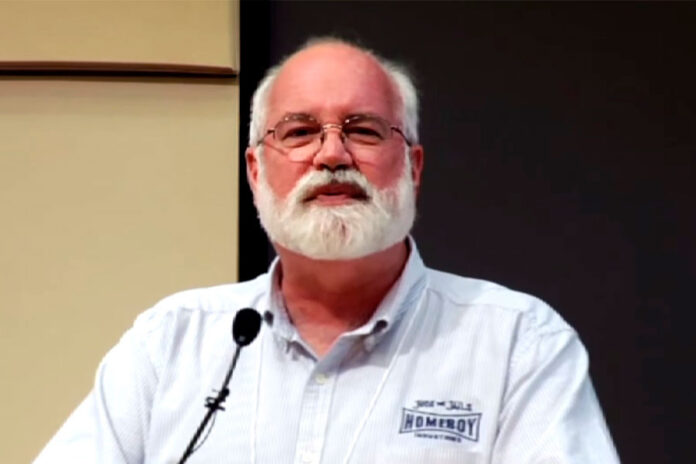
Father Greg Boyle. (Photo: Provided)
THE PAIN OF LOSING SOMEONE TO VIOLENCE OR DRUGS
Father Greg has had to bury too many extraordinary individuals who, under different circumstances, could and should have survived. Those who work with at-risk youth understand the pain of losing someone to violence or drugs. They say each death takes a little piece of your heart.
«I’ve buried 261 young people killed because of gang violence,» G explains, «often kids I loved who were killed by kids I love. As a homie said once, ‘Death is a punk.’ It’s necessary to put death in its place. Besides, how can death be the worst thing that can happen to us, if it will happen to all of us? Not knowing your truth… that’s way worse.»
While many believe discipline is crucial when working with gang members, G reminds us, «I think discipline is overrated. Flexibility… now that’s difficult.»
Over the years, G has faced resistance within the church, the political establishment and even from some law enforcement who didn’t, and some still don’t, accept the reality of Homeboy Industries’ success. Like Martin Luther King Jr., Malcolm X, Cesar Chavez, Dolores Huerta, Sister Helen Prejean and Dorothy Day, he has had to stand tall and strong despite critics and challenges.
G credits Cesar Chavez, Pedro Arrupe (the incredible longtime head of the Jesuit order), a group of Jesuits, countless gang members and even mentions me (an unexpected honor, I must say).
Speaking of his work as a priest, G emphasizes, «God is compassionate, loving-kindness. We are called to be in the world who God is.»
TATTOOS ON THE HEART
Tattoos on the Heart: The Power of Boundless Compassion, G’s wonderful book, takes us on his incredible journey to make a difference and learn compassion.
There’s also much to celebrate and enjoy. As G shares, «The homies say, ‘At Homeboy, we laugh from the stomach.’ My favorite thing.»
The last time we were together, as I walked toward the parking lot, I asked G for a blessing. He turned, smiling, patted me on the shoulder and said, «Magdaleno, it’s too late.»
Saving lives is a demanding but necessary task. Everyone can contribute to making a difference. Ordinary people can perform extraordinary acts of kindness and compassion.
Many religious and spiritual people travel to the Holy Land, Mecca, or other important sites. Homeboy Industries should be one of those sites to visit.
El padre Greg Boyle, un superhéroe sin capa en el barrio, ha salvado innumerables vidas a través de su liderazgo espiritual, habilidades organizativas y su constante labor con Homeboy Industries de Los Ángeles.
Recientemente, el presidente Biden otorgó al padre Boyle –conocido como «G» por algunos pandilleros–, la prestigiosa Medalla Presidencial de la Libertad, un merecido reconocimiento. La ciudad de Los Ángeles también le dedicó un día especial en su honor.
Para explicar cómo se involucró en este trabajo, el padre Boyle nos cuenta: «Me asignaron como párroco de la parroquia más pobre de Los Ángeles, ubicada entre dos proyectos de vivienda pública con la mayor concentración de actividad de pandillas: había ocho pandillas en guerra entre sí en mi parroquia. O enterraba la cabeza en la arena o me arremangaba las mangas. Elegimos arremangarnos».
En todo el país, otras organizaciones de bien, como Barrios Unidos de Santa Cruz, California, liderada por Nane Alejandrez, Homies Unidos de Los Ángeles, ahora dirigida por Alex Sánchez, y Gerardo López en Denver, ayudan a las personas a escapar de las calles y reconstruir sus vidas. Los tres cumplieron tiempo en prisión y fueron miembros activos de pandillas antes de dedicarse a salvar las vidas de los jóvenes en sus comunidades. Estos son solo algunos ejemplos de los muchos grupos que trabajan incansablemente para reducir la violencia. Ellos también merecen reconocimiento.
Sin embargo, Homeboy Industries se destaca como una organización única y notable. En su sede de Los Ángeles vemos a pandilleros de diferentes barrios y etnias trabajando y reuniéndose en armonía. Es la organización más grande y exitosa de su tipo en EE. UU.
Esta institución dispone de una panadería (Homegirl’s Restaurant) y ofrece servicios de consejería, eliminación de tatuajes, programas de desarrollo laboral, además de fomentar una cultura de cambio positivo.
A lo largo de los años, G y su equipo, incluidos líderes pandilleros experimentados, han enfrentado numerosos desafíos. Sin embargo, han encontrado la manera de superarlos.
Las drogas, el racismo, la violencia y la opresión acechan en cada esquina, no solo en las sombras sino también a plena luz del día, tentando e intentando atraer a aquellos que están luchando por cambiar.
(Foto: Proporcionada)
EL DOLOR DE PERDER A ALGUIEN POR LA VIOLENCIA O LAS DROGAS
El padre Greg ha tenido que enterrar a demasiadas personas extraordinarias que, en otras circunstancias, podrían y deberían haber sobrevivido. Los que trabajan con jóvenes en riesgo entienden el dolor de perder a alguien por la violencia o las drogas. Dicen que cada muerte nos lleva un pedazo del corazón.
«He enterrado a 261 jóvenes asesinados debido a la violencia de pandillas», explica G, «con frecuencia eran chicos que tenían mi afecto y fueron asesinados por chicos que también tenían mi afecto. Como dijo una vez un homie, ‘La muerte es una cobarde’. Es necesario poner a la muerte en su lugar. Además, ¿cómo puede ser la muerte lo peor que nos puede pasar, si nos sucederá a todos? No conocer tu verdad es mucho peor».
Mientras muchos creen que la disciplina es crucial al trabajar con pandilleros, G nos recuerda: «Creo que la disciplina está sobrevalorada. Más difícil es la flexibilidad».
A lo largo de los años, G ha enfrentado resistencia dentro de la iglesia, del sistema político e incluso de algunas fuerzas del orden que no aceptaban, y algunos aún no aceptan, la realidad del éxito de Homeboy Industries. Al igual que Martin Luther King Jr., Malcolm X, Cesar Chavez, Dolores Huerta, la Hermana Helen Prejean y Dorothy Day, ha tenido que mantenerse firme y fuerte a pesar de los críticos y los desafíos.
G también da crédito a César Chávez, Pedro Arrupe (el increíble líder de la orden jesuita durante mucho tiempo), un grupo de jesuitas, innumerables pandilleros, e incluso me menciona (un honor que no me esperaba).
Hablando de su trabajo como sacerdote, G enfatiza: «Dios es compasión y amor. Estamos llamados a reflejar a Dios en el mundo».
TATUAJES EN EL CORAZÓN
El maravilloso libro de G, Tattoos on the Heart: The Power of Boundless Compassion, nos lleva en su increíble viaje para marcar la diferencia y aprender la compasión.
También hay mucho que celebrar y disfrutar. Como comparte G, «Los homies dicen, ‘En Homeboy, nos reímos desde el estómago.’ Mi actividad favorita.»
La última vez que nos vimos, mientras caminaba hacia el estacionamiento, le pedí a G una bendición. Sonriendo me dio una palmadita en el hombro y dijo: «Magdaleno, ya es demasiado tarde.»
Salvar vidas es una tarea exigente pero necesaria. Todos pueden contribuir a marcar la diferencia. Las personas ordinarias pueden realizar actos extraordinarios de bondad y compasión.
Muchas personas religiosas y espirituales viajan a Tierra Santa, La Meca u otros sitios famosos. Homeboy Industries debería ser uno de esos sitios a visitar.
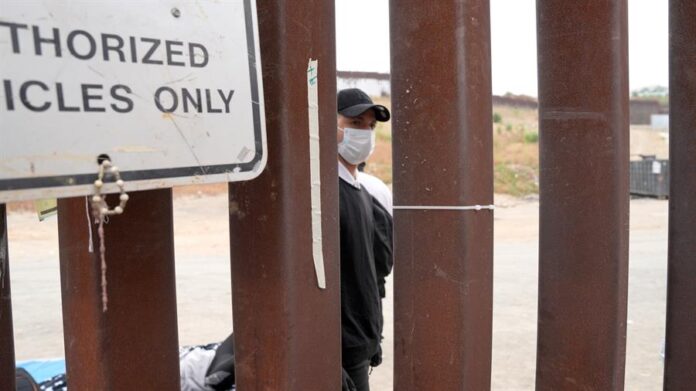
Un migrante espera junto al muro fronterizo, este miércoles en San Ysidro, San Diego (Estados Unidos). (Foto: EFE/ Manuel Ocaño)
El cruce fronterizo entre Tijuana (Baja California) y San Ysidro (California), el más importante de ese estado y por el que entran a diario unos 200 extranjeros, después de las restricciones ordenadas por el presidente Joe Biden para los solicitantes de asilo.
Según observó este miércoles EFE, no se presentó una migración masiva, como se temía, tras el anuncio del demócrata, y apenas había un grupo de unos siete ecuatorianos entre los dos muros migratorios, y el flujo era también normal en la central de autobuses.
En abril pasado las detenciones de migrantes en la región fronteriza de San Diego (37.000) se ubicaron en primer lugar por encima de otras áreas de Arizona y Texas, pero en mayo la cifra se redujo a 29.000 detenidos.
La última semana de mayo tuvo aproximadamente 900 migrantes aprehendidos por día en esta parte de la frontera, según datos de la Oficina de Control de Aduanas y Protección Fronteriza, y las detenciones han ido disminuyendo.
La mayoría de los solicitantes de asilo liberados en San Ysidro este miércoles cruzó la frontera el sábado, permaneció a la intemperie unas 24 horas y después oficiales de la Patrulla Fronteriza los llevaron a un centro para procesarlos y darles documentos y citas en cortes de inmigración.
Ninguno de los migrantes que iban siendo liberados decían tener conocimiento sobre las nuevas medidas restrictivas del demócrata.
Oficiales de migración transportaban aproximadamente cada dos horas un autobús con alrededor de 40 personas que son liberadas en la estación del sistema de transporte eléctrico tróley, cerca de la frontera.
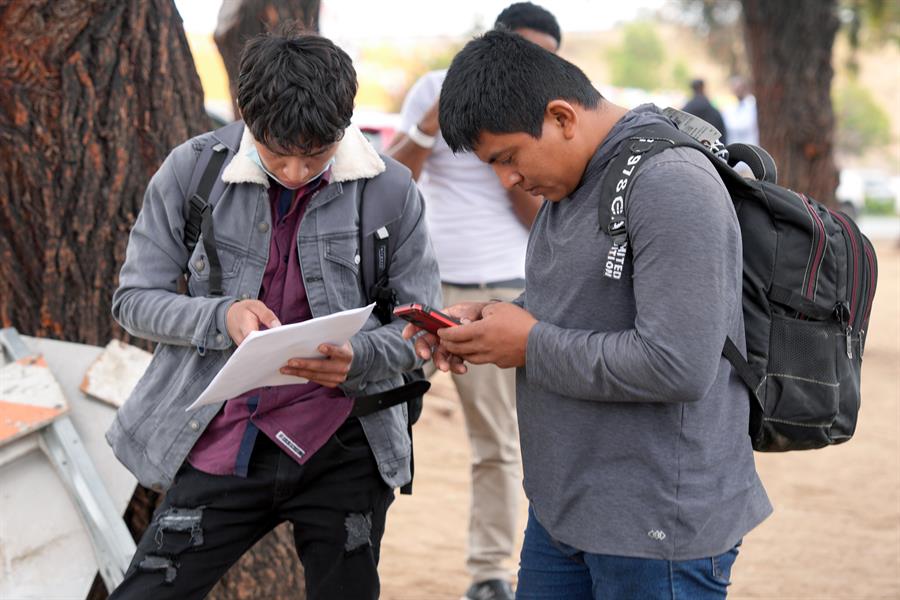
Dos migrantes esperan su turno para subir a un bus, este miércoles en San Ysidro, San Diego (Estados Unidos). (Foto: EFE Manuel Ocaño)
En un recorrido de EFE por el lugar, ninguno de los solicitantes de asilo sabía que el día anterior el presidente Joe Biden había anunciado una orden ejecutiva que de inmediato ordenó restricciones a las solicitudes de asilo en esa frontera.
«Entonces eso significa que fuimos muy afortunados, pasamos antes de que cerraran por primera vez la frontera», dijo a EFE Enrique, un joven salvadoreño.
Fue el único solicitante de asilo que aceptó que pagó a traficantes para llegar a California. Su plan es reunirse con un familiar que radica en Los Ángeles.
Enrique y su mamá dicen que pagaron 36.000 dólares a traficantes de personas que les guiaron de San Salvador a Ciudad de México, de ahí a la fronteriza ciudad mexicana de Tijuana, y una vez en la zona limítrofe les llevaron en auto al pie de las montañas de Otay.
En ese lugar cruzaron y se entregaron a la Patrulla Fronteriza para iniciar el proceso de asilo.
Cuando los oficiales los liberaron en la estación de transporte, cada uno llevaba documentos que les fueron entregados con fechas y otras indicaciones para presentarse ante cortes de migración.
En la estación de transporte un par de jóvenes voluntarias de la organización de asistencia legal Al Otro Lado trataba de organizarlos para proporcionarles ayuda y orientación.
«En San Diego solo hay un aeropuerto y nosotras podemos llevarles gratis para que continúen a los lugares a los que se dirigen para reunirse con sus familiares», decía en inglés y en español la voluntaria Carolina.
Anunciaba que también podía prestarles su celular para que hicieran las llamadas que necesitaran.
Entre los migrantes de India y países asiáticos, los solicitantes de asilo que entendían parcialmente el idioma inglés trataban de interpretar para el resto de sus compañeros.
Con el paso del tiempo han llegado a esa estación de tróley servicios de transporte que ya se ofrecen a los solicitantes de asilo liberados, como Uber, Lyft, cambio de pesos mexicanos por dólares -pero no de otras monedas-, recargas de celulares y chips o tarjetas MSM para hacer llamadas locales con móviles que las personas traen de diversas partes del mundo.
En contraste con las decenas de migrantes que son liberados cada par de horas, otros con menos recursos esperaban entre los muros fronterizos paralelos al oeste de San Ysidro.
Un migrante de Ecuador dijo desconocer las nuevas restricciones, pero insistió en que ellos van a «necesitar la ayuda del Gobierno».
El director del Comité de Servicios de los Amigos Estadounidenses en San Diego, Pedro Ríos, quien a diario asiste a los migrantes que llegan a la zona entre ambos muros, dijo a EFE que el número de personas este miércoles era inusualmente bajo, tal vez como efecto del anuncio del posible cierre de la frontera al asilo o porque las autoridades mexicanas impedían pasar.
Sin embargo, ninguno de los ecuatorianos tenía conocimiento del anuncio que hizo sobre la frontera la víspera el presidente Biden.
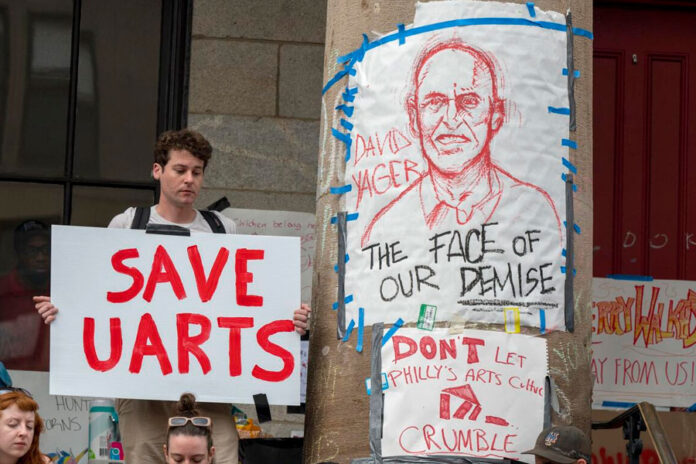
A drawing of David Yager, former president of University of the Arts, is on a column outside Hamilton Hall on their campus in Philadelphia, Wednesday June 5, 2024 as students, staff, and faculty rally before marching to 1500 Market and another rally in front of the former law offices of UArts chair Jud Aaron. (Photo: AP/Tom Gralish/The Philadelphia Inquirer)
PHILADELPHIA. — Bryant Fleming was looking forward to the fall semester at the University of the Arts, where the rising senior was to choreograph a production of “Sister Act» — the same musical comedy that led him to fall in love with theater in high school.
Instead, the musical theater major was left heartbroken and angry over the Philadelphia school’s abrupt announcement Friday that it planned to close its doors in just seven days. The decision shocked students, parents and faculty alike and raised questions about governance at the venerable city institution. University officials have not said how or why they suddenly ran out of money to pay the bills.
“You all knew what was going on, so why didn’t you tell us and be up front with us and actually allow us to prepare?” Fleming said in a phone interview Wednesday. “We’re all angry. … It just hurts.»
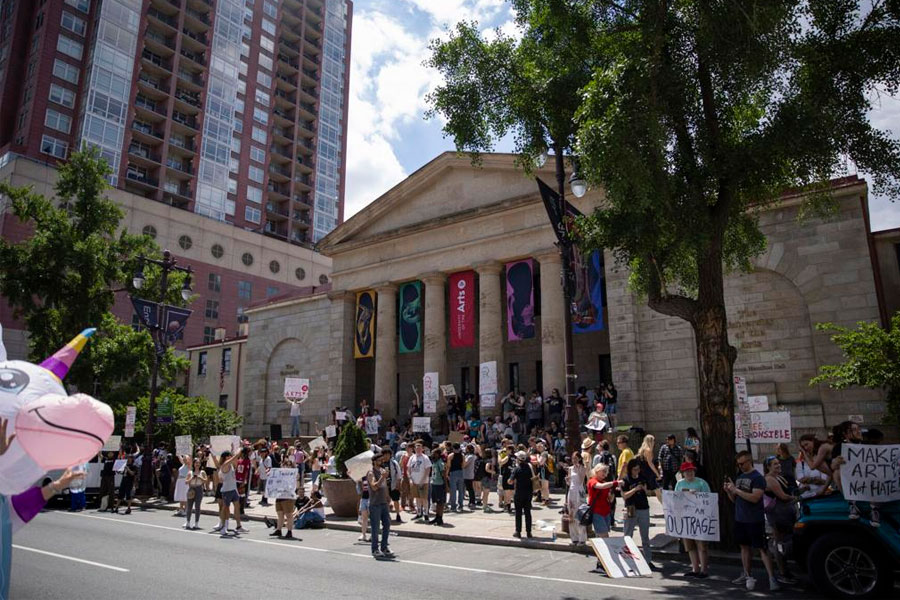
Fleming, who plans to enroll at nearby Temple University, was among hundreds of people who gathered outside of the university’s administration building this week to protest the closure, which is scheduled for Friday.
The University of the Arts, which traces its roots back nearly 150 years, has produced several Grammy- and Tony-award winning artists. It joins a long list of small, private colleges that have shut down in recent years amid demographic changes and pandemic turmoil.
Summer classes were canceled, and a new class of first-year students, many of whom had just sent in their deposits, had to scramble to find somewhere else to enroll. Philadelphia’s Temple and Drexel universities and several other schools across the country announced they would offer spots to displaced UArts students.
Hundreds of University of the Arts students and supporters protest outside of Hamilton Hall in Philadelphia on Monday, June 3, 2024. The University of the Arts announced abruptly on May 31 that it would be closing. (Photo: AP/Monica Herndon/The Philadelphia Inquirer)
School employees, meanwhile, said they’ve been left in the dark about when they’ll get their final paychecks and how long they’ll have access to university email accounts and campus studios to retrieve artistic works in progress.
The quick closure “truly is unprecedented. I take no pleasure in saying I think it reflects a complete failure of UArts leadership,” said Eric Lechtzin, an attorney who has filed suit against the school on behalf of nine university employees, including faculty, staff and administrators. The plaintiffs, who seek class action status, allege UArts violated federal law by failing to provide them with 60 days’ notice of their termination.
Lechtzin questioned Wednesday whether university officials took sufficient steps to respond to the school’s financial challenges, such as by eliminating programs, reducing staff or selling more of the school’s valuable downtown Philadelphia real estate.
Judson Aaron, chairperson of the university’s board of trustees, and UArts President Kerry Walk said in a statement that amid years of declining enrollments and revenues, the school was confronted with “significant, unanticipated expenses” that “came to light very suddenly.” They did not elaborate. Walk resigned this week.
“Despite our best efforts, we could not ultimately identify a viable path for the institution to remain open and in the service of its mission,” the school’s trustees said in a separate statement.
Milett Turner, class of 2027 dance major, protests outside of Hamilton Hall in Philadelphia on Monday, June 3, 2024. The University of the Arts announced abruptly on May 31 that it would be closing. (Photo: AP/Monica Herndon/The Philadelphia Inquirer)
Parent Chris Krewson recalled getting a bill for fall tuition just hours before word of the abrupt closure leaked out. His son Owen just finished his first year in a 5-year program that combined vocal performance and music education, one he may now find hard to replicate.
Temple, where Krewson is an adjunct, has reached out about a possible transfer, but it’s not yet clear where his 19-year-old son will land in the fall. He had chosen UArts over the Berklee College of Music in Boston and thrived studying in the center of Philadelphia’s arts scene, even performing at the nearby Kimmel Center for composer Stephen Schwartz.
“This was a real sort of neutron bomb that went off in his summer,” Chris Krewson said.
“He spent the last few days calling around — calling up Berklee, calling NYU, filling out the forms for Temple to try to figure out his next move,” he said. “We’re sort of past the deadline for regular transfers.”
University of the Arts students and supporters protest outside of Hamilton Hall in Philadelphia on Monday, June 3, 2024. The University of the Arts announced abruptly on May 31 that it would be closing. (Photo: AP/Monica Herndon/The Philadelphia Inquirer)
Krewson wonders how the board, which includes some of the city’s top business leaders and philanthropists, could have missed signs of financial distress.
The Pennsylvania attorney general’s office, which has oversight over nonprofits, said it is reviewing the circumstances of the school’s closure, including “any transfer or loss of assets.”
“We are very concerned by the sudden closure of University of the Arts, which has impacted students, staff, and the community,” said Brett Hambright, spokesperson for Attorney General Michelle Henry.
Temple, meanwhile, has said it’s exploring a potential merger to save UArts, whose programs include art, dance, design, film, music and theater.
Amanda «Dragon» Rattigan and Kayleigh Morrison, both class of 2025 dance majors, dance during the protest outside of Hamilton Hall in Philadelphia on Monday, June 3, 2024. The University of the Arts announced abruptly on May 31 that it would be closing. (Photo: AP/Monica Herndon/The Philadelphia Inquirer)
“Over the last several days, we have spoken with UArts representatives to explore all options and possible solutions that might help preserve the arts and the rich legacy of this 150-year-old institution,» Temple President Richard Englert and Provost Gregory N. Mandel said in a statement Wednesday.
The number of college students in the U.S. had already been steadily decreasing for years before the pandemic led to a sharp drop in enrollment. Even as national numbers slowly inch back from that decline, small colleges whose budgets rely on tuition have struggled to stay afloat.
Enrollment declines have been steepest in the Northeast and Midwest amid regional population loss. Those regions also have some of the highest concentrations of colleges, leading to sharp competition for a diminishing pool of students.
At the University of the Arts, total enrollment fell from about 1,900 in the fall of 2018 to 1,300 in 2022, the latest year for which data are available from the U.S. Education Department.
The school’s enrollment has dropped by nearly half since 2009.
Prakash Patel (primer plano), dueño y farmaceuta, trabaja en Bert's Pharmacy en Elizabeth, Nueva Jersey, el 21 de mayo de 2024. (Foto: AP/Shelby Lum)
Partes del lado norte de Montgomery, en Alabama, están definidas por lo que han perdido: restaurantes, tiendas de comestibles y una conveniente farmacia, la cual cerró hace cinco años.
Las personas que aún viven en el barrio históricamente negro de Newtown, como Sharon Harris, están frustradas. Ella va a otra ubicación de la misma cadena de farmacias que está a 6 kilómetros (4 millas) de su casa.
“A veces tienes que volver a ir”, dijo, “y luego esperan mucho tiempo para surtir la receta”.
En ciudades de todo Estados Unidos, las cadenas de farmacias han cerrado cientos de locales en los últimos años, y las farmacias independientes no siempre pueden permitirse mantenerse abiertas. Esto puede dejar a los residentes no blancos sin acceso fácil a un negocio que no sólo proporciona recetas, sino también servicios fundamentales de salud pública, como vacunas, medicamentos de venta sin receta e incluso alimentos.
Los cierres crean “una situación donde no sólo falta inversión en términos de desarrollo y expansión de farmacias, sino que tampoco hay incentivo para permanecer en esos barrios”, dijo Dima Qato, profesora de farmacia clínica en la Universidad del Sur de California que ha estudiado el acceso a farmacias.
Y un análisis de The Associated Press de datos de licencias de 44 estados, datos del Consejo Nacional para Programas de Medicamentos de Receta y la Encuesta de la Comunidad Estadounidense muestran que los residentes de barrios mayoritariamente negros e hispanos tienen menos farmacias per cápita que las personas que viven en barrios predominantemente blancos.
MAC Pharmacy es la única que brinda servicio a unas 20.000 personas en un código postal con habitantes mayoritariamente de raza negra en Cleveland. George Tadross, copropietario y gerente de la farmacia, dijo que está decidido a hacer las cosas lo más fácil posible para sus clientes, en su mayoría de edad avanzada, lo que a veces implica organizar sus medicamentos por día para ellos.
“Tienes que tener un farmacéutico con quien hablar”, dijo. “Mi filosofía en el negocio de la farmacia es que conoces a tu médico, él sabe todo sobre ti. También necesitas conocer a tu farmacéutico porque el farmacéutico es el único que ve todo el plan de tratamiento médico que tienes”.
Los farmacéuticos juegan un papel en el manejo de enfermedades crónicas como la diabetes y problemas relacionados con el corazón, los cuales se diagnostican con mayor frecuencia en personas hispanas y de raza negra.
Y cuando los farmacéuticos o técnicos de farmacia se asemejan a la base de clientes, hablando el mismo idioma o entendiendo la comunidad, puede ser más fácil construir una relación sólida y de confianza, dijo Jasmine Gonzalvo, quien enseña en la Facultad de Farmacia de la Universidad de Purdue y ha investigado las necesidades de los pacientes de habla hispana en farmacias.
Señaló que si las personas no se sienten cómodas haciendo preguntas sobre la medicación, entonces podría significar que no la toman o no la toman correctamente.
“No resurtes tus medicinas”, dijo Gonzalvo, “simplemente porque había barreras en tu comunicación y en sentirte seguro en esa relación con tu farmacéutico”.
Es por eso que Bert’s Pharmacy en Elizabeth, Nueva Jersey, tiene “personal que habla español e inglés todo el tiempo”, dijo el propietario y farmacéutico Prakash Patel. Su negocio está ubicado en un código postal donde casi el 70% de los residentes son hispanos.
“Queremos asegurarnos también de que entendieron todo”, manifestó Patel. “Tenemos etiquetas en español para ellos, imprimimos todas las instrucciones en español para ellos”.
En Montgomery, donde vive Harris, la ciudad está trabajando en un plan de desarrollo para el lado norte. Un análisis en el plan muestra que una pequeña farmacia podría generar 1,5 millones de dólares en ventas al año.
“Hay una oportunidad ahí porque tienes lo que yo llamo un mercado cautivo”, comentó Bob Gibbs, director del Grupo de Planificación Gibbs, que realizó el análisis. “Las personas que viven en muchos de estos barrios tienen acceso limitado al transporte… y son muy leales a los negocios locales que los tratan con respeto.
“Se desviarán de su camino sólo para ir allí. Y simplemente no les gusta tener que conducir… dos millas (3 kilómetros) para ir a una farmacia. Eso es injusto”.
Harris, sin embargo, no tiene muchas esperanzas de que se abra una nueva farmacia.
“No lo veo”, dijo. “Mientras tengan (ese CVS) piensan que está bien… Todos están esperando que hagan algo de este lado”.
De acuerdo con la información oficial, la víctima sería un hombre de 59 años que falleció el pasado 24 de abril y se desconoce la fuente de exposición al virus que ha sido reportado en aves de corral en México. Imagen de archivo. EFE/Miguel Sierra
Ciudad de México.- La Organización Mundial de la Salud (OMS) reportó este miércoles la primera muerte por gripe aviar AH5N2 en el mundo, que se habría detectado en un laboratorio en México.
De acuerdo con la información, la víctima sería un hombre de 59 años que falleció el pasado 24 de abril y se desconoce la fuente de exposición al virus que se ha reportado en aves de corral en México.
«Este es el primer caso humano confirmado en un laboratorio de la infección del virus de influenza A(H5N2) reportado a nivel global, y la primera infección del virus A(H5) reportada en una persona en México», advirtió la OMS en su sitio web.
Según el organismo, el hombre, quien residía en el central Estado de México, no tenía antecedentes de exposición a aves de corral u otros animales.
Explicó que, el 23 de mayo, autoridades de salud mexicanas informaron a la OMS sobre el caso confirmado de infección humana por el virus de la influenza aviar A(H5N2).
Según los familiares, el paciente ya había estado postrado en cama por otras condiciones de salud que le aquejaban, pero el 17 de mayo desarrolló fiebre, dificultad para respirar, diarrea, náuseas y malestar general.
El 24 de abril buscó atención médica e ingresó al Instituto Nacional de Enfermedades Respiratorias ‘Ismael Cosío Villegas’ (INER), donde «falleció ese mismo día por complicaciones de su padecimiento».
El caso se reporta después de que el virus de la gripe aviar H5N1 se ha propagado en las últimas semanas en vacas lecheras de Estados Unidos, país vecino de México.
Y aunque en aquel país en lo que va del año se han registrado tres casos en humanos, las autoridades sanitarias estadounidenses han aclarado que ninguno de los contagios están relacionados con el brote del virus en las vacas.
El virus, identificado como el H5N1, es un subtipo de gripe aviar muy contagioso entre aves.
A finales de marzo trascendió que vacas lecheras de Texas y Kansas estaban infectadas de gripe aviar y, días después, funcionarios del Departamento de Agricultura de EE.UU. (USDA, en inglés) confirmaron casos dentro de un rebaño de vacas lecheras de Michigan que recientemente habían estado en contacto con ejemplares de Texas.
En México, el pasado 5 de abril, el Servicio Nacional de Sanidad, Inocuidad y Calidad Agroalimentaria (Senasica) declaró al país como zona libre de gripe aviar AH5N2 y dijo que el virus había estado ausente por más de 25 años, pues el último caso corroborado en producción comercial databa del 5 de junio de 1995.
Las autoridades mexicanas no han informado hasta ahora sobre el caso reportado por la OMS.