El Centro de Arte Esperanza, en colaboración con Philadelphia Ballet, presentará “De Cerca”, una presentación íntima y dinámica el 12 de abril, pero ya no hay boletos disponibles. El público que adquirió a tiempo sus entradas tendrá la oportunidad de ver a poca distancia a los bailarines, creando una conexión más profunda entre los artistas y la comunidad. Después de la función habrá una plática con los artistas.
Este Ballet, reconocido a nivel mundial cuenta, con un número significativo de bailarines latinos provenientes entre otros países, de Brasil, Cuba, España y México.
“Como artista español, entiendo profundamente el poder de la danza para conectar a las culturas y reunir a la gente”, comparte Ángel Corella el director artístico de esta Compañía; y agrega que “De Cerca” es más que una presentación de ballet“, es una oportunidad para compartir la belleza y la narración de historias mediante el ballet, en un escenario íntimo, en el cual las audiencias pueden verdaderamente sentir la emoción y la energía de los bailarines. El ballet pertenece a todos. Y estoy muy agradecido por la oportunidad de conectarme con esta comunidad a través del arte que ha moldeado mi vida”.
El Centro de Arte Esperanza trae a los residentes del norte de Filadelfia diferentes expresiones artísticas no solo de Latinoamérica y del Caribe, sino de otras partes del mundo; por lo que para saber de próximos eventos hay que mantenerse alerta a las redes de la organización cultural que trae gratis o a precios muy accesibles, eventos de primer nivel al barrio latino de la ciudad.
“Inauguramos el Centro de Arte Esperanza y nuestro Teatro Esperanza en 2018 para crear una plataforma para celebrar a los artistas latinos e inspirar a las siguientes generaciones”, expresó el Rev. Luis Cortés, Jr., fundador y director ejecutivo de Esperanza. Comentó que el Philadelphia Ballet ha sido un colaborador increíble para la visión del Centro. “Durante los últimos cinco años, han traído presentaciones increíbles al escenario y trabajado con los estudiantes de nuestras escuelas. Esta colaboración es un ejemplo verdadero de lo que es posible cuando tenemos una intención en común y nos aseguramos de que todos disfruten el arte”.
El programa incluirá una selección de baile clásico y contemporáneo por bailarines hispanos y latinos resaltando la gracia, el atletismo y habilidad artística que define a la Compañía.
El próximo evento en el Esperanza Arts Center, será el 26 de abril con la premier mundial de Perú Negro, donde la pianista Priscila Navarro hará un homenaje del compositor Jimmy López a la música afroperuana. Incluye el estreno de Perú Negro en una versión para dos pianos y dos percusiones con seis danzas afroperuanas, en lo que López describe como un «deseo personal de asimilar la música folclórica peruana hasta integrarla a la perfección con su propio idioma».
En el llamado por Trump “Día de la Liberación” (2 de abril), el presidente anunció aranceles a las importaciones de casi todos los países del mundo, abriendo así una nueva era proteccionista que pretende, entre otras motivaciones, el regreso de la industria perdida al país.
Los efectos no se hicieron esperar: los mercados bursátiles se desplomaron, China respondió con aranceles del 34% a las exportaciones estadounidenses, respondió con 50 %, más superando el 100 % de aranceles. La Unión Europea consensa su respuesta.
El presidente justificó su decisión en implementar políticas de comercio justo “que restaurarán nuestra fuerza laboral, reconstruirán nuestra economía y, finalmente, pondrán a Estados Unidos primero”. Pidió “paciencia para poder ‘construir los fundamentos económicos a largo plazo’ que devuelvan la ‘prosperidad’ al país», dice que «a veces hay que tomar medicamentos para solucionar algo».
El asesor del presidente Elon Musk se distanció de estas políticas de la Casa Blanca, y defiende los aranceles de Trump con la esperanza de que lleven en un futuro a una zona trasatlántica de libre comercio sin aranceles entre Estados Unidos y Europa.
(Foto:Vanessa Graber Perez)
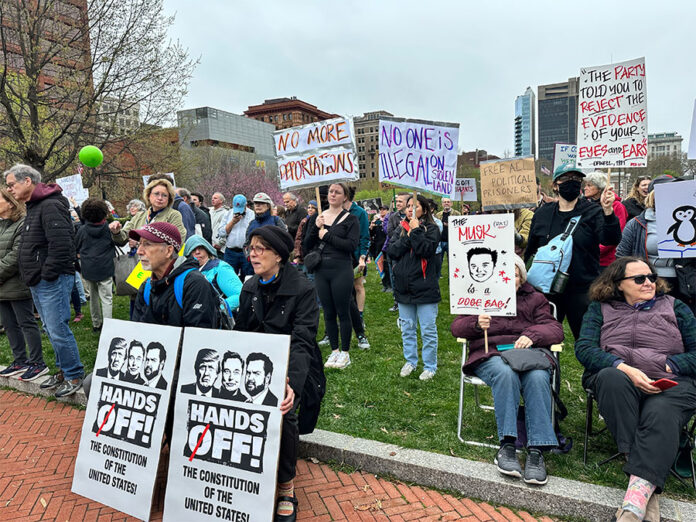
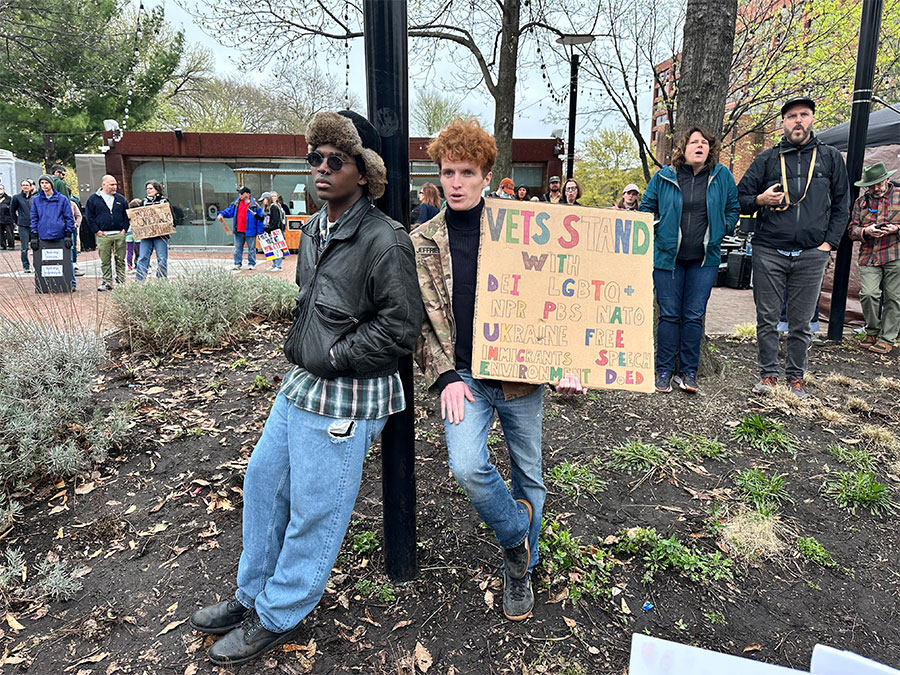
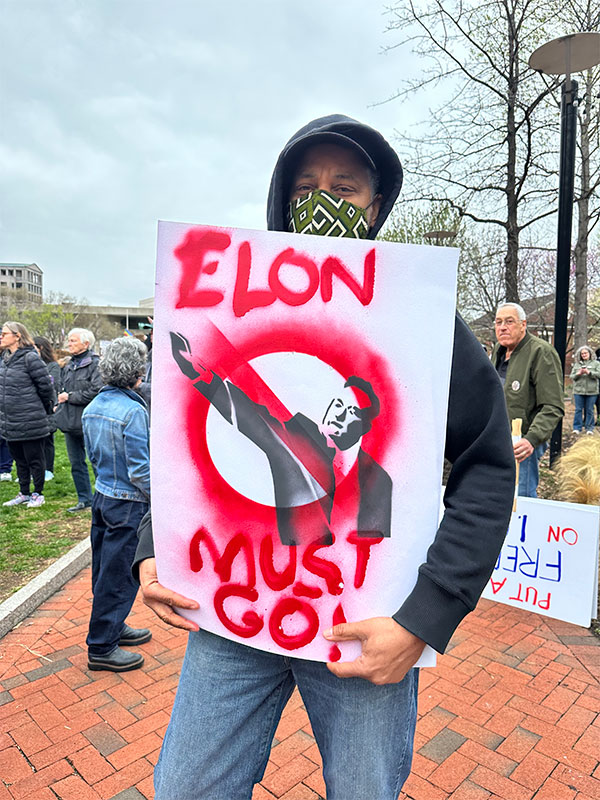
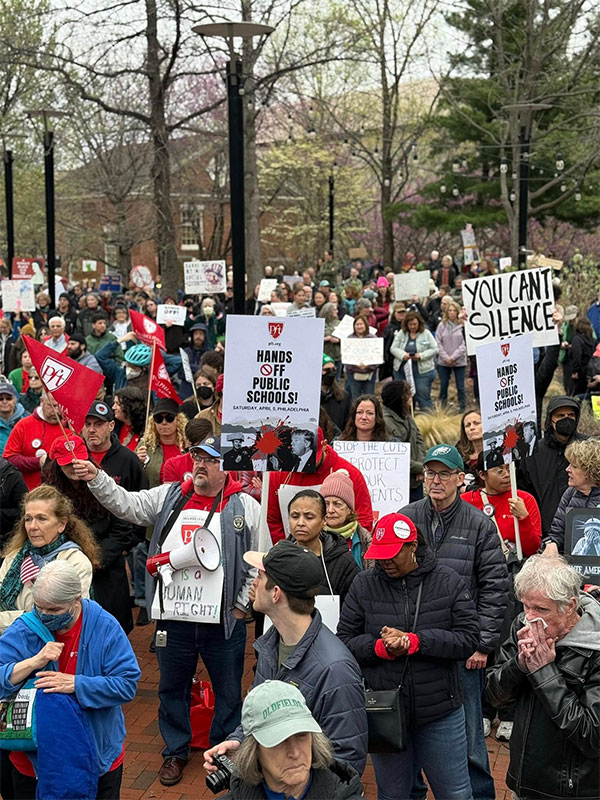
El descontento de una parte de la población que se ha venido acumulando, se transformó en que más de 100 grupos progresistas, incluyendo organizaciones de derechos civiles, sindicatos, defensores de la comunidad LGBT+, veteranos de guerra y activistas electorales, tales como Movimiento 50501, Indivisible, Third Act, MoveOn, Fight Back Table, etc., organizaron alrededor de 1,200manifestaciones en los cincuenta estados de Estados Unidos el sábado 5 de abril. Se manifestaron bajo el lema “¡Manos Fuera!” (“Hands Off”), contra la política de aranceles y recortes de Trump. Las manifestaciones se replicaron en otros lados del mundo, principalmente en Europa.
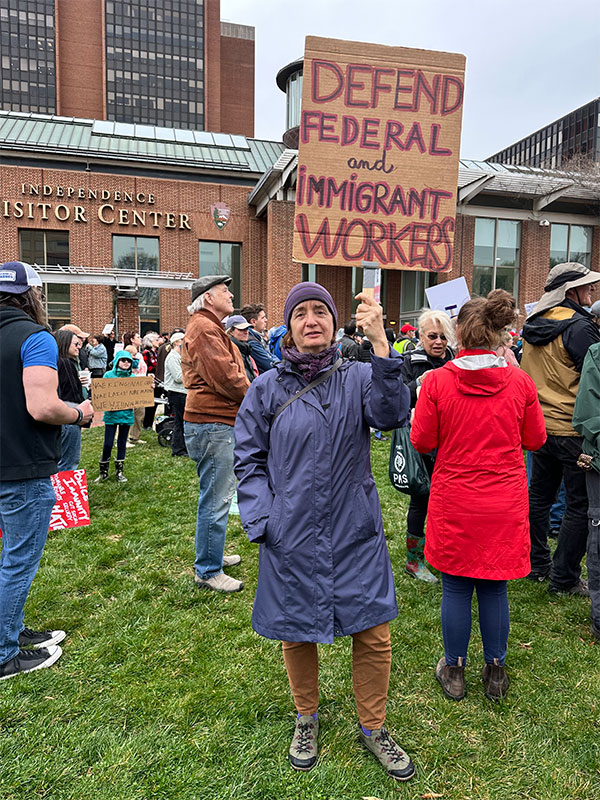
En el área triestatal, miles de personas protestaron en Filadelfia y en diversos condados de Pensilvania. En la Ciudad del Amor Fraterno, multitudes volvieron a las calles, pero no para celebrar como en el desfile por la victoria de los Eagles, si no para protestar y sentir que no estaban solos en su frustración.
(Foto:Vanessa Graber Perez)
Los manifestantes expresaron su preocupación por los recortes a los servicios sociales, las políticas de inmigración y los derechos humanos. Algunos pidieron el cese de la guerra en Ucrania y la solución del conflicto palestino.
“Donald Trump, Elon Musk y su gabinete multimillonario intentan manipular nuestra economía en contra de los trabajadores estadounidenses para poder repartir billones de dólares en regalos a sus amigos multimillonarios”, dijo el representante estadounidense Brendan Boyle (D-PA) dirigiéndose a la multitud en Independence Mall en Filadelfia.
Protesta en la Rt. 1 en Rehoboth Beach, DE. (Foto: Crédito/Gilberto Rodríguez)
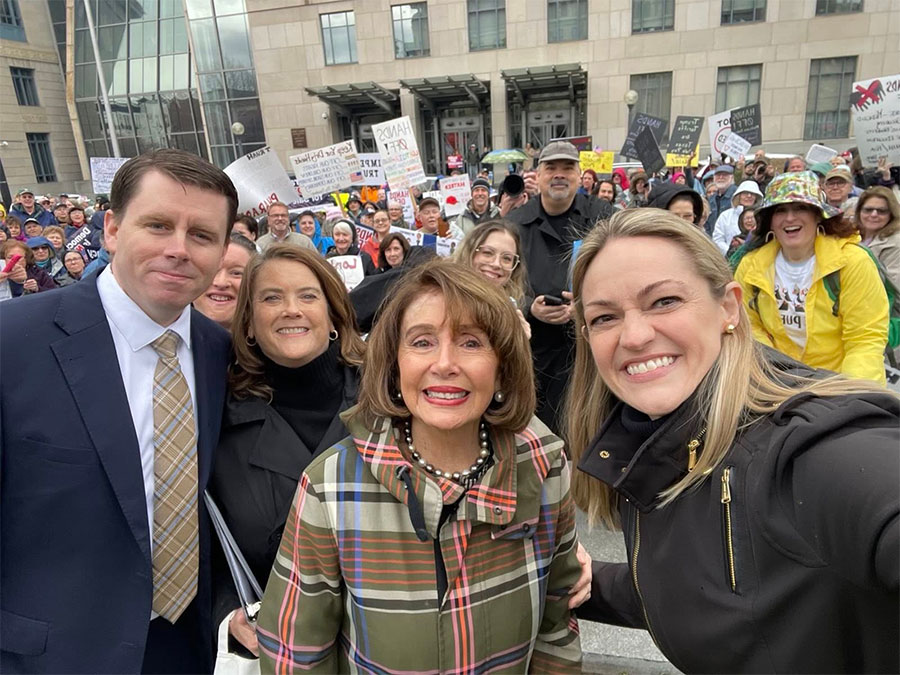
Protesta en Scranton, PA con la participación de Nanci Pelosi. (Foto: Crédito/Facebook Paige for Scranton)
En Delaware se convocaron manifestaciones en diversas ciudades
“…Donald Trump …¡Manos fuera de nuestra Seguridad Social, … de nuestro Medicare, … de nuestro Medicaid, … de SNAP, … de nuestros niños, …de los derechos de las mujeres, … de los derechos LGBTQ! Estamos aquí porque… sabemos que merece la pena luchar por nuestro futuro”, dijo la representante Sarah McBride (D-Del) en las escaleras de la Asamblea Legislativa de Dover, DE al dirigirse al grupo de manifestantes anti–Trump que había allí congregado.
A esta protesta hay que añadir las dos de Rehoboth Beach, DE y la de Newark, DE (donde Lisa Jaremka, ayudó a organizar la protesta con “Indivisible Newark First State” y señaló que calculó que participaron de 3,000 a 5,000 manifestantes).
Manifestación en Filadelfia (Foto: Crédito/Facebook/Randi Weingarten)
En Nueva Jersey hubo al menos una docena de protestas
Aproximadamente 1,000 personas se reunieron frente al Capitolio estatal en Trenton donde habló el presidente de la asociación de educación de Nueva Jersey (NJEA) y candidato a gobernador Sean Spiller. También hubo alrededor de 3,500 manifestantes en Red Bank, según estimaciones de Ben Dziobek, director ejecutivo de Climate Revolution Action Network New Jersey, hubo más protestas en Princeton, Ocean City, Teaneck, Montclair, West Caldwell y ciudades de South Jersey incluyendo Pitman, Bridgeton, Cape May, Atlantic City y Galloway.
En un intento de paralizar las políticas de la actual administración, el senador Chris Coons (D-Del) instó a sus colegas el 2 de abril a apoyar una resolución revocando la “situación de emergencia” declarada por el presidente a principios de año.
La congresista McBride (D-Del), junto a la representante Morrison (MN03) y Tlaib (MI-12), encabezaron la lista de 40 colegas que pidieron mediante carta al secretario de Comercio Howard Lutnick que se exima a los artículos esenciales para cuidado infantil de aranceles (como ya se hizo en 2018).
La senadora Lisa Blunt Rochester (D-Del) declaró el día previo a las manifestaciones que “Esta legislación no es más que un regalo de 4.6 billones de dólares a los ultrarricos a costa de las familias comunes… la única manera de financiar sus exenciones fiscales es quitándoles la atención médica a casi 80 millones de estadounidenses… más de 250,000 habitantes de Delaware dependen del seguro social, 300,000 dependen de Medicaid y más de 70,000 veteranos en Delaware merecen acceso a la atención médica…”.
Por su parte el senador Bernie Sanders (I–Vt), quien ha venido haciendo una gira contra la oligarquía, declaró que “…entiendo que necesitamos políticas comerciales que beneficien a los trabajadores estadounidenses… Y eso incluye aranceles específicos…”. Para Sanders “los aranceles generalizados de Trump no son la manera de lograrlo”.
Para él, la política comercial que debería desarrollarse ha de ser “racional, bien pensada y justa”.
El 4 de abril el líder demócrata en el senado, el senador Chuck Schumer (D-NY) anunció que en las próximas semanas él y sus colegas someterán la agenda republicana a juicio ante la opinión pública, en el pleno del Senado.
La secretaria de prensa Karoline Leavitt dijo esta semana que «las protestas, las demandas y la guerra legal» no disuadirán a Trump «de cumplir las promesas que hizo de hacer que nuestro Gobierno federal sea más eficiente y más responsable».
Estas han sido las manifestaciones multitudinarias mas numerosas desde las organizadas al día siguiente de su primera toma de posesión en el 2017, la histórica Marcha de las Mujeres. En esta ocasión la variedad de los manifestantes era mas extensa y de diversas generaciones, predominando la de los adultos mayores que se han visto significativamente afectados por las perdidas sustanciosas de sus planes de retiro a causa de las caídas de las bolsas.
Este contenido forma parte de Every Voice, Every Vote, un proyecto colaborativo gestionado por The Lenfest Institute for Journalism. El apoyo principal para Every Voice, Every Vote en 2024 y 2025 lo proporciona William Penn Foundation con fondos adicionales de The Lenfest Institute for Journalism, Comcast NBC Universal, The John S. and James L. Knight Foundation, Henry L. Kimelman Family Foundation, Judy y Peter Leone, Arctos Foundation, Wyncote Foundation, 25th Century Foundation y Dolfinger-McMahon Foundation. Para obtener más información sobre el proyecto y ver una lista completa de los patrocinadores, visite Every Voice, Every Vote . El contenido editorial es creado sin intervención de los donantes del proyecto.
El sello del Departamento de Seguridad Nacional de EEUU en una foto tomada durante una visita de la secretaria de Seguridad Nacional, Kristi Noem, a la estación Kodiak de la Guardia Costera, en Alaska, el lunes 17 de marzo de 2025 in Kodiak, Alaska. (AP Foto/Alex Brandon)
BOSTON— Una jueza federal dijo el jueves que impedirá que el gobierno del presidente estadounidense Donald Trump ponga fin a un programa que ha permitido a cientos de miles de cubanos, haitianos, nicaragüenses y venezolanos vivir temporalmente en Estados Unidos.
El fallo supone un revés importante, aunque quizá temporal, para el gobierno, que desmantela las políticas implementadas bajo el mando del expresidente Joe Biden que crearon nuevas y más amplias vías para que las personas pudieran vivir en Estados Unidos, generalmente durante dos años con autorización de trabajo.
La jueza federal de distrito Indira Talwani anunció que planea emitir una suspensión a la orden para que más de medio millón de cubanos, haitianos, nicaragüenses y venezolanos abandonen el país, evitándoles la salida hasta que el caso avance a la siguiente fase. Sus permisos debían cancelarse el 24 de abril.
Durante una audiencia sobre el caso, Talwani cuestionó repetidamente el argumento del gobierno para terminar el programa: que tiene el poder de hacerlo y que ya no estaba cumpliendo su propósito. La jueza señaló que los inmigrantes adheridos al programa que están aquí legalmente ahora enfrentan la opción de «huir del país» o quedarse y «arriesgarse a perderlo todo».
«El meollo del problema aquí es que la secretaria, al acortar el período de permiso otorgado a estas personas, debe tener una decisión razonada», señaló Talwani, agregando que la explicación para terminar el programa se basaba en una «lectura incorrecta de la ley».
«Hubo un acuerdo y ahora ese acuerdo ha sido socavado», añadió posteriormente en la audiencia.
El mes pasado, el gobierno estadounidense revocó las protecciones legales para cientos de miles de cubanos, haitianos, nicaragüenses y venezolanos, preparando el terreno para su posible deportación en 30 días.
Los beneficiarios de las protecciones llegaron con patrocinadores financieros y se les otorgaron permisos por dos años para vivir y trabajar en Estados Unidos. Durante ese tiempo, tenían que encontrar otras vías legales si querían permanecer en el país. El permiso de entrada humanitario ha sido un estatus temporal.
Trump ha estado eliminando las vías legales para que los inmigrantes lleguen a Estados Unidos y ha tomado medidas para cumplir su promesa de campaña de deportar a millones de personas que están en el país ilegalmente.
Afuera de la corte, activistas como Guerline Jozef, fundadora y directora ejecutiva de la Haitian Bridge Alliance, uno de los demandantes, dijeron que los ataques contra este programa contradicen la estrategia del gobierno de Trump sobre inmigración.
«Escuchamos la narrativa de personas que vienen aquí ilegalmente y la administración queriendo erradicar la inmigración ilegal», comentó Jozef. «Pero, claramente vemos hoy que ese no es el caso. Incluso aquellas personas que tienen estatus legal, están pagando sus impuestos y trabajando, están bajo ataque».
En todo el país, muchos inmigrantes en el programa de permisos CHNV han estado siguiendo de cerca este caso.
César Báez fue un activista de la oposición política en Venezuela que participó en protestas callejeras contra el gobierno. Temía por su vida y dejó su país para venir a Estados Unidos con el patrocinio de un médico estadounidense. Llegó bajo el programa de permiso humanitario CHNV en diciembre de 2022 y, durante el último año, ha estado trabajando como productor en un medio de comunicación en Washington.
Ha solicitado una visa de trabajo como otra forma de obtener estatus legal y también ha solicitado asilo, pero esos procesos también han sido pausados por el gobierno de Trump.
Para él, el anuncio de la jueza significa esperanza.
«Es muy importante para mí tener protecciones y no ser removido a Venezuela», dijo Báez, de 24 años, en una entrevista telefónica con AP. «No tengo dudas de que, pongo un pie en el país, y de inmediato caería preso».
Una mujer cubana de 34 años que pidió ser identificada sólo por su apellido, Zamora, debido a temores de ser detenida y deportada, recibió la noticia de la jueza como un alivio.
«Estaba aterrada de quedarme sin permiso de trabajo», comentó Zamora, cuyo permiso de entrada y permiso de trabajo expiran en septiembre. «Somos personas que, para poder venir, pasamos por todos los filtros existentes, y el gobierno nos quita el estatus como si hubiésemos sido delincuentes y entrado ilegalmente».
En una moción antes de la audiencia, los demandantes señalaron que la acción del gobierno federal era «sin precedentes» y dijeron que resultaría en que las personas perdieran su estatus legal y su capacidad para trabajar. También calificaron la medida como «contraria a la ley en el sentido de la Ley de Procedimiento Administrativo», que establece los procedimientos que las agencias deben seguir al hacer reglas.
Los abogados del gobierno de Trump argumentaron que los demandantes carecían de capacidad jurídica y que la medida del Departamento de Seguridad Nacional (DHS por sus siglas en inglés) que afecta a los inmigrantes en el programa, conocido como CHNV, no violaba la Ley de Procedimiento Administrativo. También dijeron que los demandantes no podrían demostrar que la terminación del programa era ilegal.
El abogado del gobierno Brian Ward también argumentó en la corte que terminar el programa no significa que los individuos no podrían ser considerados para otros programas de inmigración. Alegó que el gobierno no los priorizaría para la deportación, algo que Talwani encontró dudoso, dado que podrían ser arrestados si llegaran a ir al hospital o se vieran involucrados en un accidente automovilístico.
El fin de las protecciones temporales para estos inmigrantes ha generado poca reacción política entre los republicanos, con excepción de tres representantes cubano-estadounidenses de Florida que pidieron evitar la deportación de los venezolanos afectados. Uno de ellos, la representante Maria Salazar de Miami, también se sumó a unos 200 legisladores demócratas esta semana para copatrocinar un proyecto de ley que les permitiría convertirse en residentes permanentes legales.
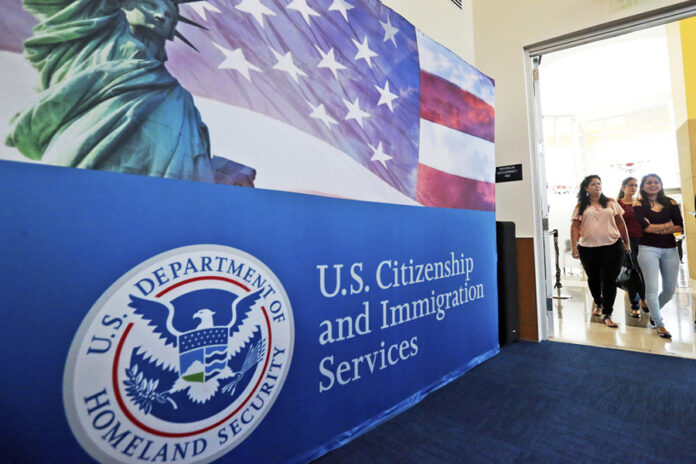
Personas llegan a oficinas del Servicio de Ciudadanía e Inmigración de Estados Unidos en Miami el 17 de agosto de 2018. (AP Foto/Wilfredo Lee, Archivo)
WASHINGTON— Un juez federal permitió el jueves que el gobierno del presidente estadounidense Donald Trump proceda con un requerimiento que exige que todas las personas que se encuentren en Estados Unidos sin autorización legal se registren con el gobierno federal y porten documentación, una medida que podría tener repercusiones de gran alcance para los inmigrantes en todo el país.
El juez Trevor Neil McFadden, quien fue designado al cargo por Trump, falló a favor del gobierno, el cual había argumentado que simplemente estaba aplicando un requerimiento ya existente para que todos los que estén en el país y no fueran ciudadanos estadounidenses se registren con el gobierno. McFadden no abordó en su decisión la base de estos argumentos, sino que se centró principalmente en la cuestión técnica de si los grupos que intentaban detener el requerimiento tenían capacidad jurídica para presentar sus reclamos. El juez dictaminó que no los tenían.
El requerimiento entra en vigor el viernes.
Inmediatamente después del fallo, funcionarios del Departamento de Seguridad Nacional (DHS por sus iniciales en inglés) enfatizaron en un comunicado de prensa que el viernes es la fecha límite para que se registren aquellos que ya han estado en el país durante al menos 30 días y que, en adelante, el requerimiento de registro se aplicará en su totalidad.
“El presidente Trump y yo tenemos un mensaje claro para aquellos que están en nuestro país ilegalmente: váyanse ahora. Si se van ahora, pueden tener la oportunidad de regresar y disfrutar de nuestra libertad y vivir el sueño americano”, dijo la secretaria de Seguridad Nacional Kristi Noem en el comunicado. “El gobierno de Trump aplicará todas nuestras leyes de inmigración; no elegiremos qué leyes haremos cumplir. Debemos saber quién está en nuestro país por la seguridad de nuestra patria y la de todos los estadounidenses”.
Aunque persisten preguntas sobre cómo funcionará el requerimiento de registro, podría tener un impacto de gran alcance. El gobierno federal, que ha intentado cumplir con su promesa de campaña de llevar a cabo deportaciones a gran escala, ha dicho que entre 2,2 millones y 3,2 millones de personas podrían verse afectadas.
Uno de los grupos que demandó, el National Immigration Law Center (Centro Nacional de Leyes de Inmigración), calificó el fallo del jueves como «decepcionante» en un comunicado.
“Este fallo decepcionante desafortunadamente significa que, por ahora, el plan de Trump para forzar a las personas a una elección imposible avanza. Mientras consideramos los próximos pasos en nuestro caso, instamos a los miembros de la comunidad afectada a consultar con un abogado de inmigración para comprender mejor las consecuencias de registrarse o no”, dijo Nicholas Espíritu, subdirector jurídico del NILC.
El Departamento de Seguridad Nacional anunció el 25 de febrero que ordenaría que todas las personas que estuvieran en Estados Unidos de manera ilegal se registraran con el gobierno federal, y dijo que aquellas que no lo hicieran podrían enfrentar multas o ser enjuiciadas. No registrarse se considera un delito, y las personas estarán obligadas a llevar documentos de registro con ellos o arriesgarse a pasar tiempo en prisión y pagar multas.
El registro será obligatorio para todos los mayores de 14 años que no cuenten con estatus legal. Las personas que se registren deben proporcionar sus huellas dactilares y dirección, y los padres y tutores de cualquier persona menor de 14 años deben asegurarse de registrarla.
El proceso de registro también se aplica a los canadienses que estén en Estados Unidos por más de 30 días, como los que pasan los meses de invierno en lugares cálidos, como Florida.
La ley federal de inmigración ha requerido durante mucho tiempo que aquellos que no son ciudadanos estadounidenses y viven en el país, incluidas las personas que están aquí ilegalmente, se registren con el gobierno. Estas leyes se remontan a la Ley de Registro de Extranjeros de 1940, que surgió en medio de crecientes temores de inmigrantes y subversivos políticos en los primeros días de la Segunda Guerra Mundial. Los requisitos actuales provienen de la Ley de Inmigración y Nacionalidad de 1952.
Pero el requerimiento de registro sólo se ha aplicado en raras circunstancias. De hecho, los detractores afirman que no se ha utilizado universalmente desde que se introdujo por primera vez a mediados de la década de 1940.
Se utilizó de manera limitada después del 11 de septiembre de 2001, cuando el Sistema de Registro de Entrada-Salida de Seguridad Nacional requería que todos los hombres no ciudadanos de 16 años o más provenientes de 25 países, casi todos árabes o musulmanes, se registraran con el gobierno. El programa no llevó a ninguna condena por terrorismo, pero provocó que más de 13.000 personas fueran sujetas a procedimientos de deportación. La medida fue suspendida en 2011 y disuelta en 2016.
El gobierno de Trump ha argumentado que el requerimiento de registro siempre ha existido y que los funcionarios simplemente lo están ejerciendo.
Los grupos que presentaron la demanda afirman que el gobierno debería haber pasado por el proceso de notificación pública antes de implementar el cambio, y que simplemente lo está aplicando para facilitar el objetivo del presidente Donald Trump de llevar a cabo deportaciones masivas.
Argumentan que el registro pone en un enorme dilema a quienes trabajan, contribuyen a la economía y tienen profundos lazos familiares en el país: ¿Se presentan, se registran y esencialmente entregan su ubicación a un gobierno que intenta llevar a cabo deportaciones masivas, o permanecen a la sombra y se arriesgan a ser acusados del delito de no registrarse?
El gobierno ya ha pedido a las personas sujetas al requerimiento de registro que creen una cuenta en el sitio web del Servicio de Ciudadanía e Inmigración de Estados Unidos.
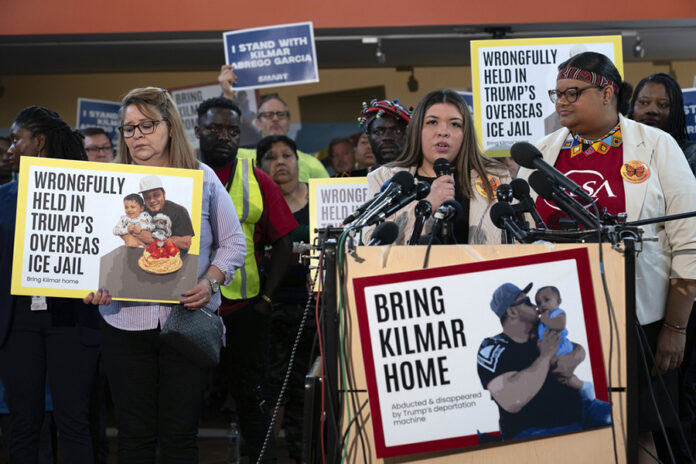
Jennifer Vasquez Sura, esposa de Kilmar Abrego García, quien fue deportado por error a El Salvador, habla durante una conferencia de prensa en Hyattsville, Maryland, el viernes 4 de abril de 2025. (AP Foto/Jose Luis Magana)
WASHINGTON— La Corte Suprema de Estados Unidos determinó el jueves que el gobierno del presidente Donald Trump debe facilitar el regreso de un hombre de Maryland que fue deportado por error a una prisión en El Salvador, rechazando la apelación de emergencia del gobierno.
El máximo tribunal estadounidense intervino en el caso de Kilmar Ábrego García, un ciudadano salvadoreño que tenía una orden de un tribunal de inmigración que impedía que fuera deportado a su país natal por temor a ser objeto de persecución por parte de las pandillas locales.
La jueza federal de distrito, Paula Xinis, había ordenado que Ábrego García, quien actualmente se encuentra detenido en una prisión de máxima seguridad de El Salvador, fuera enviado de regreso a Estados Unidos antes de la medianoche del lunes.
“La orden requiere como tal que el gobierno ‘facilite’ la liberación de Ábrego García de la custodia de El Salvador y se asegure de que su caso sea manejado tal como si no hubiera sido enviado indebidamente a El Salvador”, indicó el tribunal en una orden no firmada en la que no se anotaron disidencias.
La decisión se da a conocer después de una serie de fallos en el expediente de emergencia del tribunal donde la mayoría conservadora ha apoyado, al menos parcialmente, al gobierno de Trump en medio de una ola de órdenes de tribunales de menor instancia que ralentizan la agenda del presidente.
En el caso del jueves, el presidente de la Corte Suprema, John Roberts, ya había aplazado la fecha límite que estableció Xinis, y los magistrados dijeron que ahora debe aclarar su orden para asegurarse de que no interfiera con asuntos de política exterior del poder ejecutivo, ya que Ábrego García se encuentra detenido en el extranjero. El tribunal dijo que el gobierno de Trump también debería estar preparado para compartir las medidas que ha tomado para tratar de traer a Ábrego García de regreso al país y qué más podría hacer.
El gobierno afirma que Ábrego García es miembro de la pandilla MS-13, aunque nunca ha sido acusado ni condenado por un delito. Sus abogados aseguraron que no hay evidencia de que fuera miembro de la MS-13.
El gobierno ha admitido que cometió un error al enviarlo a El Salvador, pero argumentó que ya no hay nada que pueda hacer nada al respecto.
Los jueces liberales de la corte dijeron que el gobierno debería haberse apresurado para corregir su “atroz error” y que “claramente estaba equivocado” al insinuar que no podía traerlo de regreso a casa.
«El argumento del gobierno, además, implica que podría deportar y encarcelar a cualquier persona, incluidos ciudadanos estadounidenses, sin consecuencias legales, siempre que lo haga antes de que un tribunal pueda intervenir», escribió la jueza Sonia Sotomayor, junto con sus otros dos colegas liberales.
La esposa de Ábrego García, Jennifer Vasquez Sura, dijo que la experiencia ha sido una “montaña rusa emocional” para su familia y toda la comunidad.
“Espero con ansias el momento en que Kilmar esté aquí en mis brazos, y en nuestro hogar poniendo a nuestros hijos a dormir, sabiendo que esta pesadilla ya casi acaba. Seguiré luchando hasta que mi esposo esté en casa”, subrayó.
Uno de sus abogados, Simon Sandoval-Moshenburg, dijo que “esta noche prevaleció el estado de derecho”, y pidió al gobierno a “dejar de perder tiempo y ponerse a trabajar”.
En el tribunal de distrito, Xinis escribió que la decisión de arrestar a Ábrego García y enviarlo a El Salvador parece ser «totalmente ilegal». Hay poca o nula evidencia para respaldar una acusación «ambigua, no corroborada» de que Kilmar Ábrego García alguna vez fue integrante de la pandilla MS-13, escribió Xinis.
Ábrego García, de 29 años, fue detenido por agentes de inmigración y deportado el mes pasado.
Contaba con un permiso del Departamento de Seguridad Nacional para trabajar legalmente en Estados Unidos y era aprendiz de hojalatero mientras buscaba obtener su licencia para realizar distintos oficios, indicó su abogado. Su esposa es ciudadana estadounidense.
Tricia McLaughlin, subsecretaria de asuntos públicos del Departamento de Seguridad Nacional, dijo el jueves que la orden de los jueces para que se emita una aclaración del tribunal de distrito fue una victoria para el gobierno. “Esperamos continuar avanzando nuestra posición en este caso”, declaró.
Un portavoz del Departamento de Justicia dijo que el tribunal había “destacado directamente la deferencia que se le deba al poder ejecutivo” en asuntos de política exterior.
En 2019, un juez de inmigración le prohibió al gobierno federal deportar a Abrego García a El Salvador, después de determinar que enfrentaba una probable persecución por parte de las pandillas locales.
Un abogado del Departamento de Justicia reconoció en una audiencia judicial que Ábrego García no debería haber sido deportado. La secretaria de Justicia Pam Bondi retiró más adelante del caso al abogado, Erez Reuveni, y lo puso en licencia.
Foto tomada de video de la emisora WPVI que muestra las casas afectadas por el incendio en Millville, Nueva Jersey, el 10 de abril del 2025. (WPVI via AP)
Un incendio arrasó un vecindario en el sur de Nueva Jersey, destruyendo seis casas, matando a una niña y dejando a su hermana desaparecida, informaron las autoridades el jueves.
El incendio en Millville se reportó alrededor de las 11 de la noche del miércoles, pero los esfuerzos iniciales de los bomberos se vieron obstaculizados porque una boca de incendios cercana no funcionaba, declaró el jefe de bomberos de Millville, John Wettstein. Las cuadrillas tuvieron que extender aproximadamente unos 240 metros (800 pies) de manguera hasta otra boca de incendios y casi esa misma longitud hasta una tercera para combatir el fuego, que ardió durante varias horas antes de ser controlado.
Dos casas estaban envueltas en llamas cuando llegaron los bomberos, y el incendio pronto se extendió a una tercera.
El cuerpo de una niña fue encontrado entre los escombros, y las autoridades estaban buscando a su hermana. El padre de las niñas resultó herido y fue llevado a un hospital para recibir tratamiento por lesiones que no amenazan su vida, informaron las autoridades. Sus nombres no han sido revelados.
Alrededor de dos docenas de residentes fueron desplazados. Una mujer relató que ella y sus tres hijos pequeños escaparon a salvo de su casa en llamas porque el fuego despertó a su novio, quien pudo alertarlos y llevarlos a un lugar seguro.
La causa del incendio sigue bajo investigación. Los bomberos aún buscaban entre los escombros y sofocaban chispas la tarde del jueves. El calor del incendio fue tan intenso que derritió parte de un camión de bomberos y un coche estacionado.
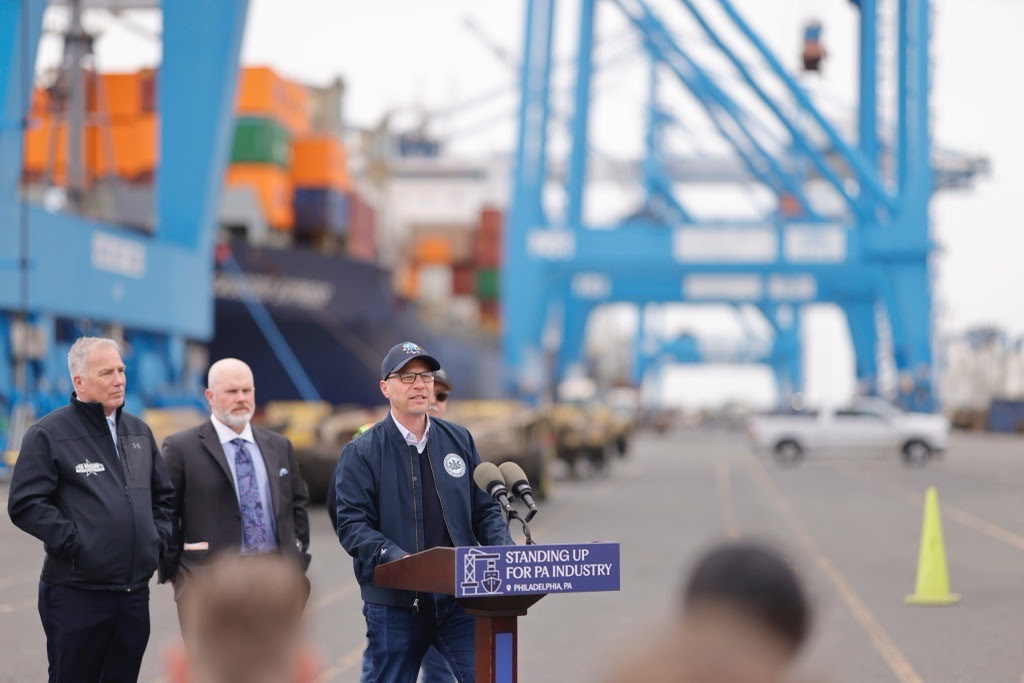
Governor Shapiro visited the Port of Philadelphia — the largest port in the U.S. for imported fruit and a major gateway for goods entering the country, supporting 12,000 jobs locally and 66,000 maritime jobs statewide — to highlight his Administration’s commitment to growing Pennsylvania’s economy, cutting taxes, and reducing costs for businesses and consumers alike.
New federal tariffs are injecting chaos and uncertainty into the marketplace, raising prices for consumers and businesses, and disrupting critical trade.
Over the last week, Governor Shapiro met with Pennsylvania farmers, small business owners, manufacturers, and workers to hear firsthand about the challenges they face and discuss how his Administration is working to lower costs and create economic opportunity for Pennsylvanians amid these wrongheaded federal policies.
Philadelphia, PA – Today, Governor Josh Shapiro visited the Port of Philadelphia (PhilaPort) to hear directly from port leaders, businesses, and workers about how new federal tariffs are injecting chaos and uncertainty into their work and raising costs for consumers across the Commonwealth. The Governor’s visit comes as new federal tariffs — the highest in 100 years — disrupt supply chains and raise prices on everything from fruit and produce to cars, electronics, and cocoa.
PhilaPort is the largest port in the U.S. for imported fruit and a major gateway for goods entering the country, supporting 12,000 jobs locally and 66,000 maritime jobs statewide. Last year, the Port accounted for $3.2 billion in fruit imports — more than any other American port and 20 percent of all U.S. food imports — and is a global leader in the import of food products, cars, meat, cocoa, and steel. Pennsylvania is also home to two other ports — Pittsburgh and Erie — that support international trade.
“Tariffs are taxes — and they’re going to make everything from fresh fruit to chocolate to auto parts more expensive for Pennsylvanians,” said Governor Shapiro. “While Washington drives up prices and makes it harder for our businesses to compete, my Administration is focused on cutting costs, growing our economy, and making smart, strategic investments to show Pennsylvania is open for business. The President may have announced changes to his tariffs yesterday — but despite the chaos and confusion, the reality is this: the tariffs in place today are still much higher than they were when he took office.”
Over the last week, Governor Shapiro has met with farmers, small business owners, manufacturers, and workers across the Commonwealth to hear firsthand about the challenges they face — and to highlight how his Administration is working to lower costs and create economic opportunity for Pennsylvanians. From a boutique owner in Lancaster to craft brewers in Bethlehem to hardwood producers in Reedsville, Pennsylvania’s businesses are feeling the effects of these tariffs.
Tariffs Are Disrupting Pennsylvania’s Supply Chain and Raising Costs for Consumers
PhilaPort plays a critical role in Pennsylvania’s supply chain infrastructure and economy — connecting companies from Pennsylvania to markets around the world and bringing in-demand products to local stores, restaurants, factories, and families. In the last 10 years, the Commonwealth has invested more than $500 million to modernize the Port’s infrastructure, warehousing, and equipment, and improve regional econonmic stability. Governor Shapiro has supported major expansion efforts at the port — including the PhilaPort Strategic Plan: Destination 2040, which is expected to generate 9,000 new direct jobs, $2.8 billion in new business revenue, and more than 12 million tons of additional cargo capacity.
Governor Shapiro was joined by Michael Pearson, Chairman of PhilaPort; Leo Holt, President of Holt Logistics; Representative Ed Neilson; and Daniel Duffy, a crane operator with 27 years of experience at PhilaPort and a member of the International Longshoremen’s Association (ILA) Local 1291. For Duffy, the rising tariffs are not just abstract policies — they directly affect their jobs and their families.
“Longshoremen play a vital role in making sure goods get from the port to your home — unloading and loading cargo safely and efficiently, just like we’ve done for more than a century,” said Duffy. “When you buy fruit at the grocery store or a new couch for your living room, a longshoreman helped make that happen. At the Port of Philadelphia, thousands of union workers keep things moving — and we should be continuing to grow and invest in this port, not threatening its future with bad policy. These tariffs are just a tax — they raise costs and could damage operations at the port. Instead of putting extremely high tariffs on essential goods, we need our leaders to support commonsense investments in domestic manufacturing — that’s how we create more jobs and opportunity on the waterfront. We’re proud to have Governor Shapiro standing with the port and our workers.”
“Governor Shapiro, we’re grateful to you — and to your predecessor — for making a big bet on this Port,” said Holt. “That investment is already paying off, and the next big bet will bring thousands more jobs to Philadelphia. The projects we’ve taken on are working, and they’re making good on the faith you’ve placed in us. It’s not about me — it’s about the men and women of the ILA, the Teamsters, and the generations of families who’ve made this place what it is. I see sons and daughters of longshoremen and Teamsters here — people whose families have worked this Port for generations, building this city and being built by it. Let us build on that success.”
“In times of uncertainty and instability, working people and communities always suffer the full blunt force of the impact. Trump’s economic whiplash endangers people’s ability to provide food for their families and obtain the medications they need,” said Senator Nikil Saval. “His tariffs destabilize the myriad vibrant and beloved small businesses throughout our Commonwealth that our neighbors, and our local economies, depend on. Pennsylvanians deserve family-sustaining wages, safe and healthy homes, and flourishing school communities – not to have their wellbeing casually and callously endangered.”
«Here in South Philly, we have a global and diverse economy. Whether it’s workers at the Port or the shops along 7th Street, our community depends on imports,” said Representative Elizabeth Fiedler. “Our neighbors are already struggling to keep up with the costs of everyday goods: these new tariffs will cut into their paychecks and could threaten the jobs and businesses we all rely on.»
“Pennsylvania is home to the major highways and ports that serve the global supply chain industry, and we take that role very seriously,” said Representative Ed Neilson. “The Port of Philadelphia, an epicenter of international commerce for more than 300 years, supports 12,000 jobs in the Philadelphia region and 66,000 maritime jobs statewide alone. We import billions of dollars of goods that have significant impact on Pennsylvania, our nation, and the world as a whole. I have seen this great work in action. Tariffs of this magnitude will raise costs on working families and lead to untold job losses. We cannot let that happen. We must instead focus our efforts on encouraging domestic manufacturing and supporting workforce development. We can boost supply chains and help businesses grow if we stay focused.”
Cutting Costs and Investing in Economic Development in Pennsylvania
Governor Shapiro is delivering real results for Pennsylvania’s workers, businesses, and families. The Governor is strengthening Pennsylvania’s position in the global economy by supporting five key industries outlined in his 10-year Economic Development Strategy and making strategic investments to create economic opportunity for Pennsylvanians, positioning the Commonwealth as a leader in job creation, innovation, and economic growth.
Since taking office, the Shapiro Administration has secured over $3.7 billion in private sector investments and created more than 5,000 jobs. Governor Shapiro is taking action to strengthen the economy, attract new investment, and put more money back in Pennsylvanians’ pockets by:
Securing $500 million in site development funding to attract businesses, create jobs, and drive long-term economic growth.
Investing $20 million for Main Street Matters to revitalize downtown areas, help businesses grow, and improve community infrastructure.
Cutting business filing wait times from eight weeks to just two days, making it easier for entrepreneurs to start and expand their businesses.
Increasing the Net Operating Loss (NOL) Deduction Limit, allowing businesses to reduce taxable income by up to 80 percent by 2029 — keeping Pennsylvania competitive with other states. In this year’s budget proposal, the Governor proposed accelerating Corporate Net Income Tax (CNIT) cuts by two years, reducing the tax rate by 0.75 percent annually and lowering it to 4.99 percent by 2029.
Expanding the Child and Dependent Care Enhancement Tax Credit, delivering $136 million in savings to over 218,000 families, while launching the Employer Child Care Contribution Tax Credit to help businesses support employees’ childcare costs.
Delivering the largest tax cut for seniors in nearly 20 years, helping older Pennsylvanians stay in their homes.
Governor Shapiro’s leadership is driving Pennsylvania’s economic growth by supporting businesses and creating jobs all across the Commonwealth. These strategic investments are vital to the future prosperity of Pennsylvania’s communities — rural, urban, or suburban alike — and the Governor is committed to ensuring that businesses have the support they need to thrive.
Learn more about the Shapiro Administration’s efforts to support Pennsylvania’s businesses and Main Streets in the Governor’s 2025-26 budget proposal at shapirobudget.pa.gov and discover how the Administration is creating economic opportunity to build a stronger, more competitive economy for all Pennsylvanians.
Equipos de rescate trabajan en la búsqueda de víctimas al interior de la discoteca Jet Set este miércoles, en Santo Domingo (República Dominicana). (Foto: EFE/Orlando Barría)
Santo Domingo.- Dos franceses, un italiano y un haitiano figuran entre las 218 víctimas mortales del accidente ocurrido la madrugada del martes en la discoteca Jet Set de la capital dominicana, según informaciones ofrecidas este jueves por el Instituto Nacional de Ciencias Forenses (Inacif), que hasta el momento ha identificado 146 fallecidos.
Se trata de los franceses Elvira Malkic Boubazine y Abdelhakin Boubazine; Wilnord Denaud, de nacionalidad haitiana, e Iemolo Cuca Massimo, italiano.
Aunque en las redes circulan informaciones sobre la muerte o desaparición de varios extranjeros, hasta el momento el Inacif solo ha confirmado el deceso de estas cuatro personas.
En el último comunicado oficial dado a conocer este jueves y que cifra en 189 las personas rescatadas con vida, el Gobierno asegura que se mantienen las labores de búsqueda, rescate y recuperación y que los brigadistas y personal técnico siguen desplegados en la zona bajo coordinación del Centro de Operaciones de Emergencia (COE).
«Las labores no se han detenido y no concluirán hasta que no se confirme que no queda una sola persona bajo los escombros», agrega la nota.
El techo de la conocida discoteca Jet Set se desplomó cuando en el local había una fiesta amenizada por el popular merenguero Rubby Pérez, también fallecido en el accidente.
No se ha determinado el número de personas que podía haber allí en ese momento, en una discoteca con capacidad para más de mil asistentes.
La Cámara de Representantes de Estados Unidos aprobó este jueves una ley republicana que exige presentar la prueba de la ciudadanía del país para poder votar en las elecciones federales, una de las demandas del presidente, Donald Trump.
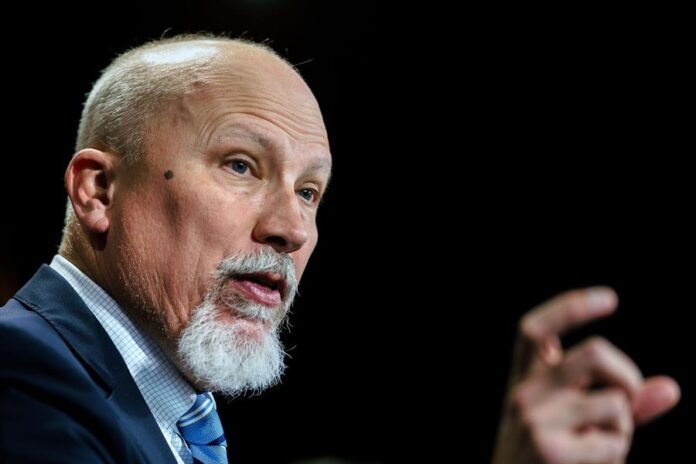
La Ley de Salvaguarda de la Elegibilidad del Votante Estadounidense (la ley SAVE, por sus siglas en inglés – que significa salvar -) obtuvo el voto de la bancada republicana y de cuatro legisladores demócratas que se unieron a la iniciativa presentada por el republicano Chip Roy.
Tras recibir luz verde de la cámara baja, la medida se dirige al Senado, un escollo que no consiguió superar en la anterior legislatura cuando los congresistas republicanos la aprobaron, pero la mayoría demócrata en la Cámara Alta la frenó.
Actualmente, en el Senado los de Trump tienen una mayoría de 53 asientos frente a los 47 de los demócratas.
Esta medida, que se enmarca dentro de la larga lista de problemas de los que el republicano intenta culpar a los inmigrantes, radica de un conflicto casi infundado.
La ciudadanía es ya un requisito para participar en los comicios federales, ya que de hecho, es ilegal votar en unas elecciones presidenciales si no se es estadounidense.
Y aunque en algunos estados la normativa es menos estricta a la hora de demostrar la ciudadanía, diferentes estudios muestran que es muy raro el que personas no estadounidenses logren votar en unas elecciones federales.
Según investigó el Brenan Center tras analizar 23,5 millones de votos de las elecciones presidenciales de 2017 «solo treinta despertaron indicios» de que pudiesen haber sido depositados por personas que no tenían la ciudadanía estadounidense
Durante la última campaña electoral, el magnate neoyorquino y los suyos fueron dando alas a esta teoría para crear un marco que les permitiera acusar de fraude el resultado final por la participación de personas sin la ciudadanía, aunque Trump finalmente ganó y no acabó utilizando este recurso.
De aprobarse también en el Senado, todos los solicitantes del formulario para emitir el voto deberán presentar una documento que verifique que tienen la ciudadanía estadounidense y, por tanto, que son elegibles para votar.
Entre los documentos que serán aceptados como válidos para votar están un pasaporte de EE. UU., y un documento de identificación (ID) o una tarjeta de identificación militar siempre que estén acompañados de una partida de nacimiento estadounidense.
Los demócratas alegan que esta medida podría dejar sin participar a muchas personas con bajos recursos, que según dicen, tienen complicado acceder a este tipo de documentación.
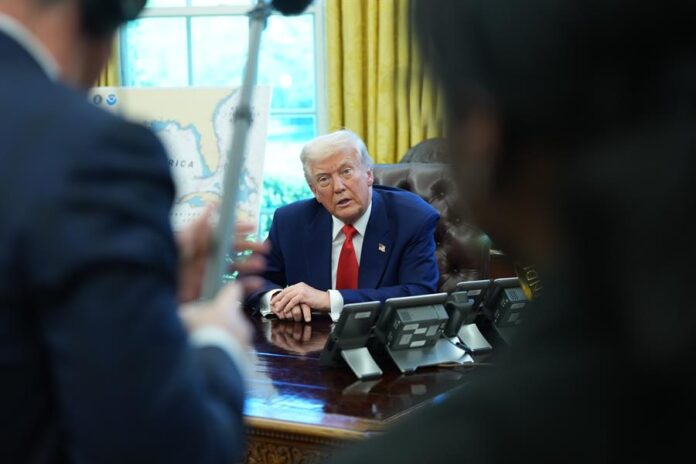
El presidente de Estados Unidos, Donald Trump, afirmó este jueves que su Gobierno ha «trasladado a muchas tropas a Panamá», país con el que firmó un acuerdo que eleva la presencia militar estadounidense.
«Hemos trasladado a muchas tropas a Panamá y hemos ocupado algunas zonas que ya no teníamos, pero ahora sí», declaró Trump en la Casa Blanca junto al secretario de Defensa, Pete Hegseth, recién regresado de una visita oficial al país centroamericano.
El miércoles, durante la visita de Hegseth a Panamá, ambos países firmaron un memorando en materia de seguridad que aumenta la presencia militar estadounidense en el país centroamericano.
«Estamos recuperando el control sobre el Canal (de Panamá)», declaró Hegseth este jueves durante una reunión de gabinete presidida por Trump.
El jefe del Pentágono denunció que China tenía «demasiada influencia» sobre la vía interoceánica, algo que facilitaron las Administraciones estadounidenses anteriores, dijo.
«Nosotros, junto a Panamá, los estamos expulsando. Así que tuvimos un viaje muy exitoso», afirmó Hegseth, quien definió al presidente panameño, José Raúl Mulino, como un «gran aliado».
El canciller panameño, Javier Martínez-Acha, afirmó este jueves que el memorando sobre la presencia militar estadounidense es «temporal» y que este respeta el Tratado de Neutralidad del Canal y la Constitución nacional, por lo que no contempla la instalación de bases militares de Estados Unidos.
«Este Gobierno ha sido claro: no hay cesión de soberanía, no hay uso exclusivo de nada y es temporal lo que hemos firmado», dijo el canciller durante una entrevista con el programa radial Panamá en Directo.
Desde que regresó al poder, Trump ha amenazado con recuperar el control sobre el Canal de Panamá, una vía que fue construida y administrada por Estados Unidos hasta que la cedió al país centroamericano en 1999, en represalia por el uso que China hace de la infraestructura.
En concreto, la Administración estadounidense quiere revertir la presencia de un operador hongkonés en dos de los cinco puertos situados en torno al Canal.