Un grupo de exfuncionarios de Estados Unidos, republicanos y demócratas, alertó este sábado en una carta abierta sobre el «abuso del poder» del presidente Donald Trump para «vengarse» de sus críticos después de que este retirara las credenciales de seguridad de dos exfuncionarios.
La carta incluye unas 200 firmas, entre ellas la de Ty Cobb, abogado especial de Trump en su primer mandato, y otros exfuncionarios de Gobiernos republicanos especializados en seguridad nacional, que aluden a dos memorandos ejecutivos de Trump de principios de abril «dirigidos» a personas específicas.
Los memorandos castigaban a Chris Kebs, exlíder de la Agencia de Ciberseguridad, por rechazar que las elecciones de 2020 fueran «robadas», y a Miles Taylor, exjefe de personal del Departamento de Seguridad Nacional, por «diseminar de falsedades» en un libro bajo seudónimo crítico con Trump.
«Estas acciones ejecutivas representan una peligrosa escalada en el abuso del poder presidencial: manipular las agencias federales para ejecutar venganzas personalizadas», dicen los firmantes, que consideran que Trump ataca la libertad de expresión de esos exfuncionarios y le instan a revocar las medidas.
Sostienen que Trump rompe con presidentes de ambos signos políticos que han «evitado incluso la apariencia de irregularidad o influencia», lo vinculan con episodios hoy «vergonzosos» de EE.UU. como la «lista de enemigos» de Richard Nixon y, advierten, va en el «camino de la autocracia, no la democracia».
«Comportamientos de este tipo se esperan más de un miembro déspota de la realeza que del líder electo de una república constitucional», agregan.
Trump, mientras, anunció ayer en su red social Truth Social que pronto emitirá nuevas «regulaciones» para empleados gubernamentales de carrera, para que, «en el caso de rechazar promocionar los intereses de política del presidente o tengan comportamientos corruptos» sean fácilmente despedidos.
Según el presidente, esas regulaciones, que desarrollan una orden ejecutiva previa, permitirán al Gobierno «funcionar como una empresa», pero los expertos advierten que puede desproteger a miles de funcionarios bajo la guisa de unos «intereses de política» que no están claros.
Actores durante una recreación de la Batalla de Lexington y el comienzo de la Revolución estadounidense durante el 250mo aniversario, el sábado 19 de abril de 2025, en Lexington, Massachusetts. (AP Foto/Charles Krupa)
HILLEL ITALIE y MICHAEL CASEY
LEXINGTON, Massachusetts, EE.UU. (AP) — Miles de personas llegaron a Lexington, Massachusetts, antes del amanecer del sábado para presenciar una recreación de cómo comenzó la revolución estadounidense hace 250 años, con el estallido de disparos y una estela de giro colonial.
Mientras celebraba el aniversario de las Batallas de Lexington y Concord, el país reflexionará sobre su guerra de independencia y se preguntará dónde se encuentra su legado hoy en día. Después del amanecer en el Lexington Battle Green, milicianos, con mosquetes en mano, se enfrentaron a un contingente mucho más grande de soldados británicos. La batalla terminó con ocho estadounidenses muertos y 10 heridos; los muertos quedaron esparcidos en el terreno mientras los británicos se marchaban.
Los regulares se dirigirían a Concord, pero no antes de que un jinete, el doctor Samuel Prescott, cabalgara hacia el Puente del Norte y advirtiera a las comunidades en el camino que los británicos venían. Un jinete solitario recreó ese viaje el sábado, seguido de un desfile por la ciudad y una ceremonia en el puente.
El día ofrece una oportunidad para reflexionar sobre este momento fundamental en la historia, pero también para considerar qué significa esta lucha hoy.
«Es verdaderamente trascendental», dijo Richard Howell, quien interpretó al Hombre Minutero de Lexington Samuel Tidd en la batalla.
«Este es uno de los terrenos más sagrados del país, si no del mundo, por lo que representa», expresó. «Representar lo que sucedió ese día, cómo un pequeño pueblo como Lexington fue un vórtice de tanto».
Entre los que observaban la recreación de Lexington estaba Brandon Mace, un teniente coronel de la Reserva del Ejército cuyo ancestro Moses Stone estaba en la milicia de Lexington.
Dijo que ver la recreación fue «un poco emotivo».
«Él tomó la decisión al igual que yo la tomé y mi hermano la tomó, y mi hijo también está en el ejército», comentó Mace. «… No sabía que hoy lo estaríamos celebrando. No sabía que estaba participando en el nacimiento de la nación. Solo sabía que sus amigos y familiares estaban en peligro».
El 250 aniversario llega mientras el presidente Donald Trump, académicos y otros están divididos sobre si tener una fiesta de un año que culmine el 4 de julio de 2026, como ha pedido Trump, o equilibrar cualquier celebración con preguntas sobre las mujeres, los esclavizados y los pueblos indígenas y lo que sus historias revelan.
¿Qué sucedió en Lexington y Concord?
Los historiadores pueden decirnos con confianza que cientos de tropas británicas marcharon desde Boston en la madrugada del 19 de abril de 1775 y se reunieron a unos 23 kilómetros (14 millas ) al noroeste, en el campo de la ciudad de Lexington.
Los testigos recordaron que algunos oficiales británicos gritaron: «¡Tiren sus armas, villanos, rebeldes!» y que se escuchó un disparo en medio del caos, seguido de «fuego disperso» de los británicos. La batalla se volvió tan feroz que el área apestaba a pólvora quemada. Al final del día, la lucha se había trasladado a unos 11 kilómetros (7 millas) al oeste, a Concord, y unos 250 británicos y 95 colonos resultaron muertos o heridos.
Pero nadie sabe quién disparó primero, o por qué. Y la revuelta en sí fue inicialmente menos una revolución que una demanda de mejores condiciones.
Woody Holton, profesor de historia temprana de Estados Unidos en la Universidad de Carolina del Sur, dijo que la mayoría de los académicos están de acuerdo en que los rebeldes de abril de 1775 no buscaban dejar el imperio, sino reparar su relación con el rey Jorge III y volver a los días antes de la Ley del Timbre, la Ley del Té y otras disputas de la década anterior.
«Los colonos sólo querían retroceder el reloj a 1763», afirmó.
Stacy Schiff, historiadora ganadora del Premio Pulitzer cuyos libros incluyen biografías de Benjamin Franklin y Samuel Adams, dijo que Lexington y Concord «galvanizaron la opinión precisamente como los hombres de Massachusetts esperaban que lo hiciera, aunque todavía sería un largo camino hacia un voto por la independencia, que Adams sentía debería haberse declarado el 20 de abril de 1775».
Pero en ese momento, agregó Schiff, «no parecía posible que un país madre y su colonia realmente hubieran llegado a las armas».
Una lucha para la historia
Los rebeldes ya creían que su causa era más grande que un desacuerdo entre súbditos y gobernantes. Mucho antes de los puntos de inflexión de 1776, antes de la Declaración de Independencia o la jactancia de Thomas Paine de que «tenemos en nuestro poder comenzar el mundo de nuevo», se veían a sí mismos en un drama para la historia.
Las llamadas Resoluciones de Suffolk de 1774, redactadas por líderes cívicos del condado de Suffolk, Massachusetts, rezaban por una vida «libre de poder, sin trabas con cadenas», una lucha que determinaría el «destino de este nuevo mundo y de millones no nacidos».
La revolución fue una historia continua de sorpresa e improvisación. El historiador militar Rick Atkinson, cuyo libro «El Destino del Día» es el segundo de una trilogía planificada sobre la guerra, llamó a Lexington y Concord «una clara victoria para el equipo local», aunque solo porque los británicos no esperaban tal resistencia apasionada de la milicia de la colonia.
Los británicos, siempre subestimando a aquellos a quienes el rey Jorge consideraba una «multitud engañada e infeliz», serían rechazados nuevamente cuando los rebeldes rápidamente enmarcaron y transmitieron una narrativa culpando a las fuerzas reales.
«Una vez que se dispararon tiros en Lexington, Samuel Adams y Joseph Warren hicieron todo lo posible para recopilar declaraciones de testigos y circularlas rápidamente; era esencial que las colonias, y el mundo, entendieran quién había disparado primero», dijo Schiff. «Adams estaba convencido de que el enfrentamiento de Lexington sería ‘famoso en la historia de este país’. Se esforzó por dejar claro quiénes habían sido los agresores».
Un país aún en progreso
Ninguno de los dos lados imaginó una guerra que durara ocho años, ni tenía confianza en qué tipo de país nacería de ella. Los fundadores se unieron en su búsqueda de autogobierno, pero diferían en cómo gobernar realmente, y si el autogobierno podría siquiera durar.
Los estadounidenses nunca han dejado de debatir el equilibrio de poderes, las reglas de la concesión de derechos o cuán ampliamente aplicar la exhortación: «Todos los hombres son creados iguales».
Ese debate estuvo muy presente el sábado, aunque principalmente en los márgenes y con manifestantes anti-Trump superados en número por turistas ondeando banderas, locales y aficionados a la historia. Muchos manifestantes llevaban carteles inspirados en la revolución, incluyendo «Resiste como si fuera 1775», y uno incluso trajo una marioneta con un Trump que tenía el rostro color naranja.
«Es un lugar y una fecha muy apropiados para dejar claro que, como estadounidenses, queremos tomar una posición contra lo que creemos que es una autocracia en ciernes», dijo Glenn Stark, un profesor de física retirado que sostenía un cartel de «No a los Reyes» y observaba la ceremonia en el Puente del Norte.
La gobernadora demócrata de Massachusetts, Maura Healey, quien habló en la ceremonia del Puente del Norte, también utilizó el evento para recordar a la multitud que vitoreaba que muchos de los ideales por los que se luchó durante la Guerra Revolucionaria están nuevamente en riesgo.
«Vemos cosas que serían familiares para nuestros predecesores revolucionarios: el silenciamiento de críticos, la desaparición de personas de nuestras calles, demandas de lealtad incuestionable», dijo. «El debido proceso es un derecho fundamental. Si puede ser descartado para uno, puede perderse para todos».
Migrantes venezolanos deportados desde Estados Unidos llegan al aeropuerto internacional Simón Bolívar, en Maiquetia, Venezuela, el 30 de marzo de 2025. (AP Fhoto/Cristian Hernández)
La Corte Suprema de Estados Unidos bloqueó el sábado, por ahora, la deportación de cualquier venezolano detenido en el norte de Texas bajo una ley de tiempos de guerra del siglo XVIII.
En una breve orden, el alto tribunal ordenó al gobierno de Donald Trump que no expulse a los venezolanos retenidos en el Centro de Detención Bluebonnet «hasta nueva orden de esta corte».
Los jueces Clarence Thomas y Samuel Alito disintieron.
La corte actuó en respuesta a un recurso de emergencia interpuesto por la Unión Americana de Libertades Civiles (ACLU, por sus siglas en inglés) que argumentaba que las autoridades migratorias parecían estar tomando medidas para reanudar las deportaciones en virtud de la Ley de Enemigos Extranjeros de 1798.
La Corte Suprema había dicho en abril que las deportaciones podrían continuar solo si quienes estaban a punto de ser expulsados tenían la oportunidad de defender su caso ante un tribunal y se les concedía «un tiempo razonable» para impugnar sus deportaciones pendientes.
“Estamos profundamente aliviados de que la Corte haya bloqueado temporalmente las deportaciones. Estas personas corrían un peligro inminente de pasar el resto de sus vidas en una brutal prisión salvadoreña sin haber tenido nunca un proceso justo”, dijo Lee Gelernt, abogado de la ACLU, en un correo electrónico.
El viernes, dos jueces federales se negaron a intervenir cuando los abogados de los afectados lanzaron una desesperada campaña legal para evitar su deportación, a pesar de que uno de los magistrados dijo que el caso planteaba preocupaciones legítimas. A primera hora del sábado, la Corte de Apelaciones del 5to Circuito de Estados Unidos también se negó a emitir una orden que protegiera a los detenidos de ser deportados.
Se espera que el gobierno recurra de rápidamente a la Corte Suprema en un esfuerzo por persuadir a los jueces de que levanten su orden temporal.
La ACLU ya había presentado demandas para bloquear las deportaciones de dos venezolanos detenidos en el centro de Bluebonnet y buscaba una orden que prohibiera la expulsión de cualquier inmigrante en la región bajo la Ley de Enemigos Extranjeros.
En una solicitud de emergencia el viernes temprano, la ACLU advirtió que las autoridades de inmigración estaban acusando a otros venezolanos detenidos allí de formar parte de la pandilla Tren de Aragua, lo que permitiría que se les aplicase la ley.
Esta normativa solo se ha invocado tres veces en la historia de Estados Unidos, la más reciente durante la Segunda Guerra Mundial, para mantener a civiles japoneses-estadounidenses en campos de internamiento. El gobierno de Trump argumentó que lo capacitaba para expulsar rápidamente a inmigrantes identificados como miembros de la pandilla, independientemente de su estatus migratorio.
ARCHIVO – Migrantes venezolanos abordan un avión en Harlingen, Texas, el miércoles 18 de octubre de 2023. (AP Photo/Valerie Gonzalez, File)
Tras la orden unánime del alto tribunal del 9 de abril, jueces federales de Colorado, Nueva York y el sur de Texas emitieron rápidamente órdenes que prohibían la deportación de detenidos en virtud de esa ley hasta que el gobierno estableciera un proceso para que pudieran presentar sus reclamos ante una corte.
Pero no se ha emitido ninguna orden de este tipo en la región de Texas a la que pertenece Bluebonnet, que se encuentra a 38 kilómetros (24 millas) al norte de la ciudad de Abilene, en el extremo norte del estado.
El juez de distrito James Wesley Hendrix, designado por Trump, se negó esta semana a prohibir al gobierno la expulsión de los dos hombres identificados en la demanda de la ACLU porque el Servicio de Control de Inmigración y Aduanas (ICE, por sus siglas en inglés) presentó declaraciones juradas de que no serían deportados de inmediato. También se negó a emitir una orden más amplia que prohibiera la remoción de todos los venezolanos en el área en virtud de la ley porque, según dijo, las deportaciones aún no habían comenzado.
Pero la solicitud del viernes de la ACLU incluye declaraciones juradas de tres abogados de inmigración que dijeron que a sus clientes en Bluebonnet se les dio documentación que indicaba que eran miembros del Tren de Aragua y podrían ser deportados para el sábado. En uno de los casos, la abogada de inmigración Karene Brown afirmó que a su cliente, a quien identificó únicamente por sus iniciales, se le dijo que firmara papeles en inglés, aunque solo habla español.
«El ICE informó a F.G.M. de que estos papeles venían del presidente, y que sería deportado incluso si no los firmaba», escribió Brown.
Gelernt dijo en una audiencia el viernes por la noche ante el juez de distrito James E. Boasberg en Washington D.C., que el gobierno llevó inicialmente a los venezolanos a su instalación migratoria en el sur de Texas para su deportación. Pero, dado que un magistrado prohibió las deportaciones en esa zona, los ha llevado al centro de Bluebonnet, donde no hay ninguna orden de ese tipo. Además, apuntó que testigos informaron que los hombres estaban siendo subidos a autobuses el viernes por la noche para ser llevados al aeropuerto.
Luego de que Hendrix no accedió a la solicitud de la ACLU para que emitiera una orden de emergencia, el grupo recurrió a Boasberg, quien suspendió las deportaciones en marzo. La Corte Suprema dictaminó que las órdenes contra la deportación solo podían provenir de jueces en jurisdicciones donde los inmigrantes estaban detenidos, lo que Boasberg dijo que lo dejaba sin poder hacer nada el viernes.
«Comprendo todo lo que estás diciendo», le dijo Boasberg a Gelernt. «Simplemente no creo que tenga el poder de hacer algo al respecto».
Esta semana, Boasberg encontró que hay causa probable de que el Gobierno de Trump cometió desacato criminal al desobedecer su prohibición inicial de deportación. Estaba preocupado de que el documento que el ICE estaba dando a los detenidos no dejara claro que tenían derecho a impugnar su deportación en la corte, lo que él creía que la Corte Suprema había ordenado.
Drew Ensign, un abogado del Departamento de Justicia, no estuvo de acuerdo, y señaló que las personas programadas para la deportación tendrían un «mínimo» de 24 horas para impugnar su expulsión en la corte. Dijo que no había vuelos programados para el viernes por la noche y que no estaba al tanto de ninguno el sábado, pero el Departamento de Seguridad Nacional comentó que se reservaba el derecho de deportar personas.
El ICE señaló que no comentará sobre el litigio.
También el viernes, un juez de Massachusetts hizo permanente su prohibición temporal sobre el gobierno de deportar a inmigrantes que han agotado sus apelaciones a países distintos de los suyos, a menos que se les informe de su destino y se les dé la oportunidad de objetar si enfrentarían tortura o muerte allí.
Algunos venezolanos sujetos a la Ley de Enemigos Extranjeros de Trump han sido enviados a El Salvador y alojados en su notoria prisión principal.
EFE/ @ChrisVanHollen /EDITORIAL USE ONLY/NO SALES/Only AVAILABLE TO ILLUSTRATE THE ACCOMPANYING NEWS (CREDIT REQUIRED)
Kilmar Ábrego García, el migrante salvadoreño que fue expulsado de Estados Unidos a pesar de tener un estatus legal en el país, fue trasladado a otra cárcel en El Salvador después de haber pasado varias semanas detenido en la prisión de máxima seguridad conocida como CECOT.
Así lo detallo el senador estadounidense Chris Van Hollen, quien viajó esta semana a El Salvador para pedir al Gobierno de Nayib Bukele que libere a Ábrego, residente hace más de una década en Maryland, el estado que representa el legislador.
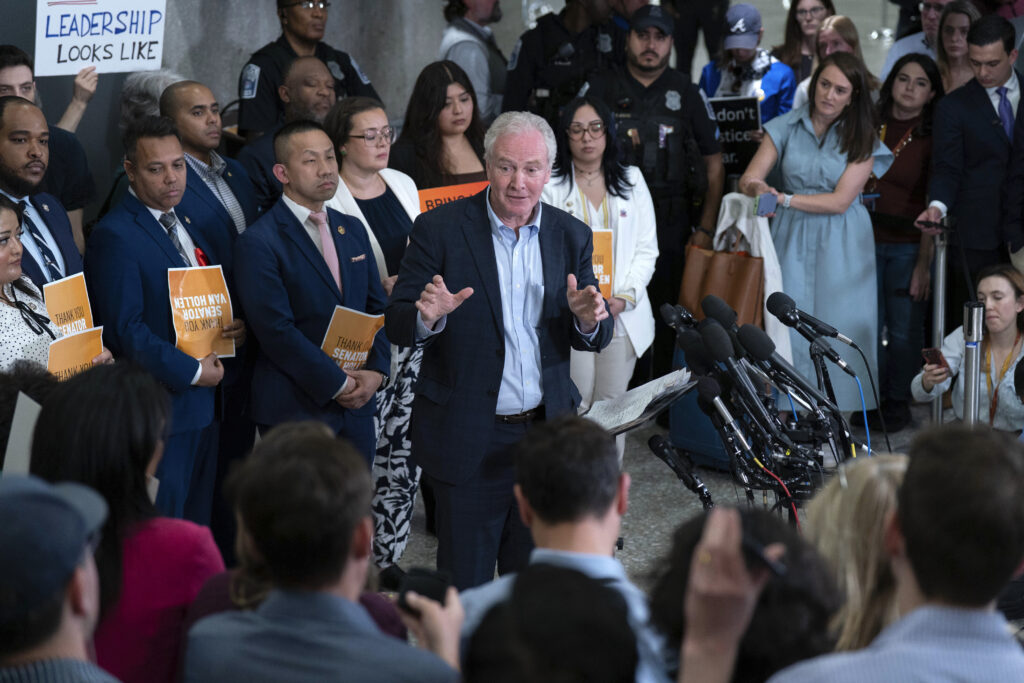
Van Hollen logró reunirse con Ábrego el jueves en San Salvador y dio este viernes una conferencia de prensa donde relató detalles de su conversación y acusó al Gobierno Trump de estar mintiendo sobre el caso del salvadoreño y violando la Constitución.
El senador informó que García fue trasladado hace «nueve días» a otra cárcel en Santa Anta, al oeste del país, pero que sigue sin poder comunicarse con el exterior y está «traumatizado» tras su experiencia en la megacárcel, notoria por las denuncias de abusos a los derechos humanos.
«(Ábrego) se siente muy triste de estar detenido, porque no ha cometido ningún crimen», relató Van Hollen y agregó que las autoridades salvadoreñas no le han dado al migrante de 29 años una explicación de por qué esta detenido.
La disputa por la deportación y encarcelamiento erróneos de Kilmar Ábrego García “no es sólo acerca de un hombre”, sino también sobre el desacato del presidente Donald Trump al sistema judicial estadounidense, dijo el senador Chris Van Hollen el viernes al regresar de un viaje de tres días a El Salvador para presionar por la liberación del detenido.
El vicepresidente salvadoreño, Félix Ulloa, con quien Van Hollen también se reunió, le dijo al legislador que Ábrego estaba encarcelado porque Trump «está pagando» para mantenerlo detenido.
Ábrego no ha podido hablar con su esposa o sus hijos, todos ciudadanos estadounidenses, y le dijo a Van Hollen que pensar en su familia es lo que le da «fuerza» para seguir «cada día».
El senador criticó directamente al Gobierno Trump, acusándolo de ignorar a la Corte Suprema, que en un fallo la semana pasada ordenó que se «facilitara» el retorno de Ábrego.
«Este caso no es solo sobre un hombre (…) sino sobre la protección de las libertades fundamentales y la Constitución», indicó Van Hollen.
Ábrego García, quien residía en el estado de Maryland, huyó de El Salvador por las extorsiones y amenazas que él y su familia recibieron por parte de la pandilla Barrio 18, de acuerdo con documentos judiciales presentados por su defensa.
El Gobierno Trump ha emprendido una campaña mediática para vincularlo con la pandilla MS-13, a pesar de que no tiene antecedentes penales en EE.UU.
Este viernes, la Casa Blanca publicó una serie de documentos sobre Ábrego, donde se detalla una investigación inconclusa sobre el hombre después de que la policía lo retuviera en una parada de tráfico en 2022 mientras manejaba un vehículo donde estaban otros 8 hombres.
Esta fotografía muestra a Kilmar Abrego Garcia, que por error fue deportado por el gobierno estadounidense a una prisión salvadoreña. Foto sin fecha. (Foto: AP/Murray Osorio/PLLC)
El salvadoreño Ábrego es uno de los más de 200 migrantes -en su mayoría venezolanos- que fueron expulsados de EE.UU. y enviados a la prisión de alta seguridad sin posibilidad de apelar sus casos ante una corte, en lo que grupos en defensa de los derechos humanos han calificado como «desaparición forzada».
El Gobierno del presidente Donald Trump ha defendido las expulsiones acusando a los migrantes de tener vínculos con las pandillas Tren de Aragua y MS-13, calificadas recientemente por Washington como grupos terroristas.
Sin embargo, múltiples investigaciones de medios estadounidenses han demostrado que la mayoría de los migrantes expulsados a El Salvador no tienen antecedentes penales.
A pesar de que el Supremo de EE.UU. emitiera la semana pasada un fallo respaldando la orden de un tribunal de menor instancia en Maryland que instruye al Gobierno a «facilitar» el retorno del salvadoreño, tanto EE.UU. como El Salvador han negado tener la potestad para hacerlo.Cabe destacar que este no es el unico caso donde presuntamente se hayan equivocado las autoridades y enviado a personas inocentes a ser encarceladas en El Salvador, tal como lo expone un reportaje de ABCNews.
El Gobierno de EE.UU. llegó a un acuerdo con Bukele para enviar a migrantes detenidos en EE.UU. hacia el CECOT, una prisión notoria por las denuncias de abusos a derechos humanos.
Como parte del trato, del que no se conocen detalles específicos, Washington pagará a El Salvador 6 millones de dólares anuales para sostener el sistema carcelario.
Otros demócratas han dicho que viajarán a El Salvador para abogar por la liberación de Ábrego García, pero no está claro si esos viajes, o la reunión de Van Hollen, tendrán algún efecto en su situación. Cuando se le preguntó a Trump el jueves si creía que Ábrego García tenía derecho al debido proceso, eludió la pregunta.
“Tengo que referirme, nuevamente, a los abogados”, dijo en el Despacho Oval. “Tengo que hacer lo que me piden que haga”.
Una portavoz de la presidencia de El Salvador dijo que no tenía más información sobre la reunión ni sobre Ábrego García.
La secretaria de prensa de la Casa Blanca, Karoline Leavitt, ha dicho que Ábrego García “nunca volverá a vivir en Estados Unidos”.
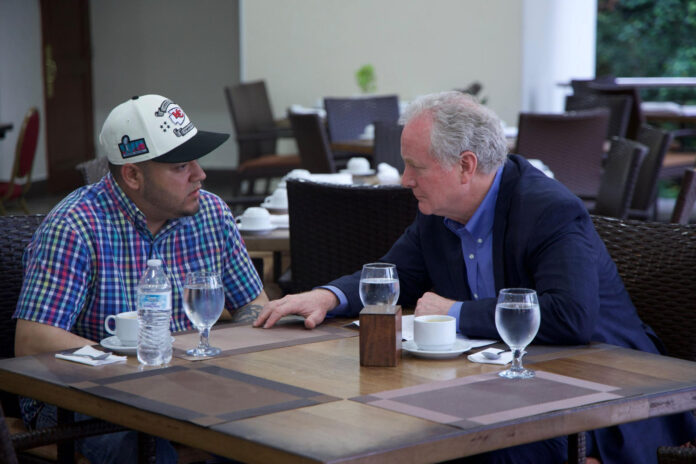
Bukele publicó imágenes de la reunión de Van Hollen con Ábrego García el jueves, y dijo que el prisionero “tiene el honor de permanecer bajo la custodia de El Salvador”. Van Hollen indicó que un funcionario del gobierno salvadoreño colocó otras bebidas en la mesa con sal o azúcar en el borde para que pareciera que estaban bebiendo margaritas. El senador señaló que ni él ni Ábrego García bebieron de los vasos, que en la foto publicada por Bukele estaban adornados con cerezas.
Tras varios días de negar que sabía algo sobre Ábrego García, Trump declaró el viernes que estaba al tanto de que el historial carcelario de Ábrego García era “increíblemente malo”, y lo llamó “extranjero ilegal” y “terrorista extranjero”.
El mandatario también respondió el viernes con una publicación en redes sociales, en la que afirmó que Van Hollen “parecía un tonto ayer en El Salvador, rogando para recibir atención”.
El senador demócrata Chris Van Hollen ofrece una conferencia de prensa en el Aeropuerto Internacional Washington-Dulles tras llegar de El Salvador luego de reunirse allí con el salvadoreño Kilmar Ábrego García, el viernes 18 de abril de 2025, en Chantilly, Virginia. (AP Foto/José Luis Magaña)
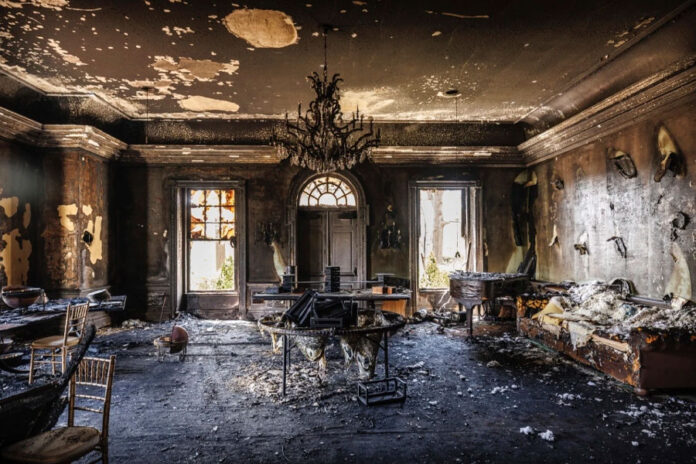
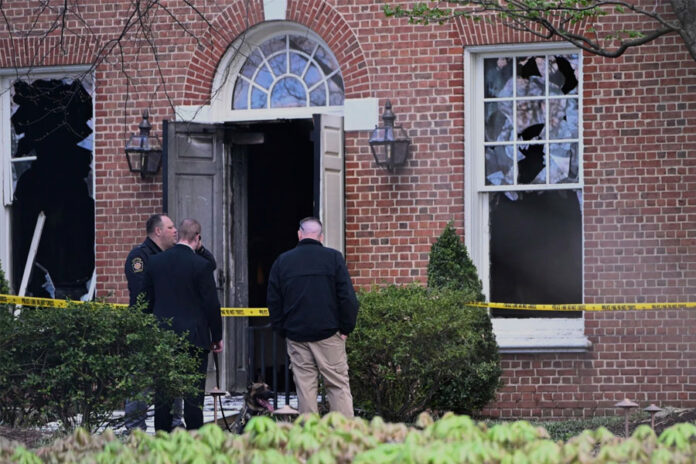
This image provided by Commonwealth Media Services shows damage after a fire at the Pennsylvania governor’s mansion while Democratic Gov. Josh Shapiro and his family slept inside on Sunday, April 13, 2025, in Harrisburg, Pa. (Photo: AP/Commonwealth Media Services)
HERSHEY, Pa.— Authorities investigating why a man set fire to Pennsylvania Gov. Josh Shapiro’s official residence are probing whether the suspect was motivated by the Democrat’s Jewish faith or positions on Israel’s war in Gaza.
Police have said that Cody Balmer of Harrisburg harbored hatred toward Shapiro. Several search warrants released Wednesday offer the first details about a potential motive for the arson attack early Sunday in a room where only hours earlier Shapiro and his family celebrated Passover with members of the Jewish community.
Balmer called 911 less than an hour after the fire erupted, promised a confession and talked about Palestinians being killed, police wrote in search warrants.
Exactly what the man was trying to say and who he was referencing isn’t clear from the partial quotations included in the search warrants. Police quoted Balmer as saying “our people have been put through too much by that monster.” Balmer also “related that Governor Josh SHAPIRO needs to know that he ‘…will not take part in his plans for what he wants to do to the Palestinian people,’” police wrote.
During a police interview after turning himself in, Balmer “admitted to harboring hatred towards Governor Shapiro,” according to a police affidavit that did not expand on that point. Police obtained search warrants for Balmer’s electronic devices and a storage locker seeking any writings or notes that contain “the name of Josh Shapiro (or a) reference to Palestine, Gaza, Israel or the current conflict in Gaza.”
Shapiro declined to talk about a motive (backslash)Wednesday, saying prosecutors will ultimately determine what prompted the attack. “It’s not for me to answer that,” he said.
The governor has been publicly critical of Israeli Prime Minister Benjamin Netanyahu’s government and the nature of Israel’s military action in Gaza, but also has backed the country’s right to defend itself from Hamas.
Balmer, 38, was diagnosed with bipolar disorder but did not believe the assessment, his brother, Dan Balmer, told The Associated Press. He said he twice helped Cody get treatment at the Pennsylvania Psychiatric Institute.
In court on Monday, Balmer denied having any mental illness and described himself as an unemployed welder with no income or savings. A judge denied bail and ordered him held on charges including attempted homicide, terrorism and arson. He did not enter a plea.
Dauphin County chief public defender Mary Klatt said in a statement that a preliminary hearing would be delayed “for the purpose of determining his competency to stand trial” and that Balmer will be represented by a team of attorneys “due to the complexity of this case.”
“The allegations, if true, demonstrate the devastating consequences of severe mental illness,» Klatt said.
Balmer told police he planned to beat Shapiro with a small sledgehammer if he encountered him after breaking into the building, according to court documents filed in this latest case of violence against political figures in the U.S.
U.S. Attorney General Pam Bondi said she spoke with Shapiro. She described the arson as “absolutely horrific” and said she believes the alleged culprit “wanted to kill him.”
Federal authorities are working with state law enforcement and doing “anything we can to help convict the person who did this,” she added.
State police announced that an independent, third-party expert will assess risks and vulnerability of the governor’s official residence. Shapiro said steps will be taken to strengthen safety systems while adding he has faith in his security team and state police.
Dan Balmer said his brother had displayed concerning behavior, including the night before the fire, when he flipped over a table at the home where Cody Balmer lived with their parents.
A search warrant says he scaled a nearly 7-foot-high (2-meter-high) security fence, eluded police, smashed a window with a hammer and tossed a lit beer bottle filled with gasoline into the piano room. Then, he broke a second window, climbed inside the state dining room and remained inside for about a minute, lighting a second Molotov cocktail before kicking open a door and fleeing, the warrant says.
Shapiro said he, his wife, their four children and another family celebrated Passover on Saturday night and then were awakened by state troopers pounding on their doors and forced to evacuate at about 2 a.m. Firefighters extinguished the fire and no one was injured.
The governor said he and his wife have had many conversations with their children since the attack.
“It’s very hard as a parent, to answer to children, like why does this stuff happen,” he said. “Why are there people out there that want to do harm to others? Those are hard questions to answer for kids.”
Denver (CO).- Más de 200 líderes religiosos de Colorado, representando distintas expresiones de fe, divulgaron este miércoles un documento con diez “verdades” destinadas a contrarrestar “falsedades, inexactitudes y caracterizaciones erróneas” sobre los inmigrantes en Estados Unidos.
El documento, firmado por 231 pastores, sacerdotes, rabinos y capellanes de diversas tradiciones religiosas, destaca el impacto económico y el aporte cívico de la población inmigrante, como parte de una campaña para combatir el estigma creciente sobre esta comunidad.
“Los inmigrantes forman parte de nuestras familias, vecindarios y comunidades religiosas. Son nuestros amigos y compañeros de trabajo. Trabajan en los negocios que frecuentamos. Sus hijos son compañeros de clase de los nuestros”, subrayaron los firmantes.
Apoyados en estudios, estadísticas y otras fuentes documentadas, los líderes religiosos expusieron diez afirmaciones clave. Entre ellas, destacaron que los inmigrantes pagan impuestos, suplen la escasez de mano de obra, impulsan la economía y, en su mayoría, no reciben beneficios públicos.
También señalaron que el proceso para inmigrar legalmente es complejo y costoso, que las razones para migrar son múltiples y que la mayoría de los inmigrantes respeta la ley y contribuye a la seguridad de sus comunidades, por lo que no constituyen una amenaza para la seguridad nacional ni pública.
“Al proclamar la verdad, buscamos crear una narrativa más honesta y objetiva que guíe nuestra toma de decisiones a nivel local y nacional”, esgrimieron los religiosos.
Además, advirtieron sobre el impacto negativo que tendrían las deportaciones masivas en sectores clave de la economía, como la construcción, la agricultura y la industria de la hospitalidad.
Al presentar la declaración, el reverendo Mark Meeks, de la Iglesia Presbiteriana Capitol Heights en Denver, expresó que apoya a los inmigrantes porque “aportan amistad, son familias que trabajan juntas para vivir plenamente y son personas de fe que fortalecen los valores morales de nuestra nación”.
La iniciativa fue coordinada por el Comité de Servicio de los Amigos Americanos (AFSC) de Colorado y por la Red Interreligiosa de Inmigración del mismo estado.
La publicación de la declaración coincidió con la aprobación inicial en el Senado estatal de un proyecto de ley que limita la cooperación de las autoridades locales con el Servicio de Inmigración y Aduanas (ICE), así como con el bloqueo temporal, ordenado por una jueza federal en Colorado, del uso de la Ley de Extranjeros Enemigos para llevar a cabo deportaciones.
A nivel nacional, la secretaria de prensa de la Casa Blanca, Karoline Leavitt, aseguró este martes que, en lo referente a deportaciones, “estamos muy seguros de que cada acción tomada por esta administración está dentro de los límites de la ley”.
El Departamento de Justicia de EE. UU., con la fiscal Pam Bondi a la cabeza, se ha convertido en una estratégica “arma” para el Gobierno del presidente Donald Trump en su batalla contra la inmigración ilegal al aumentar por miles las acusaciones y las penas de cárcel, especialmente contra aquellos que regresan tras ser deportados.
Como nunca antes en la historia reciente, el departamento (DOJ, por su sigla en inglés) se ha visto más visiblemente alineado con la agenda política de la Casa Blanca, que ha hecho de la aplicación de las leyes de inmigración su prioridad.
Bondi ha reasignado recursos de otras áreas de su departamento en apoyo al cumplimiento de los objetivos políticos de Trump de encarcelar a inmigrantes, algo que ya está siendo denunciado por los defensores de los derechos humanos.
“El Departamento de Justicia está siendo utilizado como un arma para continuar con esta política de terror en contra de los migrantes”, dijo a Efe, Vicki Gaubeca, directora de Política Migratoria con Human Rights Watch.
El mismo DOJ promociona su “papel crucial” en la iniciativa «Recuperemos América», una estrategia interinstitucional dirigida a la inmigración ilegal, el tráfico de personas y drogas, que ha derivado en el aumento de las acusaciones contra los inmigrantes, sin importar que no tengan cargos criminales.
Solamente la semana pasada los fiscales del distrito suroeste del DOJ, que incluye Arizona, California, Texas y Nuevo México, presentaron cargos en contra de 1.020 extranjeros por violaciones relacionadas a las leyes migratoria. En marzo las acusaciones en ese distrito fueron cerca de 5.000.
Gaubeca acusa a la Administración de “usar leyes de más de 100 años de antigüedad que han sido utilizadas solamente en tiempos de racismo” en contra de los inmigrantes.
Sin embargo, el DOJ se ha defendido de las críticas de seguir una agenda política. “Nuestro objetivo es el mismo, como siempre ha sido en el Departamento de Justicia, que es hacer cumplir la ley. Las personas que cruzan de manera irregular a los Estados Unidos están violando la ley”, dijo en declaraciones a Efe, Esther Winne, vocera de la Oficina del DOJ en Arizona.
Explicó que la penalidad que recibe un inmigrante por reingresar de manera irregular depende de cada caso. La sentencia podría ser de hasta cinco años, sin embargo esta puede ser mayor si el inmigrante es encontrado culpable de cargos adicionales como tráfico humano o de drogas.
Pero para activistas como Gaubeca, Trump está utilizando cualquier herramienta disponible como parte de una guerra “psicológica” en contra de los migrantes con el solo objetivo de orillarlos a que abandonen de manera voluntaria del país.
Además, a la defensora de los derechos humanos le preocupa que la Casa Blanca esté utilizando las leyes para presentar cargos de entrada irregular no sólo a las personas arrestadas en la frontera sur, sino también aquellos que son detenidos en el interior del país.
“Se supone que solo se pueden presentar cargos en contra de aquellos que han ingresado a los Estados Unidos en los últimos dos años, sin embargo hemos visto casos donde se han presentado cargos a personas que han vivido por muchos años en este país”, explicó Gaubeca.
Un ejemplo de esto es el arresto el mes pasado en Carolina del Norte del hondureño Jairo Ernesto Perry Santos, de 40 años. El inmigrante fue acusado por el DOJ por reingresar a Estados Unidos después de ser deportado en agosto de 2016.
A pesar de las quejas de los defensores de los inmigrantes, el DOJ y Bondi han ganado popularidad entre las comunidades con casos como el arresto de Julián Estrada García, un inmigrante mexicano que, de acuerdo a esta agencia federal, había sido deportado previamente en 39 ocasiones.
Estrada García había sido condenado por entrada ilegal cuatro veces. Esta vez el DOJ no quiso acusarlo nuevamente y decidió enviarlo de regreso a México.
El Tribunal Supremo de EE. UU. anunció este jueves que sopesará los argumentos legales en el caso en contra de los intentos del presidente Donald Trump por acabar con la ciudadanía por nacimiento.
La vista judicial tendrá lugar el próximo 13 de mayo, según indicó un documento publicado esta tarde.
La decisión de tomar el caso llega poco más de un mes después de que el Gobierno Trump solicitara al Supremo levantar parcialmente varias órdenes judiciales que bloquean el decreto con el que la Casa Blanca intentó acabar con este derecho, amparado por la Constitución.
En su segundo día en el poder, Trump firmó una orden ejecutiva para eliminar el derecho a la ciudadanía por nacimiento a los hijos de los inmigrantes indocumentados y de los migrantes con visados temporales.
El polémico decreto fue impugnado en los tribunales y tres jueces federales en Maryland, Washington y Massachusetts ordenaron en fallos separados su bloqueo temporal a nivel nacional mientras se resuelve el caso.
Ante la posibilidad de que este caso pudiera tardar meses o años en resolverse, el Gobierno de Trump presentó la petición de emergencia ante el Supremo para que levante parcialmente los bloqueos nacionales.
Como pasó en su primera administración (2017-2021), varias de las medidas decretadas por Trump en el inicio de su segundo mandato han sido respondidas con demandas y posteriores bloqueos judiciales.
El decreto de Trump contradice la Enmienda 14 de la Constitución de Estados Unidos de 1868, que otorga la ciudadanía estadounidense a cualquier persona nacida dentro de su territorio nacional.
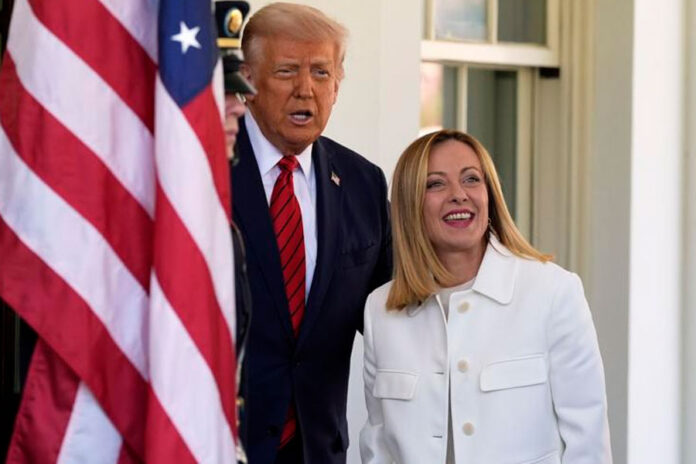
El presidente estadounidense Donald Trump recibe a la primera ministra de Italia, Giorgia Meloni, en la Casa Blanca, el jueves 17 de abril de 2025, en Washington. (Foto: AP/Alex Brandon)
El presidente estadounidense Donald Trump dijo el jueves que “no tenemos prisa” por alcanzar ningún acuerdo comercial debido a las ganancias que generan sus aranceles, pero insinuó en su reunión con la primera ministra italiana Giorgia Meloni que sería fácil lograr un acuerdo con la Unión Europea y otras naciones.
Trump desestimó la probabilidad de acelerar el cronograma diciendo que cualquier acuerdo se produciría “en un momento dado”.
“No tenemos prisa”, dijo Trump e insinuó que tiene una ventaja debido a que otros países desean tener acceso a los consumidores estadounidenses.
Más adelante, el presidente dijo: “Tenemos muchos países que quieren llegar a un acuerdo. Francamente, quieren hacer acuerdos más que yo”.
La reunión de Meloni con Trump fue una prueba de su temple como puente entre la Unión Europea y Estados Unidos. Ella fue la primera líder europea en sostener conversaciones cara a cara con el mandatario desde que anunció y luego suspendió parcialmente los aranceles del 20 % sobre las exportaciones europeas.
Meloni asistió a la reunión como líder de Italia, pero también ha sido “nombrada”, en cierto sentido, como representante de la UE en un momento crítico de la guerra comercial que ha avivado los temores de una recesión. El gobierno de Trump ha menospreciado a sus contrapartes europeas por no hacer lo suficiente en seguridad nacional mientras amenaza sus economías con aranceles, generando una profunda incertidumbre sobre el futuro de la alianza transatlántica.
Meloni buscó mostrar a Estados Unidos y Europa como aliados naturales en la civilización occidental y dijo que era importante “intentar sentarse y encontrar una solución” a las tensiones sobre el comercio y la seguridad nacional.
“El objetivo para mí es hacer que Occidente sea grande de nuevo”, dijo Meloni a Trump.
La UE defiende lo que denomina “la relación comercial más importante del mundo”, con un comercio anual que alcanza los 1,6 billones de euros (1,8 billones de dólares). El gobierno de Trump ha dicho que sus aranceles permitirían negociaciones comerciales que excluirían a China, el fabricante dominante del mundo. Pero el mandatario estadounidense sostiene que rivales y aliados se han aprovechado de Estados Unidos en el comercio, mientras dice que “los aranceles nos están haciendo ricos”.
Trump intentó contrarrestar las afirmaciones de que sus aranceles perjudican la economía, diciendo que los precios de la gasolina y los huevos ya están bajando. El presidente culpó a la Reserva Federal por el aumento de las tasas de interés sobre la deuda estadounidense. Las tasas aumentaron en gran medida porque los inversores estaban preocupados por los planes arancelarios de Trump y se volvieron menos dispuestos a comprar bonos del Tesoro, mientras que la Fed se ha mantenido firme en sus propias tasas de referencia debido a la incertidumbre económica.
“Tenemos muy poca inflación”, dijo Trump. “Diría que, esencialmente, no tenemos inflación”.
Para las naciones europeas, las negociaciones comerciales están bajo la autoridad de la Comisión de la Unión Europea, que presiona para alcanzar un acuerdo de aranceles cero con Washington.
Los funcionarios de la administración, en conversaciones con la UE, aún no han mostrado públicamente signos de ceder en la insistencia del presidente de que se cobre un arancel base del 10% a todas las importaciones extranjeras. Trump pausó durante 90 días su impuesto inicial del 20% a los productos del bloque para que pudieran llevarse a cabo negociaciones.
La UE ya ha interactuado con funcionarios de la administración de Trump en Washington. Maroš Šefčovič, el comisionado europeo para el comercio y la seguridad económica, dijo que se reunió el lunes con el secretario de Comercio estadounidense, Howard Lutnick, y con el Representante de Comercio de Estados Unidos, Jamieson Greer.
Šefčovič dijo después en X que “se requerirá un importante esfuerzo conjunto de ambas partes” para obtener aranceles cero y trabajar en las barreras comerciales no arancelarias, mientras que el equipo de Trump objetó específicamente el uso de impuestos al valor agregado por parte de Europa.
Los márgenes de avance de Meloni están más en obtener claridad sobre los objetivos del presidente republicano que en lograr concesiones directas. Con base en sus interacciones públicas con Trump, no se sabe si Meloni logró comprender claramente lo que Trump quiere.
Como líder de un partido de extrema derecha, Meloni está ideológicamente alineada con Trump en temas como frenar la migración, promover los valores tradicionales y el escepticismo hacia las instituciones multilaterales. Pero han surgido marcadas diferencias en cuanto al apoyo inquebrantable de Meloni a Ucrania tras la invasión de Rusia, iniciada en febrero de 2022.
Los dos líderes hablaron de la guerra y del papel de Italia en una posible reconstrucción posguerra de Ucrania. Trump ha presionado a Meloni para que aumente el gasto de Italia en defensa, que el año pasado estuvo muy por debajo del objetivo del 2% del producto interno bruto para los países de la alianza militar de la OTAN. El gasto de Italia, con un 1,49% del PIB, está entre los más bajos de Europa.
A pesar de las diferencias sobre Ucrania y el gasto en defensa, algunos miembros del gobierno de Estados Unidos ven a Meloni como un puente vital hacia Europa en un momento difícil para las relaciones transatlánticas.
Ella fue la única líder europea en asistir a la ceremonia de investidura de Trump el 20 de enero y ha respondido con moderación mientras los abruptos cambios en la política de Estados Unidos durante el régimen del republicano han desgastado la alianza entre Estados Unidos y Europa. Meloni denunció los aranceles, calificándolos como “equivocados”, y advirtió que “dividir a Occidente sería desastroso para todos”, tras el acalorado diálogo de Trump en la Casa Blanca con el presidente de Ucrania.
Italia mantiene un superávit comercial de 40.000 millones de euros (45.000 millones de dólares) con Estados Unidos, el mayor con cualquier país, impulsado por el apetito de los estadounidenses por el vino espumoso italiano, alimentos como el queso Parmigiano Reggiano y el jamón de Parma, y la moda de lujo italiana. Todos estos son sectores fundamentales para la economía italiana, y en su mayoría están apoyados por pequeños y medianos productores que son votantes clave de centroderecha.
La reunión se produce en un contexto de crecientes preocupaciones sobre la incertidumbre global generada por las crecientes guerras arancelarias. La previsión de crecimiento de Italia para este año ya se ha reducido del 1% al 0,5% como resultado.
El gobierno de Trump ha impuesto aranceles a gran parte del mundo, argumentando que otros países se han aprovechado de Estados Unidos, como lo demuestran sus déficits comerciales. Pero con la pausa de 90 días, la Casa Blanca aumentó los aranceles de Trump sobre China al 145% mientras mantiene aranceles separados de hasta el 25% sobre Canadá, México, los automóviles, el acero y el aluminio.
El miércoles, Trump se reunió con el principal negociador comercial de Japón, Ryosei Akazawa. En las redes sociales, el mandatario republicano resumió la reunión como un “¡Gran progreso!” pero no ofreció detalles específicos.
China busca simultáneamente llegar a acuerdos que podrían desmentir las afirmaciones de Trump de que sus aranceles finalmente generarían más empleos en fábricas nacionales y un crecimiento más fuerte.
El secretario del Tesoro, Scott Bessent, dijo el jueves que el gobierno trabaja primero con las “15 economías más grandes” cuando se trata de acuerdos comerciales. También informó que varios funcionarios surcoreanos visitarán Washington la próxima semana.
Investigadores revisan la escena de un incendio en la residencia oficial del gobernador de Pensilvania, el domingo 13 de abril de 2025, en Harrisburg, Pensilvania. (Foto: AP/Marc Levy)
HARRISBURG, Pensilvania. — Hace un año, Carole Zawatsky fue invitada por el gobernador de Pensilvania, Josh Shapiro, a un Séder de Pésaj , celebrado en la misma sala de la residencia oficial del gobernador que fue devastada por un incendiario sólo horas después que Shapiro organizara el ritual judío este año.
Ahora, al mirar las fotos de la destrucción, Zawatsky puede imaginar dónde había estado sentada y cuán mortal podría haber sido el ataque.
Como muchos otros, Zawatsky espera con cautela noticias de los investigadores sobre lo motivos del atacante, que están nublados por indicios de comportamiento errático, así como por declaraciones de su pasado.
Aun así, el ataque impactó duramente a la comunidad judía en un estado donde tal incidente resulta dolorosamente familiar. Apuntó al gobernador judío religiosamente observante de Pensilvania en el mismo lugar donde apenas horas antes había organizado uno de los rituales centrales del calendario judío.
Zawatsky dirige una organización en Pittsburgh formada para contrarrestar el antisemitismo y conmemorar a las víctimas de otro ataque en Pensilvania: los asesinatos de 11 fieles de tres congregaciones en la sinagoga Árbol de la Vida hace más de seis años, el ataque antisemita más mortífero en la historia de Estados Unidos.
“Ver esas imágenes es profundamente traumático”, dijo Zawatsky, directora ejecutiva de Árbol de la Vida, el grupo establecido tras los asesinatos del 27 de octubre de 2018. “No es mucho pedir que todos vivamos en un país donde celebremos nuestra fe sin miedo”.
Surge imagen más turbia sobre el motivo
El juicio por el tiroteo en la sinagoga reveló que el agresor, quien fue condenado y sentenciado a muerte, había estado sumido en el antisemitismo durante mucho tiempo y llevó a cabo el ataque metódicamente.
En el caso de Harrisburg, las cosas son menos claras. Los investigadores han revelado sólo fragmentos de lo que el sospechoso, Cody Balmer, de Harrisburg, les dijo. Sus familiares afirman el hombre de 38 años que ha luchado con enfermedades mentales, y sus abogados sugirieron el miércoles que eso será central en su defensa.
“No tenemos información definitiva sobre el motivo de esta persona”, dijo Zawatsky. “Sabemos que ciertamente hubo odio involucrado”.
La Policía Estatal de Pensilvania dijo que Balmer confesó el ataque, albergaba odio hacia el gobernador y dijo que planeaba golpear a Shapiro con un martillo.
“BALMER se identificó a sí mismo por su nombre y relató que el gobernador Josh SHAPIRO necesita saber que él ‘… no participará en sus planes para lo que quiere hacerle al pueblo palestino’”, escribieron los policías como parte de las solicitudes de órdenes de registro. Exactamente quién y qué significaba eso no estaba claro en los documentos.
El líder demócrata del Senado, Chuck Schumer, de Nueva York, pidió el jueves al Departamento de Justicia que determine si el ataque califica como un delito de odio federal.
Audrey Glickman, sobreviviente del ataque de 2018 y miembro de la Congregación Árbol de la Vida, dijo que admiraba la compostura de Shapiro, apenas horas después del ataque, y su enfática denuncia del odio independientemente del motivo.
“Uno necesita tiempo para darse cuenta que ha sido atacado y qué hacer al respecto”, dijo Glickman. Admiró “cómo se levantó de inmediato y habló con firmeza al respecto”.
Shapiro acudió a la escena del ataque de Pittsburgh en 2018 como fiscal general de Pensilvania en ese momento. Como gobernador, participó en la inauguración de 2024 de un nuevo edificio para reemplazar la sinagoga, que incluirá un monumento, programación y otras exhibiciones destinadas a contrarrestar el antisemitismo.
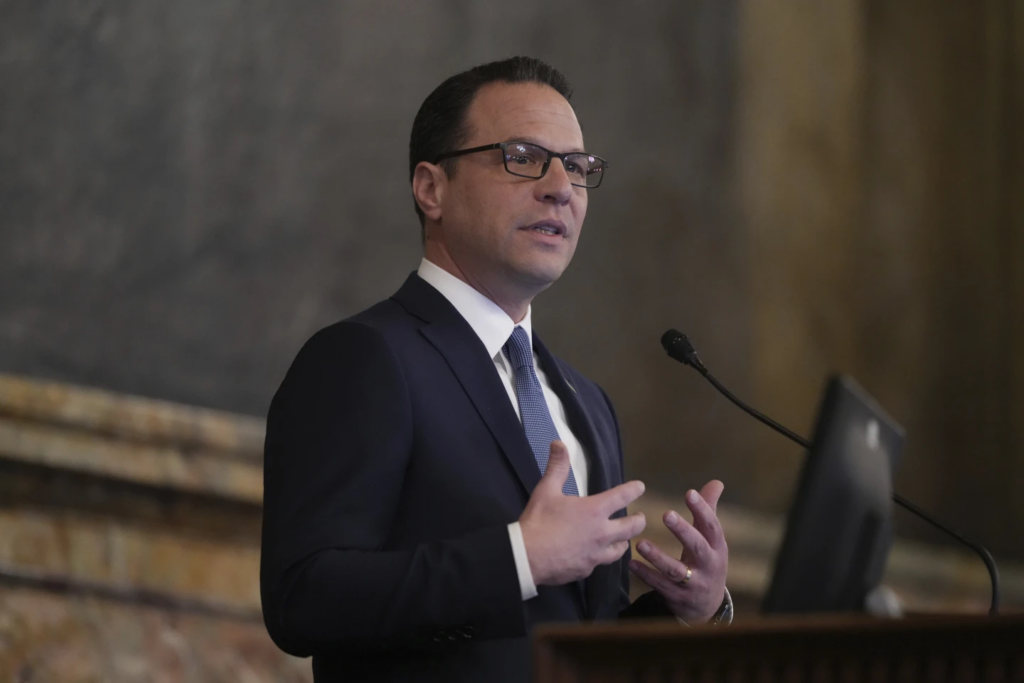
El gobernador de Pensilvania Josh Shapiro presenta su presupuesto para el año fiscal 2025-26 en una sesión conjunta de la Cámara de Representantes y el Senado estatales en el Capitolio del estado, el martes 4 de febrero de 2025, en Harrisburg, Pensilvania. (Foto: AP/Matt Rourke/Archivo)
Recordatorios de clima político sobrecalentado
Unas 200 personas participaron en una marcha solemne el miércoles por la noche en Harrisburg. Caminaron desde el estacionamiento de una sinagoga hasta la residencia del gobernador, donde realizaron una vigilia de oración multiconfesional al otro lado de la calle.
Varios manifestantes conectaron el ataque con el clima político sobrecalentado.
“Negarlo es como meter la cabeza en la arena”, dijo el ministro presbiteriano retirado Don Potter, de 75 años, de Dillsburg, quien dijo que las imágenes del interior del edificio con daños por el fuego “me enfermaron”.
Enid Wassner, una trabajadora de cuidado infantil retirada de Hershey, dijo que el hecho de que el ataque con bomba incendiaria ocurriera durante la Pascua y apuntara a Shapiro y su familia era “extremadamente preocupante”. Señaló que las instituciones y edificios judíos en Harrisburg han tenido que aumentar la seguridad.
“Gradualmente las cosas se han vuelto más preocupantes, para mí personalmente y para toda la comunidad judía”, sostuvo.
Surgen preguntas sobre estado mental del agresor
La policía afirmó en declaraciones juradas ante el tribunal que en una entrevista con detectives Balmer “admitió albergar odio hacia” Shapiro y se refirió al pueblo palestino en una llamada al 911 atribuida a él que se realizó poco después del allanamiento.
La madre y el hermano de Balmer han dicho que sufre de trastorno bipolar y no tomaba medicamentos de manera constante. Su hermano, Dan Balmer, dijo que en los últimos años Cody Balmer estuvo en un par de periodos tiempo en un hospital psiquiátrico en Harrisburg. Durante una audiencia judicial el lunes, Balmer negó tener antecedentes de enfermedad mental.
Dan Balmer dijo a la AP el martes que Cody Balmer “tenía estas teorías que estaban en su cabeza” y se enojaba cuando los miembros de la familia le decían que sus puntos de vista no reflejaban la realidad.
“Las acusaciones, si son ciertas, demuestran las consecuencias devastadoras de una enfermedad mental grave”, indicó Mary Klatt, la defensora pública principal en el condado Dauphin, cuya oficina representa a Balmer, el miércoles. Añadió que su audiencia preliminar se retrasará para determinar si Balmer es mentalmente competente para ser juzgado.
Identidad de Shapiro adquiere relevancia tras agresión
Shapiro se negó a hablar sobre el motivo del agresor el miércoles, diciendo que los fiscales finalmente determinarán qué lo impulsó.
“No me corresponde a mí responder eso”, dijo.
El gobernador ha criticado públicamente al gobierno del primer ministro israelí Benjamin Netanyahu y la naturaleza de la medida militar de Israel en Gaza, pero también ha respaldado el derecho de Israel a defenderse de Hamás.
Hank Butler, director ejecutivo de la Coalición Judía de Pensilvania, dijo que el enfoque de Shapiro ha sido Pensilvania y no el pueblo palestino.
“Decir que nuestro gobernador desea lo peor para el pueblo palestino no es bienvenido aquí”, dijo Butler. “No está justificado, absolutamente no está justificado, ningún ataque está justificado”.
Shapiro ha ganado elecciones estatales tres veces en un estado crucial en la contienda. Fue finalista para ser compañero de fórmula de la vicepresidenta Kamala Harris en la campaña presidencial del año pasado y se le considera un posible candidato demócrata para presidente en 2028.
El ataque una vez más pone su identidad en el centro. Cuando Harris eligió al gobernador de Minnesota, Tim Walz, sobre Shapiro, los republicanos intentaron presentar la decisión como un desaire a los votantes judíos.
El rabino Rick Jacobs, presidente de la Unión para el Judaísmo Reformista, un grupo paraguas para más de 800 congregaciones reformistas en América del Norte, vinculó la agresión con la identidad de Shapiro.
“También es alguien que es un fuerte defensor de Israel”, dijo Jacobs sobre Shapiro. ”¿Son esas cosas que ponen en riesgo tu vida en el siglo XXI?”
Zawatsky, la directora ejecutiva de Árbol de la Vida, señaló que en el ritual del Pésaj, se instruye a los judíos no sólo a recitar la historia de la liberación de sus antepasados antiguos de la esclavitud, sino a imaginarse a sí mismos como si la hubieran experimentado, algo que se siente especialmente conmovedor ahora.
Ya sea que las autoridades finalmente lleguen a una conclusión definitiva sobre lo que motivó el ataque del fin de semana pasado, ella y otros ya saben cómo se siente vivir con miedo.
“Es muy triste pensar que transmitimos el trauma heredado del miedo al antisemitismo, pero nunca pensé que seríamos una generación que tendría la experiencia de este tipo de antisemitismo violento”, dijo.