Una opción versátil y saludable, tortitas de papa doradas a la perfección, acompañadas de vegetales frescos. (Foto: RR. SS.)
Este platillo es un clásico que tiene su origen en Europa del Este, donde la papa era el alimento básico, su historia también se relaciona con la cocina judía quienes lo ligaban con las festividades del Hanukkah con la celebración del milagro del aceite, por lo tanto, tenían que consumir alimentos fritos y las tortitas se convirtieron en el plato estrella. A lo largo de los años estas se han popularizado alrededor del mundo y cada uno le ha agregado su toque distintivo.
En México se tienen antecedentes desde el siglo XIX, transformándose en una forma versátil por su combinación de texturas, ingredientes y sabores. Crujiente por fuera y suave por dentro, resultando una experiencia irresistible para cualquier paladar. Si bien la receta tradicional de las tortitas ya es deliciosa de por sí, existen variantes que le proporcionan equilibrio y vitaminas a este platillo, como la zanahoria, acelgas, espinacas, quinoa y queso. ¡Hoy realizaremos la receta de tortitas de papa con quinoa, fácil y saludable para compartir con tu familia!
INGREDIENTES
1 kilo de papas cocidas
2 huevos
1 taza de quinoa cocida
½ cebolla chica picada finamente
½ manojo de cilantro picado finamente
1 taza de pan molido
½ cucharadita de ajo en polvo
½ cucharadita de pimienta negra molida
Sal la necesaria
Aceite el necesario para freír
Crujientes tortitas de papa servidas junto a una fresca ensalada verde con jitomate, listas para disfrutarse en familia. (Foto: RR. SS.)
PROCEDIMIENTO
Las papas tibias se aplastan hasta convertirlas en puré, se añade el huevo, la quinoa, pan molido, cebolla, cilantro, ajo en polvo, pimienta y sal, se mezclan muy bien rectificando la sal.
Se forman bolitas del tamaño de una pelotita de golf y se aplana para formar las tortitas del tamaño que las deseas.
En un sartén se calienta aceite para dorar las tortitas por ambos lados. Sacas y colocas en un plato con papel absorbente para que se estile el exceso de grasa.
Se acompañan con arroz de tu preferencia y ensalada verde fresca. A disfrutar de esta deliciosa comida saludable.
NOTA: Se puede sustituir la quinoa por queso de tu preferencia, acelgas, espinacas, etc.
El presidente Donald Trump se sube al Air Force One, el viernes 5 de junio del 2026, en la Base Aérea Andrews, Maryland. (Foto: AP/Mark Schiefelbein)
Un juez federal anuló el viernes una política del gobierno de Trump promulgada después del tiroteo de dos miembros de la Guardia Nacional, que dificultaba a inmigrantes de decenas de países permanecer y entrar en Estados Unidos.
En un fallo que criticó duramente al gobierno, el juez John McConnell Jr. afirmó que la política “arrojó las vidas de incontables inmigrantes que viven en Estados Unidos a un limbo legal indeterminado”, y acusó al Servicio de Ciudadanía e Inmigración de ignorar la ley.
“Al promulgar sus más recientes políticas migratorias, el USCIS (Servicios de Ciudadanía e Inmigración) se atribuye una autoridad estatutaria y reglamentaria que no posee; toma decisiones sin las explicaciones razonadas que debe proporcionar; actúa sin considerar los intereses de confianza de los solicitantes que debe tener en cuenta; y justifica sus acciones con preocupaciones pretextuales de ‘seguridad nacional’ que encubren sentimientos antiinmigrantes cuya influencia en su toma de decisiones tiene prohibido permitir”, escribió McConnell. “En términos legales, eso significa que las acciones del USCIS son contrarias a la ley y arbitrarias y caprichosas”.
De momento un portavoz del Departamento de Seguridad Nacional no ha respondido a una solicitud de comentarios.
Las políticas le prohibían a inmigrantes de 39 países de África, Asia, América Latina y Oriente Medio recibir decisiones sobre, entre otras cosas, sus solicitudes de asilo, permiso de trabajo, tarjeta de residencia y ciudadanía.
“Este fallo reafirma un principio básico: el gobierno federal no puede cerrar vías legales de inmigración ni discriminar a las personas por su lugar de origen”, declaró Skye Perryman, presidenta y directora ejecutiva de Democracy Forward, que representó a los demandantes en el caso. “Estas políticas ilegales causaron un daño enorme a familias, trabajadores, solicitantes de asilo y comunidades en todo el país, que quedaron en el limbo, sin poder trabajar, acceder a protecciones o seguir adelante con sus vidas”, añadió.
Las políticas se aplican al Servicio de Ciudadanía e Inmigración, que aprueba solicitudes para que los inmigrantes trabajen y se conviertan en ciudadanos. La agencia, que forma parte del Departamento de Seguridad Nacional, a menudo concede asilo, pero solo a quienes ya están en Estados Unidos. Los jueces de inmigración conceden asilo a quienes son detenidos en la frontera; el fallo no los afecta, y tampoco lo hacen las políticas que desencadenaron la demanda.
El fallo afectará a todos los casos pendientes en el USCIS que involucren a personas de los países sujetos a la prohibición de viaje, no solo a los incluidos en la demanda, declaró Shev Dalal-Dheini, directora de relaciones gubernamentales de la American Immigration Lawyers Association.
“Es una importante victoria legal para garantizar que las vías legales de inmigración permanezcan abiertas y que el USCIS sea obligada a hacer su trabajo, ordenado por el Congreso, de adjudicar solicitudes”, indicó.
Forma parte de un esfuerzo continuo del gobierno por endurecer los estándares de entrada para viajes e inmigración, en lo que los críticos dicen que impide injustamente viajar a personas de una amplia gama de países. El gobierno sugirió que ampliaría las restricciones después del arresto de un ciudadano afgano sospechoso del tiroteo de dos soldados de la Guardia Nacional durante el fin de semana de Acción de Gracias.
En su moción para desestimar, que el tribunal denegó, el gobierno argumentó que el Congreso otorgó al poder ejecutivo una amplia autoridad sobre la política migratoria, incluida “la entrada de extranjeros en Estados Unidos, así como discreción dentro del esquema estatutario para conferir y también retirar diversos beneficios discrecionales” .
“Este caso se basa en una premisa notable: que un tribunal federal debería impedir que una agencia emita la misma orientación de políticas que proporciona al personal del gobierno las barreras de protección necesarias para garantizar una toma de decisiones consistente, no arbitraria e individualizada conforme a la ley federal”, escribió el gobierno en su escrito.
Grupos de inmigración celebraron el fallo.
“Este fallo sienta un poderoso precedente de que el gobierno no puede ignorar la ley tal como la estableció el Congreso y no puede prohibir arbitrariamente beneficios migratorios sobre la base del origen nacional por decreto”, señaló Jamal Abdi, presidente del Consejo Nacional Iraní-Estadounidense. “Afortunadamente, esta sigue siendo una nación de leyes, y quienes defienden los valores de Estados Unidos tienen recursos para impugnar y hacer frente a políticas tan discriminatorias y arbitrarias”.
Shawn VanDiver, un veterano de la Marina que encabeza una coalición que apoya los esfuerzos de reasentamiento afgano llamada #AfghanEvac, apuntó que el fallo fue una “victoria significativa para el estado de derecho y para miles de aliados afganos y otros inmigrantes que cumplieron con todos los requisitos que se les pidieron”.
“Tan solo esta semana en Dallas y Fort Worth, nos reunimos con personas que temían perder empleos porque las renovaciones retrasadas de permisos de trabajo amenazaban sus medios de vida, familias que pospusieron educación, viajes y la compra de vivienda porque no sabían cuándo se resolverían sus casos, y futuros estadounidenses que esperaban convertirse en ciudadanos solo para ver que sus solicitudes se estancaban sin explicación”, dijo VanDiver.
Una réplica del trofeo anticipa la pasión futbolera en las calles de Filadelfia, ciudad que ya prepara los detalles de transporte, seguridad y acceso para el monumental FIFA Fan Festival™ que albergará Lemon Hill a partir del 11 de junio. (Foto: Cristian Marín)
Filadelfia se convertirá en uno de los epicentros del fútbol mundial este verano con la llegada de la Copa Mundial de la FIFA 2026. La ciudad no solo albergará importantes partidos en el Lincoln Financial Field, sino que también ofrecerá una amplia agenda cultural y comunitaria, incluyendo el esperado FIFA Fan Festival y un concierto gratuito del cantante Luis Fonsi.
Fan Fest: 39 días de celebración
El FIFA Fan Festival se llevará a cabo del 11 de junio al 19 de julio de 2026 en Lemon Hill, ofreciendo entrada gratuita al público. Habrá transmisión en vivo de partidos, conciertos, gastronomía, actividades familiares y eventos culturales, consolidando el espacio como el punto de encuentro para fanáticos del fútbol en la ciudad.
Consulta los detalles de transporte y estacionamiento con SEPTA, PHLASH, Indego y la PPA en https://www.phila.gov/
Mantente informado enviando un mensaje de texto con la palabra CUPPHL al 888-777 para recibir alertas de seguridad en tiempo real.
Luis Fonsi abrirá el Fan Fest
El artista puertorriqueño Luis Fonsi, conocido mundialmente por “Despacito”, encabezará la celebración inaugural del FIFA Fan Festival en Filadelfia. El concierto está programado para el 11 de junio de 2026 en Lemon Hill, en Fairmount Park, marcando el inicio de más de un mes de celebraciones. Las puertas abren a las 2:00 PM.
“Es un honor formar parte de la celebración inaugural de la Copa Mundial de la FIFA en Filadelfia y actuar para los aficionados en un día tan histórico”, dijo Fonsi. “Tanto el fútbol como la música tienen un poder único para unir a las personas, y celebrar ese espíritu con los aficionados de Filadelfia y de todo el mundo es algo muy especial”.
Partidos del Mundial en Filadelfia
Filadelfia será sede de seis partidos del Mundial, incluyendo cinco de fase de grupos y uno de eliminación directa el 4 de julio. Entre las selecciones que jugarán en la ciudad destacan Brasil, Francia, Croacia, Ghana, Ecuador y Costa de Marfil, entre otras.
Actividades comunitarias: el Mundial también en los barrios
Además de los eventos oficiales, organizaciones locales están creando espacios familiares para vivir el Mundial. Un ejemplo es la “Family Watch Party” organizada por Esperanza Arts Center, que invita a la comunidad a disfrutar de una proyección pública autorizada del partido entre México y la República Checa. El evento será el miércoles, 24 de junio, a las 7:30 p.m. en el Gran Salón & Plaza, ubicado en 4261 North 5th Street, Philadelphia, PA 19140.
La actividad será gratuita e incluirá comida, música, vendedores y actividades para niños, ideal para disfrutar en familia y comunidad.
El evento se realiza en colaboración con Finanta y el Consulado de México en Filadelfia, reforzando el enfoque comunitario y cultural del Mundial en la ciudad.
Con una oferta que combina deporte de alto nivel, música internacional y espacios comunitarios, Filadelfia se prepara para vivir una celebración histórica que destacará la diversidad y el espíritu futbolero de sus residentes.
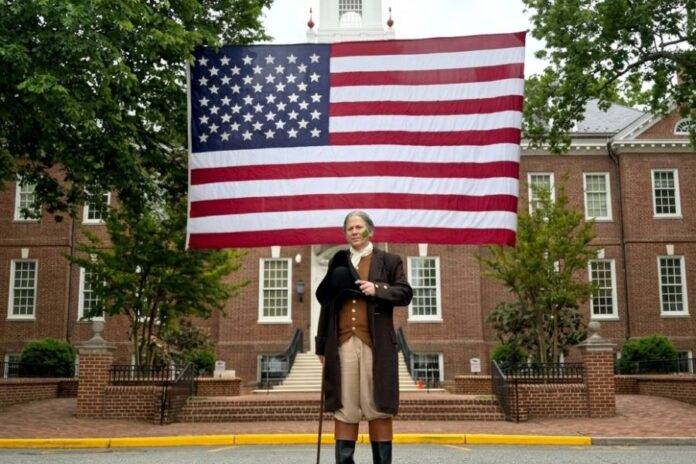
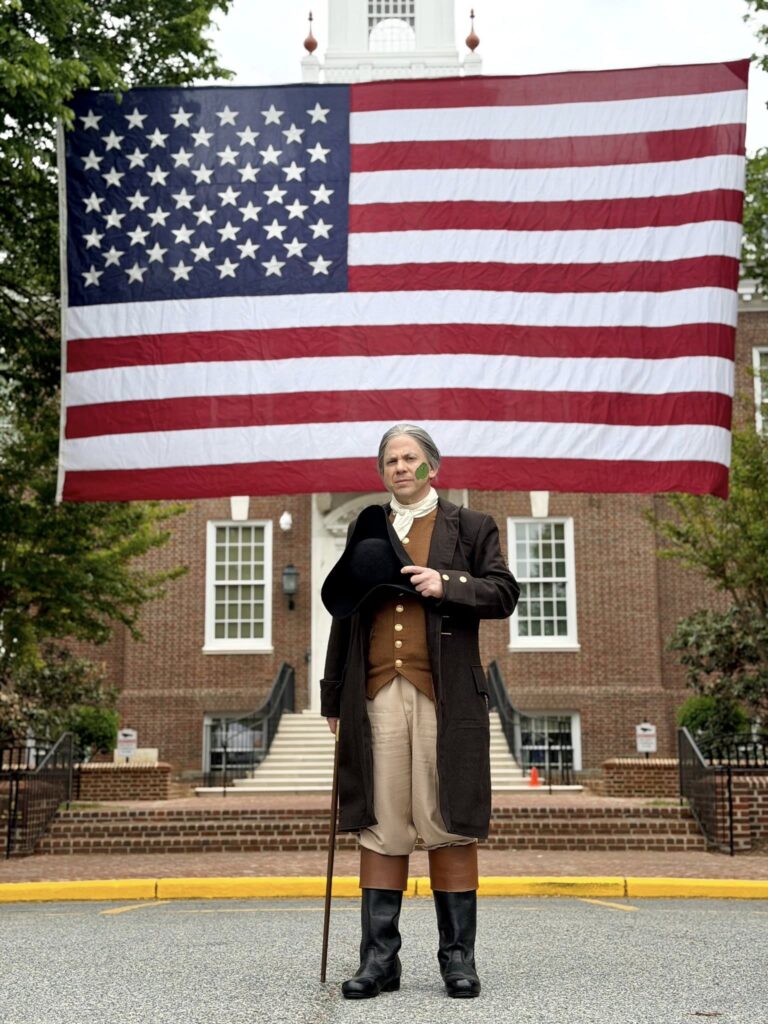
Attorney and New Castle County Register of Wills Ciro Poppiti are tasked with portraying Caesar Rodney. (Photo: Social Media)
As the United States celebrates its 250th anniversary this July 4, Delaware will also mark its role in casting the decisive “tie‑breaking” vote that secured independence from England.
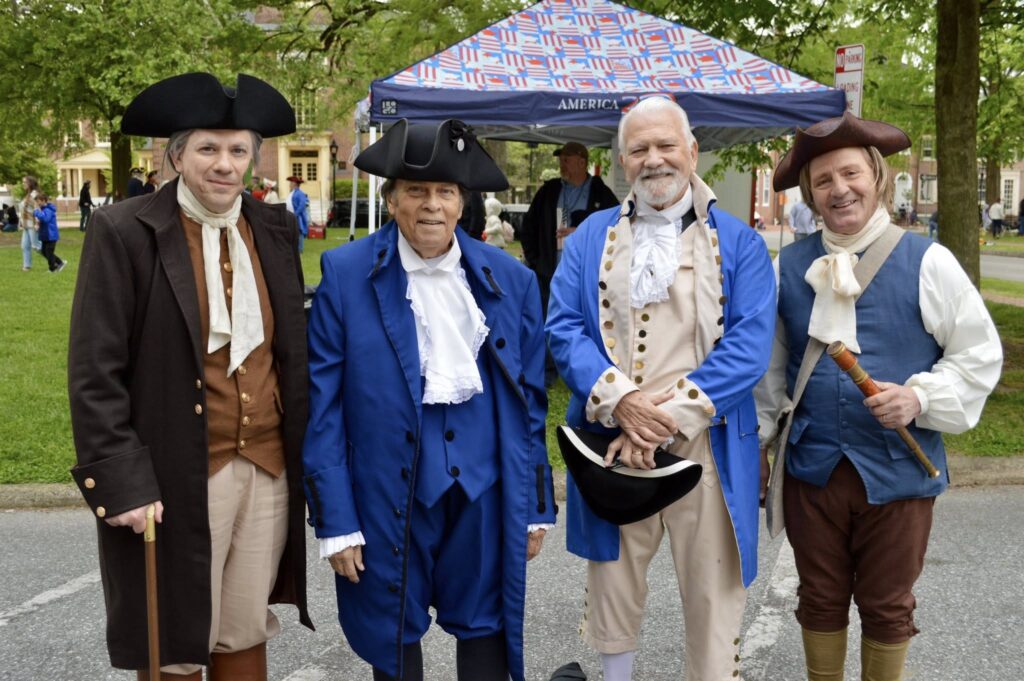
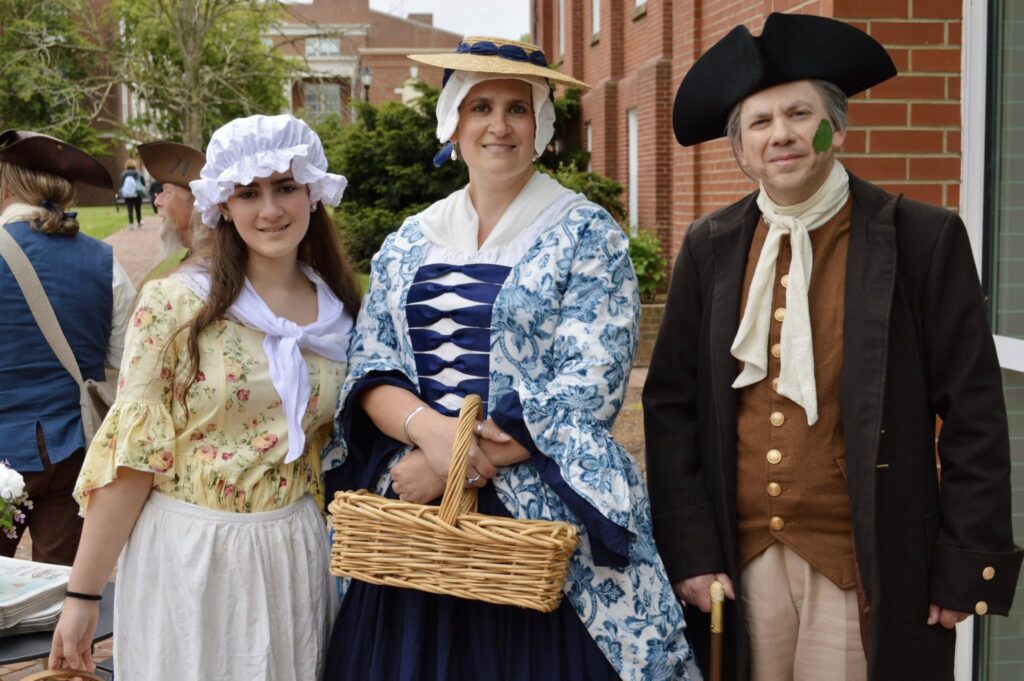
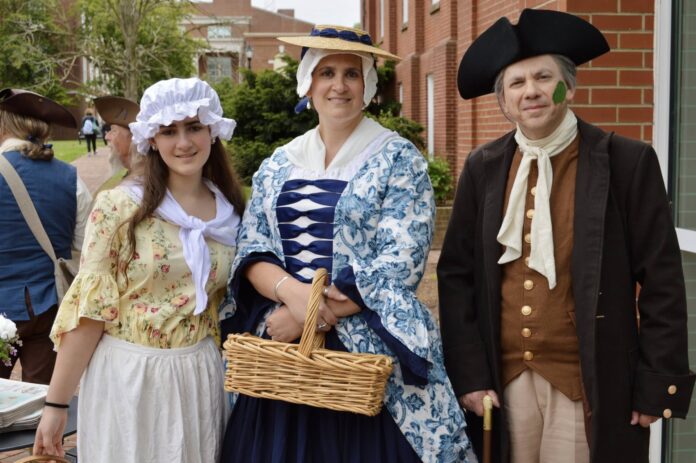
(L–R) “Caesar Rodney” with two members of “Unheard Voices” and “Jacob Broom” (right) during Dover Days. (Photo: Social Media)
In 1776, Caesar Rodney (a native of Dover, DE) rode on horseback from Dover to Independence Hall in Philadelphia to cast the deciding vote on behalf of the Delaware delegation in favor of independence from England.
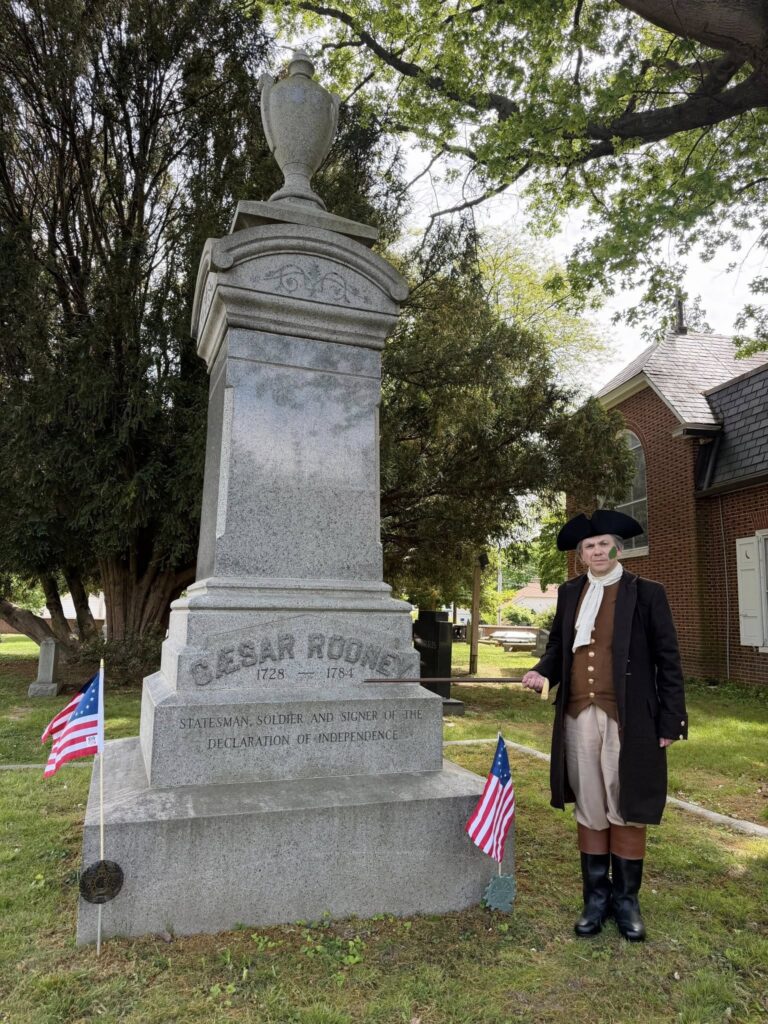
“Caesar Rodney” next to the Caesar Rodney Memorial (1728–1784) in Dover. (Photo: Social Media)
In addition to signing the Declaration of Independence, Rodney served as Register of Wills—the same position currently held by attorney Ciro Poppiti, who on June 12 and 13 will ride from Delaware to Independence Hall in Philadelphia, reenacting the feat of one of the nation’s “Founding Fathers.”
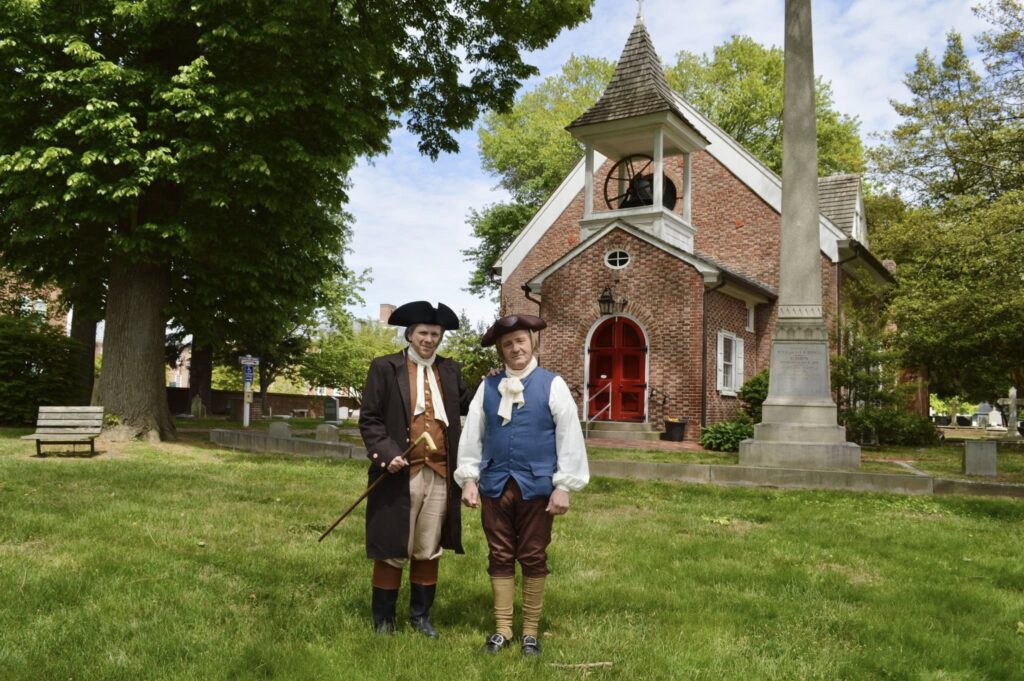
(L–R) “Caesar Rodney” and “Jacob Broom” at Christ Episcopal Church in Dover. (Photo: Social Media)
This initiative by the Delaware Italian American Foundation—called the “250 Ride”—will not follow the equestrian paths Rodney once took, but instead modern roads (Route 13 through Claymont and Delaware County, and then Passyunk Avenue to Independence Hall). Nor will it take place in early July, as historically appropriate, but a month earlier, since Philadelphia will be hosting the FIFA World Cup in July. And while Caesar Rodney rode alone, Poppiti will be accompanied by several “symbolic companions”—historical figures representing the builders, thinkers, leaders, and communities whose stories are often left out of traditional Revolutionary narratives, yet whose contributions helped shape the United States.
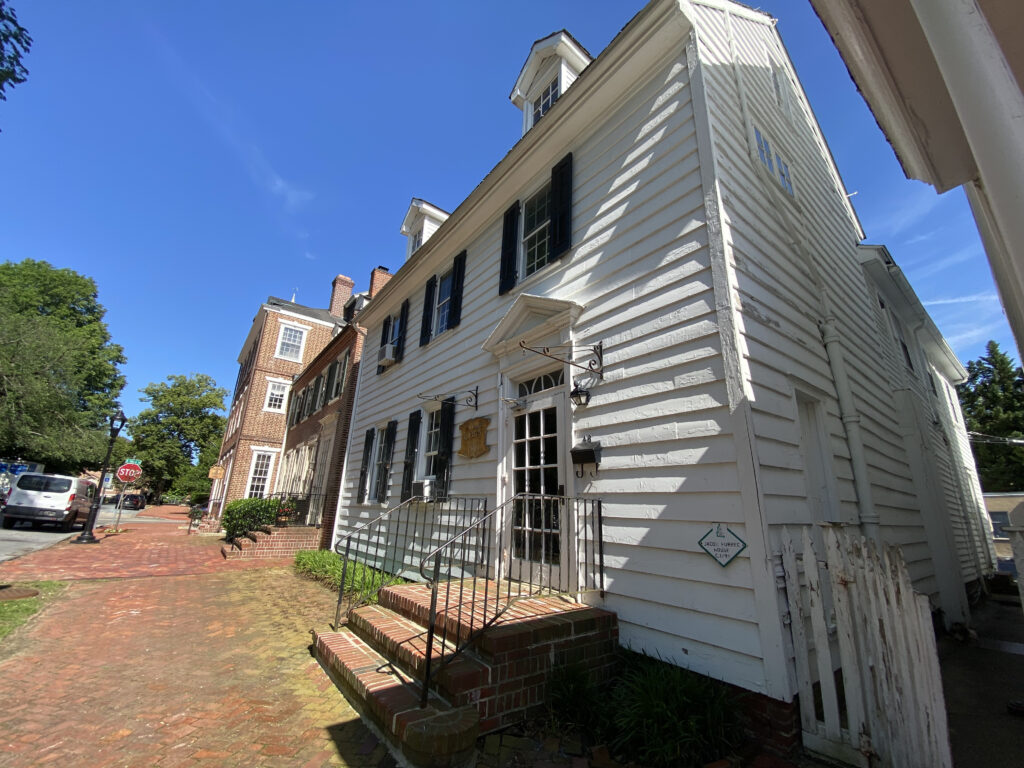
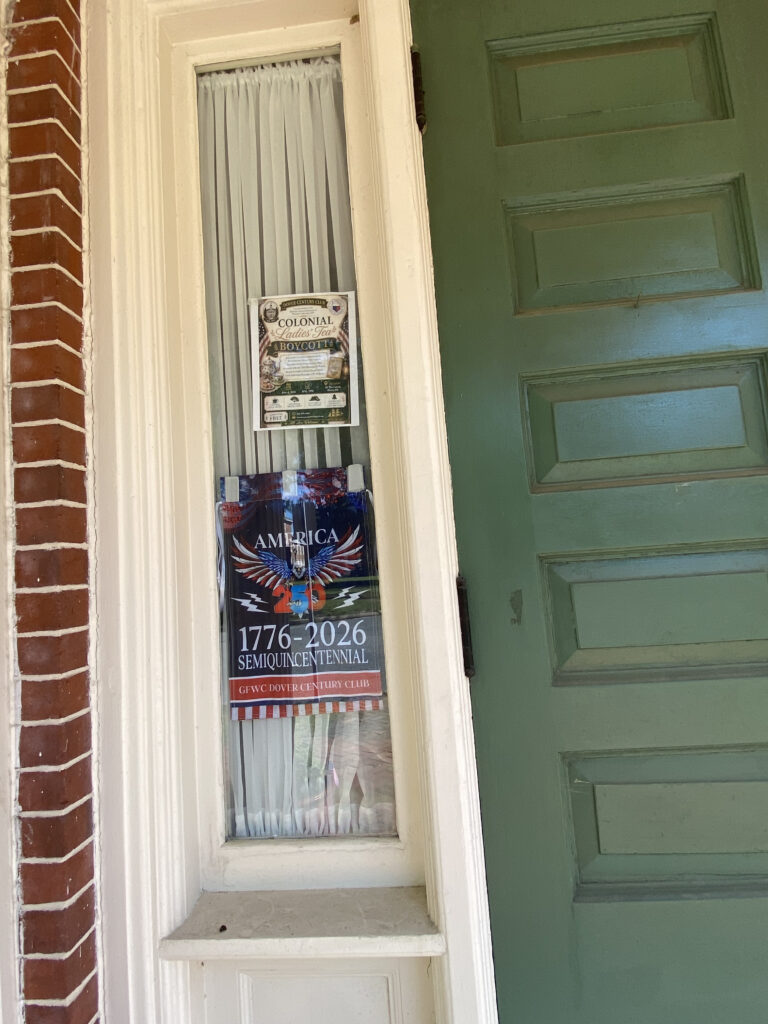
Colonial house of Jacob Furbee (c. 1795), located on The Green, the heart of downtown Dover. (Photo: Virginia Esteban–Somalo)
One such figure is Jacob Broom—portrayed by Hugo Immediato Jr.—who will join the procession as part of “Unheard Voices of the Revolution,” an effort to remind audiences that although Caesar Rodney helped secure Delaware’s vote for independence, the story of the nation’s founding belongs to many voices.
For Ciro Poppiti, who portrays Caesar Rodney, even though the historical figure has become controversial, this should not overshadow his role as a key figure in the history of American independence.
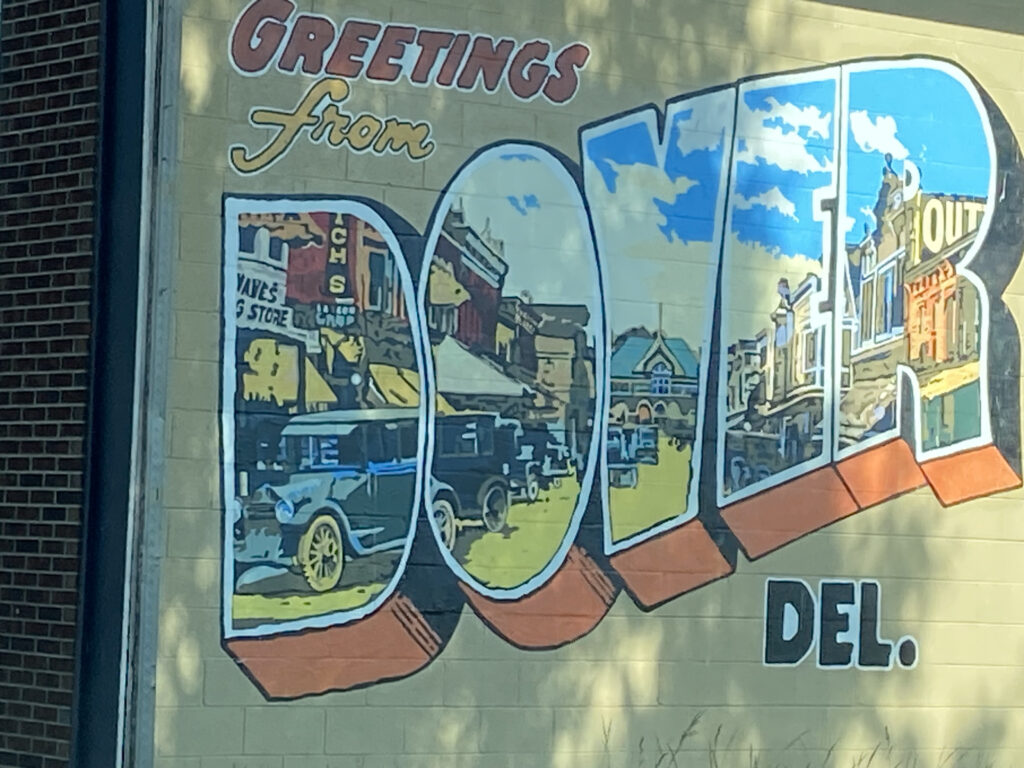
Dover, located in New Castle County, was the birthplace of Caesar Rodney. (Photo: Virginia Esteban–Somalo)
In statements to NBC Philadelphia, Poppiti said: “We have critics—critics who want to condemn Caesar Rodney because he owned slaves, and they have every right to do so.
The reenactment aims to bring visibility to historical figures often left out of traditional Revolutionary narratives. In the image, “Caesar Rodney” with two of these figures. (Photo: Social Media)
We welcome those who criticize Rodney, because those critics are helping us fulfill our mission. Our mission is to tell the full story—with all its imperfections—and to highlight the fact that people of all backgrounds contributed to what became the greatest unexpected achievement in world history.
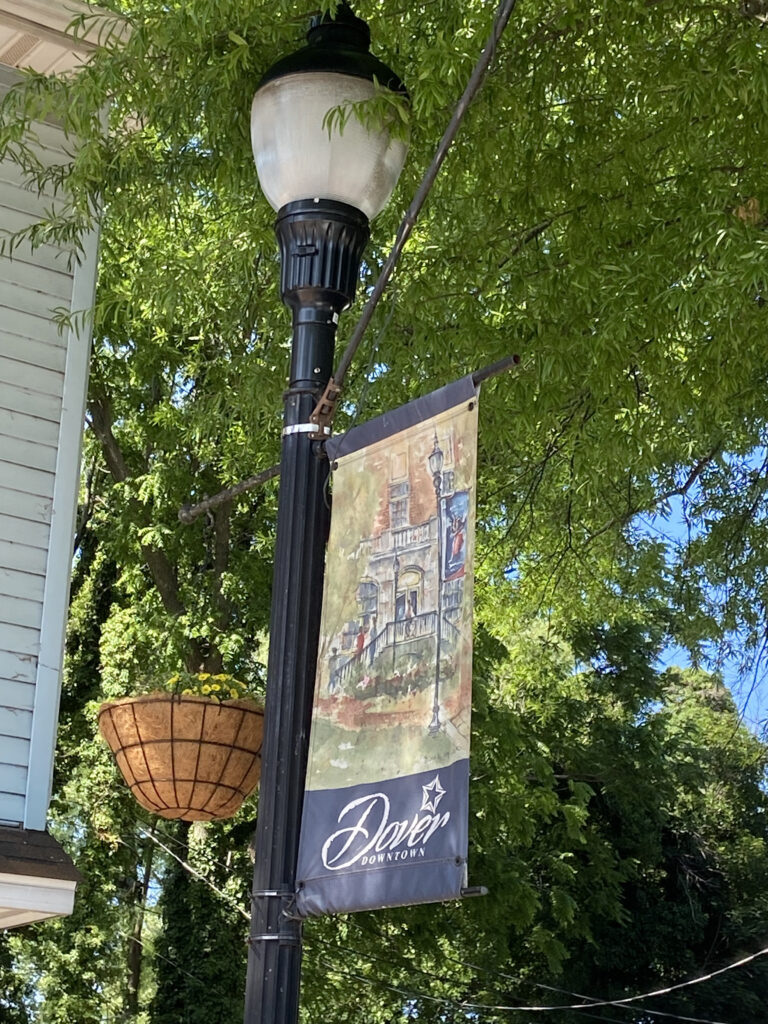
The city of Dover is the capital of Delaware. (Photo: Virginia Esteban–Somalo)
The journey will begin at Christ Episcopal Church in Dover on June 12 at around 11:00 a.m. Between 6:00 p.m. and 9:00 p.m., members of the reenactment will gather at the “250 Ride” Gala at Thousand Acre Farm, where they will await Caesar Rodney’s arrival at the end of the first day.
Delaware also joins in celebrating its own 250th anniversary alongside that of the United States. (Photo: Virginia Esteban–Somalo)
On June 13, the reenactment will continue toward historic Old New Castle, where participants will take part around midday in the Separation Day Parade. Caesar Rodney, Jacob Broom, and members of the “Unheard Voices” initiative will walk through the historic streets, after which the carriage will continue its symbolic journey to Independence Hall in Philadelphia.
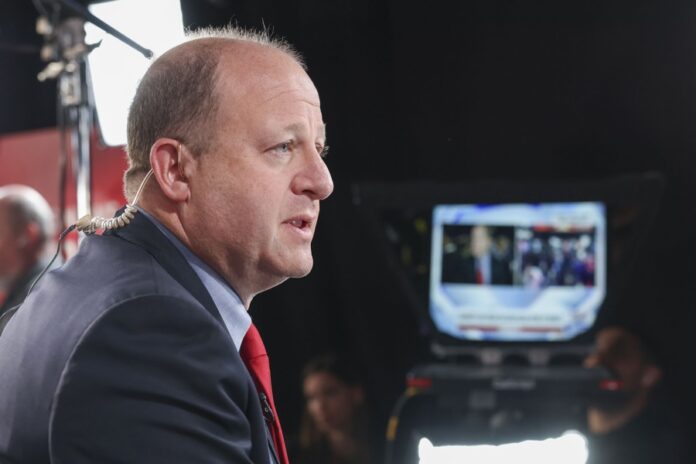
El gobernador de Colorado, el demócrata Jared Polis, vetó una ley destinada a proteger los derechos constitucionales de los inmigrantes detenidos en operativos federales, solo unos días después de firmar una proclamación que destacaba las contribuciones de los inmigrantes al estado.
El veto, anunciado este jueves, contrasta con la proclamación emitida por Polis a comienzos de la semana, en la que llamó a «honrar las diversas culturas de inmigrantes» y a «reconocer que la vitalidad de nuestra economía, nuestra cultura y nuestras comunidades se fortalece continuamente gracias a las habilidades, el trabajo arduo y el compromiso cívico de los inmigrantes».
El proyecto, promovido por la senadora estatal demócrata Julie Gonzales y respaldado ampliamente por ambas cámaras, habría creado una vía legal para que cualquier persona pudiera acceder a servicios jurídicos financiados por Colorado si consideraba que agentes federales habían vulnerado sus derechos.
La ley estipulaba un monto inicial de 125.000 dólares para el costo de representación legal de los inmigrantes que decidieran iniciar un «recurso de equidad o cualquier otro recurso apropiado» hasta dos años después del incidente en el que podrían haber sido afectados.
«Durante meses, los habitantes de Colorado han escuchado historias y visto videos de detenciones violentas por parte del ICE ocurriendo en todo el estado», dijo a EFE Karen Orona, portavoz de la Coalición de Derechos de los Inmigrantes de Colorado (CIRC).
Orona detallo que hay «videos de ventanas de automóviles destrozadas y relatos sobre una madre y su hijo retenidos como rehenes por el ICE para presionar a un padre a entregarse».
La ley «ofrecía una vía legal para exigir responsabilidades a los funcionarios federales por tales abusos», puntualizó la vocera de la CIRC.
Eso significa, expresó la activista, que si la ley hubiera sido aprobada, los inmigrantes hubieran contado con el marco legal necesario para demandar a funcionarios federales que presuntamente no hubieran respetado los derechos constitucionales de los inmigrantes durante las operaciones de control migratorio.
Según datos de la Oficina de Nuevos Estadounidenses de Colorado, un 10 % de la población de este estado (unas 630.000 personas) es de origen inmigrante, que aportan unos 9.500 millones de dólares anuales a la economía local.
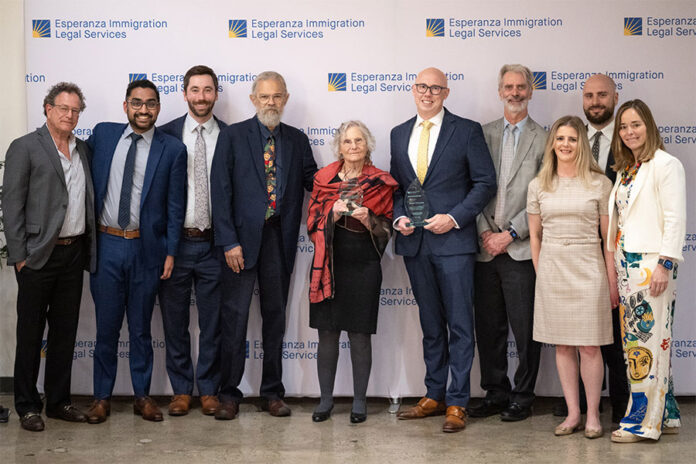
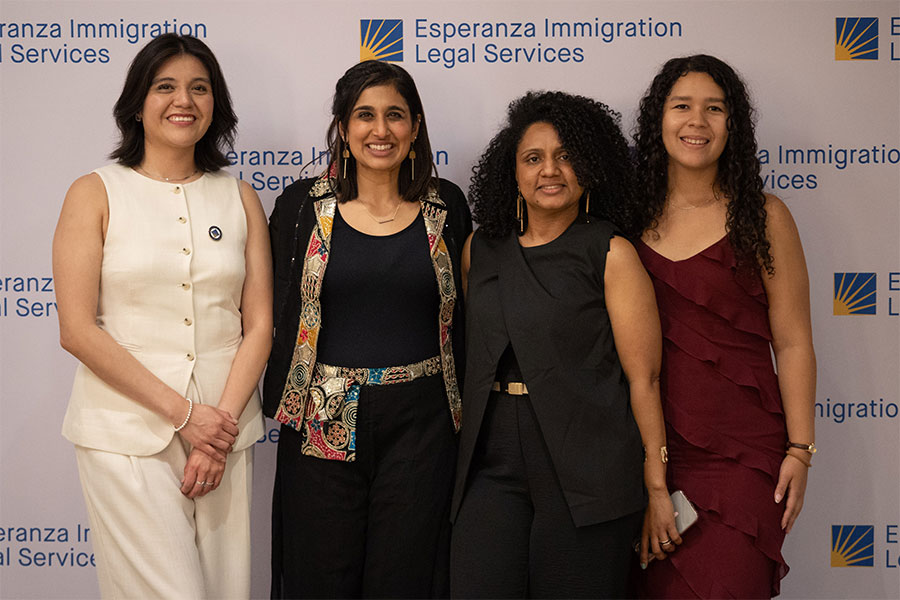
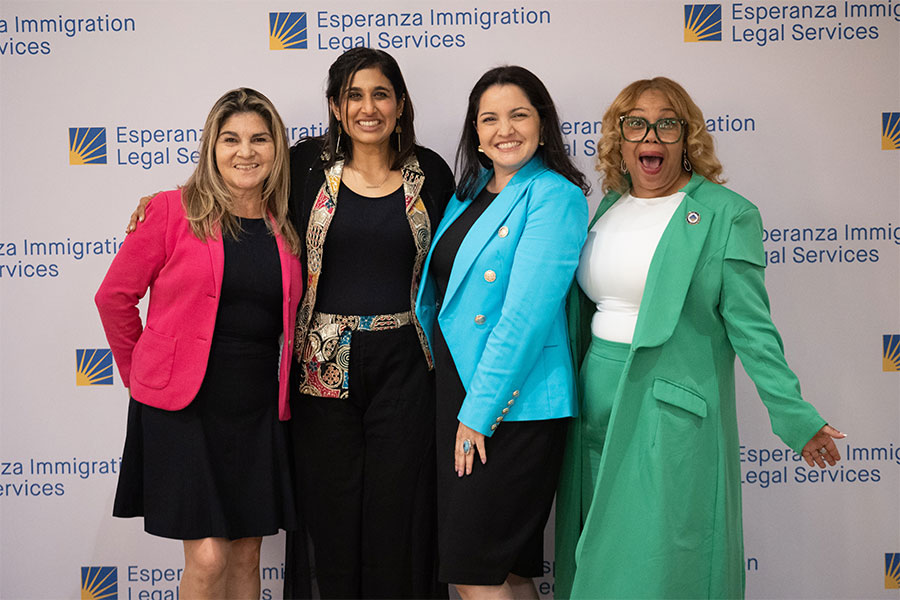
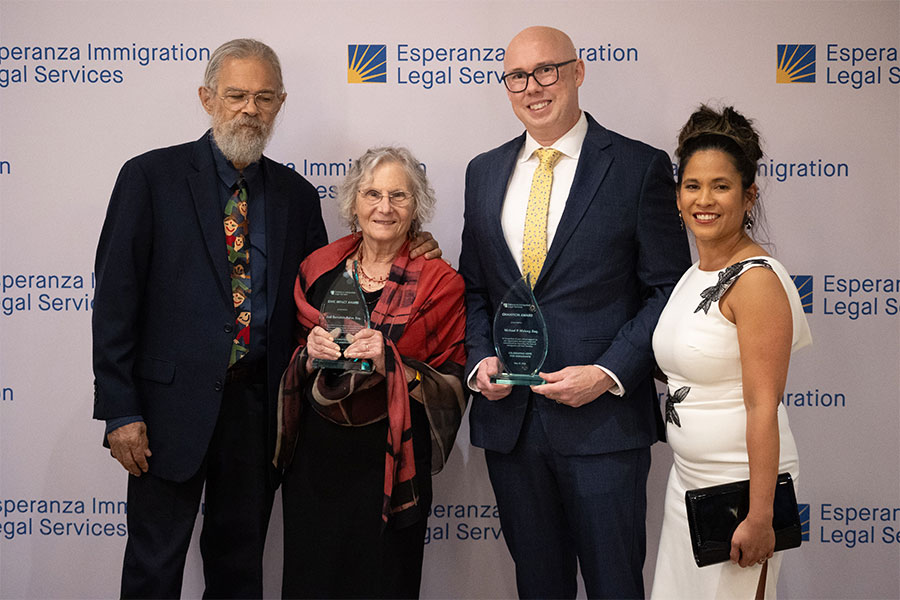
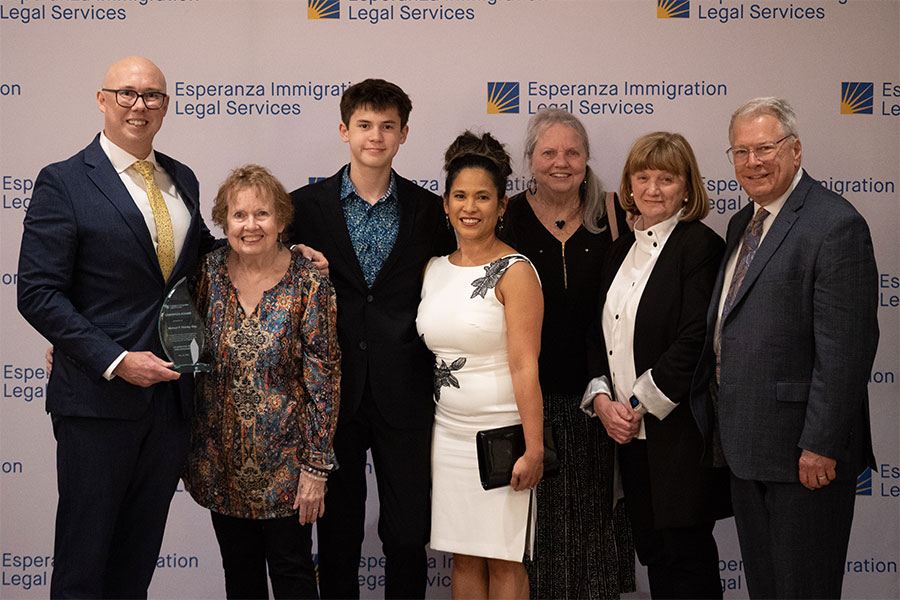
Gracias a nuestros patrocinadores principales, Galfand Berger LLP y Palladino Isbell Casazza LLC. (Foto: Kathryn Price)
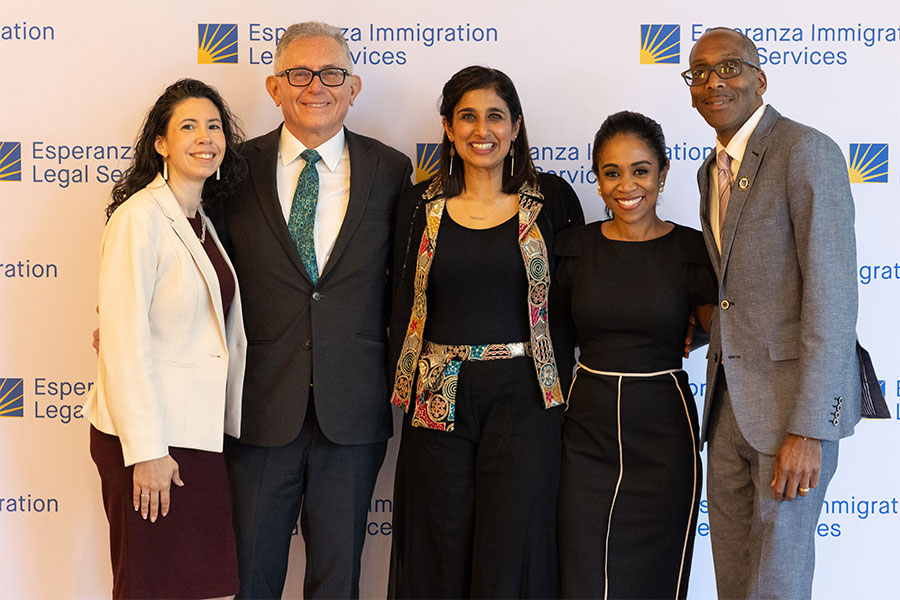
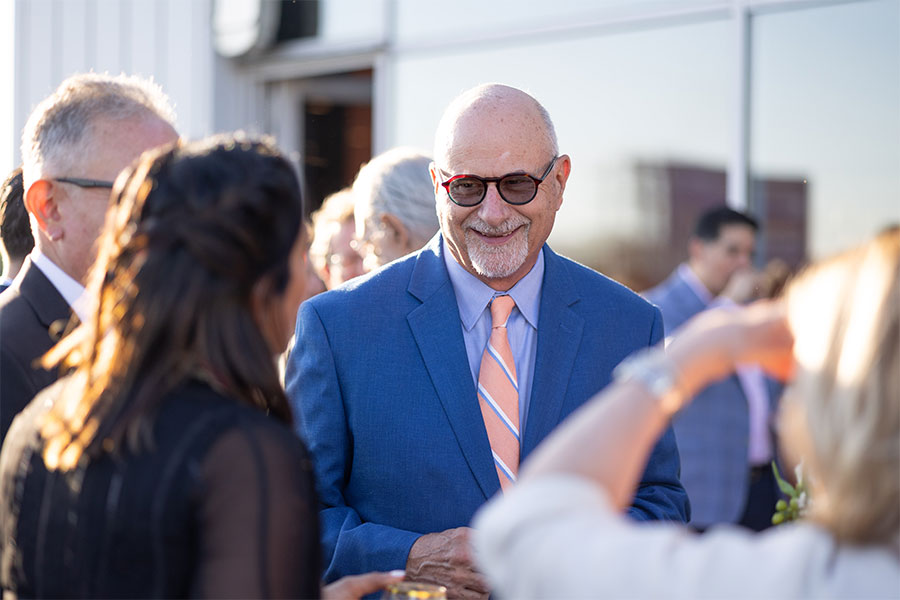
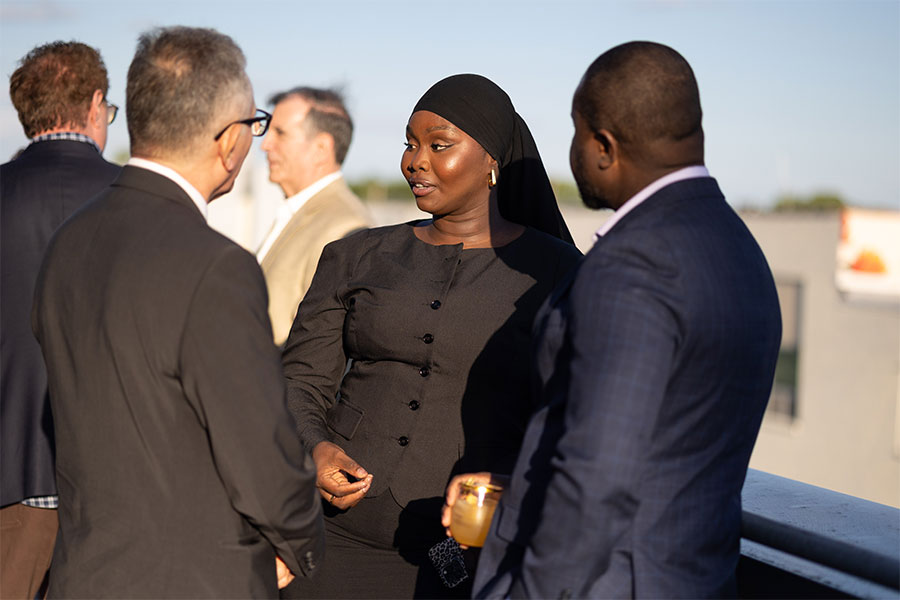
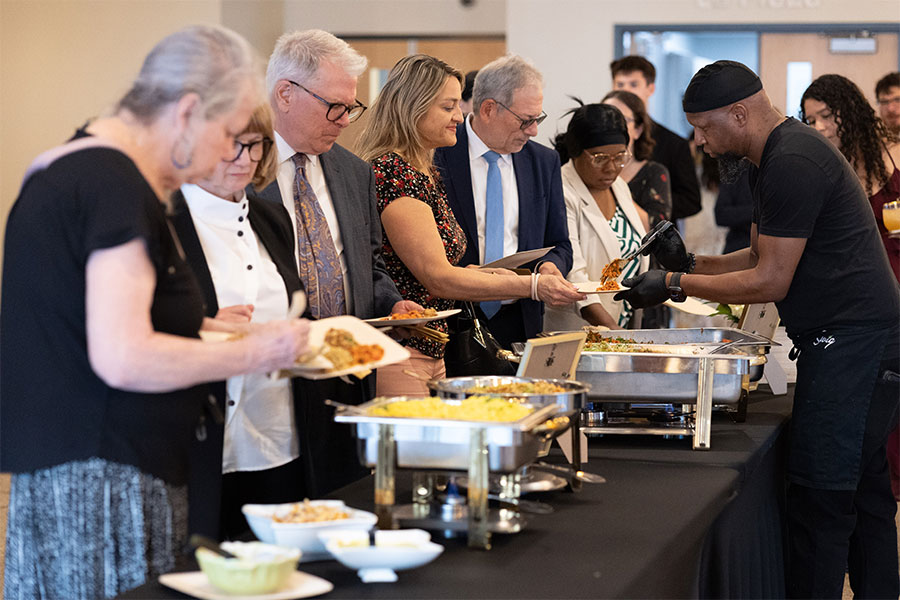
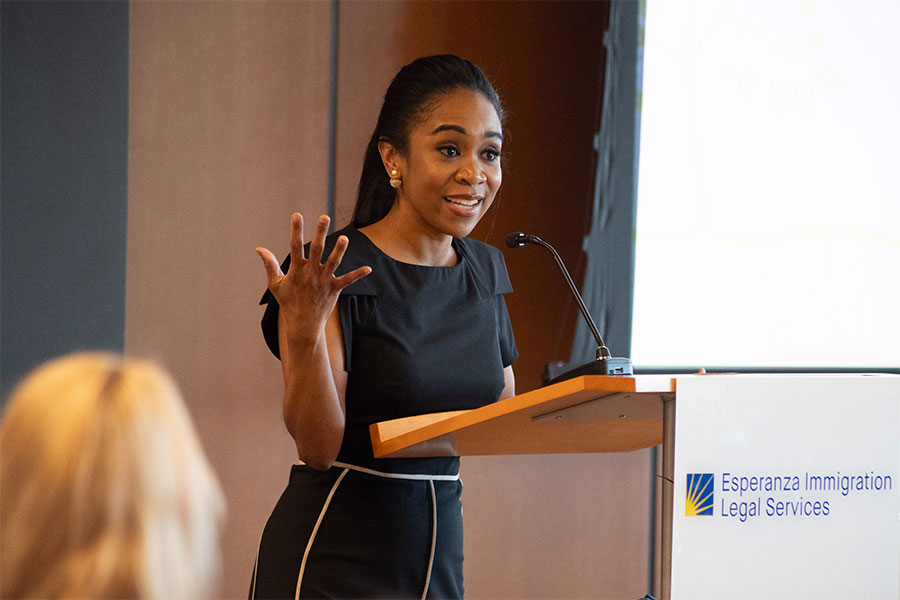
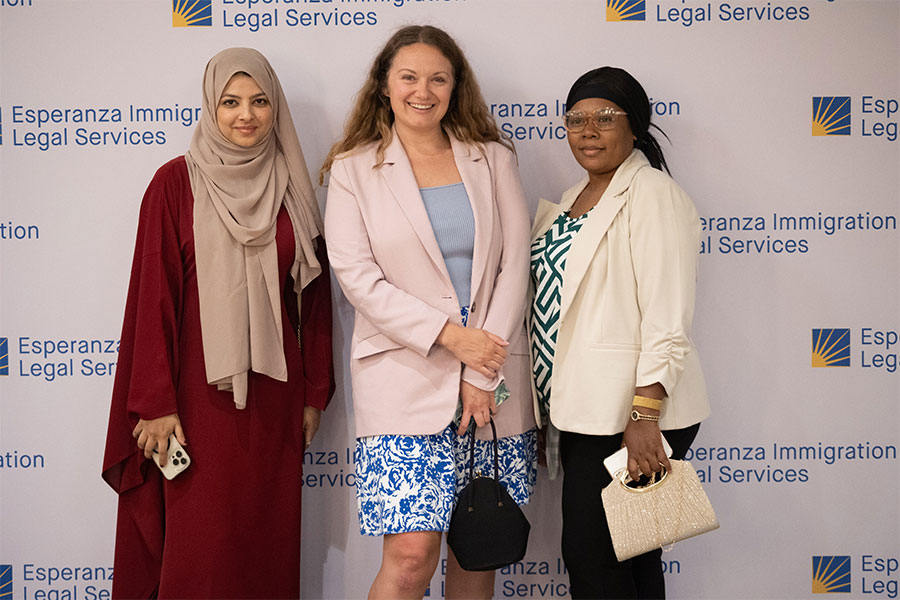
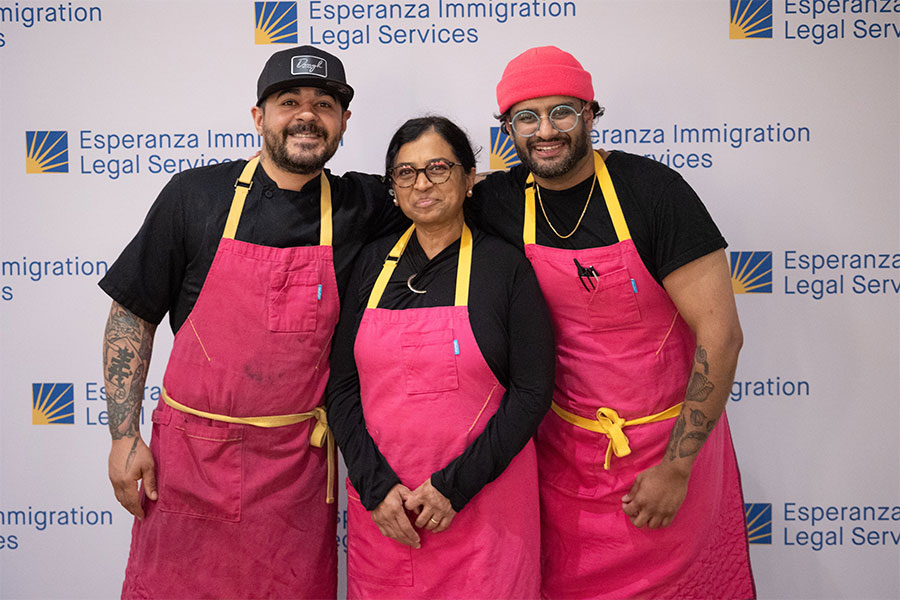
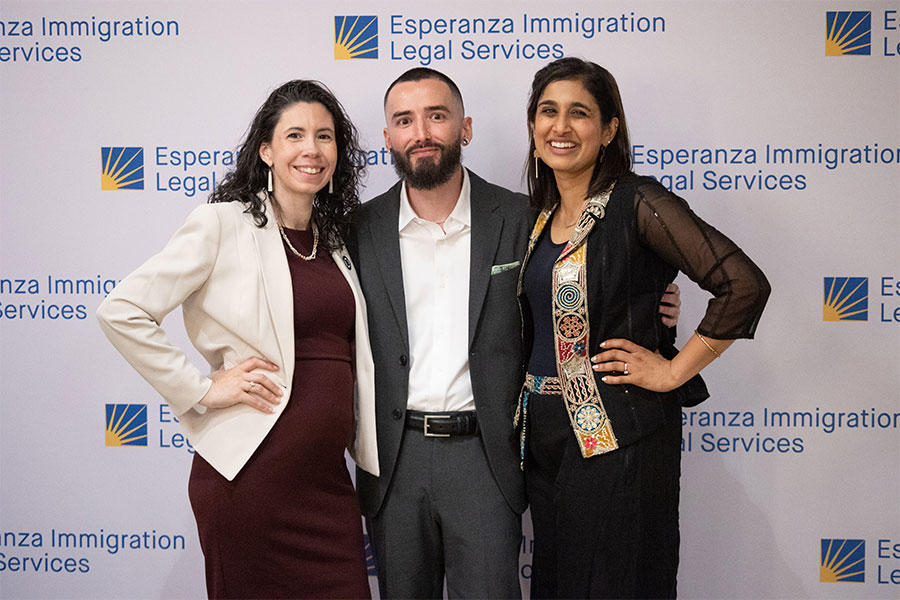
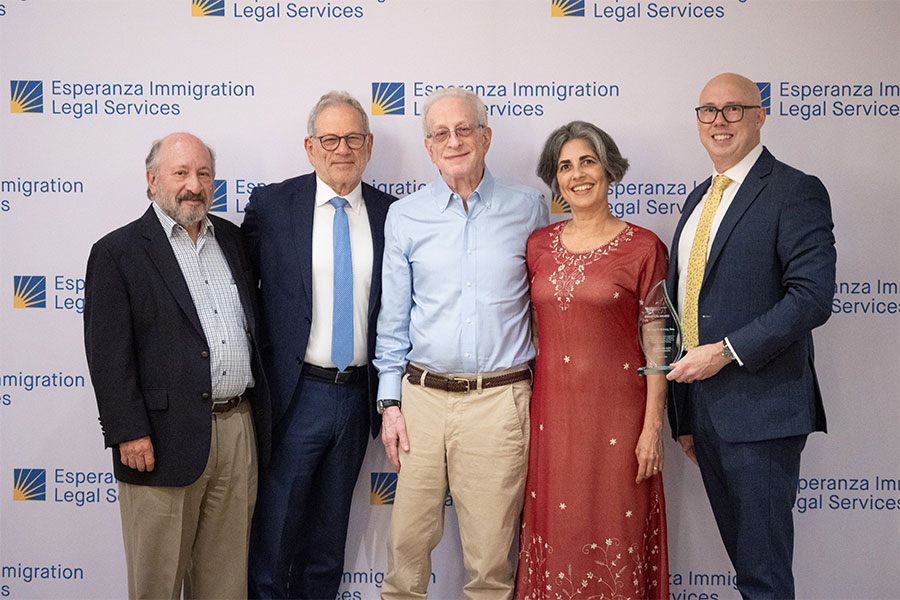
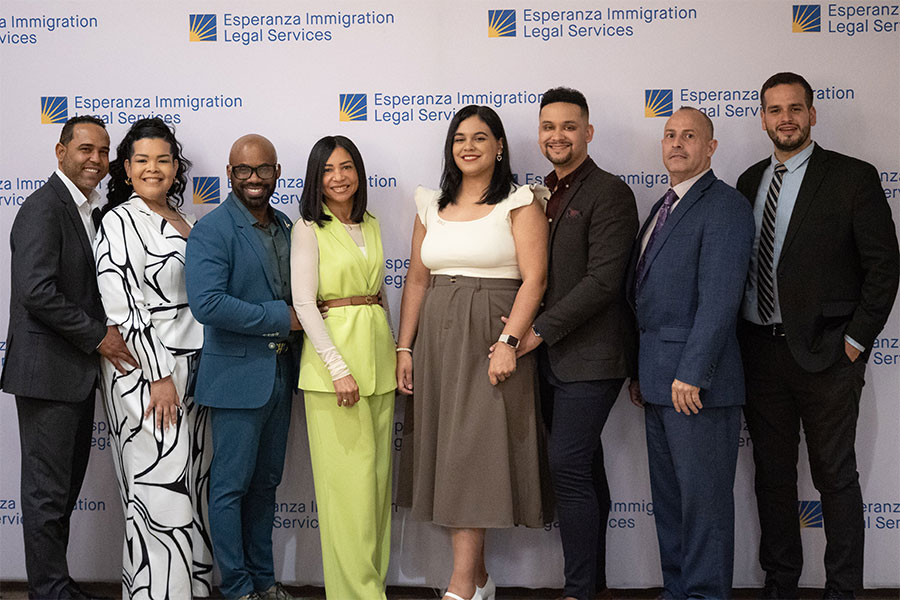
Esperanza Immigration Legal Services (EILS), ubicada en el norte de Filadelfia, celebró su sexto evento anual de recaudación de fondos el 28 de mayo en el Gran Salón del Esperanza Art Center.
El tema de este año honró la fortaleza y perseverancia de las familias inmigrantes y subrayó el papel crucial que desempeñan los servicios legales para asegurar un futuro seguro y estable para todos los inmigrantes.
La maestra de ceremonias, la periodista de 6abc, Christie Ileto, afirmó que “los inmigrantes son la columna vertebral no solo de las comunidades, sino también de la economía, especialmente en Filadelfia”.
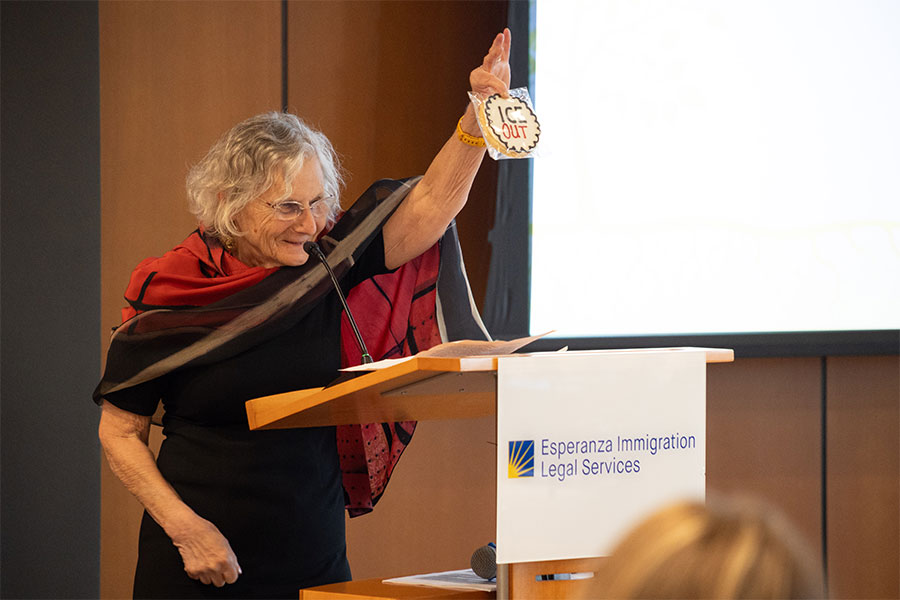
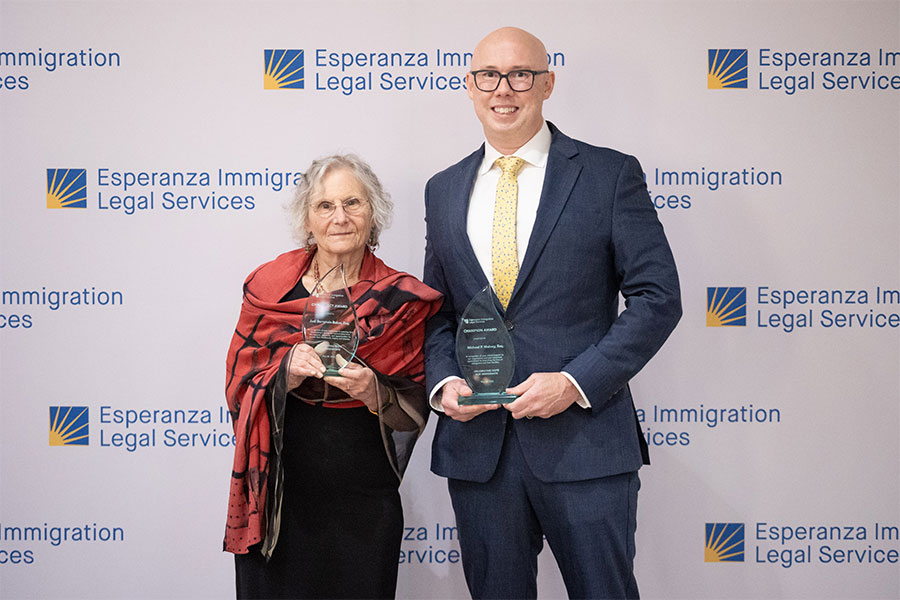
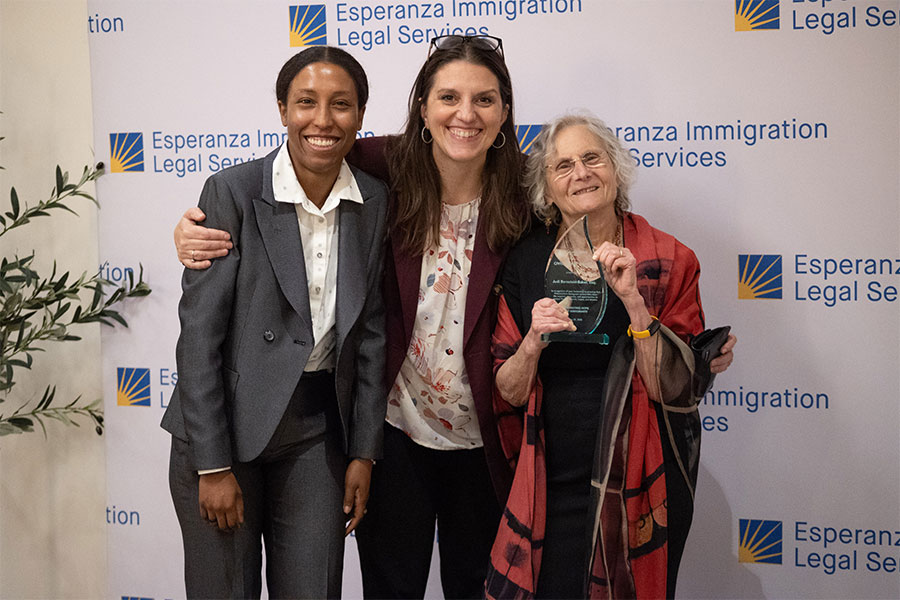
Anu Thomas, directora ejecutiva de EILS, entregó el “Premio al Impacto Cívico” a la abogada Judi Bernstein-Baker en reconocimiento a sus décadas de servicio público y defensa pro bono en favor de los inmigrantes. La homenajeada recordó que su familia huyó de la persecución de las comunidades judías en Polonia y llegó a Nueva York en 1921 en busca de libertad religiosa y oportunidades.
La distinguida abogada también reconoció al Rev. Luis Cortés, fundador de Esperanza, “por esta extraordinaria institución de oportunidades en el corazón de la comunidad latina de Filadelfia”.
Destacó los esfuerzos de su comunidad en el noroeste de Filadelfia para apoyar a los inmigrantes, agregando: “Tenemos control sobre lo que podemos hacer”. Hay muchas maneras de resistir, y ahora es más crucial que nunca que las organizaciones trabajen juntas para formar una fuerza inquebrantable que logre la justicia”.
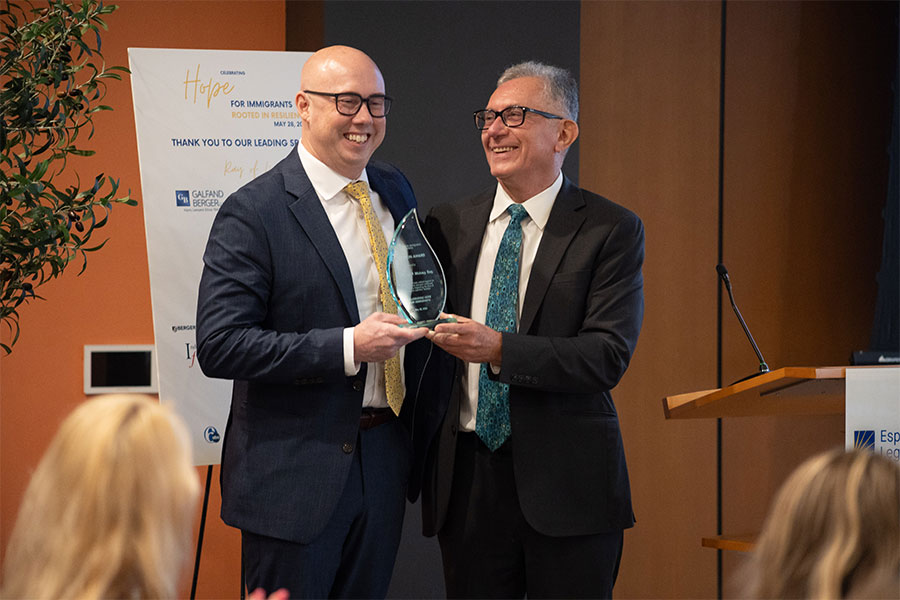
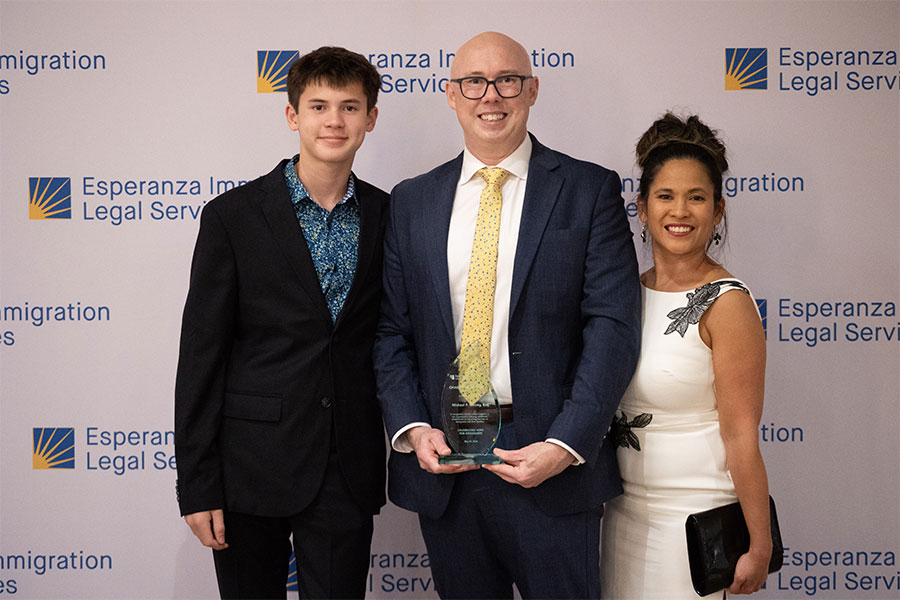
El abogado Gonzalo Cornejo, presidente de la junta directiva de EILS, otorgó el “Premio Champion” a su colega Michael Malvey, socio director del bufete Galfand Berger LLP, en reconocimiento a más de 10 años de liderazgo en la junta y a su apoyo constante a la misión de la organización.
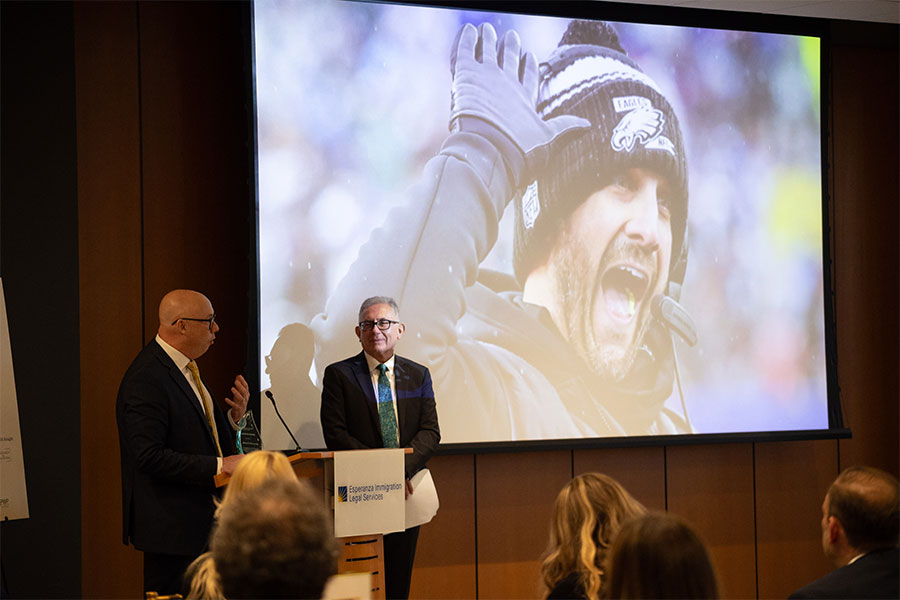
El carismático abogado Malvey citó al entrenador en jefe de los Philadelphia Eagles, Nick Sirianni: “No puedes ser grande sin la grandeza de los demás.”
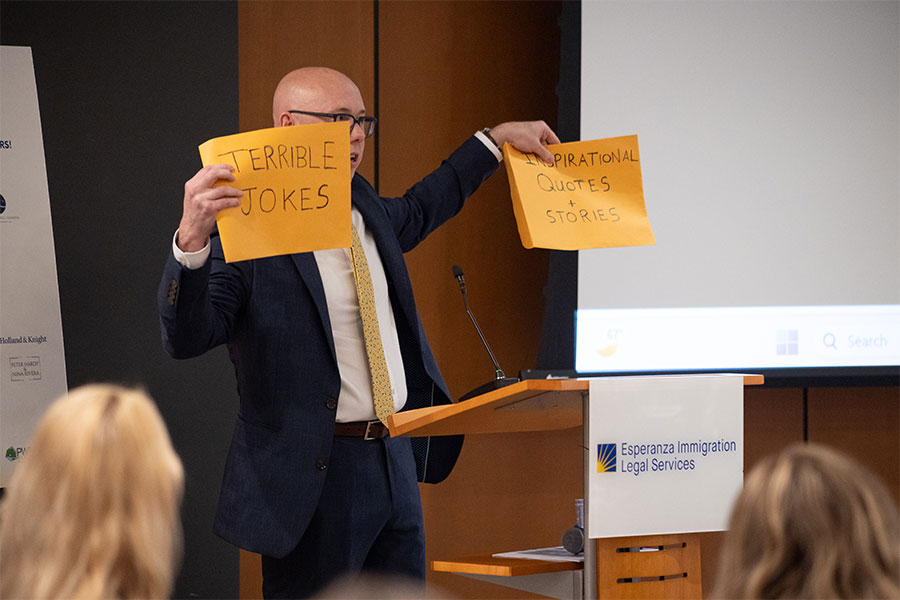
Luego lideró la iniciativa de recaudación de fondos mediante una aplicación móvil, logrando recaudar más de $15,000 en menos de media hora para ayudar a EILS a continuar brindando servicios esenciales a los inmigrantes.
Este generoso apoyo permitirá a EILS ampliar el acceso a servicios legales críticos, incluidos la ciudadanía, la residencia permanente (tarjetas verdes), la autorización de empleo y la asistencia para solicitantes de asilo, entre otros.
La recreación pretende además dar a conocer a personajes históricos cuyas historias suelen quedar, fuera de las narrativas revolucionarias tradicionales. En la imagen, “Caesar Rodney” acompañado de dos de estos personajes. (Foto: RR. SS.)
Cuando este 4 de julio se celebre el 250º Aniversario de los Estados Unidos, Delaware también celebrará haber sido el artífice del “desempate” que aprobó la independencia de Inglaterra.
(I–D) “Caesar Rodney” junto a dos miembros de “Unheard Voices” y “Jacob Broom” (derecha) durante la celebración de “Dover Days”. (Foto: RR. SS.)
Y es que Caesar Rodney (natural de Dover, DE) en 1776, galopó a caballo desde Dover, DE hasta el Independence Hall de Filadelfia, para emitir el voto de desempate en la votación sobre la Independencia de Inglaterra en nombre de la delegación de Delaware.
“Caesar Rodney” junto al Memorial de Caesar Rodney (1728–1784) en Dover. (Foto: RR. SS.)
Además de firmar la Declaración de Independencia, Rodney fue “Register of Wills” (registrador de testamentos), la misma posición que ocupa en la actualidad el abogado Ciro Poppiti, quien será el encargado los días 12 y 13 de junio de cabalgar desde Delaware hasta el Independence Hall de Filadelfia rememorando la hazaña del que es considerado uno de los “Padres Fundadores”.
(I–D) “Caesar Rodney” y “Jacob Broom” en la iglesia Christ Episcopal de Dover. (Foto: RR. SS.)
Esta iniciativa de Delaware Italian American Foundation –llamada “250 Ride”– no se realizará por caminos ecuestres como hizo Rodney, sino a través de carreteras modernas (Rt 13 a través de Claymont y condado de Delaware) y desde ahí a la avenida Passyunk hasta Independence Hall. Tampoco se hará –como correspondería– a principios de julio, sino un mes antes, debido a que, en julio, Filadelfia estará celebrando la Copa Mundial de Fútbol. Y aunque Caesar Rodney cabalgó solo, Poppiti lo hará acompañado de algunos otros “compañeros simbólicos”, personajes históricos que representarán a los constructores, pensadores, líderes y comunidades cuyas historias suelen quedar, fuera de las narrativas revolucionarias tradicionales, pero cuyas contribuciones a la nación ayudaron a forjar Estados Unidos.
Casa colonial de Jacob Furbee (C. 1795) situada en The Green, el corazón del centro de Dover. (Foto: Virginia Esteban–Somalo)
Es el caso de Jacob Broom –personaje interpretado por Hugo Immediato Jr.–, que acompañará a la comitiva como representante de “Unheard Voices of the Revolution”, algo que pretende recordar que, aunque Caesar Rodney contribuyó a asegurar el voto de Delaware a favor de la independencia, la historia de la fundación de los Estados Unidos pertenece a muchas voces.
El abogado y “Register of Wills” del condado de New Castle, Ciro Poppiti, es el encargado de recrear el personaje de Caesar Rodney. (Foto: RR. SS.)
Para Ciro Poppiti, quien recrea a Caesar Rodney, pese a que el personaje se haya convertido en una figura controvertida, no puede hacernos ignorar que fue una figura clave en la historia de la independencia de los Estados Unidos.
En declaraciones a NBC Philadelphia, Poppiti señaló que “Tenemos críticos; críticos que quieren condenar a Caesar Rodney porque poseía esclavos, y tienen todo el derecho a hacerlo”.
Dover situada en el condado de New Castle, fue el lugar de nacimiento de Caesar Rodney. (Foto: Virginia Esteban–Somalo)
“Acogemos a quienes critican a Rodney, porque aquellos que lo critican nos están ayudando y están cumpliendo con nuestra misión. Nuestra misión consiste en contar la historia completa –con todas sus imperfecciones– y poner de manifiesto el hecho de que fueron personas de todos los colores quienes contribuyeron a hacer posible la mayor hazaña inesperada de la historia mundial”.
La ciudad de Dover es la capital de Delaware. (Foto: Virginia Esteban–Somalo)
El viaje dará comienzo en la iglesia Christ Episcopal de Dover el 12 de junio alrededor de las 11am. Entre las 6:00pm y 9:00 pm los personajes revolucionarios de la comitiva se reunirán en la Gala “250 Ride”, en Thousand Acre Farm donde esperarán con los invitados la llegada de Caesar Rodney al finalizar la primera jornada de viaje.
A las festividades por el 250º aniversario de Estados Unidos, se unen también las del 250º aniversario de Delaware. (Foto: Virginia Esteban–Somalo)
El 13 de junio, la recreación continuará su recorrido hacia el histórico Old New Castle, participando alrededor del mediodía en el Desfile del Día de la Separación (“Separation Day Parade”). Caesar Rodney, Jacob Broom y los miembros de la iniciativa “Unheard Voices” recorrerán las calles históricas y de ahí el carruaje proseguirá su viaje simbólico hacia Independence Hall en Filadelfia.
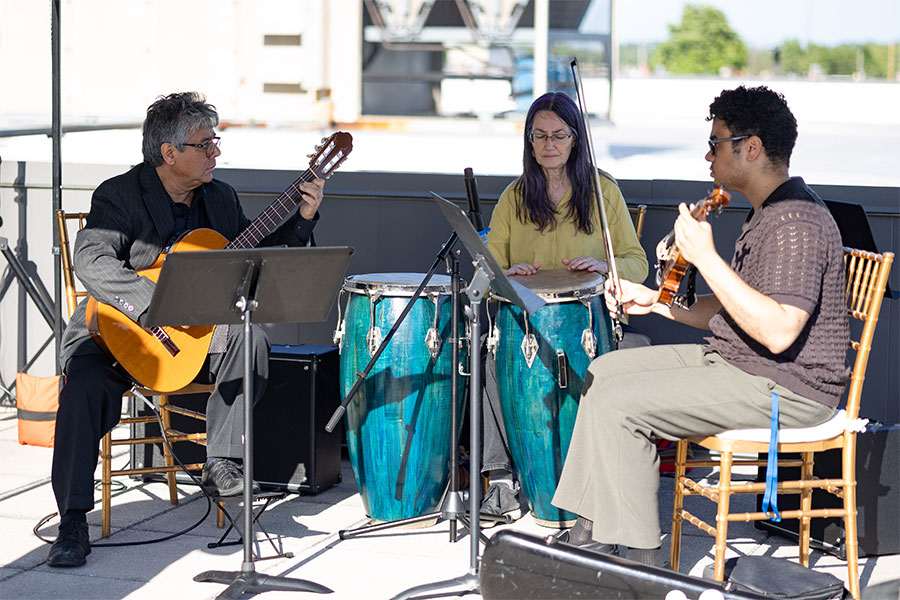
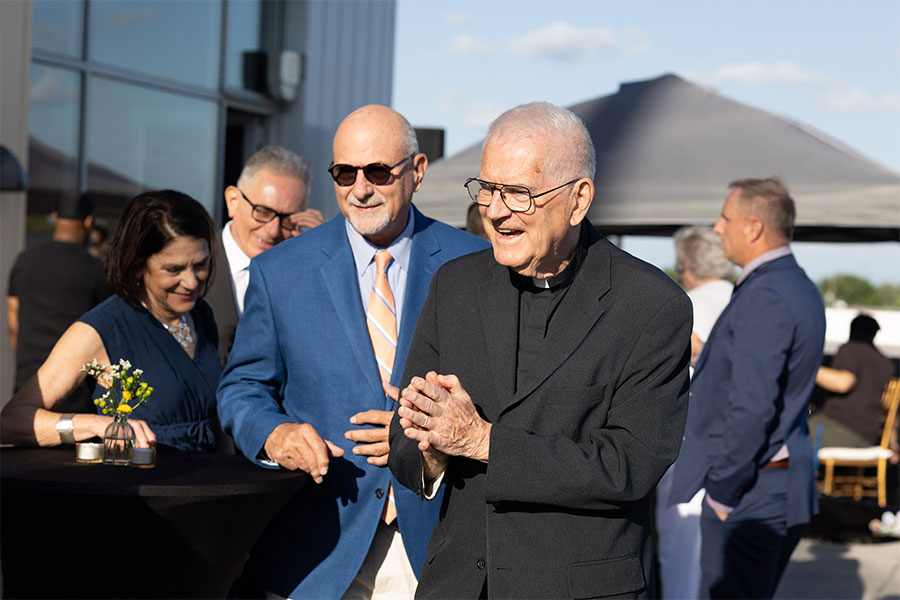
En el norte de Filadelfia, decenas de adultos mayores llenaron el salón de Concilio con música, aplausos, baile y un aroma familiar a pernil.
La Celebración de Personas Mayores de Concilio, realizada el 21 de mayo de 2026, reunió a adultos mayores latinos, incluyendo a un animado grupo del Centro de Personas Mayores de Norris Square, para una tarde creada para honrar sus contribuciones culturales, sociales y económicas.
“Los adultos mayores en la comunidad a menudo se sienten invisibles. Aprecian y merecen reconocimiento formal”, dijo Damaris Martínez, quien asistió a la celebración. “Fue un evento realmente muy especial”.
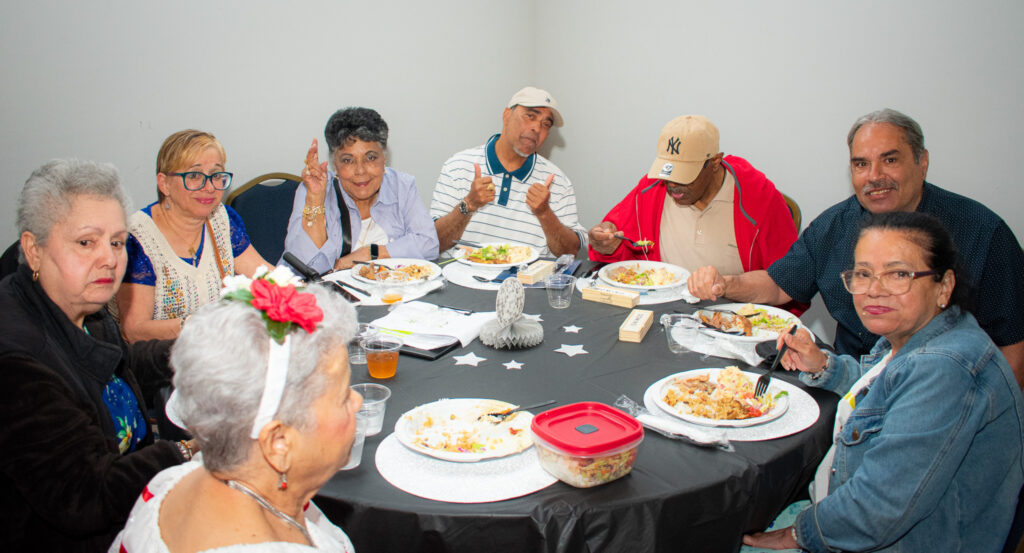
Mesa festiva de almuerzo con comidas tradicionales puertorriqueñas para los invitados. (Foto: Cortesía/El Concilio)
El encuentro fue diseñado como algo más que un almuerzo. Fue un espacio donde los adultos mayores pudieron ser vistos, valorados y celebrados por las vidas que han construido, las familias que han sostenido y los vecindarios que han ayudado a moldear en la comunidad latina de Filadelfia.
Muchos de los mayores presentes han pasado décadas criando hijos y nietos, apoyando a sus familias, trabajando en la ciudad, preservando tradiciones y ayudando a construir la comunidad latina que hoy sigue prosperando en Filadelfia. Ese día, ellos fueron el centro de atención.
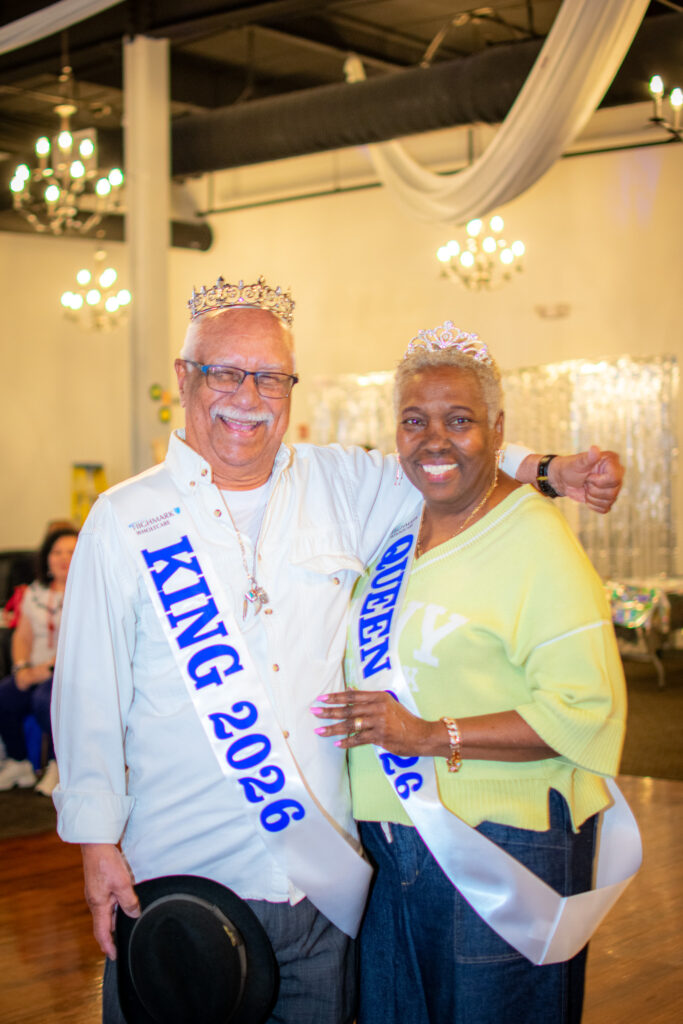
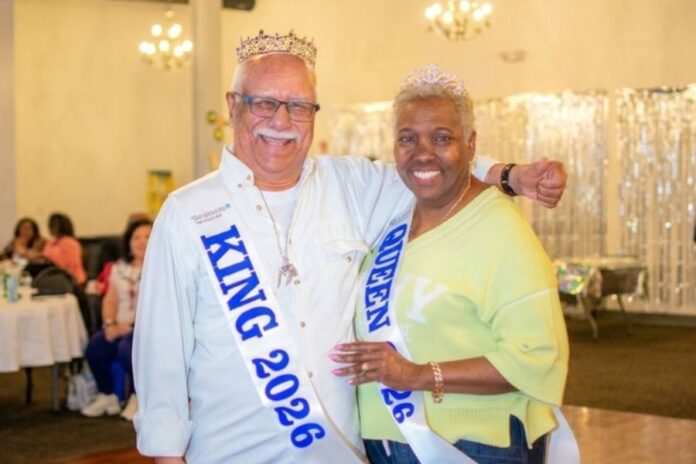
Uno de los momentos más emotivos fue cuando se coronó a un rey y una reina del día. Los homenajeados, elegidos por los aplausos del público, lucieron con orgullo sus coronas y bandas mientras el salón estallaba en vítores. También recibieron una licuadora, lo que aportó un toque ligero y divertido a la ceremonia.
El Rey José Rodríguez y la Reina Victoria Paredes son coronados durante la celebración. (Foto: Cortesía/El Concilio)
La música mantuvo el ambiente animado. El DJ Dio puso a todos a moverse, mientras María del Pilar, de La Mega, fungió como maestra de ceremonias, guiando la tarde con energía y humor. La pista de baile rara vez estaba vacía, ya que los adultos mayores bailaban al ritmo, aplaudían desde sus asientos y se animaban mutuamente a participar.
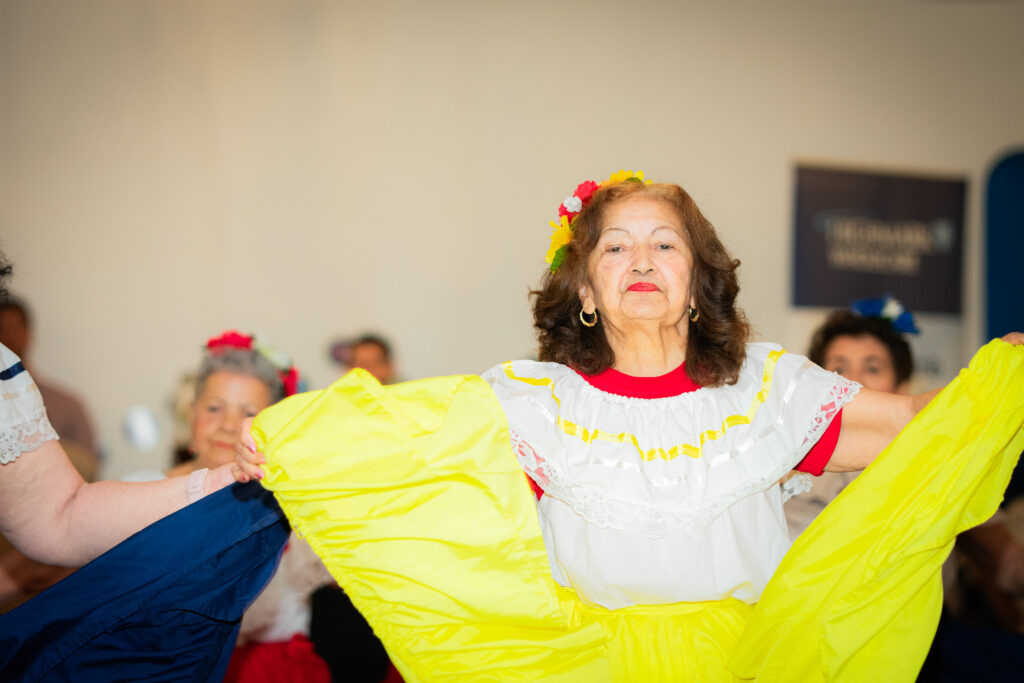
El Grupo Alegría, el grupo de baile del Centro de Personas Mayores de Norris Square, recibió uno de los aplausos más fuertes. Mientras los bailarines se presentaban, los amigos se levantaban de sus asientos para alentarlos, convirtiendo la actuación en un intercambio lleno de alegría entre el escenario y el público.
Luego se realizó un concurso de baile, el ganador recibió una freidora de aire, generando risas, aplausos y una sana competencia durante la tarde.
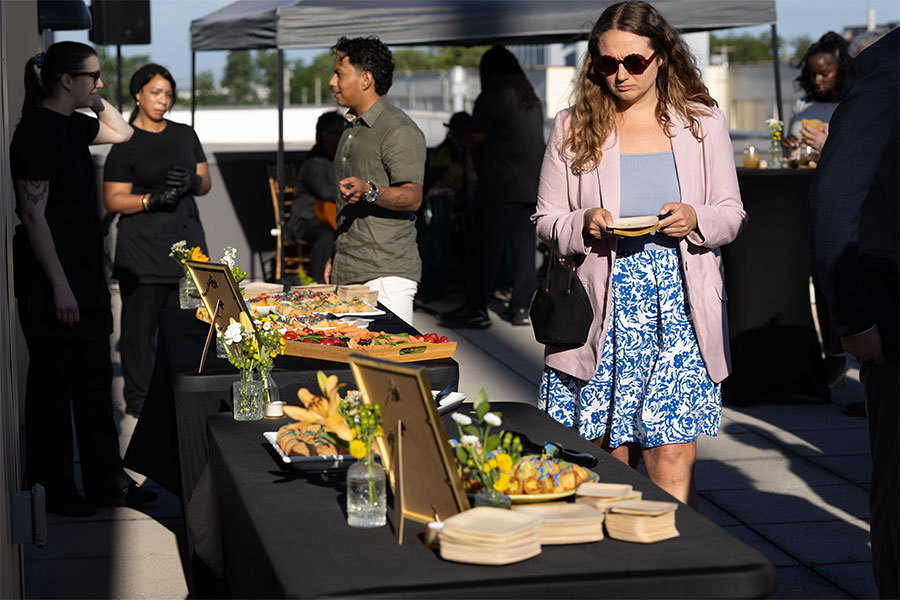
A la hora del almuerzo, el salón se llenó de los sabores de una reunión familiar. El menú incluyó pernil, pollo, arroz con gandules, arroz blanco, ensalada de papa, ensalada de pasta, ensalada verde, galletas y brownies.
Cada asistente se llevó a casa un juego de dominó, un símbolo significativo de un juego presente en innumerables hogares puertorriqueños y latinos. Para muchas familias, el dominó es más que un pasatiempo: es el sonido de la memoria, la risa y la conversación alrededor de la mesa.
Según Damaris, el mensaje fue claro: los adultos mayores merecen ser celebrados.
King Jose Rodriguez and Queen Victoria Paredes are crowned for the celebrations. (Photo: Courtesy of Concilio)
In North Philadelphia, dozens of older adults filled Concilio’s ballroom with music, applause, dancing, and the familiar aroma of pernil, chicken, arroz con gandules, and memories of home.
Concilio’s Senior Celebration, held May 21, 2026, brought together seniors from across Philadelphia, including a lively group from the Norris Square Senior Citizen Center, for an afternoon created to honor the cultural, social, and economic contributions of Latino elders.
“Seniors in the community often feel invisible. They welcome and deserve formal recognition,” said Damaris Martinez, who attended the celebration. “It was a really, really special event.”
Festive Luncheon table filled with Puerto Rican Favorite foods for the guests. (Photo: Courtesy of Concilio)
The gathering was designed as more than a luncheon. It was a space where older adults could be seen, valued, and celebrated for the lives they have built, the families they have held together, and the neighborhoods they have helped shape across Philadelphia’s Latino community.
Many of the elders in the room have spent decades raising children and grandchildren, supporting relatives, working in the city, preserving traditions, and helping build the Latino community that continues to thrive in Philadelphia today. On this day, they were placed at the center.
One of the warmest moments came when a King and Queen were crowned for the day. The honorees, chosen by the crowd’s applause during a moment presented by sponsor Highmark WholeCare, proudly wore their crowns and sashes as the room erupted with cheers. They were also awarded a blender, adding a lighthearted touch to the ceremony.
Music kept the room in motion. DJ Dio worked the floor while María del Pilar of La Mega served as master of ceremonies, guiding the afternoon with energy and humor. The dance floor rarely emptied as seniors moved to the rhythm, clapped from their seats, and encouraged one another to join in.
Alegria dancers from Norris Square Senior Citizen Center. (Photo: Courtesy of Concilio)
Grupo Alegría, the dance group from the Norris Square Senior Center, drew some of the loudest applause of the day. As the dancers performed, friends rose from their chairs to cheer them on mid-step, turning the performance into a joyful exchange between the stage and the audience.
A dance contest followed, judged by the master of ceremonies and Highmark WholeCare. The winner took home an air flyer, bringing laughter, applause, and friendly competition to the afternoon.
By lunchtime, the hall filled with the flavors of a family gathering. Catered by Romano’s Grocery & Deli, the meal included pernil, chicken, arroz con gandules, white rice, potato salad, pasta salad, green salad, cookies, and brownies. Volunteers from Lamb Insurance Services helped serve the plates.
Every attendee went home with a domino set, a meaningful nod to a game woven into countless Puerto Rican and Latino households. For many families, dominoes are more than a pastime. They are the sound of memory, laughter, and conversation around a table.
Sponsors also contributed to the celebration. Aurora Homecare raffled a $100 Visa gift card, New York Life Insurance raffled a gift basket, and Highmark WholeCare and Jefferson Health Plans offered healthcare resources throughout the afternoon.
The celebration grew out of a close collaboration between Concilio and the administration of the Norris Square Senior Center. Together, they helped bring seniors to the event and gave the day deeper meaning.
For Martinez, the message was simple. Seniors deserve to be celebrated, and in North Philadelphia, they were.
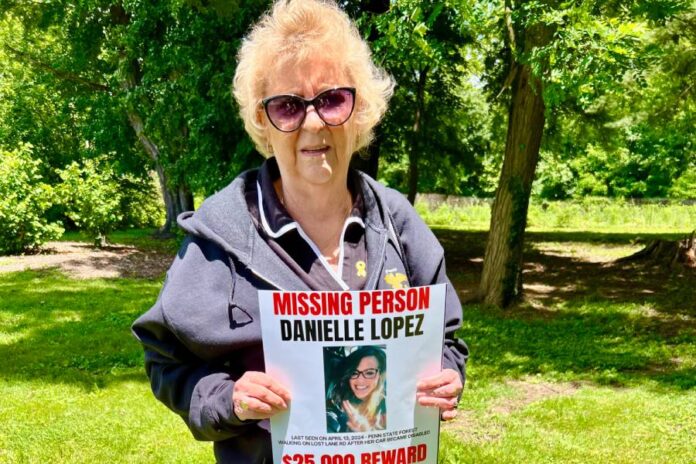
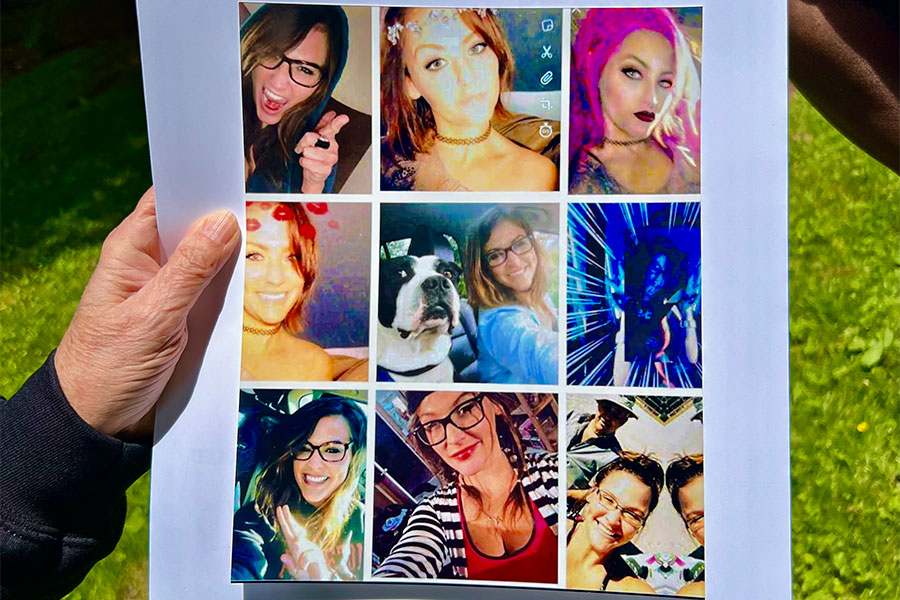
Sue Quakennbush holds up a sign with a picture of her missing daughter Danielle Lopez and a $25,000 reward. (Photo: Aleida García)
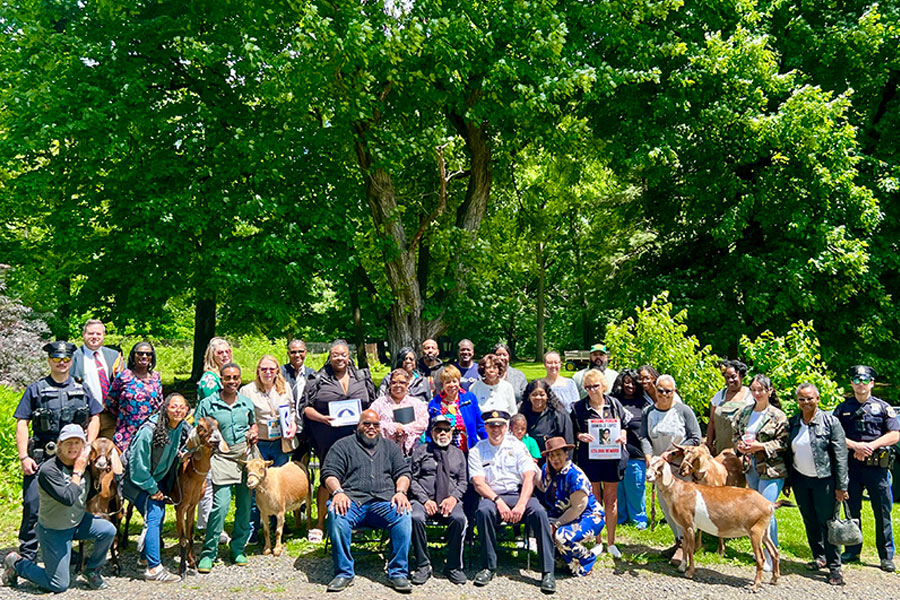
On the morning of Saturday, May 30, at Awbury Arboretum in Germantown, families of missing loved ones gathered for a culmination of the Missing Persons Month event organized by Northwest Victim Services, with support from the Philly Goat Project and members of the Philadelphia Police Department. They came to honor those whose whereabouts remain unknown, to support one another, and to raise awareness about the pain families carry when a loved one disappears.
Attendees of the Missing Persons Day Event, including families, Police, advocates, and Philly Goat Project staff. (Photo: Courtesy/Northwest Victim Services)
A few goats, from the Philly Goat Project, trailed the group down Awbury’s shaded paths. They passed the garden and walked through a path, where ribbons hung from branches and painted rocks lined the trail like markers left for the lost. The air smelled of cut grass and Springtime. Children played, as families walked slowly, some holding photographs, others carrying the weight of desperation as they recited names, they had said again and again, hoping someone, somewhere, would have seen them.
The gathering was led by Melany Nelson, executive director of Northwest Victim Services, who wanted families to have a place to sit together among the goats, gardens, trees, and open sky at 6336 Ardleigh Street. The Reverend Dr. John L.Payne offered prayers and words of encouragement that settled over the mourners like a steady hand on their shoulders.
Northwest Victim Services was founded in 1981 as Philadelphia’s first community-based victim services program. Since then, the group has spent more than four decades walking Philadelphians through grief, trauma, violence, and uncertainty. On Saturday, that work took the form of presence: standing beside families still waiting for answers.
Awbury itself carried a deeper emotional weight. Nelson remembered Kada Scott, and so did many gathered there. The arboretum where families prayed and walked is near the same area police searched last fall for Scott, a 23-year-old Mount Airy woman who disappeared Oct. 4 after leaving her overnight shift at an assisted-living facility in Chestnut Hill. After two weeks of searching, her remains were found behind the abandoned Ada H.H. Lewis Middle School near the arboretum. The Medical Examiner’s Office ruled that she died of a gunshot wound to the head.
Scott’s case ended in the way families of the missing fear most — with an answer, but also with a grave. For other families, there is still no answer.
Sue Quakenbush shared photos of her missing daughter, Danielle Lopez, with other families at the Missing Persons event at Awbury Arboretum. (Photo: Aleida García)
Among those who attended was Sue Quackenbush, whose daughter Danielle Lopez, 37, has been missing since April 2024. Lopez was last seen in the Pine Barrens of New Jersey when her car became disabled. Sue, her mom, has offered a $25,000 reward for information.
“I have no idea how to do this, and I’m just figuring it out as I go along”. There is no process, no information, just uncertainty and loss,” Quackenbush said. “It’s just hard.” She was lost in a million acres of forest. “I was able to reach out to companies for billboards, and some have been donated to me.”
Captain John Craig, Commanding Officer of Northwest Detectives, who attended the gathering, said missing persons cases are handled first by district detectives. If a case grows cold, it may be referred to the Special Victims Unit. He said many missing persons reports involve young people who return home within days, but a smaller number remain open and continue to haunt families and investigators.
Deputy Commissioner Pedro Rosario, who works in the Kensington Area of Philadelphia, is in the opposite part of the city. He shared some eye-opening information. “In my district, 217 people were reported missing in 2024, all but two found,” Rosario said. “Of 321 reports in 2025, four remain open; and of 174 so far this year, two are active.” New technology and social media are getting more people to pay attention to missing people.
Citywide, about 3,600 people are reported missing each year in Philadelphia — roughly ten people a day — and most are found within hours or days, Rosario said. Many are juveniles, and across his district, about 95 percent of cases close.
But for the families whose cases remain open, statistics offer little comfort.
Deputy Commissioner Pedro Rosario, The Philadelphia Police Department does not formally close missing persons cases or place a time limit on them. Some remain active for years or even decades. Some Philadelphia missing-person and unidentified-remains cases have remained open for generations, including the case once known as the “Boy in the Box,” publicly identified in 2022 as Joseph Augustus Zarelli.
The city has also begun holding an annual Missing Persons Day, where relatives can meet with detectives and representatives from the Medical Examiner’s Office to enter new information, update old cases, and make sure their loved ones are not forgotten in a file.
The reasons people disappear are often tied to vulnerability. In Kensington, where addiction, homelessness, mental illness, and family separation frequently overlap, relatives sometimes search for loved ones by trading sightings in Facebook groups and community networks. For families, the search can become its own form of daily survival — calling hospitals, checking shelters, scanning social media, walking blocks, asking strangers, and holding on to small pieces of information that may or may not lead anywhere.
Homelessness and missing persons cases often share the same root causes: untreated mental illness, substance use, family conflict, abuse, poverty, and youth who have run away or aged out of unstable systems. National research has found that homeless youth are especially vulnerable, with many having left home, foster care, or other unsafe situations before adulthood.
The crisis is not equal across communities. Nationally, Indigenous women and girls, Black people, and Latino children are disproportionately represented among the missing. Black people make up a far larger share of missing persons than their share of the U.S. population, and Latino children account for a significant number of missing children’s cases. For families in these communities, the fear is not only that a loved one will vanish, but that their case may not receive the same urgency, coverage, or public attention.
Rosario also offered practical safety advice. He urged people not to broadcast their daily routines, home addresses, locations, or travel patterns on social media. He warned against checking in everywhere, accepting rides from strangers, or sharing too much personal information online.
“Keep your eyes up,” he said, encouraging people to remain aware of their surroundings.
Still, the morning at Awbury was not only about danger. It was about tenderness. The goats moved gently through the group. Families tied ribbons. People hugged. Some stood in silence. Others said the names of the missing aloud, letting the trees, the soil, and the people around them hold what has been too heavy to carry alone.
As the morning turned toward afternoon, the group began to disband, each family returning to the daily life that continues even when answers do not. They had prayed together, walked together, tied ribbons, and remembered. For a few hours, the space held them gently.
I watched Sue Quackenbush leave through the gate, carrying the unbearable weight of not knowing whether her daughter Danielle was still somewhere, trying to find her way home.