


Inicio Blog Página 193

Educación en Pensilvania: financiamiento histórico, nueva líder y Maestra del Año 2026

Pennsylvania Gov. Josh Shapiro speaks at the SAS Institute, the state Department of Education’s annual professional development conference, on Dec. 8, 2025, where he and Acting Education Secretary Carrie Rowe announced that Madeline Loring of the Jefferson-Morgan School District was named the 2026 Pennsylvania Teacher of the Year. (Credit: Commonwealth Media Services)

Harrisburg, PA – La semana pasada, la educación pública fue protagonista en Pensilvania con tres anuncios históricos: el nombramiento de la Maestra del Año 2026, la confirmación de la nueva Secretaria de Educación y la celebración de inversiones récord en el presupuesto 2025-26 para escuelas y bibliotecas.

El gobernador Josh Shapiro y la secretaria de Educación, Dra. Carrie Rowe, anunciaron que Madeline Loring, docente del Distrito Escolar Jefferson-Morgan, ha sido reconocida como Maestra del Año 2026 durante la conferencia anual de SAS Institute del Departamento de Educación de Pensilvania (PDE). Loring, con 13 años de experiencia, enseña cuarto grado en la Escuela Primaria Jefferson-Morgan y cuenta con títulos en Educación Primaria y Especial, Liderazgo Administrativo y Bibliotecología.

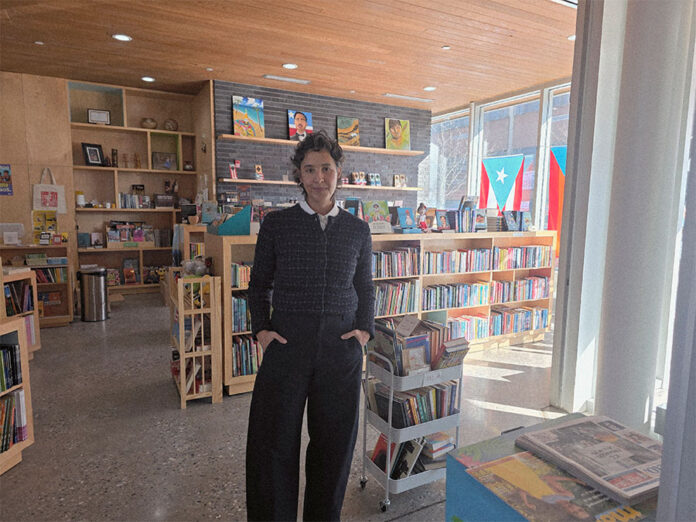
Madeline Loring, del distrito escolar de Jefferson-Morgan, fue nombrada Maestra del Año de Pensilvania para el año 2026.

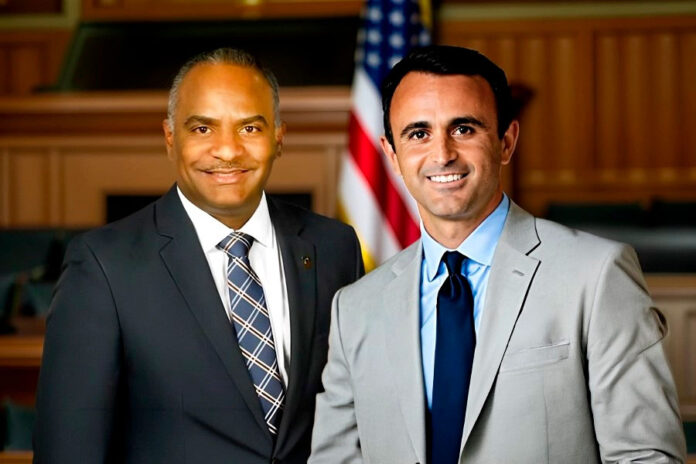
Además, el Senado estatal confirmó por amplia mayoría la nominación de la Dra. Carrie Rowe como Secretaria de Educación, consolidando el liderazgo del gabinete del gobernador Shapiro. Rowe aporta 25 años de experiencia y se enfocará en fortalecer la alfabetización, la estabilidad educativa, la salud mental estudiantil y las oportunidades de aprendizaje bilingüe y de doble crédito.

Dra. Carrie Rowe como Secretaria de Educación, consolidando el liderazgo del gabinete del gobernador Shapiro.

El presupuesto 2025-26, firmado el mes pasado, destina 900 millones de dólares adicionales para la educación pública pre-K–12, incluyendo:

  • 105 millones para educación básica
  • 40 millones para educación especial
  • 565 millones en financiamiento por adecuación
    También se invertirán recursos en desayuno universal gratuito, salud mental estudiantil y mejoras en la infraestructura escolar, además de 178 millones en ahorros mediante la reforma de las ciberescuelas.

Finalmente, la bibliotecaria estatal Susan Banks destacó el papel de las bibliotecas públicas en el aprendizaje permanente durante una actividad en la Biblioteca Pública de Lancaster. El presupuesto incluye 5 millones adicionales para bibliotecas públicas y 433.000 dólares para servicios accesibles para personas con discapacidad visual.

Para más información, visite: www.education.pa.gov

Pensilvania reduce en 85% el tiempo de espera para validar documentos oficiales destinados al extranjero

pensilvania
Josh Shapiro, gobernador de Pensilvania. (Foto: Archivo)

La Administración del gobernador Josh Shapiro continúa impulsando mejoras significativas en los servicios públicos de Pensilvania, logrando una reducción del 85% en los tiempos de espera para que los residentes obtengan la verificación oficial de documentos destinados a trámites internacionales.

De acuerdo con el Secretario de Estado, Al Schmidt, el Departamento de Estado implementó recientemente cambios operativos que permiten que la verificación de documentos —un proceso que antes tomaba en promedio siete días hábiles— ahora pueda completarse en tan solo un día. Este avance refuerza el compromiso estatal con la eficiencia y la eliminación de trámites innecesarios.

Cuando una persona requiere comprobar ante otro país la autenticidad de documentos emitidos en Pensilvania —como certificados educativos, pruebas de residencia, documentos para adopciones internacionales o trámites comerciales— debe solicitar un apostille o certificación. Este documento confirma que la firma, sello o estampilla del funcionario público es legítima.

Schmidt explicó que estas verificaciones son esenciales para múltiples actividades cotidianas. Empresas que buscan hacer negocios en el extranjero, personas que gestionan una doble ciudadanía o estudiantes internacionales que necesitan validar sus diplomas estadounidenses dependen de este servicio para avanzar en sus procesos legales.

El volumen de trabajo refleja la demanda creciente: durante 2024, el Departamento revisó y autenticó 58,933 documentos. Para mediados de 2025, la cifra ya alcanzaba 30,027 verificaciones, procesando en noviembre un promedio de 250 solicitudes por día.

La eficiencia reciente ha sido aplaudida por usuarios frecuentes del sistema. Entre ellos, Kitty Huffman, presidenta de Purrfect Patents LLC —empresa que asiste a firmas de propiedad intelectual en gestiones de patentes y marcas en el extranjero—, destacó el impacto positivo de la reducción en los tiempos de respuesta. Señaló que la rapidez permite cumplir con estrictos plazos internacionales y evita costos adicionales para los clientes.

Estos avances se enmarcan en la orden ejecutiva firmada por el gobernador Shapiro al inicio de su administración, la cual instruyó a todas las agencias estatales a revisar la duración de sus procesos de licencias, permisos y certificaciones. Como parte de esta iniciativa, se establecieron fechas límite obligatorias para procesar solicitudes completas, así como la devolución de tarifas cuando no se cumplen esos plazos.

Según Schmidt, la mejora en los tiempos de apostillas y certificaciones fue posible gracias a un nuevo modelo de colaboración entre la Oficina de Notarios, Comisiones y Legislación y la Oficina de Corporaciones y Organizaciones Caritativas, con aportes de socios clave dentro de la agencia.

El Secretario recordó que quienes envían sus documentos por correo deben considerar los tiempos propios del servicio postal, aunque el procesamiento dentro del Departamento ahora se complete de forma mucho más ágil.

Pollo a la jardinera

Pollo a la jardinera con zanahorias, papas, chícharos cocinados lentamente para lograr una textura suave y un sabor casero. (Foto: RRSS)

Su origen se remonta a las cocinas tradicionales europeas con la combinación de pollo y verduras, de esta forma, ha tenido un gran impacto en las cocinas internacionales y en la gastronomía local, convirtiéndose en un símbolo con el objetivo común de resaltar la frescura natural de los ingredientes.

Su nombre proviene del término francés “Poulet à la jardinière” que significa “Pollo a la jardinera”, lo que refleja la variedad de verduras frescas que imitan un jardín lleno de colores. A lo largo de las diversas culturas gastronómicas se han adaptado diferentes verduras que, mezclados con la jugosidad del pollo logran un festín para los sentidos.

Actualmente, el pollo a la jardinera es un platillo versátil que puedes preparar en múltiples variaciones. Puedes adaptarlo a los productos disponibles en tu región, obteniendo así una comida completa, fácil, nutritiva, saludable y económica.

INGREDIENTES

1 kilo de pollo en piezas piernas y muslos (con o sin piel)

2 zanahorias

2 papas

1 taza de chícharos (frescos o congelados)

1 pimiento morrón (rojo o verde de acuerdo con tu preferencia)

1 diente de ajo picado finamente

2 jitomates rojos

1 cebolla mediana

1 cucharadita de tomillo molido

½ cucharadita de orégano seco

1 hoja de laurel

½ litro de caldo de pollo

½ taza de vino blanco (opcional)

Sal con ajo al gusto

Consomé de pollo en polvo o sal al gusto

Pimienta negra molida al gusto

Aceite vegetal (oliva o el de tu preferencia)

PROCEDIMIENTO

Se sazona el pollo con la pimienta y la sal con ajo.

Se pelan las zanahorias y las papas, se parten en bastones medianos, se corta la cebolla en julianas del mismo tamaño que las verduras, el pimiento y el jitomate en cubos pequeños.

En una sartén se calienta el aceite y se fríe el pollo para que selle y dore, aproximadamente 4 minutos de cada lado. Se retira y se reserva.

En la misma sartén se agrega el ajo y la cebolla, ya que éste transparente se vierte el jitomate y el pimiento, añadiendo el laurel, el orégano triturado, el consomé en polvo o sal. Se deja cocinar por 5 minutos y se pone el vino. Se espera un momento para que se evapore, se agregan las zanahorias, las papas, luego de 2 minutos se añaden los chícharos junto al caldo de pollo dejando cocinar a fuego medio, después del primer hervor se rectifica la sal y se deja aproximadamente por 30 minutos o hasta que se suavicen.

Se acompaña con arroz blanco, puré de papa o ensalada fresca. ¡A disfrutar!

New York is fourth Democratic state targeted in crackdown on immigrant commercial driver’s licenses

Sean Duffy. (Foto: EFE/Archivo)

New York routinely issues commercial driver’s licenses to immigrants that may be valid long after they are legally authorized to be in the country, U.S. Transportation Secretary Sean Duffy said Friday and he threatened to withhold $73 million in highway funds unless the system is fixed and any flawed licenses are revoked.

State officials said they are following all the federal rules for the licenses and have been verifying drivers’ immigration status.

New York is the fourth state run by a Democratic governor Duffy has targeted in his effort to make sure truck and bus drivers are qualified to get commercial licenses. He launched the review after a truck driver who was not authorized to be in the U.S. made an illegal U-turn and caused a crash in Florida that killed three people in August. But the rules on these licenses have been in place for years.

The Transportation Department has said it is auditing these non-domiciled licenses nationwide, but so far no states run by Republican governors have been targeted. But Duffy said Friday that this effort is not political, and he hopes New York Gov. Kathy Hochul will take responsibility and work with him. He said it is about making sure everyone behind the wheel of an 80,000-pound truck is qualified and safe.

“Let’s hold hands and sing Christmas music and fix your system,” Duffy said. Instead, he said the response appears to be trying to “dodge, divert and weave” without taking responsibility for the problems.

Widespread problems found in New York audit, feds say

Duffy said federal investigators found that more than half of the 200 licenses they reviewed in New York were issued improperly with many of them defaulting to be valid for eight years regardless of when an immigrant’s work permit expires. And he said the state couldn’t prove it had verified these drivers’ immigration status for the 32,000 active non-domiciled commercial licenses it has issued. Plus, investigators found some examples of New York issuing licenses even when applicants’ work authorizations were already expired.

“When more than half of the licenses reviewed were issued illegally, it isn’t just a mistake — it is a dereliction of duty by state leadership. Gov. Hochul must immediately revoke these illegally issued licenses,” Duffy said.

New York has 30 days to respond to these concerns. State DMV spokesperson Walter McClure defended the state’s practices.

“Secretary Duffy is lying about New York State once again in a desperate attempt to distract from the failing, chaotic administration he represents. Here is the truth: Commercial Drivers Licenses are regulated by the Federal Government, and New York State DMV has, and will continue to, comply with federal rules,” McClure said.

Duffy has previously threatened to pull federal funding from New York if the state did not abandon its plan to charge drivers a congestion pricing fee in New York City and if crime on the subway system was not addressed. The Transportation Department also put $18 billion of funding on hold for two major infrastructure projects in New York, including a new rail tunnel beneath the Hudson River between New York City and New Jersey, because of concerns about whether the spending was based on unconstitutional diversity, equity and inclusion principles.

Previous efforts to restrict immigrant truck drivers

Immigrants account for about 20% of all truck drivers, but these non-domiciled licenses only represent about 5% of all commercial driver’s licenses. The Transportation Department also proposed new restrictions that would severely limit which noncitizens could get a license but a court put the new rules on hold.

Duffy has threatened to withhold millions from CaliforniaPennsylvania and Minnesota after the audits found significant problems under the existing rules like commercial licenses being valid long after an immigrant truck driver’s work permit expired. That pressure prompted California to revoke 17,000 licenses. No money has been withheld so far from any state because Duffy said California has complied and the other two states still have more time to respond.

Trucking trade groups have praised the effort to get unqualified drivers and drivers who can’t speak English off the road along with the Transportation Department’s actions last week to go after questionable commercial driver’s license schools. But immigrant advocacy groups have raised concerns these actions have led to harassment of immigrant drivers and prompted some of them to abandon the profession.

“For too long, loopholes in this program have allowed unqualified drivers onto our highways, putting professional truckers and the motoring public at risk,” said Todd Spencer, who is president of the Owner Operator Independent Drivers Association.

Adontis Reaves, a father who overcame homelessness and rebuilt his home in Philadelphia

Adontis Reaves is the beneficiary thanks to the support of Congreso and Esperanza. (Photo: Courtesy)

Adontis Reaves knows what it means to lose everything. When his wife died of thyroid cancer, his life changed overnight, leaving him solely responsible for their four children. Although he had worked for years as a sanitation truck driver for the City of Philadelphia, the emotional and financial burden quickly became overwhelming.

From stability to crisis: life on the streets

With no family able to help and no childcare for his three-month-old daughter, Adontis began to lose stability, and eventually he and his children became homeless. He spent a full year living on the streets with them, trying to keep them safe while desperately seeking support. “The hardest part was feeling like no one was on my side,” he recalls. After a year, he entered the Family Manor shelter, where a change in leadership opened new opportunities. There, he met organizations like Congreso and Esperanza, which became essential to his recovery.

Adontis Reaves is the father of four children. (Photo: Courtesy)

Rediscovery and strength: life as a father

Shelter life brought challenges but also important turning points. Congreso provided financial assistance for immediate needs, while Esperanza helped him search for housing and rebuild his credit, which had been severely damaged after his wife’s death. Through discipline and consistency, he raised his credit score from 450 to 603, a key step toward qualifying for housing again. During this time, he also experienced personal growth as a father—learning to care for his daughters, manage the household, and develop patience and self-love. He kept a notebook of goals and affirmations, including one that read, “I will have a home before March.” Against all odds, he fulfilled that promise.

Adontis Reaves receives his rental home through Congreso and Esperanza. (Photo: Courtesy)

A new home: renewal and hope

When Adontis received the keys to his new home, he needed a moment to believe it was real. His children ran through the house in excitement, exploring their rooms and the backyard. For him, it was confirmed that the hardest years had not been in vain. “I only need my children and this home. Everything else is a desire, not a need,” he says. This will be their first Christmas under their own roof since his struggle began—a symbol of renewal. His message to others facing similar hardships is simple: “Don’t give up… God is preparing you for something better.” His story is not just about leaving the streets, but about a father who rebuilt his life with love, faith, and perseverance to give his children a safer, brighter future in Philadelphia.

How was it possible? The process of providing a home to a resident experiencing homelessness

Esperanza and Congreso, two long-standing community organizations, worked together to make this housing opportunity possible. Their first meeting with the beneficiary deeply moved Mabel Santiago, Esperanza’s Scattered Site Property Manager, who recalled how humble he was. Cases like his show that homelessness often stems from unexpected crises—such as health issues, grief, or unemployment—rather than stereotypes.

Mabel Santiago, administrator of the rental housing for Esperanza. (Photo: Courtesy)

The process began when Esperanza listed new affordable rental units on community housing platforms. Santiago shared the postings on websites used by organizations supporting people experiencing homelessness, such as PHA Housing and Path Mission and raised awareness through its local networks. Through these listings, Congreso identified a suitable unit and reached out. As an agency that manages housing subsidies for individuals in shelters or without stable housing, Congreso saw a chance to help a client who met all eligibility criteria.

Strong communication between both organizations was essential. Congreso’s case worker shared the man’s situation with Santiago, after which he completed the application and Esperanza evaluated it. The subsidy provided by Congreso covered a significant portion of the rent, making it possible for him to qualify financially after losing his job.

Santiago noted that while Esperanza’s properties serve low- to moderate-income families, agency support is crucial for people in crisis. In this case, the subsidy allowed the application to meet the necessary financial requirements. After verifying documents and confirming funds, the final interview was scheduled, and he was approved shortly afterward. The key-handover day was emotional for everyone. The Esperanza team and Congreso representatives held a small ribbon-cutting ceremony and gave the family a basket of essentials, while his children joyfully explored their new, safe, and newly renovated home.

For Santiago, this case reaffirmed the importance of collaboration between agencies and Esperanza’s mission. Helping someone reclaim dignity and stability means far more than handing over a key—it means walking with them through the process of rebuilding their life.

For people who want more information about rental housing, https://www.esperanza.us/housing-counseling/
For people who want information about subsidies, contact Congreso de Latinos Unidos

Una jueza de EE. UU. prohíbe temporalmente volver a detener al salvadoreño Kilmar Ábrego

(Foto: EFE/Octavio Guzman)

Una jueza estadounidense emitió una orden este viernes para prohibir temporalmente que detengan de nuevo a Kilmar Ábrego, el migrante salvadoreño que fue devuelto a Estados Unidos tras una deportación irregular a El Salvador recientemente liberado de un de un centro migratorio en el estado de Pensilvania.

Paula Xinis, jueza federal de Maryland, emitió una orden de urgencia para que Ábrego no pueda ser arrestado de nuevo por un periodo «breve», explicó Simon Sandoval-Moshenberg, uno de sus abogados, a las puertas del centro de inmigración en el que fue citado el salvadoreño.

La misma magistrada ordenó este jueves su liberación inmediata del centro de Pensilvania al considerar que su detención se produjo «sin autoridad legal».

El letrado explicó que tras ser puesto en libertad presentaron a la jueza la petición de «protección temporal» porque fue citado en el centro de inmigración del Servicio de Inmigración y Control de Aduanas (ICE) de Baltimore, tal y como cuando fue liberado por un juez de Tennesse y fue detenido de nuevo.

«Nos pareció terrible. Como un déjà vu. Pensamos que simplemente lo liberaban para volver a arrestarlo cruelmente de nuevo», declaró Sandoval-Moshenberg.

Antes de entrar, Ábrego compareció ante los medios y aseguró que se presentaba en el centro como «un hombre libre»: «Quiero que me recuerden así, con la cabeza bien alta».

«No importa lo que este Gobierno diga, al final yo sigo creyendo que esto es un país de leyes y un país de justicia y vamos a llegar al fin de todas las injusticias que se han hecho», aseguró tras agradecer a su familia, a Dios, a su equipo legal y a todas las personas que le han acompañado durante el proceso.

Su abogado denunció que estaba sufriendo una «campaña de persecución» y pidió «consecuencias» para esta Administración.

Aunque ahora no esté detenido, sigue sujeto a la libertad provisional impuesta por un juez de Tennesse, a la espera de que se celebre un juicio por tráfico de personas.

Preguntado por cuál va a ser su futuro, ante la amenaza del Gobierno de Donald Trump de deportarlo a un país africano con el que no tiene vínculo, el abogado apuntó que «tiene muchas opciones».

«Costa Rica le ha ofrecido estatuto de refugiado. Él tiene la opción de aceptarlo o no y luchar por el asilo en EE. UU.. Por lo tanto, no puedo decirles cuáles serán sus próximos pasos. Tampoco sabemos cuáles serán los próximos pasos del Gobierno, pero el Gobierno tiene muchas herramientas a su disposición», afirmó.

Ábrego, de 30 años, es un ciudadano salvadoreño residente en Maryland que entró de forma irregular a Estados Unidos cuando era adolescente. Tiene esposa e hijos estadounidenses.

En 2019, un juez de inmigración determinó que no podía ser deportado a El Salvador debido al peligro que enfrentaba allí por parte de una pandilla. Aun así, la Administración de Trump lo deportó igualmente y un tribunal ordenó traelo de vuelta.

Su caso se ha convertido en un emblema para las organizaciones defensoras de inmigrantes a la hora de denunciar las políticas antimigratorias de Trump.

A magical tree planting day

Trees are important to our community! They give us access to oxygen, absorb water to prevent floods and release excess water, through vapor that adds to rainfall. When the tree absorbs water, it prevents flooding as well as drought. Trees also stabilize the soil, preventing erosion and landslides.

Trees keep the air cool, which is very important in the summer. Trees help us as people by providing shelter and resources for food. They add nutrients to the soil for better crops. They also improve your health, specifically mental health. Trees are to be stress relieving and can be helpful for physical health. Trees also allow different and more jobs, like carpenters, arborists, and wood machinists.

We use wood from trees in our daily lives- in our houses, tables, cabinets, etc. Having trees add to people’s income and eventually promote more opportunities for the citizens in that particular community. Adding to the concept of physical health, some medicines come from trees, for example, aspirin and pain relievers like ibuprofen. In conclusion trees are important for our community in all aspects of our lives. 

Have you ever wondered how trees can be planted in your neighborhood? Well, you’re in luck because we (Girl Scouts) planted one ourselves! On November 15, the magic happened: we planted a street tree right here in North Philadelphia. Here’s the story of how it happened.

That morning, it was hard to get started because one of us had a migraine but after feeling better, we met with our whole Girl Scout troop and more than one hundred volunteers at Esperanza. When we got there, we had to listen to the instructions to make it happen. While we listened to the instructions, we ate a little treat to give us energy in order to be up to the job of planting a tree.

When we got assigned a group, a tree, and supplies we had to walk to the magical place. Before the tree was planted it was not very jolly without the tree. But to make it jolly we had to get to work and plant it.

To plant a tree, it takes some strong hands, but we were in luck because us Girl Scouts have some strong ladies. Of course, we had to make it a little fun so we added a little of our DIY family feud by one of our Girl Scout clowns. It made things more jolly right before we added the tree.

We had to dig and dig in some very hard dirt to make a hole for the precious tree. After we did that, we added the tree. To keep the tree safe and secure we patted the soil down and gave it protection. After we did that, we molded a little bowl to soak any rain into the soil that the tree is planted in. We gave it a little more safety by applying wood stakes and tying them to the tree so that any wind or rain won’t knock it down.

We are both in middle school and live in Hunting Park. If we can do it, you can have a magical day too! Join us at the next Esperanza tree planting day.

For more information about joining or starting a Girl Scout troop, visit gsep.org.

Children’s Crisis Treatment Center: a refuge of support and mental health for children

CCTC facilities are located at 1080 N. Delaware Avenue, Philadelphia. (Photo: Impacto staff)

The Children’s Crisis Treatment Center (CCTC) is an organization dedicated exclusively to children’s mental health, serving children from 18 months to 18 years old. Its executive director, Antonio Valdés, explains that 75% of the children they serve are ten years old or younger, reflecting their strong focus on early childhood.

Antonio Valdés, executive director of CCTC. (Photo: Impacto staff)

The agency offers mental and behavioral health services in various settings: traditional clinics with therapy and psychiatric services, intensive in-home interventions, family care coordination, and direct presence in more than 46 public, charter, and private schools in Philadelphia.

CCTC also operates the only summer camp in Philadelphia for children with behavioral challenges and maintains culturally specific programs such as Abriendo Caminos, aimed at Mexican and Central American families, and Tamar, focused on African families. The goal is clear: to integrate children’s mental health into the spaces where they live, learn, play, and grow.

Events help integrate mental health into daily life. (Photo: Courtesy)

Valdés emphasizes that this network of services relies heavily on partnerships with schools, recreation centers, and community programs. The organization works with sensitivity and respect, adapting to the needs of each environment to support children and their families from a human and collaborative approach.

CCTC is an organization dedicated exclusively to children’s mental health. (Photo: Courtesy)

The use of funds and the expansion of community impact

Valdés explained that although many of CCTC’s services have funding sources, there are critical but difficult-to-finance areas that depend directly on donations and grants such as those from Philly Gives.

Among these is care coordination, an essential service that helps families cover basic needs so they can focus on their children’s treatment. “It’s hard to think about taking your child to therapy when you don’t have food at home,” he notes. That’s why these funds allow the organization to help families access housing, food, paperwork support, transportation, and other vital resources.

Another area strengthened by these donations is the set of programs for parents and caregivers, which include support groups, educational activities, and spaces designed to strengthen family tools and improve emotional well-being at home.

For CCTC, the mission is clear: continue integrating mental health into everyday environments, expand strategic partnerships, and continue supporting the most vulnerable children and families through a human, culturally sensitive, and strongly trauma-informed approach.

To the community, they say: please reach out or visit us at 1080 N. Delaware Avenue, Philadelphia — www.ctcckids.org

Children from 8 months to 18 years old are cared for by expert professionals. (Photo: Courtesy)

A mission informed by trauma and the recognition from Philly Gives

The heart of CCTC is its trauma-informed approach. The organization starts from the premise that many difficult behaviors in children are not signs that “something is wrong with them,” but that “something has happened to them.”

Valdés explains that traumatic experiences shape the way children react, protect themselves, and face the world. For this reason, CCTC teaches those in their environment — schools, counselors, teachers, coaches to change the question from “What’s wrong with them?” to “What happened to them?”

CCTC promotes mental health in children. (Photo: Courtesy)

A recent example occurred in a school where the CCTC team had only been working for a few months. A ten-year-old child arrived without an absence note, and by noon he had already been in four fights. Staff members were frustrated, until the counselor, applying what she had learned from CCTC, sat down with him and asked about his weekend. The child revealed that his grandfather, a central figure in his daily routine, had passed away on Saturday. The disciplinary reports were immediately dismissed, and the focus shifted to supporting the family with understanding and compassion, the executive noted.

The service is essential to help families cover basic needs. (Photo: Courtesy)

Regarding the recognition from Philly Gives, Valdés shared that receiving funds “unsolicited” is one of the greatest honors for the organization. “It means that our impact is visible, that our reputation is growing, and that the community values how we work,” he said. For the staff, this support confirms that they are on the right path and motivates them to continue strengthening their work.

CCTC has been selected to participate in this year’s Philly Gives campaign, which will take place from November 1 to December 31, 2025. All donations made through phillygives.org will go directly to the 10 nonprofit organizations chosen, ensuring that 100% of the funds raised support essential programs.

Share Food Program strengthens its fight against hunger in Philadelphia

George Matysik, executive director of Share Food Program. (Photo: Impacto staff)

Share Food Program, led by George Matysik, was founded in 1986 as a food cooperative aimed at bringing affordable food to communities lacking supermarkets and with limited access to nutritious products. Since then, it has evolved into one of the most important food banks in the Philadelphia region, serving people experiencing food insecurity through a network of more than 350 pantries and multiple programs.

Today, the organization operates throughout the metropolitan area, including zones where need has grown rapidly, such as Northeast Philadelphia and the deep Southwest of the city. It also administers a program tied to the National School Lunch Program, through which 300,000 children receive part of their daily meals.

The mission guiding its work is simple and forceful: to ensure that every person who needs it has access to nutritious food — a mission born from the heart of the community.

George Matysik, executive director of Share Food Program, calls for greater willingness to solve the hunger crisis (Photo: Courtesy)

Commitment, Volunteerism, and Community expansion

Share Food Program relies on hundreds of volunteers who pack boxes, call older adults to coordinate deliveries, and collaborate in local pantries. The organization also operates a home-delivery program, especially for seniors, and an educational garden where it conducts nutrition workshops.

Growing demand has pushed poverty out toward the suburbs, prompting the organization to expand its network and open additional warehouses in nearby counties such as Montgomery and Delaware.

Through trucks, the organization distributes food to different parts of Philadelphia. (Photo: Courtesy)

Matysik, executive director of Share Food Program invites the community to learn about the organization’s services, volunteer, or request assistance whenever needed. “We are here to support all residents of the Philadelphia region,” he said. Those seeking more information can visit sharefoodprogram.org or call (215) 223-2220.

One of the most important food banks in the Philadelphia region. (Photo: Courtesy)

Philly Gives: Essential support amid federal funding cuts

This year, Share Food Program is facing one of its biggest challenges: the loss of $8.5 million in federal funding, a situation that has placed additional pressure on its ability to assist thousands of families.

For that reason, the news of being selected to receive support through Philly Gives was met with deep gratitude. According to Matysik, the organization felt “excited and honored,” not only for the financial contribution but also for being recognized alongside other important nonprofit organizations with which they already collaborate. For Share Food Program, this recognition comes at a crucial moment to help compensate for funding cuts and continue its mission.

One of the most important food banks in the Philadelphia region. (Photo: Courtesy)

Hunger is a problem that could be solved in a country with the resources of the United States, but “there has been a lack of political will,” Matysik noted. Even so, the organization continues working to ensure that no one in the region goes without food, particularly during emergencies such as the recent temporary pause of the SNAP program, which left many families without federal support and reaching out to Share Food Program with messages of gratitude.

Volunteers are an essential educational component of the program. (Photo: Courtesy)

Share Food Program has been selected to participate in this year’s Philly Gives campaign, which will run from November 1 to December 31, 2025. All donations made through phillygives.org will go directly to the 10 chosen nonprofit organizations, ensuring that 100% of the funds collected support essential programs.

Congreso de Latinos Unidos: 48 years of service and community leadership

Congreso is located at 216 W. Somerset St, Philadelphia, PA 19133. (Photo: Impacto staff)

Congreso de Latinos Unidos has established itself over 48 years as a beacon of empowerment in Eastern Philadelphia. Its President and CEO, Jeanette Díaz, explained that the organization was founded in 1977 by a group of Puerto Rican activists seeking economic justice, well-being, and greater opportunities for Latino families.

Díaz, who grew up just a few blocks from the organization’s headquarters, says her motivation to lead Congreso stems from her personal commitment to the community where she was raised. Congreso provides comprehensive services in education, workforce development, health, housing, and family programs, serving primarily women, children, and Latino families though their doors are open to anyone in need.

Congreso de Estados Unidos has stood for 48 years as a beacon of empowerment. (Photo: Courtesy)

The community accesses their services through multiple channels: referrals, social media, in-person visits, their website, and partnerships with other organizations. Among their many programs are federally qualified health center, primary care services, domestic violence prevention programs, support for crime victims, after-school educational programs, GED preparation, and multiple professional certifications such as CDL and EMS. They also offer homebuyer workshops, housing loss prevention support, and financial counseling.

They offer workshops for homebuyers, support to prevent the loss of housing, and financial counseling. (Photo: Courtesy)
These services are essential and priority needs for the community. (Photo: Courtesy)

Díaz emphasizes that the most significant impact comes from Congreso’s holistic approach: meeting multiple needs simultaneously from obtaining a credential to ensuring stable housing. Congreso also responds to challenges such as food insecurity by partnering with food banks and running initiatives like “El Mercado,” where they distribute culturally relevant foods during special seasons such as Thanksgiving.

These services are essential and meet priority needs for the community. (Photo: Courtesy)

These services are essential and priority needs for the community. (Photo: Courtesy)

Community engagement, partnerships, and future vision

Congreso encourages community engagement through volunteer opportunities, donations, and events such as their annual gala, where they thank donors, share results, and strengthen fundraising efforts that sustain their programs. The organization also offers a monthly “care giving” program that allows individuals to contribute on an ongoing basis. You can contact us at 215-763-8870 and visit us at 216 W. Somerset St, Philadelphia, PA 19133 or at www.congreso.net.

Díaz highlights that maintaining and expanding partnerships is essential to increasing their community impact. Congreso is always open to collaborating with organizations that share their mission of supporting families and promoting collective well-being.

Children and youth are offered educational programs. (Photo: Courtesy)

Looking ahead to 2026, their main goal is to increase flexible funding to meet unexpected needs that arise as participants move through their programs. These resources will allow Congreso to support personal and economic growth more fully and more responsively.

For Janette Diaz, CEO of Congreso, this recognition from Philly Gives is an honor and a validation of the impact that Congreso has in Philadelphia. (Photo: Courtesy)
Congreso offers opportunity, community, and strength. (Photo: Courtesy)

Philly Gives: recognition, gratitude, and new opportunities

The executive director shared that receiving the news of support from Philly Gives was a pleasant surprise. Although she never doubted the value of Congreso’s work, the announcement came amid the daily routine and reaffirmed that the organization’s results are both visible and significant.

For Díaz, this recognition is an honor and a validation of Congreso’s impact in Philadelphia. The funds do not have a predetermined project attached, which will allow them to reinvest directly into essential services and priority community needs.

This kind of support is crucial given the financial challenges many nonprofits face. Congreso relies heavily on government funding, which limits their flexibility in responding to situations that require quick and innovative solutions.

Congreso participants enjoy studying and taking part in community events. (Photo: Courtesy)

Díaz also noted that in recent months the organization faced a state budget impasse and a federal shutdown situation that affected many community organizations. Thanks to financial reserves and the support of partners and donors, Congreso was able to maintain 100% of its services without staff or program cuts. This experience reinforced the importance of diversifying funding sources and strengthening an emergency fund to ensure operational continuity during critical times.

Congreso participants enjoy studying and taking part in community events. (Photo: Courtesy)

In her closing message, Díaz thanked partners, donors, and community members for their ongoing commitment: “Thank you for your support, especially over the past few months. Congreso was able to maintain 100% of its services because of you. Please continue thinking of Congreso and the work we do when considering your community contributions. We are here for you and want to continue serving for many decades to come.”

Congreso is located at 216 W. Somerset St, Philadelphia, PA 19133. (Photo: Impacto staff)

Congreso has been selected to participate in this year’s Philly Gives campaign, which will run from November 1 to December 31, 2025. All donations made through phillygives.org will go directly to the 10 nonprofit organizations chosen, ensuring that 100% of the funds raised support essential programs.