El presidente de EE. UU., Donald Trump, encabeza este miércoles una recepción por el Mes de la Historia Negra. (Foto: EFE/JIM LO SCALZO)
El presidente de EE. UU., Donald Trump, encabezó este miércoles una recepción por el Mes de la Historia Negra, en la que presumió haber sido el candidato republicano con más votos afroamericanos en la historia y destacó su relación con diversas figuras de esa comunidad, en medio de críticas por la difusión de un video en el que los Obama aparecen representados como simios.
A principios de febrero, se desató una controversia sobre Trump, cuando publicó en su cuenta de Truth Social un video que retrataba al expresidente Barack Obama y su primera dama, Michelle Obama, como simios, mismo que fue eliminado tras una oleada de criticas bipartidistas y el mandatario se negó a disculparse, asegurando que no había cometido ningún error.
El mandatario inició el evento en la Casa Blanca expresando sus condolencias por el fallecimiento del reverendo y activista afroamericano Jesse Jackson, a quien aseguró haber «conocido muy bien» y lo calificó como un «verdadero héroe».
El presidente de EE. UU., Donald Trump, encabeza este miércoles una recepción por el Mes de la Historia Negra. (Foto: EFE/JIM LO SCALZO)
Durante la recepción, Trump se defendió de acusaciones por racismo poniendo como ejemplo su relación con figuras afroamericanas como el boxeador Mike Tyson: «Él es fiel a mi y él ha dicho públicamente que no soy racista», afirmó el mandatario.
Previo al evento, periodistas cuestionaron a la vocera presidencial, Karoline Leavitte, por la polémica de racismo que pesa sobre el republicano a lo que respondió que se trata de «difamaciones».
«Debo decir que soy el presidente republicano con más votos afroamericanos en la historia del país», dijo Trump, en referencia al 15 % de los votos emitidos por personas negras en las elecciones de 2024.
Durante la recepción, varios funcionarios afroamericanos desfilaron en el podio de Trump para agradecerle por su gestión y lo defendieron de acusaciones en su contra.
La Casa Blanca acompañó el evento con un comunicado donde desglosó datos de la inversión de la actual Administración en programas sociales que benefician a personas afroamericanas, como bonos de dividendos para 350.000 miembros negros del servicio militar o leyes de ahorro para familias de escasos recursos.
Durante muchos años, Trump se ha visto involucrado en controversias por racismo a lo largo de su carrera, iniciando en 1970 cuando su empresa de construcción fue demandada por el Departamento de Justicia por discriminar a inquilinos afroamericanos en Nueva York.
La Casa Blanca dijo este miércoles que la última contraoferta de los congresistas demócratas para reabrir el Departamento de Seguridad Nacional es «muy poco seria», en el quinto día de su cierre parcial sin visos de acuerdo en el Congreso.
«Anoche los demócratas enviaron una contrapropuesta que, francamente, era muy poco seria, y esperamos que se pongan serias muy pronto, porque los estadounidenses se verán afectados por esto», declaró la portavoz de la Casa Blanca, Karoline Leavitt, durante una rueda de prensa.
Leavitt descartó que se hayan dado hasta el momento conversaciones directas entre el presidente estadounidense, Donald Trump, y los líderes demócratas, pero aseguró que funcionarios de la Casa Blanca sí han estado en contacto con los legisladores -tanto demócratas como republicanos- en esta materia.
«Trump quiere que el Gobierno sea transparente. Incluso hemos estado entablando negociaciones de buena fe con los demócratas», añadió.
La portavoz acusó a los demócratas de propiciar el cierre del Departamento y de actuar en contra del pueblo estadounidense por motivos políticos.
«Ahora tenemos a los trabajadores de Agencia Federal de Gestión de Emergencias (FEMA), los de la Guardia Costera de los Estados Unidos, los hombres y mujeres de la Administración de Seguridad en el Transporte (TSA), que trabajarán sin sueldo sin ninguna buena razón, aparte de que los demócratas quieren pelear con Donald Trump», denunció Leavitt.
La financiación para el Departamento, del que dependen agencias como el Servicio de Inmigración y Control de Aduanas (ICE) y la Oficina de Aduanas y Protección Fronteriza (CBP), expiró el pasado sábado, después de que fracasaran los esfuerzos para prorrogar temporalmente los fondos hasta septiembre.
Casi todos los demócratas bloquearon la medida el pasado jueves al considerar que no incluía límites suficientes a las operaciones del ICE y CBP, que han provocado protestas y se han saldado de momento con la muerte de dos estadounidenses en Minéapolis (Minesota).
Entre las principales demandas, los demócratas reclaman el fin de las patrullas itinerantes en áreas urbanas, la prohibición de que agentes migratorios ingresen en ciertos espacios considerados sensibles sin una orden judicial, la adopción de un código sobre uso de la fuerza y que los funcionarios de inmigración dejen de cubrirse el rostro o utilicen cámaras corporales.
A person views posted signs on the locations of the now removed explanatory panels that were part of an exhibit on slavery at President's House Site in Philadelphia, Jan. 23, 2026. (Photo: AP/Matt Rourke/File)
PHILADELPHIA. — A judge in Philadelphia has set a Friday deadline for the Trump administration to restore an exhibit on the nine people enslaved by George Washington at his former home on Independence Mall.
Senior U.S. District Judge Cynthia Rufe issued the deadline Wednesday even as the Justice Department appeals her order to reinstate the exhibit.
The administration has argued that it alone can decide what stories are told at National Park Service properties. Park service workers last month abruptly removed exhibits from the Philadelphia site, prompting the city and other supporters of the exhibit to sue.
Rufe on Monday granted an injunction ordering that the materials be restored while the lawsuit proceeds and barring Trump officials from creating new interpretations of the site’s history. The administration on Tuesday filed a notice of appeal with the 3rd U.S. Circuit Court of Appeals, also based in Philadelphia.
Rufe, an appointee of Republican President George W. Bush, compared President Donald Trump’s administration to the totalitarian regime in the dystopian novel “1984,” which revised historical records to align with its narrative. She said the federal government does not have the power “to dissemble and disassemble historical truths.”
“If the President’s House is left dismembered throughout this dispute, so too is the history it recounts,” Rufe wrote in the 40-page opinion. “Worse yet, the potential of having the exhibits replaced by an alternative script — a plausible assumption at this time — would be an even more permanent rejection of the site’s historical integrity, and irreparable.”
A day later, an Interior Department spokesperson said it had planned an alternative display “providing a fuller account of the history of slavery at Independence Hall.»
The historical site is among several where the administration has quietly removed content about the history of enslaved people, LGBTQ+ people and Native Americans.
Millions of people are expected to visit Philadelphia, the nation’s birthplace, this year for the 250th anniversary of the country’s founding in 1776.
En esta combinación de fotos aparecen Stephen Colbert, izquierda, en Los Ángeles, el 12 de septiembre de 2022, y el representante de Texas James Talarico, el 16 de agosto de 2025, en Chicago. (Foto: AP/Talia Sprague, Jae C. Hong/Archivo)
El presentador de TV nocturna Stephen Colbert afirmó que su entrevista con James Talarico, candidato demócrata al Senado federal por Texas, fue retirada de la emisión del lunes por la noche debido a que la cadena CBS temía que violara las directrices regulatorias del Gobierno de Trump sobre otorgar el mismo tiempo a los candidatos políticos.
Las declaraciones de Colbert ensombrecieron el inicio de la votación anticipada para las primarias de Texas, en las que se presenta una dura contienda entre Talarico y la representante Jasmine Crockett por la candidatura demócrata. El senador republicano John Cornyn, que aspira a un quinto mandato, también enfrenta una reñida contienda contra el fiscal general de Texas, Ken Paxton, y el representante Wesley Hunt.
Colbert dijo que los abogados de CBS dijeron “en términos muy claros”, que Talarico no podía aparecer en “The Late Show with Stephen Colbert” porque la cadena temía que se violaran los lineamientos del Gobierno de Trump. Sin embargo, el presentador entrevistó a Talarico durante cerca de 15 minutos y publicó el video en YouTube, ya que el material en línea no se ajusta a la regla de igualdad de tiempo.
“Luego me dijeron, con cierta ambigüedad, que no solo no podía presentarlo, sino que tampoco podía mencionar que no lo presentaría. Y como mi cadena claramente no quiere que hablemos de esto, hablemos de esto”, señaló Colbert.
CBS discrepó del relato de Colbert y afirmó que los abogados brindaron “orientación legal acerca de que la transmisión podría activar la regla de tiempo igual de la FCC”, refiriéndose a la Comisión Federal de Comunicaciones de Estados Unidos, por sus siglas en inglés.
Crockett expresó su escepticismo respecto a la “manía” mostrada el primer día de la votación anticipada “que parece bastante conveniente”.
Dos contiendas al Senado se aceleran
Talarico y Crockett se han dado a conocer a nivel nacional gracias a clips en redes sociales, mientras los medios de comunicación actúan con cautela ante las cambiantes directrices de transmisión emitidas por la Administración Trump que regulan cómo entrevistar a candidatos políticos.
Talarico publicó en X un clip de casi un minuto de su entrevista con Colbert, calificándola de “la entrevista que Donald Trump no quería que vieras”.
“Creo que Donald Trump está preocupado porque estamos a punto de darle la vuelta a Texas”, expresó Talarico en un comunicado. “Esta es la forma más peligrosa de cultura de la cancelación, la que viene desde arriba”.
Crockett sugirió que Colbert pudo haber evitado el problema con la FCC si la hubiera invitado al programa, como lo ha hecho en el pasado. Ella y Talarico aparecieron en “The View”, un programa diurno de ABC.
La candidata dijo a reporteros después de votar anticipadamente en Dallas que aún analizaba la situación, pero añadió que “he estado con Colbert varias veces, he estado en “The View” varias veces. He estado con (Jimmy) Kimmel varias (veces). He estado en todos esos programas varias veces”.
Del lado republicano, Paxton intensificó la que había sido una campaña discreta con un mitin realizado la tarde del lunes en Tyler, en el este de Texas, mientras que Cornyn realizó su propio mitin el martes en Austin. Hunt publicó un nuevo anuncio televisivo también el martes.
Advertencias de la FCC
Las cadenas de radiodifusión están obligadas a dar el mismo tiempo a los candidatos políticos, pero tradicionalmente, esa norma no se ha aplicado a los programas de entrevistas. En enero, la FCC emitió nuevas directrices en las que advertía a los presentadores nocturnos y diurnos que debían dedicar el mismo tiempo a los candidatos políticos, y el presidente del organismo, Brendan Carr, puso en duda la exención para programas de entrevistas y planteó que los presentadores estaban “motivados por fines partidistas”.
“La FCC no ha recibido ninguna evidencia de que la parte de entrevista de cualquier programa televisivo de entrevistas, nocturno o diurno, que esté al aire actualmente califique para la exención de noticias de buena fe”, según el aviso público. Carr, designado por Trump el año pasado para dirigir la agencia, ha criticado con frecuencia los programas de entrevistas de las cadenas, y el año pasado sugirió que podría “valer la pena” examinar a “The View” de ABC —cuyas presentadoras han sido a menudo críticas de Trump— por la exención.
Hasta el martes, la FCC no había respondido a un mensaje en el que se solicitaban sus comentarios.
Los días de Colbert en su silla de presentador están contados desde que CBS anunció el año pasado que cancelaría su programa en mayo por razones financieras, cerrando una institución televisiva de décadas en un panorama mediático cambiante.
Pero el momento del anuncio —tres días después de que Colbert criticara el acuerdo entre Trump y Paramount Global, empresa matriz de CBS, por un reportaje de “60 Minutes”— llevó a dos senadores de Estados Unidos a cuestionar públicamente los motivos de la decisión, que sirvió para sacar del aire a uno de los críticos nocturnos más destacados y persistentes de Trump.
Los candidatos buscan evitar segundas vueltas
Mientras tanto, Talarico y Crockett esperan evitar una segunda vuelta el 26 de mayo al obtener al menos el 50% del voto demócrata en la elección primaria del 3 de marzo. Paxton también intenta evitar una segunda vuelta y, hasta el viernes, el único anuncio que su campaña, relativamente discreta, había difundido atacaba a Hunt.
Hunt intenta atraer a votantes que buscan una alternativa a Cornyn, pero que se sienten incómodos con Paxton. El fiscal general de Texas superó un juicio político en 2023 por acusaciones de corrupción y llegó a un acuerdo para poner fin a un prolongado caso de fraude de valores, pero ahora enfrenta un divorcio contencioso por acusaciones de adulterio.
Hunt difundió un nuevo anuncio el martes, con fotos de él junto a Trump, atacando a Cornyn por su larga trayectoria política y declarando: “Este es nuestro momento para terminar con el statu quo”.
Pero el equipo de campaña de Paxton ha difundido su propio anuncio desde el viernes, con clips de video de él junto a Trump. Hasta el lunes, el presidente no había respaldado a ninguno de los candidatos.
Paxton retrató el lunes por la noche a Cornyn como una criatura del grupo de poder de Washington y añadió: “Bueno, yo no soy su tipo de persona y nunca voy a ser su tipo de persona”.
Temores republicanos sobre Paxton
La votación anticipada comenzó con Paxton como el favorito del Partido Republicano, aunque la campaña de Cornyn y los super PAC aliados habían gastado más de 54 millones de dólares en publicidad televisiva desde el año pasado, según el servicio de rastreo de anuncios AdImpact. Paxton piensa que incluso es más conocido que Cornyn.
Los líderes republicanos del Senado en Washington dicen que Paxton, como nominado republicano, requeriría cientos de millones de dólares más para defenderse en una elección general de lo que requeriría Cornyn, y que el partido no debería tener que gastar en un estado que Trump ganó por más de 13 puntos porcentuales.
Cornyn hizo eco de esas preocupaciones en un mitin realizado el martes en Austin.
“Pagaremos el precio de tener un lastre como nuestro fiscal general corrupto colgando de nuestro cuello”, manifestó. “Le pasará factura a todos los que estén en la boleta”.
A New Jersey Catholic diocese outside Philadelphia has agreed to pay $180 million in a clergy sexual abuse settlement, the latest in a church scandal set off more than two decades ago.
The Camden diocese, like others nationwide, filed for bankruptcy amid a torrent of lawsuits after the statute of limitations was relaxed.
Here is a list of some of the other large clergy abuse settlements reached by the Catholic Church in the U.S.
Los Angeles
In 2024, the Archdiocese of Los Angeles agreed to pay $880 million to more than 1,000 victims of clergy sexual abuse dating back decades.
The archdiocese, which covers Santa Barbara, Ventura and Los Angeles counties, had previously paid more than $740 million to victims, making the total payout more than $1.5 billion.
New Orleans
The New Orleans Archdiocese agreed to pay at least $230 million to hundreds of survivors of clergy sexual abuse under a settlement approved by a federal judge in December.
The settlement followed years of negotiations and included policies intended to prevent abuse from happening in the future. The archdiocese filed for bankruptcy in 2020 to avoid handling each of the more than 500 abuse claims separately.
San Diego, California
The Roman Catholic Diocese of San Diego agreed in 2007 to pay $198 million to settle more than 140 clergy sexual abuse claims.
The diocese filed for bankruptcy in 2024 in response to roughly 400 additional lawsuits alleging priests and others sexually abused children decades earlier. The lawsuits were filed after California lifted a statute of limitations on childhood sexual abuse claims in 2019.
Northwestern US
The Oregon Province of the Society of Jesus, a Jesuit order, agreed in 2011 to pay $166 million to more than 450 Native Americans and Alaska Natives who were abused at the order’s schools across the northwestern U.S. The order also agreed to pay $50 million to settle another 110 sex abuse claims in Fairbanks, Alaska, in 2007.
Orange, California
The Roman Catholic Diocese of Orange reached a $100 million settlement with about 90 victims of sex abuse in 2004. Three years later, the diocese agreed to pay another $7 million to settle four additional sexual abuse lawsuits.
Portland, Oregon
The archdiocese in Portland was the first Catholic diocese to file for bankruptcy in 2004 over sex abuse allegations after settling more than 100 cases. By the time the bankruptcy was complete three years later, the archdiocese had settled more than 300 claims and paid out nearly $90 million in claims and attorney fees. In 2019, the archdiocese agreed to pay nearly $4 million to settle eight additional claims of clergy sexual abuse.
Boston
The Roman Catholic Archdiocese of Boston agreed to pay $85 million to settle more than 500 clergy sex abuse lawsuits in 2003. The scope of the sex abuse crisis in Boston set off reports around the United States and the world of widespread abuse by priests and the church’s efforts to hide it.
Covington, Kentucky
In 2006, the Diocese of Covington paid more than $81 million to more than 200 sexual abuse victims in a court settlement. A report from the diocese released in 2020 found that 59 Catholic priests and 31 others associated with the church had sexually abused children since the 1950s.
Philadelphia
As of 2022, the Archdiocese of Philadelphia has paid more than $78 million to settle 438 claims of clergy sexual abuse, according to a report. In 2023, the archdiocese agreed to pay $3.5 million to settle an additional sex abuse case.
Wilmington, Delaware
The Catholic Diocese of Wilmington, which serves Catholics in Delaware and the Eastern Shore of Maryland, agreed in 2011 to pay $77 million to roughly 150 clergy sex abuse victims.
Oakland, California
The Diocese of Oakland reached a $56 million settlement with 56 survivors of sexual abuse in 2005. The diocese filed for bankruptcy in 2023 after more than 300 child sex abuse lawsuits were filed after a new state law temporarily extended the statute of limitations for child sex abuse litigation.
Fotografía del 12 de febrero de 2026 que muestra restos óseos encontrados por la arqueóloga dominicana Kathleen Martínez junto a un grupo internacional de arqueólogos en Azua (República Dominicana). (Foto: EFE/Orlando Barría)
Santo Domingo.– Un grupo internacional de arqueólogos busca en la República Dominicana los restos del legendario líder indígena taíno Enriquillo (1498-1535), considerado ‘el primer guerrillero de América’, protagonista de un alzamiento contra los españoles y que posteriormente, tras aceptar la paz con los colonizadores, tuvo tratamiento de noble.
Enrique Bejo (‘Enriquillo’), quien fue educado por frailes franciscanos, inició en 1519 una insurrección contra las autoridades españolas refugiándose en las montañas de Bahoruco, al suroeste del país, hasta que en 1533 aceptó la paz ofrecida por Carlos I de España.
El rastro de los restos mortales de Enriquillo se perdió hace siglos, aunque de acuerdo con documentos históricos, pidió ser enterrado en la iglesia de Las Mercedes en lo que entonces era la localidad de Azua (suroeste). El templo fue víctima de un terremoto en el siglo XVIII que la destruyó en gran parte.
«En esa destrucción, todos los bloques de las paredes de la iglesia y del techo colapsaron, y esto quedó abandonado», indica a EFE Kathleen Martínez, la arqueóloga directora de la excavación que se prolongará hasta el 28 de febrero.
La historiadora dominicana Lidia Martínez de Macarrulla dijo a EFE que la mayor evidencia de que los restos del líder indígena se encuentran en esta iglesia es «una carta que escribieron los miembros de la Real Audiencia en el año 1535 dirigida al emperador Carlos V, informándole de la muerte del cacique Enriquillo».
Añade que, en esa misivan se dice que Enriquillo «había pedido ser enterrado en la iglesia de Las Mercedes en una villa llamada Azua de Compostela», un templo que fue construido en el siglo XVI.
Fotografía que muestra restos óseos encontrados por la arqueóloga dominicana Kathleen Martínez junto a un grupo internacional de arqueólogos en Azua (República Dominicana). (Foto: EFE/Orlando Barría)
Un centro de enterramiento «muy activo»
Siguiendo esa pista, en el 2021 científicos israelíes realizaron un sondeo con radar en las ruinas de esta iglesia y encontraron tres puntos donde se localizarían osamentas.
Con esos indicios se iniciaron hace dos semanas los trabajos arqueológicos y, de momento, se han localizado más de diez cuerpos, lo que indica que el templo fue un lugar de enterramiento «muy activo», apunta Kathleen Martínez, quien es conocida en República Dominicana por buscar desde hace dos décadas la tumba de Cleopatra en Egipto.
«Lo primero es determinar con los especialistas si (los restos mortales) son españoles, para descartar los europeos, o si son nativos. Luego, si son nativos, utilizaríamos toda la tecnología existente (…) para tratar de buscar información», detalla Martínez.
«Sabemos que el cacique Enriquillo sufrió varias enfermedades y quizás con la tecnología moderna, si estamos en presencia de los restos del cacique, podamos reconstruir esa historia», añade.
Para el arqueólogo español Antonio Guio, quien participa en esta excavación, si Enriquillo hubiera sido enterrado con algún amuleto o elemento propio de su cultura indígena «podría ser un indicativo muy interesante en caso de encontrarlo», y «la siguiente opción» sería hacer «un análisis de los huesos que podría dar otro tipo de información sobre el ADN».
Fotografía que muestra personas trabajando durante en una excavación arqueológica en Azua (República Dominicana). (Foto: EFE/Orlando Barría)
Importancia cultural
Este esfuerzo por hallar los restos de Enriquillo obedece a que «representa la identidad nacional» y a que «se levantó contra la Corona española en busca de la dignidad de su pueblo», defiende Martínez.
«Logró que la Corona española negociara con él un acuerdo de paz para salvar la vida y la dignidad de su pueblo. Es el primero de los nuestros que luchó por los derechos humanos, y eso me cautivó», afirma esta arqueóloga.
En 2021, el presidente de la República Dominicana, Luis Abinader, emitió un decreto para construir un mausoleo en honor a Enriquillo que, según la historiadora Martínez de Macarrulla, sería erigido en lo que queda de esta iglesia de las Mercedes en el caso de que se encontraran los restos mortales.
De igual forma, si no se diese con la osamenta del cacique indígena, se construiría un cenotafio en dicho lugar.
«Entendemos que Enriquillo merece, en su lucha por la libertad y la dignidad, que el pueblo nuestro, y creo todo el Caribe, toda Hispanoamérica, lo conozca y honre su memoria, porque fue un gran luchador por la libertad y por la dignidad de su etnia», señala Martínez de Macarrulla.
El logo de Bayer AG en Leverkusen, Alemania, el 27 de febrero del 2020. (Foto: AP/Martin Meissner)
El fabricante de agroquímicos Bayer y abogados de pacientes con cáncer anunciaron el martes un acuerdo propuesto de 7.250 millones de dólares para resolver miles de demandas en Estados Unidos que alegan que la empresa no advirtió a la gente que su popular herbicida Roundup podría causar cáncer.
El acuerdo propuesto se produce mientras la Corte Suprema federal se prepara para escuchar argumentos en abril sobre la afirmación de Bayer de que la aprobación de Roundup por parte de la Agencia Federal de Protección Ambiental (EPA por sus iniciales en inglés) sin incluir una advertencia sobre posibles riesgos de cáncer, debería invalidar los reclamos presentados en tribunales estatales. Ese caso no se vería afectado por el acuerdo propuesto.
Pero el acuerdo eliminaría parte del riesgo derivado de un eventual fallo de la Corte Suprema. Los pacientes tendrían garantizado un pago incluso si la Corte Suprema falla a favor de Bayer. Y la compañía quedaría protegida de cubrir costos incluso mayores si el máximo tribunal falla en su contra.
Bayer, con sede en Alemania, adquirió a Monsanto, fabricante de Roundup, en 2018. La compañía rechaza la afirmación de que el ingrediente clave del herbicida, el glifosato, puede causar linfoma no Hodgkin. Pero ha advertido que los crecientes costos legales ponen en riesgo su capacidad para seguir vendiendo el producto en los mercados agrícolas de Estados Unidos.
“La incertidumbre ante la posibilidad de un litigio ha acosado a la empresa durante años, y este acuerdo le da a la compañía una vía hacia un cierre”, declaró el director ejecutivo de Bayer, Bill Anderson.
El acuerdo propuesto se presentó ante el Tribunal de Circuito de San Luis, en Missouri, donde se encuentra la división de agronomía de Bayer en Norteamérica y el estado en el que se han interpuesto muchas de las demandas. El acuerdo aún necesita de la aprobación del tribunal.
Los pagos a pacientes podrían variar
Más de 125.000 demandantes han presentado reclamos legales relacionados con Roundup desde 2015, según los documentos del acuerdo. Pocos de los casos han llegado al jurado —13 veredictos a favor de Bayer y 11 a favor de los demandantes, incluido un fallo por 2.100 millones de dólares otorgado por un jurado de Georgia el año pasado. Otros ya se han resuelto mediante acuerdos separados, incluidos dos casos recientes que resolverían cerca de 77.000 reclamos, según los documentos judiciales.
El nuevo acuerdo propuesto a nivel nacional tiene como objetivo abordar la mayoría de las demandas restantes, así como cualquier caso adicional presentado en los próximos años por personas que estuvieron expuestas a Roundup antes del martes. En caso de que demasiados demandantes opten por no participar en el acuerdo, Bayer destacó que se reserva el derecho de cancelarlo, aunque no detalló cuántas exclusiones tendrían que ocurrir.
El acuerdo prevé que Bayer realice pagos anuales a un fondo especial hasta por 21 años, por un total de hasta 7.250 millones de dólares. El monto que recibe cada persona podría variar de acuerdo a cómo usaron Roundup, qué edad tenían cuando fueron diagnosticadas y la gravedad de su linfoma no Hodgkin.
Un trabajador agrícola, industrial o de jardinería con larga exposición a Roundup recibiría un promedio de 165.000 dólares en caso de que se le haya diagnosticado una forma agresiva de la enfermedad antes de los 60 años, según el acuerdo propuesto. En tanto, un usuario residencial de Roundup que haya sido diagnosticado con una forma menos agresiva de la enfermedad entre los 60 y 77 años recibiría un promedio de 20.000 dólares. Y quienes fueron diagnosticados a los 78 años o más obtendrían un promedio de 10.000 dólares.
“Ningún acuerdo puede borrar un diagnóstico, pero este acuerdo está diseñado para garantizar que tanto los pacientes de hoy como los de mañana tengan acceso a una compensación significativa”, dijo el abogado Christopher Seeger, quien representaría a los demandantes actuales en virtud del acuerdo.
Queda por ver si esa compensación le parece significativa a los pacientes. El abogado Matt Clement, que representa a unos 280 demandantes de Roundup, dijo que le sorprendió el acuerdo propuesto y anticipa que muchos de sus clientes tomarán la decisión de no participar.
Los pagos propuestos “son demasiado pequeños”, subrayó Clement.
Bayer obtiene el respaldo de Trump en los tribunales
Debido a las demandas, Bayer ya ha dejado de usar glifosato en el Roundup que vende en el mercado residencial y de jardinería en Estados Unidos. Pero el glifosato sigue presente en los productos agrícolas. Está diseñado para su uso en semillas genéticamente modificadas que puedan resistir el efecto mortal del herbicida, lo que permite a los agricultores producir más al tiempo que conservan el suelo al labrarlo menos.
Aunque algunos estudios asocian el glifosato con el cáncer, la EPA ha dicho que no hay probabilidad de que sea cancerígeno para el ser humano cuando se usa según las indicaciones. La etiqueta aprobada a nivel federal para Roundup no incluye ninguna advertencia de cáncer.
Bayer sostiene que las leyes federales sobre pesticidas prevalecen sobre los estados para adoptar un etiquetado adicional para los productos y, por lo tanto, prohíben las demandas por falta de advertencia presentadas en virtud de las leyes estatales. Bayer está presentando ese argumento ante la Corte Suprema en una apelación de un caso en Missouri que otorgó 1,25 millones de dólares a un hombre que desarrolló linfoma no Hodgkin después de rociar Roundup en un jardín comunitario en San Luis.
El gobierno del presidente Donald Trump ha intervenido a nombre de Bayer, revirtiendo la postura del gobierno del expresidente Joe Biden y colocándolo en desacuerdo con algunos partidarios de la agenda “Hagamos Saludable a Estados Unidos Otra Vez” (Make America Healthy Again) que se oponen a otorgar a la empresa la inmunidad legal que busca.
Al mismo tiempo, la empresa ha estado presionando a las legislaturas estatales para proteger a los fabricantes de pesticidas de demandas estatales por falta de etiquetas de advertencia cuando sus productos cumplen con los requisitos federales de etiquetado. Dakota del Norte se convirtió en el primer estado en promulgar una ley de ese tipo, en abril pasado. Un mes después, Georgia se convirtió en el segundo estado en hacerlo.
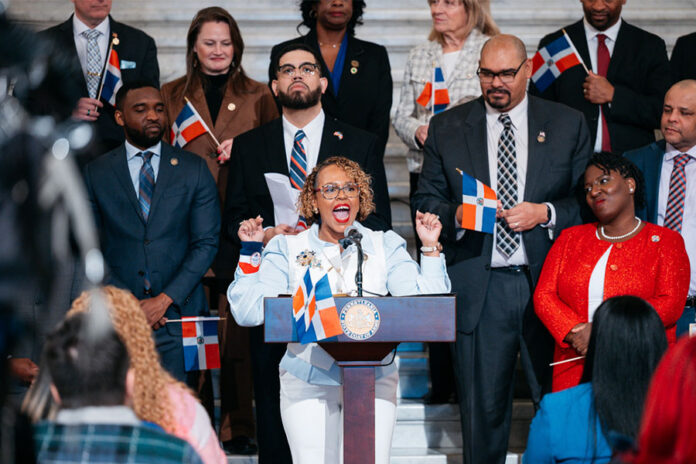
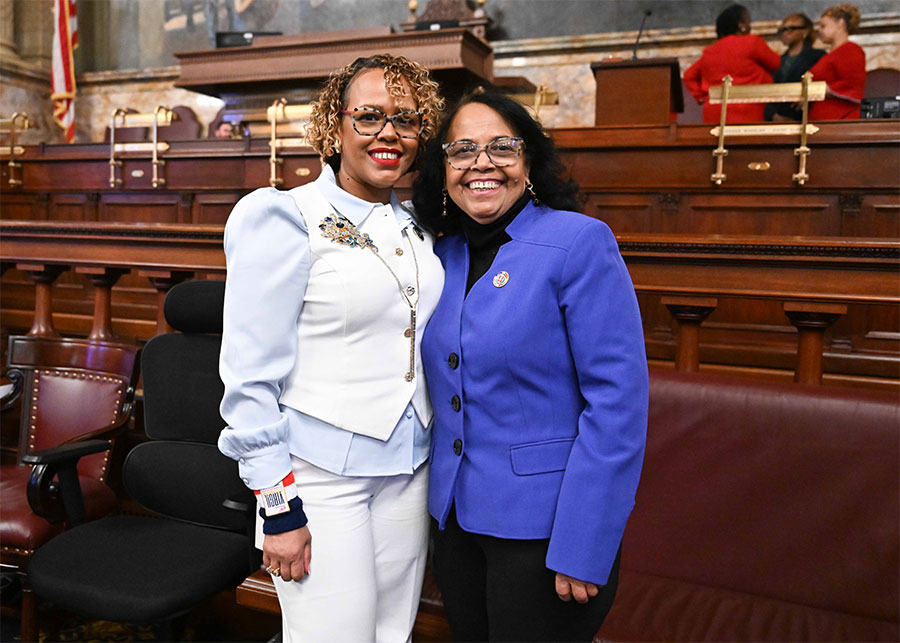
La líder legislativa también ha enfatizado la diversidad cultural como una fortaleza del estado, destacando que la comunidad dominicana, junto con otros grupos inmigrantes, ha enriquecido la vida social y económica de la región. (Foto: suministrada)
En el Mes de la Herencia Negra, y como reconocimiento de la población afrolatina, en Impacto celebramos a una mujer que se enorgullece de sus raíces, negras e indígenas.
“Educación es empoderamiento. Y querer es poder”. Con esas dos frases, heredadas de sus padres inmigrantes dominicanos, la representante estatal Johanny Cepeda-Freytiz resume la brújula que ha guiado su vida desde que entró a la escena pública, y esto es parte de lo que compartió con Perla Lara, nuestra editora jefa de Impacto.
Nacida en Nueva York, hija de padres dominicanos, Cepeda-Freytiz creció entre dos culturas. “Me identifico como latina y reconozco que por mis venas corre sangre negra, taína y europea. Somos producto de una historia compleja de colonización y al mismo tiempo de resistencia”, afirma con convicción. Esa identidad, explica, no es solo cultural: es también política.
De Nueva York a Reading
Sus padres llegaron a Estados Unidos en busca del “sueño americano” y finalmente se establecieron en Pensilvania, donde pudieron comprar su casa y ofrecer estabilidad a sus dos hijas. Johanny se mudó a Reading hace 19 años, ya casada con su esposo puertorriqueño y con dos hijos pequeños.
Antes de eso, se formó académicamente en Nueva York y obtuvo una maestría. Allí trabajó como directora de un centro comunitario administrado por Grand Street Settlement, en el Lower East Side de Manhattan. El centro ofrecía programas educativos para niños, jóvenes y adultos, incluyendo clases de GED (Desarrollo Educativo General) y de inglés como segundo idioma.
“Siempre he tenido una fuerte vocación de servicio. Mi mamá me enseñó que educarse es empoderarse, y mi papá que querer es poder. Todo lo que hago parte desde allí”, señala.
Johanny Cepeda-Freytiz nació en la ciudad de Nueva York el 31 de agosto de 1973 y es hija de Ana y Luis Cepeda. Vivió y asistió a la escuela en el Colegio Padre Fortín, en la República Dominicana, desde los 9 hasta los 14 años. (Foto: suministrada)
De restaurante a centro comunitario
Al llegar a Reading en 2007, decidió cambiar de rumbo profesional y abrir un restaurante: “Mi Casa, Su Casa Café”. Pero lo que comenzó como un emprendimiento puramente familiar terminó convirtiéndose en un punto de encuentro para la creciente comunidad latina de Reading.
“Allí escuchaba historias, ayudaba a la gente a encontrar recursos, tenía formularios de registro electoral en inglés y en español, y mientras la gente esperaba su café, yo les decía, ven, llena el registro para votar, y si tú no puedes llevarlo yo misma lo llevo o lo pongo al correo”, recuerda.
Para Cepeda-Freytiz, la educación cívica es esencial, especialmente en comunidades negras y morenas que históricamente han luchado por el derecho al voto. “Yo les recordaba que muchos murieron para que hoy nosotros podamos ejercer ese derecho, y no podemos olvidarlo”.
El salto a la política
Su experiencia como emprendedora le permitió comprender cómo las decisiones municipales impactaban directamente a los pequeños negocios y a las familias trabajadoras. “A veces los funcionarios municipales venían a mi restaurante y yo escuchaba como decidían aumentar los costos de los permisos sin consultarles a quienes se veían afectados. Eso fue lo que, al final, me motivó a involucrarme”.
En 2015 se postuló por primera vez al Concejo Municipal de Reading. Perdió por apenas 75 votos. “Eso me dolió, pensé que debía haber trabajado un poco más, pensé que me había metido solamente a los barrios más pobres y difíciles…; pero al final, también me di cuenta de que había movilizado sectores y ciudadanos que tradicionalmente no participaban en las elecciones”.
Tras varios episodios políticos en la ciudad y nuevas vacantes en el Concejo, volvió a intentarlo. Inicialmente no fue seleccionada para ocupar una posición vacante en 2019, y finalmente fue designada en 2020 por voto popular.
“Se sintió mucho mejor cuando el pueblo me eligió directamente”, afirma.
Defender los derechos en tiempos de miedo
La representante con un liderazgo nato, ha centrado sus esfuerzos en la educación sobre derechos civiles, particularmente frente a las políticas migratorias federales que, lamenta, han generado tanto temor en comunidades latinas.
“Hay muchas familias que viven con ansiedad, hay niños que faltan a la escuela por el temor y hay trabajadores que ya les da miedo salir de sus casas al trabajo”, asegura.
Cepeda ha impulsado campañas educativas bajo el lema “Conozca sus derechos”, orientadas a que las personas sepan cómo actuar ante detenciones inesperadas y cómo documentar posibles abusos. También trabaja en coordinación con organizaciones comunitarias y líderes locales para fortalecer las redes de apoyo.
“Hoy en día organizarse no es opcional. Es necesario. Pero también debemos actuar con estrategia y responsabilidad”, advierte.
Descubrir el poder del voto
Insiste en la importancia de la participación electoral. Considera que las próximas elecciones son decisivas tanto a nivel estatal como federal.
“El voto es nuestra herramienta más poderosa. Si cometimos errores en el pasado, la manera de corregirlos es participando activamente en las elecciones”, afirma.
Aunque reconoce las diferencias partidistas, insiste en que el centro del debate debe ser la protección de los derechos humanos y constitucionales. “Esto no es solo cuestión de partidos; aquí se trata de las personas”.
Salud y discriminación
Otro eje de su trabajo legislativo es la salud pública, especialmente las disparidades que afectan a mujeres negras durante el embarazo.
“Las tasas de mortalidad materna en mujeres negras son desproporcionadamente altas y muchas muertes son prevenibles”, explica. Por eso ha convocado a una discusión comunitaria con profesionales de la salud para dialogar sobre prevención, acceso a servicios y representación médica culturalmente competente”. El evento se llevará a cabo el jueves 19 de febrero, de 4 p.m. a 7 p.m., en la iglesia Zion Baptist en Reading.
“Tenemos que hablar de estos temas abiertamente y buscar soluciones concretas”, enfatiza.
Identidad, fe y compromiso ante el reto del racismo
Cepeda-Freytiz no oculta que su fe juega un papel importante en su vida pública. “Cuando he dudado, siempre he orado… Dios, si tú me quieres en esto, entonces muéstrame tu apoyo’. La visionaria cree que todos tenemos una función en este momento histórico, en donde no titubeo en asentir que lo que está haciendo el gobierno federal, es una limpieza étnica, por eso fue de las primeras en manifestar su rechazo a la compra de un enorme almacén en su jurisdicción, que planean convertir en un centro de detención para indocumentados; y lanzó un llamado a que todos ocupen su lugar histórico ante los atropellos a la Constitución y al visible racismo en lo más alto del poder. “Empresarios, padres, jóvenes, líderes religiosos, funcionarios. Todos”.
Para ella, la clave es la organización colectiva. “Somos pocos los que damos la cara, pero en la práctica somos muchos, y todos dependemos los unos de los otros”.
Al final de la conversación, vuelve a la enseñanza de su padre, ya fallecido: “Querer es poder. Si queremos proteger nuestros derechos y nuestro futuro, podemos hacerlo. Pero tenemos que actuar y que luchar juntos”.
Johanny Cepeda-Freytiz nació en la ciudad de Nueva York el 31 de agosto de 1973 y es hija de Ana y Luis Cepeda. Vivió y asistió a la escuela en el Colegio Padre Fortín, en la República Dominicana, desde los 9 hasta los 14 años.
Johanny es una madre orgullosa de dos jóvenes adultos que actualmente están en la universidad: Enith, de 22 años, estudia en la Universidad George Washington, y Elias, de 20 años, asiste a Reading Area Community College. Está casada con Felix Freytiz III.
Johanny se graduó de Mother Cabrini High School en la ciudad de Nueva York y asistió al State University of New York en New Paltz College, donde se especializó en francés, tuvo un minor en español, estudió en París, Francia, en 1994 y obtuvo un título de licenciatura en Artes. También obtuvo una maestría en Ciencias de la Educación en Long Island University y se convirtió en consejera bilingüe. Durante más de una década trabajó para Grand Street Settlement, donde ocupó el cargo de directora del Programa Beacon Center, un centro comunitario ubicado dentro de una escuela en el Lower East Side de Manhattan, Nueva York. Además de su rol como directora del programa, trabajó medio tiempo como consejera universitaria en la escuela secundaria Marta Valle, donde se encuentra el centro comunitario.
En 2007, Johanny decidió dejar la ciudad de Nueva York y su prometedora carrera para convertirse en empresaria. Trasladó a su familia a Reading, Pensilvania, para establecer Mi Casa Su Casa Café, ubicado en 320 Penn Street, en el centro de Reading. Se graduó del programa de desarrollo empresarial del Kutztown University Small Business Development Center y del Latino Business Resource Center en la primavera de 2009. En noviembre de 2009, Johanny recibió el James Hyson Entrepreneur Award otorgado por Community First Fund. En enero de 2011, fue nombrada Empresaria del Año por la Cámara de Comercio Latina del Condado de Berks. El 30 de marzo de 2017 recibió el Premio Take the Lead 2017 de las Girl Scouts of Eastern Pennsylvania. En 2020, Johanny recibió el Premio Héroe del COVID-19 otorgado por United Community Services, y en 2021 fue reconocida como Socio Comercial del Año por la organización Domestic Shelters. En octubre de 2024, recibió el premio Líder Comunitaria del Año otorgado por Latino Connections.
Johanny ha sido miembro de la junta directiva de Safe Berks (antes Berks Women in Crisis), de la Biblioteca Pública de Reading, del Greater Reading Chamber Alliance, de El Centro Hispano Daniel Torres y del Comité Asesor Ocupacional de Reading Muhlenberg CTC.
En octubre de 2016, Johanny y su esposo Felix expandieron Mi Casa Su Casa para ofrecer, una vez por semana, un buffet de cena auténtica latina en el Crowne Plaza Hotel en Wyomissing. En abril de 2018 expandieron Mi Casa Su Casa al mercado de agricultores de Shillington.
Johanny fue nombrada miembro del Concejo Municipal representando al Distrito 6 de la ciudad de Reading en enero de 2019. En noviembre de 2019 fue elegida por los votantes como concejala del Distrito 6 y en enero de 2020 comenzó su mandato de cuatro años. En junio de 2022 fue nombrada por unanimidad presidenta del Concejo Municipal de Reading, convirtiéndose en la primera mujer en ocupar ese cargo.
El 3 de enero de 2023, Johanny Cepeda-Freytiz comenzó su primer mandato como Representante Estatal de Pensilvania por el Distrito Legislativo 129. Forma parte de los comités de Agricultura y Asuntos Rurales; Comercio; Finanzas; Supervisión del Juego; Turismo, Desarrollo Económico y Recreación; y Asuntos Intergubernamentales. Actualmente también se desempeña como presidenta del Caucus Legislativo Latino de Pensilvania.
El lema de Johanny es: Querer es poder y “¡Todo lo que hagas, hazlo con AMOR!”
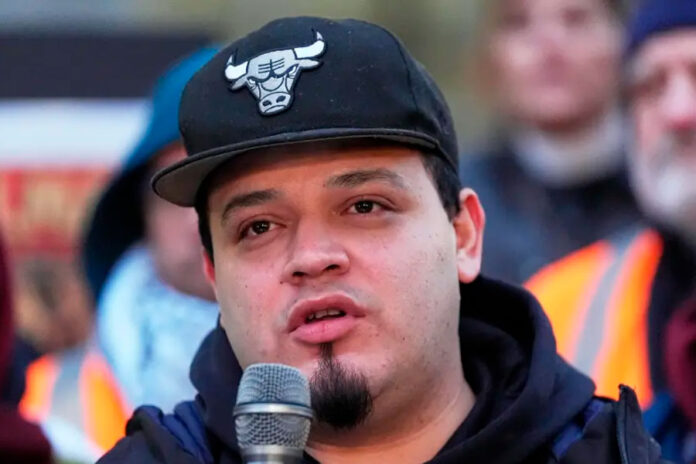
Kilmar Ábrego García habla en una concentración antes de acudir a una cita con el Servicio de Inmigración y Aduanas en Baltimore, Maryland, el 12 de diciembre del 2025. (Foto: AP/Stephanie Scarbrough)
El Servicio de Inmigración y Control de Aduanas no puede volver a detener a Kilmar Ábrego García porque el periodo de detención de 90 días ha expirado y el gobierno no tiene un plan viable para deportarlo, dictaminó una jueza federal el martes.
El caso del ciudadano salvadoreño se ha convertido en un tema de debate después de que el año pasado fuera deportado indebidamente a su país de origen. Desde su regreso, ha estado luchando contra una segunda deportación a una serie de países africanos propuesta por funcionarios del Departamento de Seguridad Nacional.
El gobierno “hizo una amenaza vacía tras otra para expulsarlo a países de África sin ninguna posibilidad real de éxito”, escribió en su orden del martes la jueza federal de distrito Paula Xinis, en Maryland. “Por lo tanto, el tribunal concluye fácilmente que no hay ‘buen motivo para creer’ que la expulsión sea probable en un futuro razonablemente previsible”.
La subsecretaria de Seguridad Nacional Tricia McLaughlin criticó el fallo en un correo electrónico.
“Si este asunto realmente se tratara de la ley o del debido proceso, Kilmar Ábrego García ya habría sido deportado y nunca volvería a poner un pie en este país; la jueza Xinis no estará satisfecha hasta que se le autorice a vivir en Estados Unidos para siempre”, escribió.
Ábrego García tiene una esposa y un hijo estadounidenses y ha vivido en Maryland durante años, pero inmigró a Estados Unidos de manera ilegal cuando era adolescente. En 2019, un juez de inmigración determinó que no podía ser deportado a El Salvador porque allí enfrentaba peligro por parte de una pandilla que había amenazado a su familia. Por error, aun así fue deportado allí el año pasado.
Ante la presión pública y una orden judicial, el gobierno del presidente Donald Trump lo trajo de vuelta en junio, pero sólo después de conseguir una acusación formal que lo imputa por tráfico de personas en Tennessee. Se ha declarado inocente. Mientras tanto, funcionarios de Trump han afirmado que no puede quedarse en Estados Unidos. En documentos presentados ante el tribunal, los funcionarios señalaron que pretendían deportarlo a Uganda, Esuatini, Ghana o Liberia.
En su orden del martes, Xinis señaló que el gobierno ha “deliberadamente —y sin motivo— ignorado el único país que de manera constante se ha ofrecido a aceptar a Ábrego García como refugiado, y al que él acepta ir”. Ese país es Costa Rica.
El abogado de Ábrego García, Simon Sandoval-Moshenberg, argumentó ante el tribunal que la detención migratoria no debe ser un castigo. Un inmigrante sólo puede ser detenido como una forma de facilitar su deportación y no puede ser detenido indefinidamente sin un plan viable de deportación.
“Desde que la jueza Xinis ordenó la liberación del señor Ábrego García a mediados de diciembre, el gobierno ha intentado un truco tras otro para tratar de que vuelva a ser detenido”, escribió Sandoval-Moshenberg en un correo electrónico el martes. “En su decisión de hoy, reconoció que si el gobierno realmente estuviera tratando de expulsar al señor Ábrego García de Estados Unidos, lo habría enviado a Costa Rica mucho antes de hoy”.
El gobierno ahora debería participar en un esfuerzo de buena fe para concretar los detalles de la expulsión a Costa Rica, escribió Sandoval-Moshenberg.