Fotografía de Jordi Bru incluida en el libro 'Aliados'. (Foto: EFE/Editorial Desperta Ferro/ Jordi Bru)
El 250 aniversario de la declaración de independencia de Estados Unidos, que se conmemora este sábado, ha puesto de nuevo sobre la mesa la cuestión de la participación española en la guerra contra los británicos, un papel tradicionalmente olvidado o relegado y que la historiografía reciente empieza a considerar «crucial».
El historiador Rafael Torres y el fotógrafo Jordi Bru acaban de publicar ‘Aliados’ (Desperta Ferro), un libro ilustrado que reconstruye las operaciones militares españolas en el Misisipi, el Caribe y el asedio a Gibraltar, así como las intrincadas negociaciones diplomáticas que se desarrollaron en las cortes europeas en aquella época.
La Guerra de Independencia de los Estados Unidos (1775-1783) suele presentarse como la epopeya de trece colonias que derrotaron al imperio británico, movidas por el ideal de libertad.
Pero Torres sostiene que la ayuda española «no fue secundaria ni anecdótica, sino una pieza fundamental para debilitar a Gran Bretaña, sostener el esfuerzo revolucionario y hacer posible la victoria final de Estados Unidos».
En el libro expone que, incluso antes de entrar oficialmente en guerra en 1779, España ya actuaba como aliada al proporcionar recursos financieros, armas, medicinas y miles de libras de pólvora de forma clandestina.
Además, el libro explica que la plata española, la moneda de las colonias, conocida también como el dólar español, fue el motor financiero de la revolución y la base del sistema monetario de la nueva república, así como que el símbolo del dólar ($) nació en la Nueva Orleans española cuando un comerciante lo utilizó como una abreviatura para representar los «pesos» españoles en una carta de 1778.
Otros datos historiográficos
El militar español Bernardo de Gálvez fue quien más contribuyó al afianzar las posiciones de la Corona de España en la zona sur de los actuales Estados Unidos y lograr expulsar a los británicos de la cuenca baja del Misisipi y de la Florida, actos por los cuales fue recompensado bajo la presidencia de Barack Obama con la ciudadanía honoraria.
En el libro ‘El enemigo de mi enemigo’ (Alianza, 2025), Gonzalo M. Quintero afirma que la monarquía hispánica de Carlos III se convirtió en «un actor determinante» en este conflicto global que redibujó el mapa geopolítico del siglo XVIII y sentó las bases del mundo contemporáneo.
Ángel Luis Cervera va más allá en ‘España en la independencia de Estados Unidos’ (Sekotia, 2025) al asegurar que «sin España, no habrían existido los Estados Unidos de América» y relata su papel «en la sombra», a través de «una red secreta de espías, corsarios y generales españoles que operaba desde La Habana hasta Gibraltar».
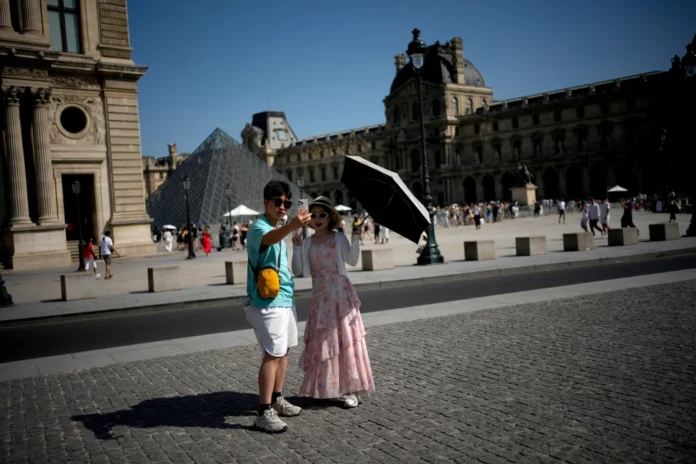
Turistas con un paraguas se toman una foto en París el lunes 22 de junio de 2026, en medio de una intensa ola de calor en Francia. (Foto: AP/Christophe Ena)
El verano es el momento perfecto para disfrutar de unas merecidas vacaciones. Al realizar los preparativos para su viaje, asegúrese de tener su vida tecnológica en orden, además de otras tareas como empacar y cerciorarse de llevar sus pasaportes y boletos.
La vida moderna está dominada por dispositivos y servicios en línea, y la gestión tecnológica es importante incluso cuando se supone que usted va a descansar de su rutina diaria.
Para ayudarle con sus dudas sobre la tecnología mientras se prepara para partir, aquí tiene algunos consejos, empezando por lo que deja en casa:
¿Debería desenchufar los aparatos eléctricos cuando esté de viaje? Depende
Nuestros hogares están llenos de dispositivos electrónicos y aparatos eléctricos enchufados a la corriente, tales como consolas de videojuegos, freidoras de aire o enrutadores de Wi-Fi. Y muchos de ellos consumen una pequeña cantidad de “energía en modo de espera” cuando no están en uso.
Esta pequeña pero constante fuga de electricidad, también conocida como consumo fantasma o consumo vampiro, puede acumularse si usted tiene muchos dispositivos. Se estima que el consumo en modo de espera puede representar hasta el 10% de la factura eléctrica del hogar y el 1% de las emisiones de gases de efecto invernadero.
¿Debería desenchufarlos cuando se va de casa? Esa es una discusión recurrente en redes sociales.
Tiene sentido desenchufar algunos dispositivos —especialmente los no esenciales— si su casa va a estar vacía, dijo Lifu Tan, investigador adjunto del departamento de bioquímica de la Universidad de Cambridge, cuyo enfoque de investigación abarca los sistemas electrónicos para la gestión de energía.
“Un solo dispositivo en modo de espera podría consumir sólo una pequeña cantidad de energía fantasma, pero muchos cargadores, pantallas, altavoces, adaptadores y electrodomésticos pequeños enchufados en casa pueden generar un consumo innecesario”, expuso Tan. “Antes de irme de viaje, yo desenchufaría todo lo que no necesite realizar una función útil, y dejaría en funcionamiento los electrodomésticos esenciales como frigoríficos, congeladores, sistemas de seguridad y dispositivos de monitoreo”.
Para algunos dispositivos, como un enrutador de Wi-Fi, la decisión no es tan sencilla. Muchos hogares cuentan ahora con dispositivos conectados como termostatos y timbres inteligentes, así que mantenga su enrutador enchufado si no quiere perder el acceso a esas funciones.
Pero, ¿ahorrará algo de dinero? Probablemente no mucho.
El costo de dejar muchos dispositivos en modo de espera es relativamente bajo —y los televisores son de los más económicos—, según pruebas realizadas por Which?, una organización británica de protección al consumidor.
“El ahorro que se obtiene al desenchufar la mayoría de los dispositivos modernos suele ser menor de lo que la gente espera”, explicó Natalie Hitchins, directora del equipo de productos y servicios para el hogar de esa organización. “Las mayores ventajas a largo plazo suelen provenir de elegir productos que son eficientes en su consumo energético desde el principio, y utilizar las configuraciones de ahorro de energía integradas”.
Guarde la información de su pasaporte en su iPhone
En Estados Unidos, los viajes aéreos nacionales se simplificaron un poco después de que Apple presentara un nuevo sistema de identificación digital, o “Digital ID”, para que los usuarios de iPhone agreguen la información de su pasaporte estadounidense a Apple Wallet, que puede ser escaneada en los lectores de los aeropuertos si los viajeros no llevan consigo una identificación que cumpla con los requisitos de la Real ID. Esta última es un documento de identidad emitido en Estados Unidos que cumple con normas federales de seguridad para abordar vuelos comerciales y entrar a edificios gubernamentales.
Esta identificación digital es aceptada en más de 250 aeropuertos de Estados Unidos, pero tenga en cuenta que no se puede utilizar para viajes internacionales ni para cruzar fronteras.
Evite los cargos de roaming en el extranjero
¿Va a viajar a otro país? Su celular le será útil para orientarse en una ciudad nueva, mantenerse en contacto con sus amigos y familiares, y publicar fotos en redes sociales.
No obstante, algunas aplicaciones consumen muchos datos, lo que puede generarle altos cargos de roaming —servicio itinerante—, así que verifique si su operador ofrece un paquete de roaming internacional. Si no, consiga una eSIM internacional para su teléfono móvil.
Muchos iPhones y teléfonos Android recientes permiten añadir una segunda eSIM, la cual ha reemplazado a las tarjetas SIM físicas. Eso significa que es fácil añadir una de entre las decenas de proveedores de eSIM que ofrecen ofertas de roaming económicas para regiones o países específicos.
Tome medidas de privacidad y seguridad de datos
No descuide la seguridad y la privacidad de su dispositivo cuando viaje.
Si espera en la sala de embarque de un aeropuerto y no tiene cobertura móvil, puede resultar tentador usar una red Wi-Fi pública gratuita. Pero conectarse a una red no segura es arriesgado, ya que los hackers pueden interceptar su conexión a internet y ver toda su actividad en línea, instalar malware en su dispositivo o incluso crear un punto de acceso falso que parezca auténtico.
Si realmente necesita conectarse, asegúrese de utilizar una red privada virtual (VPN, por sus siglas en inglés), la cual es un software que crea una conexión cifrada a servidores privados, lo que impide que alguien más vea sus datos.
Además debe considerar la seguridad física de su dispositivo, especialmente al cruzar fronteras. Las autoridades, incluidos los agentes fronterizos estadounidenses, pueden intentar registrar su teléfono, así que tome medidas para bloquearlo.
Otro riesgo es perder su celular, ya sea a manos de carteristas en zonas turísticas o simplemente porque lo olvida en un avión o en un restaurante. Existen varias funciones que puede activar para que perder un dispositivo sea menos problemático, menos atractivo para los ladrones y más fácil de localizar.
Evite que sus dispositivos se sobrecalienten
Los dispositivos electrónicos y los destinos cálidos y soleados no siempre son una buena combinación. Los teléfonos, las tabletas y otros dispositivos electrónicos son vulnerables al calor extremo, algo que debe tener en cuenta, sobre todo ahora que incluso algunas partes de Europa sufren olas de calor cada vez más frecuentes. Por ejemplo, evite dejar los dispositivos en un auto de alquiler que esté caliente. Tanto los teléfonos iPhone como los Android avisan a los usuarios si se calientan demasiado.
Reduzca el tiempo frente a la pantalla durante las vacaciones
En ese viaje a París con el que ha soñado toda su vida, admire la Mona Lisa con sus propios ojos en lugar de fotografiarla con el celular. Incluso de vacaciones, puede ser difícil apartar la vista de la pantalla de sus dispositivos. Si necesita ayuda, su teléfono tiene funciones integradas que pueden apoyarlo a evitar distracciones. Mejor aún, borre las aplicaciones que no necesite, siempre puede reinstalarlas después.
Organice sus fotos cuando vuelva a casa
¿De verdad necesita una docena de fotografías de la torre Eiffel que son prácticamente iguales? Con los smartphones es muy fácil sacar muchas fotos, lo que suele requerir mucho tiempo para revisarlas después, o simplemente posponerlo hasta que se olvida de ellas.
Practique algo de disciplina fotográfica: cree un álbum en su biblioteca de fotos al empezar su viaje y guarde sus imágenes en ella. Durante el viaje, marque con una estrella o un corazón las fotos destacadas que quiera conservar. Cuando regrese, utilice apps gratuitas para ayudarle a seleccionar las mejores fotos de la galería de su dispositivo.
FILADELFIA, PA. — La Ciudad de Filadelfia invitó a residentes y visitantes a planificar con anticipación su asistencia al One Philly: Unity Concert for America, el gran concierto gratuito que se celebrará este sábado 4 de julio como parte de las festividades por el 250 aniversario de Estados Unidos.
Las autoridades municipales informaron que el evento se realizará según lo programado, independientemente de las condiciones climáticas, mientras continúan monitoreando de cerca el pronóstico del tiempo. Debido a las altas temperaturas previstas y a la gran cantidad de asistentes esperados, la ciudad ha implementado múltiples medidas para garantizar la seguridad y comodidad del público.
El espectáculo, que tendrá lugar a lo largo de la Benjamin Franklin Parkway, contará con la participación de destacadas figuras de la música, entre ellas Christina Aguilera, Meek Mill, Jill Scott, The Roots, junto con los invitados especiales Will Smith y DJ Jazzy Jeff. También actuarán Kathy Sledge, State Property, Seal, Infinity Song y otros artistas. La comediante Wanda Sykes será la anfitriona del evento, con apariciones especiales de Gillie Da King y Wallo267.
La celebración culminará con un espectacular espectáculo de fuegos artificiales sobre la Benjamin Franklin Parkway.
Los organizadores destacaron que el evento ofrecerá una experiencia tipo festival, con espacios para desplazarse libremente, áreas verdes con sombra, estaciones de nebulización de agua, puntos de recarga para botellas y una amplia oferta gastronómica a través de camiones de comida y vendedores de alimentos y bebidas.
Las puertas abrirán a las 3:00 de la tarde, mientras que las presentaciones musicales comenzarán a las 5:00 p.m.. La entrada será gratuita y estará disponible por orden de llegada hasta completar la capacidad del recinto. Se recomienda a los asistentes llegar temprano y utilizar el transporte público.
Para hacer frente al calor, los asistentes podrán ingresar con un recipiente vacío de plástico o aluminio de hasta un litro para rellenarlo durante el evento. También se permitirá una botella de agua sellada de fábrica de hasta un litro, además de mochilas de hidratación vacías y pequeñas sombrillas de mano.
Quienes no puedan asistir en persona podrán disfrutar del concierto a través de NBC10 en el área de Filadelfia o mediante la plataforma Paramount+ a nivel nacional.
Las autoridades también recomendaron consultar el mapa interactivo disponible en phila.gov, donde se puede encontrar información sobre accesos al evento, áreas de espectáculos, estaciones de agua, puestos médicos, cierres viales, transporte y vendedores de comida.
Asimismo, la ciudad exhortó a residentes y visitantes a mantenerse informados mediante las actualizaciones oficiales enviando un mensaje de texto con la palabra AMERICA al 888-777.
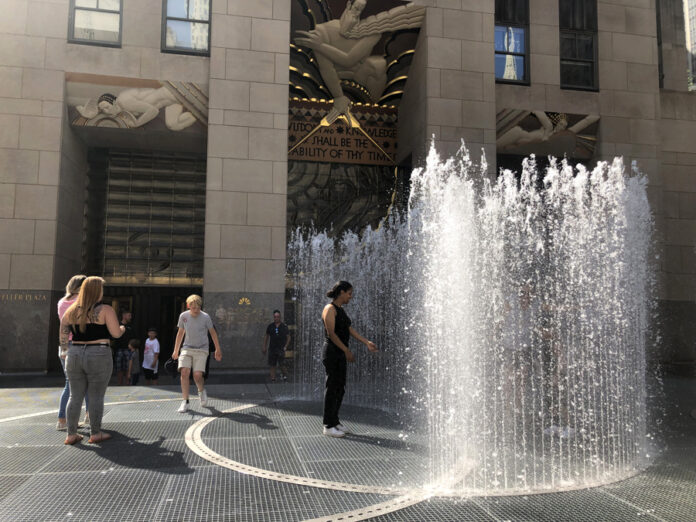
Unas personas se refrescan de la ola de calor dentro de las fuentes de agua pública, en la plaza del Rockefeller Center en Nueva York (EE. UU.). (Foto: EFE/Javier Otazu)
La ola de calor extremo que sacude a Estados Unidos y expone al 70 % de su población a temperaturas peligrosas amenaza con deslucir los festejos por los 250 años de la Independencia del país, que este viernes inicia un ajetreado puente con millones de viajes y cientos de eventos para celebrar el hito.
El Servicio Meteorológico Nacional advirtió en X que «una ola de calor prolongada y peligrosa continuará hoy en el Medio Oeste y el Valle del Misisipi, y persistirá durante el fin de semana del Día de la Independencia en el Valle del Ohio, el Medio Sur y la Costa Este».
Se espera que estas condiciones persistan por los próximos días, mientras expertos pronostican que la combinación de humedad sofocante y máximas podrían resultar en temperaturas récord para el noreste y los estados del Atlántico Medio.
Entre los territorios con mayor riesgo se incluyen Nueva York, Nueva Jersey, Massachusetts, Pensilvania, Ohio, Indiana, Michigan, Georgia, Tennessee, Carolina del Norte, Kentucky, Virginia Occidental, Virginia, Maryland, Alabama o Misisipi.
La capital Washington, donde se espera que el termómetro supere los 38 grados centígrados, también se encuentra bajo alerta y sus autoridades han pedido a los asistentes a la Gran Feria Estatal Estadounidense por el aniversario del país que tomen precauciones.
Los organizadores de un gran concierto al aire libre este viernes con artistas como Patti LaBelle, Chicago y Kool & the Gang en las inmediaciones del Capitolio seguirán adelante con el evento, pero anunciaron que abrirán las puertas a las 20:00 hora local (0:00 GMT) una hora más tarde de lo previsto.
«Las personas en riesgo de sufrir problemas de salud relacionados con el calor deben extremar las precauciones», señalaron en un comunicado, donde instan a los asistentes a mantenerse hidratados.
Mientras, Filadelfia – considerada el corazón de la Revolución Estadounidense – canceló su desfile del Día de la Independencia previsto hoy «debido al calor extremo». Se esperaba que personas de todos los estados participaran en este evento, pensado como uno de los mayores del país durante este fin de semana festivo.
Ciudades como Washington y Nueva York acogerán mañana sábado grandes celebraciones por la fecha, que incluirán paradas militares, festivales, conciertos al aire libre y fuegos artificiales. En la capital se han instalado estaciones de agua potable, puntos médicos y grandes ventiladores para quienes asistan a los festejos en la Explanada Nacional.
«La seguridad y el bienestar de todos los asistentes siguen siendo nuestra máxima prioridad al celebrar este histórico 250 aniversario de la Independencia», insistió la Freedom 250, entidad impulsada por la Casa Blanca para organizar los eventos capitalinos.
El calor también ha hecho que la compañía Amtrak cancele más de 20 trenes en la porción noreste, en medio de una de las temporadas más ajetreadas, cuando se espera que más de 72 millones de estadounidenses viajen durante esta puente del 4 de julio.
El país es, además, sede de la Copa del Mundo de fútbol y este sábado se disputarán dos partidos de octavos de final, Canadá-Marruecos en Houston y Paraguay-Francia en Filadelfia, con una elevada presencia de aficionados.
Un informe publicado este viernes por la red científica World Weather Attribution afirma que la intensidad combinada del calor y la humedad de esta semana en el noreste del país habrían sido «prácticamente imposible» sin los efectos de la contaminación por combustibles fósiles.
Ante la amenaza de que el calor extremo se prevé un uso récord del aire acondicionado, por lo que, para garantizar la estabilidad de las redes eléctricas en el este de EE. UU. se ha ordenado a los grandes consumidores de energía, incluyendo los centros de datos, que colaboren para evitar que haya cortes en el suministro.
Being Latino is a complex identity shaped by history, culture, language, and migration. It does not refer to a single nationality or a single origin, but rather to a diverse reality that encompasses hundreds of millions of people around the world.
The term “Latino” originated in Europe. French intellectuals and politicians of the nineteenth century coined the expression “Amérique latine” (Latin America). The concept emerged during a period of French cultural and political influence and was used to group the countries of the Americas where languages derived from Latin—primarily Spanish and Portuguese—were predominant, in contrast to “Anglo-America.” Over time, the term became widely established and was adopted throughout the region, although its meaning and usage have continued to evolve.
In this context, being Latino generally refers to people who come from Latin America or who have roots there. Latin America includes countries in Central America, South America, and the Caribbean where Romance languages such as Spanish and Portuguese predominate, alongside a rich diversity of Indigenous languages and Afro-descendant communities.
The term “Hispanic,” however, has a different meaning. It refers to a connection with the Spanish language and the cultural heritage of Spain. In the United States, the categories “Hispanic or Latino” are often used for statistical purposes, although they do not always reflect how individuals identify culturally. For example, a Brazilian is Latino but not Hispanic, while a person from Spain is Hispanic but not Latino.
Today, the Latino population worldwide exceeds 660 million people when Latin America and the Caribbean are included. In the United States, approximately 68 million Latinos or Hispanics live across the country, making them the nation’s largest minority demographic group and a community with enormous social, economic, and cultural influence.
The Spanish language also reflects this global reach. According to the Cervantes Institute, more than 600 million people speak Spanish worldwide, including nearly 500 million native speakers, making it the world’s second most widely spoken native language.
Latino identity, however, is far from homogeneous. Latin America is a region shaped by centuries of cultural mixing among Indigenous peoples, Europeans, Africans, and, to a lesser extent, Asians, especially Filipinos. This diversity has produced multiple cultural identities within a shared linguistic and historical framework.
In the twentieth century, Mexican philosopher José Vasconcelos proposed in his essay The Cosmic Race (La raza cósmica) the idea that racial and cultural mixing would give rise to a new universal civilization. Although the concept reflects the ideas of its era and the term “race” has since been rejected by modern science, his work continues to influence discussions about identity and cultural diversity in Latin America.
Today, genetics has demonstrated that there is only one human race: the human race. Physical differences among people do not constitute separate biological categories but rather variations within the same species.
In that context, being Latino is not a biological classification but a cultural identity that continues to evolve. It is a shared history that connects languages, traditions, and diverse experiences, while continuing to expand through migration and new generations around the world.
Ser latino es una identidad compleja que combina historia, cultura, lengua y migración. No se trata de una sola nacionalidad ni de un único origen, sino de una realidad diversa que abarca a cientos de millones de personas en el mundo.
El término “latino” tiene su origen en Europa. Fueron intelectuales y políticos franceses del siglo XIX quienes acuñaron la expresión “Amérique latine” (América Latina). La idea surgió en el contexto de la expansión cultural y política de Francia y buscaba agrupar a los países del continente americano donde predominaban lenguas derivadas del latín —principalmente el español y el portugués— en contraste con la “América anglosajona”. Con el tiempo, el término se consolidó y fue adoptado en la región, aunque su uso y significado han evolucionado desde entonces.
En este contexto, ser latino se refiere generalmente a las personas originarias de América Latina o con raíces en ella. América Latina incluye países de América Central, América del Sur y el Caribe donde predominan lenguas romances como el español y el portugués, además de una gran diversidad de lenguas indígenas y comunidades afrodescendientes.
El término “hispano”, por otro lado, tiene un significado distinto. Se refiere a la conexión con el idioma español y la herencia cultural de España. En Estados Unidos, las categorías “Hispanic or Latino” se utilizan con fines estadísticos, aunque no siempre reflejan cómo las personas se identifican culturalmente. Por ejemplo, un brasileño es latino pero no hispano, mientras que una persona de España es hispana pero no latinoamericana.
Hoy, la población latina en el mundo supera los 660 millones de personas si se incluye a América Latina y el Caribe. En Estados Unidos viven en torno a 68 millones de latinos o hispanos, lo que los convierte en el mayor grupo demográfico del país y un grupo de enorme influencia social, económica y cultural.
El idioma español también refleja este alcance global. Según el Instituto Cervantes, más de 600 millones de personas hablan español en el mundo, incluyendo cerca de 500 millones de hablantes nativos, lo que lo convierte en la segunda lengua materna más hablada del planeta.
La identidad latina, sin embargo, no es homogénea. América Latina es una región marcada por siglos de mestizaje entre pueblos indígenas, europeos, africanos y, en menor medida, asiáticos, en espacial filipinos. Esta diversidad dio lugar a múltiples identidades culturales dentro de un mismo marco lingüístico e histórico.
En el siglo XX, el filósofo mexicano José Vasconcelos propuso en su ensayo La raza cósmica la idea de que el mestizaje daría origen a una nueva civilización universal. Aunque el concepto refleja las ideas de su época y el término “raza” ha sido descartado por la ciencia moderna, su reflexión sigue influyendo en debates sobre identidad y diversidad cultural en América Latina.
Hoy, la genética ha demostrado que solo existe una raza: la raza humana. Las diferencias físicas entre las personas no constituyen categorías biológicas separadas, sino variaciones dentro de una misma especie.
En ese contexto, ser latino no es una clasificación biológica, sino una identidad cultural en constante evolución. Es una historia compartida que une lenguas, tradiciones y experiencias diversas, y que continúa expandiéndose a través de la migración y las nuevas generaciones en todo el mundo.
From before independence to today’s economic and demographic growth, Latinos have helped build this nation and will continue to play a vital role in its future.
How Does Our Understanding of the United States Change When We Recognize Latino Participation in Its Construction?
As the United States celebrates its independence every Fourth of July, it is worth remembering that the nation’s story did not begin solely with the thirteen English colonies. Long before 1776, Spanish explorers, missionaries, and settlers were already traveling across vast regions of North America. In fact, Spanish was the first European language spoken in much of what is now U.S. territory, and cities such as St. Augustine, Florida—founded in 1565—existed centuries before the country became an independent nation.
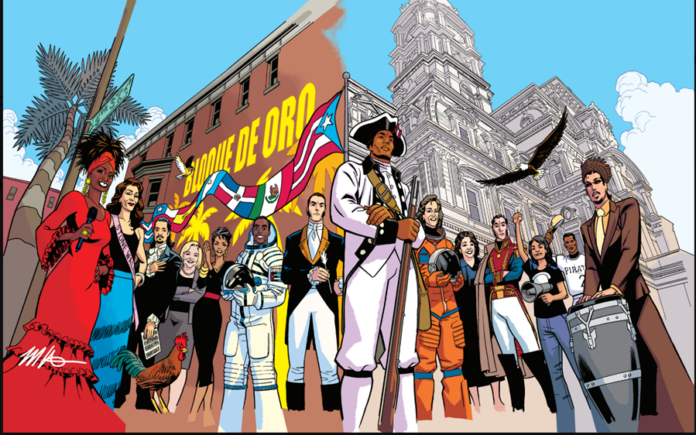
The Hispanic presence not only predates the United States but is also part of its very foundation. According to actor and documentarian John Leguizamo, approximately 10,000 Latinos participated in the struggle for independence, although their contributions have received little attention in traditional historical narratives
That history is the central focus of American Historia: The Untold History of Latinos, the PBS documentary series created and hosted by Leguizamo. Throughout the series, he revisits key moments in history to recover the stories of Latino heroes and heroines whose contributions have been overlooked or minimized. The project explores a timeline stretching from pre-Columbian civilizations to the present day, demonstrating how Latinos have influenced the cultural, economic, and political development of the United States.
But the American Revolution also inspired the independence movements of Latin America. The success of the colonies in 1776 demonstrated that it was possible to break away from an empire and build a sovereign nation, becoming a model for leaders such as Simón Bolívar, José de San Martín, and Miguel Hidalgo in the struggles that transformed the continent during the nineteenth century.
Today, that shared history reminds us that the independence movements across the Americas are part of a common legacy—a continuing pursuit of liberty, representation, and justice.
A pivotal chapter in Hispanic-American history occurred during the nineteenth century with U.S. territorial expansion. Following the Mexican-American War (1846–1848), the Treaty of Guadalupe Hidalgo transferred more than 900,000 square miles (2.3 million square kilometers) of Mexican territory to the United States. This included present-day California, Nevada, Utah, Arizona, and parts of Colorado, Wyoming, New Mexico, and Texas. Approximately 75,000 to 100,000 Mexican residents became U.S. citizens virtually overnight without moving from their homes. In other words, a significant portion of the Latino population did not migrate to the United States—the United States expanded over them.
In 1898, after the Spanish-American War, Puerto Rico became a U.S. territory, incorporating another large Spanish-speaking community into the nation’s political and cultural fabric.
Throughout the twentieth and twenty-first centuries, the Latino population continued to grow through immigration from Mexico, the Caribbean—including Cuba, Puerto Rico, and the Dominican Republic—and Central America, driven by labor demand, geographic proximity, and political and economic conditions throughout the region.
Today, that presence is impossible to ignore. Approximately one in five Americans is Latino, making Latinos the nation’s fastest-growing demographic group. By 2060, they are projected to represent more than one-quarter of the U.S. population.
Their economic contribution is equally significant. Nationally, Latino economic output has reached approximately $4.4 trillion. In Pennsylvania, Latinos have become one of the state’s principal economic engines. According to the Latino Donor Collaborative, Pennsylvania’s Latino economy generated $36 billion in 2021 and accounted for nearly one-fifth of the state’s economic growth during the previous decade.
For these reasons and many more, Latinos do not see themselves as guests at America’s celebration—we are among its hosts. Despite political and ideological forces that seek to diminish our contributions or question our place in the national story, history tells a different tale. Through our collective efforts, we celebrate our past, our present, and our future.
Organizaciones que brindan apoyo, educación, salud, cultura y oportunidades de desarrollo
La comunidad latina de Filadelfia cuenta con una sólida red de organizaciones sin fines de lucro e instituciones comunitarias que trabajan diariamente para mejorar la calidad de vida de miles de familias. Sus programas abarcan desde servicios de salud, vivienda y educación hasta apoyo para inmigrantes, desarrollo empresarial, actividades culturales y liderazgo comunitario.
A continuación, presentamos un directorio con algunas de las principales organizaciones que prestan servicios a la comunidad hispana.
Asociación de Empresarios Mexicanos de Filadelfia (AEM Philly)
Servicios: Apoyo a empresarios, emprendedores y pequeños negocios; capacitación, desarrollo económico, creación de redes de contacto y acceso a recursos para negocios. Dirección: Filadelfia, PA (oficina virtual y eventos en distintos lugares de la ciudad). Sitio web:https://aemphilly.org
Asociación Puertorriqueños en Marcha (APM)
Servicios: Vivienda, salud, salud mental, educación, desarrollo infantil y programas para familias. Dirección: 600 Diamond Street, Philadelphia, PA 19122. Teléfono: (215) 235-6070. Sitio web:https://www.apmphila.org
ASPIRA, Inc. of Pennsylvania
Servicios: Educación, liderazgo juvenil, preparación universitaria y administración de escuelas chárter. Dirección: 4322 N. 5th Street, Philadelphia, PA 19140. Teléfono: (215) 455-1300. Sitio web:https://www.aspira.org
Casa del Carmen (Servicios Sociales Católicos)
Servicios: Apoyo familiar, educación para padres, programas de primera infancia, asistencia con vivienda y servicios públicos (cuando hay fondos disponibles), ayuda de emergencia con alimentos y pañales, apoyo relacionado con inmigración y servicios de administración de casos. Dirección: 4400 N. Reese Street, Philadelphia, PA 19140 Teléfono: (267) 331-2500 / Línea de ayuda: (267) 331-2490 Sitio web:https://cssphiladelphia.org
Catholic Charities of Philadelphia (Caridades Católicas de Filadelfia)
Servicios: Asistencia de vivienda, programas de alimentos, apoyo en refugios, consejería, servicios para personas mayores, cuidado temporal de niños (foster care), servicios de empleo, apoyo migratorio y asistencia de emergencia para necesidades básicas. Dirección: 222 N. 17th Street, Philadelphia, PA 19103 Teléfono: (215) 854-7000 / Línea de ayuda: (267) 331-2490 Sitio web:https://ccphila.org
Cámara Dominicana de Comercio
Servicios: Desarrollo empresarial, capacitación, asesoría para pequeños negocios, creación de redes comerciales y promoción del emprendimiento. Dirección: 130 W. Roosevelt Boulevard, Philadelphia, PA 19120. Teléfono: (215) 758-7841. Sitio web:https://www.dominicanchamberpa.org
Ceiba
Servicios: Vivienda, educación financiera, preparación gratuita de impuestos, asesoría económica y fortalecimiento comunitario. Dirección: 174 Diamond Street, Philadelphia, PA 19122. Teléfono: (215) 634-7245. Sitio web:https://www.ceibaphiladelphia.org
Concilio
Servicios: Programas para niños, jóvenes y familias, apoyo comunitario y organización de eventos culturales. Dirección: 141 E. Hunting Park Avenue, Philadelphia, PA 19124. Teléfono: (215) 627-3100. Sitio web:https://www.elconcilio.net
Congreso de Latinos Unidos
Servicios: Salud, vivienda, empleo, educación, apoyo familiar, desarrollo económico y servicios sociales. Dirección: 216 W. Somerset Street, Philadelphia, PA 19133. Teléfono: (215) 763-8870. Sitio web:https://www.congreso.net
Esperanza
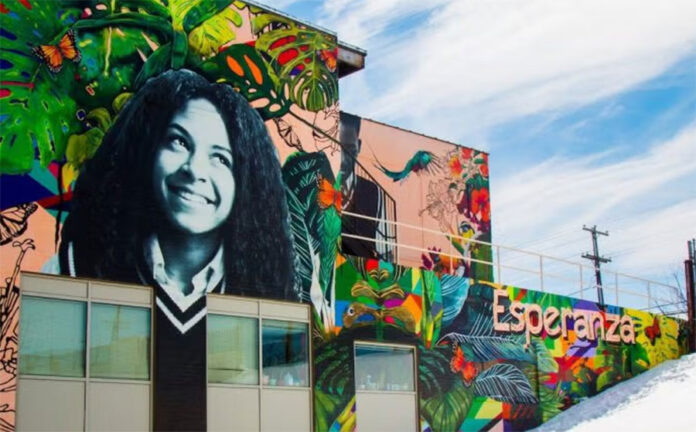
Servicios: Educación, Arte, liderazgo, desarrollo económico, programas juveniles y servicios legales para inmigrantes. Dirección: 4261 N. 5th Street, Philadelphia, PA 19140. Teléfono: (215) 324-0746. Sitio web:https://www.esperanza.us
Greater Philadelphia Hispanic Chamber of Commerce
Servicios: Capacitación empresarial, representación de negocios hispanos, eventos de networking y desarrollo económico. Dirección: 141 E. Hunting Park Avenue, Philadelphia, PA 19124. Teléfono: (215) 845-5456. Sitio web:https://www.philahispanicchamber.org
HACE (Hispanic Association of Contractors and Enterprises)
Servicios: Desarrollo económico, revitalización comercial, apoyo a pequeñas empresas, vivienda y desarrollo de corredores comerciales. Dirección: 167 W. Allegheny Avenue, Philadelphia, PA 19140. Teléfono: (215) 426-8025. Sitio web:https://www.hacecdc.org
Juntos
Servicios: Defensa de los derechos de los inmigrantes, liderazgo comunitario, educación sobre derechos civiles y organización comunitaria. Dirección: 600 Washington Avenue, Unit 18A, Philadelphia, PA 19147. Teléfono: (215) 218-9079. Sitio web:https://www.vamosjuntos.org
Mexican Cultural Center
Servicios: Promoción de la cultura mexicana mediante festivales, exposiciones, conciertos, talleres y programas educativos. Dirección: 901 Market Street, Suite 3020, Philadelphia, PA 19107. Teléfono: (267) 204-3307. Sitio web:https://www.mexicanculturalcenter.org
New Sanctuary Movement of Philadelphia
Servicios: Defensa de los derechos de los inmigrantes, acompañamiento legal, educación comunitaria y campañas por la justicia migratoria. Dirección: 2601 Potter Street, Philadelphia, PA 19125. Teléfono: (215) 279-7060. Sitio web:https://www.sanctuaryphiladelphia.org
Norris Square Community Alliance (Alianza Comunitaria de Norris Square)
Servicios: Organización comunitaria enfocada en el desarrollo del vecindario, educación cultural, programas para jóvenes, agricultura urbana, arte comunitario, liderazgo juvenil y fortalecimiento de la comunidad latina en el área de Norris Square.
Dirección: 2121 N Howard Street, Philadelphia, PA 19122
Servicios: Atención médica primaria, salud preventiva, salud mental, clases de inglés, programas educativos y actividades para familias inmigrantes. Dirección: 1700 South Street, Philadelphia, PA 19146. Teléfono: (215) 454-8000. Sitio web:https://www.puentesdesalud.org
Taller Puertorriqueño
Servicios: Promoción del arte y la cultura puertorriqueña y latina, exposiciones, teatro, música, programas educativos, desarrollo juvenil y actividades comunitarias. Dirección: 2600 N. 5th Street, Philadelphia, PA 19133. Teléfono: (215) 426-3311. Sitio web:https://www.tallerpr.org
Xiente
Servicios: Xiente es una organización comunitaria sin fines de lucro enfocada en el desarrollo económico y la movilidad social. Ofrece programas de educación temprana, apoyo familiar, vivienda asequible, desarrollo laboral, servicios de salud preventiva, asesoría financiera y programas para jóvenes y familias. Su misión es ayudar a las familias a salir de la pobreza mediante oportunidades de estabilidad y crecimiento económico.
Dirección: 174 W Diamond Street, Philadelphia, PA 19122
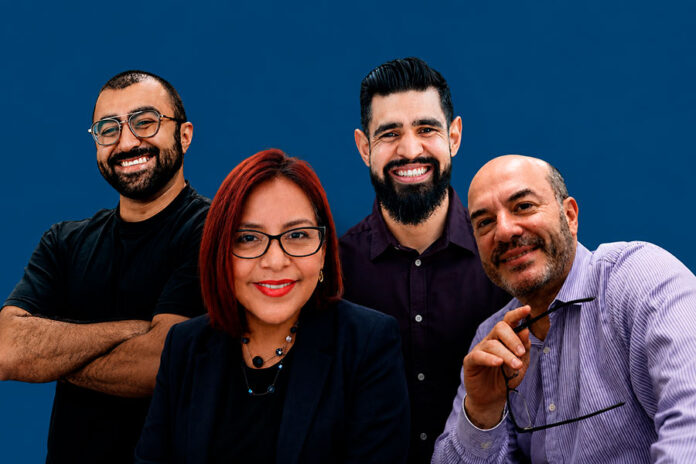
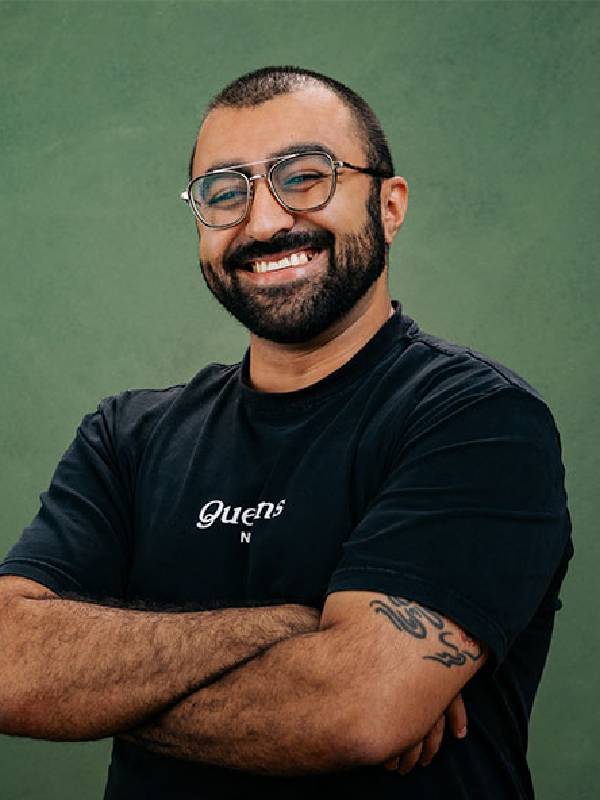
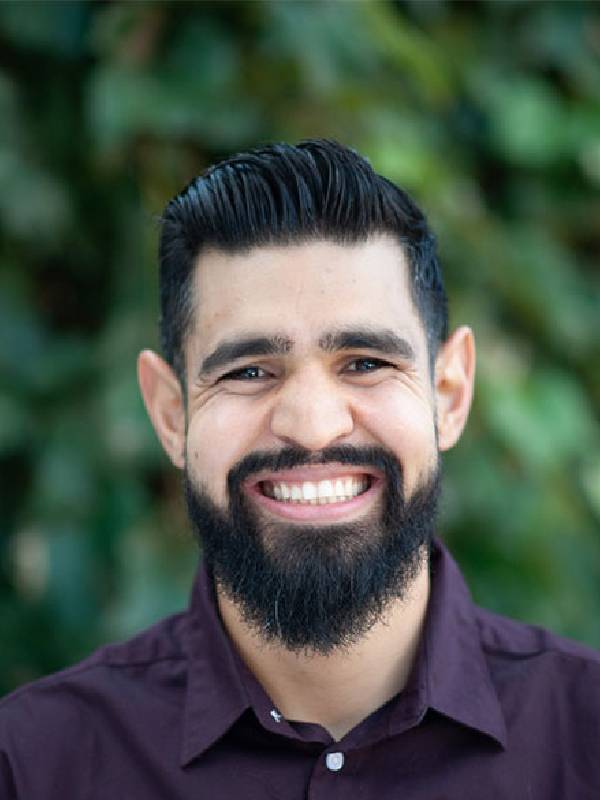
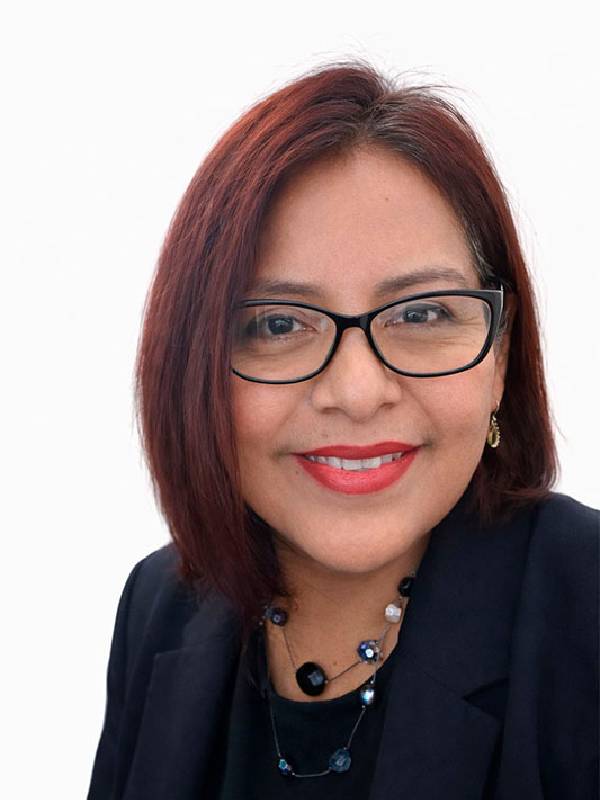
En este especial, reporteros comunitarios de Impacto comparten sus reflexiones sobre la identidad latina, la inmigración, la diversidad y el sentido de pertenencia en Estados Unidos. De izquierda a derecha: Christopher Cruz, Olga Rentería, Cristian Marín Macías y Uriel Rendón. (Ilustración recreada por Yair Correa)
Charles Dickens opened A Tale of Two Cities with the famous words, “It was the best of times, it was the worst of times,” capturing the contradictions of an era marked by both progress and uncertainty. More than a century later, those words still resonate. We live in a time of extraordinary innovation and opportunity, yet also one shaped by political polarization, economic inequality, and competing narratives about reality itself.
History does not repeat itself exactly, but it often reveals familiar patterns. Periods of instability tend to emerge when wealth becomes concentrated, trust in institutions declines, misinformation spreads, and everyday people face growing economic pressures. Today’s challenges—from rising housing costs and financial insecurity to political division—reflect some of those same underlying tensions.
But this Fourth of July, we celebrate more than the nation’s independence. We celebrate the ideals that inspired its founding: liberty, equality, self-government, and the belief that people have the power to shape their future. Those principles remain relevant today, but they require each generation’s commitment to preserve and strengthen them.
The Roman emperor and Stoic philosopher Marcus Aurelius offered a timeless reminder: the past is gone, the future has not yet arrived, and the only moment we truly possess is the present. His words encourage us to focus on what we can do today rather than becoming overwhelmed by uncertainty.
This summer, Philadelphia has visitors from around the world, reminding us of the value of community, shared experiences, and human connection. Those moments of unity offer a powerful counterbalance to division.
As we gather with family and friends, let us celebrate not only our freedoms but also our responsibility to protect the democratic values that sustain them. Even in challenging times, there is reason for optimism when citizens remain engaged, informed, and committed to one another. Happy Fourth of July. Appreciate the present, stay engaged, and keep hope alive. Uriel Rendón
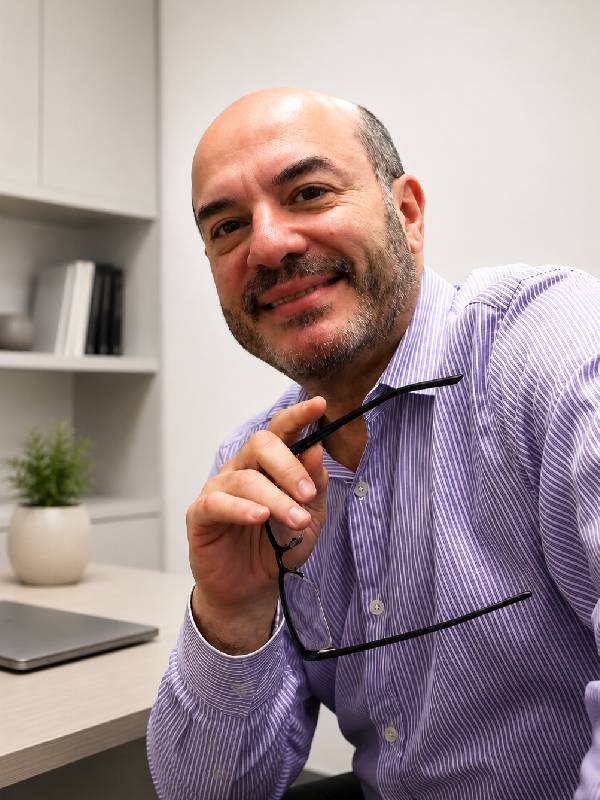
Uriel Rendón.
Charles Dickens abrió Historia de dos ciudades con las célebres palabras: “Era el mejor de los tiempos; era el peor de los tiempos”, capturando las contradicciones de una época marcada tanto por el progreso como por la incertidumbre. Más de un siglo después, esas palabras siguen teniendo vigencia. Vivimos en un tiempo de extraordinaria innovación y oportunidades, pero también de polarización política, desigualdad económica y narrativas enfrentadas sobre la realidad misma.
Sin embargo este 4 de julio celebramos mucho más que la independencia de una nación. Celebramos los ideales que inspiraron su fundación: la libertad, la igualdad, el autogobierno y la convicción de que las personas tienen el poder de construir su propio futuro. Esos principios siguen siendo tan relevantes hoy como entonces, pero requieren el compromiso de cada generación para preservarlos y fortalecerlos.
El emperador romano y filósofo estoico Marco Aurelio nos dejó una reflexión atemporal: el pasado ya no existe, el futuro aún no ha llegado y el único momento que realmente poseemos es el presente. Sus palabras nos invitan a concentrarnos en lo que podemos hacer hoy, en lugar de dejarnos dominar por la incertidumbre.
Este verano, Filadelfia recibió a visitantes de todo el mundo, recordándonos el valor de la comunidad, las experiencias compartidas y la conexión humana. Esos momentos de unidad representan un poderoso antídoto frente a la división.
Al reunirnos con familiares y amigos, celebremos no solo nuestras libertades, sino también la responsabilidad de proteger los valores democráticos que las sostienen. Incluso en tiempos difíciles, hay razones para mantener el optimismo cuando los ciudadanos permanecen comprometidos, informados y dispuestos a trabajar juntos.
Feliz 4 de Julio. Apreciemos el presente, mantengámonos comprometidos y conservemos viva la esperanza. Uriel Rendón
To me, being Latino in the United States means carrying the stories, sacrifices, and dreams of the people who came before us. It means living with pride in where we come from while also trying to build a future in a country that doesn’t value us. As the United States celebrates the 250th anniversary, I think it is important to remember that Latinos are not outsiders to this country’s story. We have helped build it, shape it, feed it, defend it, teach it, organize it, and make it more cultured.
Being Latino here means honoring our roots and continuing to create a future where our communities are recognized and respected. Christopher Cruz
Christopher Cruz.
Para mí, ser latino en Estados Unidos significa llevar con nosotros las historias, los sacrificios y los sueños de quienes nos precedieron. Significa sentir orgullo por nuestras raíces mientras trabajamos por construir un futuro en un país que muchas veces no reconoce ni valora plenamente nuestras contribuciones. Ahora que Estados Unidos celebra su 250.º aniversario, es importante recordar que los latinos no somos ajenos a la historia de esta nación. Hemos ayudado a construirla, transformarla, alimentarla, defenderla, educarla, organizarla y enriquecer su cultura. Ser latino aquí significa honrar nuestras raíces y seguir forjando un futuro en el que nuestras comunidades sean reconocidas, valoradas y respetadas. Christopher Cruz
Desde que llegué a Estados Unidos aprendí que, al final del día, todos somos un poco de aquí y de dónde venimos.
Que al trabajo se le dice chamba, que la plata también son chavos, que un poquito es un chin, que un niño es un carajito y que los amigos son parceros, cuates, carnales, panas, primos y brothers.
Habitar este país me ha enseñado a traducir a otro idioma de dónde soy, a justificar mi acento y mi color de piel; y a convertir las grietas que tengo en el corazón por estar lejos de casa en el espacio donde habitan los nuevos mundos que me encuentro cada día. Cristian Marín Macías
Cristian Marín Macías.
Since arriving in the United States, I’ve learned that, at the end of the day, we all belong a little to this place and a little to where we come from.
I’ve learned that work can be called chamba, that money can also be chavos, that a little bit is un chin, that a child can be a carajito, and that friends are parceros, cuates, carnales, panas, primos, and brothers.
Living in this country has taught me how to explain where I come from in another language, how to justify my accent and the color of my skin, and how to transform the cracks in my heart from being far from home into a space where the new worlds I encounter every day can take root and flourish. Cristian Marín Macías
Al mirar mi vida, siempre regreso a la imagen de aquella niña que cruzó la frontera siguiendo los sueños de sus padres. Yo no entendía entonces lo que significaba emigrar, pero ellos sí: dejaron atrás una parte de su historia para ofrecerles a sus hijos nuevas oportunidades.
Desde la década de 1980, Estados Unidos se convirtió en mi hogar. Aquí crecí, formé una familia, construí amistades entrañables y conocí personas de muchas culturas.
Durante más de cuarenta años he convivido con personas de distintos orígenes. Esa experiencia me enseñó que la diversidad no nos divide; nos fortalece. Hoy veo esa realidad reflejada en mis hijos y nietos, quienes representan una hermosa mezcla de raíces mexicanas, puertorriqueñas, afromexicanas y anglosajonas. Ellos son prueba de que las culturas no desaparecen cuando se encuentran; florecen.
Olga Rentería.
Con el tiempo entendí que ser inmigrante significa vivir entre dos mundos sin dejar de pertenecer a ninguno. Es extrañar el lugar donde naciste mientras aprendes a amar el que te recibió. Es conservar tradiciones, idioma y recuerdos mientras construyes nuevas oportunidades para las generaciones que vienen. Olga Rentería
When I reflect on my life, I always return to the image of a little girl crossing the border, following her parents’ dreams. I did not fully understand what immigration meant at the time, but my parents did. They left behind part of their lives to give their children the opportunity to build a better future.
Since the 1980s, the United States has been my home. Here I grew up, raised a family, built lifelong friendships, and met people from many different backgrounds.
For more than forty years, I have shared my life with people from different cultures and backgrounds. Those experiences taught me that diversity does not divide us—it enriches us. Today, I see that truth reflected in my children and grandchildren, whose heritage blends Mexican, Puerto Rican, Afro-Mexican, and Anglo roots. They demonstrate that cultures do not disappear when they meet; they grow stronger.
Over time, I learned that being an immigrant means living between two worlds without fully leaving either one behind. It means missing the place where you were born while learning to love the place that welcomed you. It means preserving traditions, language, and memories while creating new opportunities for future generations. Olga Rentería
El trauma es más común de lo que muchas personas imaginan. Como señala el experto en trauma Dr. Bessel van der Kolk: “No es necesario ser un soldado en combate ni visitar un campo de refugiados en Siria o el Congo para experimentar trauma.” El trauma puede afectar a cualquier persona en cualquier momento de su vida.
Una de las fuentes más comunes —y a menudo invisibles— de trauma es la violencia doméstica. El abuso afecta mucho más que la seguridad física de una persona. Puede dejar cicatrices invisibles y duraderas a nivel emocional, mental y físico. Las sobrevivientes pueden vivir con dolor crónico, problemas gastrointestinales, dificultades para dormir, ansiedad, depresión, aislamiento, cargas financieras por gastos médicos, entre otros efectos. Estas consecuencias pueden continuar mucho después de que el abuso haya terminado.
Muchos sobrevivientes dudan en buscar ayuda. Pueden temer ser juzgadas, preocuparse por su estatus migratorio en el contexto actual, enfrentar barreras lingüísticas o sentir presión familiar o cultural. Estas preocupaciones son reales y pueden impedir que las personas pidan apoyo. Por eso es tan importante crear espacios seguros donde las sobrevivientes sean escuchadas, creídas y empoderadas.
Una organización local que trabaja en este sentido es Congreso de Latinos Unidos. Congreso apoya a individuos y familias en su proceso de sanación y recuperación, y promueve que cada persona sea tratada con dignidad, respeto y compasión. Independientemente del idioma, origen, estatus migratorio, edad, nivel educativo o experiencia de vida, Congreso ofrece un espacio acogedor donde las personas pueden acceder a recursos y apoyo en el idioma con el que se sientan más cómodas.
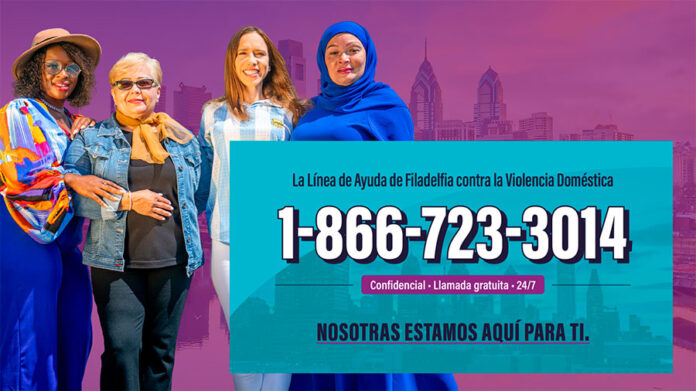
Congreso también es una de las cuatro organizaciones que operan la Línea Directa de Violencia Doméstica de Filadelfia (1-866-723-3014), un recurso gratuito disponible las 24 horas para cualquier persona que experimente abuso. Cuando alguien llama, puede esperar ser escuchado con cuidado y comprensión. Las defensoras ayudan a las sobrevivientes a definir sus objetivos, crear planes de seguridad personalizados y conectarse con servicios locales que respondan a sus necesidades específicas. El objetivo no es decirle a la persona qué hacer, sino ayudarle a tomar decisiones informadas y dar el siguiente paso hacia la seguridad.
La prevención también es una parte importante del trabajo de Congreso. A través de la educación y la divulgación comunitaria, la organización ayuda a las personas a reconocer las señales de alerta de la violencia doméstica y a saber dónde acudir en busca de ayuda. Estas conversaciones abiertas reducen el estigma, fomentan que las personas busquen apoyo y empoderan a vecinos, amigos y familiares para ayudar a alguien que pueda estar viviendo abuso.
Congreso también brinda apoyo en el ámbito médico, ya que médicos, enfermeras y otros profesionales de la salud suelen ser de los primeros en detectar señales de abuso. La organización colabora con sistemas de salud para promover la detección de violencia doméstica, la atención informada por el trauma y la capacitación del personal, con el fin de que las sobrevivientes reciban la atención y el apoyo que necesitan lo antes posible.
Todas las personas merecen vivir libres de violencia y tener la oportunidad de sanar del trauma. Al acompañar a las personas donde están, con compasión, respeto y servicios culturalmente adecuados, Congreso fortalece a las comunidades latinas de Filadelfia y contribuye a construir un futuro más seguro y saludable para todos.
*Una columna mensual del Philadelphia Domestic Violence Collaborative.
Este texto forma parte de una serie mensual de Congreso de Latinos Unidos, Lutheran Settlement House, Women Against Abuse y Women in Transition, que compartirá información sobre la violencia doméstica, los recursos locales disponibles y cómo ser defensor de relaciones saludables.