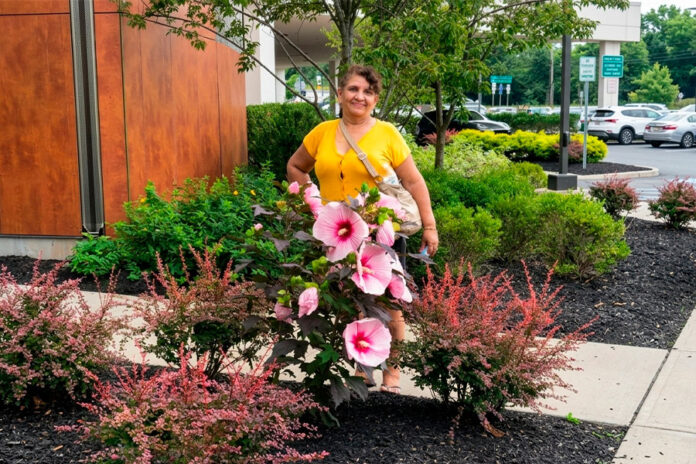
Las aceras antes abandonadas hoy reflejan la armonía y el cuidado de años de trabajo de esta inmigrante. (Foto: Olga Rentería)
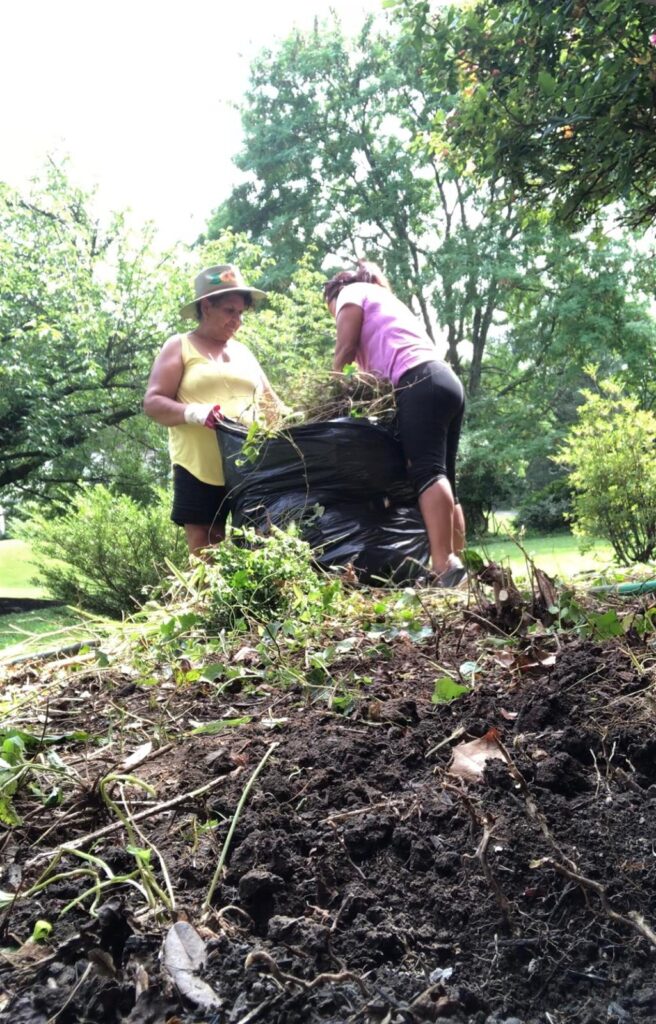
Margarita Sandoval, conocida en su comunidad como “la señora de los bambús”, es una mujer que ha sembrado esperanza en las calles de Filadelfia. Donde a veces el asfalto parece devorar los sueños, una mujer ha decidido arrebatarle terreno al olvido con la tenacidad del bambú.
Margarita, orgullosa hija de Canatlán, en el estado mexicano de Durango, no solo trajo consigo la nostalgia de su México lindo al emigrar en los años 90; trajo también una ética de vida que hoy reluce en la limpieza de las aceras y en el verde intenso de jardines donde antes solo reinaba el escombro.
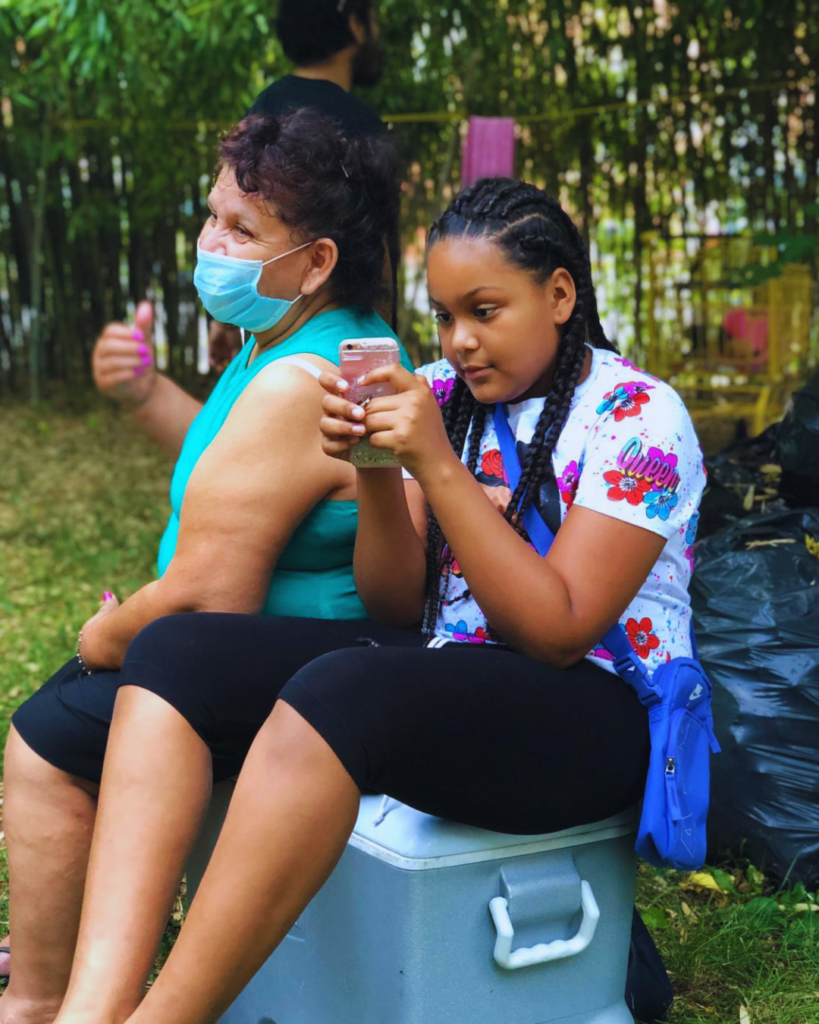
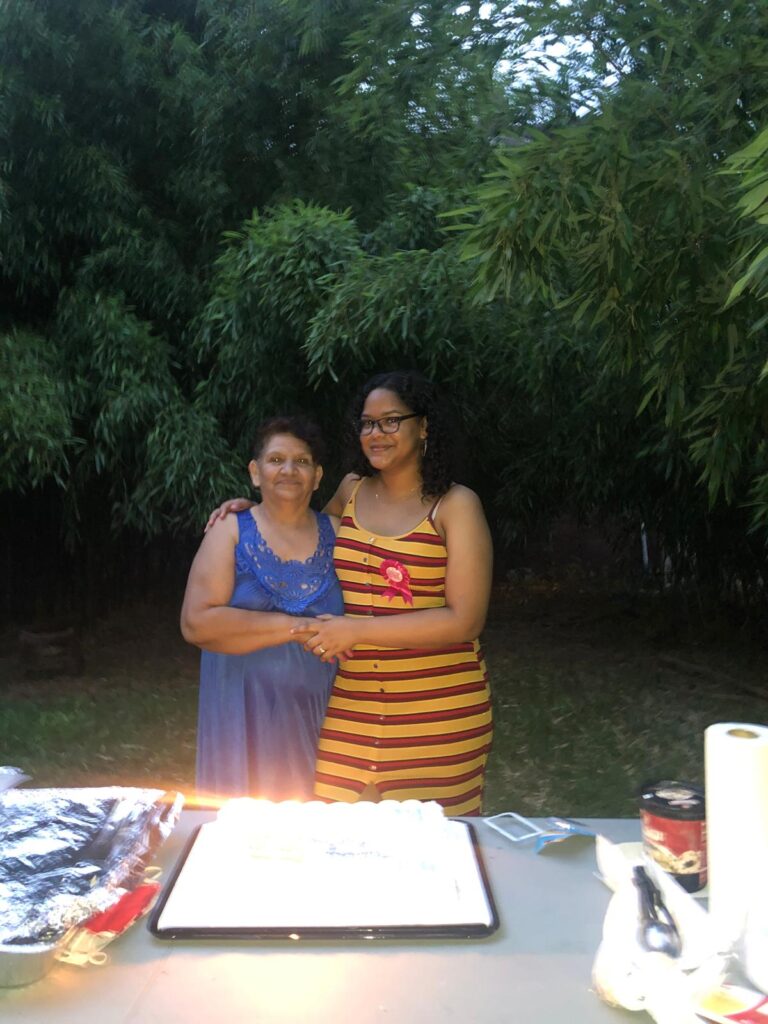
Margarita, sentada junto a su nieta Karla, comparte un momento de amor y tranquilidad en su lote de bambúes. (Foto: Olga Renteria)
Cuando Margarita se estableció en la ciudad, el paisaje urbano cargaba con las cicatrices de la crisis: casas abandonadas, propiedades a un dólar y lotes baldíos que servían de imán para el descuido. Mientras otros pasaban de largo, ella se detenía. Con una bolsa en mano y una voluntad de hierro, Margarita trazó su propia cartografía del cuidado: una ruta diaria desde Lehigh Avenue hasta Hunting Park Ave. No era un simple trayecto al trabajo; era una misión de rescate.
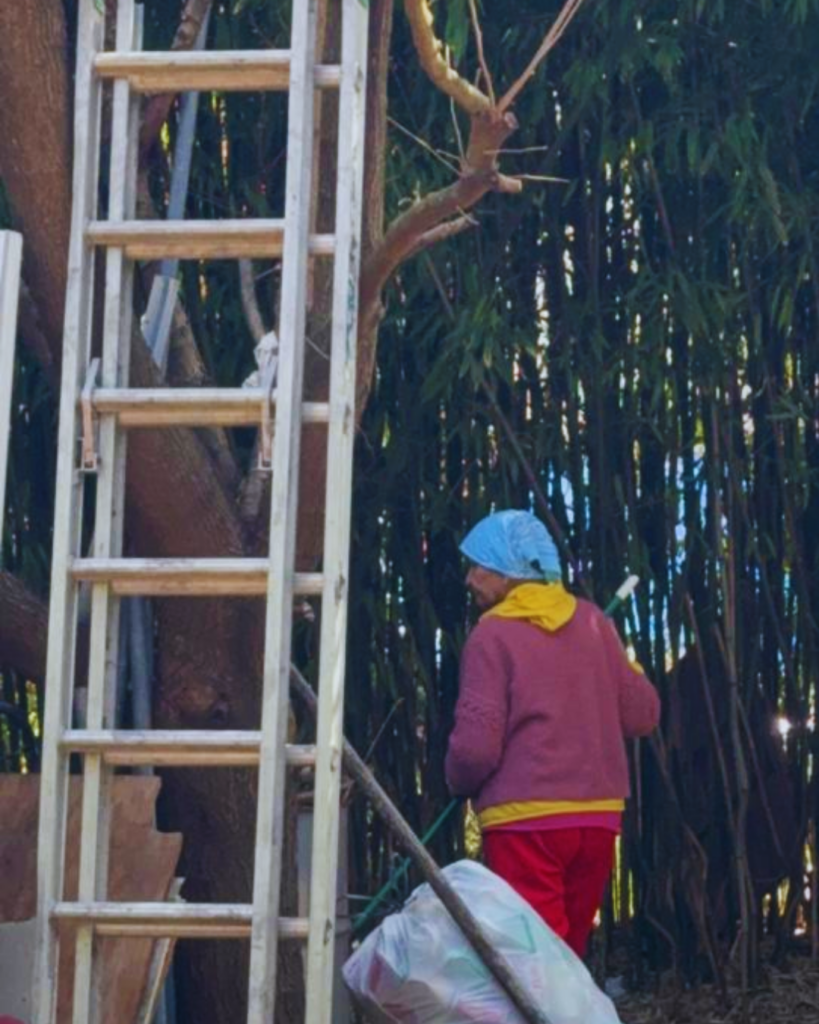
Los bambúes que Margarita sembró y cultiva cada día con amor, como un reflejo vivo de su dedicación y esperanza. (Foto: Olga Renteria)
Durante décadas, «la señora que limpia» recogió latas y levantó desechos, devolviendo la dignidad a cada esquina que tocaba. Sin embargo, su obra maestra nació en los lotes que el tiempo olvidó. Lo que comenzó como una lucha para evitar vertederos clandestinos, floreció gracias a un regalo de sus hijos: unos brotes de bambú.
Margarita, a pesar de enfrentar el cáncer de estómago, sigue trabajando con valentía y dedicación, cuidando con amor su jardín de bambúes, que florece como reflejo de su fuerza y esperanza. (Foto: Olga Renteria)
Hoy, tras una cerca que ella misma gestionó para proteger el espacio, respira un santuario inesperado. El susurro de las hojas y el canto de los pájaros han silenciado el gris del cemento. En su barrio, ya no es solo la vecina que limpia; es “la señora de los bambús”, una figura casi mística a la que todos acuden buscando un brote de esa planta que, según dicen, atrae la buena fortuna.
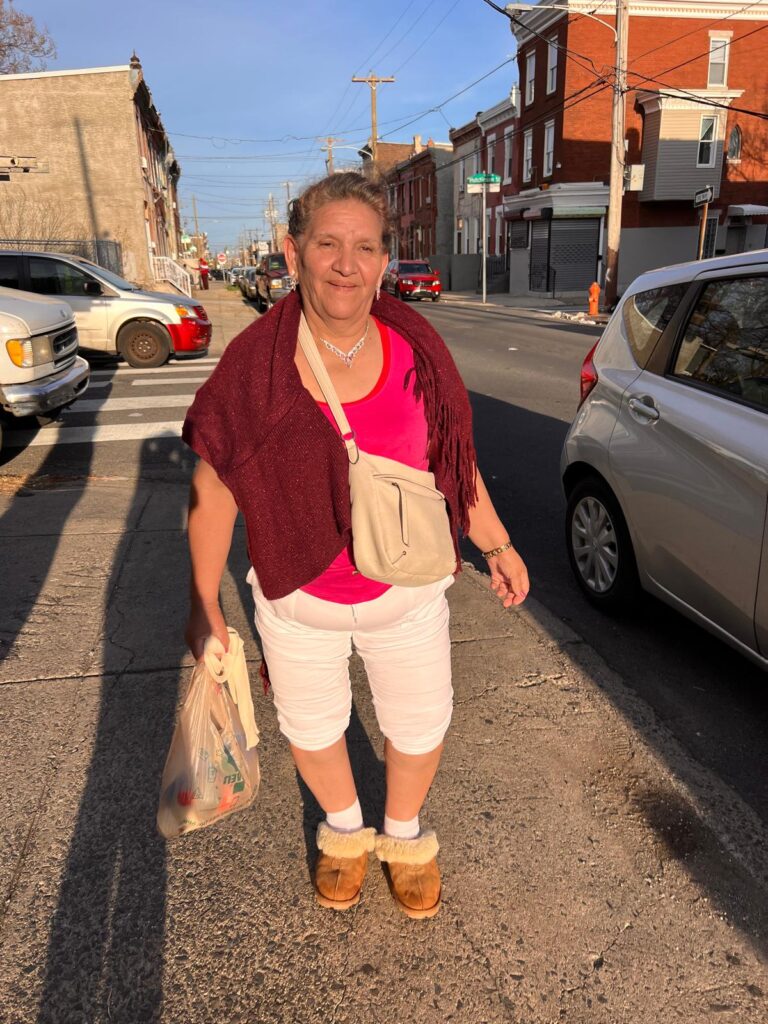
Margarita ahora enfrenta una tarea más personal, combatir un cáncer con sus pocos recursos. (Foto: Olga Rentería)
Pero la batalla más dura de Margarita no es contra la suciedad, sino contra un cáncer de estómago en etapa 4. Aun así, la enfermedad no ha podido con su fe. A pesar del diagnóstico, se le sigue viendo en las esquinas, escoba en mano, barriendo con la misma determinación con la que llegó hace treinta años. Para ella, la escasez nunca ha sido pretexto para el desorden.
Sus hijos le enviaron de México los primeros brotes de bambú que empezó a plantar en los terrenos abandonados. (Foto: Olga Rentería)
“Vivir en un lugar limpio es lo más bonito”, afirma con sencillez, mientras comparte lo poco que tiene. Margarita Sandoval es el corazón de nuestra comunidad migrante. Es el recordatorio de que la resiliencia no siempre se grita; a veces se siembra en silencio y se barre cada mañana, demostrando que incluso en la adversidad, siempre hay tierra fértil para la esperanza.
Margarita confía en la solidaridad de quienes la han conocido para enfrentar su batalla actual. (Foto: Olga Rentería)
Si tienes posibilidad de ayudarla, puedes contactarte a este correo y te decimos cómo: renteriaolga@gmail.com
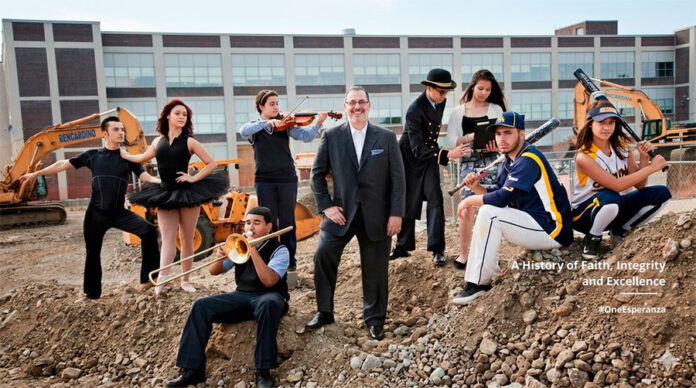
Durante 40 años, Esperanza ha mostrado su visión y la importancia de educar. (Foto: Esperanza)
The organization Esperanza is commemorating its 40th anniversary by highlighting its comprehensive impact on the city’s Latino community, from its beginnings in the 1980s to its consolidation as a key institution in areas such as education, economic development, housing, and immigration. Its founder and CEO, Rev. Luis Cortés, shared a deep reflection on the organization’s origins, challenges, and achievements: “In 1983… I thought I was going to do this in New York, but I had the opportunity to come to Philadelphia to teach… and I realized that what I wanted to do in New York, I should do here,” Cortés recalled.
The reverend explained that, although he had a clear vision, he did not imagine the magnitude of the challenge: “I always thought we should create a faith-based organization that could address multiple needs of the people… an organization that would find synergy in how it responds to those needs… but I had no idea how difficult it would be to create the organization we have today, nor everything it would involve.”
From the beginning, Esperanza was conceived as a holistic organization, inspired by community models outside the United States: “In other contexts, leadership addresses all the needs of the neighborhood… it is not limited to just one area. That was the vision from the start,” he explained.
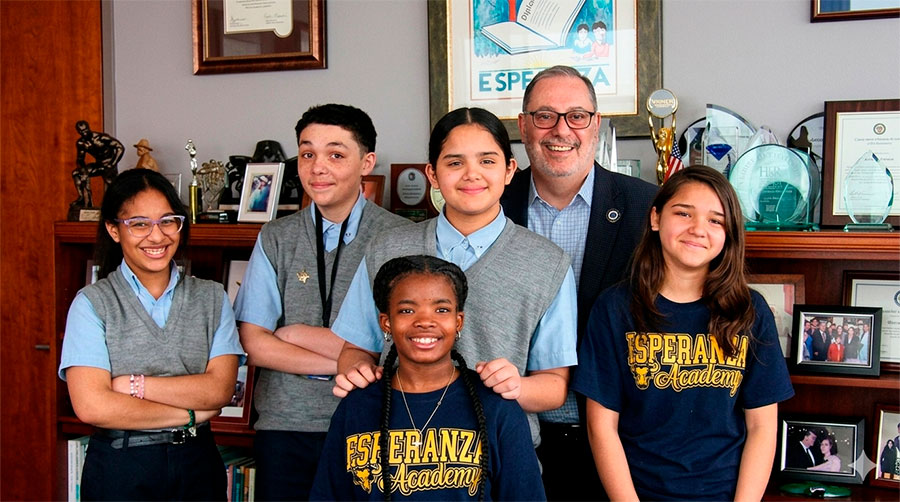
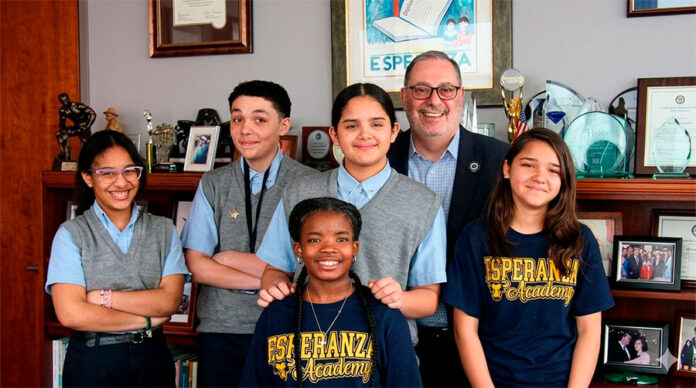
El Rev. Luis Cortés con estudiantes de la escuela de Esperanza. (Foto: Esperanza)
Community transformation and commitment to education
Cortés also recalled how the Latino community in Philadelphia has changed: “When I arrived, the Latino community had been displaced by processes of gentrification… many were moving into Hunting Park… an area with many vacant homes,” he explained.
It was in that context that Esperanza emerged in 1986, after religious leaders sought a more proactive organization. “We organized pastors in 1981 and 1982, and by 1986 Nueva Esperanza was born… later we simplified the name to Esperanza,” he said.
Education became a priority after deep inequalities became evident in the community: “Our top students could not read the Bible in English at a fifth-grade level… and we had dropout rates of 35 to 40 percent in high school,” he noted.
Faced with this reality, the organization became directly involved in creating schools and educational programs: “Our philosophy is to have first-class schools that take our young people to first-class colleges,” Cortés affirmed.
Additionally, Esperanza participated in community struggles for bilingual education, the construction of schools, and the inclusion of Latino teachers: “We were part of those struggles and then had the opportunity to do it ourselves… and we have been successful,” he added.
Celebración del 25 aniversario del Esperanza College. (Foto: Esperanza)
Economic development, housing, and community impact
In the economic sphere, Esperanza has created multiple initiatives to strengthen community stability: “We have educational programs from K-12, a college that supports students in completing their studies… and we also created a CareerLink that has been one of the most successful in the city for over a decade,” he explained.
He also emphasized the importance of partnerships: “The most important thing we do is create partnerships that bring resources into the neighborhood… we don’t necessarily control them, but we bring them because our community needs them,” he said.
These initiatives include partnerships with banks, childcare centers, educational institutions, and health services. He also highlighted the development of a technical school to expand job opportunities.
La construcción de vivienda asequible ha sido otro pilar del trabajo social de Esperanza. (Foto: Esperanza)
In terms of housing, Esperanza has led significant projects: “We have developed and are learning to rehabilitate individual homes for our families. We want to build enough affordable housing to keep Hunting Park a Latino neighborhood,” he stated.
The organization has also played a key role in immigration services: “Our immigration office is not downtown… we are in the neighborhood for the people of the neighborhood, and we help more than 100 families every year,” he explained.
Looking ahead, Cortés shared his personal and community goals. “My first goal is not to be here in ten years… I plan to retire in about five years,” he said. However, he emphasized the importance of preserving the neighborhood’s identity: “We want to stabilize Hunting Park, so it remains a Latino neighborhood… that it is not displaced by others with more resources.”
In his final message, he reiterated the value of unity: “If we work together as a community, we all win… our organizations are stronger today than they were 40 years ago, and I hope that in 40 years, our community will be able to say the same or even more about its progress.”
With four decades of history, Esperanza continues to establish itself as a fundamental pillar for the progress and well-being of Philadelphia’s Latino community.
El Rev. Luis Cortés con estudiantes de la escuela de Esperanza. (Foto: Esperanza)
La organización Esperanza conmemora su 40.º aniversario destacando su impacto integral en la comunidad latina de la ciudad, desde sus inicios en la década de 1980 hasta su consolidación como una institución clave en áreas como la educación, el desarrollo económico, la vivienda y la inmigración. Su fundador y director ejecutivo, el reverendo Luis Cortés, compartió una memorable reflexión sobre los orígenes, desafíos y logros de la organización: “En 1983… pensé que iba a hacer esto en Nueva York, pero tuve la oportunidad de venir a Filadelfia a enseñar… y me di cuenta de que lo que quería hacer en Nueva York, debía hacerlo aquí”, recordó el reverendo.
Cortés explicó que, aunque tenía una visión clara, no imaginaba la magnitud del desafío: “Siempre pensé que debíamos crear una organización basada en la fe que pudiera atender múltiples necesidades de la gente… una organización que encontrara sinergias en la forma de responder a esas necesidades… pero no tenía idea de lo difícil que sería crear la organización que tenemos hoy, ni todo lo que implicaría”.
Desde el inicio, Esperanza fue concebida como una organización integral, inspirada en modelos comunitarios fuera de Estados Unidos: “En otros contextos, el liderazgo atiende todas las necesidades del vecindario… no se limita a una sola área. Esa fue la visión desde el principio”, explicó.
Celebración del 25 aniversario del Esperanza College. (Foto: Esperanza)
Transformación comunitaria y compromiso educativo
Cortés también recordó cómo ha cambiado la comunidad latina en Filadelfia: “Cuando llegué, la comunidad latina había sido desplazada por procesos de gentrificación… muchos se estaban mudando a Hunting Park… un área con muchas viviendas vacías”, recordó.
Fue en ese contexto que surgió Esperanza, en 1986, después de que líderes religiosos buscaran una organización más proactiva: “Organizamos a los pastores en 1981 y 1982, y para 1986 nació Nueva Esperanza… luego simplificamos el nombre a Esperanza”, indicó.
La educación se convirtió en una prioridad tras evidenciarse profundas desigualdades en la comunidad: “Nuestros mejores estudiantes no podían leer la Biblia en inglés a nivel de quinto grado… y teníamos tasas de deserción de entre 35 y 40 por ciento en la escuela secundaria”, recuerda.
Ante esta realidad, la organización se involucró directamente en la creación de escuelas y programas educativos: “Nuestra filosofía es tener escuelas de primera clase que lleven a nuestros jóvenes a universidades de primera clase”, afirma Cortés.
Además, Esperanza participó en luchas comunitarias por la educación bilingüe, la construcción de escuelas y la inclusión de maestros latinos: “Fuimos parte de esas luchas y luego tuvimos la oportunidad de hacerlo nosotros mismos… y hemos tenido éxito”, añadió.
Durante 40 años, Esperanza ha mostrado su visión y la importancia de educar. (Foto: Esperanza)
Impacto en vivienda y desarrollo económico
En el ámbito económico, Esperanza ha creado múltiples iniciativas para fortalecer la estabilidad de la comunidad: “Tenemos programas educativos desde K-12, una universidad que apoya a los estudiantes para completar sus estudios… y también creamos un CareerLink que ha sido uno de los más exitosos en la ciudad por más de una década”, aseguró.
También destacó la importancia de las alianzas: “Lo más importante que hacemos es crear alianzas que traigan recursos al vecindario… no necesariamente los controlamos, pero los traemos porque nuestra comunidad los necesita”.
Estas iniciativas incluyen alianzas con bancos, centros de cuidado infantil, instituciones educativas y servicios de salud. También destacó el desarrollo de una escuela técnica para ampliar las oportunidades laborales.
La construcción de vivienda asequible ha sido otro pilar del trabajo social de Esperanza. (Foto: Esperanza)
En cuanto a la vivienda, Esperanza ha liderado proyectos significativos: “Hemos desarrollado y estamos aprendiendo a rehabilitar viviendas individuales para nuestras familias. Queremos construir suficientes viviendas asequibles para mantener a Hunting Park como un vecindario latino”, declara el director.
La organización también ha desempeñado un papel clave en servicios de inmigración: “Nuestra oficina de inmigración no está en el centro de la ciudad… estamos en el vecindario para la gente del vecindario y ayudamos a más de 100 familias cada año”, explicó.
De cara al futuro, Cortés compartió sus metas personales y comunitarias. “Mi primer objetivo es no estar aquí en diez años… planeo retirarme en unos cinco años”, dijo. Sin embargo, enfatizó la importancia de preservar la identidad del vecindario: “Queremos estabilizar Hunting Park para que siga siendo un vecindario latino… que no sea desplazado por otros con más recursos”.
En su mensaje final, reiteró el valor de la unidad: “Si trabajamos juntos como comunidad, todos ganamos… nuestras organizaciones son hoy más fuertes que hace 40 años, y espero que, en 40 años, nuestra comunidad pueda decir lo mismo o incluso más sobre su progreso”.
Con cuatro décadas de historia, Esperanza continúa consolidándose como un pilar fundamental para el progreso y el bienestar de la comunidad latina de Filadelfia.
Amy Leach organizó un convivio con la prensa en PCA. (Foto: Leticia Roa Nixon)
Desde su fundación en 1989, Philadelphia Children’s Alliance (PCA, por sus siglas en inglés) encabeza una respuesta coordinada para promover la seguridad, sanación y justicia de niños y familias impactadas por el abuso sexual infantil, la explotación, la trata de menores y la violencia. Hasta la fecha, la organización ha atendido a más de 35,000 niños.
Esta organización sin fines de lucro trabaja en colaboración con el Departamento de Servicios Humanos, la Unidad de Víctimas Especiales del Departamento de Policía, la Oficina del Fiscal de Distrito, el Hospital Infantil de Filadelfia (CHOP) y el Hospital St. Christopher para Niños, además de 22 clínicas de terapia de salud mental en la ciudad.
Entre los servicios gratuitos que PCA brinda a las familias se encuentran la defensoría de la víctima, servicios médicos y de apoyo, terapia especializada en trauma, entrevistas forenses, apoyo a cuidadores y acompañamiento durante los procesos judiciales.
Victoria Melvin muestra los diferentes espacios diseñados para atender a los niños. (Foto: Leticia Roa Nixon)
El equipo de la organización está liderado por Benita Williams, directora ejecutiva de PCA. Integran también el personal directivo Victoria Melvin, jefa de operaciones; Amy Leach, jefa de desarrollo; Colleen Getz, directora de servicios forenses; Nuria Orsino, directora de servicios a la familia; Genevie Brown, directora de admisiones y servicios de prevención; Jasoleil Cineas, directora de servicios clínicos; y Sharon Rice, directora de iniciativas estratégicas.
Genevie Brown (derecha) y Jasoleil Cineas (izquierda). (Foto: Leticia Roa Nixon)
Todo el equipo trabaja con un mismo objetivo: ayudar a los niños y a sus familias a sentirse seguros, apoyados y escuchados, y, sobre todo, asegurar que el niño no se culpe por lo sucedido.
De izquierda a derecha, Nuria Orsino y Colleen Getz responden preguntas de la prensa. (Foto: Leticia Roa Nixon)
En el caso de niños latinos, PCA cuenta con entrevistadoras bilingües capacitadas que se comunican con el menor en el idioma de su preferencia, garantizando una atención cultural y lingüísticamente apropiada.
PCA cuenta con espacios acogedores y seguros para los niños. (Foto: Leticia Roa Nixon)
Además de los servicios directos, uno de los pilares del trabajo de PCA es la prevención, a través de pláticas y capacitaciones comunitarias. Al igual que con otros problemas sociales, la participación de la comunidad es clave para la prevención del abuso infantil.
Philadelphia Children’s Alliance está ubicada en 300 East Hunting Park Avenue, Philadelphia, PA 19124, en el norte de Filadelfia. Teléfono de la oficina: 215-387-9500 Línea Directa de Abuso Infantil: 1-800-932-0313
Del total de la población atendida por PCA, el 15% corresponde a niños latinos.
Durante el año fiscal 2025 (del 1 de julio de 2024 al 30 de junio de 2025), PCA reportó:
248 referidos de niños latinos
174 entrevistas forenses completadas
Apoyo a 229 cuidadores latinos
En un periodo de cinco años (del 1 de julio de 2020 al 30 de junio de 2025), PCA reportó:
1,328 referidos de niños latinos
993 entrevistas forenses de niños latinos completadas
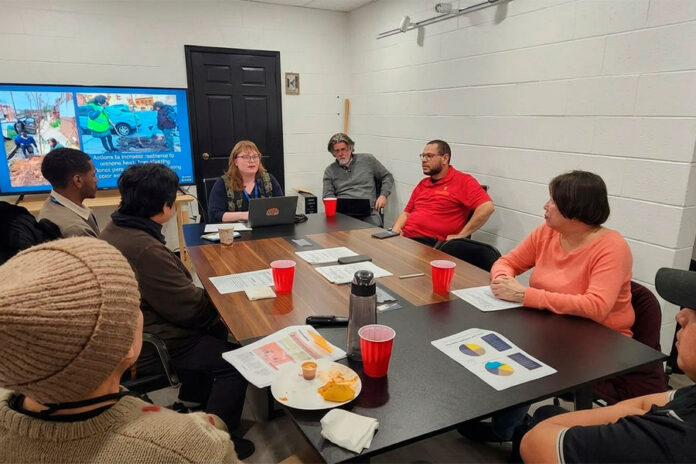
A group of business owners gathered to discuss the Climate Resilience Plan. (Photo: provided)
People in Philadelphia (including Hunting Park) know that our summers are getting hotter and more humid. As temperatures rise, warmer air can hold more moisture, often pulled from the nearby Atlantic Ocean, creating conditions for stronger, more unstable storms that can build quickly and cause heavy rain, strong winds, and sudden flooding. That same pattern can show up in the winter too—when temperatures drop low enough, that extra moisture can fall as heavier snow or dangerous ice, like the storm we experienced in January. These are not distant problems—they are changes we can see and feel right here at home.
When it comes to heat, neighborhoods in Philadelphia are vulnerable because they have lots of dark buildings built close together, lots of pavement, and few trees and green spaces. This creates an “urban heat island effect,” where heat from the sun during the day is absorbed into asphalt streets and parking lots and the dark roofs of houses. At night, the heat is slowly released, preventing our neighborhoods from cooling off.
Philadelphia is also vulnerable to flooding because it lies at the confluence of two rivers and is close to the ocean. Our sewers are often clogged by litter, especially in neighborhoods where we don’t have trash cans on every corner. We are also in the path of hurricanes that start further South and bring rain and wind to our city. This wind can knock down tree branches and electrical poles and cause power outages.
Even when extreme weather events don’t happen in Philadelphia, they can still affect us. Hotter weather and droughts mean that more forest fires happen in New Jersey, California, and Canada. Winds blowing from these fires can make the air in our city smoky and dangerous, making it more difficult to go to school or work.
When extreme weather happens, poorer neighborhoods are affected the most. Elderly people, children, and people with asthma and other health conditions get sick more easily during heat waves and on poor air quality days. Families living paycheck to paycheck cannot afford to stay home from work because of heat or smoke and have a harder time paying utility bills and affording air conditioners, air purifiers, repairs after floods, and other things that can help keep them safe at home.
What is climate resilience?
Climate resilience is a phrase used to describe all the ways communities can get ready for these impacts of climate change and help their neighborhoods stay safer. At Esperanza, we are working to create a climate resilience plan for the Hunting Park neighborhood. A climate resilience plan might combine several solutions, like environmental education and alerts from the city or physical changes like trees, shade structures, cooling centers, and so on. A plan might also include programs to help people make home repairs, upgrade appliances, or pay their bills. All these things can make a big difference, especially when we put them all together and think about what resources we need to take action.
A good climate resilience plan includes the voices and experiences of people who are dealing with climate change. If you live in Hunting Park, we want to hear from you! You are the expert on the ways extreme heat, poor air quality, and other climate risks have impacted your life. If you would like to help create Hunting Park’s Climate Resilience Plan, please reach me out 267-710-5265 or mdoyle@esperanza.us.
Wilfredo González, Cataño, Puerto Rico. May 6, 1946 – Philadelphia, Pennsylvania, March 31, 2026. (Foto: LuzSelenia Salas)
There are people who pass through a community. And then there are people who become it.
Wilfredo González — Ito to all who knew him — was the rarest kind: the kind a community builds itself around, and doesn’t fully understand how much it needed, until he’s gone. The sadness that has followed in Philadelphia’s Latino community since Don Ito’s passing on March 31, 2026, says everything about the size of the life that came before it. But grief, when it is honest, is also a form of gratitude.
Hijo del taíno, hijo de la isla
Wilfredo González was born on May 6, 1946, in Cataño, Puerto Rico, where pride runs as deep as the roots of the ceiba tree. He was Boricua in the truest sense: not just by birth, but by spirit and the resilience the Puerto Rican people have carried across generations.
His family came to Philadelphia when he was young, part of the great postwar wave that brought tens of thousands of Boricua families to the mainland, carrying their language, their music, and their orgullo. Raised in North Philadelphia in a community of families like his own, seeking the American Dream, Ito graduated from Thomas Edison High School and was drafted shortly after.
El soldado
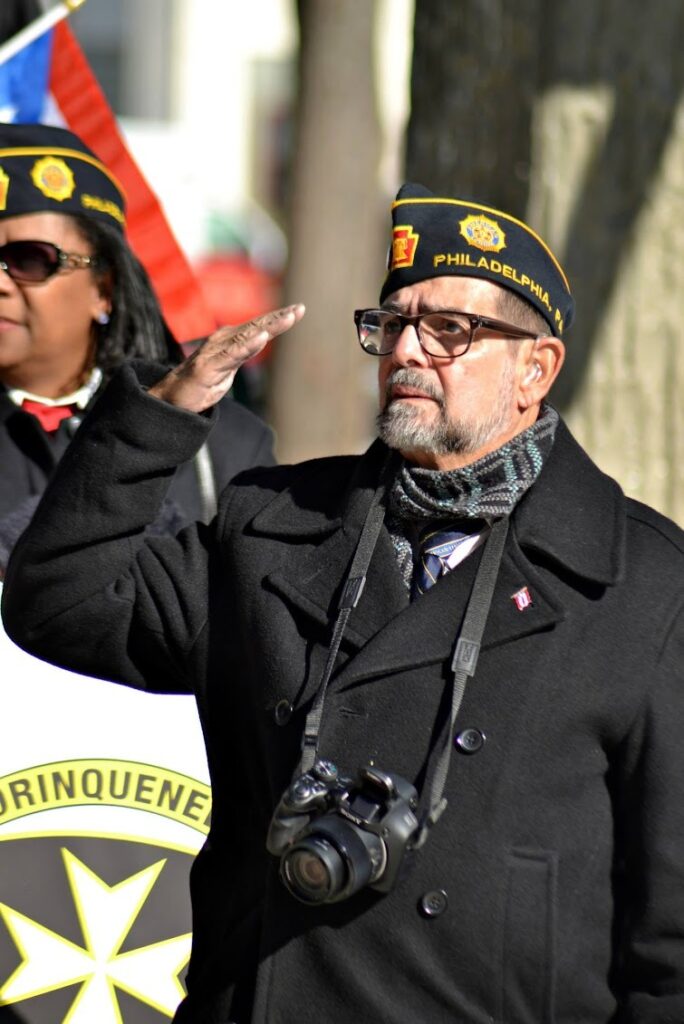
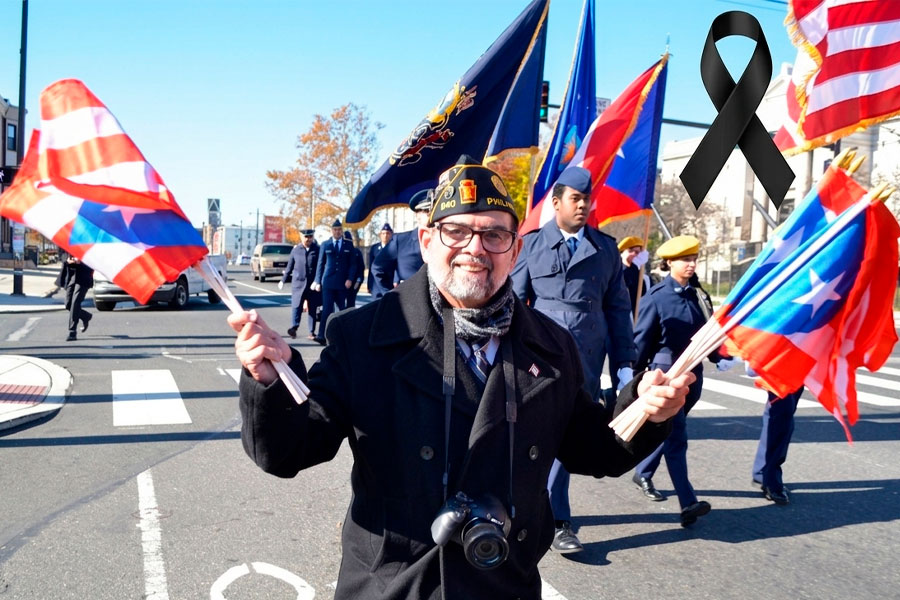
Ito served in the Vietnam War from 1966 to 1968 as a Point man and scout dog handler — one of the most dangerous roles in the infantry. He came home as a Sergeant, to a country that offered no welcome proportionate to the sacrifice — especially not for veterans of color from impoverished neighborhoods like his. As he had done in war, Ito forged ahead, leading the way.
(Foto: Cortesía/LuzSelenia Salas)
Dulce del teatropuertorriqueño: Where Ito found his Candi
Before Centro, there is a love story that must be told, because without Candi, there was no Ito, as we knew him.
Candida first caught Ito’s eye at the Teatro Puertorriqueño on Germantown Avenue next to his father’s store. A young beauty who was named Candi and just happened to be selling candy for the theater. Ito kept her image with him during war, and when he came home, he lovingly courted her until the time came to finally ask her mother’s blessing to marry.
They were married in 1969. For fifty-seven years, Ito’s beloved Candi was the steady grace beneath everything he did. What he poured out, she helped fill, which laid the foundation for the evolution of Centro Musical.
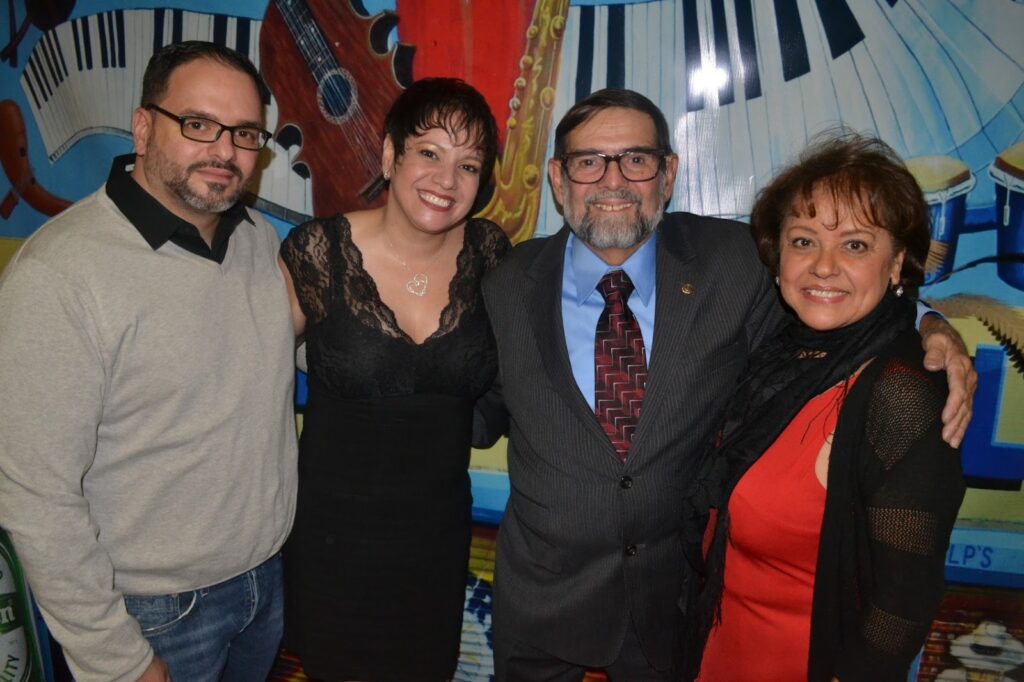
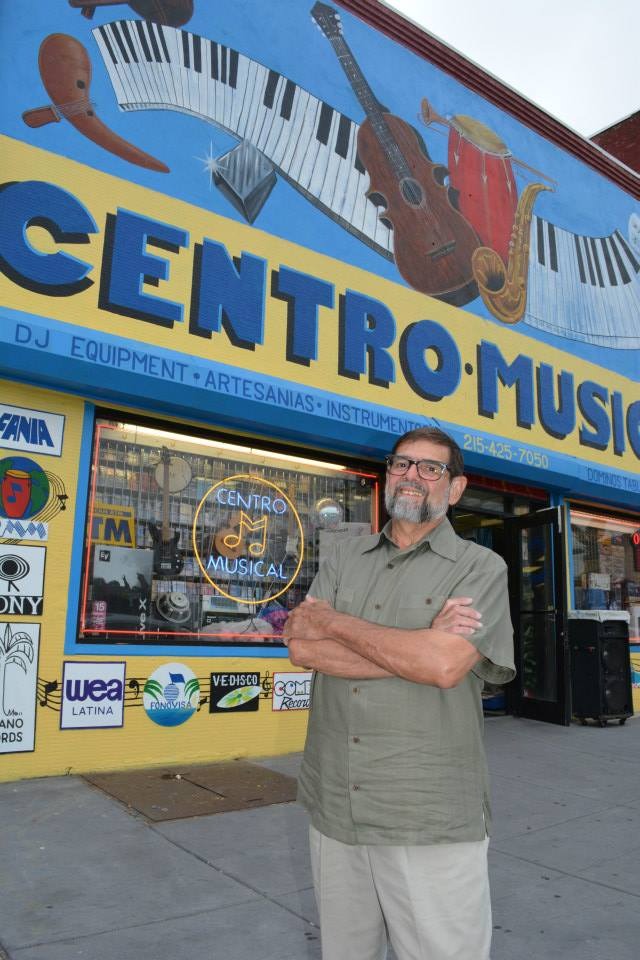
The Gonzalez Family at the Despida de Centro in 2014: Ray Gonzalez, Maria Cristina Gonzalez-Torres, Wilfredo “Ito” González, and Candida “Candi”Gonzalez. (Photo: LuzSelenia Loeb)
Un carrito lleno de sueños: From a wagon to the soul of el Bloque de Oro
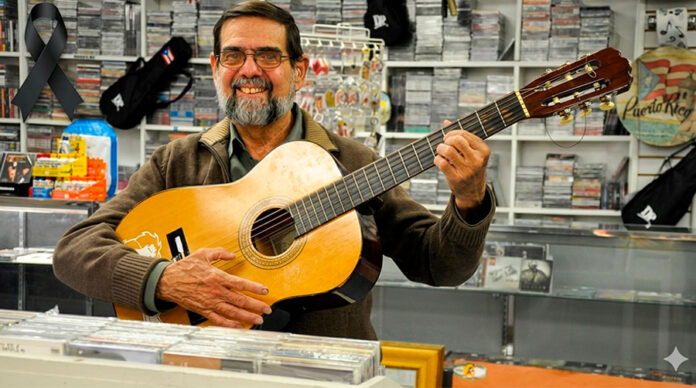
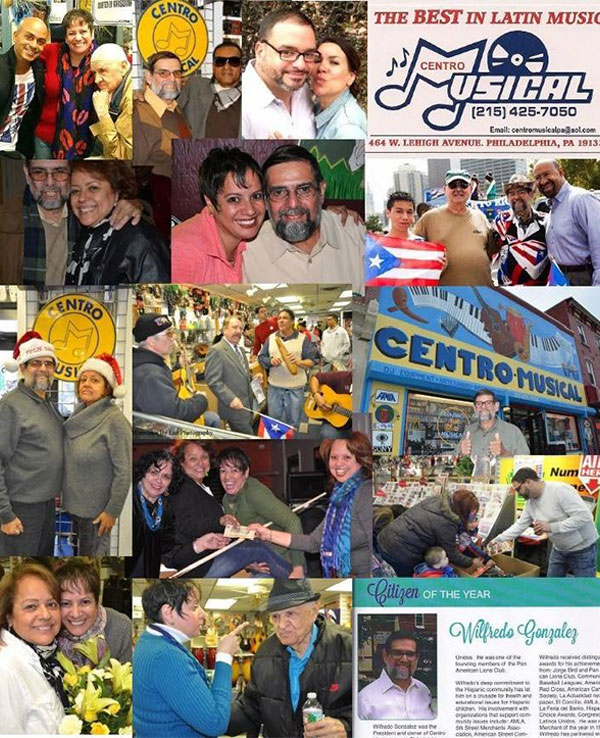
Centro Musical was a family business that passed from generation to generation, beginning with Ito’s father Nestor, who started selling LPs out of a wagon, door to door through the streets of North Philadelphia. From that wagon, Nestor opened a small shop on Germantown Avenue around 1960, right next to the Teatro Puertorriqueño. Young Wilfredo helped after school, absorbing the experience and work-ethic it takes to run a small business in a marginalized community.
In 1970, Wilfredo proudly bought the store from his father and moved to 5th and Somerset, in the heart of El Bloque de Oro, the legendary commercial corridor between Lehigh and Hunting Park that was the spine and soul of North Philadelphia’s Latino community. Centro Musical, as Philadelphia would come to know and love, began to take shape. By 1996 the store had outgrown its building, the way something truly alive always does. Wilfredo purchased a bigger building a few blocks away on 5th and Lehigh Avenue where Centro Musical is to this day.
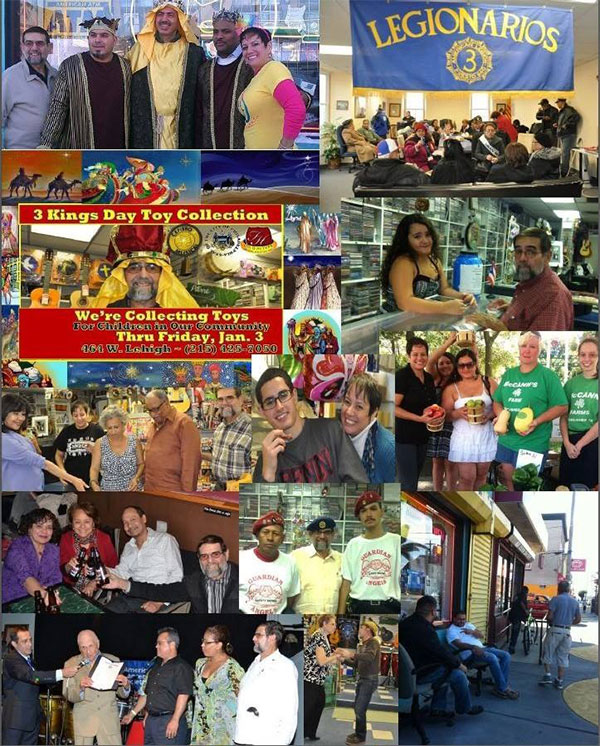
The legacy, already extraordinary, deepened into something that cannot be measured. Every organization in Philadelphia’s Latino community had a relationship with Centro Musical because Ito had a relationship with everyone, but it was never one man’s project. It was always, in every sense, a family affair.
Candi was there. Every day, or close to it, steady and warm and indispensable. Cristina and Ray grew up behind the counter. They learned about their father’s business, not from lectures but from watching him, day after day, year after year, choosing people over profit, choosing presence over convenience, choose love over everything. When Wilfredo officially stepped back in the early 2000s, he handed the store to his children. He became the consultant, which in practice meant he was still there, just with slightly more time for community and charlando, and less time behind the register
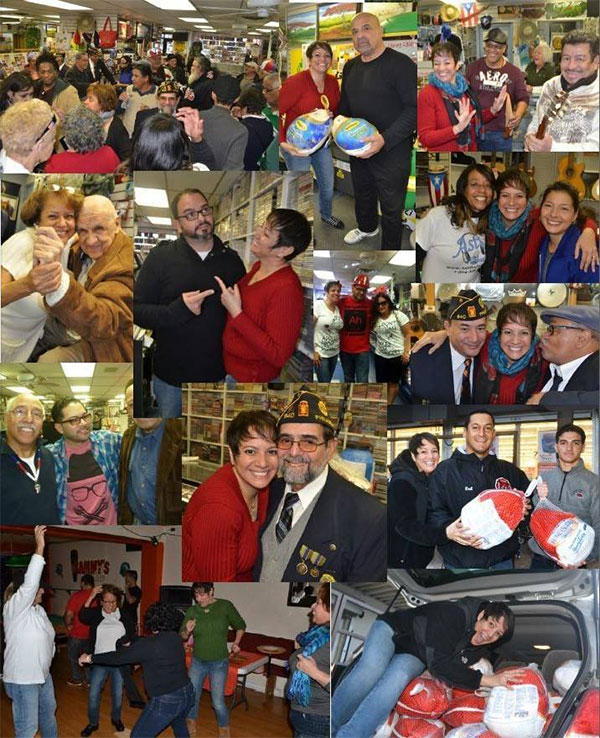
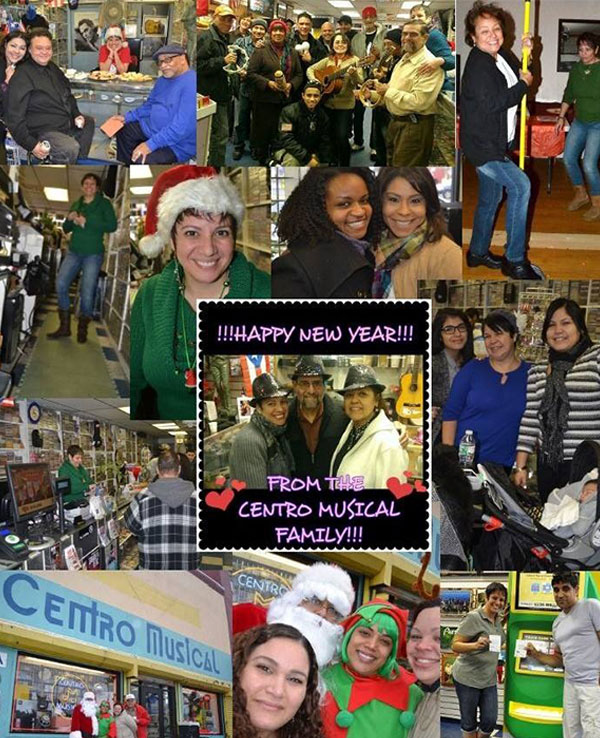
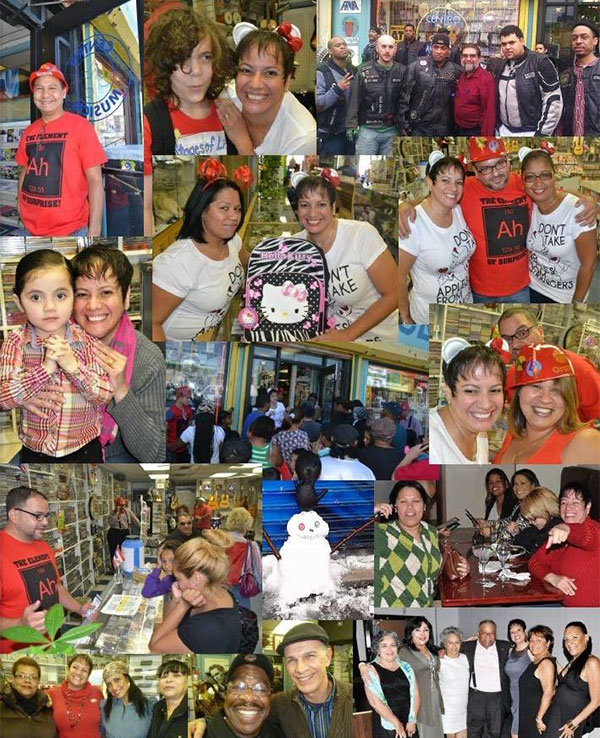
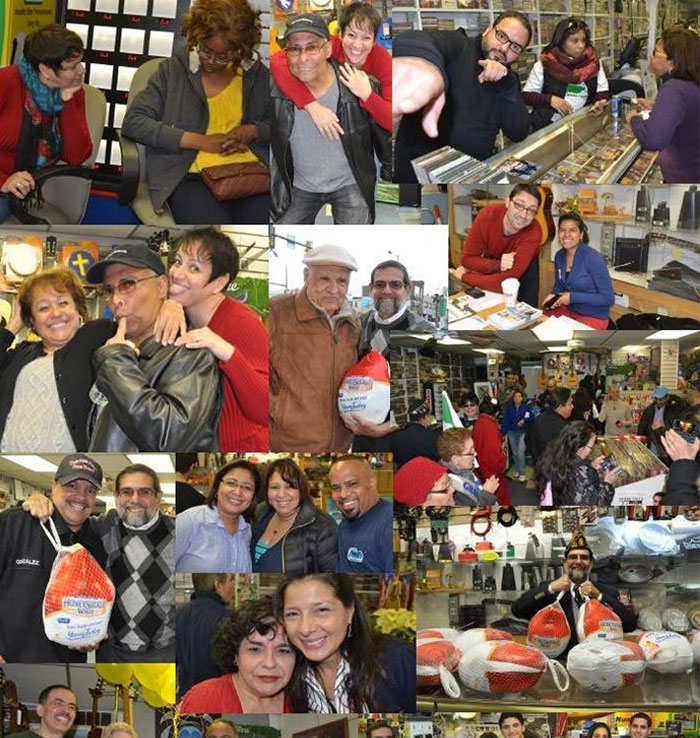
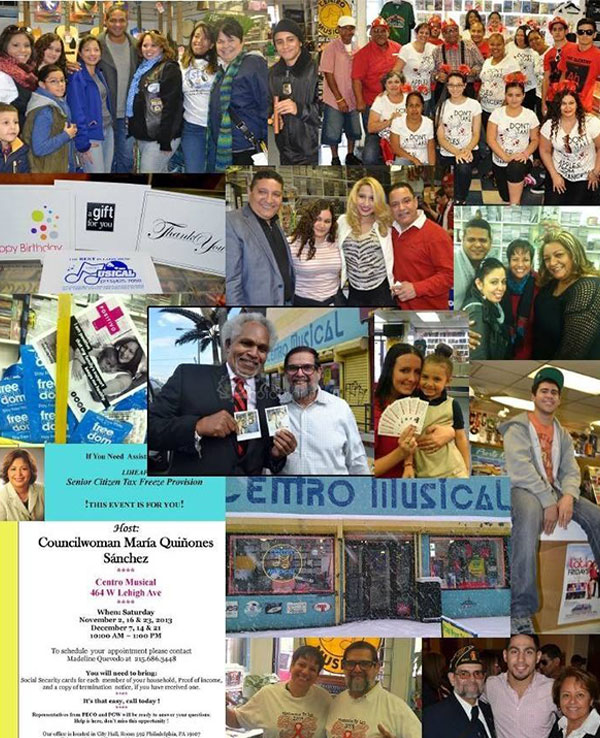
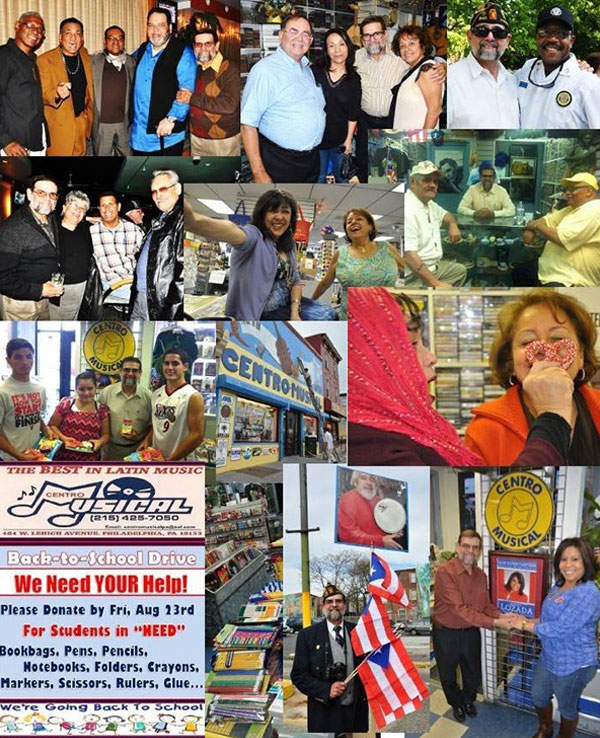
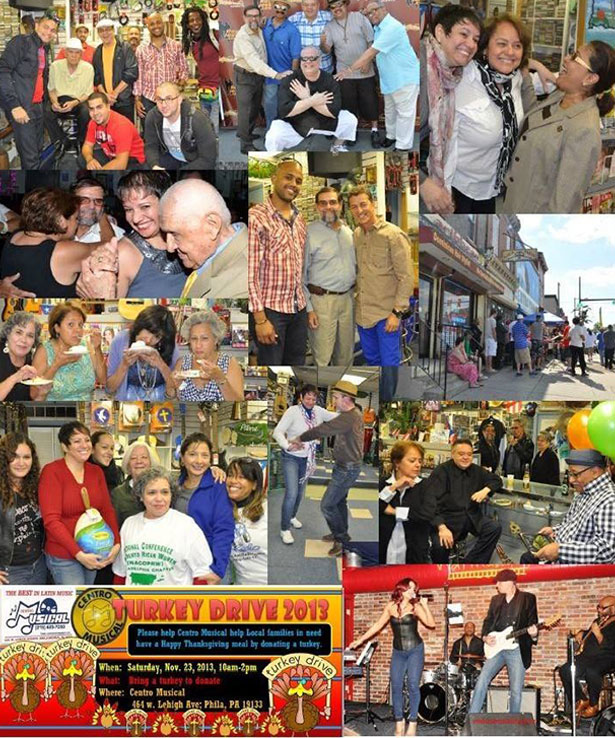
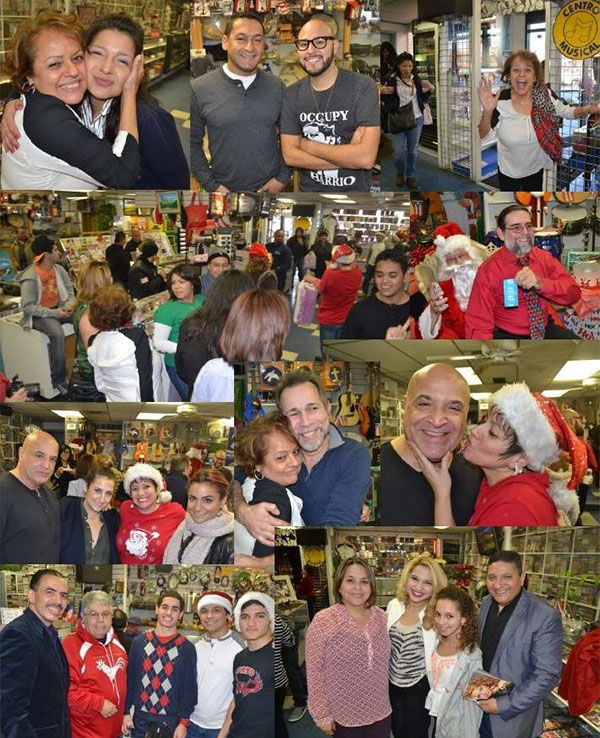
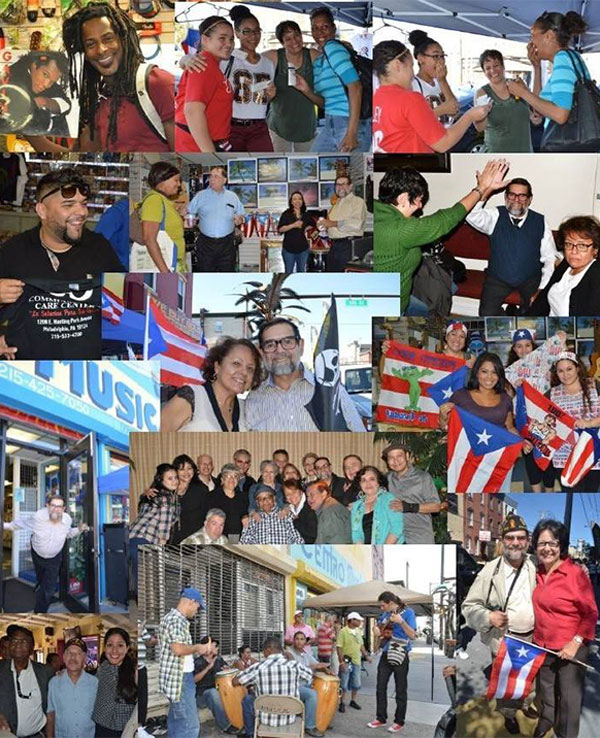
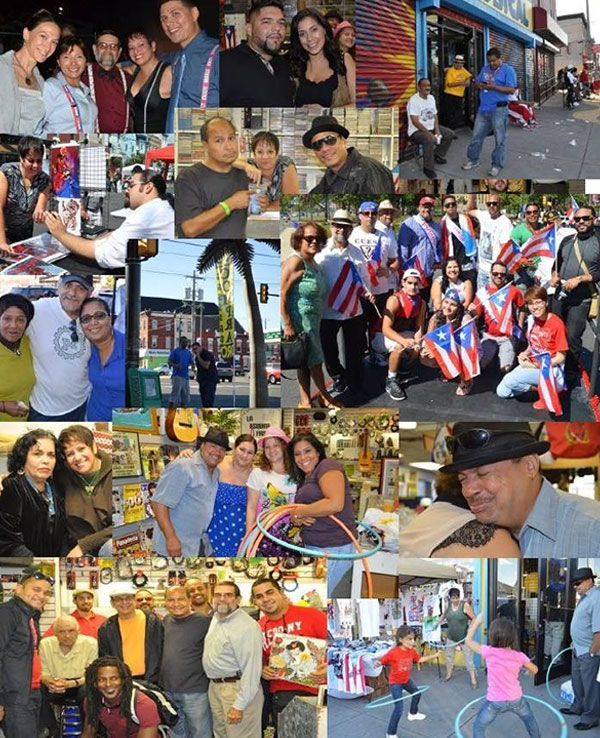
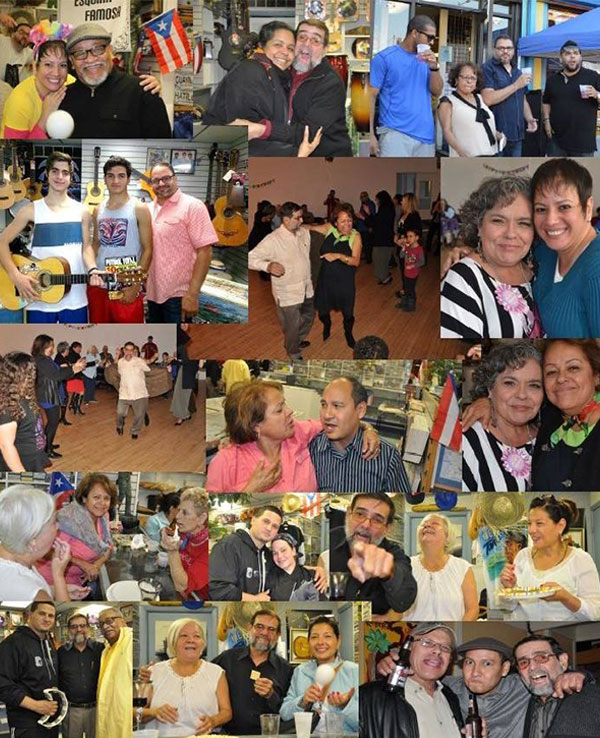
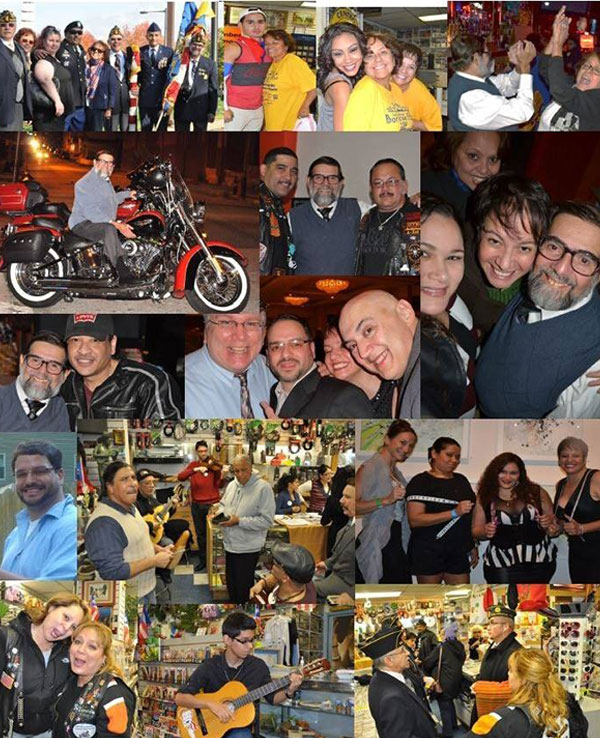
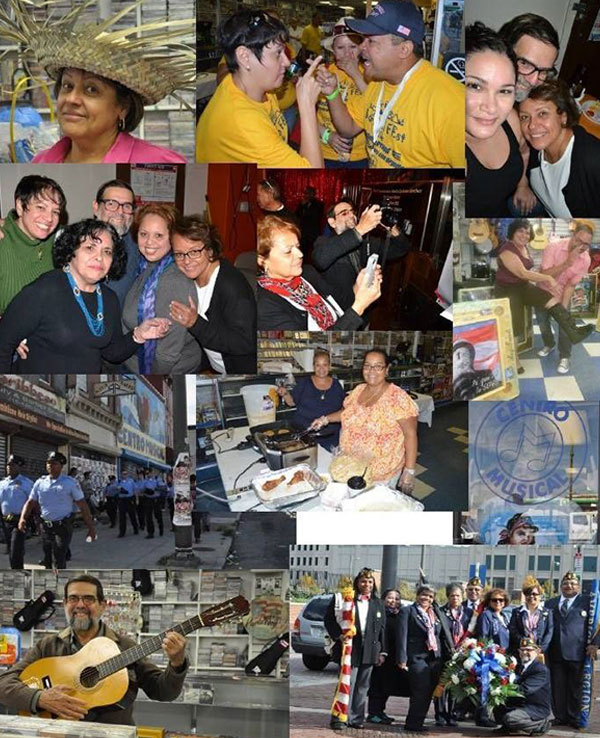
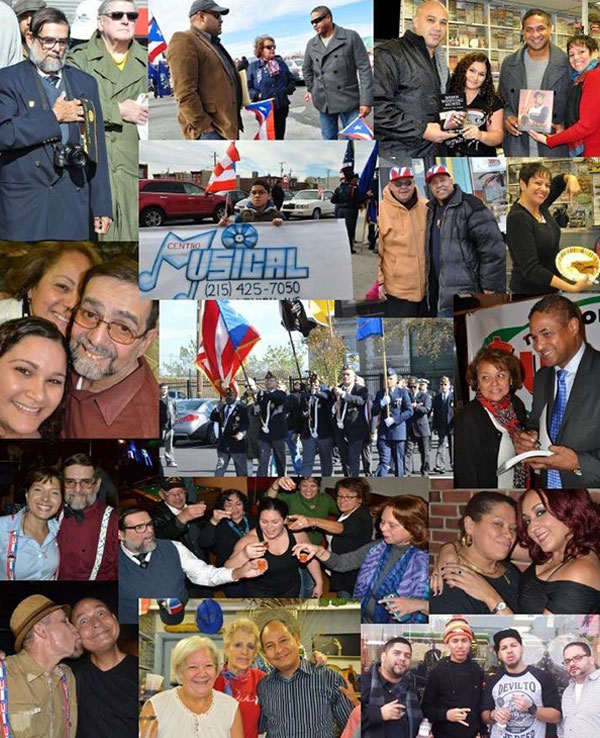
Yes, they sold the latest music and all types of goods from the island, but Centro was so much more. For more than fifty-five years, Centro’s doors were always open. To veterans needing a place to gather. To musicians needing a stage. To children needing school supplies. To families needing Thanksgiving meals. To anyone homesick for the island who just needed to hear Spanish spoken warmly and without apology. To the young person who did not yet know who they were but could feel, the moment they walked in, that they were somewhere safe.
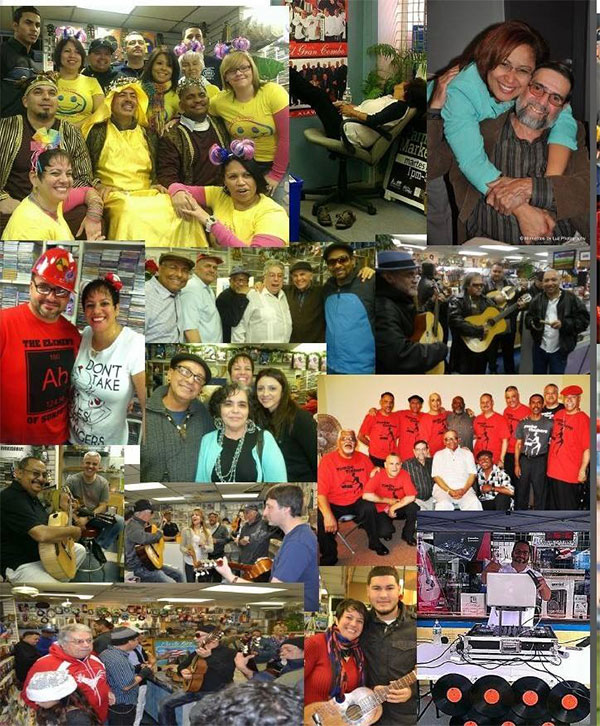
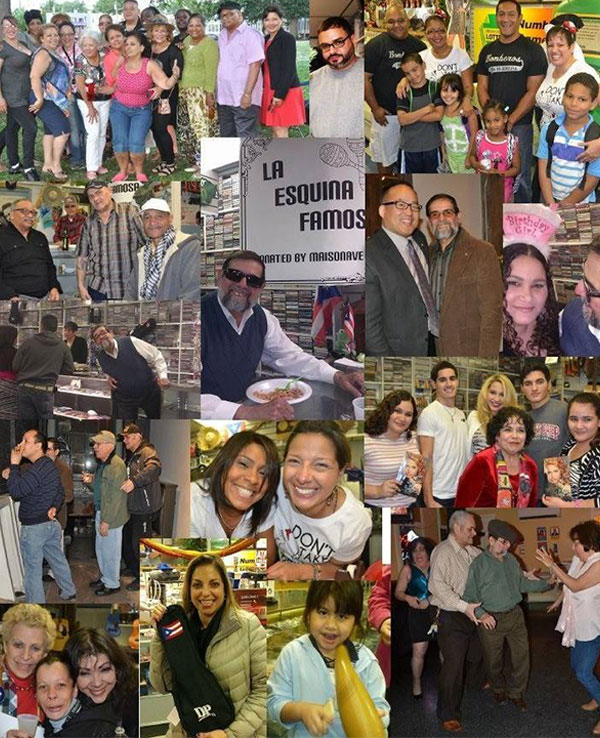
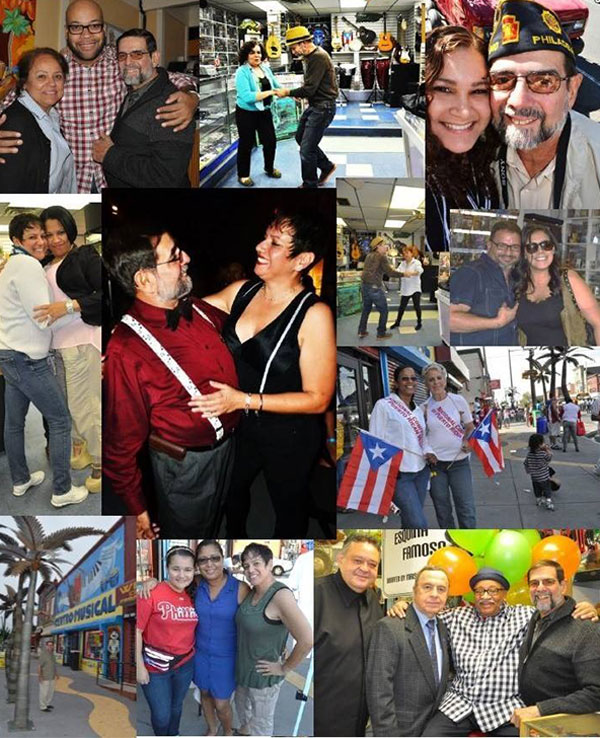
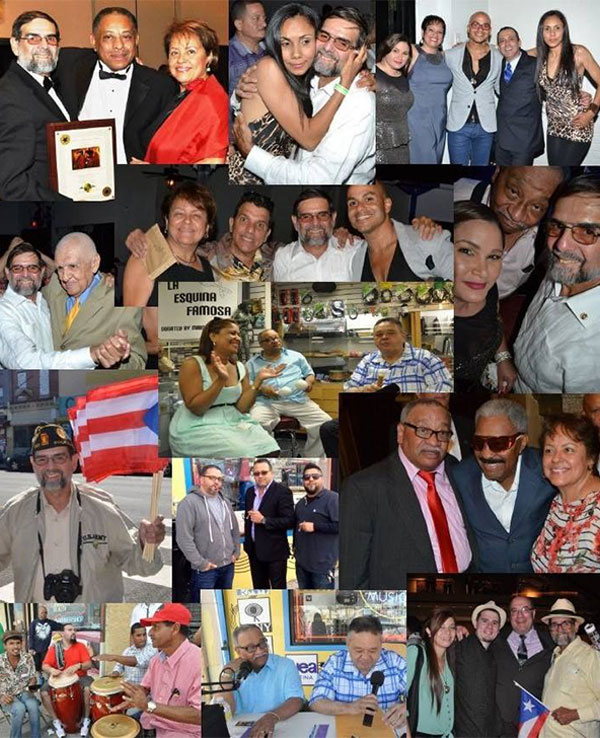
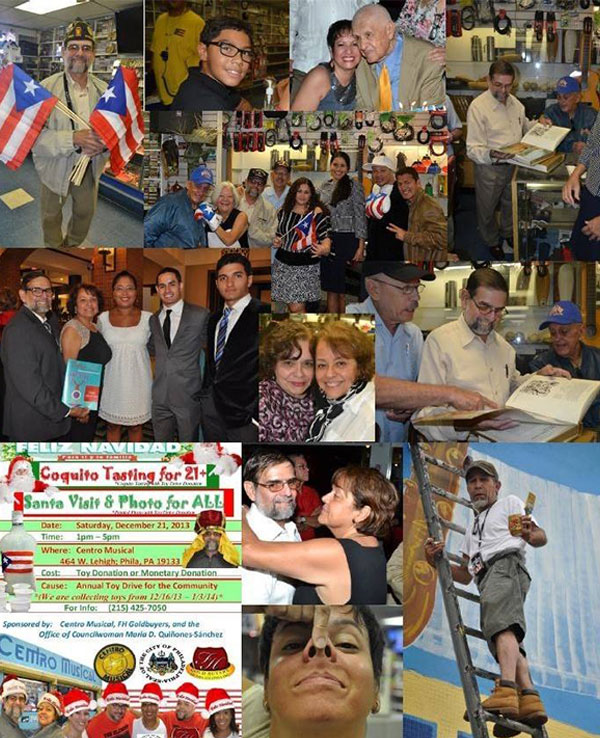
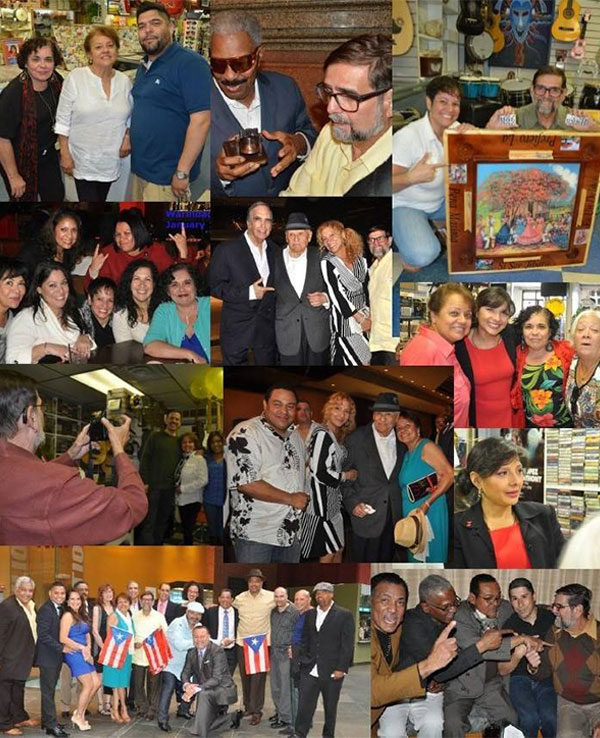
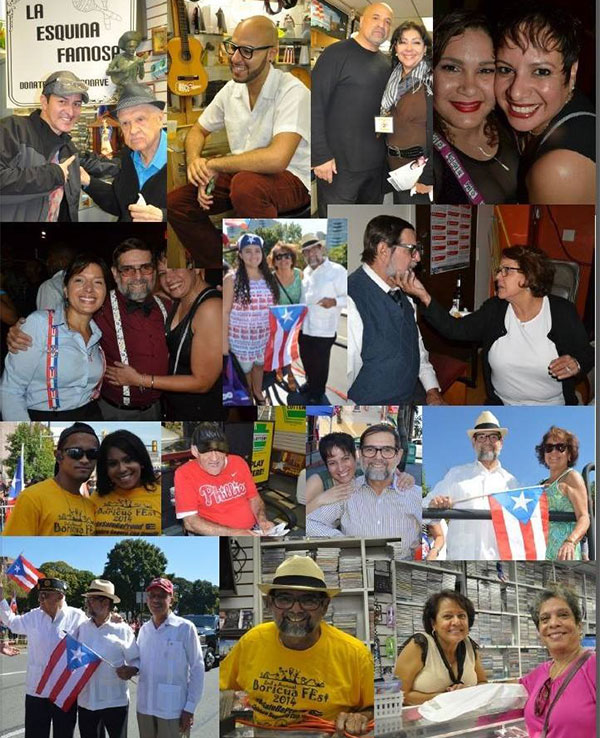
Walk in on any afternoon and the whole world was there. Café in the air, salsa on the speakers, always a plate being passed. Around the holidays, parrandas broke out spontaneously — güiro, cuatro, voices rising in navideñas that spilled onto the block. In the back corner, La Esquina Famosa, its pitorro poured freely because everyone was family. And always, Ito — camera in your face. «¡Camara!» You smiled, because in his presence you were seen, completely, lovingly, and without judgment.
If you were a Latino artist passing through Philadelphia, you stopped at Centro and paid your respects to Don Ito. Celia Cruz. Marc Anthony. Victor Manuel. Gilberto Santa Rosa. Frankie Negron. Countless others. Not because you had to. Because some places and some people remind you of who you are and why you do what you do, and Centro Musical was that place and Ito was that person.
In 2014, Centro Musical changed ownership, with one last despedida unlike any other, celebrating fifty-five years of memories, music, and a declaration that this community exists, and matters. Centro’s new owner, Reinaldo Meléndez-Martínez, has honored the González family legacy with dedication and effort to keep up the community and love Ito built.
(Foto: Cortesía/LuzSelenia Loeb)
Life beyond centro: A founding member, a President, a pillar
Ito’s accolades are long and distinguished and he is memorialized in a mural at 5th and Somerset — the highest honor this community gives.
He did not do any of it for the honors. He did not do it for the mural. He did it because it was who he was, because his roots, his Taíno blood, his jíbaro spirit, would not let him do otherwise. El jíbaro no se rinde. He tends to know what is his. He shows up.
His daughter Cristina says it in four words: «What you see is what you get.» No performance. No persona. What Ito had, he gave to everyone. Equally. Fully. Without condition.
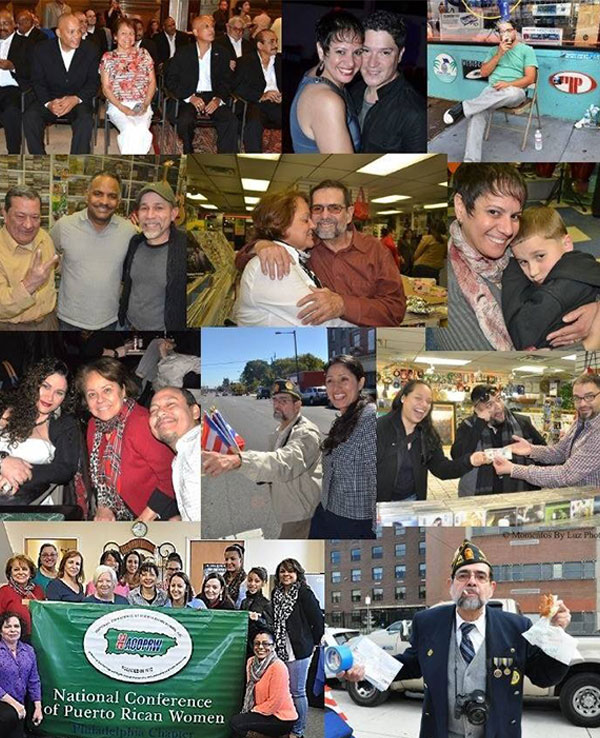
Even then, he was never fully still. Post 840 kept him. Election kept him. When Hurricane María devastated Puerto Rico, he organized relief, because when the island hurt, Ito hurt, and when Ito hurt, he did something about it. You could retire the man from the store, but love was not something you retired from. It was not a job. It was his nature.
Don Ito. Veterano. Esposo. Padre. Abuelo. Bisabuelo. Líder. Guardián del Pueblo. Hijo del Taíno. Jíbaro de corazón
La Raíz de todo: The family he loved most of all
Above everything else, above every honor and every organization and every initiative he helped build, Wilfredo González was a family man. That was the root of everything. That was the ceiba that held up his sky.
He loved Candida, his Candi, with a devotion that fifty-seven years only deepened. The girl he had first noticed at the Teatro, the one he had carried across a war and come home to, the woman who stood beside him through all of it, who gave him Cristina and Ray and his beautiful grandchildren, who was siempre presente at Centro the way he was, who made home a place worth returning to every single time. He did not just love her. He honored her and his family. Every day he was given.
Wilfredo González. (Foto: LuzSelenia Loeb)
El coquí sigue cantando: His roots hold. his legacy grows
No esperes que el coquí cante si tú no haces la lluvia. For fifty-five years, Ito made the rain. He made the music and community possible. He made people feel like they belonged to something and that something belonged to them.
Ito bent in the winds of war, poverty, and displacement and never once let go of the earth. He saw the veterans, the children, the families, the artists, the neighbors who needed, more than anything, to be seen. He invested in all of us by planting seeds of change, hope, and inspiration. Everything Ito planted is still growing. El que siembra recoge.
Each of us has an opportunity to honor Ito’s legacy and create our own, by nurturing the garden of community and leadership he dedicated his life to
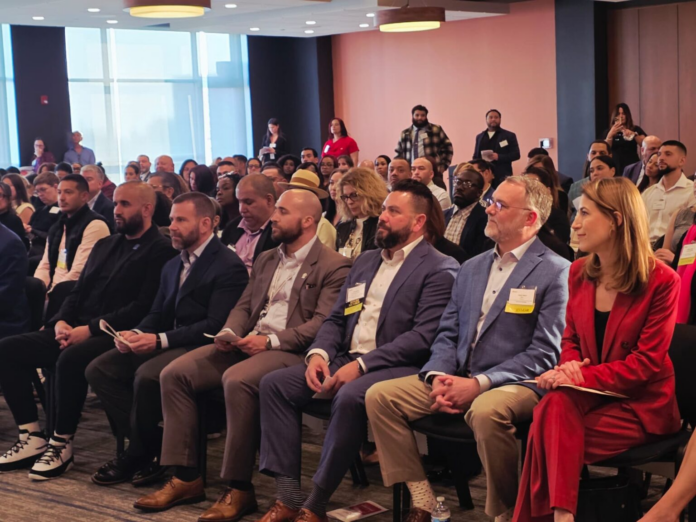
La Cámara de Comercio Hispana de la Región Metropolitana de Filadelfia (GPHCC) celebró su reunión anual el 26 de marzo con el objetivo de empoderar a las empresas latinas y prepararlas ante los eventos históricos que vivirá la ciudad en 2026. (Foto: Impacto staff)
Filadelfia acelera sus preparativos para convertirse en el epicentro nacional de las celebraciones por el 250.º aniversario de Estados Unidos en 2026, y refuerza su estrategia con el impulso del portal Philly2026.com, la ampliación de programas comunitarios y nuevas oportunidades económicas para pequeños negocios, incluidos los liderados por empresarios latinos.
El sitio www.Philly2026.com, funciona como la plataforma principal de referencia para el público general y conecta a residentes y visitantes con calendarios de eventos, grandes celebraciones y programas oficiales del año 2026, cuando se conmemoran los 250 años de la firma de la Declaración de Independencia en Filadelfia. El portal enlaza información sobre actividades culturales, deportivas y vecinales, y dirige a otros sitios oficiales de la ciudad y de turismo relacionados con el Semiquincentenario.
Administración Parker lanza ayudas comunitarias y herramientas clave
En paralelo, la Administración de la alcaldesa Cherelle L. Parkeranunció recientemente una serie de iniciativas para garantizar que los beneficios de los grandes eventos de 2026 lleguen a todos los vecindarios. Entre ellas destaca un programa de subvenciones comunitarias por un millón de dólares, destinado a organizaciones sin fines de lucro para financiar celebraciones vecinales, actividades culturales, proyectos de embellecimiento y conmemoraciones históricas en distintos barrios de la ciudad.
Como parte de este esfuerzo, la ciudad también lanzó la aplicación “Access Philly”, una herramienta digital para consultar eventos en tiempo real, además de una guía de preparación para pequeños negocios y la extensión temporal de horarios para establecimientos del sector de hospitalidad. Las medidas buscan preparar a Filadelfia para la llegada de millones de visitantes durante eventos como la Copa Mundial de la FIFA 2026, el Juego de Estrellas de la MLB y las celebraciones del 250.º aniversario nacional.
“Se trata de garantizar que cada vecindario de Filadelfia forme parte de este momento histórico”, señaló la alcaldesa Parker durante la presentación del programa de subvenciones comunitarias, destacando la inversión directa en las comunidades locales.
Empresarios latinos se preparan para capitalizar 2026
La comunidad empresarial latina ya se está organizando para aprovechar las oportunidades económicas que traerá el histórico año 2026. La Cámara de Comercio Hispana de la Región Metropolitana de Filadelfia (GPHCC) celebró a finales de marzo su reunión anual, enfocada en preparar a los empresarios latinos para el impacto del Mundial FIFA y del 250.º aniversario de Estados Unidos.
Durante el encuentro, líderes empresariales y panelistas analizaron estrategias para aumentar la visibilidad de los negocios latinos, fortalecer alianzas y acceder a nuevas oportunidades comerciales. Representantes de la Cámara enfatizaron la importancia de que los pequeños y medianos negocios se mantengan activos, informados y conectados a los programas municipales disponibles de cara a 2026.
Jennifer Rodríguez, presidenta y directora ejecutiva de la GPHCC, destacó que estos espacios buscan asegurar que la comunidad empresarial latina no solo participe, sino que se beneficie de manera directa del crecimiento económico proyectado para la ciudad en 2026.
Celebraciones ya en marcha en 2026
Mientras se afinan los preparativos para el verano, Filadelfia ya mantiene activas actividades relacionadas con el inicio formal del año conmemorativo. Durante las últimas semanas se han realizado eventos cívicos y militares en Independence Mall, considerados actos simbólicos de apertura del año del Semiquincentenario.
¡Asimismo, continúa expandiéndose el programa “Ring It On! One Philly, A United Celebration”, con festivales comunitarios, activaciones culturales y mejoras urbanas en corredores comerciales de distintos vecindarios, reforzando la idea de celebrar no solo en el centro histórico, sino en toda la ciudad.
Un año histórico con impacto duradero
Con el lanzamiento de Philly2026.com, las inversiones comunitarias impulsadas por la Administración Parker y la preparación del sector empresarial latino, Filadelfia busca que el 250.º aniversario de Estados Unidos no sea solo una celebración histórica, sino una oportunidad de crecimiento económico y legado duradero para sus comunidades.
Las autoridades han reiterado que la información oficial, los calendarios de eventos y las oportunidades de participación continuarán actualizándose a lo largo del año en los portales oficiales y plataformas digitales de la ciudad, de cara a un 2026 que promete marcar un antes y un después en la historia de Filadelfia.
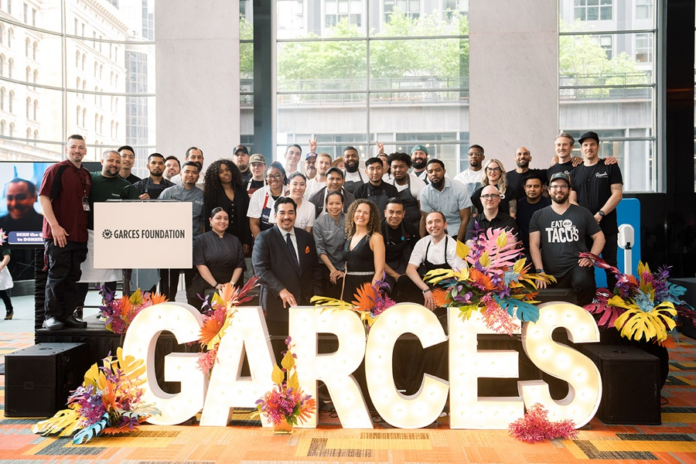
Chefs, restaurateurs, and members of the Garces Foundation during a previous annual benefit in Philadelphia. (Photo: Garces Foundation)
The Garces Foundation will once again bring together some of Philadelphia’s most prominent chefs, restaurants, and community leaders for the 14th edition of its annual benefit, one of the city’s most important spring culinary galas.
Under the theme “One Delicious Evening, Infinite Impact,” the event will take place on Thursday, April 23, 2026, from 6:00 to 9:30 p.m. at Live! Casino & Hotel in South Philadelphia. Inspired by a nighttime artisanal market, the evening aims to raise funds for the foundation’s health, education, and community support programs serving low-income immigrants.
The organization was founded in 2010 by James Beard Award–winning chef and Iron Chef José Garces and Dr. Beatriz Garces. Since then, the foundation has worked to provide access to medical care, dental services, English classes, and digital literacy training to thousands of immigrant residents across Philadelphia.
A Night to Celebrate Diversity
The gala will feature unlimited food prepared by more than 30 local chefs and restaurants, along with live music, folkloric dance performances, an artisanal market, art displays, and both silent and live auctions.
Participating restaurants include Amada, Buena Onda, Village Whiskey, White Yak, Little Fish, Tabachoy, Wilder, Hardena, Mom‑Mom’s Kitchen, El Mictlán, Cantina Dos Segundos, Luk Fu, and Juana Tamale, among others. Highlighted dishes will include Amada’s lamb meatballs with sherry cream, foie gras, and black truffle; bacalaítos with blue crab salad; cheesesteak bao; hamachi crudo; and scallop toast.
Guests will also enjoy wine, spirits, and cocktails, courtesy of sponsors such as Stateside Vodka and Komos Tequila.
Music will be provided by Suena Cimarrón, a group that blends contemporary rhythms with traditional sounds from Colombia’s Pacific region. The program will also feature folkloric dance performances by Colombia Mi Corazón Es Tuyo. Reflecting the artisanal market theme, immigrant artists and makers such as muralist Manuela Guillén and Venisbu, a Venezuelan and Wayúu handcrafted jewelry project, will also participate.
The Origins of the Mission
The Garces Foundation was born after the death of Felipe, a 26‑year‑old immigrant worker who suffered from thyroid cancer and delayed treatment due to barriers in accessing health care. The experience deeply affected José and Beatriz Garces, motivating them to create an organization to help others avoid similar situations.
“This is one of my favorite nights of the year,” said José Garces. “It brings together Philadelphia’s culinary leaders, artists, and community advocates for an incredible celebration with a powerful purpose.” As the son of immigrants, the chef emphasized the vital role immigrant workers play in the city.
Dr. Beatriz Garces added that every ticket sold and donation raised translates into medical care, education, and essential services for hundreds of immigrant families.
Impact and Auctions
In 2025, the foundation served more than 1,000 people, many with annual incomes below $13,000. Key initiatives include IDIOMA, which offers English and digital literacy classes, as well as Community Health Days and Sonrisa, programs providing free medical consultations and dental care.
The event will also feature auctions with exclusive experiences, including a private dinner for 10 at Amada Radnor, prepared by José Garces, Michael Solomonov, and Marc Vetri.
How to Attend
Tickets are $125 per person and include unlimited food and drinks, parking, and coat check. Cocktail attire is encouraged. More information: https://www.garcesfoundation.org/2026benefit
An Israeli Air Force F-15 fighter jet flies over central Israel, 31 March 2026. (Photo: EFE/ABIR SULTAN/Archivo)
The School District of Philadelphia is proposing to close 18 to 20 schools starting in the 2027-2028 school year as part of a $2.8 billion, 10-year facilities master plan. The proposal lists 70,000 vacant seats, poor building conditions, and budgetary constraints as the reasons for the many closures, transfers, and firings. The district plans to modernize 159 schools, and closures will impact thousands of students. The changes will affect the poorest neighborhoods, but this is not new. The city leaders have postponed decisions for decades. Education has not been a priority in most administrations. Looking back over the years, we can remember when the city lost control over the district. It isn’t just the city or the state that have not dealt properly with the problems of schools. The Trump Administration wants to close the Department of Education and has brought more budget problems to the states and cities. Future generations will suffer the effects of decisions to buy more guns and build bigger, and faster planes, while denying funds to our educational institutions. Let’s keep in mind that totalitarian governments always prefer an uneducated citizenry.
When Pennsylvania Governor Josh Shapiro announced that the state would not require a college degree for new hires, the voters gave him a nod of approval. We are certain Shapiro understands the value of a good basic education, and he sees the need to reform. Many students attend classes in decrepit buildings and crowded classrooms. Solutions are not easy, but there must be a willingness on the part of our leaders to improve the situation in our schools. Firing teachers might help the budget, but it will discourage others from entering the profession. The problem is that many schools, especially in poor areas of this country, are not preparing our children with the most basic tools, and the main reason is lack of money. The federal government might have different priorities–therefore it is up to state and municipal governments to come up with solutions that will require sacrifices. We need to provide safe and productive environments for our children because they are the future.
An Israeli Air Force F-15 fighter jet flies over central Israel, 31 March 2026. (Photo: EFE/ABIR SULTAN/Archivo)
El Distrito Escolar de Filadelfia propone cerrar entre 18 y 20 escuelas en el año académico 2027-2028, como parte de un plan maestro de 10 años con un presupuesto de 2.800 millones de dólares. La propuesta cita 70.000 plazas vacantes, las malas condiciones de los edificios y las restricciones presupuestarias como las razones detrás de los numerosos cierres, traslados y despidos. El distrito planea modernizar 159 escuelas, y los cierres afectarán a miles de estudiantes. Los cambios repercutirán en los barrios más pobres, pero esto no es algo nuevo. Los gobiernos han pospuesto estas decisiones durante décadas. La educación no ha sido una prioridad en la mayoría de las administraciones. Podemos recordar cuando la ciudad perdió el control sobre el distrito. No es solo la ciudad o el estado que han fallado en resolver los problemas educacionales–la administración Trump pretende cerrar el Departamento de Educación y ha generado aún más problemas presupuestarios para los estados y las ciudades. Las generaciones futuras sufrirán los efectos de decisiones que prefieren comprar más armas y construir aviones más grandes y veloces, mientras se les niegan fondos a nuestras instituciones educativas. Tengamos presente que los gobiernos totalitarios siempre prefieren una ciudadanía sin educación.
Cuando el gobernador de Pensilvania, Josh Shapiro, anunció que el estado ya no exigiría un título universitario para las nuevas contrataciones, le dimos aprobación. Estamos seguros de que Shapiro comprende el valor de una buena educación básica y percibe la necesidad de hacer reformas. Muchos estudiantes asisten a clases en edificios en ruinas y aulas abarrotadas. No hay soluciones sencillas. Nuestros líderes deben buscar el modo de mejorar la situación. Despedir a maestros podría aliviar el presupuesto, pero desincentivará a otros a dedicarse a esta profesión. Sabemos que muchas escuelas —especialmente en las zonas empobrecidas de este país— no están dotando a nuestros niños de las herramientas más básicas por la falta de fondos. El gobierno federal tiene otras prioridades; por consiguiente, recae en los gobiernos estatales y municipales la responsabilidad de idear soluciones que, inevitablemente, exigirán sacrificios. Debemos proporcionar entornos seguros y productivos para nuestros niños, pues ellos representan el futuro.