


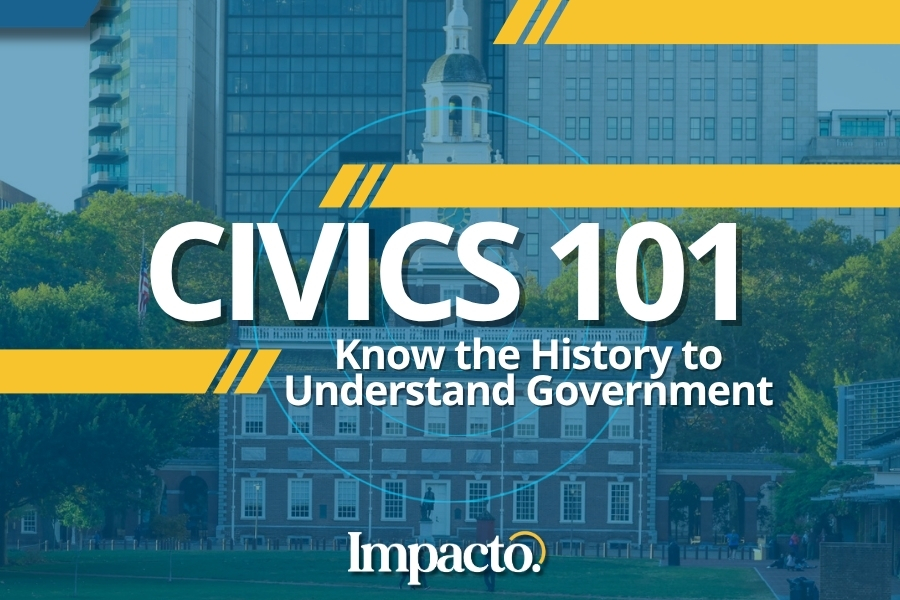
The United States was born right here, in Philadelphia. On July 4, 1776, inside the red brick walls of Independence Hall on Chestnut Street, 13 colonies declared themselves free from England — and a new country, with a new government, began. But the famous promise made that day, that “all men are created equal,” did not include everyone.
Before we celebrate 250 years, we must tell the whole story. Long before any colonists arrived, indigenous people lived on this land. They fished these rivers, planted these fields, and raised their children here. As England built its 13 colonies along the Atlantic coast, native families were displaced, killed, and pushed farther west.
The colonists came for religious freedom and the hope of a better life, a hope many immigrant families carry in their own suitcases today. In the 1600’ when settlements were in their infancy, they called themselves British subjects, loyal to the king. But by the 1770s, something changed. The settlers began feeling more attached to their new land than to the country that they had left behind and began using a new word for themselves: Americans.
The colonists were angry, and they had reasons. England taxed them heavily, but they had no representation, no voice, no vote, in the government. British soldiers could enter their homes without permission, taking their food and intimidating the families. There was no way for the colonists to protect themselves. There were no safeguards for their families. The freedoms they desired eventually became the Bill of Rights.
Anger turned to war on April 19, 1775, at Lexington and Concord, with “the shot heard ‘round the world.” Weeks later, leaders of what they then called the “United Colonies” met in Philadelphia at Independence Hall for the Second Continental Congress. On June 14, 1775, they created the Continental Army, stitching farmers and shopkeepers together like patches in a quilt. Five days later, they chose George Washington to lead it. Young men who would shape the nation served too: Alexander Hamilton, James Monroe, John Marshall.
Then came the Declaration of Independence and its beautiful words. But in 1776, “all men” meant only white men who owned land. Slavery was in full force. Indigenous people were dismissed as “savages.” African Americans, people of color, and all women were left out. Their freedom would take more than a hundred years — and the struggle to make the promise real continues today.
The fighting ended when the British surrendered at Yorktown in 1781, and England officially recognized American independence in the Treaty of Paris in 1783. In 1787, the founders returned to Philadelphia to write the Constitution, the rulebook of our government, and on March 4, 1789, that government formally began functioning within a legal framework forged over time by lawmakers and public officials democratically elected by the people. Government decisions shape how our tax dollars are used, who protects our rights, and who represents our communities.
This fall, in the midterm elections, we have a chance to make our voices heard and elect those who will represent us, exactly the kind of self-government the colonists fought for.
Next week: the Bill of Rights — ten promises born from ten complaints.
Civics 101: Know the History to Understand Government
As the United States continues its commemoration of the nation’s 250th anniversary, we begin a series dedicated to explaining the foundations of American government and the historical events that shaped the country. From the Declaration of Independence to the Bill of Rights and the elections of today, we will explore how the past continues to influence our communities and our democracy. Understanding our history is the first step toward becoming informed and engaged citizens.