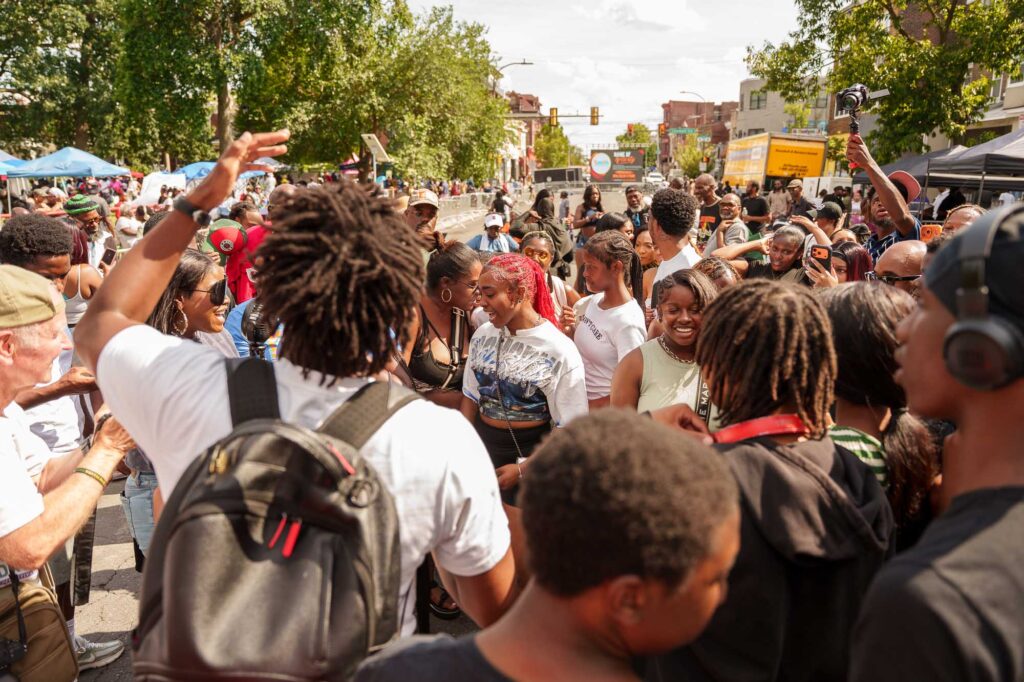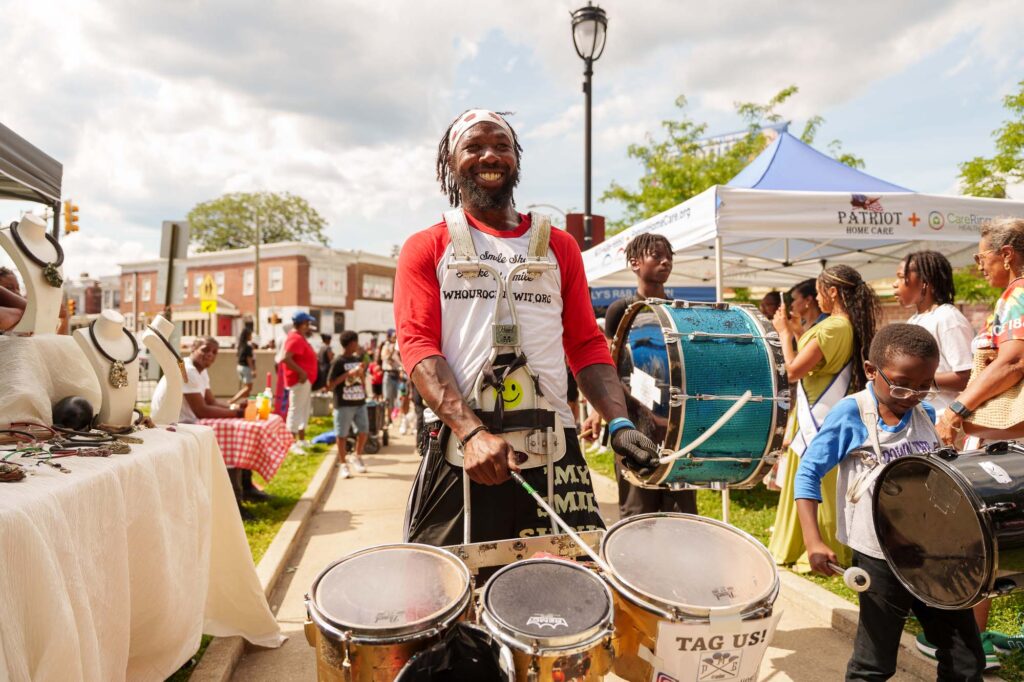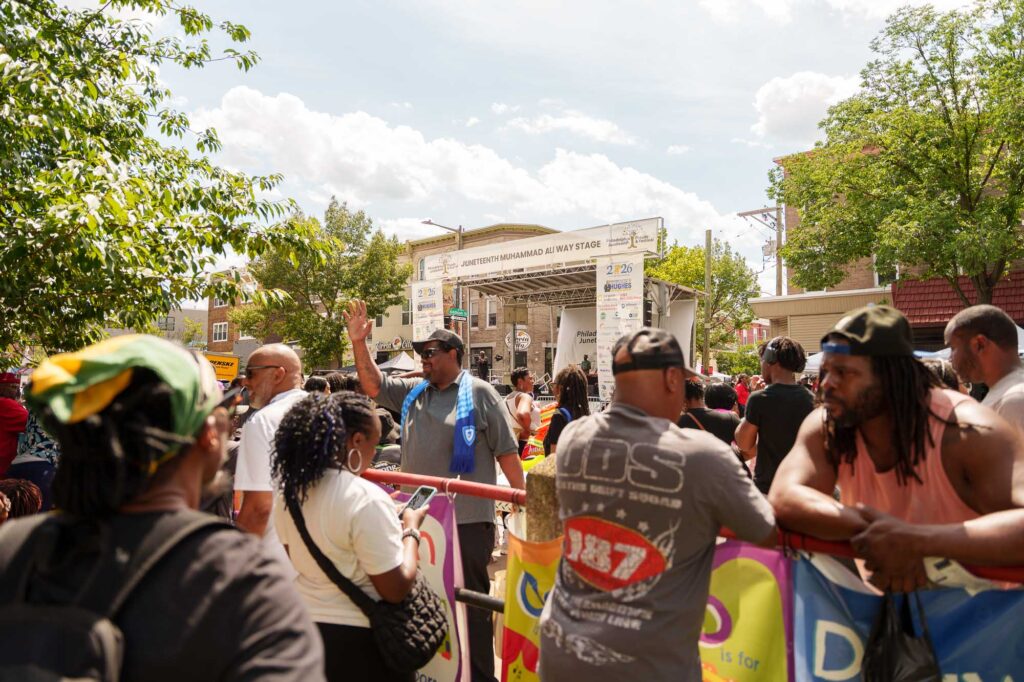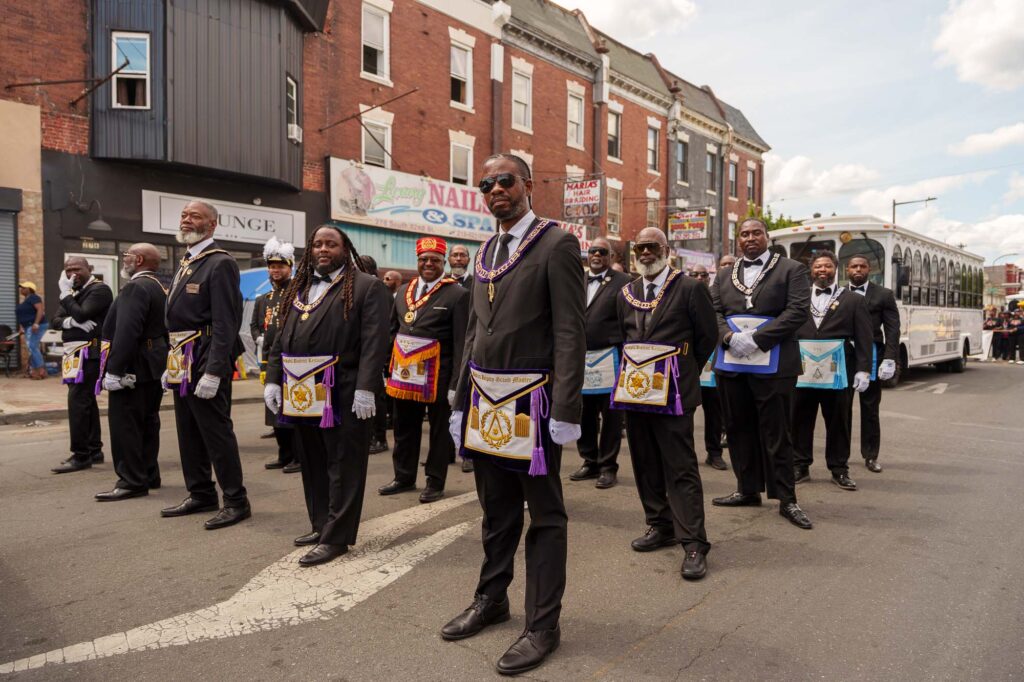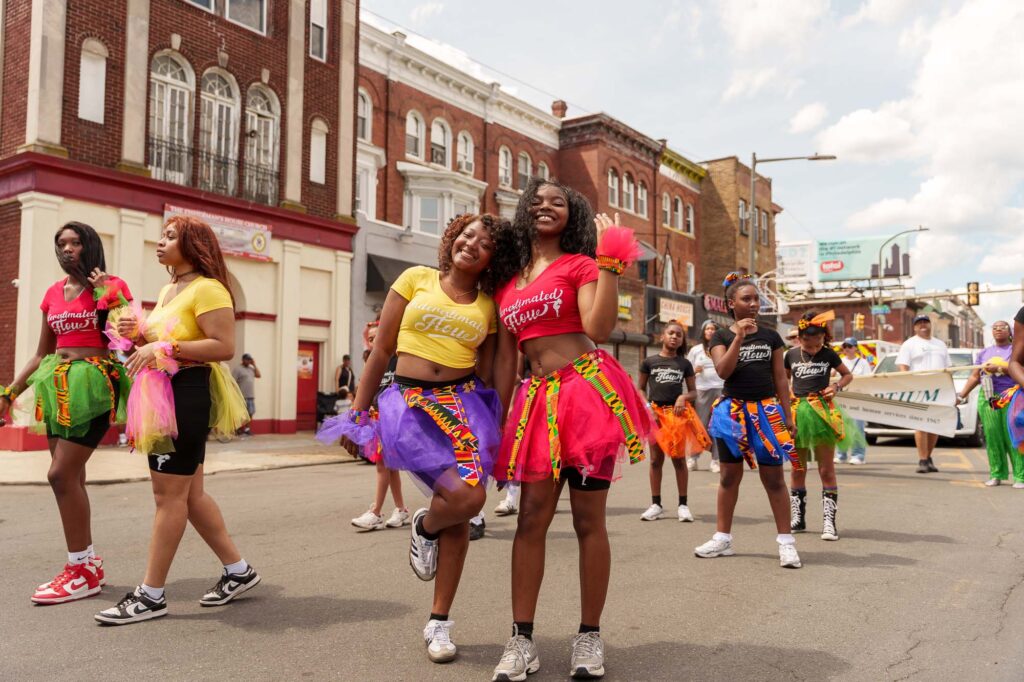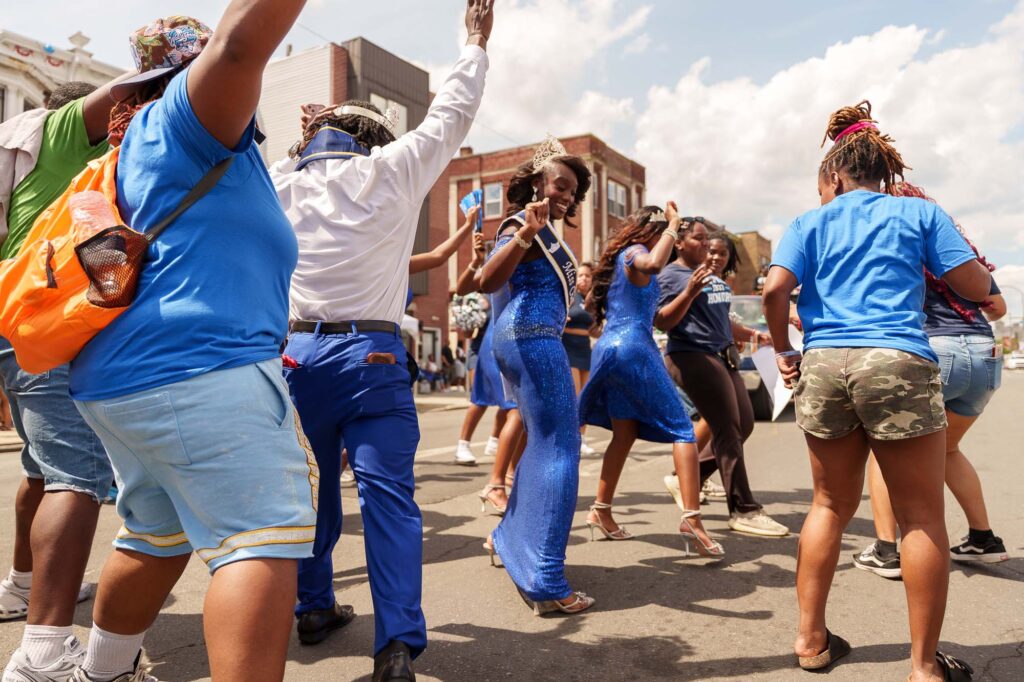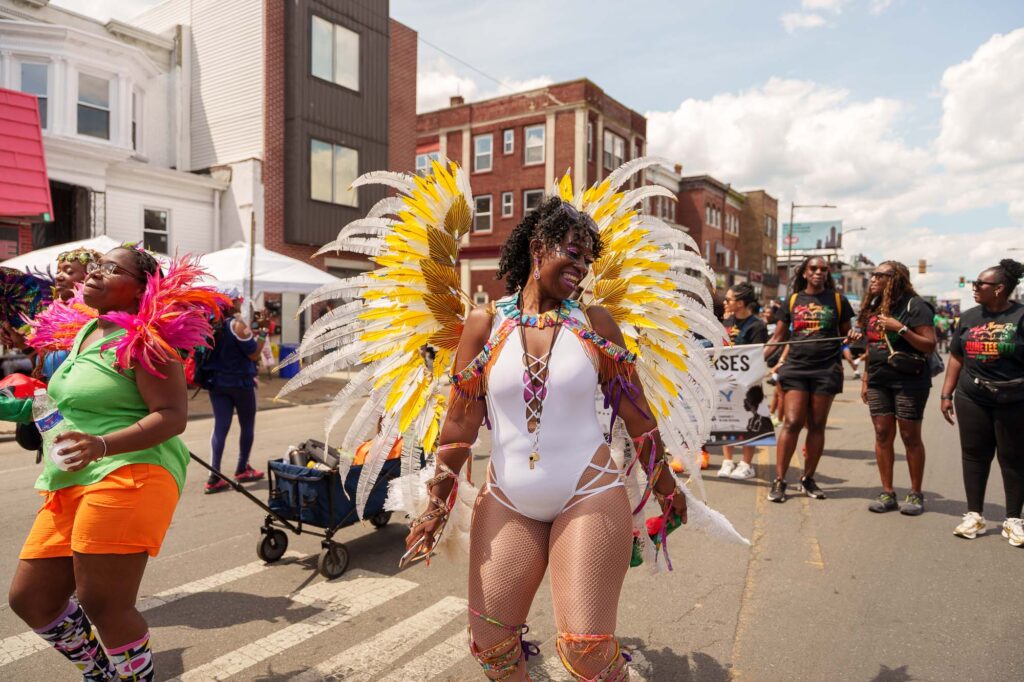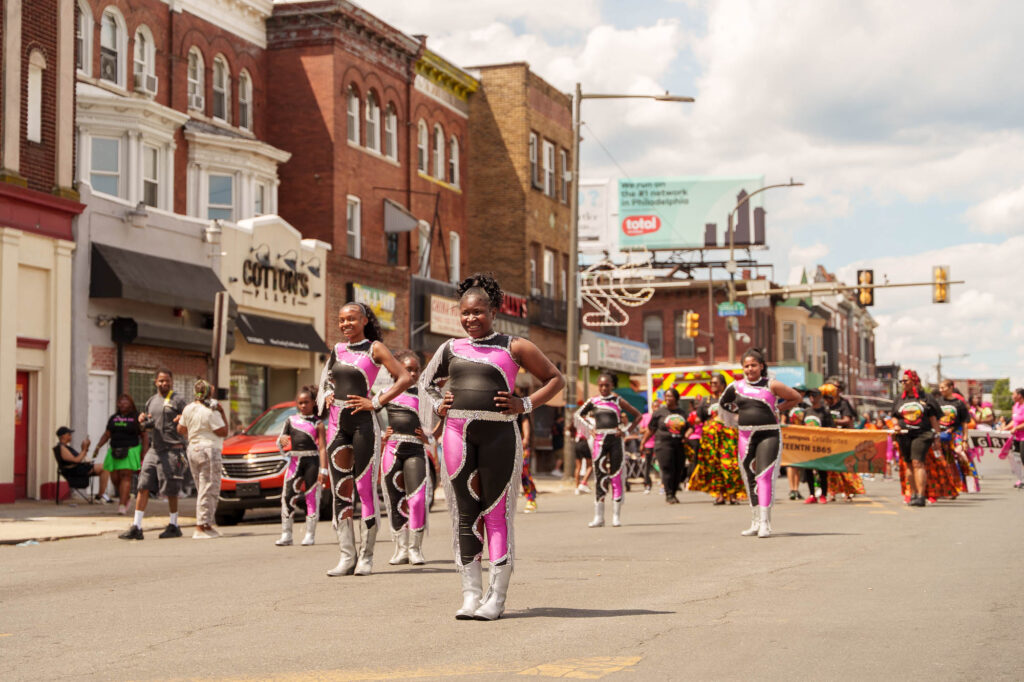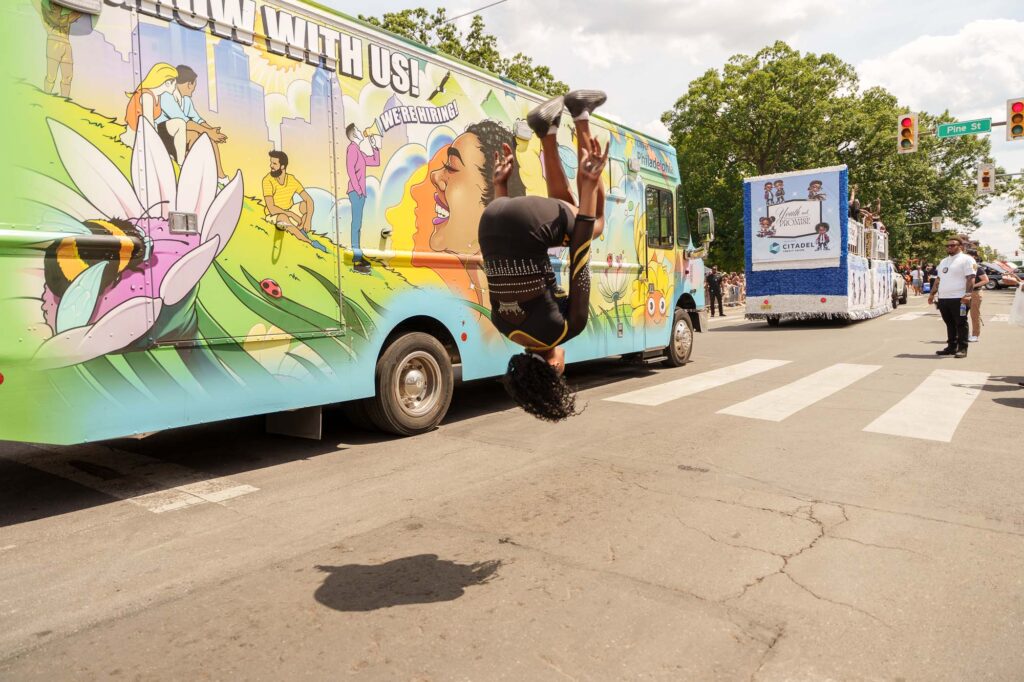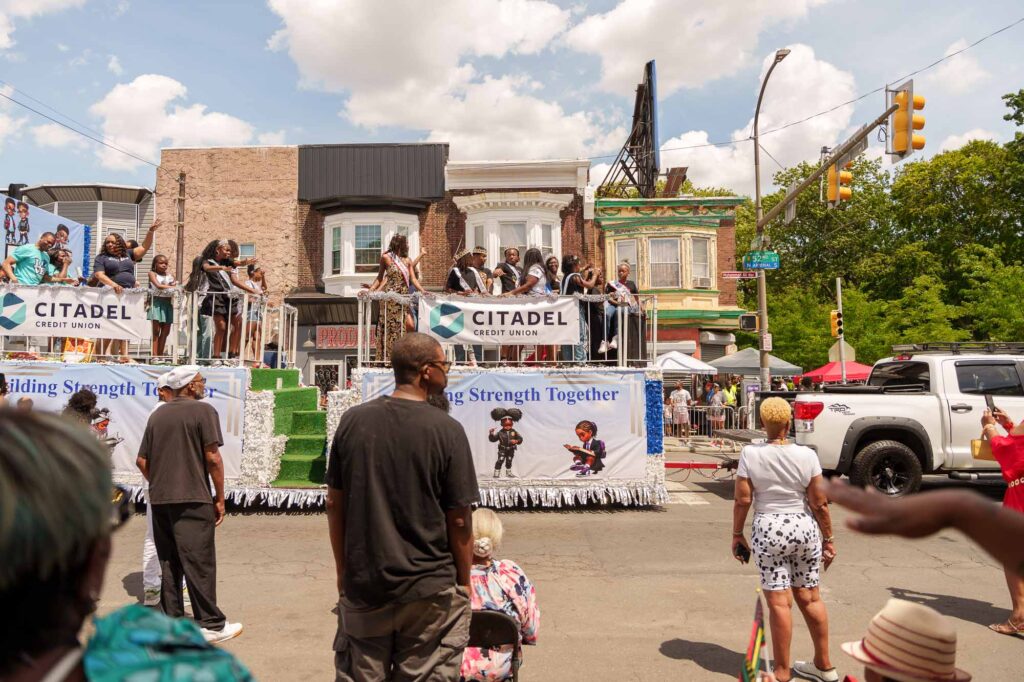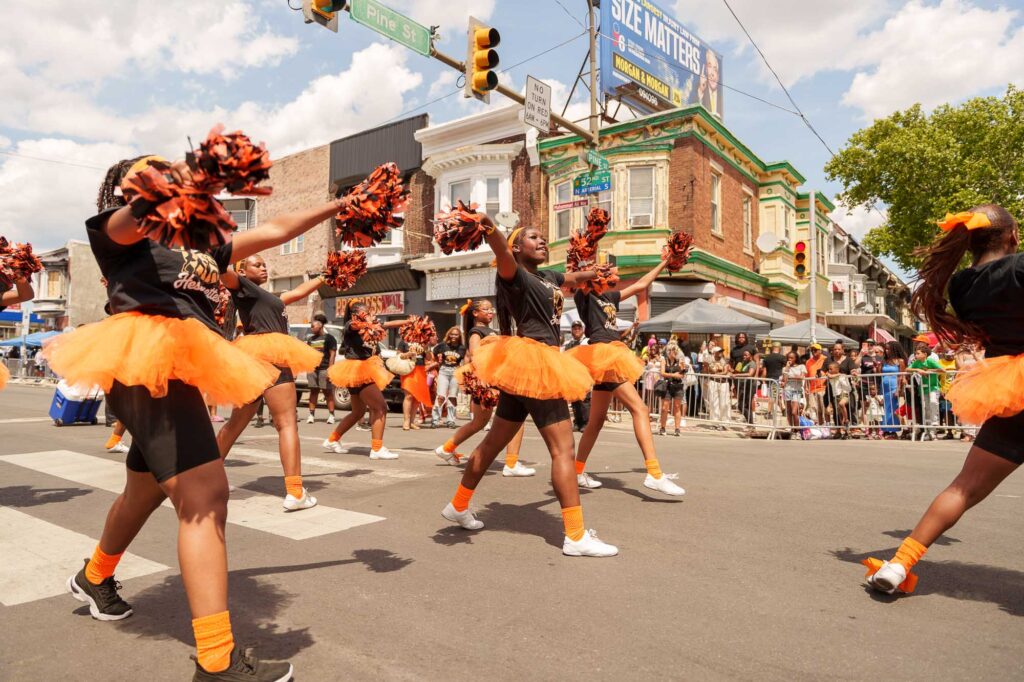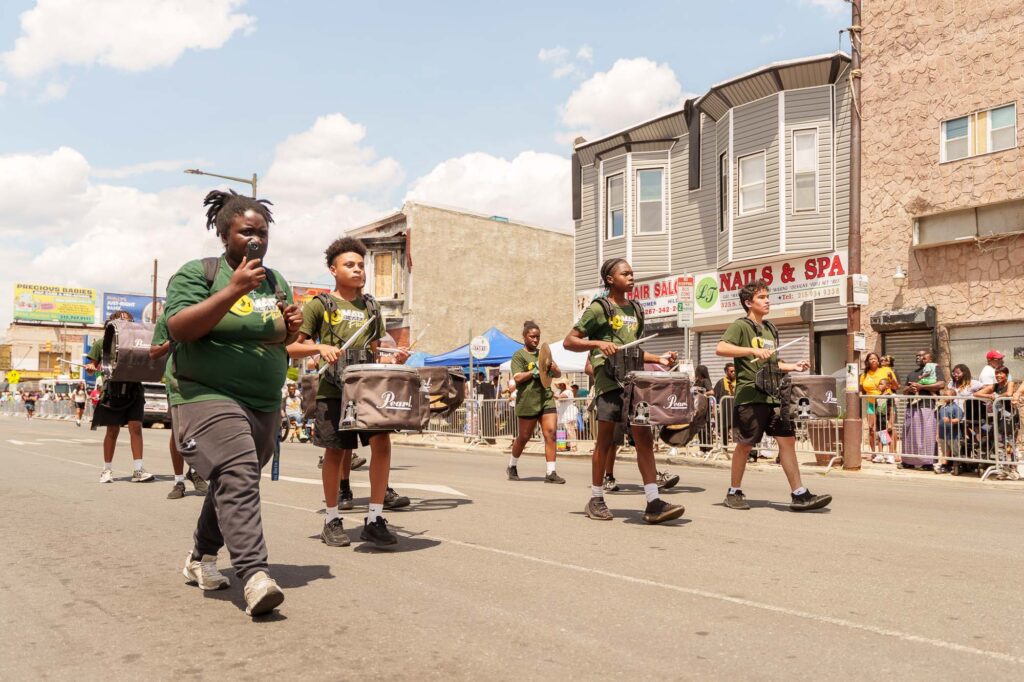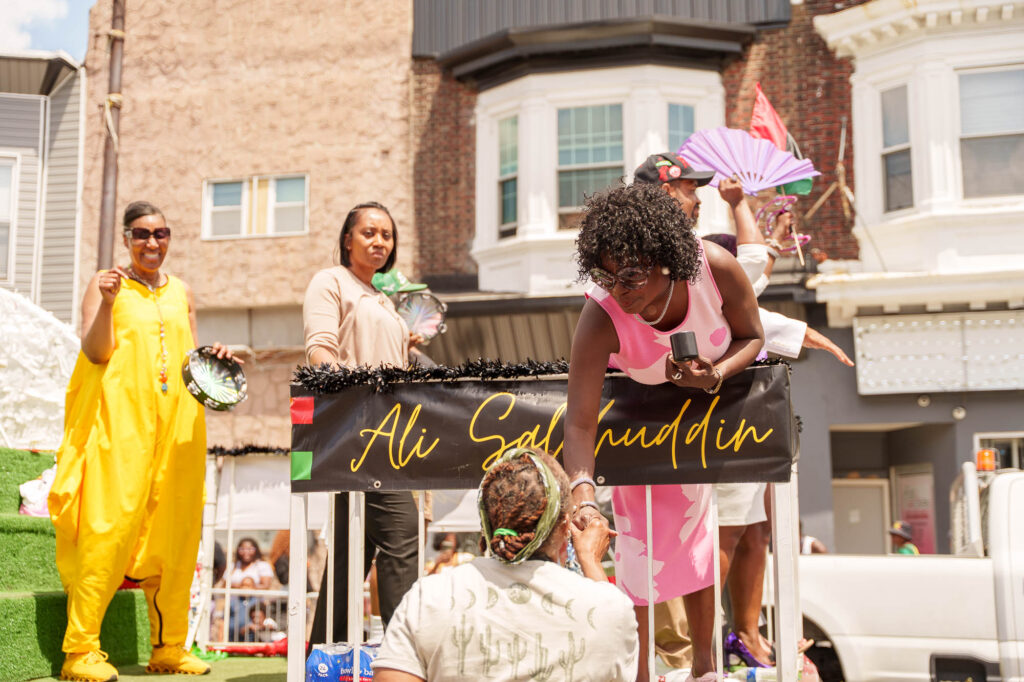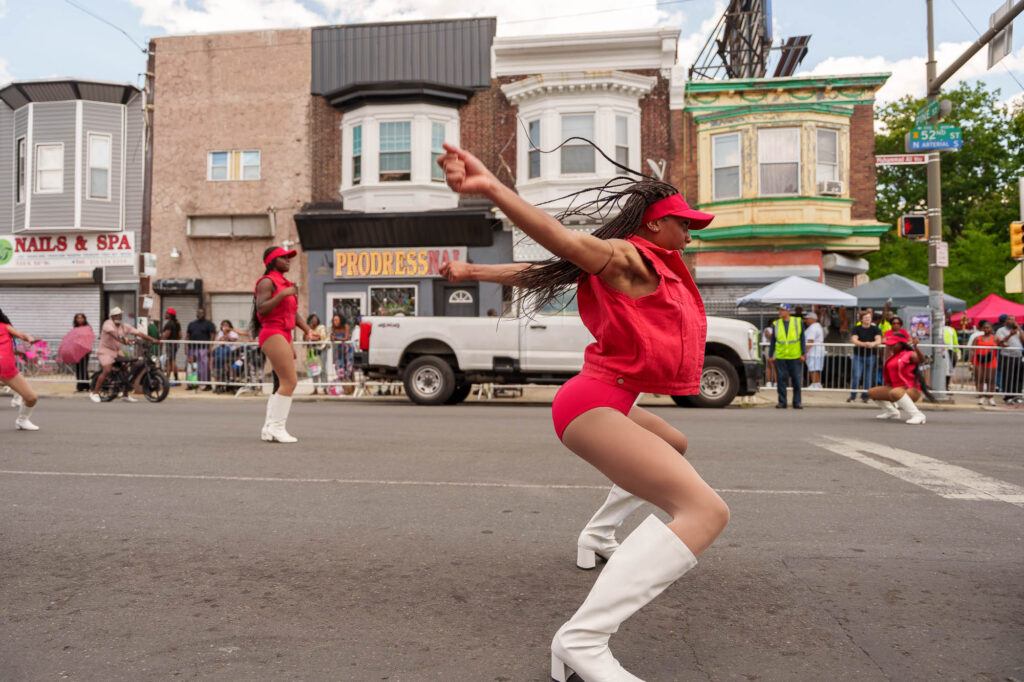


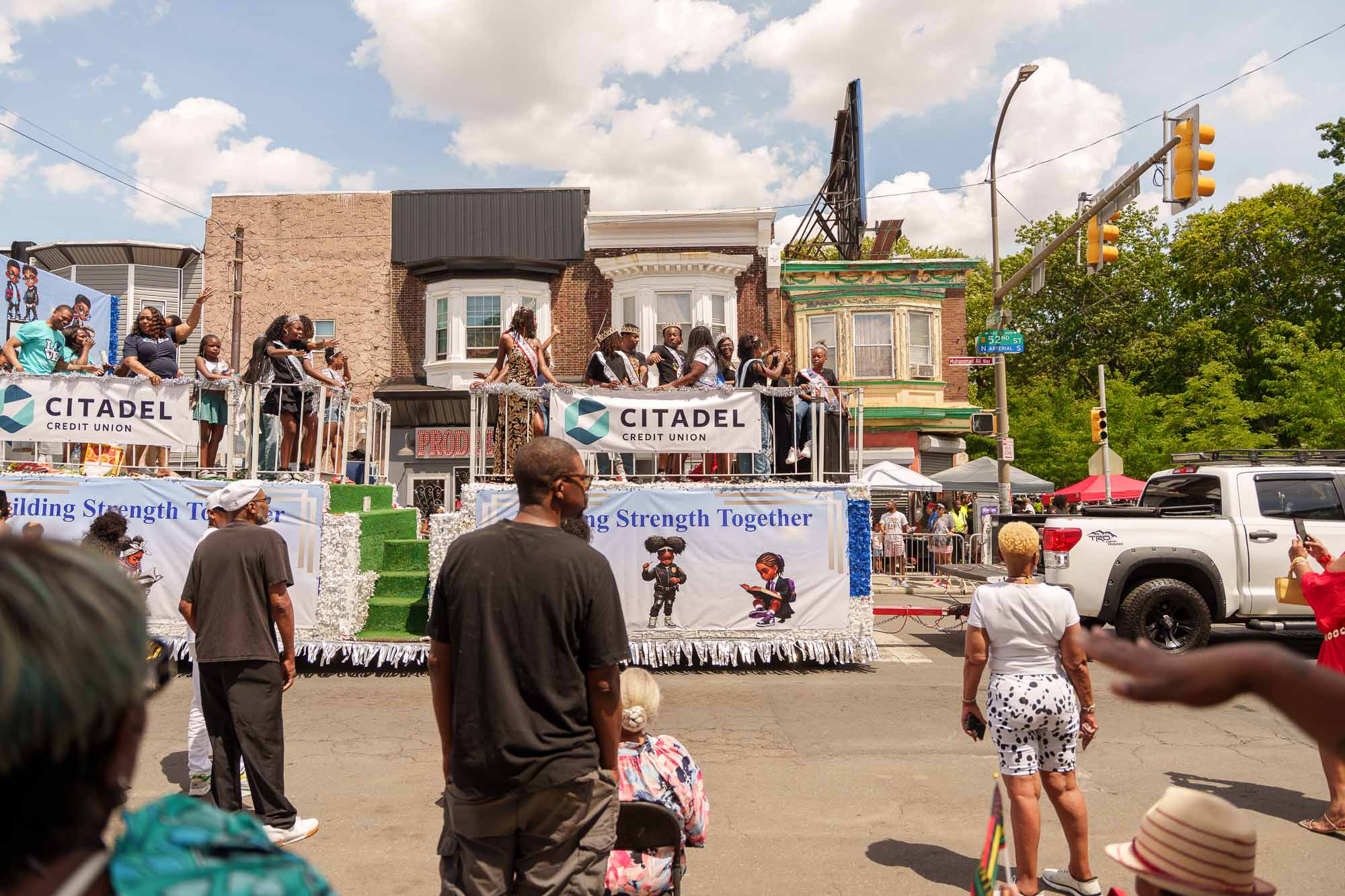
Drums echoed through West Philadelphia as dancers, floats, drumlines, fraternal organizations, vendors, families, and community groups gathered on Sunday, June 21, for the 2026 Philadelphia Juneteenth Parade and Festival.
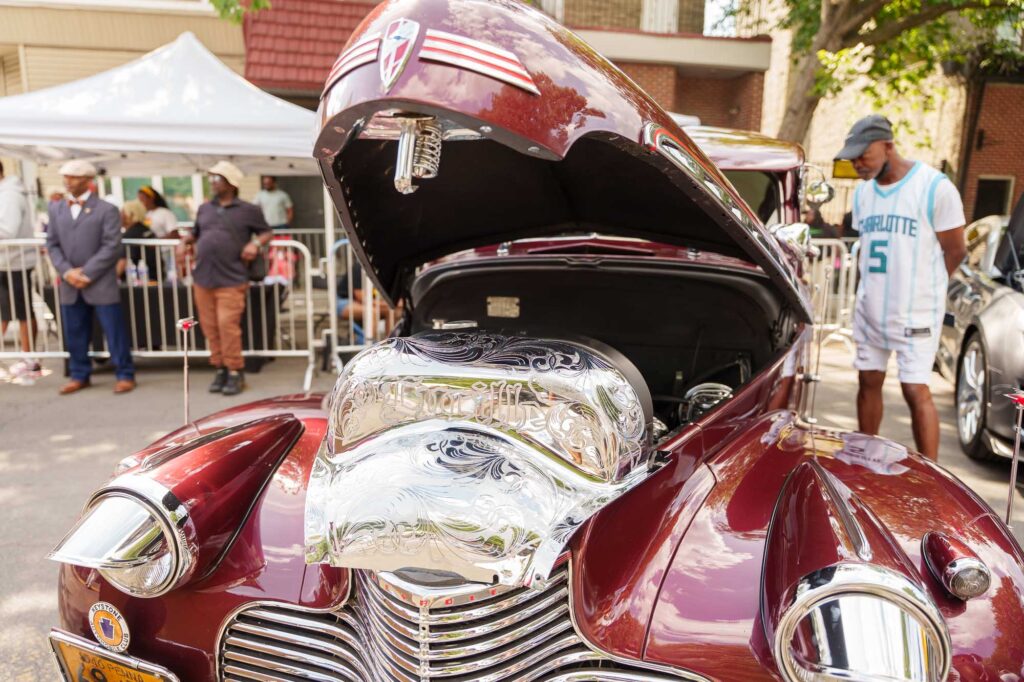
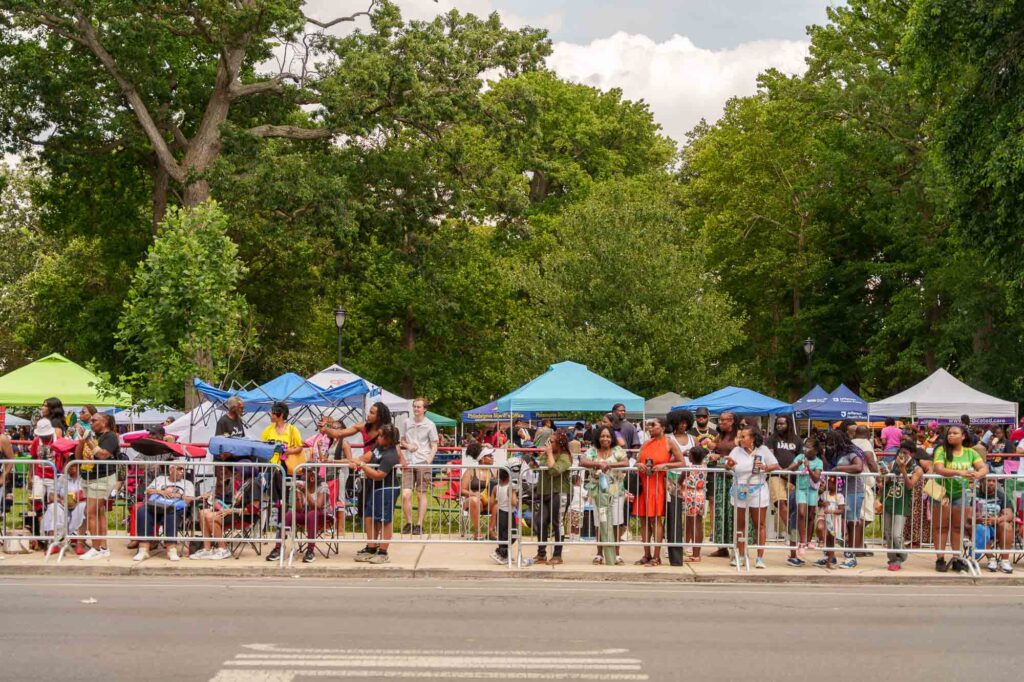
At first glance, it was a celebration. Youth performers moved through the street in bright colors. Spectators lined the route with phones in the air. Music came from every direction. The parade moved from the Mann Center toward Malcolm X Park, where the day continued with food, vendors, live performances, wellness resources, a youth pavilion, and a rolling museum car show.
But from behind my camera, it felt like something else, too. It felt like a reminder.
In a city preparing to celebrate 250 years of American independence, Juneteenth reminds us that freedom in this country has never arrived all at once.
That reminder is heavy here in Philadelphia, perhaps more than almost anywhere else. This is the city where the Declaration of Independence was signed. This is where the country proudly points when it tells the story of 1776. There will be fireworks, ceremonies, patriotic language, and celebrations of the American experiment. Those things have meaning, but if we are going to celebrate the nation’s 250th anniversary honestly, we cannot only celebrate the promise of freedom. We also have to tell the truth about who was denied it and continues to be denied.
Juneteenth commemorates June 19, 1865, when Union troops arrived in Galveston, Texas, and announced that enslaved Black Americans were free. That was more than two years after the Emancipation Proclamation and nearly 90 years after the Declaration of Independence declared that all men are created equal.
That delay is a huge point that was often erased.
It tells us that American freedom has always been uneven. It has always depended on race, place, power, citizenship, language, labor, and whether the country was willing to recognize your humanity. The 13th Amendment formally abolished slavery in 1865. The 14th Amendment later granted citizenship and equal protection under the law to people born or naturalized in the United States. But legal language and lived freedom have never been the same thing.
We know this because people are still fighting to live safely, to stay housed, to be paid fairly, to access education, to protect their families, to vote without obstruction, and to feel that this country’s promises were written with them in mind. For many Black Americans, immigrants, and working-class families, freedom is not an abstract ideal. It is rent. It is healthcare. It is clean air and potable water. It is not being profiled. It is not being pushed out of your neighborhood. It is having a future your children can actually reach.
That is why Juneteenth belongs at the center of America’s independence story.
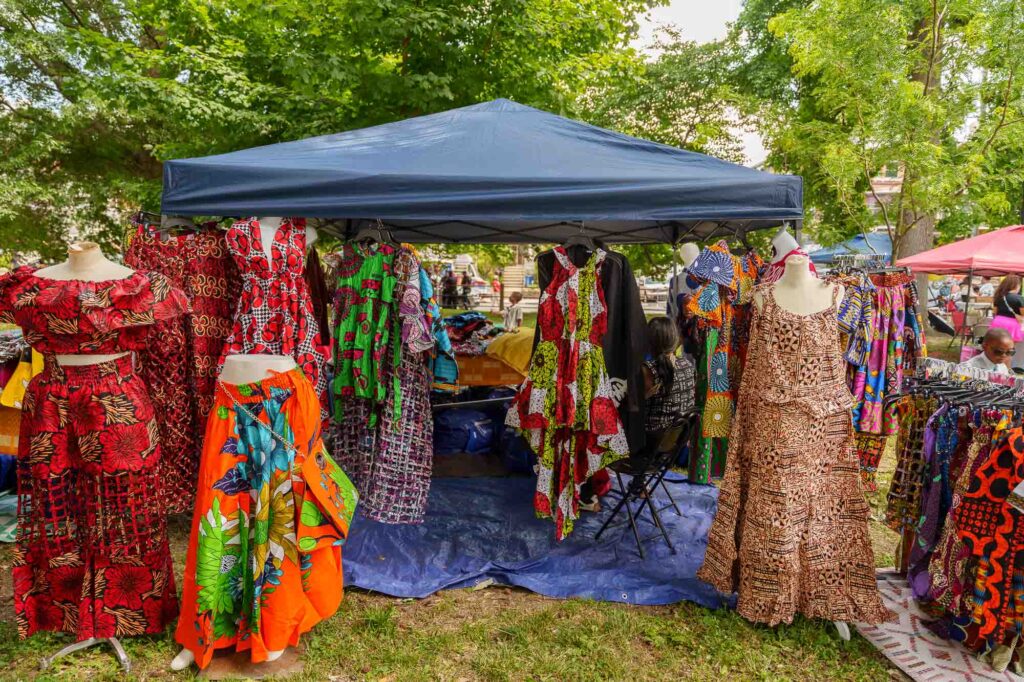
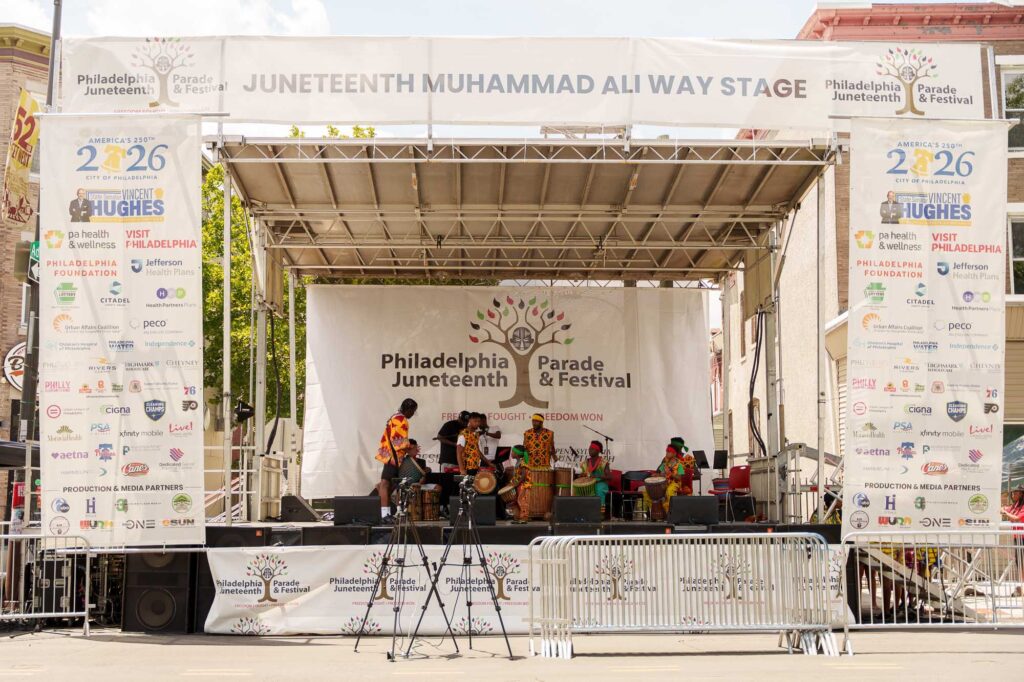
At Malcolm X Park, Black Philadelphia took up space with joy and power. Elders watched from the sidewalk. Children danced in the street. Vendors displayed clothing, jewelry, books, food, and handmade goods. The Muhammad Ali Way Stage carried music into the crowd. Families gathered under the trees to escape the heat. Every part of the day said that freedom is practiced in community.
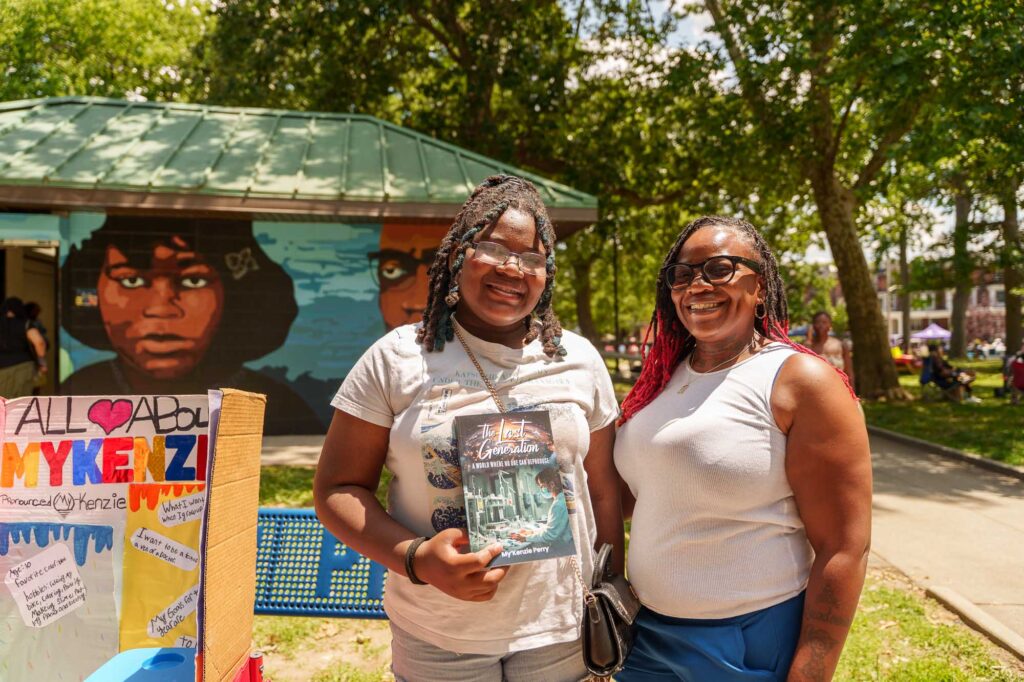
One of the people I spoke with was 10-year-old author My’Kenzie Perry, who was at the festival with her mother, Jessica, sharing her book, The Last Generation: A World Where No One Can Reproduce. Jessica told me she came to the festival to help get her daughter’s work in front of her community.
That moment felt important. My’Kenzie is a child, but she is already creating stories about power, control, trust, resilience, and hope. She stood there as a young Black girl, holding her book in a park named for Malcolm X, during a celebration rooted in the delayed arrival of freedom. If America’s 250th anniversary is also supposed to be about the future of this country, then that future was present with her presence.
For Impacto’s Latino readers, Juneteenth should not feel distant. Our histories are connected through colonialism, slavery, migration, labor, resistance, and the African diaspora. Many of us carry Black ancestry in our families and our traditions, even when our communities have not always been honest about it.
Afro-Latino identity is a part of Latino identity. To be Latino is to come from histories shaped by Indigenous, European, and African roots in different measures and with different wounds. In the Caribbean, Central America, South America, and here in the United States, Blackness has shaped who we are.
That means showing up for Juneteenth is about recognizing our shared responsibility. It is about understanding that our Black brothers and sisters are not only allies in struggle. They are family in the deepest historical sense. Our stories are not identical, but they are tied together by ships, plantations, borders, languages, neighborhoods, and survival.
As a Puerto Rican and Dominican photojournalist covering Juneteenth for a Latino community newspaper, I felt that responsibility. I was not there to claim the day as mine. I was there to witness it, respect it, and help carry the story to readers who need to see that Black freedom is part of all of our freedom.
That is the fuller America we should be talking about in 2026.
Not an America that smooths over its contradictions. Not an America that celebrates independence with one hand while ignoring the people still fighting for dignity with the other. Not an America where freedom is treated as a finished product because it is easier to sell that story on a banner.
A real celebration of 250 years should be brave enough to hold the whole truth. It should honor the Declaration of Independence and Juneteenth. It should remember Philadelphia’s founding role and West Philadelphia’s living communities. It should include Black Americans, Latinos, immigrants, Indigenous people, workers, young people, elders, and everyone who has had to demand the rights this country said were self-evident.
Juneteenth in West Philadelphia was joyful, loud, beautiful, and necessary. If we are going to celebrate 250 years of America, we have to be honest about the people who must keep fighting for the freedom this country claims to believe in.