

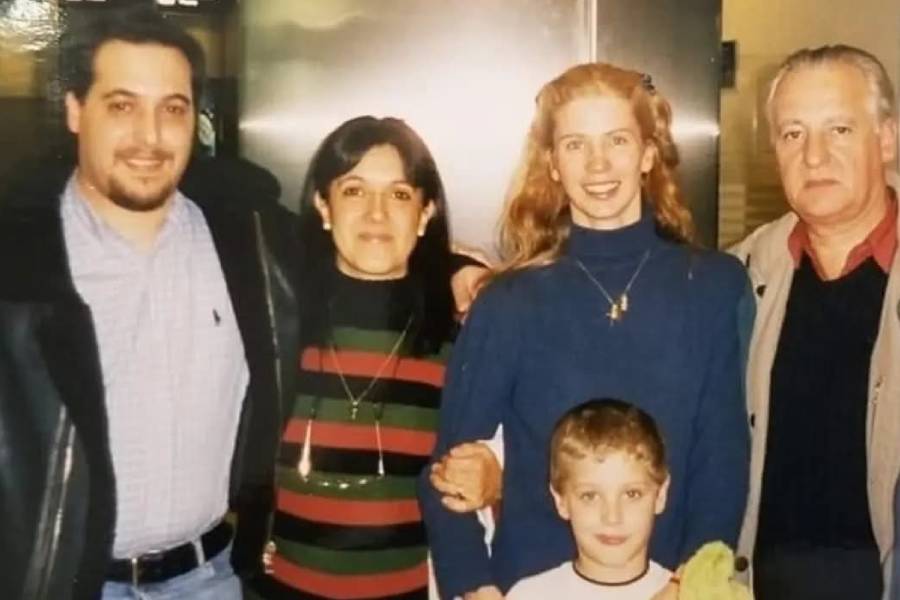
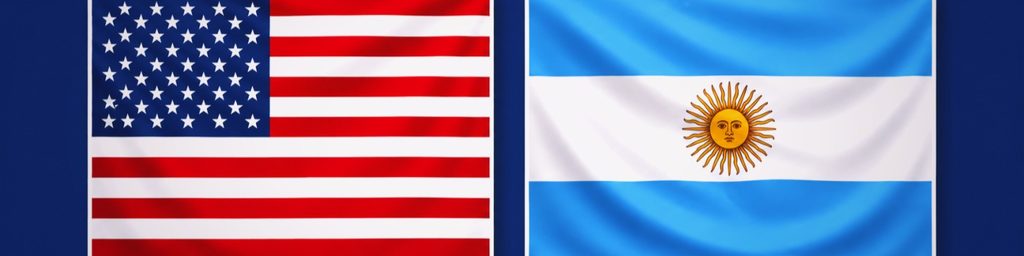
It’s 2002, and I’m in my first-grade classroom in Flushing, Queens. I had just arrived in the United States from Argentina and knew very little about the place I would call home for the next twenty-four years. There was one thing I understood: at the start of every class, everybody stood up, put a hand over their heart, and recited the Pledge of Allegiance. I didn’t know much, but I knew that, in order to fit in, I had to at least learn the Pledge… or act like I knew the words. It was the first thing I learned in English.
My family moved to Bethlehem, Pennsylvania, in 2003, and I carried this ritual with me everywhere I went, including every school function that began with the words, “I pledge allegiance to the flag…” At Donegan Elementary School, I was placed in ESL. By the third grade, I remember being pulled out of class one day and told that I was speaking, reading, and writing English at a more advanced level than my peers. This mastery of the language opened many doors for me. My parents provided my younger brother and me with everything we needed. I was once told that there was never a book beyond my reach.
My collection of books grew taller than I did, and before long I was reading about American history and government, biographies, and everything from fiction to nonfiction. My worldview changed in a remarkably short time. I no longer felt like an outsider, but like someone who understood many of the idiosyncrasies of the nation I called home. My attention turned to the Founding Fathers and to statesmen such as Washington, Jefferson, Madison, and Lincoln… people who helped shape the country I came to know. I learned about checks and balances, the rule of law, the separation of powers, the end of rule by divine right, and the principle that no one was above the law.
As I grew older and experienced the country firsthand through college, different jobs, and travel, I noticed a social landscape that was changing rapidly. Our neighbors seemed to become more insular, customers at work were less patient, and teachers were more fearful of expressing their opinions. I also witnessed a rise in nativist rhetoric, encouraged by opportunistic politicians who often avoided the difficult decisions required by governing. Campaigns of hope and change increasingly gave way to appeals based on fear, anger, and resentment toward the “other.”
Over the course of twenty four years, I began to recognize a growing distance between the America I had encountered in history books and the country I was experiencing around me. I had learned about the nation that produced the Bill of Rights, the Emancipation Proclamation, the New Deal, the Civil Rights Act, and the moon landing. The promise contained in those achievements was real, but I came to believe that the American Dream was too often presented as a guarantee rather than an aspiration that remained unevenly fulfilled. The War on Terror, a global pandemic, and the return of sweeping tariffs exposed tensions and insecurities that the books of my childhood had not prepared me to understand.
What made America great, and what can still make it great, is its people: people driven by the desire to live better than the generation before them; people who confront challenges with ingenuity and innovation; and people who refuse to be held captive by authoritarian currents. Nevertheless, I no longer felt able to continue my own struggle from within the country. As a permanent resident rather than a citizen, the broader political climate made my place in American society feel increasingly uncertain. I worried that a classroom lesson departing from the accepted political discourse might invite official scrutiny. I feared that publishing an article criticizing those in power could attract government attention and produce immigration consequences. I also worried that an innocent mistake or inconsistency in an immigration record from years earlier might someday be interpreted or used against me. Whether or not those fears would have materialized, they shaped how safely I felt I could teach, write, and participate in public life. Rights that I understood to be protected under American law began to feel less secure in practice.
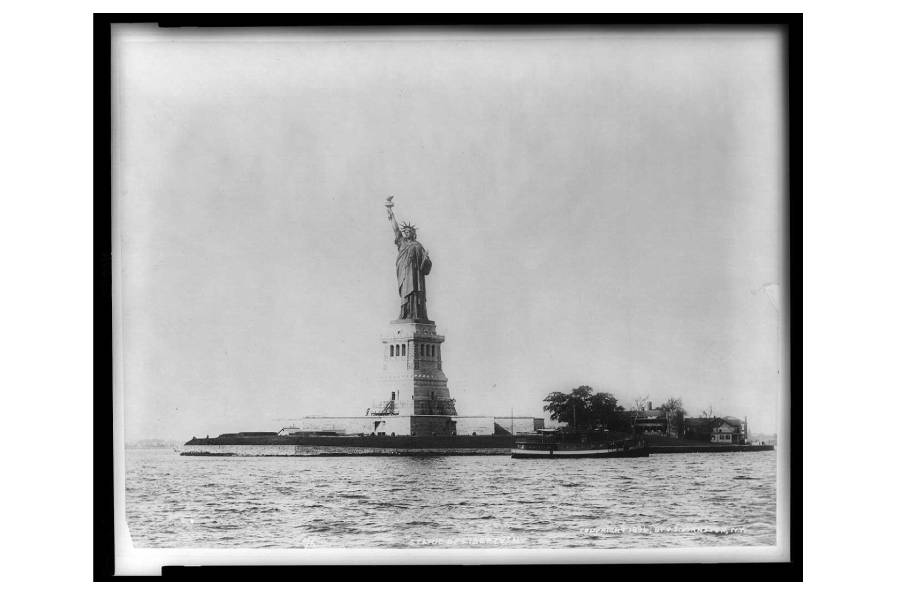
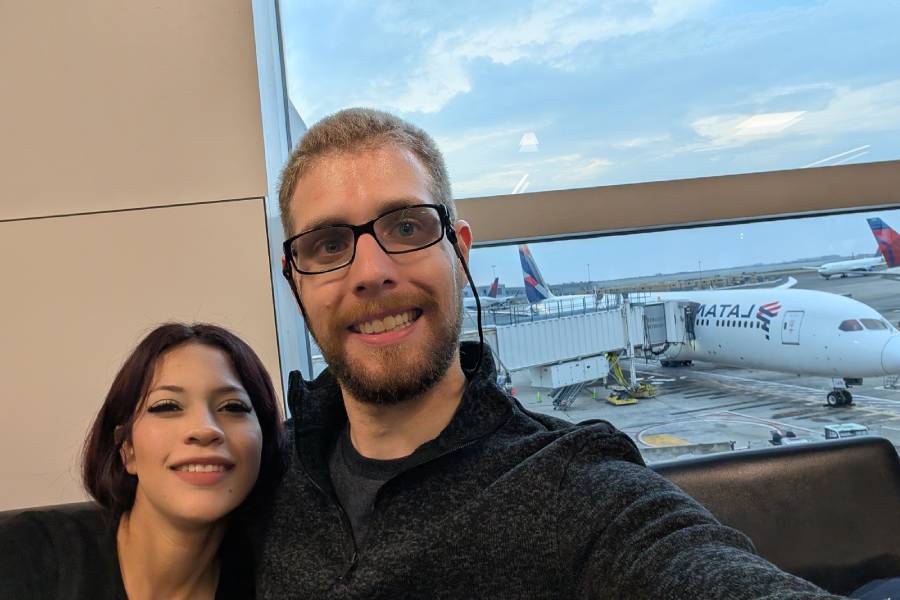
I could no longer live in a country I didn’t recognize, a country that, I felt, could no longer fully see me as one of its own. In July 2002, I arrived at JFK. In July 2026, I departed from the same airport, uncertain when I would again see Lady Liberty raise her mighty torch over the horizon. That statue once welcomed people of all classes and creeds, and I retain faith that the words of Emma Lazarus will stand the test of time: “Give me your tired, your poor, your huddled masses yearning to breathe free.” America the Beautiful, may your torch shine brightly once again.