


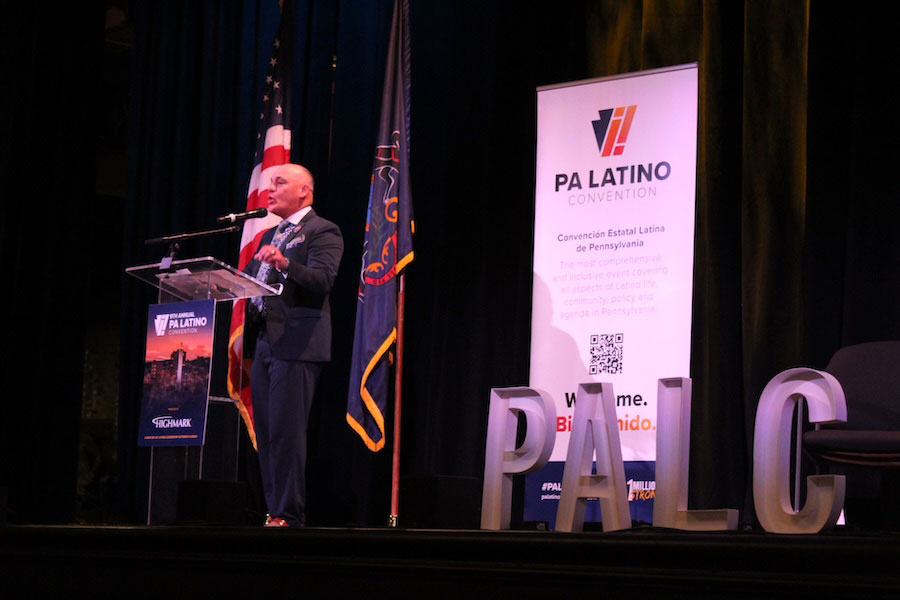
Easton, PA – The awards were presented. The applause filled the room. Photos were taken, panels ended and the ninth annual Pennsylvania Latino Convention came to a close in Easton.
Then came the harder question: what happened after the recognition?
That question connected the perspectives of Norman Bristol Colón, founder and chairman of the Pennsylvania Latino Convention, and Dr. Damary Bonilla Rodríguez, PALC’s chief content officer. Both looked beyond the convention itself and toward what recognition, relationships and visibility were supposed to produce once participants returned home.
“We have a policy-driven agenda,” Bristol Colón said. For him, a successful convention could not be measured only by attendance or a full room. The stronger measure would come later, when PALC looked back at the issues raised, the relationships created and the commitments that moved forward.

“When we go back and write a policy paper, in that policy paper is when we see how much we have accomplished,” he said.
The Sept. 20–22 convention brought together students, professionals, community organizations and public leaders around education, health, economic development, civic participation, culture and leadership. Over three days, participants built networks, exchanged ideas and recognized emerging leaders from across Pennsylvania.
Bonilla Rodríguez approached the same question through the people being recognized. After watching PALC’s 20 Under 40 honorees, she said one quality repeatedly stood out: resilience. “Everybody who is being honored has had to overcome challenges,” she said.
For Latina professionals, however, resilience and a willingness to help could carry a complicated cost. “We are so good at helping people,” Bonilla Rodríguez said. “We are so good at managing from complex issues to simple things.”
That ability could make Latina women the people everyone turned to when something needed to be organized, fixed or carried across the finish line. But being trusted to solve problems did not always mean being trusted to make decisions.
“We don’t end up with the titles or the pay, or the recognition that we deserve,” she said.
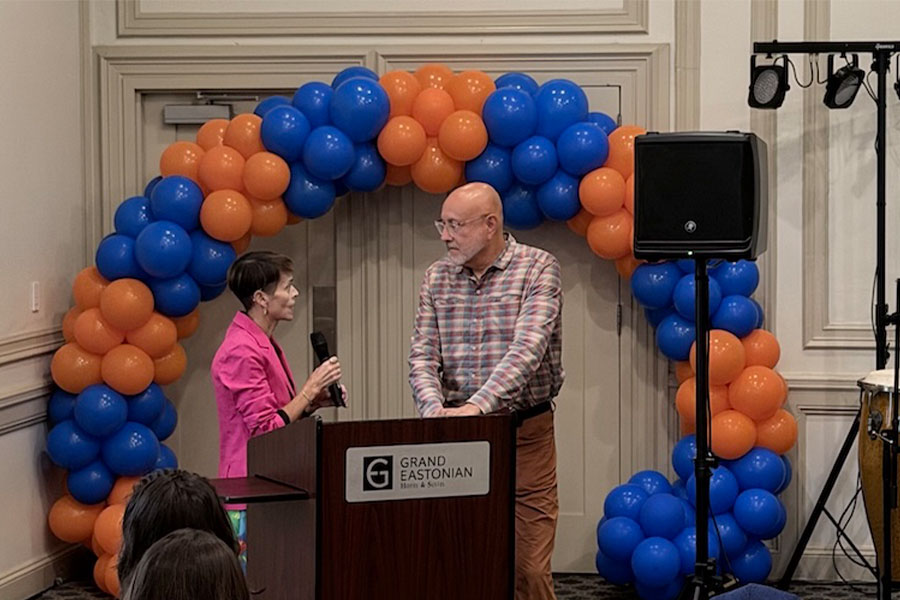
Bonilla Rodríguez said advancement required more than telling women to work harder. She pointed to mentorship, coaching and sponsorship as different forms of support that could help professionals move from dependable support roles into positions with greater authority. Without those relationships, someone could remain highly visible for what she contributed while still being overlooked when leadership opportunities opened.
That was where the convention’s recognition of emerging leaders became more than an awards moment. PALC’s 20 Under 40 program honored professionals from across the state, but the larger question was whether recognition could become access: a new relationship, a mentor, a sponsor, a collaboration or an invitation into a room that had previously been out of reach.
Bristol Colón described the group as “a very diverse group.” Bonilla Rodríguez described the relationship-building process as planting seeds. The value of those connections, in their view, would not be determined on the stage but by what grew from them afterward.
By the time the convention ended, the applause had already done its job. It had recognized people who had worked, served and led. The next test was whether the momentum created in Easton would continue after the rooms emptied.
For Bristol Colón, that meant being able to point to measurable progress. For Bonilla Rodríguez, it meant seeing talented professionals, particularly Latinas who had spent years supporting others, gain the networks, sponsorship and authority needed to move from helping decisions happen to actually making them.
The question was not whether the convention had created a moment. It was whether that moment would change who gained access to opportunity afterward.
Together, their perspectives turned recognition into a larger question about leadership. The strongest measure of a pipeline might not be who stood on a stage receiving applause. It might be who entered the rooms where decisions were made after the applause ended.