

The Pennsylvania Latino Convention brought students, educators, entrepreneurs, professionals, elected officials, organizers and community leaders to Easton for three days of policy discussions, professional development, cultural celebration and conversations about the future of Pennsylvania’s Latino communities.
The ninth annual convention was held under the theme “One Million+ Strong: Championing the PA Statewide Latino Agenda.” Its programming covered education, health, economic development, workforce mobility, civic engagement, legal access, culture and leadership – reflecting PALC’s goal of addressing multiple parts of Latino life across the Commonwealth.
Rather than focusing on one city or one issue, the convention created space for discussions involving communities across Pennsylvania and brought together established leaders with students and young professionals preparing to become the next generation of leadership.
Leadership, dialogue and statewide connection
PALC opened Sunday with the Aguacate Summit, a series of leadership training and strategic conversations centered on education policy, health policy and community and economic development.
The opening day continued with the Chairman’s Reception, “Celebrando Nuestra Herencia Hispana,” which brought attendees together for networking, music, traditional games and cultural celebration. By Monday morning, the convention shifted into a full schedule of professional development, networking and educational programming. The Pennsylvania Latino Expo connected attendees with organizations working in health and wellness, education, business and community services. At the same time, the ninth Pennsylvania Hispanic College Fair brought high school students into the convention for college-readiness programming and a youth plenary titled “Your Voice, Your Vote, Your Power: Youth Advocacy in Action.”
Throughout Monday and Tuesday, the Avanzando: Latino Professional Development Series offered concurrent workshops and panels addressing different stages of professional and community life.
Key highlights included:
• Education programming explored higher-education readiness, family voices in schools, student belonging, bilingual education and pathways to doctoral degrees for Latino educational leaders.
• Health sessions addressed dementia awareness, children’s care and unequal health outcomes affecting Latino communities.
• Community and economic development conversations focused on small-business marketing, artificial intelligence, housing, entrepreneurship, wealth-building and the ecosystem supporting Latino businesses in Pennsylvania.
• Workforce and economic mobility sessions examined pathways to progress and Latino economic prosperity.
• Legal and inclusion programming included a discussion of the criminal court system and a session on equity-centered organizational capacity building.
• Politics and civic engagement sessions explored the Census, redistricting and the development of Latino civic participation across Pennsylvania’s 67 counties.
Representation and civic participation
Political representation was one part of the broader agenda.
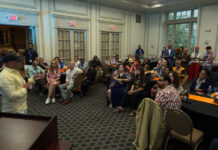
A session led by Dr. Carol Kuniholm, chair and co-founder of Fair Districts PA, examined the U.S. Census and redistricting. Later, a Mayor’s Roundtable brought local government leaders into a conversation about public service and leadership. On Tuesday, PALC expanded that discussion with “67 Counties, 1 Voice – Building Latino Political Power Across Pennsylvania,” moderated by Susan Baida of Latine Unidos of Western Pennsylvania. The session examined local organizing, leadership development and civic infrastructure beyond Pennsylvania’s largest Latino population centers. At Easton City Hall, the Pennsylvania Legislative Latino Caucus and House Majority Policy Committee also co-hosted a public hearing on the state of Pennsylvania’s Latino community. State lawmakers heard a data-driven overview of social, economic, educational and civic conditions affecting Latino residents. The hearing connected conversations taking place inside the convention with the state legislative process, while other PALC sessions focused on how residents can participate locally and build relationships with public institutions.
Culture, identity and belonging
PALC’s agenda also reflected how culture shapes the way communities understand leadership and public life.
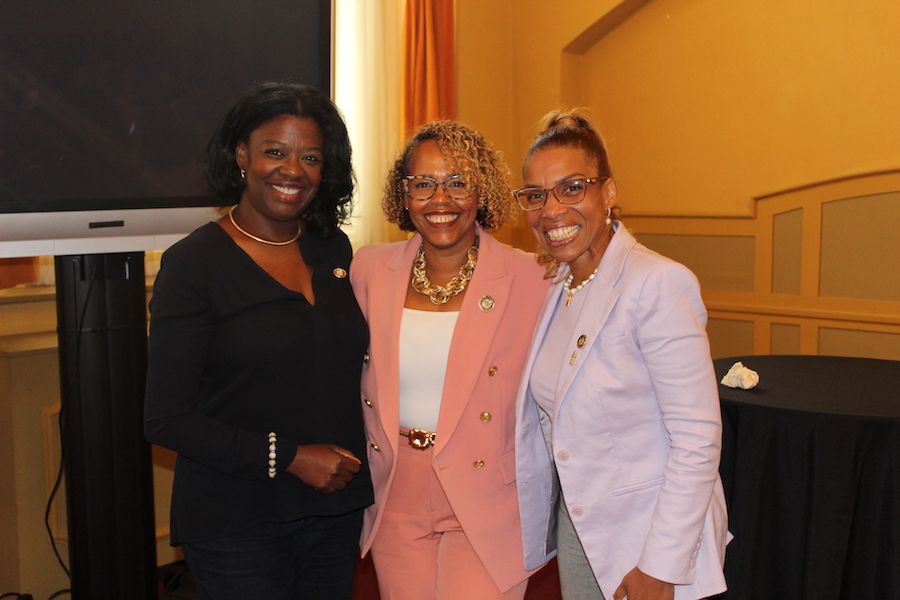
During “From Beats to Ballots: Cultural Disruption, Political Consciousness, and Latino Visibility in the Era of Bad Bunny,” panelists explored the connections among music, identity, cultural visibility and civic consciousness. The discussion was moderated by Rafael Collazo of UnidosUS Action Fund and featured Carol Obando-Derstine and Yemele Ayala. A separate fireside conversation, “Women Leading in the DEBI Space,” brought women leaders together to discuss diversity, equity, belonging, inclusion and the realities of advancing that work inside institutions.
Together, those conversations broadened the convention beyond traditional definitions of policy by examining how identity, representation, belonging and culture affect everyday experiences.
Celebrating Latino leadership
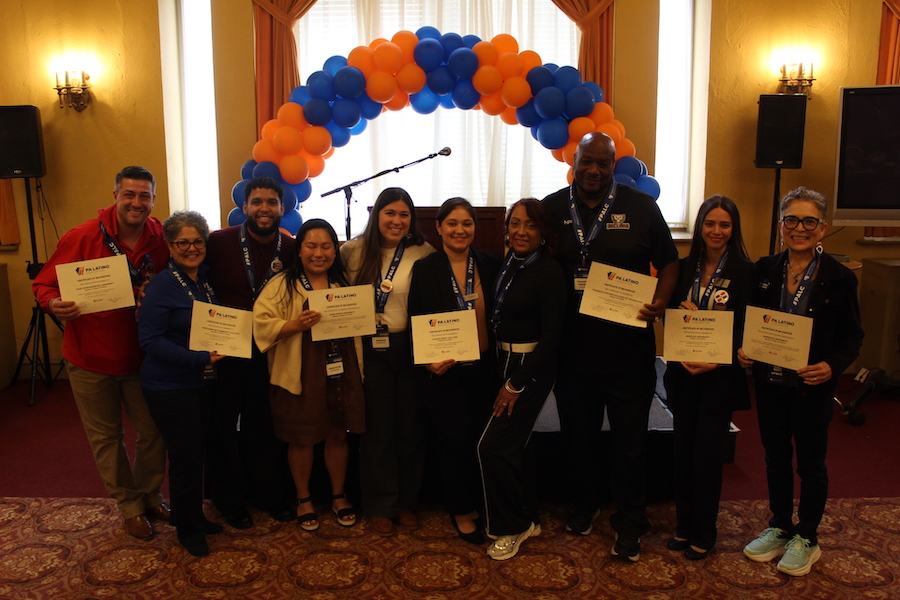
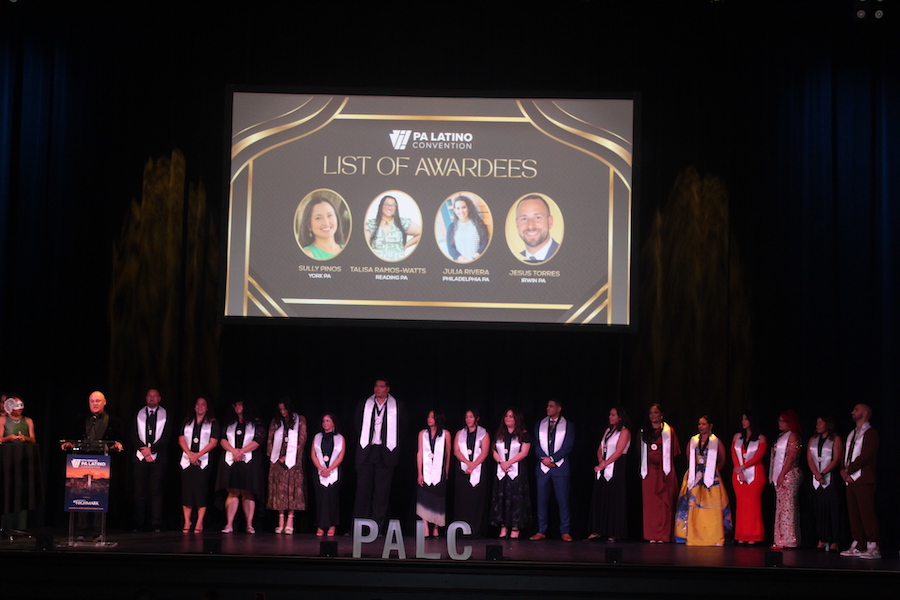
The convention concluded Tuesday evening with the State Official Hispanic Heritage Month Gala, A central part of the evening was the recognition of the 2026 20 Under 40 Latino Pennsylvanians, honoring emerging leaders working in communities across the state. The honorees represented Lancaster, Philadelphia, Harrisburg, Pittsburgh, Reading, Bethlehem, York, Macungie and other Pennsylvania communities. Their professional backgrounds included education, government, architecture, mental health, legal services, business development, nonprofit leadership and community advocacy. The recognition reflected one of the larger ideas running throughout PALC: Pennsylvania’s Latino leadership is not coming from one profession, one community or one part of the state.
The gala ended with music, dancing and a traditional after-party, closing three days that combined serious policy conversations with celebration of culture and achievement.
Convention outcomes and what comes next
PALC 2026 created connections across sectors that do not always share the same room – students and educators, entrepreneurs and lenders, elected officials and organizers, health professionals, nonprofit leaders and emerging professionals. Its official mission describes the convention as a space to empower, educate and celebrate while encouraging Pennsylvanians to participate in leadership development and engage with research, data and policy affecting Latino communities.
The next step comes after Easton.
The conversations now move back into schools, businesses, nonprofits, government offices and neighborhoods across Pennsylvania. The college student who met a mentor has to remain connected. The entrepreneur who discovered a resource has to be able to access it. Organizations that met in Easton have an opportunity to continue collaborating. Policy discussions will have to move from conference rooms into longer-term work.
PALC 2026 celebrated how much Pennsylvania’s Latino communities are already contributing.
It also made clear that the statewide conversation is still being built.