

Easton, PA – What does it mean to be Latino in Pennsylvania at this moment, and what will it take to build a stronger future together?
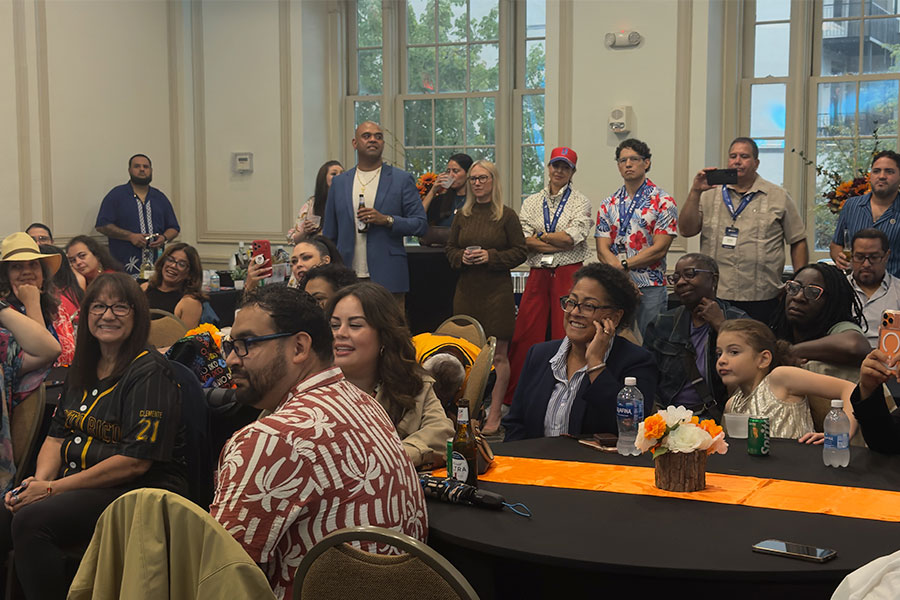
That question shaped the opening day of the 2026 Pennsylvania Latino Convention on Sunday in Easton, where the three-day gathering began not simply with celebration, but with conversation about some of the most pressing issues affecting Latino communities across the Commonwealth.
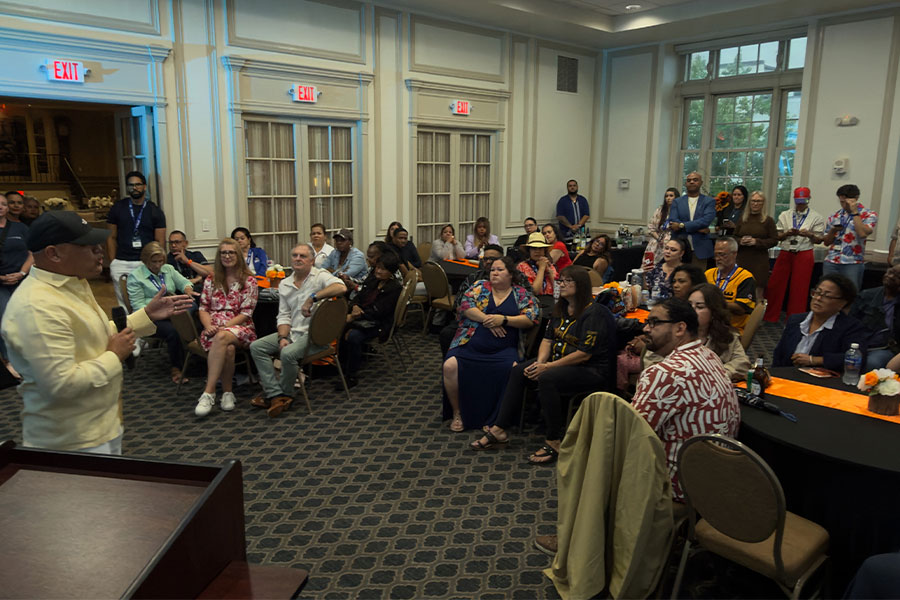
The Aguacate Summit opened the convention with Leadership Training and Strategic Sessions centered around four interconnected areas: leadership, education, health, and community and economic development.
Rather than treating those issues as separate conversations, the summit challenged participants to consider how they overlap and what strategies can be built when community members, professionals, organizations and leaders begin working across sectors.
The message throughout the afternoon was clear: talking about the problems facing Latino communities is not enough. The larger question is what happens after the conversation.
What are the action steps? Who needs to be involved? What information is missing? And how can Latino communities across Pennsylvania better share resources, opportunities and knowledge with one another?
The Community and Economic Development Policy Conversation raised questions about the continued growth of Latino entrepreneurship and what is necessary to ensure that growth translates into long-term stability.
Starting a business is one thing. Sustaining it is another.
The conversation moved toward access to capital, financial education, business ownership, community investment and the importance of building systems in which Latino-owned businesses support one another rather than viewing neighboring businesses only as competition.
That creates a larger economic question for the community: where are our dollars going?
If Latino businesses are growing, how can that growth create jobs, develop future entrepreneurs, build household wealth and generate opportunities for the next generation? How can established businesses mentor emerging ones? And how can communities make sure available programs and resources are actually reaching the people they were created to serve?
Those questions also connect directly to leadership.
Leadership Training and Strategic Sessions encouraged participants to think beyond individual success and consider the responsibility of building pathways for others. Leadership is not simply having a title or being present in important rooms. It also means sharing information, making connections, creating opportunities and helping communities understand the systems that affect their everyday lives.
That became especially important during the Health Policy Conversation.
Participants discussed how changes in health care and public benefit systems can create confusion for families, particularly when eligibility requirements, immigration status, language barriers and access to information intersect.
The conversation underscored that a resource can technically exist and remain inaccessible.
If people do not understand a program, cannot receive information in their language or do not know where to ask for assistance, the existence of that resource does not necessarily mean the community can benefit from it.
That is why communication and education became recurring themes throughout the summit.
The Education Policy Conversation looked beyond traditional classroom instruction and toward the larger process of preparing future generations.
How do young people learn about college, careers, entrepreneurship and professional opportunities when their families may not have previously navigated those systems? How do communities expose students to possibilities earlier? And how can education include mentorship, financial literacy, workforce development and real-world preparation?
Not everyone will follow the same educational path, but building a sustainable community requires creating multiple pathways toward stability and opportunity. That means preparing students for higher education while also recognizing entrepreneurship, workforce training, technical careers and other routes toward economic independence.
Across each conversation, a common theme emerged: access to information matters, but relationships determine how far that information travels.
A convention creates the opportunity to bring people into the same space, but the real measure of its impact comes afterward.
Who exchanges information? Who follows up? Who builds partnerships? Who takes what was learned in Easton and brings it back to Philadelphia, Reading, Allentown, Bethlehem, Lancaster, the Poconos and communities throughout Pennsylvania?
Those questions will continue throughout the Pennsylvania Latino Convention.
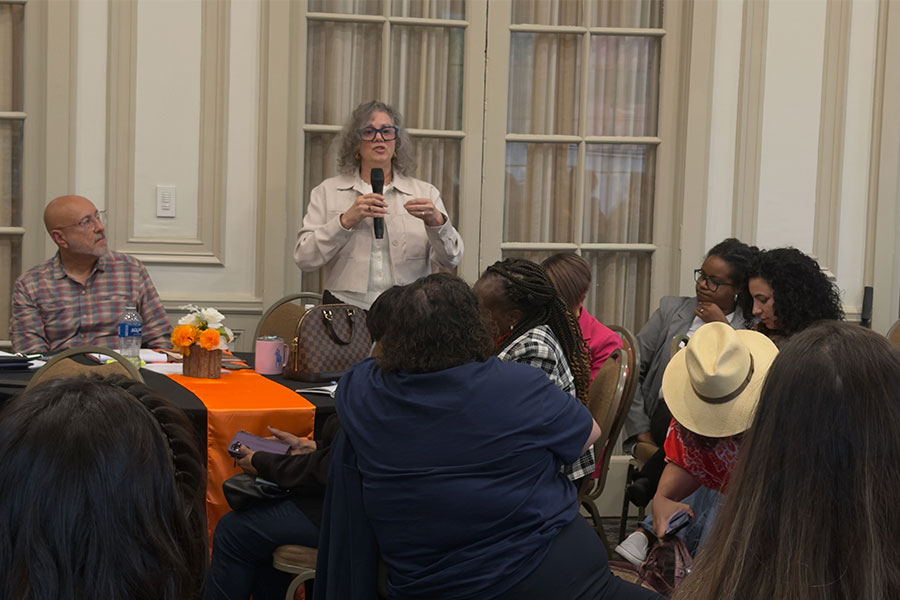
Sunday’s Aguacate Summit did not attempt to solve every challenge facing Pennsylvania’s Latino communities in a single afternoon. Instead, it established a framework for the conversations ahead: educate one another, strengthen leadership, build healthier communities, support economic development and turn discussion into strategy.
The convention will continue bringing together different experiences and perspectives over three days, but Day One established the challenge that sits underneath them all.
Latino communities across Pennsylvania are growing, building businesses, entering new industries, pursuing education and creating institutions.
The question now is how that growth becomes sustainable community power.
The Aguacate Summit began that conversation.
The next step is action.