

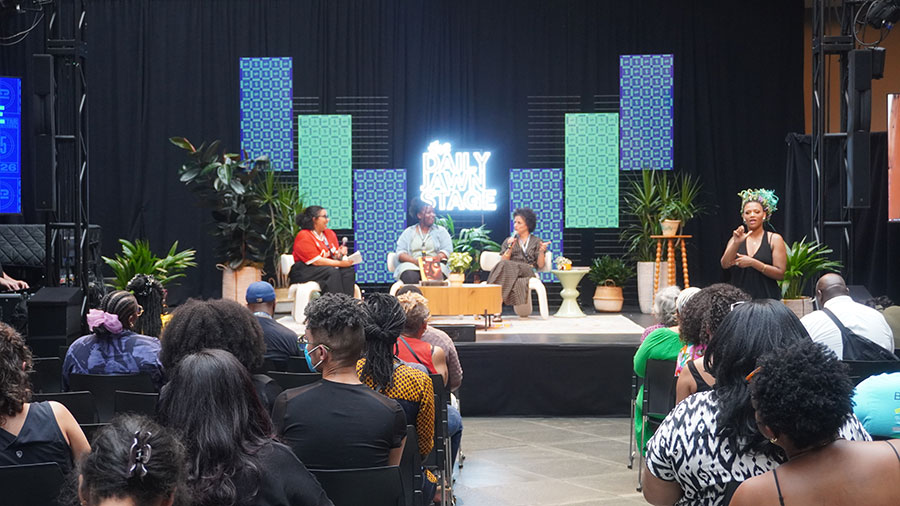
From August 6 to 9, Philadelphia once again became a gathering place for stories from around the world during the 15th edition of the BlackStar Film Festival, one of the city’s most distinctive cultural events.
Produced by BlackStar Projects, the festival celebrates the visual and storytelling traditions of Black, Brown, and Indigenous communities across the globe. This year, it showcased 91 films from more than 30 countries, reaffirming its place as one of Philadelphia’s premier independent film festivals. Screenings were held at the Kimmel Center, Suzanne Roberts Theatre, and The Wilma Theater, all conveniently located along the Avenue of the Arts.
One aspect I particularly appreciate about BlackStar is its hybrid format. The ability to combine the in-person experience with a curated online selection allows audiences to build a more flexible schedule and discover films that might otherwise be missed because of overlapping screenings.
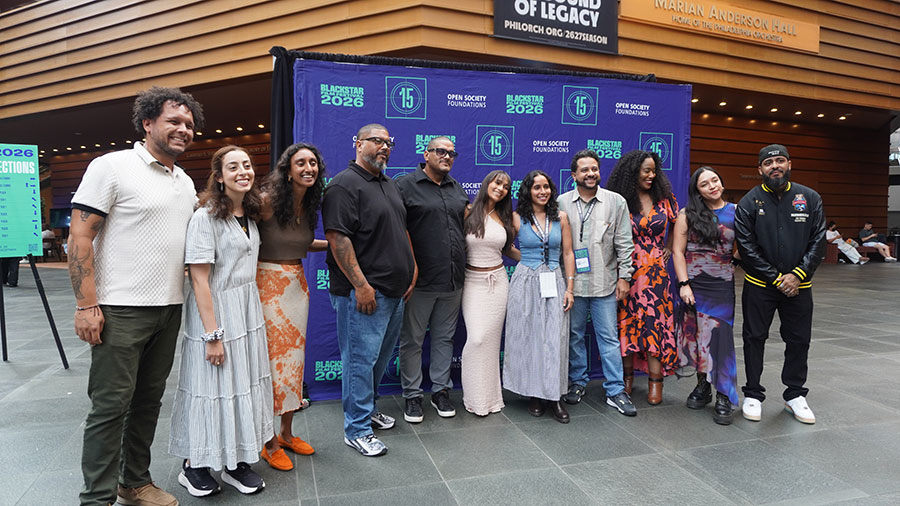
My relationship with the festival began in 2023, when I attended a screening of La Lucha and interviewed its filmmakers before the film. In 2024, I accompanied Kristal Sotomayor during the presentation of her documentary short Expanding Sanctuary, and in 2025 I returned for the premiere of Las cosas que brillan. Coming back this year reinforced what attracted me to BlackStar in the first place: it offers a home for stories that rarely find space in commercial cinema while giving audiences an opportunity to engage with cultures and perspectives from around the world.
One of my favorite features was Becoming Human (Chiet Chea Manusa), directed by Cambodia’s Polen Ly. The film presents a visually mesmerizing journey supported by remarkable cinematography. At times, it reminded me of Pixar’s Soul in its exploration of the human experience before birth, though its approach is far more contemplative and freer from Disney’s familiar narrative framework.
From Nigeria came Call of My Life, directed by Dammy Twitch, a charming romantic comedy that I ended up watching twice. The experience served as a reminder of why theaters still matter. Watching the film with a live audience amplified every laugh and emotional beat, while revisiting it on television, highlighted how much is lost when that collective energy disappears.
Among the short films, ChikaBOOM!! by C. Craig Patterson stood out as a delightful story about perseverance. Its animation, tactile textures, and visual craftsmanship make it one of those rare films that can genuinely be enjoyed by viewers of all ages.
Another personal favorite was Tell Me When You Get Home by Tshay Meade, a moving reflection on identity, ancestry, and the invisible connections that persist with loved ones we never truly had the chance to know.
Treasure Island (L’Île au trésor), directed by Miryam Charles, explores the experiences of Haitian immigrant families in Canada. Through humor and the sincerity of its young protagonists, the film reflects on belonging while navigating the feeling of being an outsider.
A similar sense of intimacy defines We Act Like Children (Abinoojiikaasmin) by Evelyn Pakinewatik. Centered on two siblings arguing during a camping trip, the film captures dialogue so natural that it often feels less like a scripted narrative and more like a preserved family memory.
Among the documentaries, Zenón and the Rebel Boats by Juan C. Dávila Santiago was particularly illuminating. Chronicling more than five decades of activism in defense of the people of Vieques, Puerto Rico, the film reminds viewers how much there is still to learn about struggles that have unfolded much closer to home than many realize.
I also watched Mickey, directed by Mexican filmmaker Dano García. It is the third recent film I have seen exploring the trans experience, following La Red by Juan David Cortés Hernández and NIÑXS by Kani Lapuerta. García’s film is the most experimental of the three from an artistic perspective, yet all share a common thread: a confrontation with mortality. What ultimately distinguishes their protagonists is the love, community, and support they receive along their journeys.
BlackStar is often described as «Philadelphia’s Sundance.» While the comparison helps convey its importance within the independent film landscape, the festival has developed a distinct identity of its own. Its programming consistently embraces films outside the mainstream while maintaining exceptional artistic standards and encouraging meaningful conversations about identity, memory, and social justice.
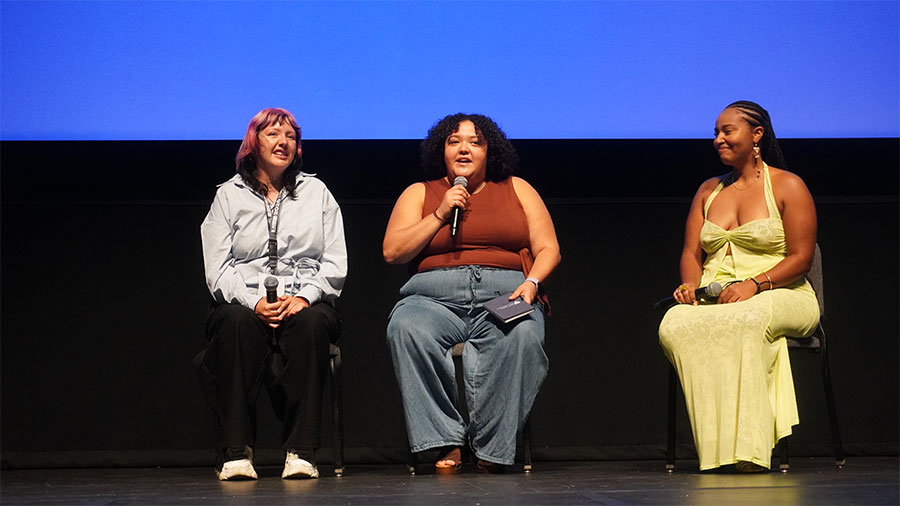
A colleague once remarked that BlackStar attendees seem to share a distinctive sense of style and cultural identity. After spending several days moving between festival venues on Broad Street, I understood exactly what she meant. You notice it in the conversations, the fashion, and the atmosphere surrounding the screenings, not as an expression of exclusivity, but as an authentic celebration of diversity and creativity.
BlackStar introduces audiences to stories from Cambodia, Nigeria, Canada, Puerto Rico, Mexico, and countless other places around the world. Languages, cultures, and circumstances may differ, but the emotions remain universal: love, family, loss, memory, and the search for belonging.
Recognizing both our differences and our shared humanity is a privilege that few festivals can offer. In the City of Brotherly Love, BlackStar has established itself as one of Philadelphia’s most valuable cultural events for anyone seeking to experience the world through a different lens.