

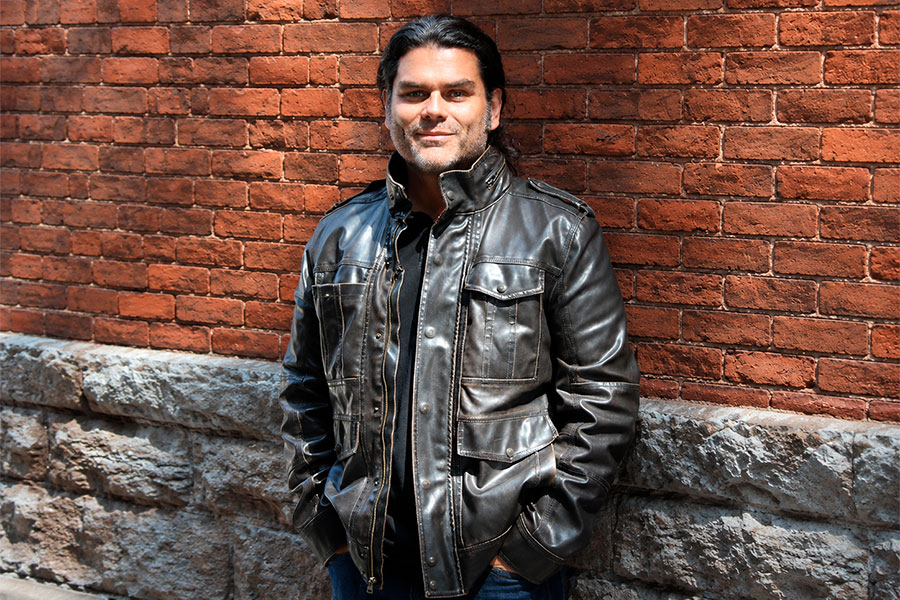
Philadelphia, PA – Mike Hawthorne’s story begins with a mother from Santurce, a curse at the door, and a childhood spent moving between fear and survival.
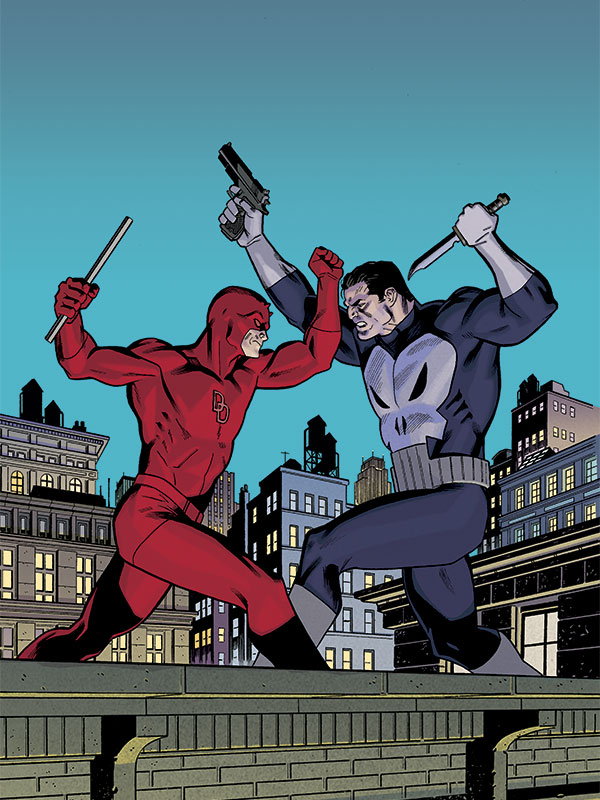
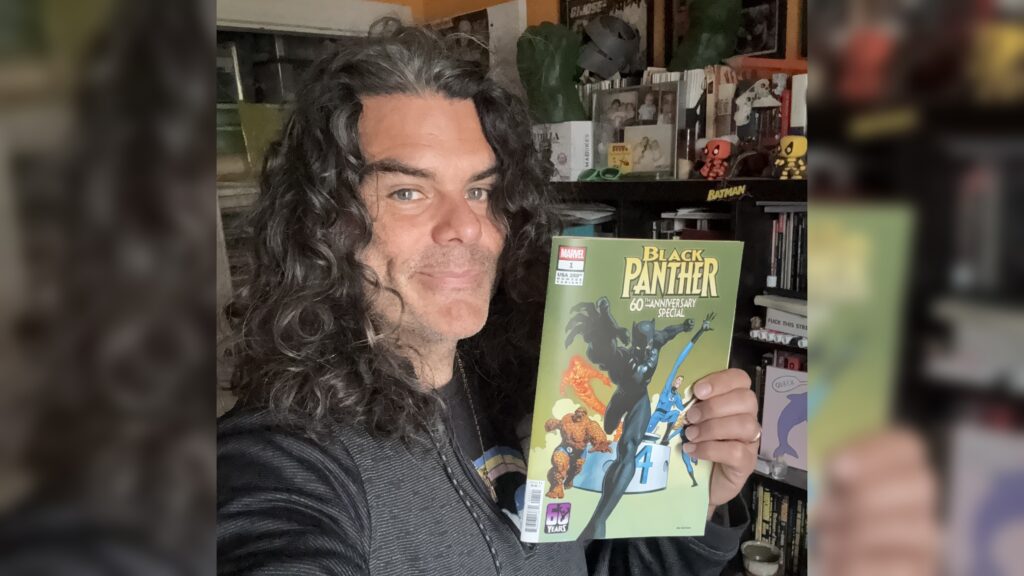
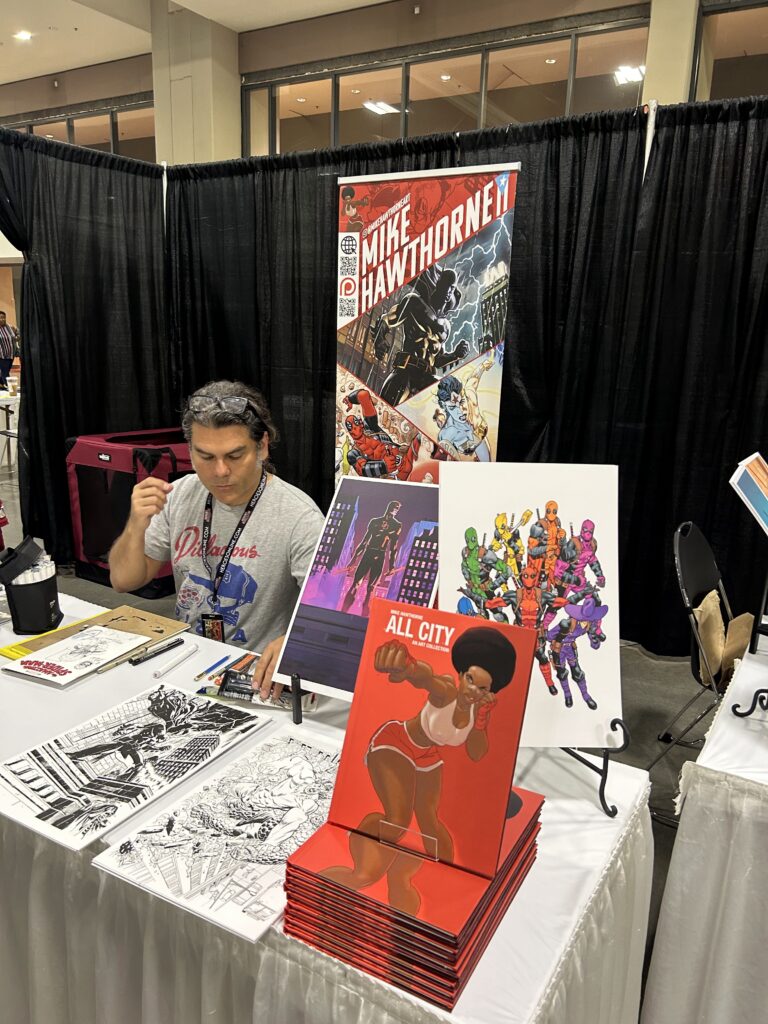
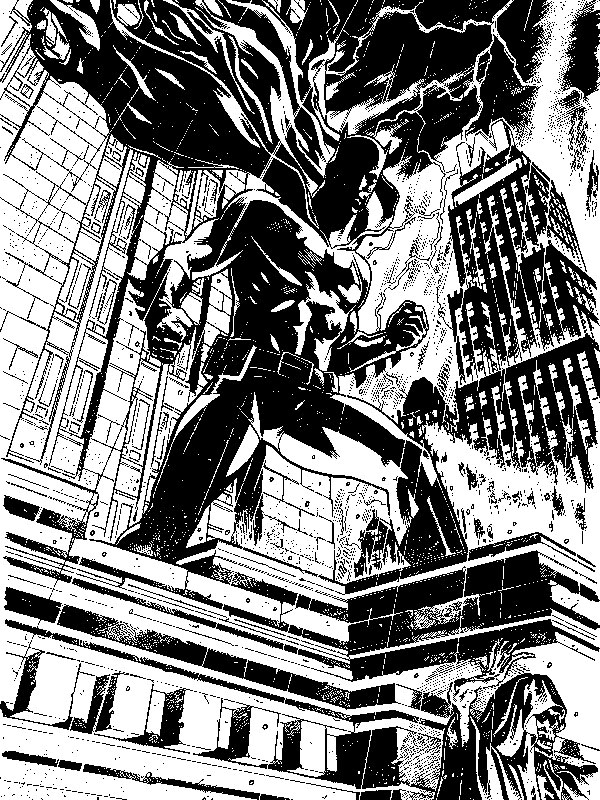
In a Zoom interview, the Puerto Rican artist reflected on his career, his graphic memoir Happiness Will Follow, and what it means to bring Latino and Puerto Rican memory into American visual culture. An Eisner and Harvey Award-nominated cartoonist and illustrator, Mike is known for drawing some of the biggest names in comics, including Deadpool, Spider-Man, Batman, and La Borinqueña. Across that work, he has spent his career placing Latino faces into worlds where they were too often missing.
His work is a meaningful contribution to this special Impacto edition highlighting Latino contributions within the context of the United States’ 250-year history. The artist created the cover and back cover, contributing Puerto Rican talent to a commemorative issue that reflects a country shaped by multiple cultures, Hispanic and Latino.
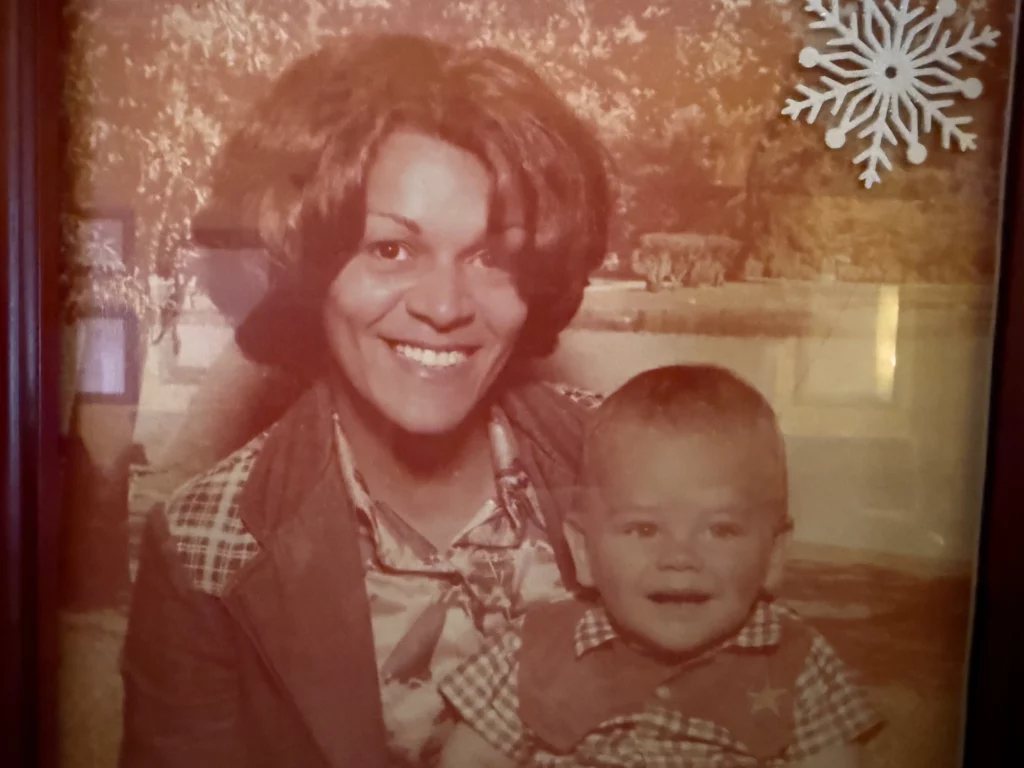
For Mike, that history begins with his mother, Blanca Iris Otero.
“I grew up Puerto Rican,” Mike said. “My mother was from Santurce.”
Blanca came to New York as a teenager, a small Afro-Latina woman who did not speak English when she arrived. She gave birth to Mike in 1975, then left the city after she believed a curse had been placed on him. They later lived in Lancaster and York, where he grew up in deep poverty before moving to Philadelphia in 1993 to study fine art at Tyler School of Art.
In Happiness Will Follow, published in 2020, Mike tells the story of growing up with Blanca, including poverty, spiritual fear, Santería, Catholicism, abuse, love, and the complicated ways survival can shape a family. Through it all, he is careful not to flatten his mother into a villain.
“I would remind people to think of how vulnerable you may have felt in a situation at any point in your life,” Mike said. “Now imagine how this physically very small, dark-skinned Latin woman who didn’t speak English as her first language would have felt coming to this country and all the obstacles placed in her way.”
Blanca’s story reflects Puerto Rico’s position within the United States. She was an American citizen, but she did not receive meaningful support when she needed it most.
“This was just a really desperate situation for a woman who had absolutely no resources,” he said. “I tried to make her a sort of stand-in for Puerto Rico itself.”
That connection gives Mike’s work a clear place in America’s 250th anniversary. The United States often tells its history through presidents, wars, and founding documents. Mike’s work points toward another archive: mothers who migrated, children who carried inherited memories, families who survived poverty, and artists who turned those memories into something others could finally see.
The memoir was not easy for him to make. After a complicated first publishing process, Mike got the rights back and sat on the book for nearly a decade.
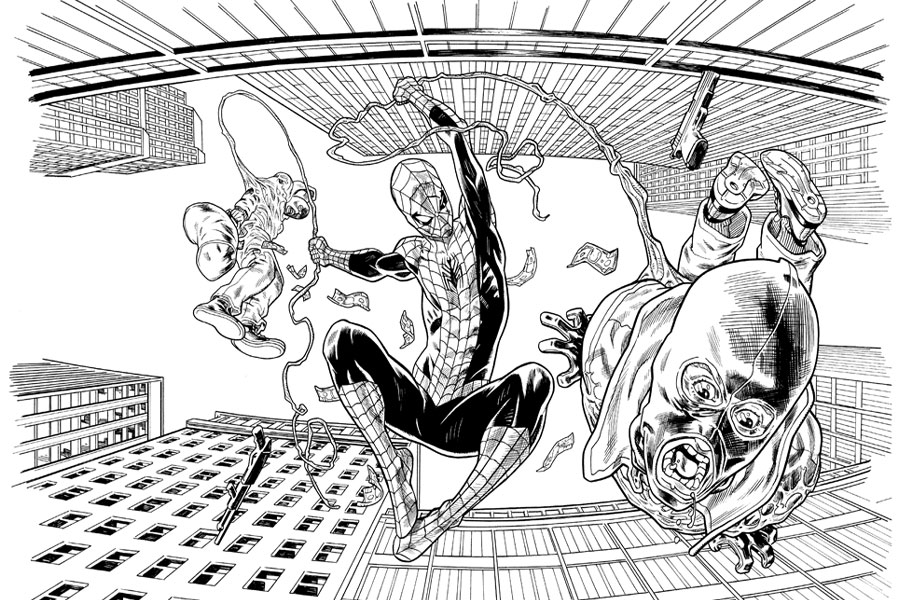
“I was comfortable being a little cowardly in my work,” Mike said. “It’s easy to draw Spider-Man or Batman, as there’s not much of you in it.”
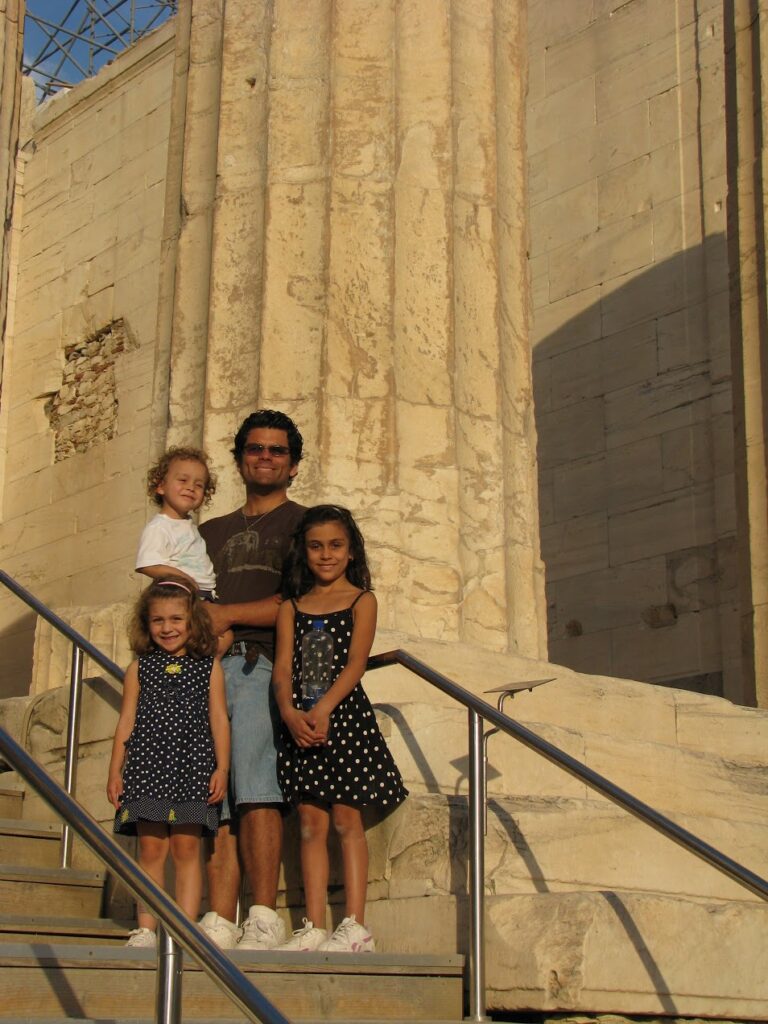
Eventually, Happiness Will Follow found its way to BOOM! Studios’ Archaia imprint. The title came from looking back at what had survived the years of grief and uncertainty. Blanca passed away before she could meet the family Mike would build with his wife, Despina, and their children, Sophia, Maria, and Michael, but he said she still shaped the life he was able to create.
“Her sacrifices were for something,” he said.
Mike’s Puerto Rican identity reaches beyond memoir. From the beginning, he pushed Latino presence into mainstream comics, even when the industry and culture around him did not always make it easy.
As a teenager, after being accepted into the Pennsylvania Governor’s School for the Arts, Mike told a teacher the news. The teacher asked whether he was the best applicant or simply the best Puerto Rican applicant.
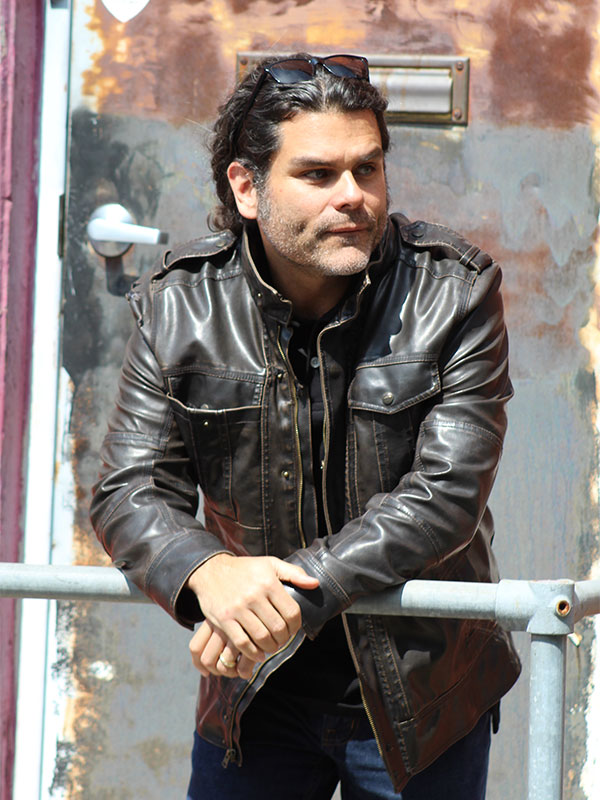
“It was like he punched me in the stomach,” Mike said.
Early in his career, Mike knew opportunities for artists of color were often treated as favors rather than earned achievements. Instead of stepping away from his identity, he found ways to bring Latino characters and faces into the work.
In Deadpool, Mike helped create Massacre, a Mexican version of the character who speaks Spanish. He also designed Deadpool’s daughter to resemble Sophia and based the character’s grandmother on Blanca.
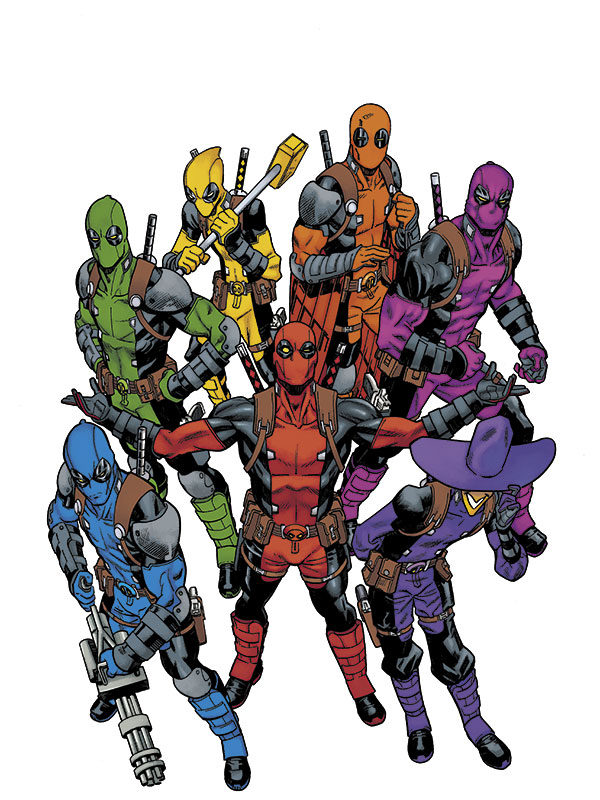
“I was trying to normalize Latin faces in these stories,” Mike said. “I did not want Latin characters where it was playing to some silly stereotype.”
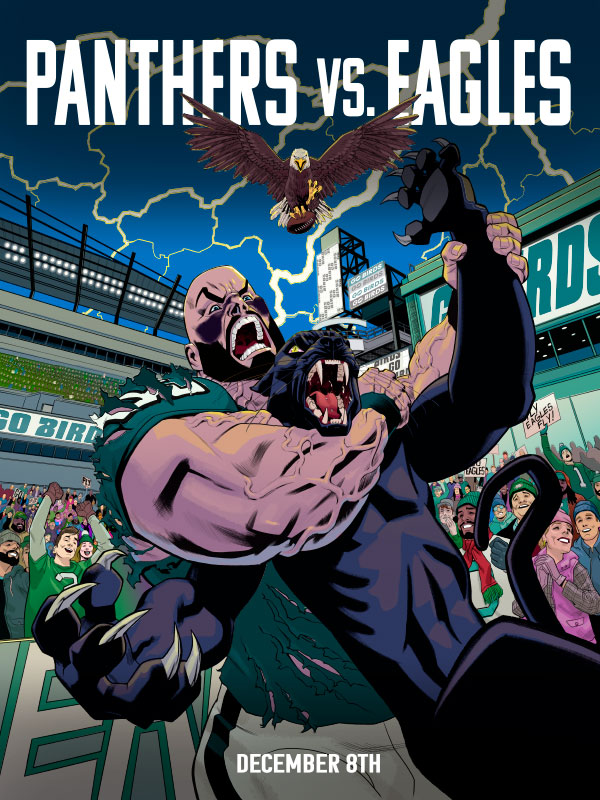
For Latino and Puerto Rican readers, seeing someone like Mike shape major American cultural icons challenges the idea that representation is secondary. It shows that Latino artists are already helping draw the narrative. For Mike, that change happens when different people are actually allowed into the room.
“You need people in the room that expand your view and then let in other people that expand it even further,” Mike said.
His first creator-owned, self-published comic, Hysteria, featured an all-Latino cast and took place on a fictional version of Puerto Rico. It did not initially succeed financially, but it proved he could do the work. Now, he is returning to that world with Hysteria: One Man Gang, a kung fu action story centered on Bruce Lopez, a Latin fighter protecting a Caribbean island.
For young Latino kids who may not know where to begin, Mike’s advice is direct: start drawing, take every art class available, and fill a sketchbook.
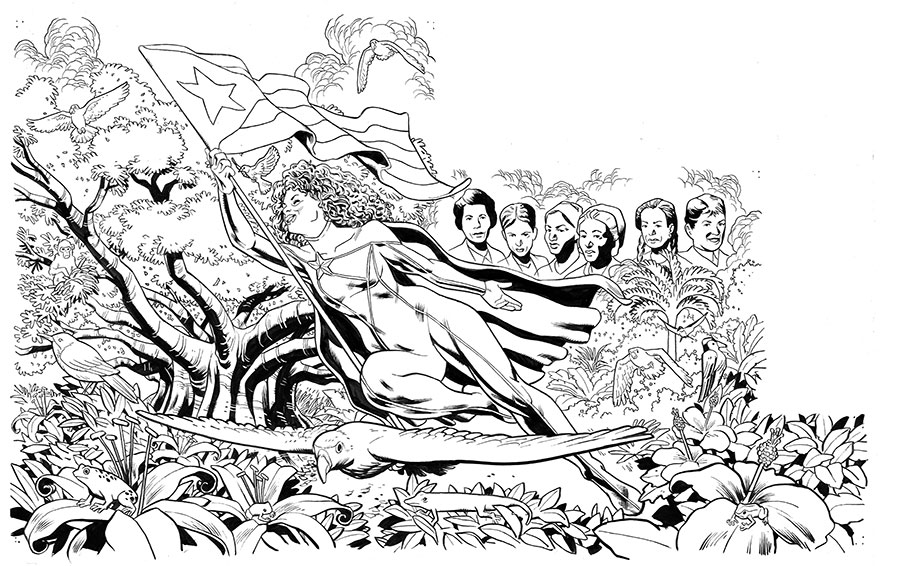
“Get yourself a sketchbook, no matter how you do it, and fill the thing up,” he said.
His belief in process is also why he rejects artificial intelligence as a replacement for artists. For Mike, the problem is historical as much as economic.
“It feels too much like colonizing to me,” he said. “I don’t like that they took a bunch of things that were not theirs. And now they’re saying it’s ours and you’ve got to pay us for it.”
As Impacto marks the 250th anniversary of the United States, Mike Hawthorne’s story reminds us that the nation’s history is also carried by the people whose names are rarely placed at the center of it: mothers who migrated, families who survived without enough support, children who turned inherited pain into art, and Puerto Rican creatives who continue to shape American culture from within.
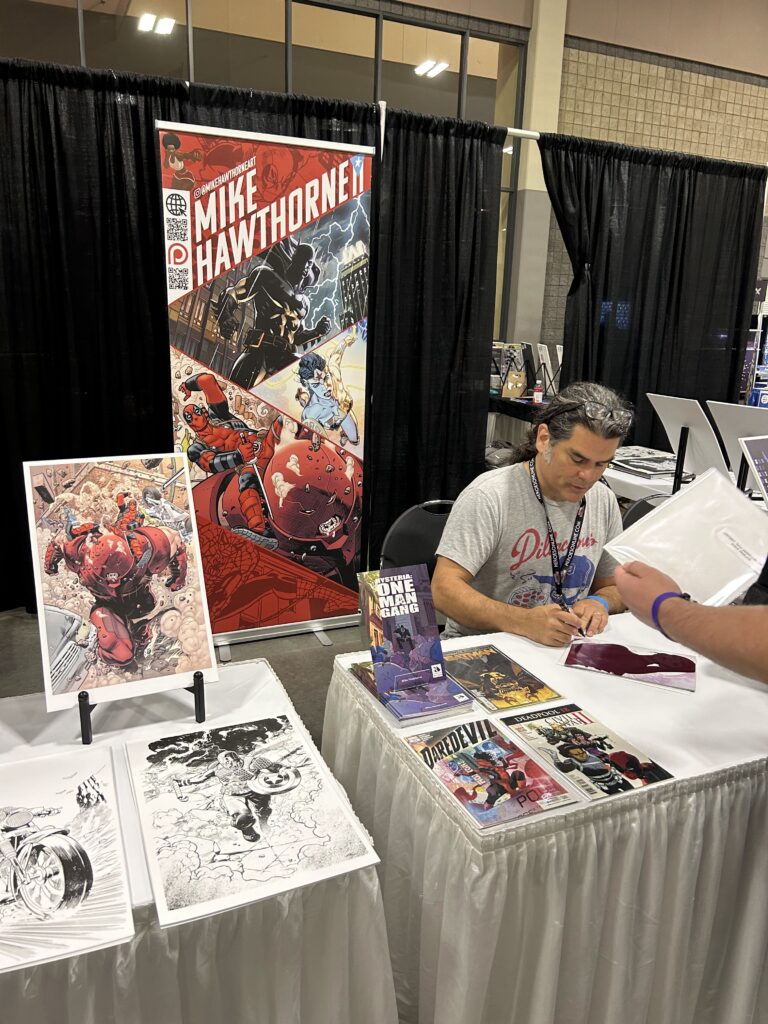
Through his work, Mike brings those memories into comics, pop culture, and now the pages of this special edition, making clear that representation matters. It is a record of who was here, what we carried, and how our stories continue to define the country this anniversary asks us to remember.