

«I’m hungry, Mom.» These simple words from a child can send fear and panic into the hearts of parents and caregivers when the cupboard is bare.
We live in the United States—the wealthiest country in the world when measured by total net wealth. Yet, that wealth doesn’t always reach individual households, especially families struggling to make ends meet in an inflationary economy. The portion of income allocated for food keeps shrinking, while the cost of groceries, utilities, and other essentials continues to rise.
More than one-third of American households (over 36%) report having a «somewhat difficult» or «very difficult» time paying their usual expenses. On top of that, the recent suspension of Supplemental Nutrition Assistance Program (SNAP) benefits, the ongoing federal government shutdown, and the lack of pay for military and federal workers have deepened the crisis. Many people in need fall just above the income threshold for assistance, leaving them without support.
The government shutdown in the United States lasted 43 days, beginning on October 1, 2025, and ending on November 12, 2025. For nearly two weeks, 42 million people across the country either did not receive or received only partial food assistance benefits.
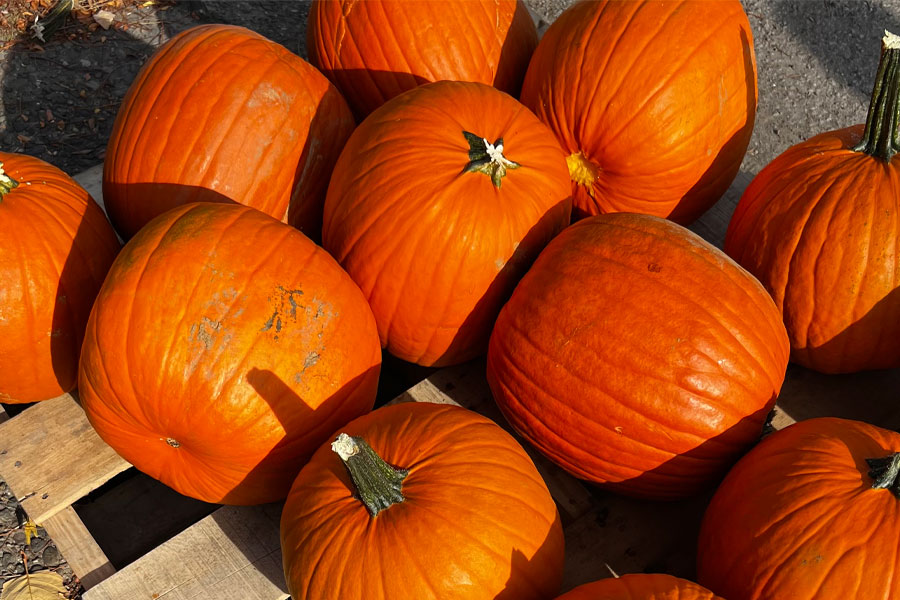
But when children say they’re hungry, Philadelphians rise to the occasion. With grit and the spirit of brotherly love, our city comes together to find solutions.
Mayor Cherelle L. Parker signed an executive order directing all city departments and staff to take immediate action to address the emergency, bypassing time-consuming procedures and formalities (except for mandatory constitutional requirements). “This set the plan in motion across city agencies,” said Philadelphia Solicitor Renee Garcia.
Under Mayor Parker’s leadership, the city launched the One Philly SNAP Support Plan, a $14 million initiative to provide food and assistance during the shutdown.
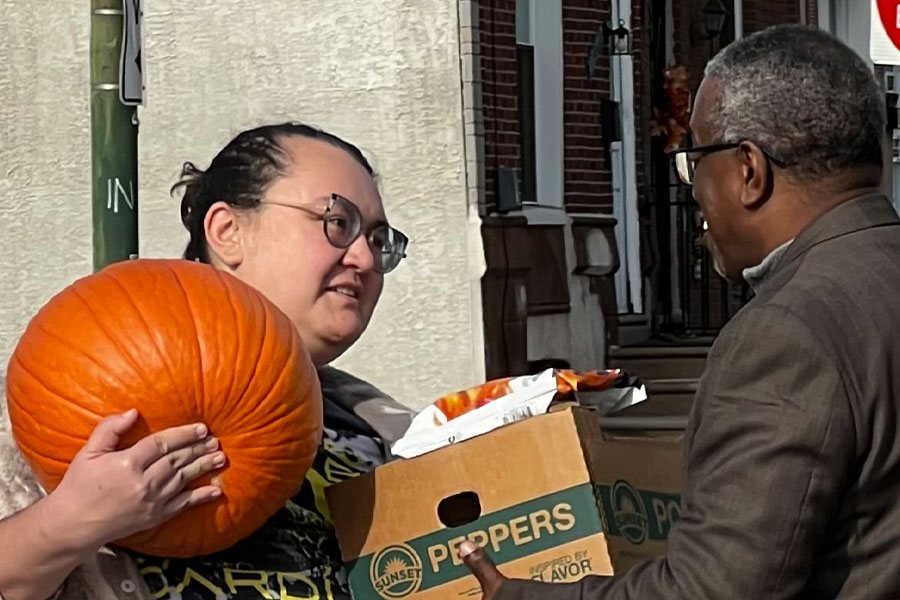
City Council President Kenyatta Johnson and other council members have actively advocated for relief, allocated funds, and personally participated in food distribution efforts. I caught up with Council President Johnson at a food distribution event in Point Breeze. “We’re prepared to feed 1,000 people today,” he said. “So far, 500 have received generous groceries.” The event was still underway at the time.
Johnson emphasized that Philadelphia, as the second-largest city in America with a high poverty rate, must address food insecurity, hunger, and overall economic stability by creating generational employment and ensuring access to good jobs.
The lines were long, with many elderly and disabled residents using walkers and canes to move through. Mabel, a 75-year-old Point Breeze resident, shared her experience: “With the cost of food, utilities, and my medicine, I’m having a hard time just getting by. The food stamps and the food being given out help me a lot.”
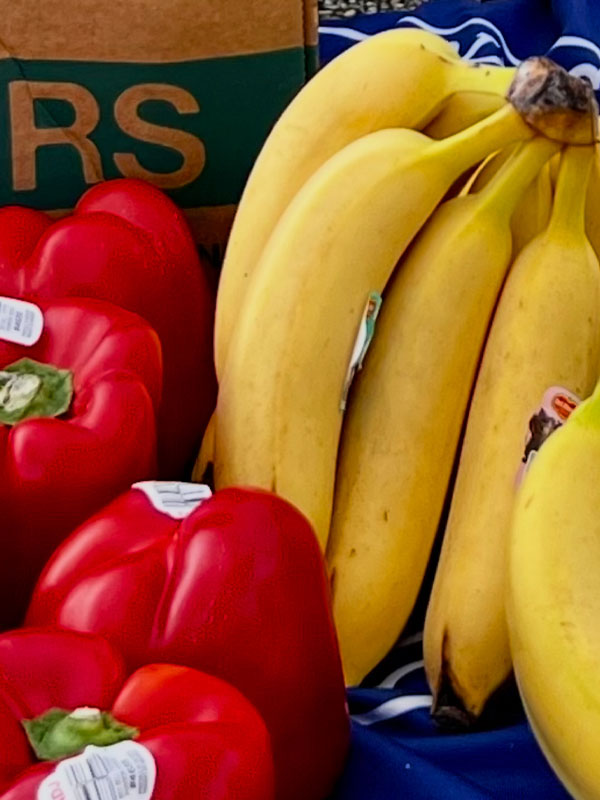
Older Philadelphians can receive daily meals at local senior centers at low or no cost. The Philadelphia Corporation for Aging (215-765-9040) and Catholic Charities (222 North 17th Street, 3rd Floor, Philadelphia, PA 19103) can help connect seniors with meal programs that meet their needs.
Here are some ways to find food near you:
- Search “free food” + your zip code or “free food in Philadelphia” on Google
- Visit https://www.phila.gov/food/ and search by zip code
- Call the United Way helpline at 211
- Contact Share Food Program and Philabundance, the city’s two main food distribution hubs
- Reach out to BenePhilly for free assistance enrolling in public benefit programs that can help cover food, medical insurance, utilities, and more
Local pantries and community organizations are working tirelessly to meet the immediate needs of Philadelphians. Whether you’re facing homelessness, illness, or temporary hardship, help is available. Our city stands ready to answer the call when children cry out in hunger—with compassion, action, and nutritious food.