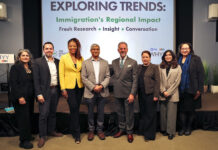


The study is an initiative to apply a national framework—developed by Professor Zeke Hernández of The Wharton School—at the local level
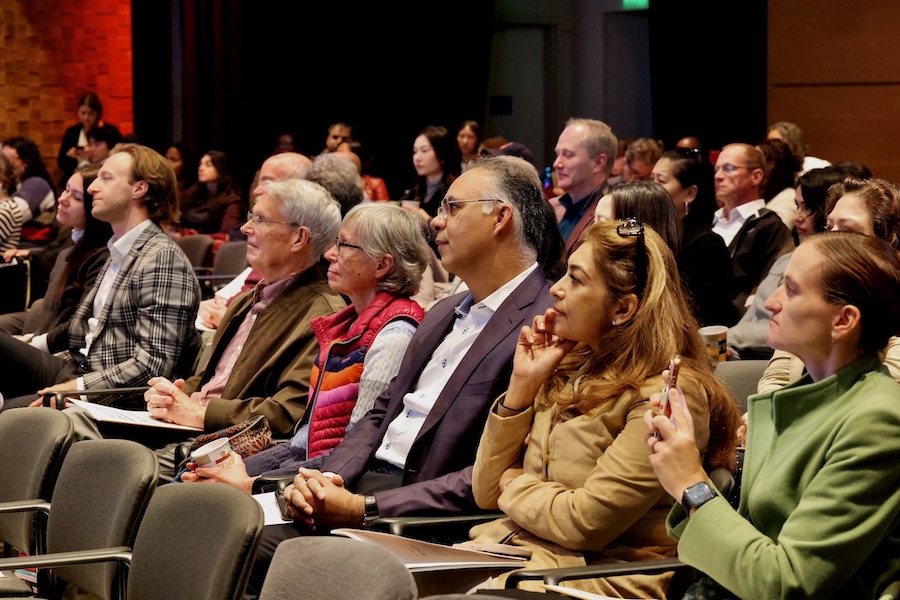
On October 6, The Welcoming Center (TWC)—a Philadelphia-based non-profit promoting inclusive economic growth through immigrant integration—and WHYY hosted an in-person event to present TWC’s report, «Building Collective Prosperity.»
The event marked the release of the second edition of the report, which examines the impact of immigrants on communities across Pennsylvania.
Based on the framework developed by Wharton Professor Zeke Hernández, the study analyzes how immigrants drive prosperity in Philadelphia and the surrounding region through five channels: taxes, innovation, talent, consumption, and investment.
This is the first initiative of its kind in the country to be applied at the local level.
Report Findings
Among other findings, the study highlights that outside of Philadelphia, immigrant households outperform native-born households in terms of income, recording higher average earnings, a larger share of households with earned income, and greater workforce participation.
Immigrants participate extensively and integrally in the economy through local businesses, households, and the tax base.
After paying federal, state, and local taxes, these households retain an estimated $20.64 billion in purchasing power.
Without immigration, Philadelphia’s population would have lost approximately 87,600 people since April 2020; immigration reduced that loss by two-thirds. All other counties in the region would have contracted without immigration or grew more rapidly thanks to it.
Regarding housing, the report highlights that the homeownership gap between native-born and foreign-born residents in Philadelphia has virtually disappeared. Immigrant households in the five-county region have accumulated nearly $60 billion in housing equity (net home value), a figure that nearly doubles the amount recorded in 2015.
Immigrant homeowners paid an estimated $724 million in property taxes in 2024, representing an increase of more than 90% compared to 2015.
Regarding employer-sponsored temporary work permits known as H-1B visas, Philadelphia and Chester County together account for two-thirds of the region’s H-1B certified positions. The vast majority of positions certified for these visas are in the IT and technology sectors.
H-1B certifications in the region declined between 2025 and 2026 in almost every county.
Immigrant employment in STEM sectors (science, technology, engineering, and mathematics) is more than double that of native-born Pennsylvania residents, making up 16 % of the state’s STEM workforce (nearly twice their share of the general population). Specifically, in Chester County—even though immigrants represent only one in eight workers in the county’s total workforce—nearly one in three STEM workers is an immigrant.
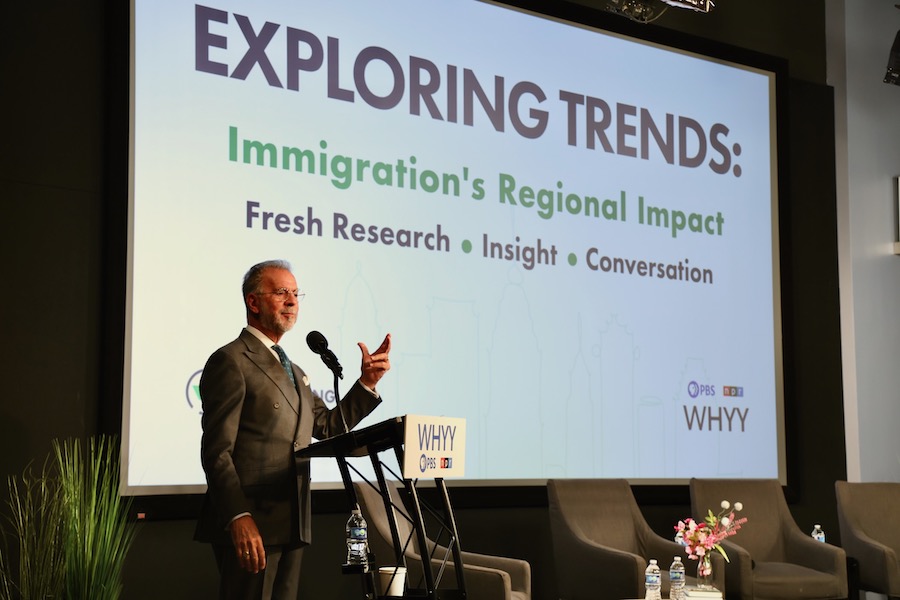
There is no doubt that the report identifies immigrant talent as a key pillar supporting the Philadelphia metropolitan area. “This report makes it clear that the Philadelphia metropolitan area relies on immigrant talent and that its future is inextricably linked to it,” stated Anuj Gupta, President and CEO of The Welcoming Center.
Gupta added, “At a time when anti-immigrant rhetoric is becoming increasingly common, it is important to remember that immigration is one of the United States’ greatest strengths. Immigrants are vital to our country, as they help reverse population decline, support local economies, and enrich our communities. Through this report, we examined Zeke Hernández’s—nationally recognized—argument regarding immigration and found that immigrants are integral to everything that makes our region prosperous.”
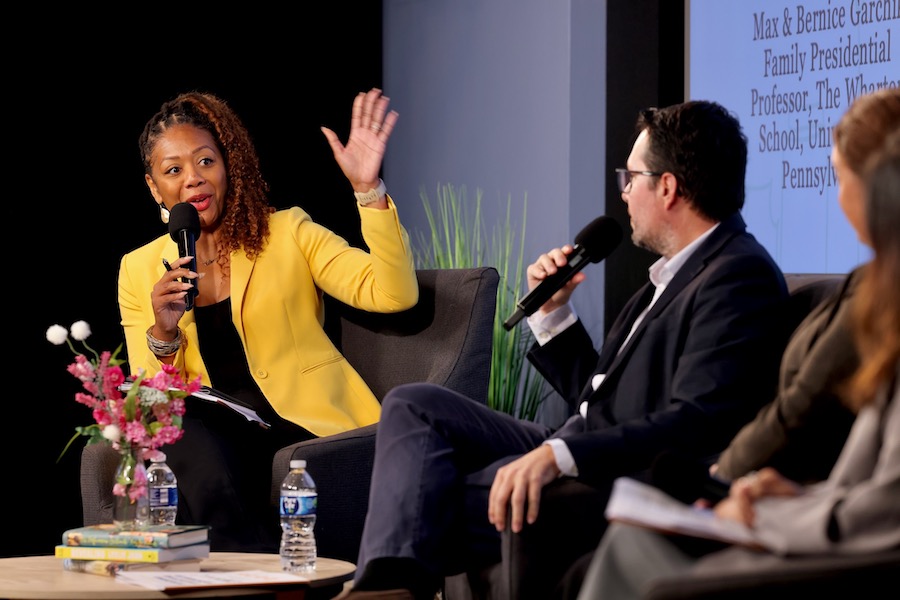
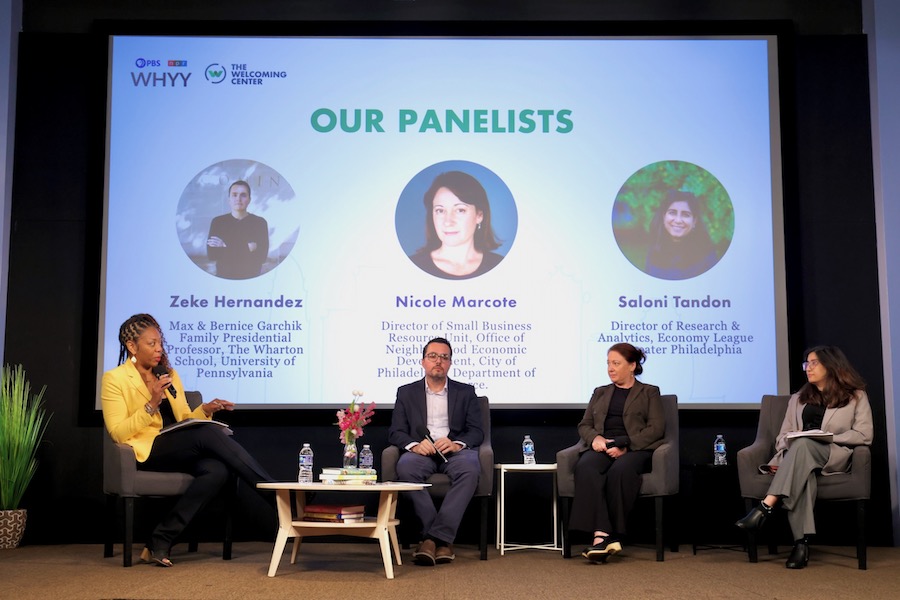
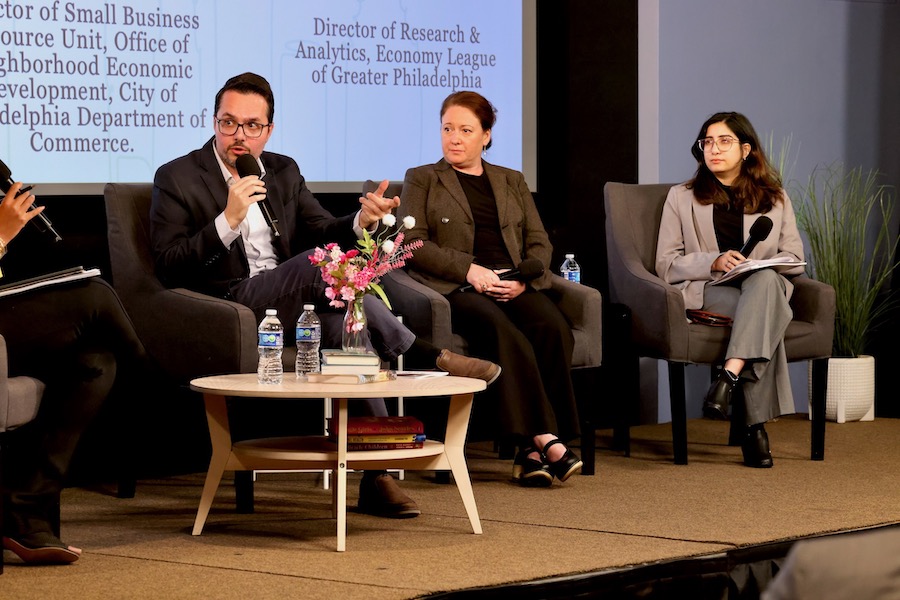
In addition to the presentation of the report’s data, the program featured a panel moderated by Cherri Gregg, co-host of WHYY’s “Studio 2,” which examined how communities shape conditions for their residents.
The central question posed to panelists Saloni Tandon, Director of Research and Analysis and Impact Manager at the Economy League of Greater Philadelphia; Zeke Hernández, author and professor at the Wharton School (University of Pennsylvania); and Nicole Marcote, Director of the Business Technical Assistance Program at the City of Philadelphia’s Department of Commerce, was: What does it mean to be a resident?